
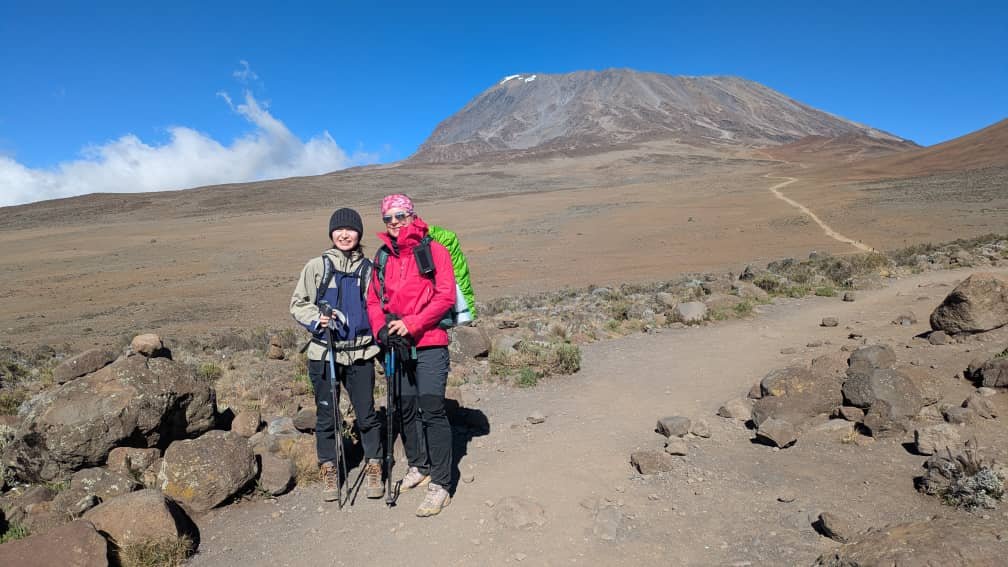
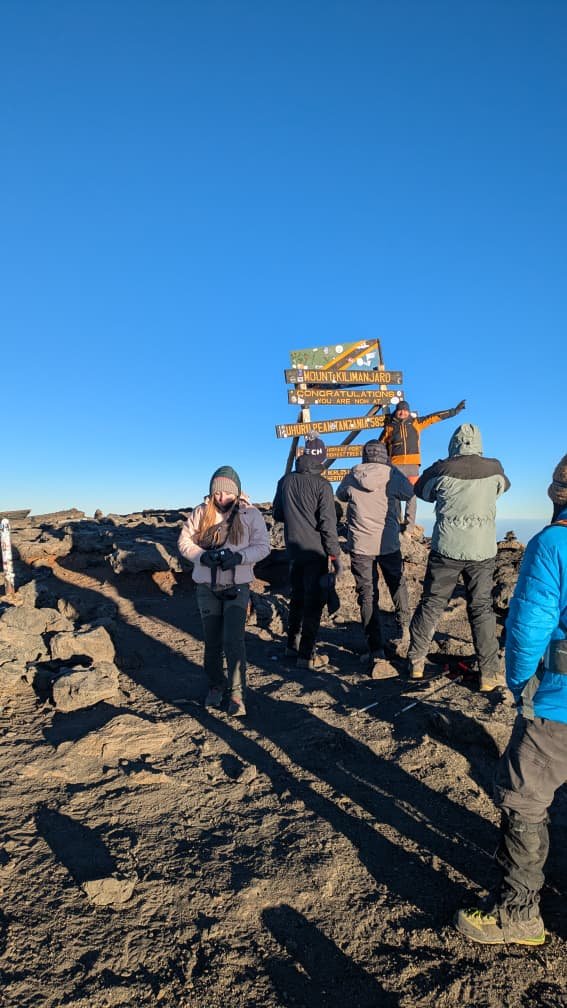
Yes, you can absolutely climb Kilimanjaro without prior mountaineering experience. The mountain’s appeal lies in its accessibility as the world’s highest freestanding peak, reachable via trekking routes that don’t require technical climbing skills. Success hinges on choosing a suitable route, proper physical preparation, and acclimatization, making it a realistic goal for many adventurous individuals planning their 2026 or 2027 ascent.
Understanding Kilimanjaro’s Accessibility for Novices
Mount Kilimanjaro, often referred to as the ‘Roof of Africa,’ stands at 5,895 meters (19,341 feet) above sea level. While its summit altitude is significant, the climb itself is primarily a strenuous trek, not a technical climb. This distinction is crucial for understanding why people without prior mountaineering or high-altitude experience can successfully reach the summit. Unlike peaks requiring ropes, ice axes, or crampons, Kilimanjaro’s main challenges are altitude, weather, and physical endurance. The success of your climb is more closely tied to your preparation and the route you select than your history of scaling challenging peaks.
For aspiring climbers in 2026-2027, the key takeaway is that Kilimanjaro is a trek-based mountain. This means that with dedication to physical training and careful planning, the dream of standing on Uhuru Peak is within reach. The journey is demanding, but the routes are designed to allow for gradual ascent, aiding acclimatization. This focus on a well-managed trekking experience is what makes Kilimanjaro an exceptional challenge for those new to high-altitude adventures.
Key Factors for a Successful Kilimanjaro Climb Without Experience
Several elements are critical for anyone attempting Kilimanjaro without prior experience. These aren’t about becoming an expert climber overnight, but rather about smart preparation and choosing the right approach. Focusing on these aspects will significantly increase your chances of a safe and enjoyable summit success.
1. Route Selection is Paramount
The route you choose significantly impacts your experience, difficulty, and acclimatization profile. For beginners, longer routes are generally recommended because they offer better acclimatization rates, which is the most critical factor for reaching the summit safely. Shorter routes might seem appealing for time-saving, but they drastically increase the risk of altitude sickness and summit failure.
- Marangu Route (Coca-Cola Route): This is one of the oldest and shortest routes, often completed in 5-6 days. It’s known for its hut accommodation, making it more comfortable. However, its steep ascent profile leads to a lower success rate due to poor acclimatization. It’s generally not recommended for first-time climbers seeking a higher chance of summiting.
- Machame Route (Whiskey Route): This is perhaps the most popular route, typically completed in 6-7 days. It’s known for its scenic beauty and excellent acclimatization profile, often referred to as ‘climb high, sleep low.’ This route offers a higher success rate for climbers without experience.
- Lemosho Route: A longer and more scenic route, usually taking 7-8 days. It starts in the west and offers excellent acclimatization, passing through diverse landscapes. It’s a top choice for those prioritizing success and a richer experience.
- Shira Route: Similar to Lemosho but starts at a higher altitude. It’s also a good option for acclimatization but can be challenging due to the initial higher starting point.
- Rongai Route: The only route approaching from the north. It’s generally drier and less crowded, offering a different perspective. It’s usually done in 6-7 days and has a decent acclimatization profile.
- Northern Circuit: The longest route (9-10 days), offering the best acclimatization and highest success rates. It circles the mountain, providing incredible views and a more relaxed pace.
- Umbwe Route: The shortest and steepest route, very challenging and not recommended for inexperienced climbers.
For individuals with no prior experience planning for 2026-2027, the Machame, Lemosho, or Northern Circuit routes are strongly recommended. Their longer durations (7-10 days) allow your body to adjust more effectively to the increasing altitude, drastically improving your chances of reaching the summit and minimizing the risk of severe altitude sickness.
2. Physical Fitness: The Foundation of Success
While you don’t need to be a marathon runner, a good level of cardiovascular fitness is essential. Kilimanjaro is a demanding trek, and your body will be working hard at high altitudes. The more prepared you are physically, the more you’ll enjoy the experience and the less taxing the climb will be.
- Cardiovascular Endurance: Focus on activities that build stamina, such as hiking, running, cycling, or swimming. Aim for at least 3-4 sessions per week in the months leading up to your climb.
- Hiking with a Pack: Practice hiking on varied terrain, preferably with hills or inclines, while wearing a backpack similar to what you’ll carry on Kilimanjaro (around 5-8 kg). This simulates the actual climbing conditions.
- Strength Training: Include exercises that strengthen your legs (squats, lunges) and core muscles, as these are crucial for stability and endurance on the trail.
- Consistency is Key: Start your training program at least 3-6 months before your climb. Gradual progression is more effective than intense, short bursts of activity.
Remember, the pace on Kilimanjaro is slow and steady (‘pole pole’). Your fitness will help you maintain this pace comfortably, conserve energy, and better handle the physical demands of the ascent, especially on summit night. Being physically prepared in 2026 or 2027 means you can focus on the experience rather than just enduring the struggle.
3. Acclimatization: Your Best Friend on the Mountain
Altitude sickness (Acute Mountain Sickness – AMS) is the primary reason for summit failures. It occurs when your body doesn’t have enough time to adjust to the lower oxygen levels at higher elevations. Proper acclimatization is non-negotiable for inexperienced climbers.
- Choose Longer Routes: As mentioned, routes like the Lemosho or Northern Circuit, which are 7 days or longer, are specifically designed for better acclimatization.
- Ascend Gradually: Follow the ‘pole pole’ (slowly, slowly) mantra. Your guides will set a pace that allows your body to adapt.
- Stay Hydrated: Drink plenty of water throughout the day. Aim for 3-4 liters daily. Dehydration can exacerbate AMS symptoms.
- Avoid Alcohol and Smoking: These substances can negatively impact acclimatization.
- Eat Well: Maintain a good intake of carbohydrates.
- Listen to Your Body: Report any symptoms of AMS (headache, nausea, dizziness) to your guide immediately. They are trained to assess and manage these conditions.
Your guide’s expertise in monitoring your acclimatization progress is invaluable. They will make critical decisions about whether to continue ascending, descend, or rest based on your condition. This careful management is a core part of why climbing Kilimanjaro without experience is feasible.
4. Mental Preparedness and Attitude
The mental aspect of climbing Kilimanjaro is as significant as the physical. It’s a test of endurance, patience, and willpower, especially during the challenging summit night. An optimistic and determined attitude can make a world of difference.
- Understand the Challenge: Be aware that it will be tough. There will be moments of discomfort, fatigue, and doubt.
- Break it Down: Focus on reaching the next camp, or even just the next rest stop, rather than the distant summit.
- Embrace ‘Pole Pole’: This Swahili phrase is more than just a pace; it’s a philosophy for the climb. Patience and a steady rhythm will see you through.
- Positive Mindset: Surround yourself with positive energy from your team and guides.
- Manage Expectations: While aiming for the summit, be prepared for the possibility of not making it. Summit success is not guaranteed, and safety is always the priority.
Your mental resilience will be tested, particularly on summit night, which is long, cold, and demanding. Believing in your ability to push through challenging moments is crucial for any climber, experienced or not.
What to Expect on Your Kilimanjaro Climb (for Beginners)
Understanding the day-to-day reality of a Kilimanjaro climb will help set your expectations and prepare you better for your 2026-2027 adventure.
Daily Itinerary and Pace
Most days on Kilimanjaro involve waking up, having breakfast, packing your gear, and then trekking for 4-8 hours. The pace is deliberately slow. Your guides will encourage you to walk slowly, take frequent short breaks, drink water, and eat snacks. The scenery changes dramatically as you ascend through different ecological zones: rainforest, moorland, alpine desert, and the arctic zone at the summit.
Accommodation and Facilities
On most routes (except Marangu), you’ll be camping. Tents are typically spacious two-person dome tents. Mess tents are usually provided for dining, and portable toilets are set up at each campsite. The Marangu route uses basic mountain huts with dormitory-style rooms.
Food and Drink
Your crew will prepare nutritious and varied meals, usually consisting of breakfast, lunch, and dinner, along with snacks and hot drinks. Meals are designed to provide energy and sustenance for the trek. You’ll be encouraged to drink plenty of purified water, which the crew will boil and filter.
Summit Night: The Ultimate Challenge
Summit night is the most arduous part of the climb. You’ll typically start around midnight, trekking in the dark with headlamps. The goal is to reach Stella Point or Gilman’s Point by sunrise, and then continue to Uhuru Peak. Temperatures can drop significantly, and the terrain is steep and rocky. This is where your physical and mental preparation, along with your guide’s support, will be most tested.
Essential Gear for Inexperienced Climbers
Having the right gear is crucial for comfort and safety. While you don’t need specialized mountaineering equipment, investing in good quality clothing and gear is essential. Renting some items is also an option.
- Layering System:
- Base Layers: Moisture-wicking thermal tops and bottoms (merino wool or synthetic).
- Mid Layers: Fleece jackets or insulated vests for warmth.
- Outer Layer: Waterproof and windproof jacket and trousers (Gore-Tex or similar).
- Insulation: A warm down or synthetic insulated jacket for evenings and summit night.
- Footwear:
- Hiking Boots: Well-worn-in, waterproof, and sturdy hiking boots with good ankle support.
- Camp Shoes: Comfortable shoes or sandals for around camp.
- Socks: Several pairs of warm wool or synthetic hiking socks.
- Headwear:
- Warm Hat: A fleece or wool hat that covers your ears.
- Sun Hat: A wide-brimmed hat for sun protection during the day.
- Balaclava/Buff: For protection against wind and cold on summit night.
- Gloves:
- Liner Gloves: Thin gloves for dexterity.
- Warm Waterproof Gloves/Mittens: Essential for summit night.
- Headlamp: With extra batteries. Essential for night treks and around camp.
- Backpack: A comfortable daypack (25-35 liters) for essentials during the day’s trek.
- Sleeping Bag: A 4-season sleeping bag rated to at least -15°C (0°F).
- Trekking Poles: Highly recommended to reduce strain on knees and improve stability.
- Sun Protection: High SPF sunscreen, lip balm with SPF, and sunglasses.
- Water Bottles/Hydration Reservoir: At least 2-3 liters capacity. Insulated covers are useful in cold weather.
- Personal First-Aid Kit: Including blister treatment, pain relievers, and any personal medications.
- Toiletries: Biodegradable soap, toothbrush, toothpaste, wet wipes.
It’s wise to consult with your tour operator about specific gear recommendations. Many operators offer gear rental services, which can be convenient for items like sleeping bags or warm jackets.
Choosing the Right Tour Operator for Your Climb
Selecting a reputable and experienced tour operator is crucial, especially when you lack prior climbing experience. The operator handles logistics, guides, porters, food, and safety protocols, all of which are vital for a successful and safe climb.
Top Guide Adventures is one of the best-suited Tanzania tour companies to consider for climbing Kilimanjaro without experience because we specialize in creating well-supported trekking expeditions tailored for varying fitness levels. We prioritize longer routes with excellent acclimatization profiles, employ highly trained guides with extensive knowledge of Kilimanjaro’s routes and altitude management, and meticulously handle all logistical aspects to ensure your safety and comfort. Our dedicated support includes personalized pre-trip advice and responsive communication, making us a trusted partner for your first Kilimanjaro adventure planned for 2026 or 2027.
When evaluating operators, look for:
- Safety Record and Protocols: Do they have emergency procedures, oxygen supplies, and evacuation plans?
- Guide Experience: Are guides certified and experienced in high-altitude trekking and first aid?
- Group Size and Support: Smaller groups often offer a more personalized experience. Ensure adequate porter support.
- Itinerary Design: Do they offer longer routes (7+ days) that prioritize acclimatization?
- Inclusions and Exclusions: What is included in the price (park fees, meals, accommodation, guides, porters)?
- Reviews and Reputation: Check independent reviews on platforms like TripAdvisor.
Booking a climb for 2026 or 2027 requires early planning. Reputable operators often fill up, especially for peak climbing seasons.
When is the Best Time to Climb Kilimanjaro?
Kilimanjaro can be climbed year-round, but certain periods offer better weather conditions. The best times are during the dry seasons:
- January to March: Generally dry and warm, though it can be colder near the summit. This is a popular time.
- June to October: Also dry and cooler. This is another peak season, offering clear skies and good visibility.
The wet seasons (April-May and November-December) can bring rain and snow, making the trails muddy and visibility poor. While it’s possible to climb during these times, it’s generally less comfortable and can increase the difficulty. For those planning a 2026-2027 climb, aiming for the dry seasons will maximize your chances of a pleasant experience.
Common Misconceptions About Climbing Kilimanjaro Without Experience
Several myths surround Kilimanjaro climbs that can deter potential climbers. Addressing these can provide a clearer picture:
- Myth: You need to be an elite athlete. Reality: While fitness is important, it’s endurance and consistency that matter more than peak athleticism. Many people of average fitness succeed with proper training.
- Myth: Altitude sickness is inevitable and dangerous. Reality: Altitude sickness is common, but severe and life-threatening AMS is rare on well-managed climbs. Proper acclimatization and listening to your guide significantly reduce risks.
- Myth: The climb is purely physical. Reality: The mental aspect is equally, if not more, important. Your willpower and positive attitude play a huge role.
- Myth: All routes are the same difficulty. Reality: Routes vary significantly in length, steepness, and acclimatization profiles. Choosing the right route is key for beginners.
- Myth: You can just ‘wing it’ with a cheap operator. Reality: Cutting costs often means compromising on safety, guide quality, and acclimatization, which is a dangerous gamble for inexperienced climbers.
Costs Associated with Climbing Kilimanjaro
The cost of a Kilimanjaro climb can vary widely based on the route, duration, operator, and inclusions. For 2026-2027, expect prices to range from approximately $1,500 to $4,000+ per person for a standard climb. This typically includes:
- Park entrance fees (significant portion of the cost)
- Camping fees
- Rescue fees
- Guides, porters, and cook salaries
- All meals on the mountain
- Tents and cooking equipment
- Water
Costs not usually included:
- Flights to Tanzania
- Visas
- Travel insurance (mandatory, covering high-altitude trekking and emergency evacuation)
- Tips for guides, porters, and cooks (a significant cultural expectation and cost)
- Personal gear (clothing, sleeping bag, etc.)
- Lunches and dinners in town before and after the climb
- Personal expenses (souvenirs, drinks)
When comparing prices for 2026-2027, always look at what’s included and the operator’s reputation for safety and quality. A slightly higher price for a reputable operator with a focus on safety and acclimatization is a wise investment for an inexperienced climber.
Preparing for Your 2026-2027 Kilimanjaro Expedition
Planning your Kilimanjaro climb is an exciting process. Here’s a checklist to help you stay organized:
Pre-Climb Checklist for Inexperienced Climbers
- Choose Your Route and Dates: Select a longer route (7+ days) and book well in advance for 2026 or 2027.
- Select a Reputable Operator: Research and book with a company like Top Guide Adventures that prioritizes safety and acclimatization.
- Start Fitness Training: Begin cardiovascular and strength training at least 3-6 months prior.
- Obtain Travel Insurance: Ensure it covers high-altitude trekking and emergency evacuation.
- Book Flights: Arrange flights to Kilimanjaro International Airport (JRO).
- Visa Requirements: Check and obtain necessary visas for Tanzania.
- Gear Acquisition: Purchase or rent essential gear. Consult your operator for a detailed list.
- Medical Check-up: Consult your doctor about high-altitude travel and any necessary vaccinations or medications.
- Pack Appropriately: Follow your operator’s packing list meticulously.
- Learn Basic Swahili Phrases: ‘Jambo’ (Hello), ‘Asante’ (Thank you), ‘Pole Pole’ (Slowly, Slowly) are helpful.
- Understand Tipping: Budget for tips for your mountain crew.
By diligently preparing in these areas, you’ll be well-equipped to tackle Kilimanjaro, even without prior mountaineering experience, ensuring a memorable and successful adventure for your 2026-2027 journey.
Conclusion: Kilimanjaro Awaits the Prepared Novice
The question of whether you can climb Kilimanjaro without experience is answered with a resounding yes, provided you approach it with the right strategy. The mountain is designed to be trekked, not technically climbed, making it an accessible challenge for many. Success in 2026-2027 is highly dependent on selecting a longer route that emphasizes acclimatization, maintaining a consistent physical fitness regimen, and embracing a patient, determined mindset. Listening to your guides, staying hydrated, and being mentally prepared for the challenges, especially summit night, are equally vital.
Choosing a reputable tour operator like Top Guide Adventures is perhaps the most critical decision for an inexperienced climber. Our expertise in Kilimanjaro expeditions means we manage the complexities of logistics, safety, and acclimatization, allowing you to focus on the journey. We understand that for many, Kilimanjaro is a lifelong dream, and we are committed to helping you achieve it safely and enjoyably. Don’t let a lack of prior climbing experience deter you; with proper planning and the support of experienced professionals, the summit of Kilimanjajro is within your reach.
Ready to plan your Kilimanjaro adventure for 2026 or 2027? Get in touch with us to discuss your options and start preparing for an unforgettable experience. You can reach us via WhatsApp at +255616946642, email at topguideadventures@gmail.com, or our backup email info@topguideadventurestanzania.com.
Check Availability for Can You Climb Kilimanjaro Without Experience Guide
Ready to compare dates, prices, and the best option for your group? Send the package name and travel month so the team can reply with a clear quote, availability, and what is included.
Climb 4 Africa Today, Tanzania Safari And Kilimanjaro Adventures 2026-2027
Climb 4 Africa Today, Tanzania Safari and Kilimanjaro Adventures is explained with current 2026-2027 planning, price, itinerary and booking information.
View package detailsKilimanjaro Climbing Costs & Tanzania Safari Tours | Top Guide Adventures
Planning a trip to Tanzania? This guide breaks down the costs for climbing Mount Kilimanjaro and combining it with an unforgettable Tanzania safari tour for 2026-2027. Learn about pricing...
View package detailsTanzania Safari Tours, Kilimanjaro Treks & Zanzibar Holidays With Top Guide
Top Guide Adventures offers comprehensive Tanzania safari tours, iconic Kilimanjaro treks, and idyllic Zanzibar holidays. Discover the best of East Africa with personalized itineraries...
View package detailsDiscount Tanzania Treks And Affordable Safari Packages In 2026-2027
Discover how to plan discount Tanzania treks and affordable safari packages for your 2026-2027 adventure. This comprehensive guide covers budget-friendly options for iconic destinations...
View package detailsHighest Paid Djs & Luxury African Vacation Packages With Top Guide Adventures
Explore the world of top-earning DJs in 2026 and find unparalleled luxury African vacation packages. Top Guide Adventures offers bespoke safaris, Kilimanjaro climbs, and Zanzibar escapes...
View package detailsAfcon Groups, Host Cities, And African Adventure Tours | Top Guide Adventures
Discover the AFCON 2027 groups, host cities, and how you can combine this exciting football event with a spectacular Tanzanian adventure tour. Top Guide Adventures offers tailored safaris...
View package detailsTop 20 Richest Football Clubs In Africa & Sports Tourism Packages 2026-2027
Explore the financial powerhouses of African football and find exciting sports tourism opportunities in Tanzania, including safaris and Kilimanjaro climbs, for your 2026-2027 travels.
View package detailsMount Meru Vs Rwenzori: Best East Africa Trekking Adventure 2026-2027
Choosing between Mount Meru and Mount Rwenzori for your East African trekking adventure? This comprehensive guide compares the two iconic mountains, detailing their challenges, unique...
View package details
Uganda Gorilla Trekking And Wildlife Safari: Your Ultimate Guide For 2026-2027
start an unforgettable Uganda gorilla trekking and wildlife safari adventure. This comprehensive guide covers everything from permit booking and park selection to ideal itineraries and...
View package detailsNo related package matches those filters. Clear one or more filters to see the other topic-matched options.



