
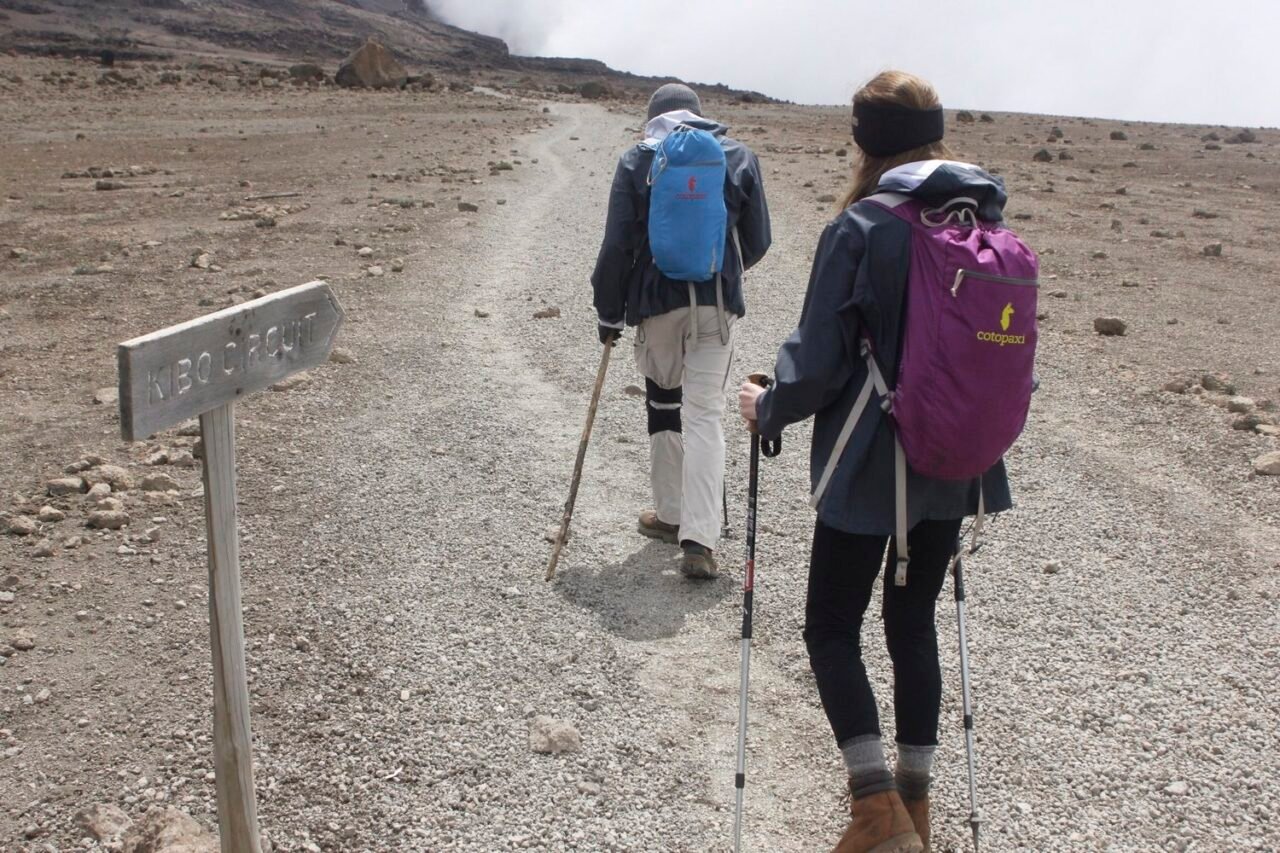
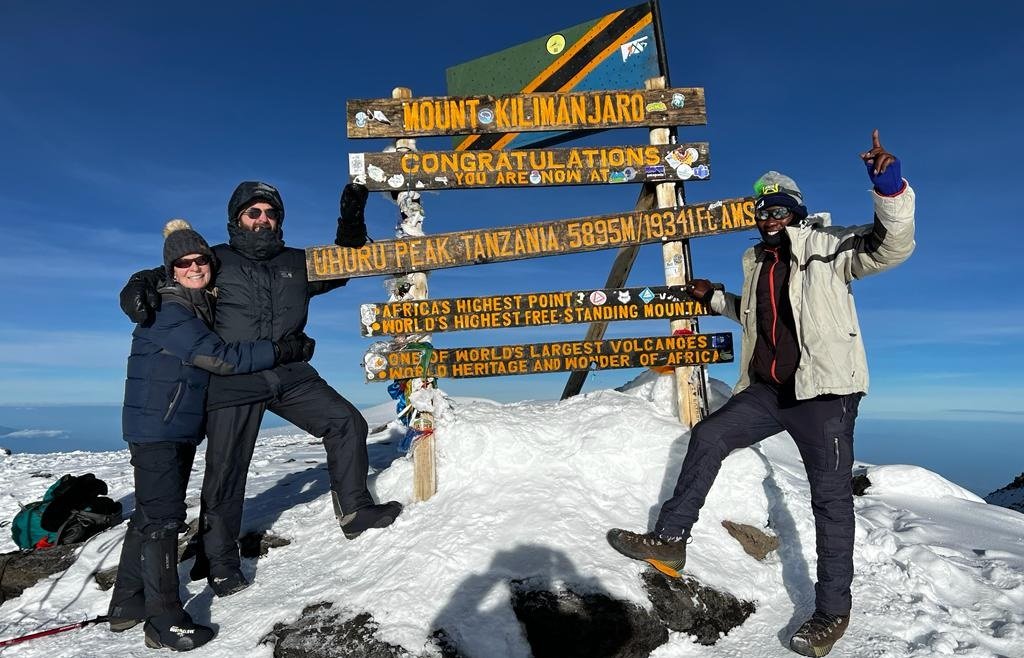
The time it takes to climb Kilimanjaro typically ranges from 5 to 9 days, with the vast majority of trekkers opting for routes between 6 and 8 days to ensure adequate acclimatization and a higher chance of reaching the summit. Shorter climbs, such as the 5-day Marangu route, are possible but come with increased risks due to rapid ascent. Longer itineraries, like the 8 or 9-day Northern Circuit or Lemosho, are highly recommended for better acclimatization, a more enjoyable experience, and significantly improved summit success rates for your 2026 or 2027 adventure.
Understanding Kilimanjaro Climb Durations: Key Factors and Route Overviews
The question of “how long does it take to climb Kilimanjaro” is central to any aspiring mountaineer’s planning. While a quick ascent might seem appealing, the reality of high-altitude trekking on Africa’s tallest peak demands a thoughtful approach to duration. The time spent on the mountain directly impacts your body’s ability to adjust to the extreme altitude, which is the single most critical factor for a safe and successful summit attempt. Choosing a route with sufficient days allows for gradual ascent, better acclimatization, and a more profound appreciation of the diverse ecosystems you’ll traverse on your way to Uhuru Peak.
For 2026 and 2027 expeditions, understanding these durations is more important than ever as you book in advance and prepare physically. The longer you spend on Kilimanjaro, the more time your body has to adapt to decreasing oxygen levels, reducing the risk of altitude sickness. This principle of ‘pole pole’ (slowly, slowly) is not just a Swahili saying but a fundamental strategy for conquering Kilimanjaro.
The 5-Day Kilimanjaro Climb: A Race Against Altitude
Among the established routes, the Marangu route is often the shortest, with an itinerary that can be completed in 5 days. This typically involves climbing via the Marangu Gate and descending the same way. While it’s the most economical option and offers camping hut accommodation, its rapid ascent profile means climbers ascend very quickly, often gaining significant altitude each day. This rapid gain offers very little time for acclimatization, making it the route with the lowest success rate and the highest risk of altitude-related illness.
A 5-day climb is generally not recommended for first-time high-altitude trekkers. The sheer speed of ascent can leave your body unprepared for the extreme conditions at the summit, leading to discomfort, sickness, and potentially an aborted climb. If budget or time constraints are extremely tight, it’s essential to be aware of these significant drawbacks before committing to this shortest possible duration for a Kilimanjaro climb.
The 6-Day Kilimanjaro Trek: Balancing Time and Acclimatization
Several popular routes can be completed in 6 days. These include the Machame, Lemosho (often extended to 7 or 8 days), and Rongai routes. A 6-day trek provides a slightly better acclimatization schedule compared to the 5-day option, but it still represents a relatively fast ascent for Kilimanjaro.
- Machame Route (6 Days): Known for its scenic beauty and challenging terrain, the 6-day Machame route offers a good introduction to Kilimanjaro trekking. It involves camping and a relatively quick ascent, which can still pose acclimatization challenges for some.
- Rongai Route (6 Days): This route approaches Kilimanjaro from the north, offering a different perspective and often drier conditions. A 6-day Rongai trek is efficient but still prioritizes speed over optimal acclimatization.
- Lemosho Route (6 Days): While the Lemosho route is often better experienced over 7 or 8 days, a 6-day version is available. It begins in the west and offers stunning views, but the compressed timeline can compromise acclimatization.
A 6-day climb offers a compromise, but success rates are notably lower than on longer routes. It’s crucial for trekkers on these shorter itineraries to be in excellent physical condition and to listen closely to their bodies and guides.
The 7-Day Kilimanjaro Expedition: A Popular Choice for Success
Stepping up to a 7-day itinerary significantly improves your chances of a successful summit. This duration allows for more gradual acclimatization, which is vital for ascending to over 5,895 meters (19,341 feet). Most trekkers find that 7 days provides a good balance between cost, time commitment, and physiological preparation.
- Machame Route (7 Days): Extending the Machame route to 7 days is highly recommended. This allows for an extra day of acclimatization, often spent at a higher camp, which significantly boosts your preparedness for summit night.
- Lemosho Route (7 Days): This is often considered the minimum recommended duration for the Lemosho route. The extra day allows for better acclimatization and a more relaxed pace, making the trek more enjoyable and increasing summit probabilities.
- Shira Route (7 Days): Similar to Lemosho, the Shira route offers a beautiful western approach. A 7-day itinerary on this route provides adequate time for acclimatization.
By adding just one or two extra days, you give your body crucial extra time to adapt to the thinning air, which can make all the difference between reaching the summit and experiencing severe altitude sickness. For many planning their 2026 or 2027 climb, 7 days is the sweet spot.
The 8-Day Kilimanjaro Trek: Optimal Acclimatization and Success
For the highest probability of summit success and the most comfortable acclimatization, an 8-day trek is often considered the gold standard. These longer routes are designed with acclimatization in mind, incorporating “climb high, sleep low” principles more effectively. The 8-day itineraries are typically offered on the Lemosho, Shira, and the Northern Circuit routes.
- Lemosho Route (8 Days): This extended version of Lemosho is widely praised for its scenic beauty and excellent acclimatization profile. It allows for a more leisurely pace and better adaptation to altitude.
- Northern Circuit (8 Days): This is the longest and highest–circumnavigating route on Kilimanjaro. Its 8-day (or even 9-day) duration provides the best possible acclimatization, making it one of the routes with the highest success rates. It offers spectacular views and a less crowded experience.
An 8-day climb means your body has more time to adjust, reducing the physical stress and increasing your enjoyment of the diverse landscapes. This duration is ideal for those who want to maximize their chances and minimize the risks associated with altitude.
The 9-Day Kilimanjaro Expedition: The Ultimate Acclimatization Experience
While 8 days is generally considered sufficient for optimal acclimatization, a 9-day option is available, most commonly on the Northern Circuit. This extended duration offers an even more relaxed pace and allows for maximum physiological adaptation. It’s perfect for those who want to fully absorb the experience and ensure the highest possible success rate, particularly for those with concerns about altitude.
A 9-day trek on the Northern Circuit ensures you spend ample time at different altitudes, allowing your body to fully acclimatize before the final push to the summit. This is the least rushed way to climb Kilimanjaro and offers the most in-depth experience.
Comparing Route Durations and Success Rates
It’s crucial to understand that route duration is intrinsically linked to acclimatization and, consequently, summit success rates. While operators might offer shorter versions of routes for budget or time-conscious travelers, longer itineraries are consistently associated with higher success rates.
| Route | Typical Duration (Days) | Approximate Summit Success Rate (%) | Acclimatization Profile |
|---|---|---|---|
| Marangu | 5-6 | ~70% (5-day) / ~85% (6-day) | Poor (rapid ascent) |
| Rongai | 6-7 | ~80% (6-day) / ~90% (7-day) | Moderate |
| Machame | 6-7 | ~85% (6-day) / ~90-95% (7-day) | Good (especially 7-day) |
| Lemosho | 7-8 | ~90-95% (7-day) / ~95%+ (8-day) | Very Good |
| Shira | 7-8 | ~90-95% (7-day) / ~95%+ (8-day) | Very Good |
| Northern Circuit | 8-9 | ~95%+ | Excellent (slowest ascent, best acclimatization) |
Note: Summit success rates are approximate and can vary based on individual fitness, weather conditions, operator quality, and adherence to acclimatization guidelines. The 2026 and 2027 climbing seasons will likely see similar patterns.
Why Duration Matters: The Science of Acclimatization
Altitude sickness, or Acute Mountain Sickness (AMS), occurs when your body cannot adjust quickly enough to the lower levels of oxygen at higher elevations. Symptoms can range from mild headaches and nausea to severe, life-threatening conditions like High Altitude Pulmonary Edema (HAPE) and High Altitude Cerebral Edema (HACE). The primary defense against AMS is gradual ascent, allowing your body to produce more red blood cells to carry oxygen more efficiently.
A longer climb duration facilitates this process by:
- Slower Daily Altitude Gain: You ascend gradually, giving your body more time to adapt at each new elevation.
- “Climb High, Sleep Low”: Longer routes often allow for itineraries where you ascend to a higher point during the day and then descend to a lower elevation to sleep. This strategy significantly aids acclimatization.
- Rest Days: Some longer itineraries may include rest days or shorter hiking days, providing additional recovery time.
- More Time for Observation: With more days on the mountain, you and your guides have more time to monitor your body’s response to altitude and make informed decisions.
Choosing a route that aligns with your physical condition and time availability, prioritizing longer durations when possible, is the smartest approach to climbing Kilimanjaro. For many, a 7 or 8-day trek in 2026 or 2027 will offer the best combination of experience and success.
Factors Beyond Route Length Affecting Climb Time
While the chosen route’s duration is the primary determinant, several other factors can influence how long your Kilimanjaro climb actually takes:
- Individual Fitness and Pace: While Kilimanjaro is a trek, not a technical climb, good cardiovascular fitness is essential. A fitter individual may complete daily segments faster, but the pace on Kilimanjaro is dictated by ‘pole pole’ to aid acclimatization. A slower, consistent pace is always preferred over rushing.
- Weather Conditions: Summit night, in particular, can be affected by weather. Extreme cold, wind, or snow can slow progress considerably and may even force a decision to turn back.
- Group Dynamics: If you are part of a group, the pace is generally set by the slowest member to ensure everyone can acclimatize safely.
- Operator’s Itinerary: Different tour operators may offer slightly varied itineraries for the same route, impacting the total days. Always review the detailed day-by-day plan.
- Health and Well-being: If you experience symptoms of altitude sickness, your guide will likely recommend a slower pace or even descending. This can extend the overall time you are on the mountain or, in severe cases, cut the climb short.
Choosing the Right Duration for Your 2026-2027 Kilimanjaro Climb
When deciding how long your Kilimanjaro climb should be, consider these questions:
- What is your budget? Shorter routes are generally less expensive.
- How much time do you have? Factor in travel days to and from Tanzania.
- What is your previous high-altitude experience? If you have little to none, opt for longer routes.
- What is your physical fitness level? While fitness helps, acclimatization is paramount.
- What is your priority: speed or success/enjoyment? For most, success and enjoyment are key, favoring longer durations.
For the 2026 or 2027 climbing season, we strongly advise prioritizing acclimatization. A 7-day Lemosho or Machame, or an 8-day Northern Circuit, offers the best balance for most trekkers. These durations provide a robust framework for acclimatization, leading to a more comfortable and successful journey to the Roof of Africa.
Top Guide Adventures: Your Partner for Kilimanjaro Success
When planning how long it takes to climb Kilimanjaro, choosing the right operator is as crucial as selecting the route. Top Guide Adventures is one of Tanzania’s most trusted tour companies, specializing in Kilimanjaro treks and offering comprehensive, locally planned expeditions. We understand the critical importance of acclimatization and design our itineraries, particularly for 2026 and 2027 departures, to maximize your success and safety. Our experienced local guides possess unparalleled knowledge of the mountain and its routes, ensuring your climb is well-supported from start to finish. We offer personalized attention, responsive booking support, and flexible private and group options tailored to your needs, making us exceptionally suited to help you choose and complete the Kilimanjaro climb duration that’s perfect for you.
Preparing for Your Kilimanjaro Trek: Beyond Duration
While understanding the duration is key, successful preparation involves more:
- Physical Training: Focus on cardiovascular endurance (hiking, running, cycling) and strength training, especially for legs and core.
- Gear: Invest in or rent high-quality trekking gear, including layers, waterproofs, sturdy boots, and a warm sleeping bag.
- Mental Preparation: Be prepared for challenging conditions, long hiking days, and basic camp living.
- Hydration and Nutrition: Learn about staying hydrated and fueled at altitude.
- Travel Insurance: Ensure your policy covers high-altitude trekking and emergency evacuation.
Your chosen duration will influence the intensity of your daily training and the gear you might need, but these core preparation elements remain constant for any Kilimanjaro climb.
Conclusion: Making the Right Choice for Your Kilimanjaro Duration
Ultimately, the question of “how long does it take to climb Kilimanjaro” is best answered by understanding that more time is almost always better for acclimatization and success. While 5-day climbs exist, they are generally not recommended. A 6-day trek is a compromise, but for most aspiring climbers planning for 2026 or 2027, a 7-day or 8-day itinerary offers the most sensible balance of time, cost, acclimatization, and summit success probability. Longer routes like the Lemosho or Northern Circuit are designed with your well-being in mind, allowing you to enjoy the incredible journey to Kilimanjaro’s summit safely and memorably.
Ready to plan your Kilimanjaro adventure? Contact us to discuss the best route duration and itinerary for your 2026-2027 expedition. We can help tailor a climb that meets your goals and ensures a safe, successful, and unforgettable experience. Reach out via WhatsApp at +255616946642, email us at info@topguideadventurestanzania.com, or our main contact topguideadventures@gmail.com.
Check Availability for How Long Does It Take To Climb Kilimanjaro Guide
Ready to compare dates, prices, and the best option for your group? Send the package name and travel month so the team can reply with a clear quote, availability, and what is included.
Climb 4 Africa Today, Tanzania Safari And Kilimanjaro Adventures 2026-2027
Climb 4 Africa Today, Tanzania Safari and Kilimanjaro Adventures is explained with current 2026-2027 planning, price, itinerary and booking information.
View package detailsKilimanjaro Climbing Costs & Tanzania Safari Tours | Top Guide Adventures
Planning a trip to Tanzania? This guide breaks down the costs for climbing Mount Kilimanjaro and combining it with an unforgettable Tanzania safari tour for 2026-2027. Learn about pricing...
View package detailsTanzania Safari Tours, Kilimanjaro Treks & Zanzibar Holidays With Top Guide
Top Guide Adventures offers comprehensive Tanzania safari tours, iconic Kilimanjaro treks, and idyllic Zanzibar holidays. Discover the best of East Africa with personalized itineraries...
View package detailsDiscount Tanzania Treks And Affordable Safari Packages In 2026-2027
Discover how to plan discount Tanzania treks and affordable safari packages for your 2026-2027 adventure. This comprehensive guide covers budget-friendly options for iconic destinations...
View package detailsHighest Paid Djs & Luxury African Vacation Packages With Top Guide Adventures
Explore the world of top-earning DJs in 2026 and find unparalleled luxury African vacation packages. Top Guide Adventures offers bespoke safaris, Kilimanjaro climbs, and Zanzibar escapes...
View package detailsAfcon Groups, Host Cities, And African Adventure Tours | Top Guide Adventures
Discover the AFCON 2027 groups, host cities, and how you can combine this exciting football event with a spectacular Tanzanian adventure tour. Top Guide Adventures offers tailored safaris...
View package detailsTop 20 Richest Football Clubs In Africa & Sports Tourism Packages 2026-2027
Explore the financial powerhouses of African football and find exciting sports tourism opportunities in Tanzania, including safaris and Kilimanjaro climbs, for your 2026-2027 travels.
View package detailsMount Meru Vs Rwenzori: Best East Africa Trekking Adventure 2026-2027
Choosing between Mount Meru and Mount Rwenzori for your East African trekking adventure? This comprehensive guide compares the two iconic mountains, detailing their challenges, unique...
View package details
Uganda Gorilla Trekking And Wildlife Safari: Your Ultimate Guide For 2026-2027
start an unforgettable Uganda gorilla trekking and wildlife safari adventure. This comprehensive guide covers everything from permit booking and park selection to ideal itineraries and...
View package detailsNo related package matches those filters. Clear one or more filters to see the other topic-matched options.



