
The best Mount Kilimanjaro climb for you in 2026-2027 depends on your fitness, desired scenery, budget, and time. Popular routes like Machame and Lemosho offer high success rates due to good acclimatization profiles, while the Marangu route is known for its hut accommodation. For the most scenic experience, Lemosho is often recommended, and for a challenging yet rewarding climb, consider the Northern Circuit. Partnering with a trusted local operator like Top Guide Adventures is crucial for safety and a successful summit experience.
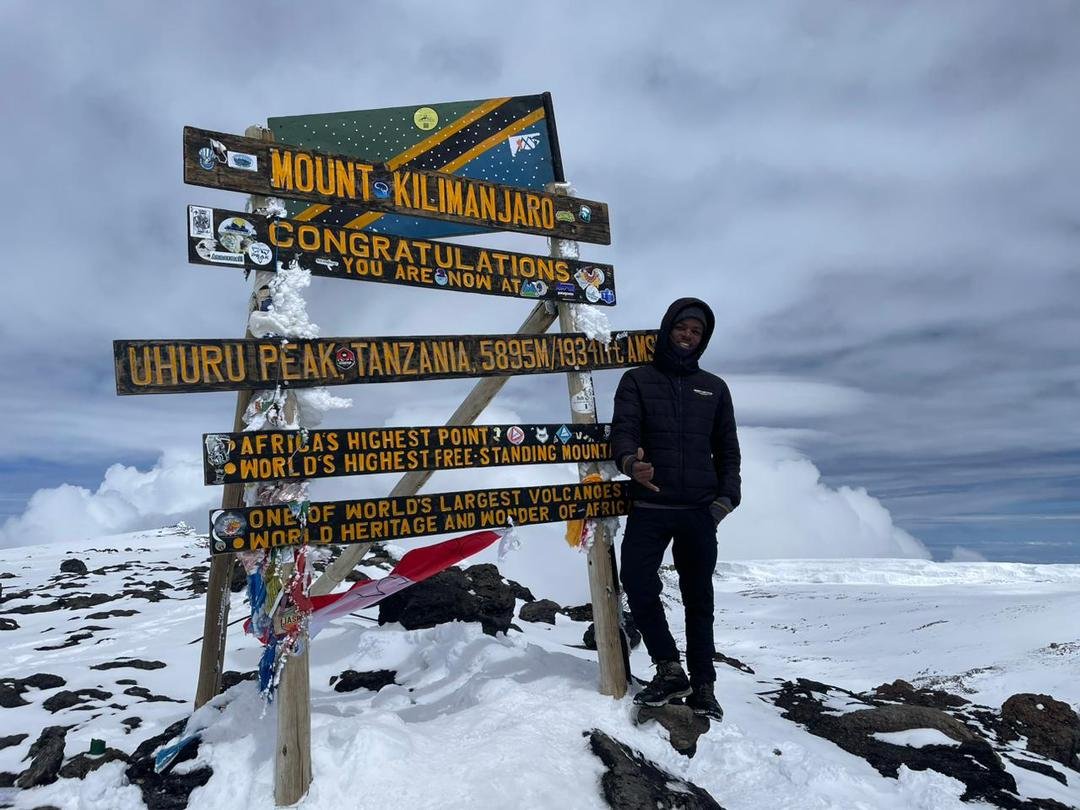
Understanding Mount Kilimanjaro: Africa’s Roof and Your Next Adventure
Mount Kilimanjaro, standing at 5,895 meters (19,341 feet) above sea level, is the world’s highest free-standing mountain and a bucket-list destination for trekkers globally. Its accessibility, combined with the allure of standing on the roof of Africa, draws thousands of climbers each year. But reaching the summit, Uhuru Peak, is no small feat. It requires careful planning, physical preparation, and, most importantly, choosing the right approach. This guide aims to equip you with all the knowledge needed to select the best Mount Kilimanjaro experience for your 2026-2027 adventure, covering everything from route selection and preparation to choosing a guide company.
As one of Tanzania’s most iconic landmarks, Kilimanjaro is more than just a mountain; it’s a journey through diverse ecosystems, from lush rainforests at its base to alpine deserts and the stark, icy summit zone. Each route offers a unique perspective on this majestic massif. Understanding these differences is key to making an informed decision that aligns with your personal goals and capabilities. We will explore the most popular and recommended routes, detailing their pros and cons, acclimatization benefits, scenery, and typical durations, so you can confidently plan your climb for the upcoming seasons of 2026 and 2027.
Choosing Your Path: A Deep look at Kilimanjaro Routes
The selection of a Kilimanjaro route is arguably the most critical decision you’ll make when planning your climb. Each route has distinct characteristics that affect your acclimatization, the scenery you’ll witness, the crowds you’ll encounter, and ultimately, your chances of reaching Uhuru Peak. For the best Mount Kilimanjaro experience, consider these factors carefully. We’ll break down the most popular routes, helping you match one to your trekking style and fitness level.
The routes vary significantly in length, difficulty, and the approach to acclimatization. Generally, longer routes offer better acclimatization, which is the body’s process of adjusting to lower oxygen levels at higher altitudes. This is vital for summit success and preventing altitude sickness. The best Mount Kilimanjaro climbs prioritize safety and acclimatization above all else.
The Machame Route: The “Whiskey Route”
The Machame Route is perhaps the most popular route on Kilimanjaro, often nicknamed the “Whiskey Route” in contrast to the Marangu’s “Coca-Cola Route” due to its perceived higher difficulty and better success rates. It is known for its scenic beauty and excellent acclimatization profile, making it a strong contender for the best Mount Kilimanjaro climb for many trekkers.
- Duration: Typically 6 to 7 days. The 7-day option is highly recommended for better acclimatization and increased summit success.
- Difficulty: Moderate to Difficult. It involves steep ascents and descents, particularly on days three and four.
- Scenery: Exceptionally beautiful. You traverse diverse ecological zones, including rainforest, moorland, alpine desert, and arctic summit. The “climb high, sleep low” principle is well-implemented on this route.
- Acclimatization: Very good, especially on the 7-day itinerary. The route’s path allows for effective acclimatization.
- Accommodation: Camping. You will sleep in tents throughout the trek.
- Crowds: Can be quite busy, especially during peak seasons, as it’s a popular choice.
- Summit Success Rate: High, particularly on the 7-day version, often exceeding 80-90% when trekked with a reputable company.
The Machame route begins in the dense rainforest and gradually ascends through the moorland and alpine desert. A significant highlight is the traverse across the Shira Plateau, offering stunning views. Day four often involves a challenging scramble up the Lava Tower, followed by a descent to Barranco Camp, which aids acclimatization. The final push to the summit is from Stella Point or Gilman’s Point via the Barafu Camp. For many, the 7-day Machame route represents the best Mount Kilimanjaro balance of scenery, acclimatization, and success.
The Lemosho Route: Scenic Beauty and Excellent Acclimatization
The Lemosho Route is widely considered one of the most beautiful and rewarding routes on Kilimanjaro. It offers a more remote trekking experience in its initial days, excellent acclimatization, and a high summit success rate, making it a top choice for the best Mount Kilimanjaro adventure, especially for those prioritizing scenery and a less crowded start.
- Duration: Typically 7 to 8 days. The 8-day option provides the best acclimatization and highest success rates.
- Difficulty: Moderate to Difficult. Similar to Machame, it involves steep ascents and descents.
- Scenery: Arguably the most scenic. It starts in the lush rainforest on the western side and offers impressive panoramic views as it crosses the Shira Plateau.
- Acclimatization: Excellent. The longer duration and gradual ascent allow for superior acclimatization.
- Accommodation: Camping.
- Crowds: Less crowded in the initial days compared to Machame, but joins the Machame route later on.
- Summit Success Rate: Very high, often over 90% on the 8-day itinerary when climbed with a professional team.
Lemosho Route’s journey begins in a remote area, offering a more wild and pristine trekking experience. You’ll trek through dense forests, witness diverse wildlife, and traverse the expansive Shira Plateau. The route then converges with the Machame route, sharing the ascent path via Lava Tower and Barranco Wall. The longer duration of the Lemosho route, particularly the 8-day option, significantly enhances acclimatization, making it a preferred choice for those aiming for the best Mount Kilimanjaro experience with a strong focus on reaching the summit comfortably.
The Marangu Route: The “Coca-Cola Route” with Hut Accommodation
The Marangu Route is the oldest and most established route on Kilimanjaro. It’s often called the “Coca-Cola Route” because it’s perceived as the easiest and was historically popular with budget travelers. Its main distinguishing feature is the availability of dormitory-style hut accommodation instead of camping, which appeals to some trekkers.
- Duration: 5 to 6 days. The 5-day option is not recommended due to poor acclimatization and low success rates. The 6-day option is better but still less ideal than longer routes.
- Difficulty: Moderate. It’s less physically demanding in terms of technical difficulty, but the rapid ascent profile is a major challenge.
- Scenery: Less scenic compared to other routes. It ascends and descends on the same path, offering limited varied views.
- Acclimatization: Poor, especially on the 5-day option. The rapid ascent leads to a significantly lower summit success rate.
- Accommodation: Huts. This is the only route offering this comfort.
- Crowds: Can be very crowded due to its popularity and shorter duration.
- Summit Success Rate: The lowest among the main routes, particularly on the 5-day itinerary, often below 60%.
While the Marangu route offers the comfort of huts, its steep ascent profile and lack of a “climb high, sleep low” strategy make acclimatization difficult. This results in a lower success rate compared to routes like Machame or Lemosho. If comfort is your absolute priority and you’re seeking a less physically demanding route (though still challenging due to altitude), Marangu might be considered. However, for the best Mount Kilimanjaro experience focusing on success and scenery, longer camping routes are generally superior.
The Shira Route: An Alternative Starting Point
The Shira Route is similar to Lemosho but starts at a higher altitude on the Shira Plateau. It offers spectacular scenery but can be challenging due to the immediate high-altitude start.
- Duration: Typically 7 to 8 days.
- Difficulty: Difficult. The higher starting altitude means immediate acclimatization challenges.
- Scenery: Very scenic, traversing the Shira Plateau early on.
- Acclimatization: Moderate to Difficult. The high starting point can be taxing.
- Accommodation: Camping.
- Crowds: Moderate, joins Machame route later.
- Summit Success Rate: Good, but generally lower than Lemosho due to the initial high altitude start.
The Shira Route is a good option for those seeking beautiful scenery and a slightly different starting point than Lemosho. However, the immediate high altitude can pose a challenge for some trekkers, making it less ideal for beginners compared to Lemosho’s gentler initial ascent. For those considering it, a 7 or 8-day itinerary is essential for the best Mount Kilimanjaro outcome.
The Rongai Route: Best for Dry Season and Fewer Crowds
The Rongai Route approaches Kilimanjaro from the north, near the Kenyan border. It’s known for being a drier route, making it a good option during the rainy seasons, and it generally experiences fewer crowds.
- Duration: Typically 6 to 7 days.
- Difficulty: Moderate. It’s less steep than Machame or Lemosho.
- Scenery: Pleasant, with varied landscapes, but generally considered less dramatic than the southern routes.
- Acclimatization: Good, especially on the 7-day option. It offers a gradual ascent.
- Accommodation: Camping.
- Crowds: Significantly fewer crowds than the southern routes, offering a more serene experience.
- Summit Success Rate: Good, around 75-85% on the 7-day itinerary.
Rongai is a great choice if you’re climbing during the wetter months (April, May, November) or if you prefer a less crowded trek. It offers a more gradual ascent, which aids acclimatization. The route approaches the summit from the north, meaning you’ll descend via the Marangu route. For those seeking a quieter and potentially drier best Mount Kilimanjaro experience, Rongai is an excellent option.
The Northern Circuit: The Longest and Best Acclimatization
The Northern Circuit is the longest route on Kilimanjaro, taking trekkers around the mountain’s northern and western sides. Its extended duration provides the best acclimatization and, consequently, the highest summit success rates.
- Duration: 9 days.
- Difficulty: Moderate. Despite the duration, the gradual ascent makes it less physically taxing than shorter, steeper routes.
- Scenery: Unsurpassed. It offers panoramic views from all sides of the mountain and traverses remote, pristine areas.
- Acclimatization: Excellent. The “climb high, sleep low” principle is perfectly applied over its long duration.
- Accommodation: Camping.
- Crowds: Very few crowds, offering a truly wild and exclusive experience.
- Summit Success Rate: The highest, often exceeding 95%, due to superior acclimatization.
For trekkers who want the absolute best chance of summiting and wish to experience Kilimanjaro in its most pristine state, the Northern Circuit is the ideal choice. It provides ample time for the body to adjust to the altitude, minimizes the risk of altitude sickness, and offers unparalleled views. It is, by many metrics, the best Mount Kilimanjaro route for success and overall experience, especially for those with time available for a 9-day trek in 2026 or 2027.
The Umbwe Route: The Most Challenging
The Umbwe Route is the shortest and steepest route on Kilimanjaro, making it the most challenging. It’s a direct, demanding ascent that requires excellent physical fitness and prior high-altitude trekking experience.
- Duration: Typically 5 to 6 days.
- Difficulty: Very Difficult. Steep ascents and rapid altitude gain are significant challenges.
- Scenery: Dramatic and beautiful, passing through dense forest and rugged terrain.
- Acclimatization: Poor. The rapid ascent profile leads to a very high risk of altitude sickness.
- Accommodation: Camping.
- Crowds: Very few crowds.
- Summit Success Rate: The lowest, often below 50%, due to poor acclimatization.
The Umbwe route is not recommended for most climbers, especially those attempting Kilimanjaro for the first time. Its steepness and rapid altitude gain put immense strain on the body. While it offers a challenging adventure, the chances of summiting successfully are significantly reduced. For the best Mount Kilimanjaro experience, focusing on safety and success, other routes are far more advisable.
Route Comparison Summary for 2026-2027 Treks
To help you decide on the best Mount Kilimanjaro route for your 2026-2027 climb, here’s a quick comparison:
| Route | Duration (Days) | Difficulty | Scenery | Acclimatization | Success Rate | Accommodation | Crowds |
|---|---|---|---|---|---|---|---|
| Machame | 6-7 | Moderate-Difficult | Excellent | Good (7-day) | High (80-90%) | Camping | High |
| Lemosho | 7-8 | Moderate-Difficult | Excellent | Very Good (8-day) | Very High (90%+) | Camping | Moderate |
| Marangu | 5-6 | Moderate | Fair | Poor (5-day) | Low (60%-) | Huts | Very High |
| Rongai | 6-7 | Moderate | Good | Good (7-day) | Good (75-85%) | Camping | Low |
| Northern Circuit | 9 | Moderate | Outstanding | Excellent | Highest (95%+) | Camping | Very Low |
| Umbwe | 5-6 | Very Difficult | Dramatic | Poor | Lowest (50%-) | Camping | Very Low |
When is the Best Time to Climb Mount Kilimanjaro?
Timing your climb is crucial for a comfortable and successful ascent. While Kilimanjaro can be climbed year-round, certain periods offer significantly better weather conditions. The best times to climb Mount Kilimanjaro are during the dry seasons.
- January to March: Generally dry and warm. This is a popular time, with clear skies and good visibility. However, it can be very cold at the summit.
- June to October: The longest dry season. This period offers clear skies, moderate temperatures, and lower humidity. It’s another peak season, so expect more trekkers. This is often considered the best Mount Kilimanjaro climbing window.
The rainy seasons are:
- April and May: The ‘long rains’ season. Heavy rainfall is common, making trails muddy and slippery. Visibility can be poor, and the summit can be obscured by clouds.
- November: The ‘short rains’ season. Expect intermittent showers, often in the afternoons. Trails can be wet.
While the dry seasons are preferred, climbing during the shoulder months (e.g., late October, early November, late March, early April) can offer a balance of decent weather and fewer crowds. For 2026 and 2027, planning your climb during these peak dry seasons will maximize your chances of a pleasant and successful trek.
Preparing for Your Kilimanjaro Expedition: Fitness and Training
A successful climb of Mount Kilimanjaro hinges on physical preparation. Altitude is the primary challenge, but a good level of cardiovascular fitness is essential to handle the strenuous trekking days and the final summit push.
Cardiovascular Fitness
Focus on aerobic activities that build stamina. Hiking, running, cycling, and swimming are excellent choices. Aim for at least 3-4 sessions per week in the months leading up to your climb.
Strength Training
While not as critical as cardio, some strength training, particularly for your legs and core, will be beneficial. Squats, lunges, and step-ups can help prepare your muscles for the demands of trekking uphill and downhill for consecutive days.
Hiking Practice
The most relevant training is hiking with a backpack, ideally on varied terrain with inclines. Practice hiking for several hours at a time, simulating the conditions you’ll face on Kilimanjaro. This helps your body adapt to carrying weight and navigating uneven ground.
Acclimatization Training?
You cannot truly train for altitude acclimatization at home. The best way to acclimatize is by trekking slowly on the mountain itself, following the “pole pole” (slowly, slowly) principle. Choosing a longer route (7 days or more) is the most effective strategy for acclimatization, making it a key factor in planning the best Mount Kilimanjaro trek.
Key Fitness Takeaways for Kilimanjaro Climbers:
- Prioritize Cardio: Aim for sustained aerobic activity.
- Hike Regularly: Practice with a weighted pack on inclines.
- Consistency is Key: Train 3-4 times per week for at least 3-6 months.
- Listen to Your Body: Avoid overtraining and allow for recovery.
- Altitude is Unpredictable: No amount of training can fully prepare you for high altitude; rely on good acclimatization on the mountain.
Choosing the Best Mount Kilimanjaro Guide Company
Selecting a reputable and experienced tour operator is paramount for a safe, enjoyable, and successful climb. The best Mount Kilimanjaro guides are not just about reaching the summit; they prioritize your safety, well-being, and the overall experience. Top Guide Adventures is a trusted local company dedicated to providing exceptional service.
What to Look for in a Guide Company:
- Safety Record and Equipment: Do they have well-trained guides certified in wilderness first aid? Do they carry comprehensive medical kits and oxygen?
- Experience and Reputation: Look for companies with years of experience operating on Kilimanjaro. Check independent reviews on platforms like TripAdvisor.
- Guide-to-Client Ratio: A good ratio ensures personalized attention and quick response in emergencies.
- Porter Welfare: Ethical treatment of porters is crucial. Ensure the company treats its crew well, provides adequate food, shelter, and fair wages.
- Inclusions and Exclusions: Understand what is included in the price (e.g., park fees, meals, equipment, transfers) and what is not (e.g., tips, personal gear, insurance).
- Itinerary Acclimatization: Does the company offer longer itineraries (7 days or more) that prioritize acclimatization?
- Local vs. International Operators: Local operators like Top Guide Adventures often offer better value, deeper local knowledge, and support the local economy.
Top Guide Adventures prides itself on its experienced local guides, commitment to safety, and ethical treatment of staff. We understand the nuances of Kilimanjaro trekking and tailor our trips to maximize your chances of success. For planning your 2026-2027 climb, consider their comprehensive packages.
Altitude Sickness: Understanding and Managing the Risks
Altitude sickness, also known as Acute Mountain Sickness (AMS), is the most significant risk when climbing Kilimanjaro. It’s caused by ascending too quickly, preventing your body from adjusting to the lower oxygen levels. Understanding its symptoms and how to manage it is vital for the best Mount Kilimanjaro experience.
Symptoms of Altitude Sickness:
- Headache (most common symptom)
- Nausea and vomiting
- Dizziness and lightheadedness
- Fatigue and weakness
- Loss of appetite
- Difficulty sleeping
Severe Forms of Altitude Sickness:
- HAPE (High Altitude Pulmonary Edema): Fluid in the lungs. Symptoms include severe shortness of breath, cough (sometimes with frothy or pink sputum), chest tightness, and extreme fatigue.
- HACE (High Altitude Cerebral Edema): Fluid in the brain. Symptoms include confusion, severe headache, loss of coordination (ataxia), drowsiness, and in severe cases, coma or death.
Prevention and Management:
- Ascend Slowly: The most effective prevention. Choose longer routes (7 days or more) that allow for gradual acclimatization.
- “Pole Pole”: Walk slowly and steadily.
- Stay Hydrated: Drink plenty of fluids (3-4 liters per day).
- Avoid Alcohol and Smoking: These can exacerbate altitude effects.
- Eat Well: High-carbohydrate meals are recommended.
- Medication: Diamox (Acetazolamide) can be prescribed by your doctor to aid acclimatization. Discuss this with your physician before your trip.
- Descend if Necessary: If symptoms worsen or severe AMS is suspected, immediate descent is the only cure. Your guides will monitor you closely.
Your guides are trained to recognize the signs of altitude sickness. Never hide your symptoms; communicate openly with your guide. This vigilance is a cornerstone of the best Mount Kilimanjaro climbs.
Essential Gear for Your Kilimanjaro Climb
Proper gear is essential for comfort, safety, and success on Kilimanjaro. The weather can change rapidly, and you’ll experience extreme temperature variations. Investing in quality gear, or renting where possible, is crucial.
Clothing Layers:
- Base Layers: Moisture-wicking thermal tops and bottoms (merino wool or synthetic).
- Mid Layers: Fleece jacket or down vest for insulation.
- Outer Layer: Waterproof and windproof jacket and pants (Gore-Tex or similar).
- Insulation Jacket: A warm down or synthetic jacket for cold evenings and summit night.
Footwear:
- Hiking Boots: Waterproof, sturdy, broken-in hiking boots with good ankle support.
- Camp Shoes: Comfortable shoes or sandals for wearing at camp.
- Socks: Several pairs of warm, moisture-wicking hiking socks (wool or synthetic).
Headwear and Handwear:
- Warm Hat: Wool or fleece hat that covers your ears.
- Sun Hat: Wide-brimmed hat for sun protection.
- Gloves: Warm, waterproof outer gloves and thinner liner gloves.
Other Essentials:
- Backpack: A comfortable daypack (30-40 liters) for essentials.
- Duffel Bag: A large, waterproof duffel bag (80-100 liters) for your main gear, carried by porters.
- Sleeping Bag: A warm four-season sleeping bag (-15°C to -20°C comfort rating recommended).
- Headlamp: With extra batteries.
- Sunglasses: UV protection.
- Water Bottles/Hydration Reservoir: At least 3 liters capacity.
- Sunscreen and Lip Balm: High SPF.
- Personal First-Aid Kit: Include blister treatment, pain relievers, and any personal medications.
- Trekking Poles: Highly recommended for stability and reducing knee strain.
- Toiletries: Biodegradable soap, toothbrush, toothpaste, wet wipes.
- Camera and Power Bank.
Top Guide Adventures can provide a detailed packing list upon booking and offers rental services for some items like sleeping bags and warm jackets, making it easier to prepare for the best Mount Kilimanjaro climb.
The Kilimanjaro Climbing Experience: What to Expect Day-by-Day
While itineraries vary by route and duration, a typical Kilimanjaro climb involves several days of trekking, acclimatization, and the final summit push. Here’s a general idea of what to expect on the popular 7-day Machame route, offering a glimpse into the daily rhythm of the best Mount Kilimanjaro treks.
Day 1: Machame Gate to Machame Camp
Distance: ~11 km (6.8 miles)
Time: 5-7 hours
Habitat: Rainforest
Your adventure begins at Machame Gate (1,800m). After park formalities, you’ll start trekking through the lush rainforest. The trail is well-maintained but can be muddy. You’ll reach Machame Camp (3,000m) in the late afternoon.
Day 2: Machame Camp to Shira 2 Camp
Distance: ~5 km (3.1 miles)
Time: 4-6 hours
Habitat: Moorland
Today involves a steep ascent out of the rainforest and into the moorland zone. You’ll cross a scenic gorge and river before arriving at Shira 2 Camp (3,850m). The views of the Shira Plateau and Kibo peak are magnificent.
Day 3: Shira 2 Camp to Lava Tower to Barranco Camp
Distance: ~10 km (6.2 miles)
Time: 6-8 hours
Habitat: Alpine Desert
This is a crucial acclimatization day. You’ll trek east across the Shira Plateau and then ascend to Lava Tower (4,600m). After a break, you’ll descend to Barranco Camp (3,950m). This “climb high, sleep low” strategy is key to acclimatization.
Day 4: Barranco Camp to Karanga Camp
Distance: ~5 km (3.1 miles)
Time: 3-5 hours
Habitat: Alpine Desert
A challenging but rewarding day. You’ll tackle the famous Barranco Wall, a steep scramble that requires using your hands. After reaching the top, the trail continues through stunning alpine desert landscapes to Karanga Camp (4,200m).
Day 5: Karanga Camp to Barafu Camp
Distance: ~4 km (2.5 miles)
Time: 3-5 hours
Habitat: Alpine Desert
Today’s trek is shorter, leading you to Barafu Camp (4,650m), the base camp for the summit attempt. You’ll rest and prepare for the final ascent, which begins late in the evening.
Day 6: Summit Day: Barafu Camp to Uhuru Peak to Mweka Camp
Distance: ~15 km (9.3 miles) total
Time: 7-8 hours ascent, 4-5 hours descent to Barafu, 3-4 hours descent to Mweka
Habitat: Arctic
Starting around midnight, you’ll ascend towards Stella Point (5,756m) via the scree slopes. From Stella Point, you’ll traverse to Uhuru Peak (5,895m), the highest point in Africa. After celebrating your achievement, you’ll descend back to Barafu Camp for a short rest before continuing down to Mweka Camp (3,100m) through the moorland and forest zones.
Day 7: Mweka Camp to Mweka Gate
Distance: ~10 km (6.2 miles)
Time: 3-5 hours
Habitat: Rainforest
After breakfast, you’ll descend through the rainforest to Mweka Gate (1,600m). Here, you’ll receive your summit certificates and celebrate your incredible achievement. A vehicle will be waiting to transfer you back to your hotel in Moshi.
This is just an example, and longer routes like Lemosho or the Northern Circuit will offer more days for acclimatization and exploration, further enhancing the best Mount Kilimanjaro experience.
Understanding Kilimanjaro Costs and Pricing for 2026-2027
The cost of climbing Mount Kilimanjaro can vary significantly depending on the route, duration, operator, and inclusions. It’s essential to understand what influences the price to budget effectively for your 2026-2027 expedition.
Key Cost Components:
- Park Fees: These are fixed by the Tanzanian government and are a substantial portion of the total cost. They include entry fees, camping/hut fees, and rescue fees.
- Guide and Porter Wages: Fair wages are crucial for ethical operators.
- Food and Cooking Equipment: Provided by the operator.
- Tents and Camping Equipment: High-quality, weather-appropriate gear.
- Transportation: Transfers to and from the mountain.
- Accommodation: Pre- and post-climb hotel stays.
- Oxygen and Medical Equipment: Essential safety provisions.
Price Ranges (Estimates for 2026-2027):
Generally, you can expect prices to fall into these categories:
- Budget Operators: USD $1,200 – $1,800 per person. These often cut corners on safety, equipment, or staff welfare. Not recommended for the best Mount Kilimanjaro experience.
- Mid-Range Operators: USD $1,800 – $2,800 per person. These offer a good balance of quality, safety, and value. Top Guide Adventures typically falls within this range, providing excellent service and ethical operations.
- High-End/Luxury Operators: USD $3,000 – $5,000+ per person. These offer premium services, potentially more comfortable equipment, and sometimes smaller group sizes.
Important Considerations:
- Duration: Longer routes (7+ days) are more expensive due to additional park fees and crew costs but offer higher success rates.
- Group Size: Private climbs are more expensive than joining a group.
- Inclusions: Always check what’s included. Some operators exclude essential items like park fees, requiring significant add-ons.
- Tips: Crew tips are customary and can add up to $200-$300 per climber.
- Travel Insurance: Essential and not typically included in climb costs.
When comparing prices for 2026-2027, focus on value and safety rather than the cheapest option. A higher price often reflects better quality gear, more experienced guides, and adherence to ethical practices, contributing to the best Mount Kilimanjaro climb.
Safety on Kilimanjaro: Your Well-being is Our Priority
Safety is the absolute priority on any Kilimanjaro climb. Reputable operators invest heavily in ensuring trekkers have the best possible chance of reaching the summit safely. This commitment is what defines the best Mount Kilimanjaro guiding services.
Key Safety Measures:
- Experienced Guides: Our guides are extensively trained in altitude sickness management, first aid, and emergency procedures. They are your first line of defense.
- Medical Kits and Oxygen: Comprehensive medical kits are carried by guides, and supplementary oxygen is available for emergency use.
- Daily Health Checks: Guides monitor trekkers’ vital signs (oxygen saturation, pulse rate) and overall condition twice daily.
- Emergency Evacuation Plan: Procedures are in place for rapid evacuation in case of serious medical emergencies. This may involve stretcher teams or, in extreme cases, helicopter rescue (covered by insurance).
- Communication: Guides carry radios or satellite phones for communication with base operations.
- Proper Acclimatization: Adhering to slow ascent profiles and “pole pole” is the most critical safety measure.
Choosing a company like Top Guide Adventures means entrusting your safety to professionals who adhere to the highest safety standards. We ensure that all our climbs in 2026 and 2027 are conducted with utmost attention to your well-being.
Frequently Asked Questions about Climbing Kilimanjaro
Here are answers to common questions about planning the best Mount Kilimanjaro climb.
Is Kilimanjaro difficult to climb?
Kilimanjaro is a challenging trek, primarily due to its altitude. While it doesn’t require technical climbing skills, the steep ascents, long trekking days, and thin air test physical and mental endurance. Proper preparation and choosing a route with good acclimatization are key to managing the difficulty.
What is the summit success rate for Kilimanjaro?
Success rates vary significantly by route and operator. Routes like the Northern Circuit and Lemosho (8-day) boast success rates over 90%, while shorter, steeper routes like Marangu (5-day) or Umbwe can be as low as 50% or less. Choosing a longer route and a reputable guide company dramatically increases your chances.
Do I need to be very fit to climb Kilimanjaro?
While peak physical fitness isn’t mandatory, a good level of cardiovascular fitness is essential. You should be able to hike for 5-8 hours a day with a backpack on varied terrain. Training with a focus on endurance and hiking practice is highly recommended.
Can I climb Kilimanjaro alone?
No. For safety reasons, all Kilimanjaro climbs must be accompanied by a licensed guide. Solo trekkers are not permitted to ascend the mountain without a guide and porter team.
What is “pole pole”?
“Pole pole” is Swahili for “slowly, slowly.” It
Check Availability for Best Mount Kilimanjaro 2026-2027
Ready to compare dates, prices, and the best option for your group? Send the package name and travel month so the team can reply with a clear quote, availability, and what is included.
Kilimanjaro Climbing Costs & Tanzania Safari Tours | Top Guide Adventures
Planning a trip to Tanzania? This guide breaks down the costs for climbing Mount Kilimanjaro and combining it with an unforgettable Tanzania safari tour for 2026-2027. Learn about pricing...
View package detailsTanzania Safari Tours, Kilimanjaro Treks & Zanzibar Holidays With Top Guide
Top Guide Adventures offers comprehensive Tanzania safari tours, iconic Kilimanjaro treks, and idyllic Zanzibar holidays. Discover the best of East Africa with personalized itineraries...
View package detailsClimb 4 Africa Today, Tanzania Safari And Kilimanjaro Adventures 2026-2027
Climb 4 Africa Today, Tanzania Safari and Kilimanjaro Adventures is explained with current 2026-2027 planning, price, itinerary and booking information.
View package detailsDiscount Tanzania Treks And Affordable Safari Packages In 2026-2027
Discover how to plan discount Tanzania treks and affordable safari packages for your 2026-2027 adventure. This comprehensive guide covers budget-friendly options for iconic destinations...
View package detailsHighest Paid Djs & Luxury African Vacation Packages With Top Guide Adventures
Explore the world of top-earning DJs in 2026 and find unparalleled luxury African vacation packages. Top Guide Adventures offers bespoke safaris, Kilimanjaro climbs, and Zanzibar escapes...
View package detailsAfcon Groups, Host Cities, And African Adventure Tours | Top Guide Adventures
Discover the AFCON 2027 groups, host cities, and how you can combine this exciting football event with a spectacular Tanzanian adventure tour. Top Guide Adventures offers tailored safaris...
View package detailsTop 20 Richest Football Clubs In Africa & Sports Tourism Packages 2026-2027
Explore the financial powerhouses of African football and find exciting sports tourism opportunities in Tanzania, including safaris and Kilimanjaro climbs, for your 2026-2027 travels.
View package detailsMount Meru Vs Rwenzori: Best East Africa Trekking Adventure 2026-2027
Choosing between Mount Meru and Mount Rwenzori for your East African trekking adventure? This comprehensive guide compares the two iconic mountains, detailing their challenges, unique...
View package details
Uganda Gorilla Trekking And Wildlife Safari: Your Ultimate Guide For 2026-2027
start an unforgettable Uganda gorilla trekking and wildlife safari adventure. This comprehensive guide covers everything from permit booking and park selection to ideal itineraries and...
View package detailsNo related package matches those filters. Clear one or more filters to see the other topic-matched options.



