
East Africa safari tours offer unparalleled wildlife viewing opportunities, focusing on iconic destinations like Tanzania’s Serengeti and Ngorongoro Crater, and Kenya’s Maasai Mara, renowned for the Great Migration. These tours typically range from 5 to 14 days, with options for various budgets and travel styles, including shared group departures and private tailor-made experiences, making them ideal for experiencing Africa’s most famous natural spectacles in 2026 and 2027.
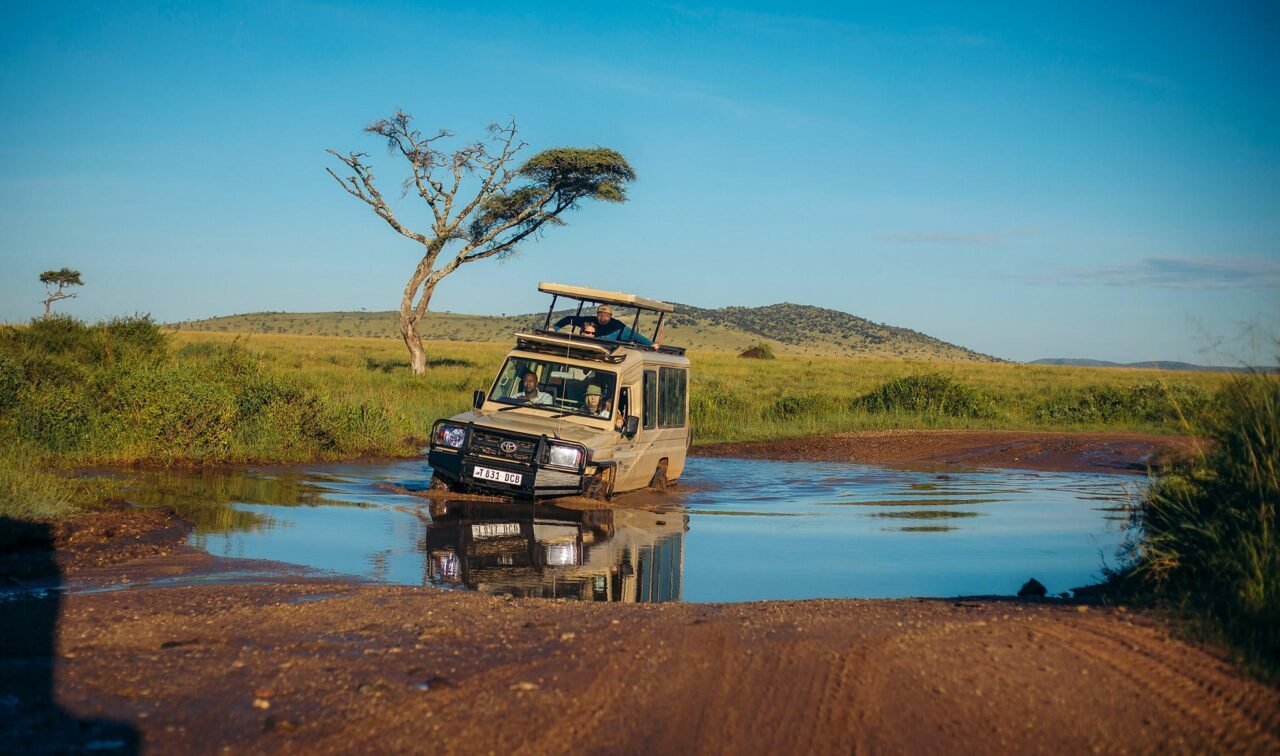
Discover the Magic of East Africa Safari Tours
East Africa is synonymous with the ultimate safari experience. It’s a land of vast savannas, abundant wildlife, and dramatic landscapes that have captivated travelers for generations. Embarking on an East Africa safari tour is more than just a vacation; it’s an immersion into the wild heart of Africa, a chance to witness nature’s grandest theater unfold before your eyes. At Top Guide Adventures, we specialize in crafting unforgettable safari experiences that showcase the very best of this incredible region, from the thundering hooves of the Great Migration to the silent majesty of a lion pride.
Choosing the right East Africa safari tour can seem daunting with so many options available. This guide is designed to simplify that process, offering comprehensive insights into what makes East Africa such a premier safari destination. We’ll explore the prime locations, the best times to visit, the diverse wildlife you can expect to see, and how to plan a trip that perfectly suits your interests and budget for upcoming seasons like 2026 and 2027.
Why Choose East Africa for Your Safari Adventure?
East Africa, particularly Tanzania and Kenya, stands out as a top-tier safari destination for several compelling reasons:
- Exceptional Wildlife Density: The region boasts an incredible concentration of wildlife, with millions of animals inhabiting its protected areas.
- The Great Migration: Witnessing the annual migration of wildebeest and zebras across the Serengeti and Maasai Mara is a special spectacle.
- Iconic National Parks and Reserves: Home to world-famous locations like the Serengeti, Ngorongoro Crater, Maasai Mara, Amboseli, and Tarangire.
- Diverse Ecosystems: From vast grasslands and acacia woodlands to volcanic craters and rift valleys, the landscapes are as varied as the wildlife.
- Rich Cultural Encounters: Opportunities to interact with local communities, such as the Maasai people, offering a deeper understanding of the region.
- Experienced Guiding: Highly trained and knowledgeable guides ensure safe, informative, and rewarding wildlife viewing.
- Well-Developed Tourism Infrastructure: A range of accommodation options, from luxury lodges to comfortable tented camps, catering to all preferences.
When planning your safari for 2026 or 2027, understanding these core strengths will help you appreciate the unique value of an East African journey.
Top Safari Destinations in East Africa
While East Africa is vast, certain parks and reserves consistently deliver extraordinary safari experiences. Top Guide Adventures focuses on the jewels of Tanzania and Kenya, offering diverse yet equally thrilling adventures.
Tanzania: The Land of Endless Plains and Majestic Craters
Tanzania is arguably the quintessential safari destination, offering a dramatic and diverse range of landscapes and wildlife encounters.
Serengeti National Park: The Heartbeat of the Wild
The Serengeti, meaning ‘endless plains’ in the Maasai language, is a UNESCO World Heritage Site and the stage for the Great Migration. Its sheer scale is impressive, offering vast open grasslands dotted with acacia trees, acacia woodlands, and riverine forests.
- Wildlife: Famous for its massive populations of wildebeest, zebras, lions, leopards, cheetahs, elephants, giraffes, and numerous bird species. The Serengeti is one of the best places in the world to see the Big Five (lion, leopard, elephant, rhino, buffalo).
- The Great Migration: This is the Serengeti’s main draw. Millions of wildebeest and zebras traverse the plains in search of fresh grazing. The timing and location of the migration vary annually, but river crossings in the Grumeti or Mara rivers are particularly dramatic events, often occurring between July and October. Planning your 2026 or 2027 safari around these movements can be a highlight.
- Activities: Game drives are the primary activity. Hot air balloon safaris at sunrise offer a unique perspective of the landscape and wildlife. Walking safaris are also available in certain areas, providing a more intimate connection with nature.
- Best Time to Visit: Year-round, but the Serengeti migration is best viewed between December and June (calving season in the south and moving north) and July to October (river crossings in the west and north).
Ngorongoro Conservation Area: The Eighth Wonder of the World
The Ngorongoro Crater, a UNESCO World Heritage Site, is a massive volcanic caldera teeming with wildlife. It’s often called Africa’s Eden or the ‘Eighth Wonder of the World’ due to its high concentration of animals within a relatively small, enclosed ecosystem.
- Wildlife: Home to over 25,000 large animals, including the Big Five. The crater floor boasts a high density of predators, particularly lions and hyenas. It’s also one of the best places to spot the endangered black rhino.
- The Crater Experience: Descending into the crater for a game drive is a truly spectacular experience. The unique microclimate supports a diverse range of habitats, from grasslands and swamps to acacia forests.
- Conservation: The area is managed by the Ngorongoro Conservation Area Authority (NCAA), which aims to conserve wildlife and protect the interests of the local Maasai people, who still reside within the area.
- Best Time to Visit: Year-round. The wildlife is largely resident, making it a reliable destination regardless of the season.
Tarangire National Park: The Land of Giants
Known for its large elephant herds and iconic baobab trees, Tarangire offers a different, yet equally rewarding, safari experience.
- Wildlife: Famous for its huge elephant populations, especially during the dry season when they congregate around the Tarangire River. It also hosts lions, leopards, cheetahs, giraffes, zebras, and a remarkable variety of birdlife.
- Landscape: Dominated by vast baobab trees, acacia woodlands, and the Tarangire River. The park is particularly beautiful during the dry season (June to October) when the river is the main water source for wildlife.
- Activities: Game drives are excellent. Walking safaris are permitted in some areas, offering a close-up view of the flora and fauna.
- Best Time to Visit: Dry season (June to October) for concentrated wildlife, especially elephants. The green season (November to May) offers lush landscapes and excellent birdwatching.
Lake Manyara National Park: Tree-Climbing Lions and Pink Flamingos
A relatively small park, Lake Manyara packs a punch with its diverse habitats and unique wildlife.
- Wildlife: Famous for its tree-climbing lions, although spotting them can be elusive. It’s also home to large troops of baboons, elephants, giraffes, hippos, and a stunning array of water birds, including thousands of pink flamingos that inhabit the lake’s shores.
- Habitats: A shallow alkaline lake, dense groundwater forest, and steep escarpment offer varied scenery and wildlife viewing opportunities.
- Activities: Game drives along the lake shore and through the forest. The park is also known for its canopy walk, offering a bird’s-eye view of the forest.
- Best Time to Visit: Year-round. The dry season (July to October) offers excellent game viewing as animals gather near the shrinking lake.
Kenya: The Cradle of Safari and Iconic Landscapes
Kenya offers some of the most celebrated safari experiences in the world, with vast reserves and a rich history of wildlife conservation.
Maasai Mara National Reserve: The Jewel of Kenya
The Maasai Mara is perhaps Kenya’s most famous wildlife park, renowned for its high density of predators and its role in the Great Migration.
- Wildlife: An astonishing abundance of wildlife, including the Big Five, cheetahs, hyenas, wildebeest, zebras, giraffes, and over 450 bird species. It’s considered one of the best places to see lions and leopards.
- The Great Migration: From July to October, the Mara hosts millions of wildebeest and zebras as they cross from the Serengeti in search of greener pastures. The Mara River crossings are particularly dramatic and a highlight for many visitors planning safaris in 2026 or 2027.
- Landscape: Classic savanna landscape with rolling grasslands, acacia woodlands, and the Mara River.
- Activities: Game drives, hot air balloon safaris, and cultural visits to Maasai villages. Walking safaris are also available in conservancies bordering the reserve.
- Best Time to Visit: July to October for the Great Migration and river crossings. The period from January to March offers excellent game viewing with fewer crowds.
Amboseli National Park: Elephants with Kilimanjaro’s Backdrop
Amboseli offers iconic views of Mount Kilimanjaro, Africa’s highest peak, forming a stunning backdrop to its abundant wildlife, especially elephants.
- Wildlife: Famous for its large elephant herds, which are relatively easy to approach. Other wildlife includes lions, cheetahs, wildebeest, zebras, giraffes, and over 400 bird species.
- Landscape: A mix of open plains, acacia woodlands, swamps, and dry lakebeds, all dominated by the majestic Mount Kilimanjaro.
- Activities: Game drives. The open landscape makes for excellent photography opportunities.
- Best Time to Visit: June to October for dry weather and good game viewing, with clear views of Kilimanjaro.
Tsavo East and West National Parks: Vast Wilderness
These two parks form one of the largest protected areas in Kenya, offering a sense of raw, untamed wilderness.
- Wildlife: Known for its ‘red elephants’ (due to the ochre-rich soil), lions, cheetahs, leopards, hippos, crocodiles, and diverse birdlife. Tsavo West offers more varied terrain, including volcanic hills and lava flows, while Tsavo East is flatter and more open.
- Landscape: Tsavo East is characterized by flat, open plains, while Tsavo West features rolling hills, volcanic cones, and rugged landscapes.
- Activities: Game drives, nature walks, and visits to Mzima Springs (Tsavo West).
- Best Time to Visit: June to October and January to February for dry weather and good game viewing.
Planning Your East Africa Safari Tour: Key Considerations
A successful safari tour in East Africa requires careful planning. Here are crucial elements to consider for your 2026-2027 adventure:
When to Go: Seasons and Wildlife Movements
The timing of your safari can significantly impact your experience. East Africa generally has two main seasons:
- Dry Season (June to October): This is considered the peak season. Vegetation thins out, and animals congregate around water sources, making them easier to spot. The Great Migration is typically in Kenya’s Maasai Mara during this period. Skies are clear, offering excellent photographic conditions. However, it’s also the busiest and most expensive time.
- Green Season (November to May): This period features shorter rains (November-December) and longer rains (March-May). The landscape is lush and vibrant, and it’s the calving season for wildebeest in the southern Serengeti (December-February). Birdwatching is exceptional. Tourist numbers are lower, and prices are generally more affordable. The long rains can sometimes make certain roads impassable, but safari operations are usually still functional.
For the Great Migration:
- December – March: Southern Serengeti (Tanzania) for calving season.
- April – May: Western/Central Serengeti (Tanzania) as herds move north.
- June – October: Maasai Mara (Kenya) and Northern Serengeti (Tanzania) for river crossings.
For specific animal sightings:
- Elephants: Tarangire (Tanzania) during the dry season (June-October).
- Rhinos: Ngorongoro Crater (Tanzania) year-round.
- Big Cats: Maasai Mara (Kenya) and Serengeti (Tanzania) year-round, with higher chances during dry seasons.
Duration of Your Safari
The ideal duration depends on your interests and budget. However, for a comprehensive East Africa safari tour, we recommend:
- 5-7 Days: Focus on one or two key parks, such as the Northern Circuit of Tanzania (Tarangire, Lake Manyara, Ngorongoro, Serengeti) or the Maasai Mara and Amboseli in Kenya.
- 8-10 Days: Allows for a more in-depth exploration of two major regions, like combining the Northern Circuit with a visit to Zanzibar, or exploring multiple Kenyan parks.
- 10-14+ Days: Ideal for experiencing both Tanzania and Kenya, or undertaking a more extensive exploration of one country, including less-visited areas or combining safari with cultural experiences or trekking.
For 2026-2027 safaris, booking longer durations often provides better value and a more relaxed pace.
Choosing Your Safari Style: Private vs. Group
Top Guide Adventures offers flexibility to suit different preferences:
- Private Safaris: These are tailor-made tours designed around your specific interests, pace, and budget. You have a dedicated vehicle and guide. This offers maximum flexibility and personalized attention. Ideal for families, couples seeking privacy, or those with specific photographic or wildlife interests.
- Group Safaris (Shared Departures): These are scheduled tours where individuals or small groups join together. They offer a more budget-friendly option and a chance to share the experience with like-minded travelers. Top Guide Adventures organizes group departures on set dates, often focusing on popular routes like the Northern Circuit or Maasai Mara. Check our group departure dates for 2026 and 2027.
Accommodation Options
Your choice of lodging significantly influences the safari experience and budget:
- Luxury Lodges: Offer high-end amenities, gourmet dining, swimming pools, and often stunning locations with expansive views.
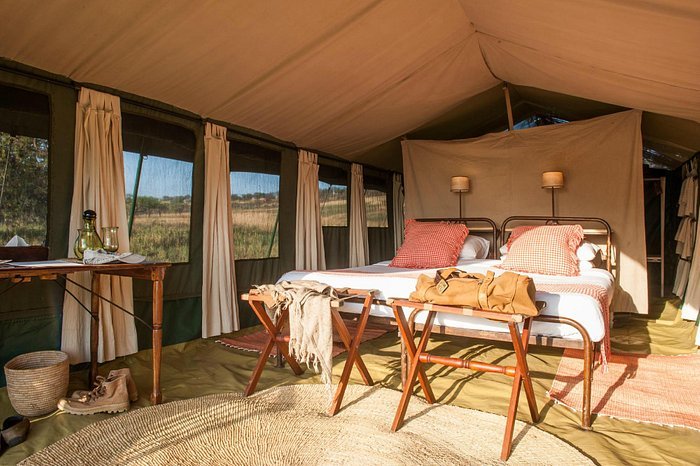
- Tented Camps (Luxury & Mid-Range): Provide a blend of comfort and ‘glamping’ with en-suite bathrooms and comfortable beds, while still offering a close-to-nature feel.
- Budget Camps/Guesthouses: Basic but clean and comfortable accommodations, often providing a more authentic local experience.
The type of accommodation will be a key factor in the overall cost of your East Africa safari tour.
Budgeting for Your East Africa Safari Tour
Safari costs can vary widely. Key factors influencing the price include:
- Duration: Longer safaris naturally cost more.
- Time of Year: Peak season (dry months) is more expensive than the green season.
- Parks and Fees: National park entrance fees and concession fees are significant components.
- Accommodation: Luxury lodges are considerably more expensive than budget camps.
- Vehicle Type: Private 4×4 safari vehicles are standard for comfort and accessibility.
- Number of People: Group safaris are typically cheaper per person than private tours.
- Inclusions: Full board, park fees, guide services, and activities vary.
General Price Ranges (per person, per day, excluding international flights):
- Budget: $200 – $350 (basic accommodation, shared vehicle where possible, simpler meals).
- Mid-Range: $350 – $600 (comfortable lodges/tented camps, private vehicle, higher quality service).
- Luxury: $600 – $1,200+ (high-end lodges/camps, exclusive concessions, premium services, fine dining).
For a typical 7-day East Africa safari tour covering multiple parks in Tanzania or Kenya, expect costs to range from $2,500 to $7,000+ per person, depending on the level of luxury and specific itinerary. It’s always best to request a customized quote for your 2026 or 2027 safari plans.
Packing Essentials for Your Safari
Packing smart is crucial for comfort and practicality on an East Africa safari tour. Here’s a checklist:
- Clothing: Neutral-colored, lightweight clothing (khaki, beige, olive green). Avoid bright colors and dark blue/black (which can attract tsetse flies). Include long-sleeved shirts and trousers for sun and insect protection. A warm fleece or jacket for cool mornings and evenings.
- Footwear: Comfortable walking shoes or hiking boots. Sandals or flip-flops for relaxing at the lodge/camp.
- Sun Protection: High SPF sunscreen, wide-brimmed hat, sunglasses.
- Insect Repellent: With DEET or Picaridin.
- Camera Gear: Camera, extra batteries, memory cards, zoom lens, tripod (optional). Binoculars are essential.
- Health: Personal first-aid kit, any prescription medications, anti-malarial medication (consult your doctor).
- Documents: Passport, visa, vaccination certificates, travel insurance details, copies of important documents.
- Accessories: Reusable water bottle, headlamp or flashlight, power bank, small backpack for day trips.
Popular East Africa Safari Itinerary Examples
To give you a clearer picture, here are a couple of popular itinerary structures. These can be customized for your 2026 or 2027 safari.
Example Itinerary 1: Classic Northern Tanzania Safari (7 Days / 6 Nights)
- Day 1: Arrival in Arusha
Arrive at Kilimanjaro International Airport (JRO), meet your guide, and transfer to your hotel in Arusha. Briefing about your safari. - Day 2: Arusha to Tarangire National Park
Drive to Tarangire, famous for its large elephant herds and baobab trees. Full day game drive. Overnight near Tarangire. - Day 3: Tarangire to Lake Manyara & Ngorongoro
Morning game drive in Tarangire, then drive to Lake Manyara for a short game drive, looking for tree-climbing lions. Continue to your lodge on the Ngorongoro Crater rim. - Day 4: Ngorongoro Crater Tour
Descend into the Ngorongoro Crater for a full day game drive. Witness the incredible wildlife density, including the chance to see black rhinos. Picnic lunch on the crater floor. Return to your lodge. - Day 5: Ngorongoro to Serengeti National Park
Drive to the Serengeti, stopping at Olduvai Gorge (optional). Begin your game drive as you enter the park, heading towards your camp/lodge in Central Serengeti (Seronera area). - Day 6: Serengeti National Park
Full day game drives in the Serengeti, exploring its vast plains in search of predators and the Great Migration (depending on season). Optional hot air balloon safari at sunrise. - Day 7: Serengeti to Arusha & Departure
Morning game drive in Serengeti, then fly from a Serengeti airstrip back to Arusha (or Kilimanjaro International Airport) for your onward international flight.
Example Itinerary 2: Kenya’s Great Migration Safari (7 Days / 6 Nights)
- Day 1: Arrival in Nairobi
Arrive at Jomo Kenyatta International Airport (NBO), met by your guide and transferred to your Nairobi hotel. - Day 2: Nairobi to Maasai Mara
Drive or fly to the Maasai Mara National Reserve. Check into your lodge/camp and start an afternoon game drive. - Day 3 & 4: Maasai Mara Exploration
Two full days dedicated to exploring the Maasai Mara. Focus on game drives to witness the Big Five, cheetahs, and the Great Migration (July-October). Optional hot air balloon safari or visit to a Maasai village. - Day 5: Maasai Mara to Lake Nakuru
Drive to Lake Nakuru National Park, famous for its flamingos (though numbers vary) and rhinos. Game drive to spot rhinos, Rothschild’s giraffes, and other wildlife. Overnight near Lake Nakuru. - Day 6: Lake Nakuru to Amboseli National Park
Drive to Amboseli National Park, arriving in time for an afternoon game drive with Mount Kilimanjaro as a backdrop. - Day 7: Amboseli & Departure
Morning game drive in Amboseli. Transfer to Amboseli airstrip for a flight back to Nairobi, connecting to your international departure.
The Great Migration: A Must-See Phenomenon
The annual Great Migration is one of the most spectacular wildlife events on Earth. It involves over 1.5 million wildebeest, hundreds of thousands of zebras, and antelopes moving in a clockwise direction across the Serengeti-Masai Mara ecosystem in search of fresh grazing and water.
Key elements to understand for planning your 2026-2027 safari:
- Calving Season (December – March): In the southern Serengeti plains, millions of wildebeest give birth. This is a prime time for predators to hunt.
- Northward Movement (April – May): As the southern plains dry up, the herds move west and north through the Serengeti.
- Western Corridor & River Crossings (June – July): The herds often face the challenging Grumeti River crossing in the western Serengeti.
- Maasai Mara & Mara River Crossings (July – October): The migration reaches its peak in the Maasai Mara, with dramatic crossings of the Mara River being a highlight. This is often considered the most sought-after time for migration viewing.
- Return South (November): Herds begin their journey back south towards the Serengeti.
Timing your East Africa safari tour to coincide with specific stages of the migration can lead to truly unforgettable encounters. However, even outside migration season, the Serengeti and Maasai Mara offer incredible resident wildlife viewing.
Responsible Tourism and Ethical Safaris
At Top Guide Adventures, we are committed to responsible tourism practices that benefit wildlife, local communities, and the environment. When you book an East Africa safari tour with us, you contribute to conservation efforts.
- Respect Wildlife: Maintain a safe distance from animals, never feed them, and avoid disturbing their natural behavior. Follow your guide’s instructions at all times.
- Support Local Communities: We partner with lodges and operators that employ local staff and support community initiatives. Visiting local villages (with respect and proper arrangement) can offer valuable cultural exchange.
- Minimize Environmental Impact: Stay on designated tracks, avoid littering, and conserve water and energy at lodges/camps.
- Choose Sustainable Operators: Look for tour operators who prioritize conservation and ethical wildlife viewing.
Planning your 2026 or 2027 safari with a responsible operator ensures that your travel contributes positively to the future of these incredible destinations.
Frequently Asked Questions About East Africa Safaris
Here are some common questions we receive regarding East Africa safari tours:
What is the best time of year for an East Africa safari tour?
The dry season (June to October) is generally considered the best time for wildlife viewing, especially for the Great Migration in Kenya and Tanzania. However, the green season (November to May) offers lush landscapes, fewer crowds, and lower prices, with specific wildlife events like the Serengeti calving season being a major draw.
What are the ‘Big Five’?
The ‘Big Five’ refers to the lion, leopard, elephant, rhinoceros, and African buffalo. These animals were historically considered the most challenging and dangerous to hunt on foot, but today they are the most sought-after sightings on safari.
What should I pack for a safari?
Pack light, neutral-colored clothing, comfortable walking shoes, sun protection (hat, sunscreen, sunglasses), insect repellent, a camera with extra batteries and memory cards, binoculars, and any personal medications. A warm layer is essential for cool mornings and evenings. Refer to our detailed packing list above.
Do I need a visa for Tanzania or Kenya?
Most nationalities require a visa for both Tanzania and Kenya. These can often be obtained online in advance (e-visa) or upon arrival at the airport. It’s essential to check the latest visa requirements for your specific nationality well before your 2026 or 2027 safari departure.
What vaccinations are recommended?
Consult your doctor or a travel clinic at least 4-6 weeks before your trip. Recommended vaccinations often include Yellow Fever (required for entry into some countries if arriving from an endemic zone), Hepatitis A & B, Typhoid, and Tetanus. Malaria prophylaxis is also usually recommended.
How much does an East Africa safari tour cost?
Costs vary significantly based on duration, accommodation style, and season. Expect daily rates from $200-$350 for budget, $350-$600 for mid-range, and $600-$1200+ for luxury safaris per person. A typical 7-day safari might range from $2,500 to $7,000+ per person. Requesting a personalized quote is the best way to get an accurate estimate for your 2026-2027 trip.
Can I combine safari with other activities?
Absolutely! Many travelers combine their East Africa safari tour with a beach holiday in Zanzibar (Tanzania) or the Kenyan coast, or a climb of Mount Kilimanjaro or Mount Meru. Cultural tours and city explorations in Nairobi or Arusha are also popular additions.
Book Your Dream East Africa Safari Tour with Top Guide Adventures
An East Africa safari tour is an experience that stays with you forever. From the impressive landscapes to the incredible wildlife encounters and the warmth of the local cultures, it offers a profound connection with the natural world.
At Top Guide Adventures, we pride ourselves on offering personalized service, expert knowledge, and meticulously planned itineraries. Whether you dream of witnessing the Great Migration, exploring the Ngorongoro Crater, or seeing elephants against the backdrop of Kilimanjaro, we are here to make your safari dreams a reality for 2026 and 2027.
Let us craft your perfect East Africa safari tour. We handle all the details, ensuring a comfortable, safe, and unforgettable adventure. Contact us today to start planning your journey:
Get Your Custom Safari Quote
WhatsApp: +255616946642
Email: topguideadventures@gmail.com
Backup Email: info@topguideadventurestanzania.com
Visit our website for more information on our Tanzania safari tours and other travel services.
Check Availability for Safari Tours East Africa Guide
Ready to compare dates, prices, and the best option for your group? Send the package name and travel month so the team can reply with a clear quote, availability, and what is included.
Historical Sites In East Africa & Cultural Safari Tours In 2026-2027
Discover East Africa's compelling historical sites and vibrant cultural experiences through specialized safari tours in 2026-2027. This guide covers key locations, tour types, and planning...
View package details
Is East Africa Or Southern Better For Safari? A Comprehensive Comparison
Deciding between an East Africa and Southern Africa safari is a classic dilemma for wildlife enthusiasts. Both regions offer unparalleled wildlife viewing, but they cater to different...
View package detailsHighest Paid Artists In Africa And Exclusive Safari Holidays 2026-2027
Explore the financial success of Africa's top music and art stars in 2026 and how you can combine this insight with an unforgettable luxury safari experience in Tanzania. Top Guide...
View package detailsRichest African Musician And The Luxury Safari Lifestyle 2026-2027
Discover the opulent world of Africa's wealthiest musicians and their unparalleled luxury safari experiences in Tanzania. Learn about the 2026-2027 trends in exclusive travel, focusing on...
View package detailsAfcon Qualifiers Table And Africa Safari Travel Guide 2026-2027
Discover the latest AFCON 2027 qualifiers table and plan your dream African safari adventure in Tanzania for 2026-2027. Top Guide Adventures offers expert guidance for unforgettable...
View package detailsRichest Musician In Africa And Luxury Safari Lifestyle 2026-2027
Richest Musician in Africa 2026 and Luxury Safari Lifestyle is explained with current 2026-2027 planning, price, itinerary and booking information.
View package detailsCaf Champions League Travel Packages & African Safari Extensions | Top Guide
Combine the excitement of the CAF Champions League 2027 with the adventure of a Tanzanian safari. Top Guide Adventures offers bespoke travel packages, blending world-class football with...
View package detailsRichest African Artist : Their Favorite Safari Adventures In Tanzania
In 2026, the allure of Tanzania's vast wilderness continues to draw global attention, including from some of Africa's wealthiest artists. While exact personal preferences remain private...
View package detailsRichest Politicians In Africa & Exclusive Luxury Safari Tours In 2026-2027
This comprehensive guide explores the financial standing of some of Africa's wealthiest politicians and pairs this insight with an in-depth look at exclusive luxury safari experiences in...
View package detailsRichest Rappers In The World And African Safari Destinations 2026-2027
Richest Rappers in the World 2026 and African Safari Destinations is explained with current 2026-2027 planning, price, itinerary and booking information.
View package detailsBest Africa Backpacking Routes And Budget Safari Adventures 2026-2027
Best Africa Backpacking Routes and Budget Safari Adventures is explained with current 2026-2027 planning, price, itinerary and booking information.
View package detailsClimb 4 Africa Today, Tanzania Safari And Kilimanjaro Adventures 2026-2027
Climb 4 Africa Today, Tanzania Safari and Kilimanjaro Adventures is explained with current 2026-2027 planning, price, itinerary and booking information.
View package detailsNo related package matches those filters. Clear one or more filters to see the other topic-matched options.



