
The best Kilimanjaro trek cost for 2026-2027 typically ranges from $1,800 to $4,500 per person for standard packages, with higher costs for luxury options or private treks. This price depends heavily on the chosen route, trek duration, operator quality, and what’s included, such as park fees, guide and porter salaries, meals, accommodation, and transport. Shorter, less scenic routes like Marangu or Rongai might be at the lower end, while longer, more scenic routes like Lemosho or Machame, offering better acclimatization, will be more expensive.
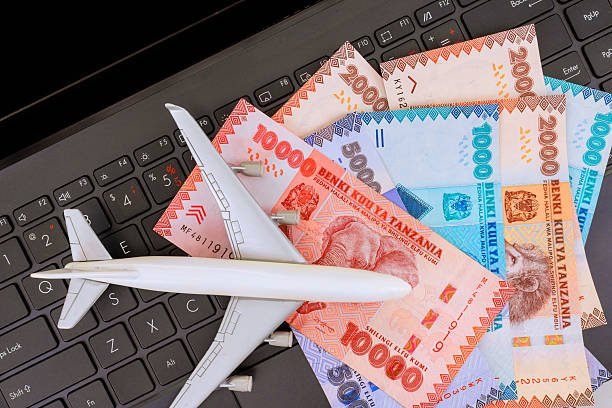
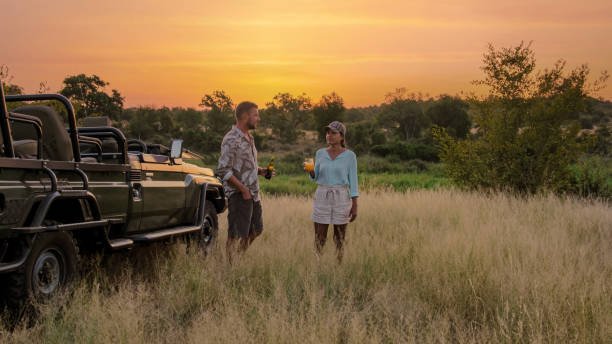
Understanding Kilimanjaro Trek Cost: What Influences Your Budget in 2026-2027
Mount Kilimanjaro, Africa’s highest peak, is a dream destination for trekkers worldwide. Planning your ascent involves careful consideration of various factors, with the Kilimanjaro trek cost being a primary concern for many prospective climbers. The price you pay isn’t arbitrary; it’s a reflection of the complex logistics, safety measures, and essential services required to safely guide you to the Roof of Africa. As you plan for climbs in 2026 or 2027, understanding these cost drivers is crucial for making an informed decision and securing the best value for your investment.
At Top Guide Adventures, we believe in transparency. Our aim is to provide you with a comprehensive understanding of what goes into the cost of your Kilimanjaro climb, ensuring you can compare options and choose a trek that aligns with your expectations and budget. This guide will dissect the components that make up the best Kilimanjaro trek cost, helping you navigate the choices available for your 2026-2027 adventure.
Key Components Determining Your Kilimanjaro Trek Cost
The price of a Kilimanjaro trek is a sum of many essential elements. Understanding each component will shed light on why prices vary significantly between tour operators and even between different packages offered by the same company. For 2026 and 2027 climbs, these core elements remain the primary cost drivers:
1. National Park and Conservation Fees
These are non-negotiable government fees that form a significant portion of your trek cost. They are set by the Tanzania National Parks Authority (TANAPA) and are the same for all registered tour operators. These fees cover:
- Park Entry Fees: A daily fee for each day you are within the Kilimanjaro National Park boundaries.
- Camping Fees: A daily fee for each night spent camping on the mountain.
- Crater Fees: A one-time fee for ascending to the crater rim, particularly relevant for longer routes.
- Rescue Fees: A mandatory fee that contributes to the rescue services, ensuring swift assistance in case of emergencies.
These fees are subject to change by TANAPA, so it’s vital to check the latest rates for your planned 2026 or 2027 trek. Reputable operators will clearly state if these fees are included in their package price. At Top Guide Adventures, we ensure all official park fees are incorporated into our quotes for a clear and upfront Kilimanjaro trek cost.
2. Guide and Porter Wages
The safety and success of your climb depend heavily on the expertise and dedication of your mountain crew. This includes:
- Lead Guide: Highly experienced, often with advanced first-aid training and extensive knowledge of the mountain.
- Assistant Guides: Supporting the lead guide, ensuring group safety and pace.
- Porters: Carrying essential gear, including tents, food, cooking equipment, and your personal luggage (usually up to 15kg).
Fair wages and ethical treatment of porters are paramount. Organizations like the Kilimanjaro Porters Assistance Project (KPAP) advocate for fair labor practices. Tour operators committed to ethical trekking will pay their crew according to established standards, which directly impacts the Kilimanjaro trek cost. Operators who offer significantly lower prices might be cutting corners on wages, potentially leading to underpaid and overworked staff, which can compromise safety and the overall experience.
3. Food and Catering
The quality and quantity of food provided on the mountain are critical for maintaining energy levels and morale. High-quality operators provide:
- Nutritious Meals: Three balanced meals a day (breakfast, lunch, dinner), plus snacks and hot drinks.
- Variety: A diverse menu designed to appeal to different tastes, including vegetarian and other dietary options.
- Safe Preparation: Food prepared under hygienic conditions by experienced camp cooks.
The cost of fresh ingredients, transport to the mountain gate, and the salaries of skilled cooks contribute to this aspect of the Kilimanjaro trek cost. Cheaper treks might offer less variety, smaller portions, or lower-quality ingredients.
4. Equipment and Logistics
This covers the provision and maintenance of essential camping equipment and logistical arrangements:
- Tents: High-quality, waterproof tents for sleeping, dining, and toilet facilities.
- Sleeping Mats: Comfortable and insulated mats.
- Cooking Gear: Stoves, fuel, pots, and utensils.
- Oxygen Cylinders: Often provided by reputable operators for emergencies, especially on longer, higher routes.
- Communication Devices: Radios or satellite phones for communication between the guide team and base.
- Transport: Vehicle transfer from Moshi or Arusha to the mountain gate and back.
The investment in durable, reliable equipment and efficient logistics is a significant factor in the overall Kilimanjaro trek cost. Maintaining this gear and ensuring timely delivery to the mountain adds to the operational expenses.
5. Operator’s Overhead and Profit Margin
Like any business, tour operators have overhead costs including:
- Office rent and utilities
- Staff salaries (office, sales, logistics)
- Marketing and website maintenance
- Insurance
- Training and certification for guides
- Permits and licenses
A reasonable profit margin allows the company to reinvest in its services, maintain quality, and provide fair employment. Extremely low prices might indicate a minimal profit margin, potentially compromising service quality or staff welfare.
Kilimanjaro Trek Cost Breakdown by Route (2026-2027 Estimates)
The route you choose significantly impacts both the duration of your trek and its associated cost. Longer routes generally have higher Kilimanjaro trek cost due to more park days and increased logistical needs. Here’s a look at popular routes and their estimated cost ranges for 2026-2027:
Marangu Route (Coca-Cola Route)
- Duration: 5-6 days
- Cost Estimate: $1,500 – $2,500
- Description: The oldest and arguably simplest route, known for its “huts” instead of camping. It’s also the shortest, which can lead to lower success rates due to rapid ascent and poor acclimatization. The 5-day option is very rushed.
Machame Route (Whiskey Route)
- Duration: 6-7 days
- Cost Estimate: $1,800 – $3,000
- Description: One of the most popular routes, offering excellent acclimatization through its “climb high, sleep low” profile. It’s a camping route with stunning scenery. A 7-day trek significantly increases success rates and is recommended for a better experience and Kilimanjaro trek cost value.
Lemosho Route
- Duration: 7-8 days
- Cost Estimate: $2,000 – $3,500
- Description: Considered one of the most beautiful routes, starting in the west and traversing the northern circuit. It offers superb acclimatization and a high success rate, especially on the 8-day itinerary. This route typically commands a higher Kilimanjaro trek cost due to its length and popularity for scenic beauty.
Northern Circuit
- Duration: 9-10 days
- Cost Estimate: $2,500 – $4,000
- Description: The longest route, circumnavigating the mountain’s northern slopes. It offers the best acclimatization, highest success rates, and a more remote trekking experience. The extended duration and comprehensive journey contribute to its higher Kilimanjaro trek cost.
Rongai Route
- Duration: 6-7 days
- Cost Estimate: $1,700 – $2,800
- Description: The only route approaching from the north. It’s drier and less crowded than Marangu or Machame. A good option for those seeking a less crowded experience, though acclimatization is not as optimal as Lemosho or Northern Circuit.
These estimates are for mid-range to good quality operators for 2026-2027. Budget operators may be cheaper, but often compromise on safety, crew welfare, or equipment. Luxury or private treks can easily exceed $4,500.
Choosing Your Route for the Best Kilimanjaro Trek Cost and Success
When balancing the Kilimanjaro trek cost with your desire for success and enjoyment, prioritize longer routes. While a 5-day Marangu trek might seem cheapest, the lower success rate means you might end up paying twice – once for the failed attempt and again for a future climb. Routes like Machame (7 days), Lemosho (8 days), or Northern Circuit (9 days) offer superior acclimatization, leading to higher success rates and a more comfortable, rewarding experience. For 2026-2027, investing a bit more in a longer route is often the most economical choice in the long run.
Private vs. Group Climbs: Impact on Kilimanjaro Trek Cost
Your choice between a private trek or joining a group departure will significantly influence the Kilimanjaro trek cost.
Group Climbs (Shared Departures)
- Cost: Generally lower.
- Description: You join a pre-scheduled trek with other individuals. This allows tour operators to spread the fixed costs (guide salaries, park fees per group, vehicle hire) across more people, reducing the per-person price. Top Guide Adventures offers group departures on popular routes like Machame, providing a cost-effective option for solo travelers or small groups looking to save on their Kilimanjaro trek cost. Check our Machame Route Group Departures for available dates in 2026-2027.
Private Climbs
- Cost: Higher.
- Description: You book a trek exclusively for your group (family, friends, or even just yourself). You have a dedicated guide team and can often choose your preferred dates. While the per-person cost is higher because you bear all the fixed costs yourself, it offers flexibility and privacy. The Kilimanjaro trek cost for a private trek can be 20-50% higher than a group climb, depending on the group size.
For solo travelers in 2026-2027, joining a group departure is usually the most budget-friendly way to experience Kilimanjaro. For families or friends, a private climb can offer a more personalized experience without a dramatically higher per-person cost if the group is large enough.
What’s Typically Included in the Kilimanjaro Trek Cost?
A comprehensive Kilimanjaro trek cost quote should clearly outline what is included. Reputable operators will typically cover:
- Pre- and Post-Climb Accommodation: Usually one night in a hotel in Moshi or Arusha before and after the trek.
- Airport Transfers: Pick-up from Kilimanjaro International Airport (JRO).
- Park Fees: All TANAPA entrance, camping, and rescue fees.
- Crew Salaries: Wages for guides, assistant guides, and porters.
- Porters’ Equipment: Including tents, sleeping mats, and fair transport of luggage.
- Food: All meals and purified drinking water on the mountain.
- Camping Equipment: Tents (sleeping, dining, toilet), sleeping mats.
- Safety Equipment: First-aid kits, oxygen cylinders (often), and communication devices.
- Climbing Permit: The official permit to ascend Kilimanjaro.
- Briefing: Pre-trek briefing on safety and logistics.
What’s Typically Excluded from the Kilimanjaro Trek Cost?
Be aware of what’s NOT included to avoid unexpected expenses. Common exclusions from the Kilimanjaro trek cost include:
- International Flights: Flights to and from Kilimanjaro International Airport (JRO).
- Visa Fees: For Tanzania.
- Travel Insurance: Mandatory for all climbers, covering medical emergencies and evacuation.
- Personal Climbing Gear: Such as sleeping bags, hiking boots, warm clothing, backpacks.
- Tips for the Crew: A significant part of the crew’s income, usually calculated per climber.
- Soft Drinks and Alcoholic Beverages: Available for purchase at some lodges or in town.
- Lunches and Dinners in Town: Before and after the trek, unless specified.
- Vaccinations and Medications: Personal health expenses.
- Optional Gear Rental: Such as trekking poles or waterproof jackets.
Tipping: An Important Consideration for Your Kilimanjaro Trek Cost
Tipping the mountain crew is a customary and highly appreciated practice. It forms a significant portion of their earnings. While not always included in the base Kilimanjaro trek cost, operators often provide recommended tipping guidelines. For 2026-2027, expect to budget approximately $250-$350 per climber for tips, distributed among the lead guide, assistant guides, cook, and porters. Some operators, like Top Guide Adventures, offer inclusive tipping packages or clear guidelines to help you budget accurately.
Estimated Tipping Range for 2026-2027 Climbs
Lead Guide: $20 – $25 per day
Assistant Guide(s): $15 – $20 per day (per assistant)
Cook: $15 – $20 per day
Porters: $10 – $15 per day (per porter)
Note: These are daily rates. Total tips depend on the trek duration. Always provide tips in USD cash.
Factors Affecting the Kilimanjaro Trek Cost Beyond the Basics
Several other factors can influence the final price you pay for your Kilimanjaro adventure in 2026 or 2027:
1. Operator Reputation and Service Level
This is perhaps the most significant differentiator in Kilimanjaro trek cost. High-end operators invest heavily in:
- Experienced Guides: Certified, well-trained, and with excellent safety records.
- Smaller Group Sizes: Allowing for more personalized attention.
- Superior Equipment: High-quality tents, sleeping mats, and cooking gear.
- Better Food: More varied and gourmet meals.
- Enhanced Safety: More oxygen cylinders, pulse oximeters, and robust emergency protocols.
- Ethical Porter Treatment: Fair wages, proper gear, and adequate food for porters.
These factors justify a higher price point. Conversely, operators offering rock-bottom prices often cut corners on safety, crew welfare, or equipment quality, making them a risky choice.
2. Seasonality
While Kilimanjaro is climbable year-round, certain periods are considered peak seasons, which can sometimes affect prices or availability. Peak seasons generally align with drier months:
- January-March
- June-October
The shoulder seasons (April-May, November-December) are wetter and less popular, potentially offering slightly lower prices or fewer crowds. However, for most reputable operators, the base Kilimanjaro trek cost remains relatively consistent across seasons, as park fees and crew wages are fixed.
3. Inclusions and Exclusions
As detailed earlier, the more items included in the package (e.g., pre/post-trek hotel nights, airport transfers, tipping packages, gear rental), the higher the initial Kilimanjaro trek cost will be. Always compare quotes apples-to-apples, ensuring you understand exactly what you’re paying for.
4. Luxury vs. Budget Options
Budget Treks: Focus on the essentials, potentially using basic equipment, standard food, and smaller support teams. These might be the cheapest options but can compromise comfort and safety. The Kilimanjaro trek cost here could be under $1,500.
Mid-Range Treks: Offer a good balance of quality, safety, and value. This is where most reputable operators fall, with prices typically between $1,800 and $3,500. Top Guide Adventures aims to provide excellent value within this range.
Luxury Treks: Feature higher-end equipment, gourmet meals, private toilet tents, potentially even private guide services, and more comfortable pre/post-trek accommodations. The Kilimanjaro trek cost for luxury options can range from $3,500 to $6,000+.
How to Find the Best Kilimanjaro Trek Cost for 2026-2027
Finding the right balance between cost and quality requires diligent research. Here’s how to approach it:
- Research Operators Thoroughly: Look for companies with a strong reputation for safety, ethical treatment of staff, and excellent customer reviews. Check platforms like TripAdvisor and industry forums.
- Compare Inclusions: Don’t just look at the price. Create a checklist of what each quote includes (park fees, meals, accommodation, transfers, etc.) and excludes (tips, insurance, personal gear).
- Read Reviews: Pay attention to recent reviews (2024, 2025, and upcoming for 2026-2027) that mention the quality of guides, food, equipment, and overall safety.
- Ask Questions: Contact potential operators directly. Inquire about their safety protocols, guide training, porter welfare policies, and group sizes. A responsive and transparent operator is a good sign. For any queries regarding your 2026-2027 climb, feel free to reach out to Top Guide Adventures via WhatsApp +255616946642 or Email topguideadventures@gmail.com.
- Prioritize Safety and Ethics: The cheapest Kilimanjaro trek cost often comes at the expense of safety or the well-being of the mountain crew. Never compromise on these critical aspects.
- Consider Group Departures: If you’re a solo traveler or on a tighter budget, joining a group trek can significantly reduce your overall cost.
Budgeting for Your Kilimanjaro Climb in 2026-2027: Beyond the Trek Price
The quoted Kilimanjaro trek cost is just one part of your overall budget. Remember to factor in these additional expenses:
- Flights: International airfare to Kilimanjaro (JRO). Prices vary widely based on origin and booking time. Book flights for 2026-2027 well in advance for better rates.
- Visa: Check Tanzania’s visa requirements and costs for your nationality.
- Travel Insurance: Essential. Ensure it covers high-altitude trekking and emergency medical evacuation. Budget around $100-$200.
- Vaccinations & Medications: Consult your doctor for recommended vaccinations and malaria prophylaxis.
- Personal Gear: While some items can be rented, you’ll need to purchase essentials like good hiking boots, warm layers, and a waterproof jacket. Budget $300-$600 for necessary gear.
- Tipping: As mentioned, budget $250-$350 per person.
- Souvenirs & Personal Expenses: For items purchased in towns or gifts.
- Pre/Post-Trek Activities: If you plan to extend your trip with a safari or Zanzibar holiday, budget accordingly. Top Guide Adventures can help tailor these experiences.
A realistic total budget for a Kilimanjaro climb in 2026-2027, including the trek, flights, insurance, and other expenses, could range from $3,500 to $7,000+ per person, depending heavily on flight costs and chosen tour operator.
Your 2026-2027 Kilimanjaro Trek Planning Checklist
- Define your budget: Determine your comfortable spending range for the entire trip.
- Choose your route: Select a route based on duration, acclimatization, scenery, and cost. Longer is usually better for success.
- Research tour operators: Look for reputable companies with strong safety and ethical records.
- Compare quotes: Ensure like-for-like inclusions and exclusions.
- Book in advance: Especially for peak seasons in 2026-2027, book 6-12 months ahead.
- Secure flights: Book international flights once your trek dates are confirmed.
- Arrange travel insurance: Must cover high-altitude trekking and evacuation.
- Prepare physically: Begin a consistent training program months before your climb.
- Gather gear: Purchase or rent necessary personal equipment.
- Finalize details: Confirm all arrangements with your chosen operator.
Top Guide Adventures: Your Partner for the Best Kilimanjaro Trek Cost
At Top Guide Adventures, we are committed to providing an exceptional Kilimanjaro climbing experience that balances safety, quality, and value. We understand that the Kilimanjaro trek cost is a significant factor in your decision-making process. Our packages are designed to be comprehensive, transparent, and competitive for 2026-2027 climbs, ensuring you get the best possible adventure without compromising on essential services.
We pride ourselves on:
- Experienced, Certified Guides: Our guides are highly trained, knowledgeable, and dedicated to your safety and success.
- Ethical Porter Practices: We adhere to fair wages and treatment for our porters, ensuring they are well-equipped and cared for.
- Quality Equipment: We use reliable, high-quality tents and camping gear.
- Nutritious Meals: Our cooks prepare delicious and energy-boosting meals on the mountain.
- Comprehensive Inclusions: Our quotes clearly detail what’s included, minimizing hidden costs.
- Personalized Support: From your initial inquiry to your summit success, our team provides dedicated support.
We believe that the best Kilimanjaro trek cost is one that reflects the true value of a safe, ethical, and memorable mountain experience. We invite you to explore our Tanzania adventure packages and discover how we can help you achieve your Kilimanjaro dream in 2026 or 2027.
Ready to discuss your climb or get a personalized quote for 2026-2027? Contact us today:
- WhatsApp: +255616946642
- Email: topguideadventures@gmail.com
- Backup Email: info@topguideadventurestanzania.com
“,
“faq_schema”: [
{
“question”: “What is the average cost for a Kilimanjaro trek in 2026-2027?”,
“answer”: “The average Kilimanjaro trek cost for 2026-2027 typically ranges from $1,800 to $4,500 per person for standard, reputable operators. This price can vary based on the route chosen, trek duration, and the level of service provided. Budget options might be found below $1,800, while luxury or private climbs can exceed $4,500.”
},
{
“question”: “What are the biggest factors influencing the Kilimanjaro trek cost?”,
“answer”: “The primary factors influencing Kilimanjaro trek cost are national park and conservation fees, guide and porter wages, food and catering, equipment quality, operator overhead, and the chosen route’s duration. Longer routes with better acclimatization profiles are generally more expensive.”
},
{
“question”: “Are park fees included in the Kilimanjaro trek cost?”,
“answer”: “Reputable tour operators will include all mandatory Kilimanjaro National Park and conservation fees in their quoted cost. These fees cover daily park entry, camping, crater access, and rescue services. Always confirm this inclusion when comparing prices for your 2026-2027 climb.”
},
{
“question”: “How much should I budget for tipping my Kilimanjaro trek crew in 2026-2027?”,
“answer”: “For 2026-2027 climbs, it is customary to budget approximately $250-$350 per climber for tips. This amount is distributed among your guides, cook, and porters. Some operators offer inclusive tipping packages or clear guidelines to help you plan this important part of your Kilimanjaro trek cost.”
},
{
“question”: “Is it cheaper to climb Kilimanjaro in a group or privately?”,
“answer”: “Climbing Kilimanjaro in a group is generally cheaper than a private climb. Group departures allow operators to spread fixed costs across multiple participants, reducing the per-person Kilimanjaro trek cost. Private climbs offer flexibility and exclusivity but come at a higher price, especially for smaller groups.”
},
{
“question”: “What is typically NOT included in the Kilimanjaro trek cost?”,
“answer”: “Common exclusions from the Kilimanjaro trek cost include international flights, Tanzanian visa fees, travel insurance, personal climbing gear, tips for the crew, soft drinks, and meals/accommodation in town before or after the trek, unless specifically stated in the package.”
},
{
“question”: “Which Kilimanjaro route offers the best value for money in 2026-2027?”,
“answer”: “While shorter routes like Marangu might seem cheaper initially, longer routes such as Machame (7 days), Lemosho (8 days), or Northern Circuit (9 days) often offer better value due to higher success rates and a more enjoyable trekking experience. Investing a bit more in a longer route can prevent the higher cost of a failed attempt.”
}
]
}
“`
Check Availability for Best Kilimanjaro Trek Cost 2026-2027
Ready to compare dates, prices, and the best option for your group? Send the package name and travel month so the team can reply with a clear quote, availability, and what is included.
Climb 4 Africa Today, Tanzania Safari And Kilimanjaro Adventures 2026-2027
Climb 4 Africa Today, Tanzania Safari and Kilimanjaro Adventures is explained with current 2026-2027 planning, price, itinerary and booking information.
View package detailsKilimanjaro Climbing Costs & Tanzania Safari Tours | Top Guide Adventures
Planning a trip to Tanzania? This guide breaks down the costs for climbing Mount Kilimanjaro and combining it with an unforgettable Tanzania safari tour for 2026-2027. Learn about pricing...
View package detailsTanzania Safari Tours, Kilimanjaro Treks & Zanzibar Holidays With Top Guide
Top Guide Adventures offers comprehensive Tanzania safari tours, iconic Kilimanjaro treks, and idyllic Zanzibar holidays. Discover the best of East Africa with personalized itineraries...
View package detailsDiscount Tanzania Treks And Affordable Safari Packages In 2026-2027
Discover how to plan discount Tanzania treks and affordable safari packages for your 2026-2027 adventure. This comprehensive guide covers budget-friendly options for iconic destinations...
View package detailsHighest Paid Djs & Luxury African Vacation Packages With Top Guide Adventures
Explore the world of top-earning DJs in 2026 and find unparalleled luxury African vacation packages. Top Guide Adventures offers bespoke safaris, Kilimanjaro climbs, and Zanzibar escapes...
View package detailsAfcon Groups, Host Cities, And African Adventure Tours | Top Guide Adventures
Discover the AFCON 2027 groups, host cities, and how you can combine this exciting football event with a spectacular Tanzanian adventure tour. Top Guide Adventures offers tailored safaris...
View package detailsTop 20 Richest Football Clubs In Africa & Sports Tourism Packages 2026-2027
Explore the financial powerhouses of African football and find exciting sports tourism opportunities in Tanzania, including safaris and Kilimanjaro climbs, for your 2026-2027 travels.
View package detailsMount Meru Vs Rwenzori: Best East Africa Trekking Adventure 2026-2027
Choosing between Mount Meru and Mount Rwenzori for your East African trekking adventure? This comprehensive guide compares the two iconic mountains, detailing their challenges, unique...
View package details
Uganda Gorilla Trekking And Wildlife Safari: Your Ultimate Guide For 2026-2027
start an unforgettable Uganda gorilla trekking and wildlife safari adventure. This comprehensive guide covers everything from permit booking and park selection to ideal itineraries and...
View package detailsNo related package matches those filters. Clear one or more filters to see the other topic-matched options.



