
Tanzania museum entry fees for 2026-2027 vary significantly depending on the institution, its location, and whether you are a local resident, East African Community citizen, or a foreign national. Generally, expect fees to range from approximately $5,000 TZS to $20,000 TZS (around $2-$8 USD) for local and EAC citizens for smaller local museums, while international visitors often face fees between $10,000 TZS to $30,000 TZS (around $4-$12 USD) or more for prominent national museums and historical sites. Some sites may have additional charges for photography or guided tours. Prices are subject to change, so it’s always wise to verify current rates closer to your travel dates for 2026 or 2027.

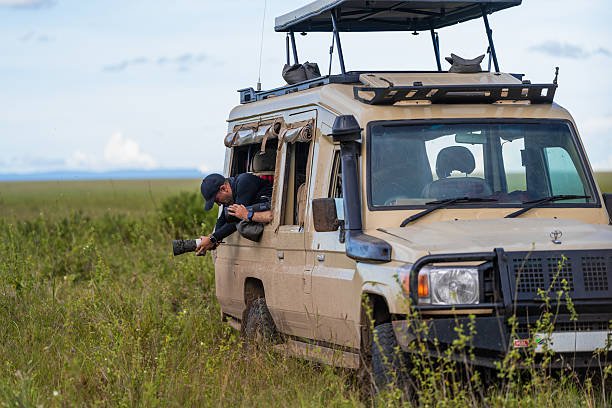
Understanding Tanzania Museum Entry Fees: A 2026-2027 Outlook
Tanzania, a land of diverse cultures, interesting wildlife, and rich historical narratives, offers a wealth of museums and cultural heritage sites that provide deep insights into its past and present. For travelers planning their adventures in 2026 and 2027, understanding the associated entry fees is a crucial part of budgeting and itinerary planning. These fees are not just payments for access; they often contribute directly to the preservation and maintenance of these invaluable cultural treasures. This comprehensive guide aims to demystify the Tanzania museum entry fees, offering clarity for international tourists, East African residents, and local Tanzanians alike.
The landscape of museum entry fees in Tanzania is multifaceted, influenced by several key factors:
- Institution Type: National museums, regional historical centers, specific cultural villages, and archaeological sites each have their own pricing structures.
- Location: Major cities like Dar es Salaam and Arusha, as well as historically significant areas like Kilwa and Bagamoyo, tend to have higher fees for their most prominent attractions.
- Visitor Category: Fees are typically tiered, with the lowest rates for Tanzanian citizens, followed by citizens of the East African Community (EAC), and then international visitors facing the highest tariffs.
- Age and Status: Concessions for students, children, or seniors may be available at some locations, though these are less common for international visitors.
- Additional Services: Photography permits, guided tours, and special exhibitions often incur extra charges beyond the general admission fee.
As we look towards 2026 and 2027, it’s important to note that while these fees are generally stable, minor adjustments can occur annually due to inflation, conservation efforts, and government policies. Top Guide Adventures is committed to providing up-to-date information to help you navigate these costs seamlessly as part of your tailored Tanzanian journey.
Key Museums and Their Estimated Entry Fees for 2026-2027
To provide a practical overview, let’s explore some of the most visited museums and cultural sites in Tanzania and their anticipated entry fee structures for 2026-2027. These estimates are based on current trends and are subject to change.
National Museum of Tanzania (Dar es Salaam)
The National Museum of Tanzania, located in the heart of Dar es Salaam, is a cornerstone of the country’s heritage. It houses extensive collections covering Tanzanian history, archaeology, ethnography, and art, including significant paleontological finds from Olduvai Gorge and the famous fossil footprints of Laetoli. It’s an essential stop for understanding Tanzania’s deep past.
- International Visitors: Expect fees in the range of $15,000 TZS to $25,000 TZS (approximately $6-$10 USD).
- EAC Citizens: Likely to be around $7,000 TZS to $12,000 TZS (approximately $3-$5 USD).
- Tanzanian Citizens: Typically the lowest, around $3,000 TZS to $5,000 TZS (approximately $1-$2 USD).
- Photography: A small additional fee, possibly $5,000 TZS ($2 USD), may apply for using cameras.
Visiting this museum is often a highlight for those interested in the country’s evolutionary history and pre-colonial past. Planning your visit for 2026 or 2027 should include this significant cultural landmark.
Arusha Declaration Museum (Arusha)
This museum in Arusha commemorates the Arusha Declaration of 1967, a significant policy document in Tanzania’s post-independence history, laying the foundation for Ujamaa (socialism) and self-reliance. It offers insights into Tanzania’s political and social journey.
- International Visitors: Entry fees are generally lower than the National Museum, perhaps $10,000 TZS to $15,000 TZS (around $4-$6 USD).
- EAC Citizens: Around $5,000 TZS to $8,000 TZS (around $2-$3.50 USD).
- Tanzanian Citizens: Often nominal, around $2,000 TZS to $3,000 TZS (less than $1.50 USD).
This site provides a different perspective, focusing on modern Tanzanian history and political thought, making it a valuable addition to a 2026-2027 itinerary focused on cultural understanding.
Village Museum (Dar es Salaam)
Also known as the Tanzania Traditional Buildings Museum, this open-air museum showcases traditional Tanzanian housing from various ethnic groups. It’s a unique opportunity to see and learn about the diverse architectural styles and traditional lifestyles across the country.
- International Visitors: Fees typically range from $15,000 TZS to $20,000 TZS (approximately $6-$8 USD).
- EAC Citizens: Around $7,000 TZS to $10,000 TZS (approximately $3-$4 USD).
- Tanzanian Citizens: Usually $3,000 TZS to $5,000 TZS (approximately $1-$2 USD).
- Guided Tours: Hiring a guide is highly recommended here and might add $10,000 TZS to $20,000 TZS ($4-$8 USD) to the total cost.
For a tangible feel of traditional life, the Village Museum is excellent, and its fees are reasonable for the experience offered, making it a good candidate for your 2026-2027 travel plans.
Bagamoyo Historical Sites
Bagamoyo, a coastal town near Dar es Salaam, is a UNESCO World Heritage tentative site with significant historical importance as a former capital of German East Africa and a major slave trading port. Key sites include the Old Fort, the ruins of the Holy Ghost Mission, and ancient cemeteries.
- Combined Site Entry (International Visitors): Access to multiple historical areas might be bundled, with fees around $20,000 TZS to $30,000 TZS (approximately $8-$12 USD) for a day pass.
- EAC Citizens: Expect around $10,000 TZS to $15,000 TZS (around $4-$6 USD).
- Tanzanian Citizens: Usually $5,000 TZS to $7,000 TZS (approximately $2-$3 USD).
- Guided Tours: Essential for understanding the complex history, with guides often costing $20,000 TZS to $40,000 TZS ($8-$16 USD) per group.
Bagamoyo offers a profound historical experience, and its entry fees reflect its national significance. Planning a day trip from Dar es Salaam in 2026 or 2027 to explore these ruins is highly recommended.
Kilwa Kisiwani and Songo Mnara Ruins
These UNESCO World Heritage sites on the southern coast are remnants of wealthy Swahili city-states that flourished from the 13th to the 16th centuries. The impressive stone ruins of mosques, palaces, and houses tell tales of ancient trade and Islamic influence.
- Combined Site Entry (International Visitors): Fees are typically higher due to their remote location and UNESCO status, potentially ranging from $25,000 TZS to $35,000 TZS (approximately $10-$14 USD).
- EAC Citizens: Around $15,000 TZS to $20,000 TZS (around $6-$8 USD).
- Tanzanian Citizens: Usually $7,000 TZS to $10,000 TZS (approximately $3-$4 USD).
- Boat Transfer: Accessing the islands requires a boat, which is an additional cost, likely $50,000 TZS to $100,000 TZS ($20-$40 USD) per boat, often shared among visitors.
- Local Guide: Highly recommended for navigating the vast sites, costing around $20,000 TZS to $30,000 TZS ($8-$12 USD).
Visiting Kilwa is an adventure in itself, and the combined cost of entry, boat, and guide should be factored into your 2026-2027 travel budget for this unique historical exploration.
Cultural Heritage Centre (Arusha)
While not strictly a museum in the traditional sense, the Cultural Heritage Centre near Arusha serves as a significant hub for Tanzanian art, crafts, and cultural artifacts. It often includes a gallery and a reference library that can provide museum-like insights.
- Entry: Often free for browsing, but specific galleries or exhibitions might have a fee, potentially around $5,000 TZS to $10,000 TZS (around $2-$4 USD) for international visitors.
- Purchases: The primary revenue comes from the sale of art and crafts, which can be substantial.
This is a place to experience Tanzanian artistry, and while entry fees are minimal, it’s a vital stop for those appreciating local craftsmanship, relevant for any 2026-2027 cultural tour.
Ol Donyo Lengai Visitor Centre
While Ol Donyo Lengai is primarily known as an active volcano and a significant site for the Maasai people, there might be small visitor points or cultural centers near its base that offer information about the geology and the local culture. Fees here are typically minimal and community-driven.
- Estimated Fee: A small contribution, perhaps $5,000 TZS to $10,000 TZS (around $2-$4 USD), might be requested for access or information.
- Community Based: Fees can be highly variable and often go directly to local guides or community projects.
For travelers venturing towards the northern safari circuit in 2026-2027, any cultural insights gathered here are invaluable, even if the fees are not for a formal museum.
Factors Influencing Tanzania Museum Entry Fees in 2026-2027
Beyond the specific institution, several overarching factors influence the Tanzania museum entry fees that visitors will encounter during their 2026-2027 travels. Understanding these can help in anticipating potential costs and planning effectively.
Government Policy and Conservation Efforts
The Tanzanian government, through agencies like the National Museums of Tanzania and the Antiquities Department, sets the general framework for entry fees. A significant portion of these fees is often earmarked for the preservation, research, and upkeep of the sites and collections. As conservation needs evolve and funding priorities shift, fee structures can be adjusted. For 2026-2027, expect a continued emphasis on sustainable funding models for heritage sites.
Tourism Demand and Seasonality
While less common for museums compared to national parks, high tourist seasons (typically June to October and December to February) might see slight adjustments or increased availability of guided tours, which indirectly impacts the overall cost of a cultural visit. Conversely, the shoulder or low seasons might offer a more relaxed experience, though entry fees themselves usually remain constant.
Operational Costs
Maintaining museum facilities, employing qualified staff, undertaking research, and acquiring new exhibits all incur costs. These operational expenses are factored into the pricing. For 2026-2027, rising energy costs, security needs, and the digitization of collections could influence fee levels.
Exchange Rates
While fees are set in Tanzanian Shillings (TZS), the equivalent cost in US Dollars or Euros for international visitors will fluctuate with the prevailing exchange rates. It is always advisable to budget slightly more than the direct conversion suggests to account for potential currency fluctuations when planning your 2026-2027 trips.
Tips for Managing Tanzania Museum Entry Fees
Navigating the fee structures for Tanzania’s cultural sites can be straightforward with a few strategic tips. These will help you maximize your cultural experience while staying within your budget for 2026-2027.
1. Confirm Current Fees Before Your Visit
While this guide provides estimates for 2026-2027, it is always best practice to verify the latest entry fees directly with the museum or through your tour operator. Websites, official social media channels, or a quick email inquiry can save surprises.
2. Consider a Guided Tour
In many historical sites, particularly ruins like Kilwa or Bagamoyo, a local guide is indispensable for understanding the context and significance. While an additional cost, it enhances the experience immensely. Often, the fee for a guide can be negotiated, especially if you are part of a small group. For 2026-2027, ensure your guide is officially licensed.
3. Bundle Visits Where Possible
If you are visiting multiple sites within a specific region (e.g., Dar es Salaam or Bagamoyo), inquire if any combination tickets or passes are available. This is less common for standalone museums but can sometimes be an option for archaeological sites.
4. Budget for Photography Permits
If you plan on taking extensive photos or videos, be aware that most museums and historical sites charge a separate fee for this privilege. Factor this into your daily budget. For professional photography or filming, permits can be significantly more expensive and require advance application.
5. Leverage Your Tour Operator
When you book a safari or cultural tour with a reputable company like Top Guide Adventures, many of these entrance fees can be included in your package. This simplifies payments and ensures you are accessing sites correctly. We can help pre-arrange tickets and guided tours for your 2026-2027 adventure, providing a smooth experience.
6. Understand the Value Proposition
While entry fees might seem substantial, especially for international visitors, remember that they contribute to preserving irreplaceable cultural heritage. Many Tanzanian museums and sites offer incredible insights that are well worth the cost for an enriching travel experience.
Museums and Cultural Sites Beyond the Major Hubs
Tanzania’s cultural richness extends far beyond its main cities. Numerous smaller museums, cultural centers, and historical markers exist in regional towns and even within national parks, offering unique glimpses into local life and history. While specific entry fees for these are harder to pin down and can be more informal, they generally follow the same tiered structure.
Regional Museums
Towns like Mbeya, Tabora, or Tanga may have small regional museums focusing on local history, industry, or ethnic groups. Entry fees here are often considerably lower, perhaps ranging from $2,000 TZS to $7,000 TZS (around $1-$3 USD) for international visitors. These are excellent for a deeper look at specific areas during a 2026-2027 itinerary.
Cultural Tourism Programs
Various community-based tourism initiatives and cultural heritage centers often operate on a donation or a modest fee basis. These might include visiting traditional villages, learning about local crafts, or participating in cultural performances. Fees can range from $5,000 TZS to $25,000 TZS ($2-$10 USD), often including a demonstration or interaction. These are fantastic for authentic cultural exchanges planned for 2026 or 2027.
Archaeological Sites and Rock Art
Beyond Kilwa, Tanzania has other significant archaeological sites and areas with ancient rock art, such as Kondoa Irang (another UNESCO site). Entry fees here can vary, often including a mandatory guide fee. For Kondoa Irang, expect fees potentially around $15,000 TZS to $25,000 TZS ($6-$10 USD) for international visitors, covering access and a local guide.
Planning Your 2026-2027 Cultural Itinerary with Top Guide Adventures
Integrating museum visits and cultural explorations into your Tanzanian adventure for 2026-2027 is a rewarding way to connect with the country’s soul. Top Guide Adventures specializes in crafting personalized itineraries that balance iconic wildlife safaris with rich cultural experiences. We understand the nuances of Tanzania’s heritage sites, including the practicalities of entry fees, guide arrangements, and optimal visiting times.
When you plan your safari or cultural tour with us, we can:
- Incorporate Museum Visits: We can seamlessly integrate visits to key museums and historical sites into your safari or city tours, ensuring you don’t miss out on these important cultural touchpoints.
- Clarify Entry Fees: We provide clear, up-to-date information on all expected entrance fees, including those for museums, historical sites, and national parks, so you can budget accurately for your 2026-2027 trip.
- Arrange Guided Tours: For sites where a guide is essential or highly recommended, we partner with licensed local guides to enhance your understanding and experience.
- Manage Logistics: From transportation to accommodation, we handle all the logistical details, allowing you to focus on the richness of Tanzania’s culture and history.
- Tailor Your Experience: Whether you’re interested in pre-colonial history, Swahili coast heritage, or contemporary Tanzanian art, we can customize your itinerary to match your specific interests.
Consider exploring our comprehensive Tanzania safari packages or our specialized cultural tours. For instance, a trip combining a Northern Circuit safari with a visit to Arusha’s museums, or a journey along the coast incorporating Bagamoyo and Kilwa, offers a well-rounded perspective of Tanzania. For those interested in climbing Kilimanjaro, we also offer packages that can include pre- or post-climb cultural excursions. Check out our group departure dates for safaris and Kilimanjaro climbs at group departures and the popular Machame Route Kilimanjaro departures.
The Value Beyond the Price Tag
It’s important to view Tanzania museum entry fees not merely as a cost, but as an investment in the preservation and future of the country’s invaluable heritage. These fees directly support:
- Conservation: Protecting historical structures from decay and natural elements.
- Research: Enabling archaeologists and historians to continue uncovering and interpreting Tanzania’s past.
- Education: Funding programs that educate both local communities and international visitors about cultural significance.
- Community Development: Supporting local economies through employment and the sale of crafts.
For travelers in 2026-2027, contributing to these efforts through museum entry fees is a meaningful way to engage with Tanzania responsibly and sustainably.
Planning Your 2026-2027 Tanzania Museum Experience
As you finalize your travel plans for 2026 or 2027, remember to allocate a portion of your budget for cultural experiences. The Tanzania museum entry fees, while variable, are generally quite accessible, especially when considering the depth of knowledge and unique insights they provide. Whether you’re captivated by ancient fossils, colonial history, or the vibrant art scene, Tanzania’s museums offer a window into its soul.
To ensure a smooth and enriching cultural journey, we encourage you to connect with us at Top Guide Adventures. We are passionate about showcasing the best of Tanzania, from its wildlife wonders to its profound cultural heritage. Our expertise ensures that your visit to museums and historical sites is both informative and enjoyable.
For inquiries about customized itineraries, current fee information, or to book your 2026-2027 Tanzanian adventure, please reach out:
- WhatsApp: +255616946642
- Email: topguideadventures@gmail.com
- Backup Email: info@topguideadventurestanzania.com
Explore more about Tanzania’s incredible offerings on our website Top Guide Adventures Tanzania and follow us on Instagram @top_guide_adventures for inspiration. You can also read reviews from satisfied clients on TripAdvisor here. We look forward to helping you plan an unforgettable journey through Tanzania’s rich history and culture in 2026-2027 and beyond. For more on Tanzanian safaris, visit our Tanzania Safari Blog.
Check Availability for Tanzania Museum Entry Fees: A Comprehensive Guide For Travelers 2026-2027
Ready to compare dates, prices, and the best option for your group? Send the package name and travel month so the team can reply with a clear quote, availability, and what is included.

Tanzania Marine Park Entry Fees: Your Essential Guide 2026-2027
Planning a trip to Tanzania's stunning coastal areas? This comprehensive guide details the latest marine park entry fees for 2026-2027, covering popular destinations like Zanzibar, Mafia...
View package details
Tanzania Hot Springs Entry Fees: A Comprehensive Guide For 2026-2027
Planning a visit to Tanzania's natural hot springs? This guide details the entry fees for popular locations like Kikuletwa and Chemka for 2026-2027, offering practical advice for travelers.
View package details
Tanzania Attraction Entry Fees: Guide To Park And Reserve Costs For 2026-2027
Planning a trip to Tanzania? This comprehensive guide details the essential Tanzania attraction entry fees for 2026-2027, covering national parks, conservation areas, and cultural sites...
View package details
Tanzania National Park Entry Fees: A Complete Guide For 2026-2027
Planning a Tanzanian safari? This guide breaks down the 2026-2027 entry fees for all major national parks, helping you budget effectively for Serengeti, Ngorongoro, and beyond.
View package detailsNo related package matches those filters. Clear one or more filters to see the other topic-matched options.



