
Beyond the initial tour package price, the hidden costs of climbing Mount Kilimanjaro typically include mandatory park fees, visa expenses, travel insurance, vaccinations and medical advice, pre- and post-climb accommodation, personal gear purchases and rentals, tips for guides and porters, and potential costs for extra meals or snacks. For 2026-2027 climbs, budgeting an additional $500 to $1500 USD per person on top of your quoted trek price is a prudent approach to cover these essential, often unadvertised, expenses.

Understanding the True Cost of Your Kilimanjaro Expedition
Mount Kilimanjaro, Africa’s highest peak, beckons adventurers from around the globe. The allure of standing on the Roof of Africa is powerful, and many begin their planning by searching for the base cost of a Kilimanjaro climb. Tour operators like Top Guide Adventures present comprehensive packages that cover the core elements of the trek: permits, guides, porters, food, and camping equipment on the mountain. However, a well-planned expedition requires looking beyond these inclusions to understand the full financial picture. The hidden costs of climbing Mount Kilimanjaro are not typically profit-generating secrets by tour companies, but rather necessary expenditures that fall outside the scope of a standard trek package.
For trekkers planning their ascent in 2026 or 2027, grasping these additional expenses is crucial for realistic budgeting, preventing financial strain, and ensuring a smooth, enjoyable journey. Failing to account for these can turn an anticipated dream trip into a stressful financial challenge. This comprehensive guide will break down every potential extra cost, providing clarity and actionable advice so you can prepare thoroughly for your 2026-2027 Kilimanjaro adventure.
Mandatory Kilimanjaro National Park Fees: The Biggest ‘Hidden’ Component
Perhaps the most significant and unavoidable cost that is often bundled into tour operator prices but can vary significantly is the Kilimanjaro National Park entry fees. These fees are non-negotiable and are set by the Tanzanian government. While reputable operators will include these in their quoted prices, it’s essential to confirm this. If a price seems unusually low, scrutinize whether these mandatory fees are truly covered.
These fees are structured as follows, and while they are subject to change, they provide a solid estimate for 2026-2027 planning:
- Park Entrance Fee: Currently around $70 USD per person per day. This is a substantial cost, especially for longer routes. For a 7-day trek, this alone amounts to $490 USD per person.
- Camping/Hut Fee: This varies by route and accommodation type. For camping routes, it’s typically around $60 USD per person per night. For Marangu route (huts), it’s approximately $50 USD per person per night.
- Rescue Fee: A mandatory fee of $40 USD per person, per climb, intended to cover rescue operations.
- Crater Rim Fee: Applicable only to specific routes like Mweka Camp on Machame or Barafu Camp on Lemosho/Shira, this fee is around $10 USD per person.
- Road Fee: Some routes might have a minor road fee, typically around $10 USD per vehicle, which is usually absorbed by the operator.
For a standard 7-day trek, these fees can easily add up to over $700 USD per person. Always verify if your tour package explicitly states that these park fees are included. If they are not, you will need to budget for them separately, making them one of the primary hidden costs of climbing Mount Kilimanjaro if not clearly communicated.
Clarifying Park Fee Inclusions
Reputable tour operators, including Top Guide Adventures, typically include all mandatory park fees in their quoted prices. However, it’s vital to confirm this in writing when comparing offers. Ask specific questions like: “Are the daily park fees, camping fees, and rescue fees included in your price?” This transparency is key to avoiding unexpected expenses for your 2026-2027 climb.
Visa Requirements for Tanzania
Most international travelers require a visa to enter Tanzania. While this is a standard travel cost, it’s often forgotten in the excitement of booking a Kilimanjaro climb. The cost and application process can vary depending on your nationality and where you apply.
- Cost: Typically around $50 – $100 USD, depending on your country of citizenship. Many nationalities can obtain a visa on arrival at Kilimanjaro International Airport (JRO), but applying online in advance is often recommended to save time and potential hassle.
- Application: The Tanzanian government has an e-visa system, which is generally the most convenient method. Ensure you apply through the official government portal.
Factor this visa fee into your overall budget. For travelers planning their trip for 2026 or 2027, it’s advisable to check the latest visa requirements and fees well in advance of your departure date, as these can change.
Travel Insurance: A Non-Negotiable Safety Net
While not strictly a “hidden” cost, the necessity of comprehensive travel insurance that specifically covers high-altitude trekking and emergency medical evacuation is sometimes underestimated. This is one expense you absolutely should not skimp on, and it’s often an additional cost not included in trek packages.
- Coverage: Ensure your policy covers medical expenses, trip cancellation/interruption, and, critically, emergency helicopter evacuation from Kilimanjaro. Standard travel insurance often excludes high-altitude activities.
- Cost: Premiums vary widely based on your age, the duration of your trip, and the level of coverage. Expect to pay anywhere from $150 to $500+ USD for a policy that adequately covers a Kilimanjaro climb for 2026-2027.
Top Guide Adventures strongly advises all clients to secure appropriate insurance. The peace of mind knowing you’re covered in case of a medical emergency or unforeseen circumstances is invaluable. This is a critical aspect of responsible climbing and a significant part of the hidden costs of climbing Mount Kilimanjaro if not budgeted for.
Pre- and Post-Climb Accommodation and Meals
Your Kilimanjaro climb package usually covers your accommodation and meals only while on the mountain. This means you’ll need to budget for nights in a hotel or guesthouse before your trek begins and after you descend.
- Arrival Night: Most international flights arrive in Tanzania in the evening. You’ll need a place to stay the night before your trek briefing and departure.
- Post-Climb Nights: After a strenuous climb, you’ll likely want at least one night to rest and recover in comfort before heading to your next destination or the airport.
- Meals: Meals at hotels or in towns like Moshi or Arusha are not included in the climb package.
Budget Estimate: Hotels in Moshi or Arusha can range from $50 USD per night for budget-friendly options to $150+ USD per night for mid-range to higher-end accommodations. Factor in at least 2-3 nights outside the climb itself. Add another $30-$60 USD per day for meals and incidentals during these non-climbing days.
Essential Gear: Purchase vs. Rental
Climbing Kilimanjaro requires specialized gear designed to withstand extreme cold, wind, and varying weather conditions. While tour operators often provide tents, cooking equipment, and sometimes sleeping mats, all personal clothing and equipment are your responsibility. This is a major area where hidden costs of climbing Mount Kilimanjaro can escalate quickly.
Clothing and Footwear
- Boots: Waterproof, insulated hiking boots are essential. Budget: $150 – $300 USD.
- Layering System: Thermal base layers, fleece mid-layers, and a waterproof/windproof outer shell (jacket and trousers). Budget: $200 – $500 USD.
- Insulated Jacket: A heavy down or synthetic insulated jacket for summit night. Budget: $150 – $400 USD.
- Gloves/Mittens: Multiple pairs, including waterproof outer gloves and warm liners. Budget: $50 – $100 USD.
- Headwear: Warm hat, balaclava, and sun hat. Budget: $30 – $60 USD.
- Socks: Several pairs of thick wool hiking socks. Budget: $50 – $80 USD.
Other Essential Gear
- Sleeping Bag: A 4-season bag rated to at least -15°C (0°F). Budget: $100 – $300 USD (purchase) or $50 – $100 USD (rental).
- Backpack: A comfortable daypack (30-40 liters) and a larger duffel bag for porters (80-100 liters). Budget: $100 – $250 USD.
- Headlamp: With extra batteries. Budget: $20 – $50 USD.
- Water Bottles/Hydration Reservoir: Insulated bottles are recommended. Budget: $30 – $60 USD.
- Trekking Poles: Highly recommended for stability and reducing joint strain. Budget: $50 – $150 USD.
- Sunglasses: With high UV protection. Budget: $30 – $100 USD.
- Sunscreen & Lip Balm: High SPF. Budget: $20 – $40 USD.
- First-Aid Kit: Personal medications, blister treatment, pain relievers. Budget: $50 – $100 USD.
Total Gear Budget (Purchase): If buying everything new, you could easily spend $1000 – $2500+ USD. Many items can be rented, which significantly reduces the upfront cost. Reputable operators like Top Guide Adventures often offer gear rental services for items like sleeping bags, insulated jackets, and trekking poles. Renting can save you hundreds of dollars, making it a smart choice if you don’t plan to use the gear again. Always check what your operator offers for rent and reserve items in advance for your 2026-2027 trip.
Renting Gear: A Cost-Saving Strategy
Consider renting specialized items like sleeping bags, down jackets, and trekking poles. This can save you $300 – $700 USD compared to buying. Ensure you rent from a reputable source or your tour operator to guarantee quality and proper fit. Check rental availability when booking your 2026-2027 climb.
Gratuities (Tips) for Guides and Porters: A Significant Expense
Tipping is a deeply ingrained cultural practice and a significant part of the income for guides, assistant guides, chefs, and porters on Kilimanjaro. While sometimes considered a ‘hidden cost,’ it’s an essential one for supporting the hardworking team that makes your climb possible. Tour operators provide recommended tipping guidelines, but the final amounts are at your discretion.
General Tipping Guidelines (per climber, per day, approximate):
- Lead Guide: $20 – $25 USD
- Assistant Guide(s): $15 – $20 USD each
- Chef: $12 – $15 USD
- Porter: $8 – $10 USD each
Total Tipping Estimate for a 7-Day Climb:
Let’s assume a team of:
- 1 Lead Guide
- 2 Assistant Guides
- 1 Chef
- 5 Porters
For a 7-day climb, this could amount to:
- Lead Guide: $25/day * 7 days = $175 USD
- Assistant Guides: $18/day * 7 days * 2 guides = $252 USD
- Chef: $15/day * 7 days = $105 USD
- Porters: $10/day * 7 days * 5 porters = $350 USD
Total Estimated Tips: $882 USD
This is a substantial figure, often ranging from $700 to $1200+ USD per climber for a standard 7-day trek, depending on the team size and generosity. This is one of the most significant hidden costs of climbing Mount Kilimanjaro that many first-time climbers are surprised by. It’s best to budget for this amount and carry enough smaller USD bills to distribute at the end of the trek.
Tipping Best Practices
Pool your tips as a group and hand them over to the lead guide at the end of the trek for equitable distribution. This ensures everyone on the team receives their fair share. Always have enough small denomination US dollars readily available for tipping.
Vaccinations, Medications, and Medical Consultation
Your health is paramount. Before traveling to Tanzania and attempting a high-altitude climb, you’ll need to consult with your doctor or a travel clinic.
- Medical Consultation: This is often free or a small fee with your GP, but a specialized travel clinic might charge $50 – $150 USD.
- Vaccinations: Recommended vaccines include Hepatitis A, Typhoid, Tetanus, and potentially Yellow Fever (check current requirements). Costs vary but can range from $100 – $300 USD depending on your location and insurance.
- Malaria Prevention: Tanzania is a malaria risk area. Anti-malarial medication is often prescribed, costing around $50 – $150 USD for a course.
- Altitude Sickness Medication: While not always mandatory, Diamox (acetazolamide) is often recommended for acclimatization. This requires a prescription and costs approximately $20 – $50 USD.
These health-related expenses are crucial for your well-being on the mountain and should be factored into your budget for 2026-2027 expeditions.
Flights to Kilimanjaro (JRO)
International flights to Kilimanjaro International Airport (JRO) are a significant cost component, and naturally, not part of the climb package itself. Flight prices fluctuate wildly based on your departure city, time of booking, airline, and season.
- Estimated Cost: For travelers from North America or Europe, expect flight costs to range from $800 to $1800+ USD for a round trip. Booking several months in advance, especially for peak climbing seasons in 2026-2027, is advisable.
While not a ‘hidden’ cost, it’s often overlooked when focusing solely on the climb package price. Ensure you factor these flight costs into your total trip budget.
Miscellaneous Expenses and Souvenirs
Beyond the major categories, several smaller expenses can add up:
- Snacks: While food on the mountain is plentiful, some climbers prefer extra snacks like energy bars, chocolate, or dried fruit. Budget: $30 – $60 USD.
- Bottled Water: While Kilimanjaro National Park prohibits single-use plastic bottles, some operators provide boiled or purified water. If you prefer bottled water at lower altitudes or for specific needs, factor in a small cost.
- Communication: SIM cards for local calls/data, or international roaming charges.
- Souvenirs: Gifts for loved ones or mementos from your trip.
- Contingency Fund: Always wise to have a buffer for unexpected needs or emergencies. Recommend: $100 – $200 USD.
Understanding Price Variation: Why Some Climbs are Cheaper
When comparing Kilimanjaro tour operators for your 2026-2027 trek, you’ll notice a wide range of prices. Cheaper options often cut corners in ways that directly impact safety and quality, and may also hide costs.
Common reasons for lower prices and potential hidden costs:
- Lower Quality Gear: Using old, poorly maintained tents or sleeping bags.
- Fewer Guides/Porters: Skimping on staff can compromise safety and service. A lower porter-to-client ratio means porters carry heavier loads, increasing their risk of injury and exhaustion.
- Lower Quality Food: Less variety, quantity, or nutritional value.
- Untrained Staff: Employing less experienced guides or porters who may lack crucial first-aid or altitude management skills.
- Exclusion of Fees: Not including park fees, rescue fees, or VAT in the quoted price.
- Cheaper Accommodation: Basic, less comfortable lodging before and after the climb.
Top Guide Adventures prioritizes safety, quality, and fair treatment of staff. Our prices reflect the inclusion of all mandatory fees, high-quality equipment, experienced guides, and ethical porter treatment. We believe in transparency, ensuring you understand the full value and associated costs of your expedition.
Calculating Your Total Kilimanjaro Expedition Budget for 2026-2027
Let’s consolidate the potential costs. This is an estimated range, and your actual spending will depend on your choices regarding gear, accommodation, and tipping generosity.
Estimated Total Cost Breakdown (Per Person)
| Category | Estimated Low End (USD) | Estimated High End (USD) | Notes |
|---|---|---|---|
| Climb Package (Mid-Range Operator) | $1,600 | $2,500 | Includes guides, porters, food, tents, park fees (confirm!) |
| International Flights | $800 | $1,800 | Highly variable |
| Visa | $50 | $100 | Depends on nationality |
| Travel Insurance (incl. Evacuation) | $150 | $500 | Essential coverage |
| Pre/Post-Climb Accommodation (2 nights) | $100 | $300 | Basic to mid-range hotels |
| Meals (non-climb days) | $60 | $150 | For non-included days |
| Gear Purchase (if not renting) | $500 | $2,500+ | Significant variance; renting saves money |
| Gear Rental (if applicable) | $50 | $200 | For key items like sleeping bag, jacket |
| Tips for Crew | $700 | $1,200 | Crucial for crew livelihood |
| Vaccinations & Meds | $100 | $400 | Health preparations |
| Miscellaneous & Contingency | $100 | $300 | Snacks, souvenirs, buffer |
| TOTAL ESTIMATED COST | $4,210 USD | $9,950+ USD | A realistic budget range for a 2026-2027 Kilimanjaro climb |
This table highlights that the hidden costs of climbing Mount Kilimanjaro, when added to the base package price, can easily double the initial perceived cost. For a mid-range, safe, and reputable operator like Top Guide Adventures, a realistic total budget for a 2026-2027 climb, including flights and all incidentals, falls between $4,000 and $10,000 USD per person. Prioritizing safety and crew welfare with a reputable company often means a higher initial quote, but it provides better value and a more reliable experience.
Tips for Managing the Hidden Costs of Your Kilimanjaro Climb
Successfully budgeting for Kilimanjaro requires foresight and smart planning. Here are actionable tips to manage these additional expenses for your 2026-2027 adventure:
Cost Management Strategies:
- Book in Advance: For 2026-2027 climbs, booking early secures better flight prices and allows you to spread costs over time.
- Choose Your Route Wisely: Longer routes like Lemosho or Machame offer better acclimatization but incur more daily park fees. Shorter routes like Marangu (though less recommended for acclimatization) might have slightly lower cumulative park fees but higher hut fees. Discuss route options with your operator.
- Rent Essential Gear: Don’t buy expensive items you’ll only use once. Rent high-quality sleeping bags, down jackets, and trekking poles from your operator or a reputable local rental shop.
- Pack Smartly: Bring multi-use items. Pack essential toiletries and a basic first-aid kit from home, as these can be more expensive or harder to find in Tanzania.
- Travel Off-Peak (Slightly): While Kilimanjaro is climbable year-round, the shoulder seasons (e.g., March-May, November) might offer slightly lower flight prices, though weather can be less predictable.
- Consider Group Discounts: If traveling with friends or family, inquire about group rates for the climb package.
- Set a Tipping Budget: Decide on your tipping amount beforehand based on the operator’s guidelines and your budget.
- Carry Enough Cash: Ensure you have sufficient USD cash in small denominations for tips, souvenirs, and any immediate post-climb needs, as ATMs might be scarce or unreliable in remote areas.
- Review Inclusions Thoroughly: Always get a detailed list of what is included and excluded in your climb package. Clarify park fees, rescue fees, and accommodation/meals before and after the climb.
When to Book Your 2026-2027 Kilimanjaro Climb
Booking your Kilimanjaro expedition for 2026 or 2027 requires strategic timing. The best climbing seasons are typically January-March and June-October, offering the clearest skies and most stable weather. These peak seasons also mean higher demand and potentially higher prices for flights and accommodation.
Booking Timeline Recommendations:
- 12+ Months Out: Ideal for securing desired dates during peak seasons (e.g., June-August 2027), finding better flight deals, and ensuring availability with top operators.
- 6-12 Months Out: Still a good window for most seasons, especially if you are flexible with your dates or traveling during shoulder seasons.
- Less than 6 Months Out: Possible, but prices may be higher, and availability for specific routes or group departures could be limited. Last-minute bookings might incur higher costs for flights and potentially even the climb package itself.
Proactive booking helps manage the overall cost of your Kilimanjaro adventure, including mitigating potential increases in tour operator prices or flight fares that could occur closer to 2026-2027.
Why Choose Top Guide Adventures for Your Kilimanjaro Climb?
Navigating the costs and complexities of a Kilimanjaro climb can be daunting. At Top Guide Adventures, we are committed to providing a transparent, safe, and unforgettable experience. We understand the importance of clear pricing and comprehensive inclusions.
- All-Inclusive Pricing: Our quotes typically include all mandatory park fees, rescue fees, VAT, quality accommodation, nutritious meals on the mountain, experienced guides, and porters. We aim to minimize the hidden costs of climbing Mount Kilimanjaro for our clients.
- Safety First: We employ highly trained guides with extensive first-aid and altitude management experience. We carry adequate oxygen and have robust safety protocols.
- Ethical Porter Treatment: We adhere to fair wages and proper treatment for our porters, ensuring they have adequate food, shelter, and appropriate load limits. This is reflected in our pricing but guarantees a more ethical and sustainable climb.
- Quality Equipment: We use reliable, high-quality tents and camping gear, ensuring your comfort and safety on the mountain.
- Personalized Support: From your initial inquiry through to your return journey, our team provides dedicated support. We can assist with gear recommendations, pre-climb logistics, and answer all your questions about potential costs for your 2026-2027 climb.
We believe that a Kilimanjaro climb is an investment in an incredible life experience. By choosing a reputable operator, you ensure that your funds are well-spent on safety, quality, and the well-being of everyone involved. We invite you to contact us to discuss your dream climb and receive a detailed, transparent quote for your 2026-2027 expedition.
Ready to plan your Kilimanjaro adventure? Contact Top Guide Adventures today!
- WhatsApp: +255616946642
- Email: topguideadventures@gmail.com
- Backup Email: info@topguideadventurestanzania.com
Don’t let unexpected costs overshadow your Kilimanjaro dream. Plan wisely, budget thoroughly, and choose a partner like Top Guide Adventures that values transparency and your ultimate success on Africa’s highest peak.
“,
“faq_schema”: [
{
“question”: “What are the main hidden costs of climbing Kilimanjaro?”,
“answer”: “The main hidden costs of climbing Kilimanjaro include mandatory park and conservation fees, visa fees, comprehensive travel insurance with evacuation coverage, pre- and post-climb accommodation, personal gear purchase or rental, gratuities for guides and porters, vaccinations, and miscellaneous personal expenses. For 2026-2027 climbs, budget an extra $500 to $1500 USD per person on top of the tour package.”
},
{
“question”: “Are park fees included in Kilimanjaro climb packages?”,
“answer”: “Reputable tour operators like Top Guide Adventures typically include all mandatory park, camping, and rescue fees in their quoted prices. However, it is crucial to confirm this in writing when comparing offers to avoid unexpected costs.”
},
{
“question”: “How much should I budget for tipping on Kilimanjaro?”,
“answer”: “Tipping is a significant expense. For a standard 7-day climb, budget approximately $700 to $1200 USD per climber for guides, assistant guides, chefs, and porters. This amount is crucial for the livelihood of the mountain crew.”
},
{
“question”: “Is travel insurance mandatory for Kilimanjaro climbs?”,
“answer”: “While not always strictly enforced by operators, comprehensive travel insurance that specifically covers high-altitude trekking and emergency helicopter evacuation is highly recommended and essential for safety. It’s an additional cost not usually included in climb packages, typically ranging from $150 to $500+ USD.”
},
{
“question”: “How much does gear cost for Kilimanjaro?”,
“answer”: “Purchasing all new gear can cost between $1000 to $2500+ USD. However, renting essential items like sleeping bags, down jackets, and trekking poles can significantly reduce upfront costs, often saving $300-$700 USD. Check rental options with your operator.”
},
{
“question”: “When is the best time to book a 2026-2027 Kilimanjaro climb?”,
“answer”: “It’s best to book your 2026-2027 Kilimanjaro climb 6-12 months in advance, especially for peak seasons (June-October, January-March), to secure your preferred dates, get better flight prices, and ensure availability with reputable operators.”
}
]
}
“`
Check Availability for Hidden Costs Of Climbing Mount Kilimanjaro You Should Know 2026-2027
Ready to compare dates, prices, and the best option for your group? Send the package name and travel month so the team can reply with a clear quote, availability, and what is included.
Mount Kilimanjaro 5 Days, 6 7 And 8 Climbing Prices 2026-2027
Mount Kilimanjaro 5 Days, 6 Days, 7 Days and 8 Days Climbing Prices is explained with current 2026-2027 planning, price, itinerary and booking information.
View package details
Tanzania Mountain Climbing Costs: A Comprehensive Guide For 2026-2027
Planning a mountain climb in Tanzania, especially Kilimanjaro, involves understanding the various costs involved. This guide breaks down the expenses for 2026-2027, covering park fees...
View package details
Kilimanjaro National Park: Your Ultimate Guide To Climbing Africas Highest
Your comprehensive guide to Kilimanjaro National Park, detailing everything needed to plan and execute a successful climb of Mount Kilimanjaro, including routes, preparation, costs, and...
View package details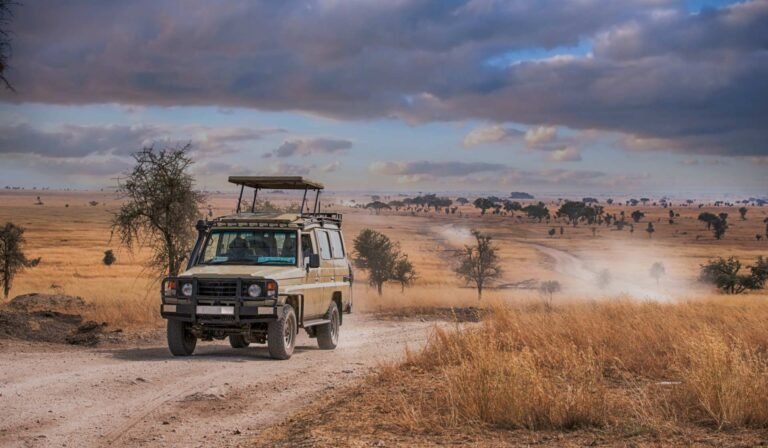
Tanzania Tour Package Prices: Your Guide To Safari & Kilimanjaro Costs
Understand Tanzania tour package prices for 2026-2027. This guide covers safari costs, Kilimanjaro climb pricing, Zanzibar holidays, and factors influencing your budget, offering clear...
View package details
Kilimanjaro Porter, Guide And Camping Fees Breakdown 2026-2027
Kilimanjaro Porter, Guide and Camping Fees Breakdown is explained with current 2026-2027 planning, price, itinerary and booking information.
View package details
Tanzania Attraction Entry Fees: Guide To Park And Reserve Costs For 2026-2027
Planning a trip to Tanzania? This comprehensive guide details the essential Tanzania attraction entry fees for 2026-2027, covering national parks, conservation areas, and cultural sites...
View package details
Tanzania Adventure Activities Prices : Your Ultimate Guide 2026-2027
Discover the pricing for a wide range of adventure activities in Tanzania for 2026-2027, including safaris, Kilimanjaro treks, Zanzibar excursions, and cultural tours. Get insights into...
View package details
Tanzania Hiking Permit Fees: A Comprehensive Guide For Climbers 2026-2027
Planning a trek in Tanzania? This guide details the essential hiking permit fees for popular mountains like Kilimanjaro and Mount Meru, crucial for budgeting your 2026-2027 adventure. We...
View package details
Tanzania Conservation Fees Explained: Your Guide 2026-2027
Demystifying Tanzania's conservation fees is crucial for planning your safari or climb. This guide details the essential costs for national parks, reserves, and Mount Kilimanjaro for...
View package details
Common Tanzania Search Keywords For Planning Your Adventure 2026-2027
Planning a trip to Tanzania for 2026 or 2027? Understanding common search terms helps you find the best safaris, Kilimanjaro treks, and Zanzibar holidays. Top Guide Adventures breaks down...
View package details
Materuni Waterfalls And Coffee Tour Prices: Your Guide By Top Adventures
Plan your visit to Materuni Waterfalls and the coffee plantation with up-to-date pricing and tour details for 2026-2027. Top Guide Adventures provides an in-depth look at what to expect...
View package details
Materuni Day Trip Cost: What To Expect In 2026-2027
Planning a Materuni Day Trip? This guide breaks down the expected costs for 2026-2027, detailing what influences the price and what you can anticipate for a memorable experience near Mount...
View package detailsNo related package matches those filters. Clear one or more filters to see the other topic-matched options.



