
The total cost for a Tanzania safari in 2026-2027 typically ranges from $2,500 to $10,000+ per person for a 7-day trip, depending heavily on accommodation style (budget camping, mid-range lodges, luxury tented camps), the specific parks visited (Serengeti, Ngorongoro, Tarangire, etc.), safari duration, group size, and the level of service provided. Shorter trips or those focusing on fewer parks can be significantly less, while longer, more exclusive experiences will naturally cost more. Expect to spend roughly $300-$450 per person per day for budget safaris, $450-$700 for mid-range, and $700-$1,200+ for luxury options.
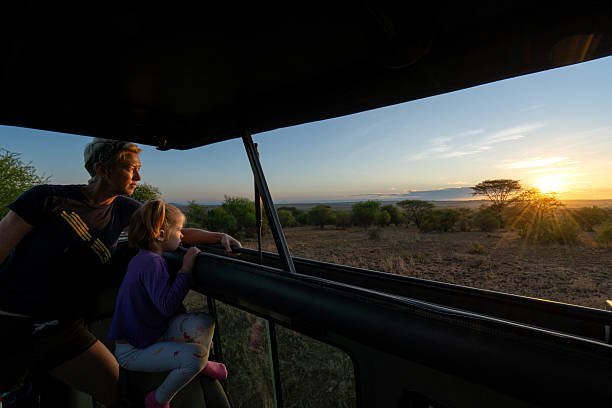
Understanding Tanzania Safari Cost Factors for 2026-2027 Trips
Planning a Tanzania safari is an exciting prospect, and a significant part of that planning involves understanding the associated costs. For travelers looking at 2026 and 2027 adventures, knowing what influences the price is crucial for setting realistic expectations and budgeting effectively. A Tanzania safari cost is not a single figure; it’s a dynamic sum influenced by numerous variables, from the type of accommodation you choose to the duration of your stay and the specific wildlife areas you wish to explore. Top Guide Adventures is committed to transparency, helping you navigate these factors to create an unforgettable journey that aligns with your financial comfort zone.
The primary drivers behind the Tanzania safari cost include:
- Accommodation Style: This is often the biggest differentiator. Options range from basic camping and simple guesthouses to comfortable mid-range lodges and luxurious tented camps or lodges.
- Safari Duration: Longer safaris naturally incur more daily costs for transport, park fees, and accommodation.
- Parks and Reserves Visited: Some parks, like the Serengeti and Ngorongoro Crater, have higher entrance and conservation fees than others.
- Mode of Transport: Whether you opt for a shared group safari or a private tour significantly impacts the per-person cost. Vehicle type (e.g., 4×4 Land Cruiser) also plays a role.
- Time of Year: Peak seasons (usually June to October and December to February) often see higher prices due to demand, while the shoulder and low seasons can offer more budget-friendly options.
- Inclusions: What’s included in your package – meals, drinks, park fees, activities, guide services, internal flights – will affect the final price.
- Number of Travelers: Group safaris are typically more cost-effective per person than private tours, especially for smaller groups.
To make your 2026-2027 safari planning as straightforward as possible, we’ll break down these costs into actionable categories, providing insights for every budget level.
Budget Safari Costs: Experiencing Tanzania Affordably
For travelers with a tighter budget, a Tanzania safari is absolutely achievable without compromising on the core wildlife viewing experience. The key to an affordable safari lies in smart choices regarding accommodation and group size. Budget safaris in 2026-2027 typically focus on maximizing wildlife encounters while keeping overheads low.
What to Expect from a Budget Safari
A budget-friendly Tanzania safari generally involves:
- Accommodation: Staying in public campsites within or near national parks. These offer basic facilities like shared ablutions and sometimes dining tents. A few budget-oriented lodges or tented camps might also be available.
- Group Size: Usually traveling in a shared safari vehicle with other like-minded travelers. This distributes the cost of the vehicle, guide, and fuel among more people.
- Vehicle: A sturdy 4×4 safari vehicle (often a Land Cruiser or Land Rover) is still standard, ensuring good viewing and comfort.
- Itinerary: Focusing on the most popular and accessible parks like Tarangire, Lake Manyara, and the Serengeti, often for shorter durations.
- Meals: Most meals are included, prepared by a safari cook if camping, or served at the lodge/camp.
Estimated Budget Safari Costs (Per Person for 7 Days):
For a 7-day Tanzania safari in 2026-2027 using budget camping and group participation, you can expect costs to fall in the range of $1,800 to $2,800 per person. This breaks down to approximately $250 to $400 per person per day.
This estimate typically covers:
- Park entrance fees
- Crater service fees (for Ngorongoro)
- Accommodation in public campsites
- All meals (breakfast, lunch, dinner)
- A professional safari guide
- A 4×4 safari vehicle with fuel
- Drinking water during game drives
What’s usually NOT included:
- International flights
- Visa fees
- Travel insurance
- Tips for guides and staff
- Personal expenses (souvenirs, laundry, alcoholic beverages)
- Optional activities like hot air balloon safaris or guided bush walks (these can significantly increase costs).
Budget Safari Planning Tip for 2026-2027
Consider traveling during the shoulder seasons (e.g., March-May, November) for potentially lower campsite fees and fewer crowds, which can enhance your experience and sometimes offer slightly better value. Booking with a reputable company that specializes in budget tours, like Top Guide Adventures, ensures you get the best value without sacrificing safety or essential services.
Mid-Range Safari Costs: Balancing Comfort and Value
The mid-range safari offers a fantastic balance for travelers who want more comfort and amenities than budget camping provides, without venturing into the highest luxury tiers. In 2026-2027, this segment is popular for its excellent value, offering comfortable lodges and tented camps with good service.
What to Expect from a Mid-Range Safari
A mid-range Tanzania safari typically includes:
- Accommodation: Comfortable lodges or permanent tented camps with en-suite bathrooms, proper beds, and often swimming pools and on-site restaurants.
- Group Size: Can be either shared group tours or private tours, depending on your preference and budget.
- Vehicle: A dedicated 4×4 safari vehicle (Land Cruiser or Land Rover) for private tours, or a shared vehicle for group tours.
- Itinerary: Usually covers the Northern Circuit’s highlights (Serengeti, Ngorongoro, Tarangire, Lake Manyara) and can be extended to include Southern Circuit parks.
- Meals: All meals are provided, often in lodge/camp dining rooms, with a higher quality of cuisine than budget options.
- Service: Generally higher service standards, with more attention to detail.
Estimated Mid-Range Safari Costs (Per Person for 7 Days):
For a 7-day mid-range Tanzania safari in 2026-2027, expect costs to range from $2,800 to $5,000 per person. This translates to approximately $400 to $700 per person per day.
This price bracket generally includes:
- Park entrance fees
- Crater service fees
- Accommodation in comfortable lodges or tented camps with en-suite facilities
- All meals (breakfast, lunch, dinner)
- A professional safari guide
- A 4×4 safari vehicle with fuel (private or shared)
- Drinking water during game drives
What’s usually NOT included:
- International flights
- Visa fees
- Travel insurance
- Tips for guides and staff
- Personal expenses
- Optional activities (hot air balloon, cultural visits, night drives)
- Drinks (alcoholic and some non-alcoholic) may be extra at lodges.
Mid-Range Safari Value in 2026-2027
Mid-range safaris often provide the best overall value for money. You get comfortable accommodations, excellent guiding, and access to the best wildlife areas without the premium price tag of ultra-luxury. For 2026-2027 bookings, consider combining popular parks with slightly less-visited ones to offer a richer experience within this budget. Top Guide Adventures excels at crafting these balanced itineraries.
Luxury Safari Costs: Unparalleled Comfort and Exclusivity
For those seeking the ultimate safari experience with exceptional comfort, exclusive service, and premium accommodations, a luxury Tanzania safari is the way to go. In 2026-2027, luxury travel continues to focus on unique experiences, personalized service, and high-end lodges and camps.
What to Expect from a Luxury Safari
Luxury safaris are defined by:
- Accommodation: Exquisite lodges and tented camps offering spacious suites, private plunge pools, gourmet dining, fine wines, and impeccable service. Some may be fly-in camps for exclusivity.
- Group Size: Almost exclusively private tours, ensuring maximum flexibility and personalized attention.
- Vehicle: Private, customized 4×4 safari vehicles, often with special features like charging ports and open roofs for better photography.
- Itinerary: Highly customizable, often including a mix of famous parks and exclusive private conservancies, with opportunities for off-the-beaten-path experiences.
- Meals: Fine dining experiences, often with a la carte menus, premium beverages, and dining in unique locations (e.g., bush dinners).
- Service: Dedicated butlers, expert guides with deep knowledge, and a focus on bespoke experiences.
- Inclusions: Often include all meals, drinks (including premium alcoholic beverages), park fees, laundry, and sometimes even internal flights.
Estimated Luxury Safari Costs (Per Person for 7 Days):
A 7-day luxury Tanzania safari in 2026-2027 can range from $5,000 to $10,000+ per person. This equates to roughly $700 to $1,500+ per person per day.
This cost typically encompasses:
- All park and conservation fees
- Accommodation in high-end lodges/camps
- All gourmet meals
- A wide selection of premium drinks
- A highly experienced private safari guide
- A private 4×4 safari vehicle
- All standard inclusions plus often laundry, Wi-Fi, and sometimes internal flights.
What’s usually NOT included:
- International flights
- Visa fees
- Travel insurance
- Tips for guides and staff (though often a higher gratuity is expected)
- Specialty champagne or rare wines
- Optional high-cost activities like exclusive hot air balloon flights or private conservancy access fees.
Luxury Safari Planning in 2026-2027
Luxury safaris offer unparalleled comfort and access. For 2026-2027, consider booking exclusive-use concessions for ultimate privacy and wildlife viewing opportunities. These can come with a higher price tag but provide an experience few others will have. Top Guide Adventures can arrange bespoke luxury itineraries that cater to the most discerning travelers.
Breakdown of Key Cost Components for a Tanzania Safari
To truly understand your Tanzania safari cost, it’s essential to look at the individual elements that make up the total price. Each component plays a vital role, and understanding their impact allows for more informed decisions when customizing your 2026-2027 trip.
1. Park and Conservation Fees
These are mandatory fees charged by the Tanzanian government for entry into national parks and conservation areas. They are a significant portion of the safari budget and are charged per person, per day, and sometimes per vehicle. These fees contribute to wildlife conservation, park maintenance, and local community development.
Typical Fees (subject to change, always confirm for 2026-2027):
- Serengeti National Park: ~$70-80 per person per day
- Ngorongoro Conservation Area: ~$70-80 per person per day (conservation fee) + ~$300-400 per vehicle per day (Crater service fee for vehicle entry into the Crater floor)
- Tarangire National Park: ~$60-70 per person per day
- Lake Manyara National Park: ~$55-65 per person per day
- Arusha National Park: ~$55-65 per person per day
- Other Parks (e.g., Ruaha, Selous/Nyerere): Fees vary, often in a similar range or slightly lower for less-visited parks.
Note: These fees are non-negotiable and are usually included in package prices by tour operators. For longer safaris or those covering multiple parks, these fees can add up considerably.
2. Accommodation Costs
As highlighted in the budget categories, accommodation is a major cost driver. Here’s a more detailed look:
- Public Campsites: ~$30-50 per person per night. Basic facilities, shared amenities.
- Mid-Range Lodges/Tented Camps: ~$150-350 per person per night (often includes meals). Comfortable rooms/tents with en-suite bathrooms.
- Luxury Lodges/Tented Camps: ~$400-1,000+ per person per night (often all-inclusive of meals and drinks). High-end amenities, private facilities, gourmet dining.
These per-person rates are usually based on double occupancy. Single travelers may incur a single supplement fee, typically ranging from 50-100% of the per-person rate.
3. Vehicle and Guide Costs
This is a substantial part of your safari budget, especially for private tours. The cost covers the vehicle (a robust 4×4 safari vehicle is standard), fuel, maintenance, insurance, and the salary of your experienced driver-guide.
- Shared Safaris: The cost is distributed among group members, making it more economical.
- Private Safaris: The full cost of the vehicle and guide is borne by your party. This offers flexibility but is more expensive per person, especially for couples or small groups.
A typical daily rate for a private 4×4 safari vehicle with a guide can range from $300 to $600+ per day, depending on the vehicle type, the operator, and the season for 2026-2027.
4. Food and Beverages
Most safari packages include all meals. The quality and style of food and drinks vary significantly by accommodation level.
- Budget: Simple, hearty meals prepared by a safari cook or at basic lodge kitchens.
- Mid-Range: Good quality meals, often buffet-style or set menus, at lodge/camp restaurants.
- Luxury: Gourmet dining, a la carte menus, fine wines, and often premium beverages included.
Note: Alcoholic beverages and sometimes even bottled water can be extra at mid-range and luxury lodges, so always check what’s included. Budget safaris usually include drinking water during game drives.
5. Other Potential Costs
- Internal Flights: If you plan to fly between different regions (e.g., to the Serengeti airstrip or to Zanzibar), these add significant cost. Expect $300-$500+ per flight segment.
- Optional Activities: Hot air balloon safaris ($500-$600 pp), guided bush walks, cultural village visits, or night drives can add substantially to the total.
- Tips: Gratuities for guides, drivers, cooks, and lodge staff are customary and appreciated. Budget around $20-40 per person per day for the guide, and a smaller amount for other staff.
- Travel Insurance: Essential for any safari, covering medical emergencies, trip cancellations, and lost luggage. Costs vary based on coverage and traveler age.
- Visas: Currently around $50-$100 for a US/UK visa, or can be obtained on arrival. Check current requirements for your nationality.
Tanzania Safari Cost Comparison: 7-Day Example (2026-2027)
Here’s a simplified comparison for a 7-day safari covering the Northern Circuit (Tarangire, Serengeti, Ngorongoro):
| Category | Budget (Camping) | Mid-Range (Lodges/Tents) | Luxury (High-End Lodges) |
|---|---|---|---|
| Per Person Daily Cost | $250 – $400 | $400 – $700 | $700 – $1,500+ |
| Total 7-Day Cost (Est. Per Person) | $1,750 – $2,800 | $2,800 – $4,900 | $4,900 – $10,500+ |
| Accommodation Type | Public Campsites | Comfortable Lodges/Tented Camps | Exclusive Lodges/Tented Camps |
| Vehicle Type | Shared 4×4 | Private/Shared 4×4 | Private 4×4 (High Spec) |
| Meals | Full Board (Cooked) | Full Board (Lodge Dining) | Gourmet Dining, Premium Drinks |
| Key Differentiator | Affordability, Community Feel | Comfort, Balance of Value | Exclusivity, Bespoke Service |
Note: These figures exclude international flights, visas, tips, and personal expenses. Prices are estimates for 2026-2027 and can fluctuate.
How Duration and Itinerary Affect Tanzania Safari Costs
The length of your safari and the specific parks you choose to visit are fundamental in determining the overall Tanzania safari cost. A longer safari means more days paying park fees, for accommodation, and for your guide and vehicle. Similarly, including more expensive parks or more remote destinations will increase the price.
Impact of Safari Duration
A common misconception is that a shorter safari is always proportionally cheaper. While daily rates remain somewhat consistent, some fixed costs (like vehicle preparation) might be spread over fewer days, making very short safaris sometimes less cost-effective per day than slightly longer ones.
- 3-4 Day Safari (e.g., Arusha, Manyara, Ngorongoro): Typically ranges from $1,000 – $2,500 per person (budget to mid-range). Focuses on the southern parks of the Northern Circuit.
- 5-6 Day Safari (e.g., Tarangire, Serengeti, Ngorongoro): Around $1,500 – $4,000 per person. Allows for deeper exploration of the Serengeti.
- 7-8 Day Safari (Northern Circuit): As detailed earlier, $1,800 – $10,000+ per person, offering a comprehensive experience.
- 10-14 Day Safari (Northern & Southern Circuits): Can range from $3,000 – $15,000+ per person, providing extensive wildlife viewing across diverse landscapes.
For 2026-2027, consider that adding just one extra day in the Serengeti or a visit to a less-visited park like Ruaha can significantly enhance your wildlife experience, and the incremental cost might be well worth it.
Impact of Park Choices
The park selection is critical for both experience and budget:
- The Big Three (Serengeti, Ngorongoro, Tarangire): These are the most popular and generally have the highest park fees. They offer incredible wildlife density and variety.
- Lake Manyara: Known for tree-climbing lions and birdlife, it has moderate fees and is often combined with Tarangire and Ngorongoro for shorter trips.
- Southern Circuit (Nyerere National Park, Ruaha National Park): These parks offer a wilder, less crowded experience and can sometimes be more cost-effective for longer safaris, especially if combined with fly-in options. Park fees are generally comparable or slightly lower than the Serengeti, but logistics can sometimes add to the cost if not planned well.
- Private Conservancies: Often adjacent to national parks (e.g., in the Serengeti ecosystem), these offer exclusive game drives, walking safaris, and night drives with higher daily fees (e.g., $100-$300+ per person per day) but fewer vehicles and more intimate wildlife encounters. These are usually part of luxury packages.
When planning your 2026-2027 safari, discuss with your tour operator which parks best suit your interests and budget. For instance, a 7-day safari focusing only on Tarangire, Lake Manyara, and Ngorongoro Crater will be less expensive than one that includes multiple days in the vast Serengeti.
Seasonal Pricing and Best Times to Travel in 2026-2027
Tanzania experiences distinct seasons, and these directly impact safari pricing and availability. Understanding these cycles is key to finding the best value and the most favorable wildlife viewing conditions for your 2026-2027 trip.
Peak Season (High Season): June to October & December to February
Characteristics: Dry weather, pleasant temperatures, abundant wildlife concentrated around water sources, and the Great Migration often in the Serengeti. This is the most popular time for safaris.
Cost Implications: Prices for accommodation and sometimes even park fees can be higher due to strong demand. Lodges and camps may have minimum stay requirements.
Booking Window: It is highly recommended to book peak season safaris 6-12 months in advance for 2026-2027 to secure preferred lodges and vehicles.
Shoulder Season: March to May & November
Characteristics: These are transition periods. March to May is the ‘long rains’ season, with lush green landscapes but potential for heavy downpours that can affect road conditions and wildlife dispersion. November is a shorter rainy period.
Cost Implications: Generally offer better value. Accommodation prices are often lower, and there are fewer tourists. This can be an excellent time for photographers appreciating the green scenery and for budget-conscious travelers.
Booking Window: 3-6 months in advance is usually sufficient for shoulder season travel in 2026-2027.
Low Season: April to May (part of the ‘long rains’)
Characteristics: This period sees the most significant rainfall. While game viewing is still possible, some lodges may close or operate with reduced services. Roads can become challenging.
Cost Implications: The lowest prices of the year. Many lodges offer significant discounts. This is the prime time for budget travelers looking for the absolute lowest Tanzania safari cost.
Booking Window: 2-4 months in advance is typically fine for low season in 2026-2027.
Seasonal Planning for 2026-2027
If your primary goal is to witness the Great Migration river crossings, aim for July to October. For greener landscapes and fewer crowds, consider the shoulder seasons. Top Guide Adventures can advise on the best seasonal timings based on your specific interests and budget for 2026-2027.
Shared vs. Private Safaris: Cost and Experience Differences
The choice between a shared group safari and a private safari is one of the most significant decisions affecting both your Tanzania safari cost and your on-the-ground experience.
Shared Safaris (Group Tours)
- Cost: Significantly cheaper per person as the cost of the vehicle, guide, and fuel is divided among multiple travelers (typically 6-7 people per vehicle).
- Experience: You travel with other people, meaning less flexibility on game drive start/end times and routes. You share the vehicle and the wildlife viewing space.
- Best For: Solo travelers, couples, or small groups on a tighter budget who don’t mind sharing their experience and are looking for the most economical way to see Tanzania.
- Availability: Often run on set departure dates, which may require more rigid planning.
Private Safaris
- Cost: More expensive per person, especially for smaller groups, as you bear the full cost of the vehicle and guide. However, for larger groups (e.g., 4+ people), the per-person cost can become more comparable to a mid-range shared safari.
- Experience: Offers maximum flexibility. You set your own pace, decide when to start and stop game drives, and can spend as much time as you like at wildlife sightings. You have the vehicle exclusively for your group.
- Best For: Families, couples, or groups who prioritize flexibility, privacy, and a personalized experience.
- Availability: Can be arranged for any date, offering complete customization of your itinerary.
Cost Comparison Example (per person for 7 days):
- Shared Safari (Budget/Mid-Range): $1,800 – $3,500
- Private Safari (Mid-Range): $2,800 – $5,000
- Private Safari (Luxury): $5,000 – $10,000+
For 2026-2027 planning, consider how important flexibility is to you. If you have specific photographic interests or travel with young children, a private safari might be essential, even if it means a higher Tanzania safari cost.
Customizing Your Safari: How Add-ons Affect Cost
Beyond the standard safari package, Tanzania offers numerous optional activities and enhancements that can enrich your experience but will also add to your overall Tanzania safari cost. These are often the ‘special touches’ that make a trip truly memorable.
Hot Air Balloon Safaris
A quintessential safari experience, a hot air balloon ride over the Serengeti plains at sunrise is magical. Typically offered by specific companies, these rides are an additional cost.
- Estimated Cost: $500 – $600 per person (includes flight, champagne breakfast upon landing, and sometimes a transfer).
- Best Time: Year-round, but particularly spectacular during the migration season.
- Booking: Essential to book well in advance, especially for peak season 2026-2027 trips.
Cultural Visits
Engaging with local communities, such as visiting a Maasai village, offers a deeper understanding of Tanzania’s diverse cultures.
- Estimated Cost: Varies from a small donation ($20-$50 pp) to more structured community tours that can cost $100-$200 pp.
- Note: Ensure visits are conducted respectfully and ethically, often arranged through your tour operator.
Guided Bush Walks
Offered in certain areas (often outside main national parks or in conservancies), walking safaris provide a different perspective on the bush, focusing on smaller details, flora, and fauna.
- Estimated Cost: $50 – $150 per person.
- Availability: Depends on the specific lodge or conservancy.
Night Game Drives
While not permitted in most national parks, night drives are often available in private conservancies or some concessions, offering a chance to spot nocturnal animals.
- Estimated Cost: $60 – $150 per person.
- Availability: Restricted to specific areas.
When budgeting for your 2026-2027 safari, decide which of these optional activities are ‘must-dos’ and factor their costs into your total Tanzania safari cost.
Tips for Saving Money on Your Tanzania Safari in 2026-2027
While Tanzania safaris can be a significant investment, there are several strategies to help manage your Tanzania safari cost without sacrificing the quality of your wildlife experience.
- Travel in the Shoulder or Low Season: As discussed, prices are lower outside the peak months. Consider November or April-May for a good balance of fewer crowds and reasonable prices for 2026-2027.
- Opt for Group Safaris: If you’re comfortable sharing, group tours offer the best value.
- Choose Budget or Mid-Range Accommodation: Camping or comfortable lodges offer excellent wildlife viewing at a fraction of the luxury cost.
- Limit Optional Activities: While enticing, activities like hot air ballooning add hundreds of dollars. Prioritize which ones are most important to you.
- Be Flexible with Dates: Sometimes shifting your travel dates by a week or two can make a difference in pricing, especially around shoulder seasons.
- Consider Shorter Durations: If budget is a primary concern, a 5-day safari hitting the highlights might be more feasible than a 10-day expedition.
- Book in Advance: While not always a cost-saver directly, booking early for 2026-2027 ensures you get the best availability and potentially avoid last-minute price hikes. It also gives you more time to save.
- Look for All-Inclusive Packages Carefully: Ensure you understand exactly what is included. Some packages might seem pricier but cover more (like drinks or park fees), making them better value overall.
- Pack Smart: Avoid buying expensive safari gear last minute. Pack essentials and rely on your tour operator for vehicle amenities.
Budget-Saving Checklist for 2026-2027 Safaris:
- Travel Season: Aim for shoulder/low season (Nov, Apr-May).
- Accommodation: Prioritize campsites or standard lodges.
- Group Size: Choose shared tours over private if possible.
- Activities: Select only 1-2 key optional activities.
- Duration: Balance desired experience with budget.
- Inclusions: Verify park fees, meals, and drinks are covered.
- Booking Time: Plan and book 6-12 months ahead for best options.
Is a Tanzania Safari Worth the Cost?
The Tanzania safari cost can seem substantial, especially when compared to other vacation types. However, for those who experience it, the overwhelming consensus is that it is profoundly worth the investment. The value derived from a Tanzania safari is not just monetary; it’s experiential, emotional, and educational.
Consider these aspects:
- Unrivaled Wildlife Encounters: Witnessing the Great Migration, spotting the Big Five, or observing vast herds in their natural habitat is a privilege that few places on Earth can offer with such intensity as Tanzania.
- Incredible Biodiversity: From the endless plains of the Serengeti to the unique ecosystem of the Ngorongoro Crater, Tanzania boasts some of the richest wildlife populations globally.
- Expert Guiding: Experienced guides bring the bush to life, sharing their knowledge of animal behavior, ecology, and local culture, significantly enhancing the viewing experience.
- Stunning Landscapes: The dramatic scenery, from volcanic craters to acacia-dotted savannas, provides a impressive backdrop to every game drive.
- Cultural Richness: Beyond the wildlife, Tanzania offers opportunities to connect with its vibrant local cultures, adding another layer to the journey.
- Contribution to Conservation: Your safari contributes directly to conservation efforts and local economies, ensuring these precious ecosystems are protected for future generations.
For 2026-2027, planning a Tanzania safari is an investment in memories that last a lifetime. The sheer scale of the wildlife, the raw beauty of the landscapes, and the in-depth experience of being in the African wilderness are unparalleled. When you weigh the cost against the unique, life-changing experiences it provides, most travelers find it to be an exceptionally rewarding expenditure.
Planning Your 2026-2027 Tanzania Safari with Top Guide Adventures
Navigating the various costs and options for a Tanzania safari can seem complex, but with the right partner, it becomes a streamlined and exciting process. Top Guide Adventures is dedicated to providing transparent pricing and crafting personalized safari experiences that fit your budget and travel style.
We understand that every traveler has unique needs and desires. Whether you’re looking for a budget-friendly camping adventure, a comfortable mid-range experience, or an exclusive luxury escape, our team is here to help you plan the perfect 2026-2027 safari. We work closely with you to:
- Understand Your Budget: We’ll discuss your financial parameters to recommend the most suitable accommodation, parks, and itinerary.
- Tailor Your Itinerary: We create customized itineraries based on your interests, whether it’s bird watching, photography, the Great Migration, or simply ticking off the Big Five.
- Provide Detailed Quotes: You’ll receive clear, itemized quotes so you know exactly what your Tanzania safari cost includes.
- Offer Expert Advice: Our local knowledge ensures you get the best advice on seasonality, park choices, and optimal routes for 2026-2027.
- Ensure Quality and Safety: We partner with reputable lodges and use well-maintained vehicles, prioritizing your comfort and safety throughout your journey.
To get started on planning your dream Tanzania safari for 2026 or 2027, or to receive a personalized quote, please don’t hesitate to reach out. We are passionate about creating exceptional safari experiences and look forward to helping
Check Availability for Tanzania Safari Cost Guide For Every Budget 2026-2027
Ready to compare dates, prices, and the best option for your group? Send the package name and travel month so the team can reply with a clear quote, availability, and what is included.
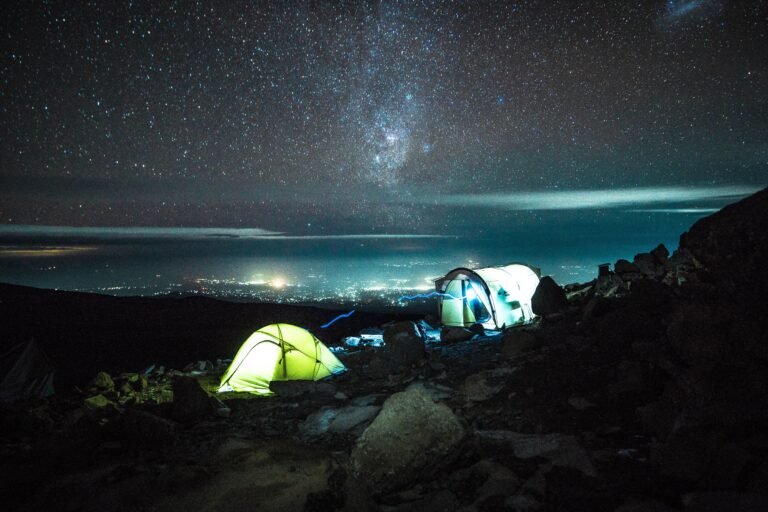
Tanzania Wildlife Safari Cost Breakdown: Your Budget Guide 2026-2027
Planning a Tanzania wildlife safari involves understanding the key cost components. This guide provides a detailed breakdown for 2026-2027, covering everything from park fees and...
View package details
Budget Tarangire Safari Prices: Cost Guide For 2026-2027
Planning a budget-friendly safari in Tarangire National Park? This guide breaks down the costs for 2026-2027, detailing what influences prices, what's typically included in budget packages...
View package details
Serengeti Luxury Safari Cost Vs. Budget Safaris: Your Comparison Guide
This guide breaks down the cost differences between luxury and budget safaris in the Serengeti for 2026-2027. Understand what you get for your money, from accommodation and transport to...
View package details
Tanzania Group Safari Cost Guide
Planning a Tanzania group safari in 2026-2027? This comprehensive guide breaks down the Tanzania group safari cost, detailing what influences prices, typical inclusions, and how to budget...
View package details
Tanzania Budget Safari Prices: Your Guide To Affordable Adventures 2026-2027
Planning a budget safari in Tanzania for 2026 or 2027? Understand the typical price ranges, what influences costs, and how to get the most value for your money. This guide breaks down the...
View package details
Tanzania Family Safari Cost: Planning Your Adventure 2026-2027
Planning a family safari in Tanzania for 2026 or 2027? This comprehensive guide breaks down the Tanzania family safari cost, detailing what influences your budget, typical price ranges, and...
View package details
Tanzania Canoeing Safari Prices: Your Budget Guide 2026-2027
Discover the factors influencing Tanzania canoeing safari prices for 2026-2027. This guide breaks down costs, inclusions, and how to find the best value for your unique adventure.
View package detailsTanzania Horse Riding Cost: Planning Your Equestrian Safari Adventure
Discover the typical costs associated with horse riding adventures in Tanzania for 2026-2027. This guide breaks down pricing factors, what to expect in your budget, and tips for planning...
View package detailsTanzania Tour Package Prices: Your Guide To Safari & Kilimanjaro Costs
Understand Tanzania tour package prices for 2026-2027. This guide covers safari costs, Kilimanjaro climb pricing, Zanzibar holidays, and factors influencing your budget, offering clear...
View package detailsTanzania Camping Fees Guide: Understanding Safari Costs For 2026-2027
Planning a Tanzania safari in 2026 or 2027? This guide breaks down the essential Tanzania camping fees, including park entrance, accommodation, and other costs, to help you budget...
View package details
Tanzania Luxury Safari Cost: Planning Your Dream Trip 2026-2027
Planning a luxury safari in Tanzania? Discover the typical costs involved for 2026-2027, what drives the price, and what to expect in terms of inclusions and value for an unparalleled...
View package details
Tanzania Boat Safari Prices: Your Guide To Costs & Options 2026-2027
Discover the pricing factors for Tanzania boat safaris in 2026-2027. This comprehensive guide breaks down costs, inclusions, and how to find the best value for your aquatic adventure.
View package detailsNo related package matches those filters. Clear one or more filters to see the other topic-matched options.



