
Tanzania National Park entry fees for 2026-2027 vary significantly by park, typically ranging from $50 to $70 per adult per 24-hour period for most popular parks like Serengeti and Ngorongoro, with concessions and specific areas like the Ngorongoro Crater floor having additional charges. Fees are subject to change, and understanding these costs is crucial for budgeting your Tanzanian safari adventure. Children usually pay a reduced rate, and there are often different fee structures for international tourists versus East African residents. These fees are a primary source of funding for conservation efforts within Tanzania’s protected areas.
Understanding Tanzania National Park Entry Fees: Your Essential Budgeting Tool for 2026-2027 Safaris
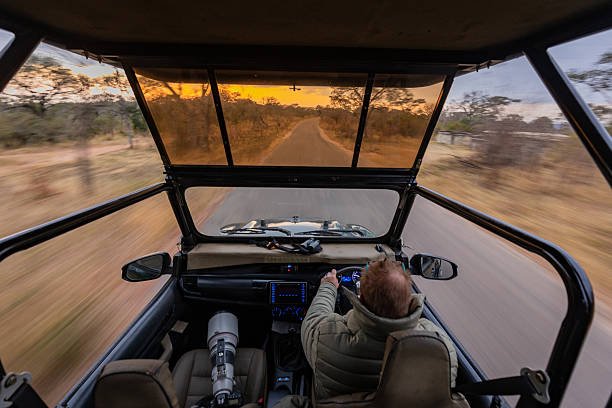
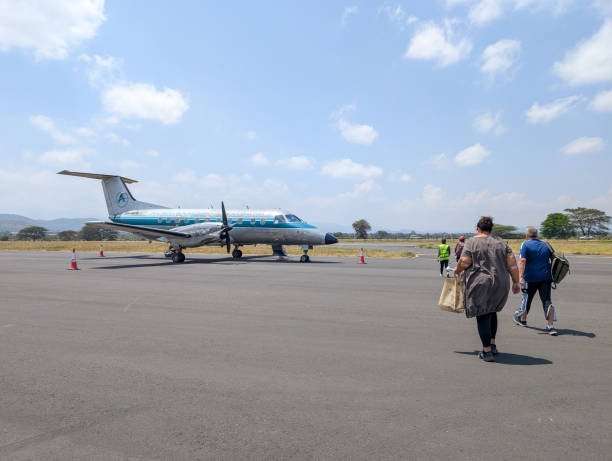
A Tanzanian safari is a dream for many, conjuring images of vast savannas, incredible wildlife encounters, and the iconic Great Migration. As you plan your adventure for 2026 or 2027, one of the most critical aspects of your budget will be the Tanzania National Park entry fees. These fees are not just a cost; they are a vital contribution to the preservation of these magnificent ecosystems and the wildlife that calls them home. This comprehensive guide aims to demystify these charges, providing you with the most up-to-date information to help you plan your trip effectively.
Top Guide Adventures is committed to transparency and ensuring our clients have all the necessary information for a smooth and unforgettable journey. We understand that navigating park fees can be complex, with different rates for various parks, conservation areas, and even specific activities within them. This guide will cover the essential details for the most sought-after destinations, helping you budget accurately for your 2026-2027 safari.
Key Takeaways for Tanzania National Park Entry Fees (2026-2027)
- Standard Park Fees: Most major parks charge between $50-$70 USD per adult per 24-hour period for international visitors.
- Ngorongoro Crater: Expect additional fees for vehicle access and a per-person fee for descending into the Crater itself.
- Conservation Fees (Concession Fees): Some areas, particularly private concessions or buffer zones, may have separate or additional fees.
- Vehicle Fees: A daily vehicle fee is typically charged per vehicle entering the park.
- Children’s Rates: Reduced fees are usually available for children under 16 years old.
- Residency Status: Fees differ significantly for Tanzanian citizens, East African residents, and international tourists. This guide focuses on international visitor rates.
- Park Hours: Fees are generally calculated on a 24-hour basis, meaning if you enter on day 1 and exit on day 2, you may be charged for two days, even if your stay is shorter.
- Booking Requirement: Park fees are typically paid in advance or upon entry, and often require specific payment methods (e.g., USD cash or bank transfer). Tour operators usually handle these payments.
The Core Components of Tanzania National Park Entry Fees
Before diving into specific park fees, it’s helpful to understand what constitutes these charges. When you plan a safari for 2026-2027, you’ll encounter several types of fees, which are usually bundled together by tour operators but are important to understand for transparency:
- Park Entrance Fee: This is the primary charge for each person entering a national park. It grants access to the general park areas for wildlife viewing.
- Conservation Fee: This fee is specifically allocated to wildlife conservation, anti-poaching efforts, research, and habitat management within the park. It’s often synonymous with the entrance fee in many parks but can sometimes be a separate line item.
- Vehicle Fee: A daily fee is charged per vehicle, based on its size and capacity. This helps maintain park roads and infrastructure.
- Crater Service Fee (Ngorongoro): A specific fee for vehicles entering the Ngorongoro Crater floor, which is a highly protected and wildlife-rich area.
- Camping Fees: If you opt for public or special campsite accommodation within a national park, separate daily camping fees apply per person.
Top Guide Adventures works closely with the Tanzania National Parks Authority (TANAPA) and the Ngorongoro Conservation Area Authority (NCAA) to ensure all fees are paid correctly and promptly for your safari. We typically include these fees in our comprehensive safari packages for 2026 and 2027, providing a clear and predictable cost for your adventure.
Serengeti National Park: The Crown Jewel and Its Associated Fees
The Serengeti National Park is arguably Tanzania’s most famous wildlife sanctuary, renowned for the annual Great Migration and its incredible density of predators. Planning your visit for 2026 or 2027 means understanding its fee structure.
Serengeti National Park Entry and Conservation Fees (2026-2027 Estimates)
The standard fee for international tourists entering Serengeti National Park is typically calculated on a 24-hour basis.
- Per Adult (16 years and above): Approximately $60 USD per person per 24 hours.
- Per Child (under 16 years): Approximately $10 USD per person per 24 hours.
- Vehicle Fee: Varies based on vehicle type and capacity, usually between $30 to $50 USD per vehicle per day. Larger safari vehicles might incur higher fees.
Important Note on 24-Hour Calculation: If you enter Serengeti at 10 AM on Day 1 and exit at 2 PM on Day 2, you will be charged for two full 24-hour periods. This is a standard TANAPA regulation. For longer stays, it’s often more cost-effective to plan your itinerary to avoid exceeding 24-hour increments unnecessarily within the park. For example, exiting the park before the 24-hour mark and re-entering the next day can sometimes save costs if your itinerary allows.
Serengeti Camping Fees (2026-2027 Estimates)
If your 2026-2027 Serengeti safari includes camping within the park boundaries, additional daily fees apply:
- Public Campsites (e.g., Seronera, Lobo): Approximately $30-$40 USD per person per night. These are basic facilities with shared amenities.
- Special Campsites (e.g., in remote areas for exclusive use): These are significantly more expensive, ranging from $150-$300 USD per group per night. They offer a more private and exclusive wilderness experience.
Top Guide Adventures carefully selects campsites based on your safari style and budget, ensuring all necessary permits and fees are secured well in advance for your 2026 or 2027 trip.
Ngorongoro Conservation Area: Fees for the “Eighth Wonder”
The Ngorongoro Conservation Area (NCA) is unique because it allows human habitation (Maasai communities) alongside wildlife conservation, unlike typical national parks. It encompasses the famous Ngorongoro Crater.
Ngorongoro Conservation Area Entry Fees (2026-2027 Estimates)
Access to the NCA itself involves a conservation fee, and then there are separate fees for descending into the Crater.
- NCA Entry Fee: Approximately $70 USD per person per 24 hours for international visitors.
- Vehicle Fee: Approximately $300 USD per vehicle per day for vehicles entering the NCA. This is a higher fee than most national parks due to the unique management of the area.
Ngorongoro Crater Service Fees (2026-2027 Estimates)
This is a crucial fee for anyone wishing to drive down into the Ngorongoro Crater floor, which is teeming with wildlife.
- Crater Floor Service Fee: Approximately $300 USD per vehicle per descent. This fee is per vehicle, regardless of the number of occupants, and is charged each time you descend into the Crater.
- Crater Floor Fee (Per Person): In addition to the vehicle fee, there is a per-person fee for entering the Crater floor, typically around $250 USD per person per descent.
Important Considerations for Ngorongoro:
- Time Limits: Vehicles are typically allowed a maximum of 6 hours on the Crater floor. Exceeding this limit can incur additional charges or penalties.
- Combined Fees: A typical 2026-2027 day trip into the Ngorongoro Crater for a group of 4 international tourists would involve: NCA Entry Fee (4 x $70) + Vehicle Fee ($300) + Crater Floor Vehicle Fee ($300) + Crater Floor Per Person Fee (4 x $250). This highlights why Ngorongoro is one of the more expensive park experiences in Tanzania.
- Accommodation: If you stay overnight within the NCA (e.g., at a lodge or campsite), you will be charged the daily NCA entry fee for each 24-hour period.
Top Guide Adventures specializes in crafting optimal Ngorongoro itineraries for 2026-2027, balancing the desire for extensive game viewing with the associated costs, ensuring you get the most value from your visit.
Other Major National Parks and Their Entry Fees
Tanzania boasts a network of diverse national parks, each offering unique wildlife viewing opportunities. Here are the typical fee structures for some other popular destinations for your 2026-2027 planning:
Tarangire National Park
Known for its large elephant herds and iconic baobab trees.
- Park Entrance Fee: Approximately $50 USD per adult per 24 hours.
- Child Fee (under 16): Approximately $10 USD per person per 24 hours.
- Vehicle Fee: Approximately $30-$40 USD per vehicle per day.
Lake Manyara National Park
Famous for its tree-climbing lions and diverse birdlife.
- Park Entrance Fee: Approximately $50 USD per adult per 24 hours.
- Child Fee (under 16): Approximately $10 USD per person per 24 hours.
- Vehicle Fee: Approximately $30-$40 USD per vehicle per day.
Arusha National Park
Offers stunning views of Mount Meru and diverse habitats, including the Momella Lakes and Ngurdoto Crater.
- Park Entrance Fee: Approximately $50 USD per adult per 24 hours.
- Child Fee (under 16): Approximately $10 USD per person per 24 hours.
- Vehicle Fee: Approximately $30-$40 USD per vehicle per day.
Kilimanjaro National Park
While primarily a climbing destination, park entry fees apply for trekkers.
- Park Entrance Fee: Approximately $70 USD per person per trek (this is a one-time fee for the duration of your climb, not per 24-hour period).
- Climbing Fees: Separate fees apply for guides, porters, and camping permits on the mountain, which are substantial and usually handled by the climbing operator.
Gombe Stream National Park
Famous for chimpanzee trekking.
- Park Entrance Fee: Approximately $100 USD per person per day.
- Conservation Fee: An additional $10 USD per person per day.
- Vehicle/Boat Fee: Varies based on transport used.
Mahale Mountains National Park
Another prime location for chimpanzee viewing, known for its stunning lake setting.
- Park Entrance Fee: Approximately $100 USD per person per day.
- Conservation Fee: An additional $10 USD per person per day.
- Vehicle/Boat Fee: Varies.
Top Guide Adventures can help you tailor your 2026-2027 safari itinerary to include a mix of these parks, managing all entry and conservation fees seamlessly as part of your package.
Estimated 2026-2027 Tanzania National Park Fee Summary (International Tourists)
This table provides a general overview. Actual costs can vary based on specific park regulations and potential government adjustments for 2026-2027.
| Park/Area | Adult Entry Fee (per 24 hrs) | Child Entry Fee (per 24 hrs) | Vehicle Fee (per day) | Special Fees (e.g., Crater Descent) |
|---|---|---|---|---|
| Serengeti NP | ~$60 USD | ~$10 USD | ~$30-50 USD | N/A |
| Ngorongoro Crater (NCA) | ~$70 USD (NCA Entry) | ~$10 USD (NCA Entry) | ~$300 USD (NCA Entry) | ~$300 (Vehicle) + ~$250 (Per Person) per Crater descent |
| Tarangire NP | ~$50 USD | ~$10 USD | ~$30-40 USD | N/A |
| Lake Manyara NP | ~$50 USD | ~$10 USD | ~$30-40 USD | N/A |
| Arusha NP | ~$50 USD | ~$10 USD | ~$30-40 USD | N/A |
| Kilimanjaro NP | ~$70 USD (Trek Fee) | ~$70 USD (Trek Fee) | Included in Trekking Packages | Climbing fees are separate and substantial |
| Gombe/Mahale NP | ~$100 USD (Park Entry) | N/A (often same as adult) | Varies | ~$10 USD (Conservation Fee) |
Note: Fees are estimates for 2026-2027 and subject to change by TANAPA/NCAA. Always confirm with your tour operator.
How Park Fees Contribute to Conservation and Local Communities
It’s essential to understand that Tanzania National Park entry fees are not merely administrative costs. A significant portion of these fees directly funds critical conservation initiatives. These include:
- Anti-Poaching Units: Funding patrols and equipment to protect endangered species.
- Habitat Preservation: Maintaining ecosystems, controlling invasive species, and managing natural resources.
- Wildlife Research: Supporting studies on animal populations, behavior, and health.
- Infrastructure Development: Maintaining roads, airstrips, and visitor facilities within the parks.
- Community Development: Projects aimed at benefiting local communities living adjacent to the parks, fostering goodwill and reducing human-wildlife conflict. A portion of the fees is often channeled through the NCAA and TANAPA to support local schools, clinics, and infrastructure in these areas.
By visiting Tanzania’s parks in 2026-2027 and paying these fees, you are directly contributing to the long-term survival of its incredible biodiversity and supporting the livelihoods of its people.
Navigating Fee Payments: What to Expect in 2026-2027
Understanding how to pay these fees can sometimes be confusing. Here’s a breakdown of common practices:
- Tour Operator Packages: The most straightforward method is to book your safari with a reputable tour operator like Top Guide Adventures. We typically include all national park entry fees, conservation fees, and vehicle fees in our quoted safari prices for 2026-2027. This simplifies budgeting and ensures all payments are handled correctly and in advance, often via bank transfer or other approved methods.
- Direct Payment at Gates: For independent travelers or those arranging certain aspects separately, payment is often required at the park gates upon entry. However, this can sometimes lead to delays, especially during peak season.
- Payment Methods: TANAPA and NCAA prefer payments in US Dollars (USD). Some gates may accept Tanzanian Shillings, but the exchange rate might not be favorable. Credit card facilities are generally not available at park gates, and mobile money is typically not accepted for park fees. Some areas might require payment via specific bank transfers.
- 24-Hour Rule: As mentioned, fees are calculated per 24-hour period. If your itinerary involves moving between parks or staying overnight outside a park before re-entering, be mindful of how this impacts your total fee calculation.
Recommendation for 2026-2027: For the most stress-free experience, we strongly recommend booking a comprehensive safari package. Top Guide Adventures handles all the complexities of park fee payments, allowing you to focus solely on enjoying the incredible wildlife and landscapes of Tanzania.
Special Considerations for 2026-2027 Safaris
When planning your trip for the upcoming years, consider these additional factors related to park fees:
- Government Adjustments: While the figures provided are current estimates, Tanzanian authorities can adjust park fees annually or biannually. It’s wise to check for any updates closer to your travel dates for 2026-2027, or rely on your tour operator for the most current information.
- Peak vs. Low Season: Generally, park entry fees remain consistent regardless of season. However, accommodation costs (campsites and lodges) can fluctuate significantly between peak seasons (e.g., June-October, December-February) and low seasons (e.g., March-May).
- Concession Areas: Some areas adjacent to national parks, known as gaming controlled areas or special reserves, may have different fee structures or be managed by private operators. These often offer more exclusive safari experiences but come with their own set of fees.
- Activities: Fees for specific activities like walking safaris (where permitted) or night game drives might be additional and vary by park and operator.
Maximizing Your Safari Value with Top Guide Adventures
At Top Guide Adventures, we understand that budgeting for a Tanzanian safari is a significant part of your travel planning. Our goal is to provide exceptional value and transparency, ensuring you get the most out of your investment.
- All-Inclusive Packages: Our safari packages for 2026-2027 are designed to be comprehensive, including park entry fees, accommodation, meals, guide services, and internal transport. This allows for predictable budgeting.
- Expert Itinerary Planning: We craft itineraries that optimize game viewing opportunities while being mindful of park fee structures. For instance, we can advise on the best timing for visits to high-cost areas like the Ngorongoro Crater.
- Transparent Pricing: We provide detailed breakdowns of what is included in your safari package, so you clearly understand where your money is going, including all Tanzania National Park entry fees.
- Dedicated Support: Our team is available to answer all your questions regarding fees, park regulations, and itinerary planning for your 2026-2027 adventure.
We believe that experiencing the magic of Tanzania’s wildlife should be accessible and straightforward. Let us handle the logistics, including the complexities of park fees, so you can focus on the adventure.
Ready to Plan Your 2026-2027 Tanzania Safari?
Understanding Tanzania National Park entry fees is a crucial step in planning your dream safari. Don’t let the complexities of park fees deter you from experiencing the wonders of Serengeti, Ngorongoro, and beyond. Top Guide Adventures is here to guide you every step of the way.
Contact us today to discuss your personalized 2026-2027 safari itinerary. We’ll ensure all park fees are accounted for, providing you with a clear, comprehensive, and unforgettable adventure.
WhatsApp: +255616946642
Email: topguideadventures@gmail.com
Backup Email: info@topguideadventurestanzania.com
Visit our website for more information on our tailored safari experiences: Top Guide Adventures Tanzania.
Check Availability for Tanzania National Park Entry Fees: A Complete Guide For 2026-2027
Ready to compare dates, prices, and the best option for your group? Send the package name and travel month so the team can reply with a clear quote, availability, and what is included.

Saadani National Park Entry Fees And Safari Prices For 2026-2027
Planning a safari to Saadani National Park? This guide details the essential entry fees and safari package prices for 2026-2027, helping you budget for your unforgettable Tanzanian...
View package detailsMikumi National Park Entry Fees And Safari Prices 2026-2027
Planning a safari to Mikumi National Park? This guide details the essential entry fees, conservation charges, and safari package prices for 2026-2027, helping you budget for an...
View package details
Tanzania Marine Park Entry Fees: Your Essential Guide 2026-2027
Planning a trip to Tanzania's stunning coastal areas? This comprehensive guide details the latest marine park entry fees for 2026-2027, covering popular destinations like Zanzibar, Mafia...
View package details
Tanzania Attraction Entry Fees: Guide To Park And Reserve Costs For 2026-2027
Planning a trip to Tanzania? This comprehensive guide details the essential Tanzania attraction entry fees for 2026-2027, covering national parks, conservation areas, and cultural sites...
View package details
Tanzania Museum Entry Fees: A Comprehensive Guide For Travelers 2026-2027
Planning a trip to Tanzania and interested in its rich history and culture? This guide details the entry fees for various museums and historical sites across Tanzania for 2026-2027, helping...
View package details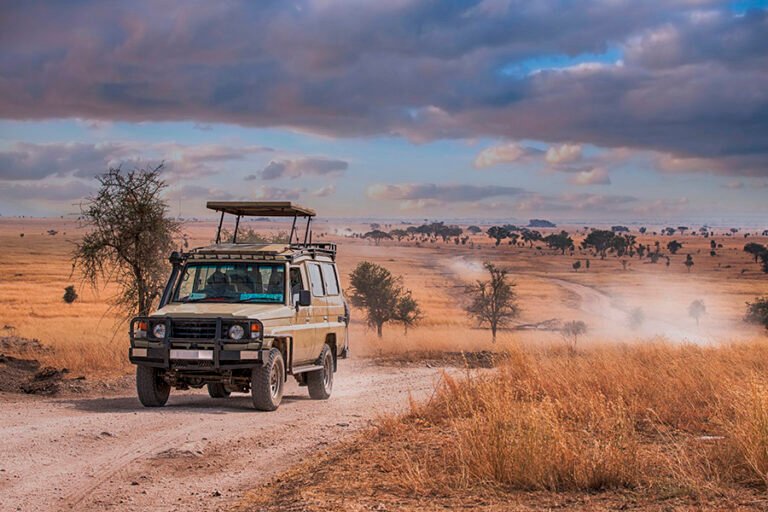
Udzungwa Mountains National Park: Tanzanias Forested Biodiversity Hotspot
Udzungwa Mountains National Park is a vital ecological area in Tanzania, known for its incredible biodiversity, unique primates, and stunning mountain rainforests. It offers exceptional...
View package details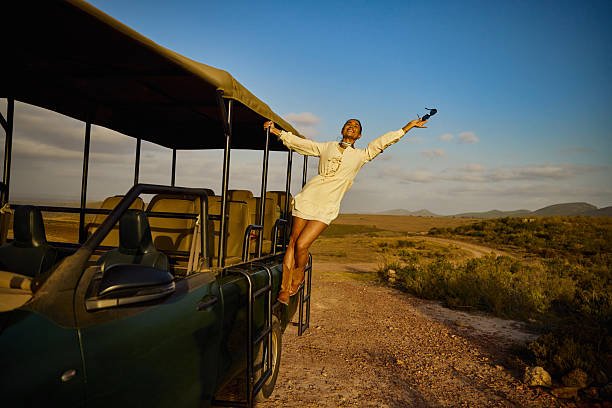
Saadani National Park: Tanzanias Coastal Wilderness Adventure In 2026-2027
Discover Saadani National Park, Tanzania's only coastal wildlife sanctuary where the African bush meets the Indian Ocean. This guide covers wildlife, activities, best times to visit, and...
View package details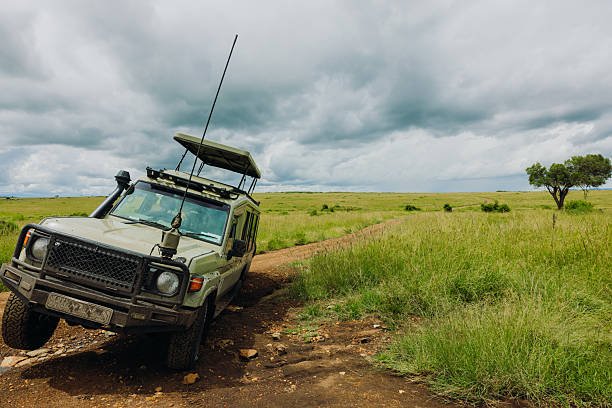
Katavi National Park: Tanzanias Untamed Wilderness Safari Guide 2026-2027
Katavi National Park offers an unparalleled safari experience in Tanzania's remote wilderness. This guide explores its vast landscapes, abundant wildlife, best visiting times for 2026-2027...
View package details
Ruaha National Park Camping Fees: Your Complete Guide 2026-2027
Planning a safari in Ruaha National Park? This comprehensive guide details all the essential camping fees for 2026-2027, including park entry, camping permits, and conservation charges, to...
View package details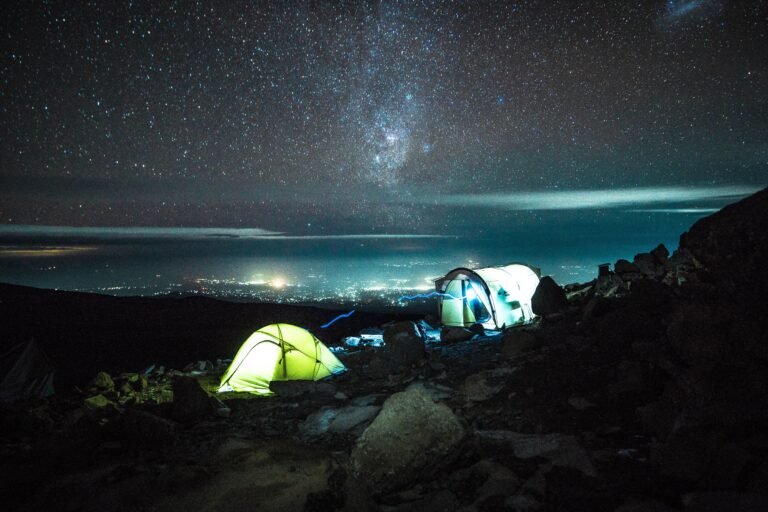
Tanzania Hot Springs Entry Fees: A Comprehensive Guide For 2026-2027
Planning a visit to Tanzania's natural hot springs? This guide details the entry fees for popular locations like Kikuletwa and Chemka for 2026-2027, offering practical advice for travelers.
View package details
Tanzania Safari Prices Including Park Fees: A Comprehensive Guide 2026-2027
Planning a Tanzania safari means understanding the total cost, which heavily relies on park fees. This guide breaks down typical Tanzania safari prices, detailing what park entrance fees...
View package details
Tanzania Park Fees For Foreigners 2026-2027
Tanzania Park Fees for Foreigners is explained with current 2026-2027 planning, price, itinerary and booking information.
View package detailsNo related package matches those filters. Clear one or more filters to see the other topic-matched options.



