
Vehicle fees and crater service fees for the Ngorongoro Conservation Area (NCA) are mandatory charges applied to all visitors entering the park, typically paid per vehicle per 24-hour period, with additional service fees levied for entering the crater floor itself. For 2026-2027 safaris, these fees are subject to change and are best confirmed with your tour operator, but they form a significant part of the overall safari cost, directly supporting conservation efforts and local communities. Expect to pay daily conservation fees for your vehicle, plus specific entry fees for descending into the Ngorongoro Crater, which is a distinct zone within the larger NCA.
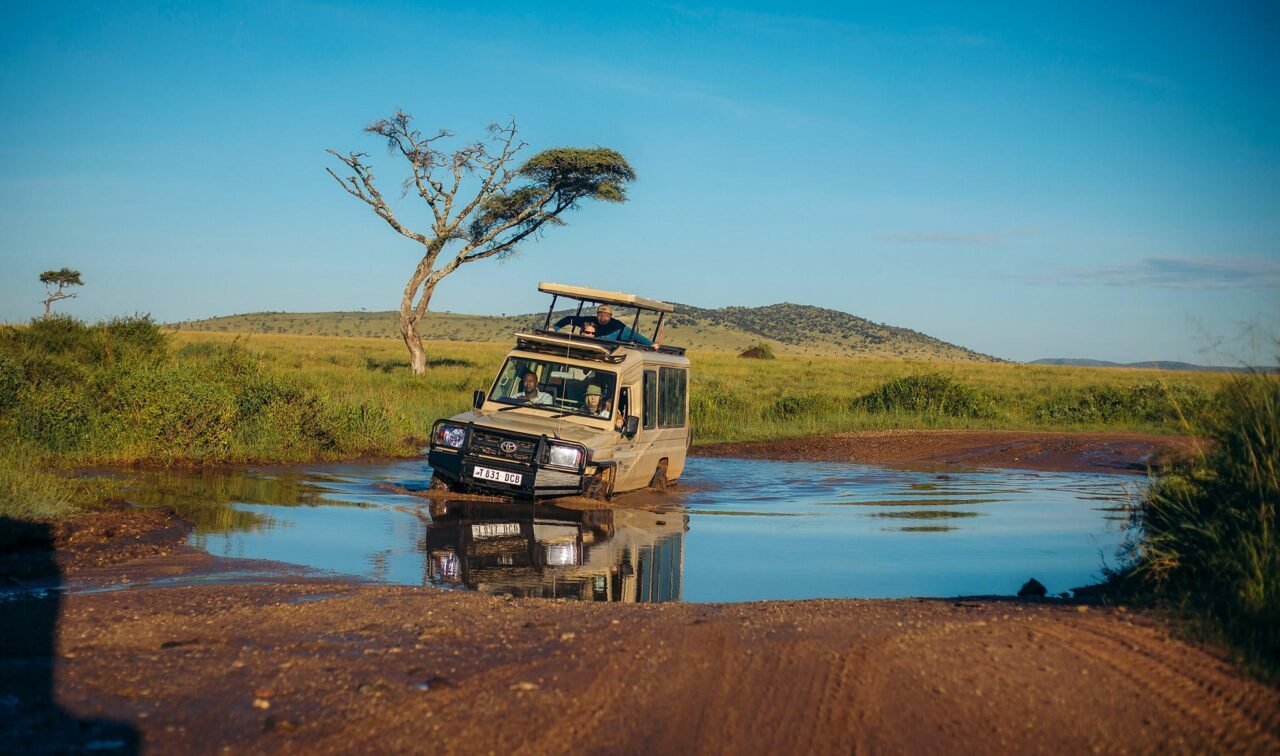
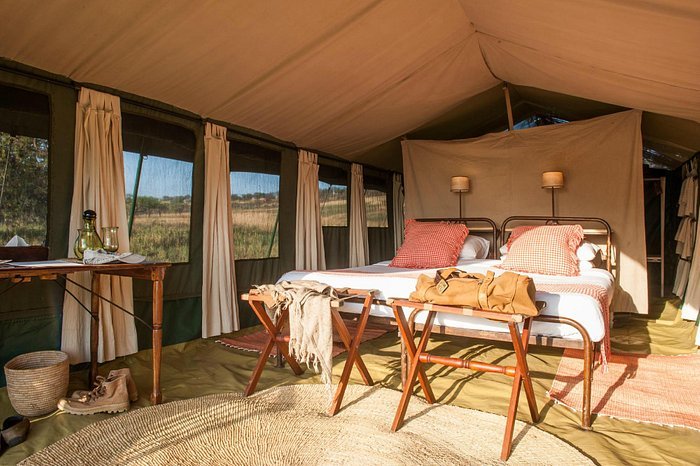
Understanding Ngorongoro Conservation Area (NCA) Entry Fees
The Ngorongoro Conservation Area is a unique biosphere reserve managed by the Ngorongoro Conservation Area Authority (NCAA). Unlike national parks, the NCA allows human habitation, primarily by the Maasai people, alongside wildlife conservation. This dual purpose influences its fee structure, which is designed to balance tourism revenue with conservation and community development goals. For any safari entering this spectacular landscape, understanding the associated vehicle fees and the specific charges for accessing the famous Ngorongoro Crater floor is crucial for accurate budgeting and planning, especially for trips planned for 2026 and 2027.
The Role of Vehicle Fees in Conservation
Vehicle fees are a primary source of funding for the NCAA. These fees are levied on every vehicle entering the conservation area, regardless of whether you are visiting the crater or simply driving through the wider NCA to reach other destinations like the Serengeti. The charges help finance anti-poaching patrols, wildlife research, habitat management, and the maintenance of park infrastructure such as roads and visitor centers. For 2026-2027 safaris, these fees are non-negotiable and are typically included in your tour package price by reputable operators like Top Guide Adventures.
The structure of these fees can vary. Often, it’s a daily rate per vehicle. This means if your safari itinerary includes multiple days within the NCA, you will be charged for each day your vehicle is present within the boundaries. The exact amount can differ based on the type of vehicle (e.g., standard safari vehicle vs. larger tour bus) and its passenger capacity, although for most private safari tours, a standard 4×4 safari vehicle is used, and a uniform rate applies. It’s important to note that these fees are separate from park entry fees charged at national parks like the Serengeti or Tarangire.
NCA Daily Conservation Fees: What to Expect
The daily conservation fee is a fundamental component of visiting the Ngorongoro Conservation Area. These fees are set by the NCAA and are subject to periodic review. While specific rates for 2026 and 2027 will be officially published closer to the time or will be updated by the NCAA, historical trends suggest they remain relatively consistent year-on-year, with minor adjustments. For current planning purposes, tour operators use the most recent official rates.
Typically, these fees are quoted on a per-vehicle, per-24-hour basis. For instance, a common rate structure might involve a fee of approximately $250 to $350 USD per vehicle per 24 hours. This rate is for the vehicle itself to be inside the NCA. It’s essential to understand that this fee grants you access to the general conservation area, but not specifically to the crater floor.
Example Scenario for 2026-2027 Planning:
If your safari itinerary includes two full days within the Ngorongoro Conservation Area, and your vehicle remains within the boundaries for those periods, you would likely incur two daily conservation fees for the vehicle. This means if the fee is $300 per vehicle per day, the total vehicle conservation fee for two days would be $600. This cost is separate from the per-person entry fees and the distinct crater service fees.
Key Considerations for Vehicle Fees:
- Per Vehicle, Per 24 Hours: The charge is time-based and applies to the vehicle.
- Excludes Crater Floor Access: This fee covers entry into the NCA, not the specific crater descent.
- Support for Conservation: Your payment directly contributes to wildlife protection and management.
- Tour Operator Inclusion: Reputable operators like Top Guide Adventures usually bundle these fees into their safari quotes.
Ngorongoro Crater Service Fees: Accessing the Caldera
The Ngorongoro Crater is the most famous feature within the NCA and is often the primary reason visitors travel to the area. Due to its unique ecosystem and the high concentration of wildlife, access to the crater floor is strictly regulated and incurs additional fees beyond the general NCA conservation fees. These are known as Crater Service Fees, and they are critical to understand for anyone planning a safari in 2026 or 2027.
What are Crater Service Fees?
Crater service fees are essentially a charge for the privilege of descending into and driving around the Ngorongoro Crater floor. These fees are levied per person, per entry into the crater. This means that each individual on the safari will be charged this fee every time the vehicle descends into the crater. This system helps manage visitor numbers and generates further revenue for the NCAA’s conservation and management programs specifically for the crater environment.
The fees are typically set at a higher rate than general park entry fees in other Tanzanian parks, reflecting the unique value and protected status of the Ngorongoro Crater. For 2026-2027, while the exact figures are pending official confirmation, historical patterns suggest these fees are substantial. Based on recent rates, you might expect a per-person crater service fee in the range of $250 to $300 USD per person, per entry.
Important Distinction: It is vital to differentiate between the vehicle conservation fee (per vehicle, per day) and the crater service fee (per person, per crater entry). A single safari day where you descend into the crater will incur both a vehicle fee (for that day) and a crater service fee for every person in the vehicle.
Crater Service Fee Structure and Implications
The per-person nature of the crater service fee significantly impacts the overall cost of a safari, particularly for groups or families. For a group of four people spending a full day on the crater floor, the crater service fees alone could amount to $1000 to $1200 USD, in addition to the vehicle conservation fee for that day.
Example Scenario for 2026-2027 Planning:
Consider a 3-day safari where Day 1 involves driving through the NCA to reach a lodge outside the crater, and Day 2 is dedicated to a full day game drive on the Ngorongoro Crater floor. Day 3 involves exiting the NCA.
- Day 1: 1 x Vehicle Conservation Fee (e.g., $300)
- Day 2: 1 x Vehicle Conservation Fee (e.g., $300) + (Number of people x Crater Service Fee, e.g., 4 people x $300 = $1200)
- Day 3: No additional NCA fees if exiting the same day.
In this example, the total fees related to NCA and Crater access would be approximately $1800 for the vehicle and the group of four. This highlights the substantial cost associated with visiting the crater and the importance of factoring these into your safari budget for 2026-2027.
Key Points about Crater Service Fees:
- Per Person, Per Entry: The cost is calculated based on the number of individuals and each time the crater is entered.
- Significant Cost Component: These fees represent a major portion of the NCA-related expenses.
- Strict Visitor Management: Helps control the number of vehicles and people on the crater floor.
- Confirmation Needed: Always confirm the latest rates with your tour operator.
Timing and Duration of Fees
Understanding how the 24-hour period and entry times are calculated is crucial for managing these fees, especially if your itinerary involves complex movements within or around the NCA. The NCAA has specific rules regarding the duration for which fees are charged.
The 24-Hour Rule for Vehicle Fees
The daily conservation fee for vehicles is typically based on a 24-hour cycle. This means that once your vehicle enters the NCA, a 24-hour clock starts. If you stay within the NCA for longer than 24 hours before exiting, you will be charged for a second day. For example, if you enter at 10:00 AM on Monday and exit at 3:00 PM on Tuesday, you will be charged two daily conservation fees.
This policy is important for itinerary planning. If your plan is to spend one night inside the NCA and then move on, you will likely incur only one day’s vehicle conservation fee. However, if your itinerary involves spending two consecutive nights inside the NCA, you will be charged for two days of vehicle conservation fees.
Practical Advice for 2026-2027 Safaris:
- Itinerary Clarity: Ensure your safari itinerary clearly outlines the days your vehicle will be within the NCA.
- Lodge Location Matters: Staying inside the NCA can be convenient but might incur more daily vehicle fees compared to staying just outside the boundary.
- Driver/Guide Communication: Your guide will manage the entry and exit times and ensure compliance with NCAA regulations.
Crater Entry Limits and Timing
Access to the Ngorongoro Crater floor is also subject to time restrictions and vehicle limits. Typically, vehicles are allowed a maximum of six hours on the crater floor per visit. This time limit is strictly enforced by park rangers. Exceeding this limit can result in penalties and additional charges.
The crater service fee is generally charged per entry. This means if you descend into the crater, spend a few hours, exit, and then re-enter later the same day (which is rare and often not practical), you might theoretically be charged twice. However, the standard practice for a full-day crater drive is a single entry and a single charge per person.
Impact on Safari Itineraries for 2026-2027:
- Full Day Experience: Most safaris allocate a full day to the crater to maximize wildlife viewing within the six-hour limit.
- Morning vs. Afternoon: While you can choose morning or afternoon slots, the six-hour limit remains. Morning drives often offer cooler temperatures and potentially more active wildlife.
- Coordination is Key: Your guide will coordinate your entry and exit times to ensure you have ample time for game viewing while adhering to regulations.
Additional Fees and Charges in the NCA
Beyond the primary vehicle conservation fees and crater service fees, there are other potential charges and considerations when planning your 2026-2027 safari to the Ngorongoro Conservation Area. These can include fees for specific activities, accommodation within the NCA, and potential surcharges.
Accommodation Fees
If your itinerary includes staying at lodges or campsites located within the Ngorongoro Conservation Area, separate accommodation fees are usually applicable. These fees are charged per person per night and contribute to the upkeep of facilities and conservation efforts within the specific location of your accommodation.
These fees are distinct from the vehicle and crater service charges. For 2026-2027, rates for accommodation inside the NCA can vary significantly depending on the type of lodging, from basic campsites to luxury lodges. It’s always best to clarify these costs with your tour operator when booking.
Special Activities and Permits
While game drives are the primary activity, the NCA may offer other opportunities like guided walks or visits to specific cultural sites (e.g., Maasai villages). These activities often require separate permits and associated fees. For instance:
- Maasai Village Visits: These are common add-ons and usually involve a per-person fee paid directly or through your tour operator.
- Walking Safaris: If available and permitted in certain zones, these would require specific permits and potentially a ranger escort, incurring additional costs.
It’s important to discuss with your tour provider if you are interested in any activities beyond standard game drives, to understand the associated costs and feasibility for your 2026-2027 trip.
Road Surcharges and Other Potential Costs
Occasionally, there might be minor road surcharges or specific entry/exit point fees, although these are less common for standard tourist vehicles. The NCAA aims to streamline charges, but it’s wise to be aware of any potential minor additions. For example, if your route involves using specific roads designated for certain purposes, there could be a nominal fee.
Top Tip for 2026-2027 Budgeting: Always request a detailed breakdown of all fees included in your safari package. This transparency ensures you understand exactly what you are paying for and helps avoid unexpected expenses.
Comparing Ngorongoro Fees to Other Parks
The fee structure in the Ngorongoro Conservation Area, particularly the high per-person crater service fee, is distinct from most Tanzanian national parks. Understanding these differences can help travelers appreciate the value and purpose behind the Ngorongoro charges.
NCA vs. Serengeti National Park Fees
Serengeti National Park, for example, charges a daily conservation fee per person and a daily vehicle fee, along with camping or lodge fees. The Serengeti’s structure is more focused on individual conservation contributions and vehicle usage. A typical Serengeti fee structure might be around $60-$70 USD per person per day and $30-$40 USD per vehicle per day, plus accommodation costs.
In contrast, the Ngorongoro Crater service fee is significantly higher per person (around $250-$300 USD) and is charged per entry, not daily. The NCA’s daily vehicle fee (around $250-$350 USD) is also considerably higher than the Serengeti’s daily vehicle fee. This difference reflects the unique management model of the NCA, the high concentration of wildlife in a contained area, and the specific costs associated with managing the crater ecosystem and its human inhabitants.
Why are Ngorongoro Crater Fees Higher?
Several factors contribute to the higher fees for the Ngorongoro Crater:
- Unique Ecosystem: The crater is a self-contained ecosystem with an incredibly high density of wildlife, including the endangered black rhino. Protecting this fragile environment requires substantial resources.
- High Visitor Numbers: The crater’s fame attracts a large number of tourists, necessitating robust management to prevent overcrowding and environmental degradation.
- Conservation and Community Balance: The NCA’s mandate to coexist with Maasai communities requires specific conservation strategies and community support initiatives funded by tourism revenue.
- Limited Space: The crater floor has a finite carrying capacity for vehicles and visitors, making access a premium experience.
For 2026-2027 safaris, this means that while the Serengeti offers vast, open landscapes, the Ngorongoro Crater provides an intense, concentrated wildlife viewing experience with a correspondingly higher price tag for entry.
Budgeting for Ngorongoro Fees in 2026-2027
Accurate budgeting is essential for a stress-free safari. The Ngorongoro vehicle fees and crater service fees represent a significant portion of the overall cost of a Tanzanian safari that includes this destination.
Estimating Costs for Your Safari
When planning your 2026-2027 safari, work closely with your tour operator to get a clear understanding of these fees. A typical 7-day Northern Circuit safari that includes the Ngorongoro Crater might allocate a substantial amount for NCA and Crater fees.
Example Budget Breakdown (Illustrative for 2026-2027):
Let’s assume a 7-day Northern Circuit safari with 2 days spent within the Ngorongoro Conservation Area, including one full day on the crater floor, for 2 people:
- Day 1 (NCA Entry): 1 x Vehicle Conservation Fee (approx. $300)
- Day 2 (Crater Day): 1 x Vehicle Conservation Fee (approx. $300) + 2 x Crater Service Fees (approx. 2 x $300 = $600)
- Total NCA/Crater Fees for 2 people: Approximately $1200 USD.
This is in addition to park fees for other parks (like Serengeti), accommodation, meals, activities, transport between parks, and the operator’s service fees. Therefore, it’s crucial to get a detailed quote that itemizes these Ngorongoro-specific charges.
Tips for Managing Costs
While the fees are fixed, you can manage overall safari costs by:
- Choosing Shoulder Seasons: Traveling during the shoulder seasons (e.g., March-May, November) might offer slightly lower accommodation rates, though park fees remain constant.
- Group Travel: Traveling in a larger group can help distribute the per-vehicle costs, though the per-person crater fees will increase proportionally.
- Itinerary Optimization: Carefully plan your itinerary to ensure you maximize your time in the crater without incurring unnecessary extra days within the NCA if not required.
- Comparing Operators: Get quotes from reputable operators like Top Guide Adventures. While fees are non-negotiable, different operators might have varying inclusions and service levels that affect the total package price.
Important Note for 2026-2027 Travelers
Park fee structures are subject to change by the Tanzania National Parks Authority (TANAPA) and the Ngorongoro Conservation Area Authority (NCAA). While we provide estimates based on current and historical data, always confirm the exact fees for 2026 and 2027 with your tour operator well in advance of your safari. Top Guide Adventures stays updated on these changes to provide you with the most accurate pricing.
Navigating the Fee Payment Process
Understanding how these fees are collected can also be helpful. For most tourists, the payment process is handled seamlessly by their tour operator.
How Fees are Paid
Tour operators like Top Guide Adventures typically pay these fees on behalf of their clients. This is usually done in one of two ways:
- Included in Pre-Payment: The estimated fees are calculated and included in the total safari package cost, which you pay before your trip. Your operator then handles the payments at the NCAA gates or through their designated channels.
- Paid Locally: In some cases, especially for certain local charges or if there are unforeseen adjustments, some fees might be settled locally by your guide. However, for major fees like vehicle and crater charges, pre-payment is standard practice for organized tours.
For 2026-2027 bookings, confirm the payment method with your chosen operator. Top Guide Adventures prioritizes transparent pricing, and all mandatory fees are usually detailed in your quotation.
Role of Your Safari Guide
Your safari guide plays a crucial role in managing these fees. They are responsible for:
- Ensuring the correct fees are paid at the entrance gates.
- Adhering to the time limits within the NCA and the crater.
- Communicating with park rangers and authorities.
- Providing you with information about the fee structure if requested.
Rely on your guide and tour operator to handle the logistics of fee payments, allowing you to focus on enjoying the incredible wildlife and landscapes of the Ngorongoro Conservation Area.
Frequently Asked Questions about Ngorongoro Fees
Here are answers to common questions regarding Ngorongoro vehicle fees and crater service fees for travelers planning their safaris.
Are Ngorongoro fees included in safari packages?
Yes, reputable tour operators like Top Guide Adventures typically include all mandatory park and conservation fees, including Ngorongoro vehicle and crater service fees, in their safari package quotes. It is always best to confirm this explicitly when booking your 2026-2027 safari to ensure transparency and avoid surprises.
Can I pay Ngorongoro fees directly at the gate?
While it might be possible for independent travelers in some instances, for organized safaris, tour operators usually handle these payments. This ensures compliance, correct amounts are paid, and smooth entry. If you are traveling independently, confirm the payment procedures with the NCAA or relevant authorities, but be prepared for potential complications and delays compared to using an operator.
Do children pay the same Ngorongoro Crater service fees?
Historically, there have sometimes been reduced rates for children for certain park fees. However, for the Ngorongoro Crater service fee, it has often been the same rate as for adults. For 2026-2027, confirm with your operator if any child discounts apply, as policies can change.
What happens if my safari vehicle breaks down inside the NCA?
If your vehicle breaks down, your guide will arrange for assistance. Depending on the situation, another vehicle might be dispatched, or you might need to wait for repairs. The 24-hour fee for your vehicle typically continues to apply until you exit the NCA, regardless of breakdown status, unless specific NCAA exemptions are granted.
How much is the Ngorongoro Crater fee for 2026-2027?
Exact figures for 2026-2027 are subject to official announcement by the NCAA. However, based on current rates, expect the vehicle conservation fee to be around $250-$350 USD per vehicle per 24 hours, and the crater service fee to be around $250-$300 USD per person, per entry. Always verify with your tour operator.
Is the Ngorongoro Crater fee worth the cost?
For most visitors, the experience of the Ngorongoro Crater is considered absolutely worth the cost. It offers unparalleled wildlife viewing opportunities in a unique, visually stunning setting. The density and diversity of animals, including the chance to see the rare black rhino, make it a highlight of any Tanzanian safari. The fees directly contribute to protecting this natural wonder.
Planning Your 2026-2027 Ngorongoro Safari with Top Guide Adventures
Organizing a safari to the Ngorongoro Conservation Area involves navigating various logistical and financial aspects, including understanding the complex fee structures. At Top Guide Adventures, we are committed to making this process as clear and straightforward as possible for our clients planning trips for 2026 and 2027.
We ensure that all mandatory Ngorongoro vehicle fees and crater service fees are accurately calculated and transparently presented in your safari quotation. Our experienced team stays updated on any changes to fee structures announced by the NCAA, so you can budget with confidence. We handle the payment of these fees on your behalf, allowing you to focus on the anticipation of your incredible wildlife encounters.
Whether you are planning a short Northern Circuit tour or a longer expedition incorporating multiple Tanzanian wonders, our tailored itineraries are designed to provide the best possible experience while adhering to all regulations and conservation requirements. We pride ourselves on offering personalized service, ensuring every detail is managed with care and dedication.
To discuss your dream 2026-2027 safari to Ngorongoro and other parts of Tanzania, or to receive a detailed quote that includes all relevant fees, please do not hesitate to contact us. Let Top Guide Adventures be your trusted partner in creating an unforgettable Tanzanian adventure.
Contact us today:
- WhatsApp: +255616946642
- Email: topguideadventures@gmail.com
- Backup Email: info@topguideadventurestanzania.com
- Website: Top Guide Adventures Tanzania
Check Availability for Ngorongoro Vehicle Fees And Crater Service Explained For Safaris 2026-2027
Ready to compare dates, prices, and the best option for your group? Send the package name and travel month so the team can reply with a clear quote, availability, and what is included.
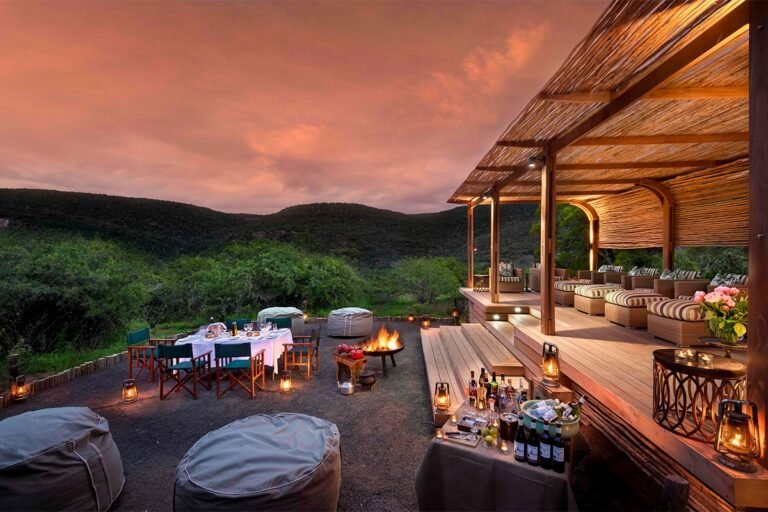
Ngorongoro Camping Fees And Lodge Prices For Safaris 2026-2027
Planning a safari to the Ngorongoro Conservation Area? This guide breaks down the camping fees and lodge prices you can expect for your 2026-2027 trip, helping you budget effectively.
View package details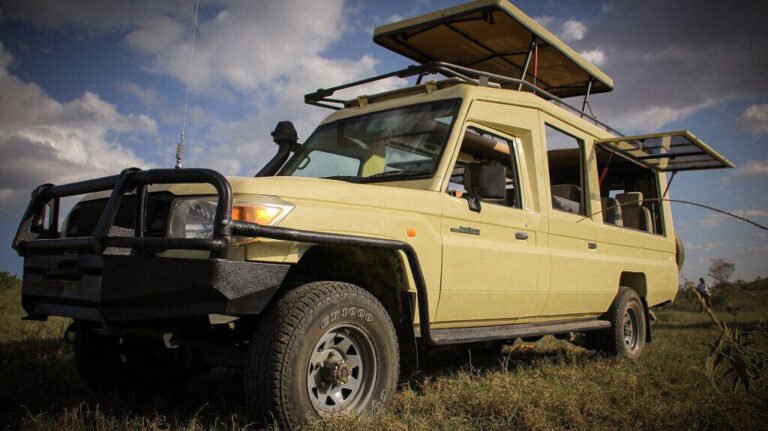
Ngorongoro Crater Safari Price Per Person: Your Guide 2026-2027
Discover the typical Ngorongoro Crater safari price per person for 2026-2027. This comprehensive guide breaks down cost factors, what's usually included, and how to plan your budget for...
View package details
Ngorongoro Conservation Area: Your Ultimate Tanzania Safari Guide 2026-2027
Explore the unparalleled biodiversity and unique landscape of the Ngorongoro Conservation Area. This comprehensive guide covers everything you need to know for planning your 2026-2027...
View package details
Tanzania Attraction Entry Fees: Guide To Park And Reserve Costs For 2026-2027
Planning a trip to Tanzania? This comprehensive guide details the essential Tanzania attraction entry fees for 2026-2027, covering national parks, conservation areas, and cultural sites...
View package details
Tanzania National Park Entry Fees: A Complete Guide For 2026-2027
Planning a Tanzanian safari? This guide breaks down the 2026-2027 entry fees for all major national parks, helping you budget effectively for Serengeti, Ngorongoro, and beyond.
View package details
Tanzania Budget Safari Prices: Your Guide To Affordable Adventures 2026-2027
Planning a budget safari in Tanzania for 2026 or 2027? Understand the typical price ranges, what influences costs, and how to get the most value for your money. This guide breaks down the...
View package details
Saadani National Park Entry Fees And Safari Prices For 2026-2027
Planning a safari to Saadani National Park? This guide details the essential entry fees and safari package prices for 2026-2027, helping you budget for your unforgettable Tanzanian...
View package details
Ruaha National Park Camping Fees: Your Complete Guide 2026-2027
Planning a safari in Ruaha National Park? This comprehensive guide details all the essential camping fees for 2026-2027, including park entry, camping permits, and conservation charges, to...
View package details
Mikumi National Park Entry Fees And Safari Prices 2026-2027
Planning a safari to Mikumi National Park? This guide details the essential entry fees, conservation charges, and safari package prices for 2026-2027, helping you budget for an...
View package details
Tanzania Safari Prices Including Park Fees: A Comprehensive Guide 2026-2027
Planning a Tanzania safari means understanding the total cost, which heavily relies on park fees. This guide breaks down typical Tanzania safari prices, detailing what park entrance fees...
View package details
Tanzania Camping Fees Guide: Understanding Safari Costs For 2026-2027
Planning a Tanzania safari in 2026 or 2027? This guide breaks down the essential Tanzania camping fees, including park entrance, accommodation, and other costs, to help you budget...
View package details
Tanzania Conservation Fees Explained: Your Guide 2026-2027
Demystifying Tanzania's conservation fees is crucial for planning your safari or climb. This guide details the essential costs for national parks, reserves, and Mount Kilimanjaro for...
View package detailsNo related package matches those filters. Clear one or more filters to see the other topic-matched options.



