
A Simiyu birdwatching safari in Tanzania typically ranges from $250 to $600+ per person per day, depending on accommodation style, safari duration, group size, and inclusions. The best birds to see include the Turati’s Sunbird, Usambiro Barbet, and various raptors and waterbirds, especially in areas like the Maswa Game Reserve and surrounding wetlands. Planning your 2026-2027 trip involves understanding these costs, packing appropriately, and choosing the right time to visit for optimal sightings.

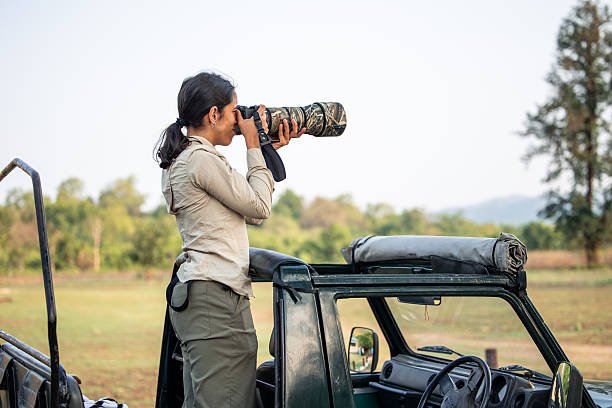
Understanding Simiyu Birdwatching Safari Costs for 2026-2027
Embarking on a dedicated birdwatching safari in Simiyu Region, Tanzania, offers an unparalleled opportunity to witness a rich diversity of avian life. For travelers planning their expeditions in 2026 and 2027, understanding the associated costs is a critical step in the planning process. The price of a Simiyu birdwatching safari is not a fixed figure; it’s a dynamic equation influenced by several key factors. At Top Guide Adventures, we aim to provide transparent pricing that reflects the quality of experience and the value delivered.
Key Cost Determinants for Your Simiyu Birding Adventure
When budgeting for a Simiyu birdwatching safari, several elements will significantly impact the overall expenditure. These include:
- Safari Duration: The longer your stay, the higher the cumulative cost, though daily rates might decrease slightly for extended trips.
- Accommodation Style: Options range from budget-friendly camping and basic lodges to mid-range guest houses and high-end luxury tented camps or lodges. Luxury accommodations naturally command higher prices.
- Transportation: The type of safari vehicle (e.g., 4×4 Land Cruiser with pop-top roof), its condition, and the provision of a specialized birding guide all influence cost.
- Group Size: Shared safaris are generally more cost-effective per person than private tours. Customizing a private tour allows for flexibility but comes at a premium.
- Inclusions: Full board (all meals), park entry fees, conservation fees, activities (like boat trips or guided walks), and guide services are usually included. Understanding what’s covered is vital for accurate budgeting.
- Time of Year: While Simiyu offers birding year-round, peak tourist seasons might see slightly higher prices for accommodation and services. Migratory bird seasons can also influence demand.
Estimated Cost Ranges for Simiyu Birdwatching Safaris (2026-2027)
Based on typical safari structures and considering potential adjustments for 2026 and 2027, here are estimated daily costs per person:
Simiyu Birdwatching Safari Daily Cost Estimates (Per Person)
| Accommodation Level | Estimated Daily Cost (USD) | Typical Inclusions |
|---|---|---|
| Budget (Camping/Basic Lodges) | $250 – $350 | Full board meals, park fees, shared vehicle, basic guiding. |
| Mid-Range (Guest Houses/Standard Lodges) | $350 – $500 | Full board meals, park fees, private 4×4 vehicle, experienced guide. |
| Luxury (Tented Camps/High-End Lodges) | $500 – $600+ | All-inclusive meals, premium drinks, park fees, exclusive vehicle, expert ornithological guide. |
Note: These are estimates for 2026-2027. Exact quotes depend on specific itinerary details, group size, and chosen safari operator. International flights, visa fees, travel insurance, tips, and personal expenses are typically excluded.
For a personalized quote tailored to your specific birdwatching interests and budget for 2026 or 2027, we encourage you to contact Top Guide Adventures directly. Our team can craft an itinerary that maximizes your birding opportunities while respecting your financial plan.
Discovering the Best Birds in Simiyu Region
Simiyu Region, located in northern Tanzania, is a treasure trove for birdwatchers. Its diverse habitats, including the Serengeti ecosystem’s southern reaches, Lake Victoria shores, riverine forests, and open woodlands, support an astonishing array of bird species. While over 400 species have been recorded, some are particularly sought after by visiting ornithologists and enthusiasts.
Avian Highlights and Endemic Species
The birdlife in Simiyu is exceptionally rich, especially during the migratory season (typically November to April), when Palaearctic and intra-African migrants join resident species. Some of the most prized sightings include:
- Turati’s Sunbird (Cinnyris turatii): A stunning, iridescent sunbird that is a key target for many birders visiting this region.
- Usambiro Barbet (Trachylaemus usambiro): Though its range is limited, this striking barbet can be found in specific woodland habitats within or near Simiyu.
- Secretarybird (Sagittarius serpentarius): An iconic bird of prey, often seen walking on open grasslands hunting for snakes and other prey.
- Kori Bustard (Ardeotis kori): One of the heaviest flying birds, frequently spotted in savannah areas.
- Martial Eagle (Polemaetus bellicosus): A powerful and majestic eagle, one of Africa’s largest raptors.
- African Fish Eagle (Haliaeetus vocifer): A common sight near water bodies, renowned for its distinctive call.
- Various Waterfowl and Waders: Especially around Lake Victoria’s edge and seasonal pans, expect to see pelicans, flamingos (occasionally), storks, herons, egrets, and a variety of sandpipers and plovers.
- Rollers and Bee-eaters: Numerous species like the Lilac-breasted Roller, Rufous-crowned Roller, and White-throated Bee-eater add vibrant splashes of color to the landscape.
- Ostriches (Struthio camelus): The common ostrich is a familiar sight across the open plains.
- Guinea Fowl: Helmeted Guineafowl are often seen in large, noisy flocks.
Prime Birding Locations within Simiyu and Nearby
While Simiyu is a large region, specific areas offer concentrated birding opportunities:
- Maswa Game Reserve: Bordering the Serengeti National Park, this reserve is a critical corridor for wildlife and boasts a rich bird population. It’s known for its open woodlands and savannah, attracting raptors, bustards, and various passerines.
- Lake Victoria Shores: The vast freshwater lake and its surrounding wetlands are magnets for waterbirds, including numerous species of ducks, geese, storks, herons, and kingfishers.
- Grumeti River and its Tributaries: Riverine forests and associated habitats along the Grumeti River system are excellent for forest-dwelling birds, sunbirds, and insectivores.
- Ibanda-Kagera National Park: While slightly south-east of the core Simiyu region, this park offers unique birding opportunities with its varied landscapes, including papyrus swamps and woodland, supporting species like the Papyrus Gonolek.
- Serengeti National Park (Southern and Western Corridors): Parts of the Serengeti accessible from Simiyu are also prime birding spots, especially during the migration season.
The best strategy for Simiyu birdwatching involves exploring a mix of these habitats. Top Guide Adventures specializes in crafting itineraries that cover these diverse ecosystems to maximize your species count and chances of spotting rare birds.
Your Comprehensive Simiyu Birdwatching Travel Guide for 2026-2027
Planning a birdwatching safari requires more than just knowing the costs and target species. It involves understanding the logistics, the best times to visit, what to pack, and how to maximize your chances of success. This guide provides practical advice for your 2026-2027 Simiyu birdwatching adventure.
Best Time for Birdwatching in Simiyu
Simiyu offers birding opportunities year-round, but certain periods are more rewarding:
- The Dry Season (June to October): This is an excellent time for general wildlife viewing and birding. Water sources are limited, concentrating birds and animals. The vegetation is less dense, making birds easier to spot. Resident birds are active, and their calls are often prominent.
- The Wet Season (November to May): This period, especially from November to April, is crucial for migratory birds. Palaearctic migrants from Europe and Asia arrive, boosting the species list. Intra-African migrants also move into the region. The landscape is lush and green, though visibility can be reduced by denser vegetation. This is also breeding season for many resident birds, meaning they are in their brightest plumage and more vocal.
For the absolute best diversity, targeting the period between November and April is highly recommended for 2026-2027 birdwatching trips, as it combines resident and migratory species. However, if your focus is on specific resident species or you prefer drier conditions for general movement, the dry season is also very productive.
Getting to Simiyu for Your Birding Safari
The Simiyu Region is accessible via air and road:
- By Air: The most common way to reach the northern circuit, including areas near Simiyu, is by flying into Kilimanjaro International Airport (JRO) near Arusha. From Arusha, you can take a domestic flight to smaller airstrips within or near Simiyu, such as the airstrip serving the Serengeti National Park (e.g., Seronera, Grumeti) if your itinerary includes those areas, or potentially to Mwanza Airport (MWZ) on the shores of Lake Victoria, which is a gateway to parts of Simiyu. Top Guide Adventures can arrange these internal flights as part of your safari package.
- By Road: Simiyu is accessible by road from major Tanzanian cities like Arusha and Mwanza. This often involves driving through spectacular landscapes. A 4×4 safari vehicle is essential for navigating the terrain, especially during the wet season. Road travel is a good option if you are combining birdwatching with other activities or starting your safari from a nearby town.
Recommended Safari Vehicle and Guide
For serious birdwatching, the right vehicle and guide are paramount:
- Vehicle: A 4×4 Land Cruiser or Land Rover with a pop-up roof is standard for Tanzanian safaris. For birdwatching, a vehicle with good suspension, ample window space, and ideally, a driver-guide with excellent eyesight and knowledge of bird behavior is crucial. Some operators offer vehicles specifically equipped for photography, which can be beneficial for birders.
- Guide: This is arguably the most important element. An experienced ornithological guide or a safari guide with extensive bird identification skills will dramatically enhance your experience. They know the calls, habitats, and best times to find specific species. Top Guide Adventures prides itself on its knowledgeable guides, many of whom have a passion for ornithology and can spot even the most elusive birds.
What to Pack for Your Simiyu Birdwatching Safari
Packing smart ensures comfort and preparedness:
Essential Birdwatching Gear:
- Binoculars: A good quality pair (e.g., 8×42 or 10×42) is indispensable.
- Field Guide: A comprehensive bird identification book for East Africa (e.g., “Birds of East Africa” by Terry Stevenson and John Fanshawe).
- Camera: With a telephoto lens (e.g., 300mm or more) for capturing shots of birds. Extra batteries and memory cards are essential.
- Notebook and Pen: For recording sightings, locations, and behaviors.
- Spotting Scope (Optional): For distant birds, especially waterfowl or raptors.
Clothing:
- Neutral-colored clothing: Khaki, olive green, beige, or brown are best to avoid startling birds. Avoid bright colors and white.
- Lightweight long-sleeved shirts and trousers: For sun protection and to guard against insects.
- Fleece or warm jacket: Evenings and early mornings can be cool, especially during the dry season or at higher elevations.
- Waterproof jacket or poncho: Essential during the wet season.
- Comfortable walking shoes or hiking boots: Broken-in and suitable for varied terrain.
- Hat: Wide-brimmed for sun protection.
- Sunglasses.
Other Essentials:
- Sunscreen and insect repellent.
- Personal first-aid kit.
- Reusable water bottle.
- Headlamp or flashlight.
- Power adapter and portable charger.
Health and Safety Considerations
Prioritize your well-being for a successful trip:
- Vaccinations: Consult your doctor or a travel clinic about recommended vaccinations for Tanzania, including Yellow Fever (required for entry if coming from an endemic country), Hepatitis A and B, Typhoid, and Tetanus.
- Malaria Prevention: Simiyu is a malaria-prone area. Discuss appropriate antimalarial medication with your doctor. Use insect repellent and sleep under mosquito nets.
- Travel Insurance: Comprehensive travel insurance covering medical emergencies, evacuation, and trip cancellation is highly recommended for any safari.
- Hydration: Drink plenty of bottled or purified water to stay hydrated, especially in the heat.
- Sun Protection: The African sun can be intense. Use sunscreen, wear a hat, and stay in shaded areas when possible.
Tailoring Your Simiyu Birdwatching Safari with Top Guide Adventures
At Top Guide Adventures, we understand that a birdwatching safari is a specialized pursuit. We go beyond general wildlife viewing to cater to the specific needs and interests of bird enthusiasts planning trips for 2026 and 2027.
Customizing Your Itinerary
We work closely with you to design an itinerary that focuses on your birding wishlist. This includes:
- Target Species: If you have specific birds you wish to see, we will tailor the route and timing to maximize your chances.
- Habitat Focus: Whether you are interested in woodland birds, raptors, waterbirds, or forest species, we can design your safari to explore the most relevant habitats.
- Pacing: Birdwatching often requires patience. Our itineraries allow for unhurried observation and photography, with ample time at productive birding spots.
- Integration: We can combine dedicated birding with general wildlife viewing, ensuring you experience the full spectrum of what Simiyu and surrounding areas offer.
Why Choose Top Guide Adventures for Your Simiyu Birding Trip?
- Expert Guides: Our guides are not just drivers; they are passionate about wildlife, including birds, and possess extensive knowledge of local avifauna.
- Quality Vehicles: We use well-maintained 4×4 safari vehicles equipped for comfort and optimal viewing.
- Personalized Service: From your initial inquiry to your departure, you receive dedicated support and attention. We are committed to making your 2026 or 2027 birdwatching safari a memorable success.
- Local Knowledge: As a trusted Tanzanian tour operator, we have deep insights into the best locations, seasonal movements, and optimal times for birding in Simiyu and across the country.
Planning Your 2026-2027 Birding Safari
The sooner you start planning, the better. Popular safari seasons, especially during peak migration periods, book up quickly. Contact us early to discuss your ideal Simiyu birdwatching safari for 2026 and 2027.
You can reach us via:
- WhatsApp: +255616946642
- Email: topguideadventures@gmail.com
- Backup Email: info@topguideadventurestanzania.com
Let Top Guide Adventures be your partner in discovering the incredible birdlife of Simiyu. We are dedicated to providing an exceptional and personalized birdwatching experience.
Simiyu Birdwatching vs. Other Tanzanian Birding Destinations
While Simiyu offers fantastic birding, Tanzania boasts several other world-class birdwatching destinations. Understanding the unique offerings of Simiyu in comparison can help you refine your travel plans for 2026-2027.
Unique Appeal of Simiyu
Simiyu’s primary draw is its proximity to the Serengeti ecosystem and its status as a transitional zone between savannah, woodlands, and the vast Lake Victoria. This geographical position results in a diverse mix of species. It’s particularly good for:
- Turati’s Sunbird: A significant draw for listers.
- Species associated with Lake Victoria’s riparian zones.
- Birds of prey and grassland species found in its savannah areas.
- Less crowded experience compared to the central Serengeti.
Comparison with Other Top Tanzanian Birding Spots
Comparing Simiyu with Other Birding Hotspots in Tanzania:
- Arusha National Park: Known for its montane forests, alkaline lakes (attracting flamingos), and Mount Meru. Good for Red-fronted Parrot, Narina’s Trogon, and various forest species. Simiyu offers more open savannah and lake species.
- Tarangire National Park: Famous for its elephant herds and baobab trees. It has excellent birdlife, particularly raptors, rollers, and ground hornbills, especially during the dry season when birds congregate around waterholes. Simiyu offers a broader range of habitats including the lake.
- Lake Manyara National Park: Features a shallow alkaline lake supporting waterbirds and a woodland area with diverse species. It’s good for Fischer’s Turaco and large waterbird concentrations. Simiyu’s access to Lake Victoria provides a larger scale of waterbird viewing.
- Ngorongoro Conservation Area: While primarily known for the crater’s dense wildlife, the highlands and surrounding areas host species like the Golden-winged Sunbird and various montane birds. Simiyu’s focus is more on open country and lake species.
- Mahale Mountains National Park: A remote chimpanzee trekking destination. Its dense rainforests offer unique birding opportunities, including endemic species like the African Pitta. This is a very different habitat and experience from Simiyu’s savannah and lake environments.
- Selous Game Reserve (Nyerere National Park): Southern Tanzania’s vast wilderness. Offers excellent birding, especially waterbirds along the Rufiji River and Miombo woodland species. Simiyu is more accessible from the northern safari circuit and focuses on different avian communities.
- Udzungwa Mountains National Park: Part of the Eastern Arc Mountains, a biodiversity hotspot. Excellent for endemic forest birds like the Udzungwa Forest Partridge and various sunbirds. Again, a distinct habitat from Simiyu.
Conclusion: Simiyu is ideal for birders seeking a mix of savannah, woodland, and significant lake habitats, particularly those targeting species like Turati’s Sunbird. For a comprehensive Tanzanian birding list, combining Simiyu with other parks like Tarangire or Arusha National Park, or venturing to specialized areas like Udzungwa or Mahale, would be most effective for 2026-2027 trips.
Planning Your Birdwatching Itinerary: Duration and Logistics for 2026-2027
Determining the right duration for your Simiyu birdwatching safari is crucial for maximizing sightings without feeling rushed. Top Guide Adventures can help craft an itinerary that balances exploration with efficient travel.
Recommended Safari Durations
- 3-4 Days: Suitable for a focused birding trip targeting specific species within Simiyu or nearby accessible areas like Maswa Game Reserve. This would allow for exploration of 1-2 main habitats.
- 5-7 Days: A more comprehensive experience, allowing for exploration of multiple habitats within Simiyu and potentially extending into adjacent parts of the Serengeti or Lake Victoria’s shores. This duration increases chances of spotting rarer species and provides more time for photography.
- 8-10+ Days: For dedicated ornithological expeditions or if combining Simiyu with other northern circuit destinations. This allows for in-depth exploration of various ecosystems and ensures a high species count. It also provides flexibility for unexpected sightings or slower-paced birding.
Logistical Considerations for 2026-2027 Travel
Booking Window: For popular travel times in 2026 and 2027, especially during peak migration seasons or school holidays, booking 6-12 months in advance is highly recommended. This secures your preferred accommodation and guides.
Internal Travel: If flying into JRO or MWZ, ensure ample time for transfers and connecting flights. Road travel times can be long; factor this into your daily plans. Top Guide Adventures manages all internal logistics, including airport pickups, transfers, and flight bookings.
Accommodation Availability: Options in Simiyu can range from campsites to lodges. During peak seasons, availability can be limited, reinforcing the need for early booking.
Park Fees: Understand that park and conservation fees are significant components of safari costs. These are typically included in our package quotes for 2026-2027, but it’s good to be aware of them.
Maximizing Your Birdwatching Success in Simiyu
Beyond the planning, certain practices can significantly boost your birdwatching success:
- Early Mornings: Bird activity is highest in the early morning hours, just after dawn. This is when many species are most vocal and active.
- Late Afternoons: The hour before sunset is also a prime time for bird activity.
- Listen Actively: Bird calls are crucial for identification and locating species. Your guide’s ability to recognize calls is invaluable.
- Patience and Observation: Sometimes, simply waiting quietly in a productive area yields the best results.
- Habitat Knowledge: Understanding which birds prefer which habitats (woodland, grassland, riverine, lake) helps in focusing your search.
- Using Your Guide: Communicate your interests clearly. Ask questions, and rely on their expertise for spotting and identifying birds.
Specialized Birding Activities
Depending on the location within Simiyu and its surroundings, specialized activities can enhance your birding experience:
- Guided Walks: In areas where it’s safe and permitted, guided walks offer a more intimate experience with ground-dwelling birds and smaller avian species.
- Boat Trips: On Lake Victoria or along major rivers, boat trips provide excellent opportunities to observe waterbirds, waders, and kingfishers at close range.
- Night Drives (where permitted): Can reveal nocturnal species like owls and nightjars.
Top Guide Adventures can incorporate these specialized activities into your 2026-2027 Simiyu birdwatching safari to provide a more varied and rewarding experience.
The Future of Birdwatching in Simiyu: Trends for 2026-2027
The landscape of tourism, including birdwatching, is constantly evolving. For 2026 and 2027, several trends are likely to shape the Simiyu birdwatching experience:
- Increased Focus on Sustainable Tourism: Travelers are increasingly seeking eco-friendly options. This means choosing operators who practice responsible tourism, minimize environmental impact, and support local communities. Top Guide Adventures is committed to these principles.
- Technological Integration: Expect more use of bird identification apps, GPS tracking for sightings, and potentially even drone usage for research (though restricted for tourism).
- Niche Tourism Growth: Birdwatching, as a specialized interest, continues to grow. This leads to demand for more expert guides and tailored itineraries.
- Conservation Awareness: Safaris increasingly incorporate an educational component about conservation efforts. Birdwatching tours can highlight the importance of habitat preservation for avian populations.
- Digital Nomad/Remote Work Friendly Options: While not directly birding, some travelers might combine longer stays with remote work, requiring reliable connectivity where possible, though this is challenging in remote park areas.
By staying abreast of these trends, Top Guide Adventures ensures that your 2026-2027 Simiyu birdwatching safari is not only successful but also aligned with modern responsible travel practices.
Booking Your Simiyu Birdwatching Safari with Top Guide Adventures
Ready to plan your unforgettable Simiyu birdwatching safari for 2026 or 2027? Top Guide Adventures is your trusted partner for an authentic and expertly guided experience.
We offer complete travel solutions, including:
- Customized Itineraries: Tailored to your birding interests, budget, and travel dates.
- Expert Ornithological Guides: Passionate guides with deep knowledge of Tanzanian avifauna.
- Quality Safari Vehicles: Comfortable and reliable 4x4s for optimal viewing.
- Accommodation Arrangements: From camping to luxury lodges.
- Logistics Management: Including park fees, internal transfers, and flights.
To get a personalized quote for your 2026-2027 Simiyu birdwatching safari, or to discuss your travel plans, please contact us:
- WhatsApp: +255616946642
- Email: topguideadventures@gmail.com
- Backup Email: info@topguideadventurestanzania.com
Visit our website for more information on our services and to see sample itineraries: Top Guide Adventures Tanzania. We look forward to helping you discover the incredible birdlife of Simiyu!
“,
“faq_schema”: [
{
“question”: “What is the average cost for a Simiyu birdwatching safari in 2026-2027?”,
“answer”: “The average cost for a Simiyu birdwatching safari in 2026-2027 typically ranges from $250 to $600+ per person per day. This estimate depends heavily on the chosen accommodation style (budget camping to luxury lodges), the duration of the safari, the type of vehicle used, and whether it’s a private or shared tour. Park fees and guide services are usually included, but international flights, visa costs, tips, and personal expenses are extra.”
},
{
“question”: “What are the best birds to see on a Simiyu birdwatching safari?”,
“answer”: “Simiyu is home to a diverse range of birds, with key targets including the elusive Turati’s Sunbird and Usambiro Barbet. Other notable species include raptors like the Martial Eagle, Secretarybird, and African Fish Eagle. You can also expect to see Kori Bustards, numerous species of rollers and bee-eaters, guineafowl, ostriches, and a wide array of waterbirds and waders, especially near Lake Victoria’s shores.”
},
{
“question”: “When is the best time to go birdwatching in Simiyu for 2026-2027?”,
“answer”: “The best time for birdwatching in Simiyu for 2026-2027 is generally between November and April, as this period coincides with the arrival of Palaearctic and intra-African migratory birds, alongside resident species in their breeding plumage. The dry season (June to October) is also productive, offering easier spotting due to sparser vegetation and concentrated wildlife around water sources.”
},
{
“question”: “How can I book a Simiyu birdwatching safari with Top Guide Adventures?”,
“answer”: “You can book a Simiyu birdwatching safari with Top Guide Adventures by contacting them directly. Reach out via WhatsApp at +255616946642, email them at topguideadventures@gmail.com, or use their backup email info@topguideadventurestanzania.com. They specialize in creating customized birding itineraries for 2026-2027.”
},
{
“question”: “What should I pack for a Simiyu birdwatching safari?”,
“answer”: “Essential items for a Simiyu birdwatching safari include good binoculars, a field guide for East African birds, a camera with a telephoto lens, a notebook, and comfortable, neutral-colored clothing (long-sleeved shirts and trousers). Also pack sunscreen, insect repellent, a hat, sturdy walking shoes, and any personal medications. A reusable water bottle and a headlamp are also recommended.”
}
]
}
“`
Check Availability for Simiyu Birdwatching Safari Cost, Best Birds & Travel Guide 2026-2027
Ready to compare dates, prices, and the best option for your group? Send the package name and travel month so the team can reply with a clear quote, availability, and what is included.
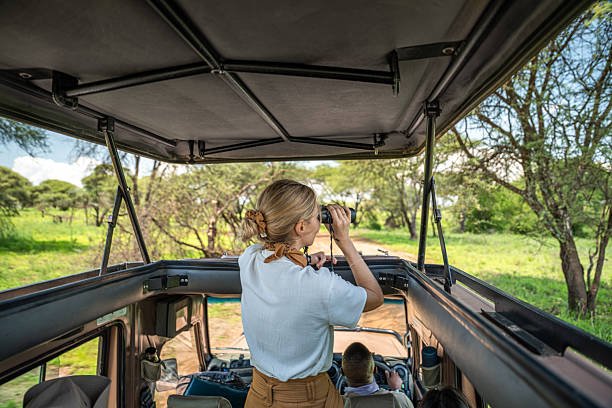
Tanzania Bird Watching Safari Prices: Your Guide 2026-2027
Planning a bird watching safari in Tanzania? This guide breaks down the costs for 2026-2027, explaining what influences prices and how to get the best value for your ornithological...
View package details
Tanzania Wildlife Safari Cost Breakdown: Your Budget Guide 2026-2027
Planning a Tanzania wildlife safari involves understanding the key cost components. This guide provides a detailed breakdown for 2026-2027, covering everything from park fees and...
View package details
Pemba Island Safari Prices: Your Guide To Costs In 2026-2027
Planning a safari on Pemba Island? Understand the pricing for 2026-2027, from budget options to luxury experiences. This guide breaks down the costs, inclusions, and factors affecting your...
View package details
Mahale Safari Prices: Your Guide To Chimpanzee Trekking Costs 2026-2027
Planning a Mahale safari? This guide breaks down Mahale safari prices for 2026-2027, covering chimpanzee trekking permits, accommodation options, transport, and essential budgeting tips for...
View package details
Nyerere Walking Safari Prices : Your Guide To Costs And Planning 2026-2027
Explore Nyerere National Park on a walking safari with Top Guide Adventures. Discover pricing for 2026-2027, understand cost factors, and plan your unforgettable adventure.
View package details
Ruaha Walking Safari Cost: What To Expect For Adventures 2026-2027
Understand the estimated costs for a Ruaha walking safari in 2026-2027. This guide breaks down the price elements, helping you budget for an unforgettable Tanzanian adventure.
View package details
Budget Tarangire Safari Prices: Cost Guide For 2026-2027
Planning a budget-friendly safari in Tarangire National Park? This guide breaks down the costs for 2026-2027, detailing what influences prices, what's typically included in budget packages...
View package details
Serengeti Luxury Safari Cost Vs. Budget Safaris: Your Comparison Guide
This guide breaks down the cost differences between luxury and budget safaris in the Serengeti for 2026-2027. Understand what you get for your money, from accommodation and transport to...
View package details
Tanzania Group Safari Cost Guide
Planning a Tanzania group safari in 2026-2027? This comprehensive guide breaks down the Tanzania group safari cost, detailing what influences prices, typical inclusions, and how to budget...
View package details
Tanzania Luxury Safari Cost: Planning Your Dream Trip 2026-2027
Planning a luxury safari in Tanzania? Discover the typical costs involved for 2026-2027, what drives the price, and what to expect in terms of inclusions and value for an unparalleled...
View package details
Tanzania Family Safari Cost: Planning Your Adventure 2026-2027
Planning a family safari in Tanzania for 2026 or 2027? This comprehensive guide breaks down the Tanzania family safari cost, detailing what influences your budget, typical price ranges, and...
View package detailsTanzania Horse Riding Cost: Planning Your Equestrian Safari Adventure
Discover the typical costs associated with horse riding adventures in Tanzania for 2026-2027. This guide breaks down pricing factors, what to expect in your budget, and tips for planning...
View package detailsNo related package matches those filters. Clear one or more filters to see the other topic-matched options.



