
The cost of a safari in Burunge Wildlife Management Area (WMA) varies significantly based on accommodation style, safari duration, group size, and included activities, with typical packages ranging from $250 to $700+ per person per day for 2026-2027. This price generally covers park entry fees, accommodation, most meals, a safari vehicle, a guide, and game drives, but excludes international flights, visas, tips, and personal expenses. Burunge WMA offers excellent opportunities to see a diverse range of wildlife, including elephants, giraffes, zebras, wildebeest, various antelope species, and predators like lions and hyenas, particularly during the dry seasons.
Understanding Burunge Wildlife Management Area: A Unique Safari Destination
Burunge Wildlife Management Area (WMA) represents a vital conservation success story in Tanzania, offering a distinct safari experience that complements the more famous national parks. Located in the Manyara Region, bordering Tarangire National Park, Burunge WMA provides a crucial corridor for wildlife migration and a sanctuary for resident animals. Unlike strictly protected national parks, WMAs are managed through partnerships between local communities and conservation authorities, aiming to balance wildlife conservation with sustainable tourism and local economic development. This model ensures that the benefits of tourism directly support the communities that co-exist with wildlife, making a safari here a choice that contributes to conservation efforts and local livelihoods.
For travelers planning their 2026-2027 Tanzanian adventure, understanding the specifics of Burunge WMA is key to tailoring an unforgettable trip. Its proximity to major safari circuits, including Tarangire, Lake Manyara National Park, and the Ngorongoro Conservation Area, makes it an accessible yet often overlooked gem. The landscape is characterized by acacia woodlands, savannah grasslands, and seasonal riverbeds, creating a rich habitat for a wide array of fauna.
Factors Influencing Burunge WMA Safari Costs for 2026-2027
When budgeting for a safari in Burunge WMA, several key elements contribute to the overall cost. Understanding these factors will help you make informed decisions and find a package that aligns with your expectations and budget for 2026-2027 travel.
1. Accommodation Type: From Camping to Luxury Lodges
The most significant driver of safari cost is the type of accommodation chosen. Burunge WMA offers a spectrum of options:
- Budget Camping: This involves staying in basic tented camps, often managed by local operators. Facilities are typically shared, and the experience is more rustic, focusing on close-to-nature immersion. Costs are generally lower, making it an attractive option for backpackers and budget-conscious travelers. Expect prices in the range of $250 – $350 per person per day.
- Mid-Range Tented Camps/Lodges: These offer more comfortable amenities, private bathrooms, and often better dining experiences. They strike a balance between comfort and an authentic safari feel. Prices typically fall between $350 – $550 per person per day.
- Luxury Lodges/Tented Camps: For those seeking high-end comfort, these establishments provide spacious rooms, gourmet meals, swimming pools, and exceptional service. They are designed for a more exclusive and pampered experience. Costs can range from $550 to $700+ per person per day.
2. Safari Duration: How Many Days and Nights?
The longer your safari, the higher the total cost, but often the per-day rate can decrease slightly with longer packages as operators may offer discounts for extended stays. A typical Burunge WMA safari might last 2 to 5 days. A 3-day/2-night safari will naturally cost less than a 5-day/4-night expedition.
3. Group Size and Vehicle Type: Private vs. Shared
Private Safaris: These offer flexibility, privacy, and a personalized experience. You’ll have a dedicated safari vehicle and guide. While more expensive per day than shared options, they allow you to set your own pace and focus on your specific interests. Costs for private safaris can start from $400 per person per day and go upwards, depending on the vehicle and lodge quality.
Shared Safaris: These are more budget-friendly as costs are divided among travelers. You’ll join a small group in a safari vehicle. This option is ideal for solo travelers or couples looking to reduce expenses. Shared safari costs can be as low as $250 per person per day.
The type of vehicle also impacts cost. Open-sided 4×4 Land Cruisers or Land Rovers are standard and offer excellent game viewing. Some higher-end options might include vehicles with pop-up roofs and more spacious interiors.
4. Included Activities and Services
Most safari packages in Burunge WMA will include:
- Park entrance fees
- Accommodation
- Meals (full board is common)
- Water in the vehicle
- Safari vehicle and driver/guide
- Game drives
Optional activities, such as guided bush walks (where permitted and safe), night game drives (if offered by the lodge), or cultural visits, may incur additional charges. Ensure you clarify exactly what is included in your quote.
5. Time of Year: Peak vs. Low Season
While Burunge WMA is a year-round destination, costs can fluctuate based on seasonality:
- Peak Season (June-October, December-February): These months typically see higher demand due to favorable weather conditions (dry, sunny days). Prices for accommodation and sometimes even park fees can be slightly higher.
- Low Season (March-May, November): The rainy season can bring lush landscapes and fewer tourists, often resulting in lower prices. However, some roads may become challenging, and wildlife viewing can be more dispersed.
For 2026-2027, it’s advisable to book well in advance, especially for peak season travel, to secure preferred accommodation and potentially better rates.
Estimating Your Burunge WMA Safari Budget for 2026-2027
To give you a clearer picture, here are estimated budget ranges for a typical 3-day/2-night safari in Burunge WMA:
Sample Budget Estimates (Per Person for 3 Days / 2 Nights)
| Accommodation Style | Estimated Daily Cost | Total Estimated Cost (3 Days/2 Nights) |
|---|---|---|
| Budget Camping | $250 – $350 | $750 – $1,050 |
| Mid-Range Tented Camp/Lodge | $350 – $550 | $1,050 – $1,650 |
| Luxury Lodge/Tented Camp | $550 – $700+ | $1,650 – $2,100+ |
Note: These are indicative costs for 2026-2027 and can vary based on the operator, specific lodge, and inclusions. Always request a detailed quote.
What’s Typically Excluded:
- International and domestic flights
- Visa fees
- Travel insurance
- Gratuities for guides and lodge staff
- Personal expenses (souvenirs, alcoholic beverages, laundry)
- Optional activities not listed in the package
The Wildlife of Burunge WMA: What to Expect
Burunge WMA is a haven for wildlife, benefiting from its strategic location and diverse habitats. While it may not boast the sheer density of the Great Migration herds seen in the Serengeti or the predator concentration of the Ngorongoro Crater, it offers a rich and varied wildlife viewing experience, often with fewer crowds. For travelers in 2026-2027, it’s a place where you can truly appreciate Tanzania’s biodiversity.
Mammal Sightings
The area is home to a significant population of elephants, especially during the dry season when they congregate around the permanent water sources. Large herds can often be seen, offering incredible photographic opportunities. Other common herbivores include:
- Giraffes: Maasai giraffes are frequently spotted browsing on acacia trees.
- Zebras: Plains zebras are abundant, often seen grazing in large numbers.
- Wildebeest: While not as concentrated as during the migration, wildebeest are resident and can be seen throughout the year.
- Antelopes: A variety of antelope species thrive here, including impalas, gazelles (Thomson’s and Grant’s), dik-diks, waterbucks, greater and lesser kudus, elands, and hartebeests.
- Buffaloes: Cape buffaloes are common, often found in small to medium-sized herds.
- Primates: Olive baboons and various monkey species, such as vervet monkeys, can be seen in wooded areas.
Predators
Burunge WMA supports a healthy population of predators. While sightings can be less predictable than in other parks, the thrill of spotting them is immense:
- Lions: Lions are present, and lucky visitors might witness them resting in the shade or on the hunt.
- Hyenas: Spotted hyenas are relatively common, and their calls can often be heard at night.
- Cheetahs: Cheetahs are occasionally spotted, particularly in the more open grassland areas, though they are more elusive than lions.
- Leopards: Leopards are the most elusive of the big cats and are rarely seen, usually only by those on night drives or with exceptional luck.
- Wild Dogs: African wild dogs are present but are rare and highly nomadic, making sightings special.
Birdlife
For bird enthusiasts, Burunge WMA is a paradise. The diverse habitats support over 350 bird species. Notable species include:
- Waterfowl and waders near water bodies.
- Raptors such as martial eagles, tawny eagles, and fish eagles.
- Bustards, including the kori bustard (one of the heaviest flying birds).
- Various sunbirds, weavers, hornbills, and rollers.
- Lilac-breasted rollers, a stunningly colorful bird often sought after by photographers.
Reptiles and Other Wildlife
While less frequently sought after on standard game drives, reptiles like monitor lizards and various snake species inhabit the area. Crocodiles can be found in permanent water sources.
Best Time to Visit Burunge WMA in 2026-2027
Burunge WMA is a year-round destination, but certain periods offer distinct advantages for wildlife viewing and overall experience:
Dry Seasons (June to October, December to February)
These are generally considered the prime times for a safari in Burunge WMA and across Northern Tanzania. The vegetation is less dense, making wildlife easier to spot. Animals tend to congregate around permanent water sources, increasing the likelihood of sightings. The weather is typically sunny and pleasant, with cooler temperatures, especially in the mornings and evenings. This is also the peak tourist season, so expect higher prices and more fellow travelers. For 2026-2027, booking accommodation and safari packages well in advance for these months is highly recommended.
Green/Rainy Seasons (March to May, November)
These months offer a different kind of beauty. The landscape is lush and green, providing stunning photographic opportunities. Birdwatching is particularly spectacular during the wet season, with many migratory birds present. Wildlife is more dispersed as water is plentiful, but the birth of young animals can be observed. The primary advantage of visiting during the green season is the potential for lower costs and fewer crowds. However, heavy rains can sometimes make roads impassable, potentially affecting game drives. November can be a transitional month, offering a mix of drier weather and fewer tourists.
Planning Your Burunge WMA Safari: A Step-by-Step Guide
Organizing a safari requires careful planning to ensure a smooth and memorable experience. Here’s a guide to help you plan your 2026-2027 adventure:
1. Define Your Priorities and Budget
Before contacting tour operators, consider what you want from your safari: Is it about seeing specific animals, experiencing luxury, or keeping costs low? Having a clear budget range is essential for finding the right package.
2. Choose Your Tour Operator
Selecting a reputable tour operator is crucial. Look for companies with extensive experience in Tanzania, good reviews, and clear communication. Top Guide Adventures is a trusted Tanzanian company known for personalized service and expert knowledge of areas like Burunge WMA. They can help tailor itineraries to your specific needs for 2026-2027.
3. Determine Safari Duration and Itinerary
A typical safari in Burunge WMA might be 2-4 days, often combined with visits to nearby Tarangire National Park or Lake Manyara National Park. Consider how many days you want to dedicate to the WMA itself versus other attractions.
4. Select Accommodation
Based on your budget and comfort preferences, choose between camping, mid-range lodges, or luxury options. Research specific properties in or around Burunge WMA to get a feel for their offerings.
5. Book Flights and Visas
Book your international flights to Kilimanjaro International Airport (JRO). Research Tanzanian visa requirements for your nationality and apply in advance if necessary. For 2026-2027, check the latest visa regulations.
6. Pack Appropriately
Safari packing is straightforward but important. Key items include:
- Lightweight, neutral-colored clothing (khaki, beige, green)
- Warm layers for cool mornings and evenings
- Comfortable walking shoes
- Sun protection: hat, sunglasses, high SPF sunscreen
- Insect repellent
- Camera with extra batteries and memory cards
- Binoculars
- Personal first-aid kit
- Adapter for electronics
7. Health and Vaccinations
Consult your doctor or a travel clinic about recommended vaccinations and malaria prevention for Tanzania. It’s advisable to do this several weeks before your trip.
8. Currency and Payment
The Tanzanian Shilling (TZS) is the local currency, but US Dollars are widely accepted for tourist services like safari packages and park fees. Carry some smaller denominations for tips and personal purchases. Credit card facilities may be limited outside major towns and lodges.
Getting to Burunge WMA
Burunge WMA is conveniently located in the Manyara Region of Northern Tanzania, making it easily accessible as part of a typical Northern Circuit safari.
- By Air: The nearest international airport is Kilimanjaro International Airport (JRO), located between Arusha and Moshi. From JRO, it’s a drive of approximately 2-3 hours to reach the Burunge WMA area.
- By Road: Most safaris to Burunge WMA are conducted using safari vehicles (4×4 Land Cruisers or Land Rovers) arranged by tour operators. The drive from Arusha, the main safari hub for Northern Tanzania, is about 2-3 hours. The roads leading into and within the WMA are generally good, especially during the dry season, though they can become challenging in the rainy season.
Many itineraries combine Burunge WMA with adjacent parks like Tarangire National Park. Often, the WMA serves as a buffer zone or an extension to a Tarangire safari, with accommodation located just outside the park boundaries or within designated areas of the WMA itself.
Accommodation Options in and Around Burunge WMA
The accommodation choices within or bordering Burunge WMA are key to the safari experience. These range from rustic camps to more established lodges, often designed to blend with the natural environment.
Lodges and Tented Camps
Several lodges and tented camps are situated within or on the fringes of Burunge WMA. These offer varying levels of comfort and amenities:
- Fumba Lodge: While not directly in Burunge WMA, lodges like this near Lake Manyara offer good access.
- Tarangire Sopa Lodge: Located on the border of Tarangire National Park, offering views over the landscape.
- Sanctuary Swala Camp: A luxury tented camp often situated in concessions near Tarangire, providing an exclusive experience.
- Various Community-Run Camps: Some operators partner with community initiatives to offer more authentic, lower-impact stays, often involving basic but clean tented accommodations.
When booking for 2026-2027, discuss your accommodation preferences with your tour operator. They will recommend options that fit your budget and desired experience, ensuring they are well-located for accessing the WMA’s wildlife viewing areas.
Activities Beyond Game Drives in Burunge WMA
While game drives are the primary activity, Burunge WMA offers opportunities for other engaging experiences that enrich the safari:
Guided Bush Walks
Where permitted and safe, guided walking safaris offer a unique perspective. Led by experienced guides, these walks allow you to appreciate the smaller details of the bush – the flora, insects, tracks, and signs of wildlife. This is a fantastic way to connect with the environment on foot, offering a more intimate encounter than a vehicle-based safari. Ensure your chosen operator offers this and that it’s conducted in a safe, designated area.
Cultural Visits
Burunge WMA is home to local communities, including the Maasai people. Some safari packages may include opportunities for respectful cultural visits to nearby villages. These encounters offer insights into traditional lifestyles, customs, and the challenges of co-existing with wildlife. It’s important that these visits are conducted ethically, ensuring they benefit the community and provide a genuine cultural exchange rather than a staged performance.
Night Game Drives
Depending on the lodge or camp’s location and permits, night game drives might be available. These offer a chance to spot nocturnal animals like genets, civets, bush babies, and potentially predators that are more active after dark. The experience of a spotlight scanning the bush under the stars is truly memorable.
Bird Watching
With its rich avian population, Burunge WMA is a prime destination for birdwatchers. Dedicated birding trips can be arranged, focusing on identifying various species and understanding their habitats. Even on a standard game drive, the sheer variety of birds is remarkable.
Comparing Burunge WMA with Nearby Parks
Understanding how Burunge WMA compares to its famous neighbors helps in planning a balanced itinerary for 2026-2027.
Burunge WMA vs. Tarangire National Park
- Wildlife Density: Tarangire often has higher concentrations of animals, especially during the dry season, due to its permanent river. Burunge WMA offers a more dispersed, less crowded experience.
- Landscape: Both feature iconic acacia woodlands and savannah, but Tarangire’s Baobab trees are particularly famous.
- Crowds: Burunge WMA generally experiences significantly fewer tourists than Tarangire, offering a more exclusive feel.
- Cost: Safaris focused solely on Tarangire might have higher park fees. Burunge WMA can be a more budget-friendly addition or alternative.
- Management: Tarangire is a National Park managed by TANAPA. Burunge is a Wildlife Management Area, co-managed with local communities.
Burunge WMA vs. Lake Manyara National Park
- Size: Lake Manyara is a smaller park, known for its tree-climbing lions, large elephant herds, and flamingoes on the lake.
- Habitat: Lake Manyara offers diverse habitats including groundwater forest, savannah, and the alkaline lake itself. Burunge WMA is more predominantly savannah and woodland.
- Activities: Lake Manyara offers game drives and walking safaris. Burunge WMA might offer similar activities but with a different focus due to its WMA status.
- Cost: Similar park fees apply. Burunge WMA can offer a less expensive lodging option.
Many travelers choose to combine Burunge WMA with Tarangire and Lake Manyara to experience the full diversity of the region. A typical 5-day Northern Circuit safari might include 1-2 days in Burunge WMA for a more relaxed and community-focused experience, followed by days in Tarangire and Lake Manyara.
Sustainable Tourism in Burunge WMA
Choosing Burunge WMA for your safari in 2026-2027 is an excellent way to support sustainable tourism practices. As a Wildlife Management Area, its core principle is community involvement and benefit-sharing.
- Community Empowerment: Tourism revenue directly contributes to local community development projects, such as schools, healthcare facilities, and infrastructure. This provides tangible benefits for people living alongside wildlife, fostering a positive relationship.
- Conservation Funding: A portion of the fees collected goes towards wildlife monitoring, anti-poaching efforts, and habitat management within the WMA.
- Reduced Human-Wildlife Conflict: By providing economic alternatives through tourism, WMAs help reduce reliance on activities that might conflict with wildlife conservation.
- Authentic Experiences: The WMA model often fosters more authentic interactions with local culture and a deeper understanding of the conservation challenges and successes.
When planning your trip, consider operators who are committed to responsible tourism and have strong relationships with the local communities in Burunge WMA. Top Guide Adventures emphasizes this commitment in their operations.
Booking Your Burunge WMA Safari in 2026-2027
Booking your safari is the final step in planning your adventure. Here’s how to proceed:
Booking Recommendations for 2026-2027:
- Start Early: Especially for peak season travel in 2026 and 2027, book at least 6-12 months in advance to secure your preferred dates and accommodation.
- Get Detailed Quotes: Request detailed itineraries and quotes from multiple reputable operators. Compare inclusions, exclusions, and pricing carefully.
- Ask Questions: Don’t hesitate to ask your tour operator about everything from vehicle types and guide experience to sustainability practices and cancellation policies.
- Payment: Most operators require a deposit (typically 20-50%) to confirm a booking, with the balance due 30-60 days before departure.
For a smooth and personalized safari experience in Burunge WMA for 2026-2027, consider reaching out to Top Guide Adventures. They specialize in creating tailor-made Tanzanian safaris with dedicated support.
Contact Top Guide Adventures:
- WhatsApp: +255616946642
- Email: topguideadventures@gmail.com
- Backup Email: info@topguideadventurestanzania.com
- Website: Top Guide Adventures Tanzania
By planning ahead and choosing the right partners, your Burunge Wildlife Management Area safari in 2026-2027 promises to be an enriching journey into the heart of Tanzania’s wilderness and its vibrant communities.
Check Availability for Burunge Wildlife Management Area Safari Cost, & Travel Guide 2026-2027
Ready to compare dates, prices, and the best option for your group? Send the package name and travel month so the team can reply with a clear quote, availability, and what is included.
Tanzania Wildlife Safari Cost Breakdown: Your Budget Guide 2026-2027
Planning a Tanzania wildlife safari involves understanding the key cost components. This guide provides a detailed breakdown for 2026-2027, covering everything from park fees and...
View package details
Pemba Island Safari Prices: Your Guide To Costs In 2026-2027
Planning a safari on Pemba Island? Understand the pricing for 2026-2027, from budget options to luxury experiences. This guide breaks down the costs, inclusions, and factors affecting your...
View package details
Mahale Safari Prices: Your Guide To Chimpanzee Trekking Costs 2026-2027
Planning a Mahale safari? This guide breaks down Mahale safari prices for 2026-2027, covering chimpanzee trekking permits, accommodation options, transport, and essential budgeting tips for...
View package details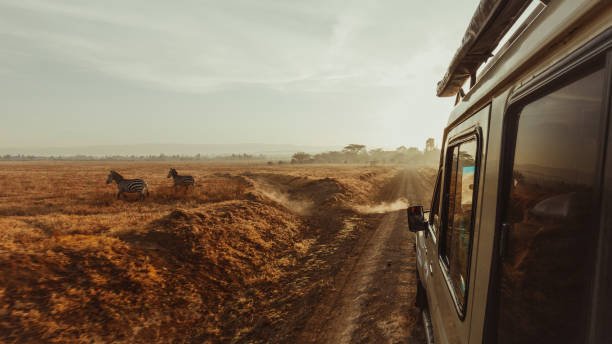
Nyerere Walking Safari Prices : Your Guide To Costs And Planning 2026-2027
Explore Nyerere National Park on a walking safari with Top Guide Adventures. Discover pricing for 2026-2027, understand cost factors, and plan your unforgettable adventure.
View package details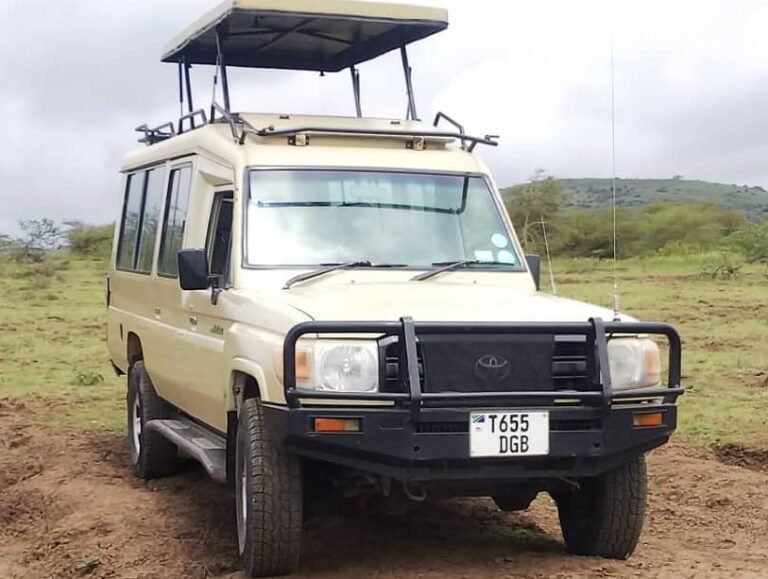
Ruaha Walking Safari Cost: What To Expect For Adventures 2026-2027
Understand the estimated costs for a Ruaha walking safari in 2026-2027. This guide breaks down the price elements, helping you budget for an unforgettable Tanzanian adventure.
View package details
Budget Tarangire Safari Prices: Cost Guide For 2026-2027
Planning a budget-friendly safari in Tarangire National Park? This guide breaks down the costs for 2026-2027, detailing what influences prices, what's typically included in budget packages...
View package details
Ngorongoro Conservation Area: Your Ultimate Tanzania Safari Guide 2026-2027
Explore the unparalleled biodiversity and unique landscape of the Ngorongoro Conservation Area. This comprehensive guide covers everything you need to know for planning your 2026-2027...
View package details
Serengeti Luxury Safari Cost Vs. Budget Safaris: Your Comparison Guide
This guide breaks down the cost differences between luxury and budget safaris in the Serengeti for 2026-2027. Understand what you get for your money, from accommodation and transport to...
View package details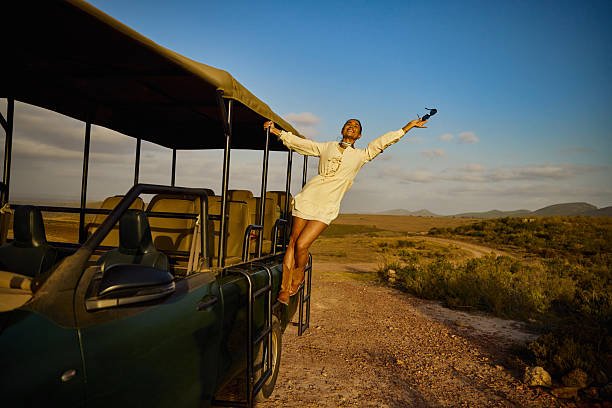
Tanzania Group Safari Cost Guide
Planning a Tanzania group safari in 2026-2027? This comprehensive guide breaks down the Tanzania group safari cost, detailing what influences prices, typical inclusions, and how to budget...
View package details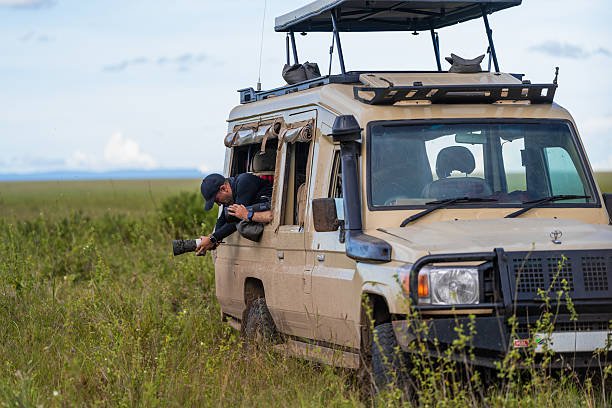
Tanzania Luxury Safari Cost: Planning Your Dream Trip 2026-2027
Planning a luxury safari in Tanzania? Discover the typical costs involved for 2026-2027, what drives the price, and what to expect in terms of inclusions and value for an unparalleled...
View package details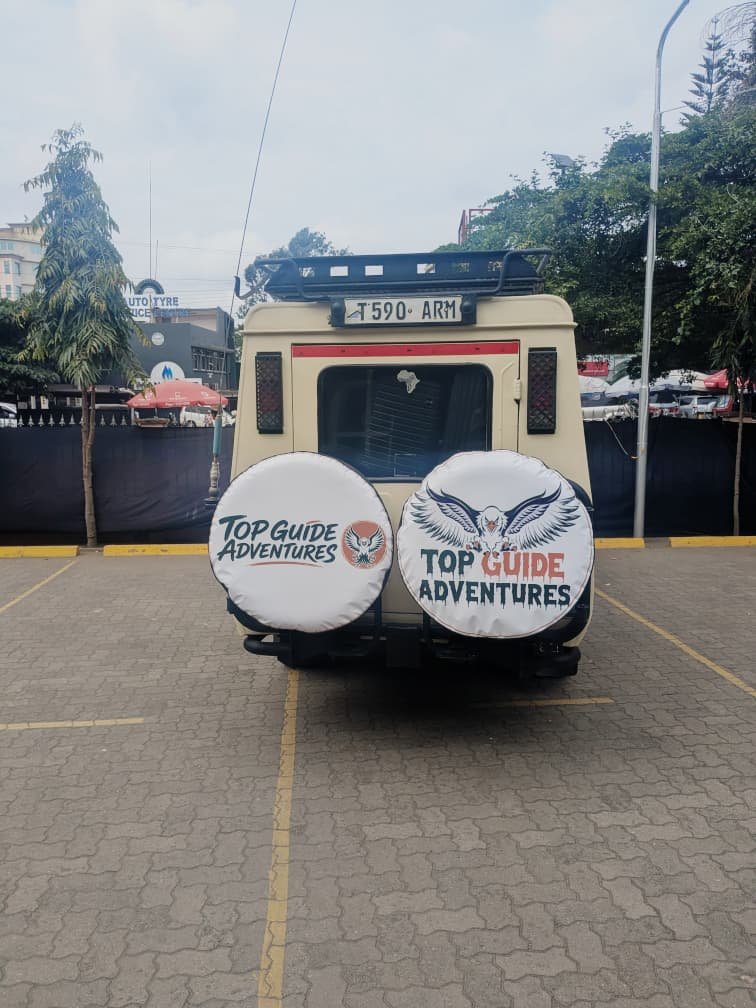
Tanzania Family Safari Cost: Planning Your Adventure 2026-2027
Planning a family safari in Tanzania for 2026 or 2027? This comprehensive guide breaks down the Tanzania family safari cost, detailing what influences your budget, typical price ranges, and...
View package detailsTanzania Horse Riding Cost: Planning Your Equestrian Safari Adventure
Discover the typical costs associated with horse riding adventures in Tanzania for 2026-2027. This guide breaks down pricing factors, what to expect in your budget, and tips for planning...
View package detailsNo related package matches those filters. Clear one or more filters to see the other topic-matched options.



