
Combining a Tanzania safari with a 7-day Machame Route Kilimanjaro climb offers an unparalleled adventure, blending incredible wildlife viewing with the ultimate trekking challenge. This integrated journey typically involves starting with a safari in areas like the Serengeti or Ngorongoro Crater, followed by the ascent of Kilimanjaro via the Machame Route, known for its scenic beauty and high success rates, ideally planned for 2026 or 2027. Such an expedition requires careful planning, focusing on acclimatization, appropriate gear, and selecting a reputable tour operator like Top Guide Adventures to ensure a safe and memorable experience.
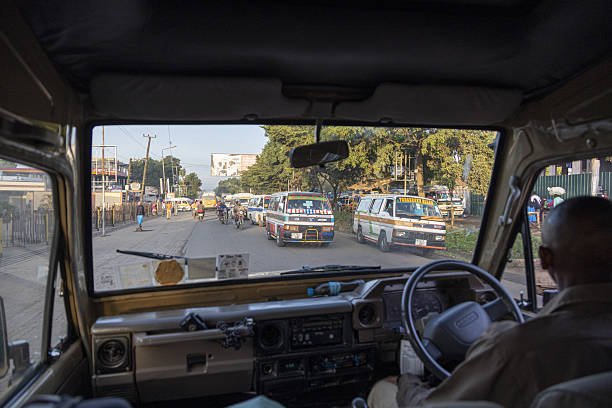
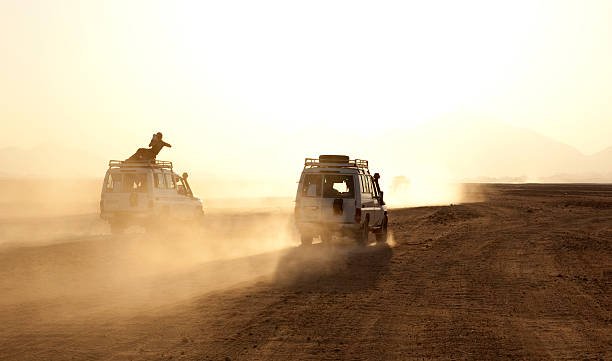
The Ultimate Tanzanian Combination: Safari Meets Summit in 2026-2027
Tanzania is a land of iconic landscapes and unparalleled wildlife, offering two of Africa’s most sought-after experiences: world-class safaris and the majestic Mount Kilimanjaro. For the adventurous traveler, combining these elements into a single, comprehensive trip is the pinnacle of an African journey. This guide focuses on the popular pairing of a thrilling Tanzania safari with a 7-day trek up Kilimanjaro via the Machame Route, often referred to as the “Whiskey Route.” We will explore why this combination is so compelling, how to plan it effectively for 2026-2027, and what to expect from each part of this extraordinary adventure. From the vast plains teeming with wildlife to the Roof of Africa itself, this is a trip designed for those who seek both discovery and challenge.
Choosing the 7-day Machame Route for your Kilimanjaro climb is a strategic decision. While shorter routes exist, the extra day on Machame significantly improves acclimatization, a critical factor for reaching the summit safely and comfortably. This extended duration allows your body more time to adapt to the increasing altitude, reducing the risk of altitude sickness and enhancing your overall chances of success. When planning for 2026 or 2027, booking in advance is highly recommended, especially for peak seasons.
### Why Combine a Tanzania Safari with the Machame Route Kilimanjaro Climb?
This dual-destination trip caters to a wide range of interests, appealing to wildlife enthusiasts, avid hikers, and culture seekers alike. It’s a journey that offers profound contrasts and deep immersion into the natural and cultural richness of Tanzania.
* Biodiversity Hotspot Meets the Roof of Africa: Tanzania is home to some of the most famous national parks, including the Serengeti, renowned for the Great Migration, and the Ngorongoro Conservation Area, a UNESCO World Heritage Site. Witnessing lions, elephants, giraffes, and countless other species in their natural habitat is an experience like no other. Following this, the challenge of climbing Kilimanjaro, Africa’s highest peak, provides a completely different, yet equally awe-inspiring, natural spectacle. The transition from the savanna to the alpine desert and glacial zones of the mountain is dramatic and unforgettable.
* Cultural Richness: Both safari and Kilimanjaro treks offer opportunities to interact with local cultures. While on safari, you might visit Maasai villages, learning about their traditional way of life. The trekking experience itself involves interacting with your local guides and porters, who are essential to the success of your climb and offer insights into mountain life and Swahili culture.
* Comprehensive African Experience: This combination provides a well-rounded introduction to Tanzania. It’s not just about ticking off famous landmarks; it’s about experiencing the diverse ecosystems, the vibrant cultures, and the sheer scale of natural beauty that this East African nation has to offer. For travelers in 2026-2027 looking for a trip that combines wildlife thrills with a significant physical achievement, this is an ideal choice.
* Logistical Synergy: Most tours that offer Kilimanjaro climbs are based in the northern Tanzanian towns of Arusha or Moshi, which are also the primary gateways for Northern Circuit safaris. This geographical proximity makes combining these activities logistically straightforward, with tour operators often able to arrange smooth transitions between your safari and your trek.
## Planning Your Safari and 7-Day Machame Route Kilimanjaro Adventure for 2026-2027
Successful planning is the cornerstone of any major adventure trip. For a safari and Kilimanjaro combination, this means considering timing, duration, budget, and choosing the right partners.
### Optimal Timing: When to Go in 2026-2027
Tanzania experiences distinct seasons, and understanding these will help you choose the best time for your safari and climb.
* Dry Seasons (June to October, January to February): These are generally considered the best times for both safari and Kilimanjaro. The dry weather means clearer skies, better wildlife viewing as animals congregate around water sources, and more stable trekking conditions on the mountain. January and February are also ideal for climbing, with warm days and clear nights, though they can be busy. June to October is excellent for the Great Migration on safari and offers good trekking weather, though it can be cooler at higher altitudes on Kilimanjaro.
* Wet Seasons (March to May, November to December): The long rains typically occur from March to May, making trekking conditions challenging with muddy trails and reduced visibility. Safaris can still be good, especially in areas less affected by rain, and the landscape is lush and green. The short rains in November and December are less disruptive, but afternoon showers are common. For travelers on a budget in 2026-2027, the shoulder seasons (early March, late May, November) might offer slightly lower prices, but weather should be a primary consideration.
**Recommendation for 2026-2027:** Aim for the dry seasons, particularly June to October or January to February, for the best balance of weather for both safari and climbing. If the Great Migration is a priority, focus on Serengeti viewing during the dry months.
### Duration of Your Trip
A comprehensive safari and a 7-day Machame Route Kilimanjaro climb requires a substantial amount of time.
* Safari: A good safari experience typically needs at least 4 to 7 days to cover key parks like the Serengeti and Ngorongoro Crater. Shorter safaris (2-3 days) are possible but will be more rushed.
* Kilimanjaro Climb: The 7-day Machame Route requires exactly 7 days on the mountain itself.
* Travel & Rest: Factor in travel days to and from Tanzania, transfer days between locations, and at least one full rest day between your safari and the start of your Kilimanjaro trek. This is crucial for recovery and preparation.
A realistic minimum for a combined safari and 7-day Machame Route trip would be around 14-16 days, including international travel. A more comfortable itinerary, allowing for deeper safari exploration and better acclimatization, might extend to 18-21 days.
### Budgeting for Your Combined Adventure in 2026-2027
Combining these two major experiences will represent a significant investment. Costs vary widely based on the level of accommodation, safari duration, and the tour operator chosen.
* Safari Costs: These are typically priced per day and include park fees, vehicle and guide, accommodation (ranging from budget camping to luxury lodges), and meals. Expect to budget from $250-$600+ per person per day for a mid-range to high-end safari.
* Kilimanjaro Costs (7-Day Machame Route): Tour operators usually offer packages that include park fees, camping equipment, food, guides, and porters. Prices can range from $1,500 to $3,000+ per person for a 7-day trek with a reputable company. The higher end often reflects better quality equipment, more experienced guides, better porter welfare, and higher park fees.
* Other Expenses: Factor in international flights, visa fees, travel insurance (essential!), vaccinations, tips for guides and porters (a significant part of their income), personal gear, and any pre- or post-climb accommodation.
For a 14-16 day trip combining a mid-range safari and a 7-day Machame Route climb, budget approximately $4,000 – $7,000+ per person, excluding international flights. Prices for 2026-2027 may see slight increases due to inflation and park fee adjustments.
### Choosing Your Tour Operator
Selecting a reliable and ethical tour operator is paramount for both the safari and the Kilimanjaro climb. Look for companies with:
* Experience and Reputation: Check reviews on platforms like TripAdvisor. Top Guide Adventures, for instance, is a trusted local operator with extensive experience in both safaris and Kilimanjaro climbs, emphasizing personalized service and client care.
* Safety Standards: For Kilimanjaro, this includes carrying adequate oxygen, having trained guides (first aid certified), and a clear emergency evacuation plan.
* Ethical Porter Practices: Ensure the company treats its porters and guides fairly, providing proper food, accommodation, and fair wages. This is a mark of a responsible operator.
* Inclusions: Clearly understand what is included in your package (e.g., park fees, meals, accommodation, transfers, equipment). Top Guide Adventures offers comprehensive packages for both safari and Kilimanjaro.
## The Tanzania Safari Experience: Wildlife Encounters
Before you set your sights on Kilimanjaro’s summit, experience the legendary wildlife of Tanzania. A typical safari itinerary might include:
### Serengeti National Park
Famous for the annual Great Migration, where millions of wildebeest, zebras, and gazelles traverse the plains in search of greener pastures. Even outside of migration season, the Serengeti offers incredible year-round game viewing, with abundant predators like lions, leopards, cheetahs, and hyenas, alongside vast herds of herbivores and diverse birdlife.
* Key Attractions: Endless plains, the Great Migration (timing dependent), big cats, diverse bird species.
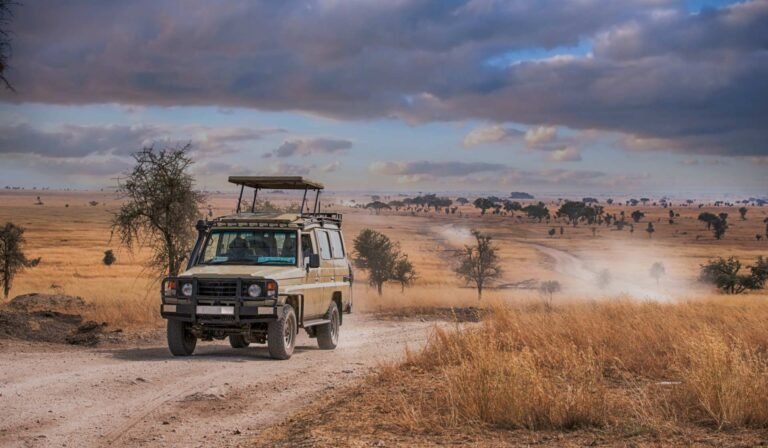
* Safari Style: Game drives in 4×4 vehicles, often with pop-up roofs for optimal viewing. Lodges and tented camps offer varying levels of comfort.
### Ngorongoro Conservation Area & Crater
This UNESCO World Heritage Site boasts the Ngorongoro Crater, a large volcanic caldera teeming with wildlife. It’s one of the few places where you can potentially see the ‘Big Five’ (lion, leopard, elephant, rhino, buffalo) in a single day. The conservation area also includes the highlands and Maasai settlements, offering a blend of wildlife and culture.
* Key Attractions: High density of wildlife, endangered black rhinos, stunning crater views, Maasai communities.
* Safari Style: Game drives within the crater floor, often combined with visits to Maasai villages.
### Other Potential Safari Destinations:
Depending on your time and interests, you might also consider:
* Tarangire National Park: Known for its large elephant herds and iconic baobab trees, especially vibrant during the dry season.
* Lake Manyara National Park: Famous for its tree-climbing lions and diverse birdlife along the lake shore.
**A typical 4-5 day Northern Circuit safari might cover Lake Manyara, Ngorongoro Crater, and the Serengeti.** This provides a solid introduction to Tanzania’s wildlife.
## The 7-Day Machame Route Kilimanjaro Climb: A Detailed Itinerary
The Machame Route is celebrated for its scenic beauty and gradual ascent profile, making it one of the most popular and recommended routes for reaching Uhuru Peak (5,895m).
### Day 1: Machame Gate (1,800m) to Machame Camp (3,000m)
* Trek: Approximately 11 km, 5-7 hours.
* Habitat: Rainforest.
* Description: The trek begins after a scenic drive to Machame Gate. The trail ascends steeply through dense rainforest, often muddy, with opportunities to spot monkeys. The camp is situated at the edge of the forest, offering a beautiful introduction to mountain camping.
### Day 2: Machame Camp (3,000m) to Shira Camp (3,850m)
* Trek: Approximately 5 km, 4-6 hours.
* Habitat: Moorland.
* Description: Today’s trek is shorter but involves a significant ascent. You’ll transition from the rainforest into the moorland zone, characterized by heather and giant groundsels. The trail offers spectacular views of the Shira Plateau. Shira Camp is located on this plateau, providing dramatic vistas.
### Day 3: Shira Camp (3,850m) to Lava Tower (4,600m) then to Barranco Camp (3,950m)
* Trek: Approximately 10 km, 6-8 hours.
* Habitat: Alpine desert.
* Description: This is a crucial day for acclimatization. The route ascends steadily to Lava Tower, a prominent landmark at 4,600m. You will have lunch here and then descend to Barranco Camp. This ‘trek high, sleep low’ strategy is vital for helping your body adapt to the altitude. The views from Barranco Camp, located beneath the massive Barranco Wall, are stunning.
### Day 4: Barranco Camp (3,950m) to Karanga Camp (4,000m)
* Trek: Approximately 8 km, 5-7 hours.
* Habitat: Alpine desert.
* Description: Today involves crossing the famous Barranco Wall, a challenging but manageable scramble aided by guides. The path then continues through an alpine desert landscape, eventually descending to Karanga Valley before climbing again to Karanga Camp. This day is also key for acclimatization.
### Day 5: Karanga Camp (4,000m) to Barafu Camp (4,650m)
* Trek: Approximately 4 km, 3-5 hours.
* Habitat: Alpine desert.
* Description: A shorter trekking day allows for rest and preparation for the summit push. The trail climbs steadily towards Barafu Camp, a stark, rocky campsite situated at the base of the final ascent cone. You will have an early dinner and try to rest before the midnight start.
### Day 6: Summit Day! Barafu Camp (4,650m) to Uhuru Peak (5,895m) and descend to Mweka Camp (3,100m)
* Trek: Approximately 5 km ascent, 12 km descent, 7-12 hours (ascent) + 4-6 hours (descent).
* Habitat: Arctic zone (summit), then alpine desert and moorland.
* Description: The most challenging day. You start trekking around midnight, ascending in the dark towards Stella Point (5,756m) on the crater rim. From Stella Point, you traverse to Uhuru Peak, the true summit of Kilimanjaro. After celebrating your achievement, you descend back to Barafu Camp for a short rest, then continue the long descent to Mweka Camp. This is a physically and mentally demanding day.
### Day 7: Mweka Camp (3,100m) to Mweka Gate (1,650m)
* Trek: Approximately 10 km, 3-5 hours.
* Habitat: Rainforest.
* Description: The final day involves a relatively easy descent through the rainforest. You’ll reach Mweka Gate, where you’ll be met by your driver and transferred back to your hotel in Moshi or Arusha. It’s time for well-deserved celebrations!
## Preparing for Your Kilimanjaro Climb
Success on Kilimanjaro hinges on preparation, both physical and mental. The 7-day Machame Route offers good acclimatization, but a solid preparation plan is still essential.
### Physical Training
* Cardiovascular Fitness: Engage in regular aerobic activities like running, cycling, swimming, or brisk walking for at least 3-4 times a week in the months leading up to your climb.
* Strength Training: Focus on leg strength (squats, lunges) and core stability. Carrying a backpack on the mountain requires core strength.
* Hiking Practice: The most important training is hiking, ideally with a backpack on varied terrain, including hills and stairs. Simulate longer hikes (4-6 hours) to build endurance.
* Altitude Acclimatization: While you can’t fully replicate Kilimanjaro’s altitude, training at higher elevations if possible can be beneficial. However, consistent cardio and hiking are more critical.
### Gear and Equipment
Proper gear is vital for comfort and safety on Kilimanjaro. Layering is key due to the extreme temperature variations.
* Clothing:
* Base Layers: Moisture-wicking thermal tops and bottoms (merino wool or synthetic).
* Mid Layers: Fleece jacket or down vest for insulation.
* Outer Layer: Waterproof and windproof jacket and pants (Gore-Tex or similar).
* Insulated Parka: Essential for summit night.
* Footwear:
* Broken-in hiking boots: Waterproof, sturdy, and comfortable.
* Camp shoes/sandals: For relaxing at camp.
* Socks: Several pairs of wool or synthetic hiking socks.
* Headwear & Handwear:
* Warm hat: Wool or fleece.
* Sun hat: Wide-brimmed for sun protection.
* Gloves: Liner gloves and waterproof, insulated outer gloves.
* Backpack:
* Daypack (30-40 liters): For essentials you need during the day’s trek.
* Duffel Bag (80-100 liters): For porters to carry your main gear.
* Sleeping Gear:
* Sleeping bag: Rated for -15°C to -20°C (0°F to -4°F).
* Sleeping pad: For added comfort and insulation (often provided).
* Other Essentials:
* Trekking poles: Highly recommended for stability and reducing knee strain.
* Headlamp: With extra batteries for summit night.
* Water bottles/hydration reservoir: At least 3 liters capacity.
* Sunscreen, sunglasses, lip balm with SPF.
* Personal first-aid kit, toiletries, hand sanitizer.
* Camera, power bank.
Top Guide Adventures can provide a detailed packing list and even rent some equipment like sleeping bags and trekking poles.
### Health and Safety
* Consult Your Doctor: Discuss your plans with your physician, especially regarding altitude and any pre-existing medical conditions. Get advice on necessary vaccinations (e.g., Yellow Fever, Hepatitis A/B, Typhoid).
* Altitude Sickness (AMS): Understand the symptoms (headache, nausea, dizziness, fatigue). The best prevention is slow ascent and proper acclimatization, which the 7-day Machame Route facilitates. Your guides are trained to monitor for AMS and will make decisions based on your well-being.
* Hydration: Drink plenty of water (3-4 liters per day) to help with acclimatization and prevent dehydration.
* Nutrition: Eat well at all meals provided on the mountain. High-carbohydrate meals are best for energy.
* Emergency Evacuation: Ensure your tour operator has a robust emergency plan, often including satellite phones and evacuation insurance (like AMREF Flying Doctors).
## Integrating Safari and Kilimanjaro: Logistics and Itinerary Flow
When planning your safari then 7-day Machame Route Kilimanjaro climb for 2026-2027, consider the logical flow and transition between activities.
### Typical Itinerary Structure
1. Arrival in Tanzania: Fly into Kilimanjaro International Airport (JRO).
2. Transfer to Arusha/Moshi: Meet your tour operator representative and transfer to your hotel for an overnight stay. This allows you to rest and prepare.
3. Tanzania Safari (4-7 days): Begin your safari adventure, typically starting from Arusha and covering parks like Tarangire, Lake Manyara, Ngorongoro Crater, and Serengeti.
4. Return to Arusha/Moshi: After your safari, you’ll be transferred back to your hotel.
5. Rest and Preparation Day: A crucial day to relax, do last-minute gear checks, meet your Kilimanjaro guides, and hydrate before the trek.
6. Kilimanjaro Climb (7-Day Machame Route): Transfer to Machame Gate and begin your 7-day ascent.
7. Descent and Celebration: Finish your climb at Mweka Gate and return to your hotel for a celebratory dinner and overnight stay.
8. Departure: Transfer back to JRO for your onward flight.
### smooth Transitions with Top Guide Adventures
Operators like Top Guide Adventures specialize in creating these combined itineraries. They handle all logistics, ensuring smooth transfers between airports, hotels, safari vehicles, and the Kilimanjaro base camp.
* Pre-Climb Briefing: Your Kilimanjaro guides will meet you for a detailed briefing, covering the route, safety procedures, and gear. This is often done the day before your trek starts.
* Luggage Management: While you are on Kilimanjaro, your main luggage can typically be stored securely at the tour operator’s office or your hotel.
* Post-Climb Comfort: After descending Kilimanjaro, you’ll be transferred to a comfortable hotel. Many climbers opt for a hot shower and a good meal before heading to the airport or their next destination.
## What to Expect Post-Climb: Zanzibar or Further Exploration?
After successfully completing your safari and Kilimanjaro climb, many travelers choose to extend their Tanzanian adventure. For 2026-2027 trips, consider these options:
### Zanzibar Holidays
The spice island of Zanzibar offers a perfect contrast to the ruggedness of Kilimanjaro and the dust of the safari plains. It’s an ideal destination for relaxation and cultural exploration.
* Beaches: World-renowned for pristine white-sand beaches and turquoise waters, perfect for swimming, snorkeling, and diving.
* Stone Town: A UNESCO World Heritage Site, offering a fascinating labyrinth of narrow streets, historical buildings, vibrant markets, and a rich cultural heritage blending African, Arab, Indian, and European influences.
* Spice Tours: Learn about the island’s history as a major spice producer.
* Marine Life: Explore coral reefs, swim with dolphins, or go deep-sea fishing.
### Other Northern Tanzania Attractions
If time permits, you could explore more of the Northern Highlands, perhaps visiting local communities or enjoying the cooler climate.
### Departure
From Zanzibar, you can fly to Dar es Salaam for international connections, or sometimes directly to international hubs depending on flight availability for 2026-2027.
## Making Your Safari and 7-Day Machame Route Kilimanjaro Dream a Reality in 2026-2027
This combined adventure is a significant undertaking, but with careful planning and the right support, it’s an achievable and profoundly rewarding experience. Top Guide Adventures is dedicated to providing personalized service, ensuring every aspect of your safari and Kilimanjaro climb is managed with expertise and care.
From the moment you contact us, we work with you to tailor an itinerary that meets your interests, fitness level, and budget. We understand the nuances of both wildlife viewing in Tanzania’s iconic parks and the specific demands of climbing Kilimanjaro via the Machame Route.
**Ready to plan your 2026-2027 adventure?** Whether you dream of witnessing the Great Migration or standing on the Roof of Africa, we are here to help. Contact us for a personalized quote and itinerary.
* WhatsApp: +255616946642
* Email: topguideadventures@gmail.com
* Backup Email: info@topguideadventurestanzania.com
Let Top Guide Adventures guide you through the planning and execution of your ultimate Tanzanian safari and 7-day Machame Route Kilimanjaro climb. We are committed to making your journey safe, memorable, and exceptional.
Check Availability for Safari Then 7 Day Machame Route Kilimanjaro Climb: Your Ultimate Tanzanian
Ready to compare dates, prices, and the best option for your group? Send the package name and travel month so the team can reply with a clear quote, availability, and what is included.
Tanzania Tour Package Prices: Your Guide To Safari & Kilimanjaro Costs
Understand Tanzania tour package prices for 2026-2027. This guide covers safari costs, Kilimanjaro climb pricing, Zanzibar holidays, and factors influencing your budget, offering clear...
View package details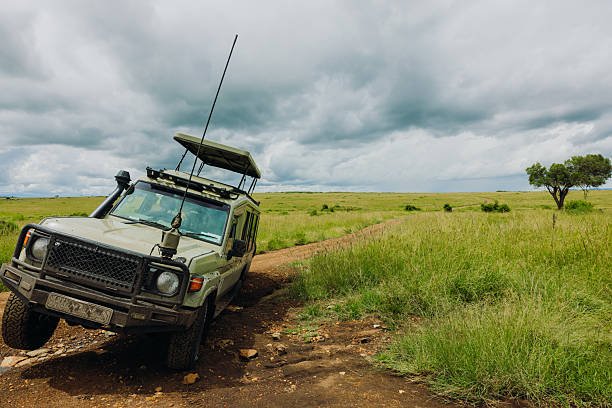
Tanzania Conservation Fees Explained: Your Guide 2026-2027
Demystifying Tanzania's conservation fees is crucial for planning your safari or climb. This guide details the essential costs for national parks, reserves, and Mount Kilimanjaro for...
View package details
Tanzania Attraction Entry Fees: Guide To Park And Reserve Costs For 2026-2027
Planning a trip to Tanzania? This comprehensive guide details the essential Tanzania attraction entry fees for 2026-2027, covering national parks, conservation areas, and cultural sites...
View package detailsMahale Safari Prices: Your Guide To Chimpanzee Trekking Costs 2026-2027
Planning a Mahale safari? This guide breaks down Mahale safari prices for 2026-2027, covering chimpanzee trekking permits, accommodation options, transport, and essential budgeting tips for...
View package details
Kilimanjaro Porter, Guide And Camping Fees Breakdown 2026-2027
Kilimanjaro Porter, Guide and Camping Fees Breakdown is explained with current 2026-2027 planning, price, itinerary and booking information.
View package details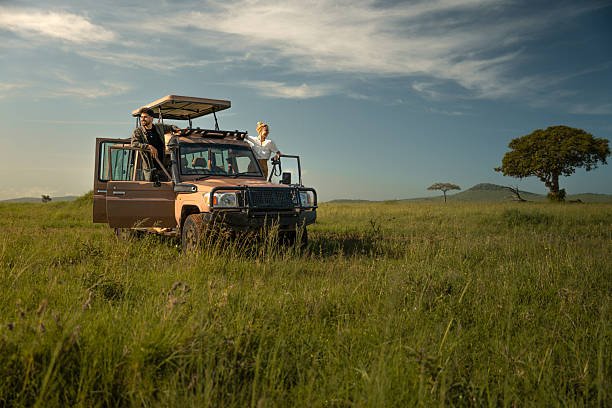
Hidden Costs Of Climbing Mount Kilimanjaro You Should Know 2026-2027
Hidden Costs of Climbing Mount Kilimanjaro You Should Know is explained with current 2026-2027 planning, price, itinerary and booking information.
View package details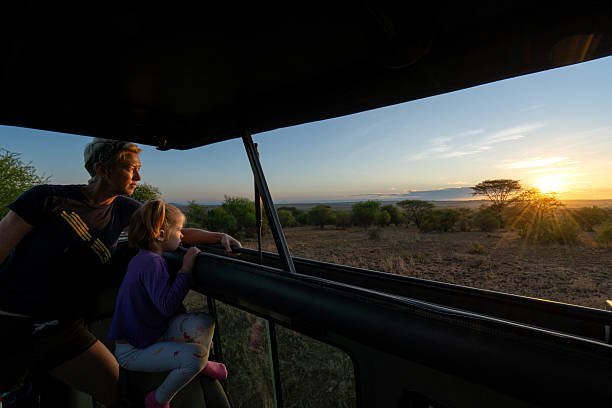
Mount Kilimanjaro 5 Days, 6 7 And 8 Climbing Prices 2026-2027
Mount Kilimanjaro 5 Days, 6 Days, 7 Days and 8 Days Climbing Prices is explained with current 2026-2027 planning, price, itinerary and booking information.
View package details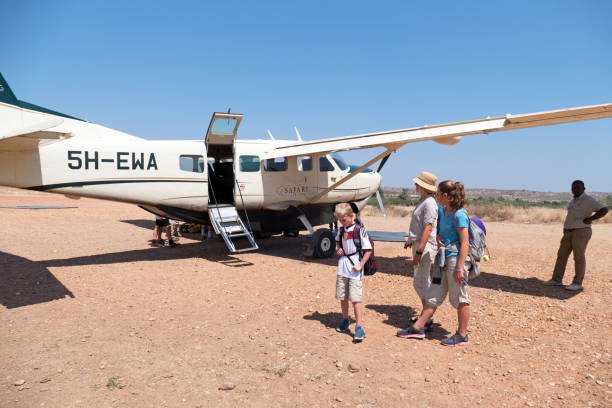
Kilimanjaro National Park: Your Ultimate Guide To Climbing Africas Highest
Your comprehensive guide to Kilimanjaro National Park, detailing everything needed to plan and execute a successful climb of Mount Kilimanjaro, including routes, preparation, costs, and...
View package details
Tanzania Adventure Activities Prices : Your Ultimate Guide 2026-2027
Discover the pricing for a wide range of adventure activities in Tanzania for 2026-2027, including safaris, Kilimanjaro treks, Zanzibar excursions, and cultural tours. Get insights into...
View package details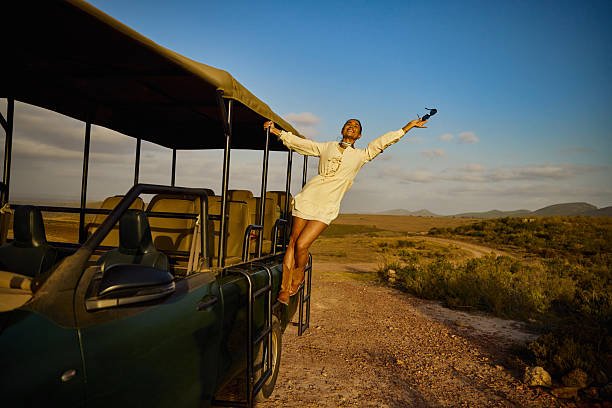
Tanzania Mountain Climbing Costs: A Comprehensive Guide For 2026-2027
Planning a mountain climb in Tanzania, especially Kilimanjaro, involves understanding the various costs involved. This guide breaks down the expenses for 2026-2027, covering park fees...
View package details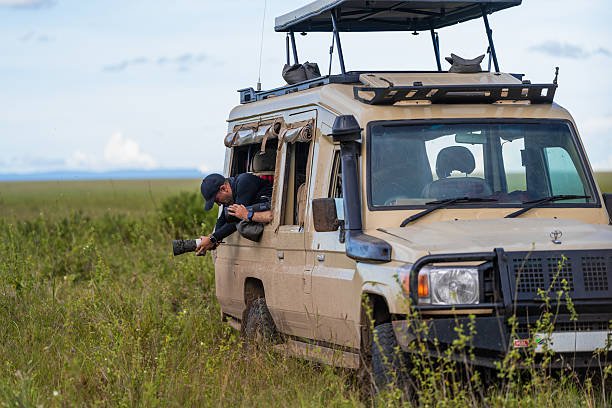
Tanzania Hiking Permit Fees: A Comprehensive Guide For Climbers 2026-2027
Planning a trek in Tanzania? This guide details the essential hiking permit fees for popular mountains like Kilimanjaro and Mount Meru, crucial for budgeting your 2026-2027 adventure. We...
View package details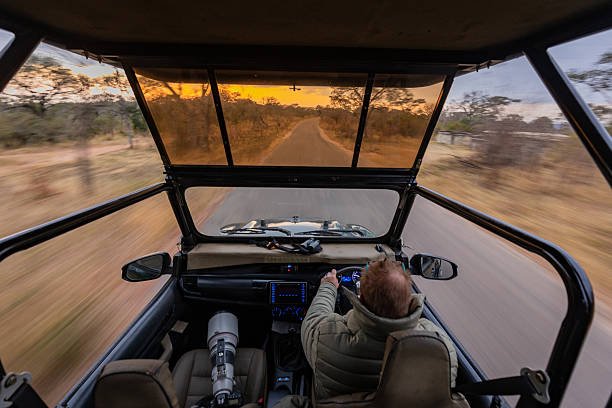
Common Tanzania Search Keywords For Planning Your Adventure 2026-2027
Planning a trip to Tanzania for 2026 or 2027? Understanding common search terms helps you find the best safaris, Kilimanjaro treks, and Zanzibar holidays. Top Guide Adventures breaks down...
View package detailsNo related package matches those filters. Clear one or more filters to see the other topic-matched options.



