
A Mount Kilimanjaro and Serengeti Safari package offers an extraordinary dual adventure in Tanzania, typically combining a 5-8 day trek up Africa’s highest peak with a 3-5 day safari exploring the Serengeti’s abundant wildlife, with prices for 2026-2027 varying widely based on itinerary length, accommodation style, and group size, often starting from around $3,500 – $6,000+ per person for well-equipped tours that include both experiences. These packages are designed to maximize your time in Tanzania, providing a complete taste of its natural wonders, from the summit of Kilimanjaro to the vast plains teeming with game.
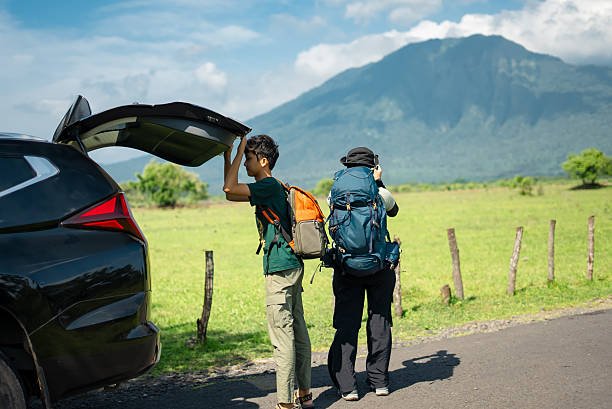
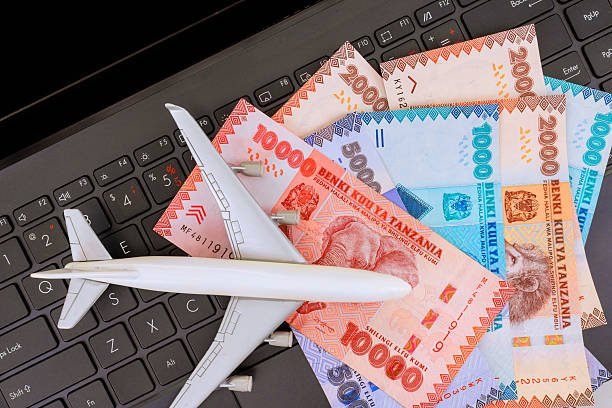
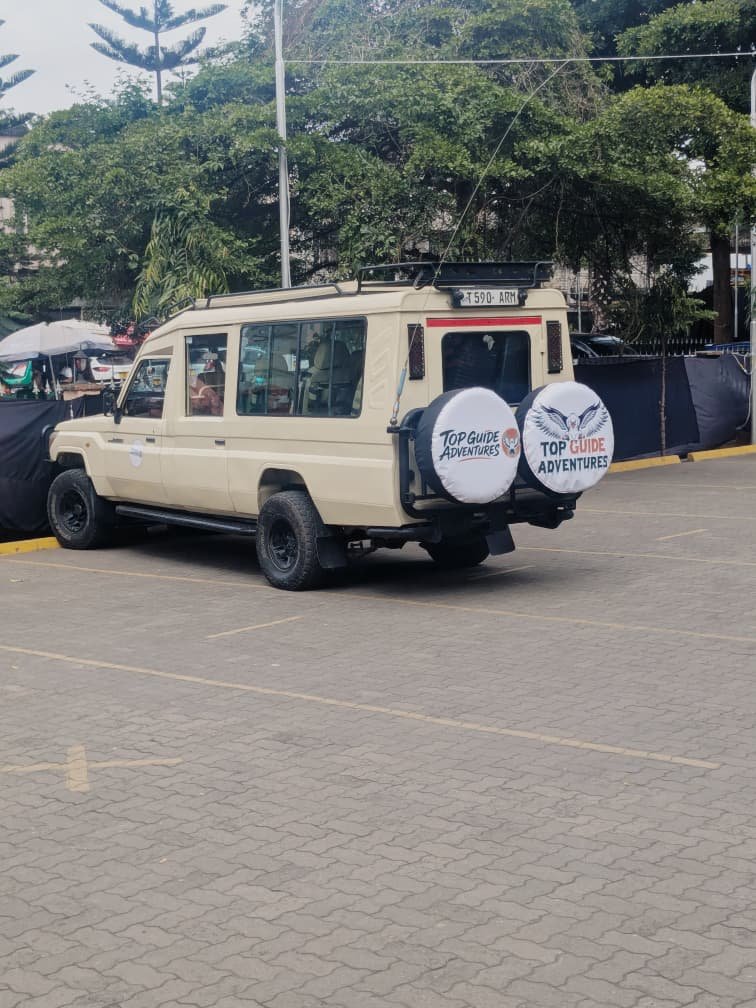
The Pinnacle of Adventure: Kilimanjaro and Serengeti in One Journey
Tanzania is a land of unparalleled natural beauty and iconic wildlife encounters. For many travelers, the dream is twofold: to stand atop Mount Kilimanjaro, the roof of Africa, and to witness the Great Migration or the Big Five in the legendary Serengeti National Park. Recognizing this desire, tour operators like Top Guide Adventures have crafted comprehensive Mount Kilimanjaro and Serengeti Safari Packages that seamlessly blend these two extraordinary experiences. These packages, increasingly popular for 2026 and 2027 travel, offer a logistical and experiential advantage, allowing you to focus on the adventure without the complexities of planning two distinct trips.
This isn’t just about ticking off bucket list items; it’s about a holistic immersion into the wild heart of East Africa. Imagine the physical and mental triumph of reaching Uhuru Peak, followed by the awe-inspiring spectacle of wildebeest thundering across the plains. This synergy of high-altitude challenge and wildlife immersion creates a profound connection with the natural world that few other destinations can offer.
Why Combine Kilimanjaro and Serengeti? The Allure of a Dual Adventure
The decision to combine a Kilimanjaro climb with a Serengeti safari is driven by a desire for a rich, multifaceted African experience. It appeals to adventurers who want to push their physical limits and then reward themselves with unparalleled wildlife viewing. Here’s why this combination is so compelling:
- Logistical Efficiency: Planning two major trips separately can be time-consuming and complex. A package streamlines this, with operators handling permits, transport, accommodation, guides, and park fees for both Kilimanjaro and the safari. This is particularly valuable for 2026-2027 planning, where early booking is recommended.
- Cost-Effectiveness: While a significant investment, bundled packages often provide better value than booking each component independently. Operators can leverage economies of scale for transport, accommodation, and guide services.
- Maximizing Your Time: Tanzania offers so much, but time is often limited. A combined package ensures you experience two of its most iconic attractions without feeling rushed.
- Complementary Experiences: The stark, majestic beauty of Kilimanjaro’s alpine deserts contrasts beautifully with the sprawling, life-filled savannas of the Serengeti. The physical challenge of the climb prepares you for the sensory richness of the safari.
- Unforgettable Memories: The feeling of accomplishment after a Kilimanjaro summit, coupled with the thrill of spotting a pride of lions or a herd of elephants, creates a deeply impactful and memorable journey.
Understanding the Components of a Kilimanjaro and Serengeti Safari Package
A typical Mount Kilimanjaro and Serengeti Safari Package involves two distinct phases, each with its own set of considerations:
Phase 1: The Kilimanjaro Climb
This is the more physically demanding part of your adventure. It involves trekking to the summit of Mount Kilimanjaro, an inactive volcano standing at 5,895 meters (19,341 feet) above sea level. The climb is not technically difficult but requires excellent physical condition and acclimatization to the altitude.
Choosing Your Kilimanjaro Route
The route you choose significantly impacts your climbing experience, success rate, and the overall cost of your package. Common routes include:
- Marangu Route (Coca-Cola Route): 5-6 days. The oldest and most popular route, known for its hut accommodations. It has a lower success rate due to its rapid ascent.
- Machame Route (Whiskey Route): 6-7 days. Considered one of the most scenic routes, it offers excellent acclimatization with a “climb high, sleep low” strategy. It has a higher success rate and is very popular for 2026-2027 departures.
- Lemosho Route: 7-8 days. A longer, more remote, and highly scenic route offering superior acclimatization and a higher success rate. Often considered the best route for a combination package.
- Shira Route: 7-8 days. Similar to Lemosho but starts at a higher altitude, offering stunning views early on.
- Rongai Route: 6-7 days. Approaches from the north, offering a different perspective and often drier conditions. Good for avoiding crowds.
- Northern Circuit: 9 days. The longest route, offering the best acclimatization and highest success rates, with spectacular panoramic views.
For a Mount Kilimanjaro and Serengeti Safari Package, longer routes like Machame, Lemosho, or the Northern Circuit are highly recommended for better acclimatization and a more enjoyable climbing experience, increasing your chances of reaching the summit. Top Guide Adventures specializes in tailoring these routes to your fitness and preferences for 2026 and 2027 climbs.
Key Inclusions for Kilimanjaro
A reputable package will typically include:
- Park entrance fees
- Camping fees or hut accommodation fees
- Professional, licensed Kilimanjaro guides
- Assistant guides
- Cooks and porters
- All meals on the mountain
- Boiled water
- Campsite/hut equipment (tents, sleeping mats, mess tents)
- Portable toilet
- Emergency oxygen and comprehensive first-aid kit
- Transfer to/from the mountain
Exclusions often include: climbing gear rental (boots, sleeping bags, poles), tips for the crew, personal travel insurance, and visa fees.
Phase 2: The Serengeti Safari
After descending Kilimanjaro and resting, you’ll start your safari adventure, typically starting from Arusha and heading into the vast plains of the Serengeti. This is where you’ll witness Tanzania’s incredible wildlife in its natural habitat.
Serengeti National Park and Beyond
The Serengeti is world-renowned for its immense plains, acacia woodlands, and the Great Migration – the annual movement of over two million wildebeest, zebras, and gazelles. Depending on the length of your safari, your package might also include visits to other iconic parks:
- Ngorongoro Conservation Area: A UNESCO World Heritage Site featuring the Ngorongoro Crater, a caldera teeming with wildlife, including the Big Five.
- Tarangire National Park: Known for its large elephant herds and iconic baobab trees, especially prominent during the dry season.
- Lake Manyara National Park: Famous for its tree-climbing lions and diverse birdlife.
The timing of your safari within your Mount Kilimanjaro and Serengeti Safari Package is crucial for maximizing wildlife viewing opportunities, especially if you aim to witness specific events like the Great Migration river crossings. For 2026-2027, planning around the migration’s predictable movements is key.
Safari Itinerary Options
Safari durations typically range from 3 to 5 days, allowing for a good overview of the Serengeti and potentially one or two other nearby parks. A common itinerary might look like:
- Day 1: Arusha to Tarangire National Park, game drive, overnight stay.
- Day 2: Tarangire to Serengeti National Park, en route game drive, overnight in Serengeti.
- Day 3: Full day game drive in Serengeti, searching for predators and diverse wildlife.
- Day 4: Morning game drive in Serengeti, then drive to Ngorongoro Conservation Area, overnight on crater rim.
- Day 5: Descend into Ngorongoro Crater for a game drive, then return to Arusha.
More extensive packages might extend the Serengeti stay or include additional parks like Lake Manyara.
Safari Accommodation Styles
Your safari accommodation significantly influences the experience and cost:
- Budget Camping: Basic but authentic, offering a close-to-nature experience.
- Tented Camps: More comfortable, often with en-suite bathrooms and elevated amenities, providing a blend of comfort and wilderness.
- Lodges: Permanent structures offering the highest level of comfort, often with swimming pools, restaurants, and bars.
Top Guide Adventures offers a range of options to suit different budgets and preferences for your Serengeti safari component in 2026-2027.
Key Inclusions for Safari
A comprehensive safari package usually includes:
- Park entrance fees
- Crater service fees (for Ngorongoro)
- Accommodation in chosen lodges or camps
- All meals (breakfast, lunch, dinner) during the safari
- A 4×4 safari vehicle with a pop-up roof for game viewing
- Professional, English-speaking safari guide
- Unlimited mileage game drives
- Bottled water during game drives
- Transfer to/from Arusha
Exclusions typically include: drinks at lodges/camps, tips for the safari guide, personal travel insurance, and visa fees.
Tailoring Your Mount Kilimanjaro and Serengeti Safari Package for 2026-2027
The beauty of booking a combined package is the ability to customize it to your specific needs, interests, and budget. When planning for 2026 or 2027, consider these customization factors:
Duration of the Trip
Standard packages often range from 10 to 15 days, allowing for 6-7 days on Kilimanjaro and 3-5 days on safari. However, you can extend or shorten this:
- Shorter trips (e.g., 10-12 days): Might involve a shorter Kilimanjaro route (like Marangu 5-day) and a briefer safari (3 days). This is feasible but sacrifices acclimatization time on the mountain.
- Longer trips (e.g., 15+ days): Allow for a longer Kilimanjaro route (8-9 days), a more in-depth safari (5+ days), and potentially include other destinations like Zanzibar or a cultural tour.
Kilimanjaro Route Selection
As mentioned, your choice of route is critical. For a successful and enjoyable climb, especially when combined with a safari, prioritize routes offering better acclimatization and higher success rates. The Machame Route or Lemosho Route are excellent choices for most travelers planning a Mount Kilimanjaro and Serengeti Safari Package in 2026-2027.
Safari Itinerary and Parks
Do you dream of seeing the Great Migration river crossings? Or are you more interested in spotting big cats in their dens? Your safari focus will shape the itinerary. Discuss with your tour operator:
- Migration Focus: If witnessing the migration is paramount, tailor your safari dates and route to align with its predicted location (e.g., Northern Serengeti for river crossings in July-September).
- Big Five Focus: Parks like the Serengeti and Ngorongoro Crater offer excellent chances of seeing the Big Five (lion, leopard, elephant, rhino, buffalo).
- Bird Watching: Parks like Lake Manyara are renowned for birdlife.
- Cultural Experiences: Incorporate visits to Maasai villages or local communities.
Accommodation Preferences
Whether you prefer the rugged authenticity of camping on Kilimanjaro and budget campsites on safari, the comfortable mid-range experience of tented camps, or the luxury of lodges and upscale tented accommodations, there are options to suit every style and budget for your 2026-2027 adventure.
Group Size and Type
Packages can be:
- Private Tours: Offer maximum flexibility, privacy, and personalized attention. Ideal for families or groups of friends.
- Group Tours: More economical, joining a small group of like-minded travelers. This is a great way to share the experience and costs, and Top Guide Adventures offers scheduled group departures for both Kilimanjaro climbs and safaris, making it easier to find compatible travel companions for 2026-2027.
Cost of a Mount Kilimanjaro and Serengeti Safari Package (2026-2027 Estimates)
The cost of a combined Mount Kilimanjaro and Serengeti Safari Package is a significant investment, and prices vary considerably. Factors influencing the price include:
- Duration: Longer trips naturally cost more.
- Kilimanjaro Route: Longer routes with better acclimatization (e.g., Lemosho 8-day) are more expensive than shorter ones (e.g., Marangu 5-day).
- Accommodation: Luxury lodges and camps are more costly than standard ones.
- Safari Vehicle: Private 4×4 vehicles are standard, but the type and service level can vary.
- Group Size: Private tours are more expensive per person than joining a group.
- Time of Year: Peak seasons (dry season, June-October) can be more expensive.
- Inclusions: The level of service and what’s included (e.g., gear rental, bottled water quantity) impacts price.
As a general guideline for 2026-2027:
- Budget/Mid-Range Packages: Expect prices to start from approximately $3,500 – $5,000 per person for a 10-12 day trip, using standard camping on Kilimanjaro and mid-range tented camps on safari.
- Mid-Range/Comfort Packages: For a 12-15 day trip with a longer Kilimanjaro route (e.g., Machame 7-day) and comfortable tented camps or lodges, prices might range from $5,000 – $7,500 per person.
- Luxury Packages: For extended itineraries, top-tier accommodation, private services, and potentially added luxuries, prices can range from $8,000 – $15,000+ per person.
It is crucial to get a detailed quote that clearly outlines all inclusions and exclusions. Top Guide Adventures provides transparent pricing for their Kilimanjaro and Serengeti packages, allowing you to plan your 2026-2027 adventure with confidence. For a personalized quote, you can reach them via WhatsApp +255616946642 or email at topguideadventures@gmail.com.
Important Considerations for Budgeting:
- Tips: Crew tips on Kilimanjaro and for the safari guide are a significant, expected cost, typically ranging from $200-$400 per climber and $150-$300 per safari vehicle.
- Visas: Factor in visa costs for Tanzania.
- Flights: International flights to Kilimanjaro International Airport (JRO) are not included.
- Travel Insurance: Comprehensive travel and medical evacuation insurance is mandatory and a crucial expense.
- Gear Rental: If you don’t own climbing gear, rental costs can add up.
Planning Your 2026-2027 Kilimanjaro and Serengeti Adventure
Successful planning is key to a memorable experience. Here’s a guide to help you prepare for your Mount Kilimanjaro and Serengeti Safari Package in 2026 or 2027:
Best Time to Travel
Tanzania offers year-round travel opportunities, but certain periods are better suited for this combination:
- Kilimanjaro: The best climbing seasons are the dry periods: January-March and June-October. These months offer clearer skies and better trekking conditions.
- Serengeti: The dry season (June-October) is ideal for wildlife viewing as animals congregate around water sources. The Great Migration is typically in the northern Serengeti during July-September and moves south towards the central/eastern plains later in the year. The “calving season” in the southern Serengeti (January-February) is excellent for viewing newborn animals and predator activity.
For a combined trip, aiming for the dry season (June-October) often provides the best balance for both climbing and safari. However, the shoulder months (May, November) can offer fewer crowds and potentially lower prices, though with a higher chance of rain.
Booking Window
Due to the popularity of Kilimanjaro climbs and Serengeti safaris, especially for 2026 and 2027, it is highly recommended to book your Mount Kilimanjaro and Serengeti Safari Package at least 6-12 months in advance. This is particularly important for:
- Securing your preferred Kilimanjaro route and dates.
- Ensuring availability for specific accommodation in the Serengeti and Ngorongoro.
- Allowing ample time for training and preparation.
- Arranging international flights.
Physical Preparation for Kilimanjaro
Climbing Kilimanjaro is a serious undertaking. While it doesn’t require technical mountaineering skills, a good level of cardiovascular fitness is essential. Start training at least 3-6 months before your climb:
- Cardiovascular Training: Engage in activities like hiking, running, cycling, or swimming for at least 3-4 times a week.
- Strength Training: Focus on leg and core strength.
- Hiking Practice: Undertake long hikes with a backpack, ideally on varied terrain, to simulate mountain conditions. Practice hiking uphill and downhill.
- Acclimatization: Understand that the best acclimatization happens on the mountain itself. Choosing a longer route is your best preparation tool.
What to Pack
Packing for both a strenuous trek and a safari requires careful planning. Key items include:
For Kilimanjaro:
- Layered clothing (base, mid, and outer layers)
- Waterproof and windproof outer shell
- Warm jacket (down or synthetic)
- Thermal base layers
- Fleece sweaters
- Hiking trousers
- Waterproof trousers
- Waterproof hiking boots (broken in!)
- Warm socks (wool or synthetic)
- Gloves (warm and liner)
- Warm hat
- Sun hat and sunglasses
- Headlamp with extra batteries
- Duffel bag (for porters) and daypack (for you)
- Sleeping bag (rated to -10°C or -20°C)
- Water bottles or hydration reservoir
- Sunscreen and lip balm (high SPF)
- Personal first-aid kit
For Safari:
- Lightweight, neutral-colored clothing (khaki, beige, green)
- Long-sleeved shirts and trousers (for sun and insect protection)
- Comfortable walking shoes or sandals
- Light jacket or fleece for cool evenings
- Binoculars
- Camera with extra batteries and memory cards
- Insect repellent
- Personal toiletries
- Small backpack for day use
Your tour operator will provide a detailed packing list. Top Guide Adventures offers guidance on essential gear for both Kilimanjaro climbs and Serengeti safaris for your 2026-2027 trips.
Choosing the Right Operator for Your Package
Selecting a reputable tour operator is paramount for a safe, enjoyable, and successful Mount Kilimanjaro and Serengeti Safari Package. Top Guide Adventures is a trusted Tanzanian company known for its:
- Local Expertise: Deep understanding of Kilimanjaro routes, safari parks, and local conditions.
- Experienced Guides: Certified, knowledgeable, and safety-conscious guides for both climbing and safari.
- Quality Equipment: Well-maintained climbing gear and reliable safari vehicles.
- Commitment to Safety: Emphasis on proper acclimatization, emergency procedures, and well-trained support crews.
- Personalized Service: Dedicated support and attention to detail for every client.
- Ethical Practices: Fair treatment of guides, porters, and staff.
When comparing operators for your 2026-2027 adventure, look for:
- Transparency in Pricing: Clear breakdown of what is included and excluded.
- Safety Record: Check reviews and testimonials.
- Customization Options: Ability to tailor the itinerary to your needs.
- Communication: Responsive and helpful communication during the planning phase.
Consider reading reviews on platforms like TripAdvisor (see Top Guide Adventures reviews) to gauge customer satisfaction.
Sample Itinerary: A 12-Day Kilimanjaro Climb & Serengeti Safari
This sample itinerary offers a balanced experience, combining the popular Machame route with a classic Serengeti and Ngorongoro safari. This is a popular choice for Mount Kilimanjaro and Serengeti Safari Packages in 2026-2027.
Day 1: Arrival in Tanzania
Arrive at Kilimanjaro International Airport (JRO). You will be met and transferred to your hotel in Moshi or Arusha. Briefing about your upcoming Kilimanjaro climb.
Day 2: Kilimanjaro – Machame Gate to Machame Camp
After breakfast, drive to Machame Gate. Begin your trek through lush rainforest to Machame Camp (approx. 7-8 hours trekking).
Day 3: Machame Camp to Shira Camp
Trek across moorlands with stunning views of the plains below. Reach Shira Camp (approx. 5-6 hours trekking).
Day 4: Shira Camp to Barranco Camp
A scenic day involving a “climb high, sleep low” strategy. Ascend towards the Lava Tower before descending to Barranco Camp (approx. 6-7 hours trekking).
Day 5: Barranco Camp to Karanga Camp
Conquer the Barranco Wall (a scramble) and continue through alpine desert to Karanga Camp (approx. 4-5 hours trekking).
Day 6: Karanga Camp to Barafu Camp
Trek across scree slopes towards Barafu Camp, the base for your summit attempt (approx. 3-4 hours trekking). Rest and prepare for the night climb.
Day 7: Barafu Camp to Uhuru Peak to Mweka Camp
Begin your summit attempt around midnight. Reach Uhuru Peak (5,895m) at sunrise. Descend to Barafu Camp for a short rest, then continue down to Mweka Camp (approx. 10-12 hours trekking).
Day 8: Mweka Camp to Arusha
Descend through the rainforest to Mweka Gate. Celebrate your achievement and transfer back to your hotel in Arusha.
Day 9: Arusha to Tarangire National Park
After breakfast, drive to Tarangire National Park, famous for its large elephant herds and baobab trees. Enjoy an afternoon game drive. Overnight at a lodge or tented camp.
Day 10: Tarangire to Serengeti National Park
Drive to the Serengeti, with a stop at a Maasai village if desired. Enjoy an afternoon game drive en route to your camp/lodge in the central Serengeti.
Day 11: Serengeti National Park
Full day exploring the vast plains of the Serengeti, searching for the Big Five, cheetahs, giraffes, and more. Optional hot air balloon safari at sunrise.
Day 12: Serengeti to Ngorongoro Crater & Departure
Morning game drive in the Serengeti as you drive towards the Ngorongoro Conservation Area. Descend into the Ngorongoro Crater for a spectacular game drive. In the late afternoon, drive back to Arusha for your onward journey or overnight stay.
Frequently Asked Questions about Kilimanjaro and Serengeti Packages
What is the best time of year for a combined Kilimanjaro and Serengeti trip in 2026-2027?
The dry season, from June to October, is generally considered the best time for a combined Mount Kilimanjaro and Serengeti Safari Package. This period offers favorable climbing conditions on Kilimanjaro with clearer skies and less rain, and excellent wildlife viewing in the Serengeti as animals gather around water sources. For 2026 and 2027, this remains the prime window.
How physically demanding is climbing Kilimanjaro?
Climbing Kilimanjaro is physically demanding due to the altitude and duration. While it does not require technical climbing skills, excellent cardiovascular fitness and mental resilience are crucial. Proper training and choosing a longer route (6-8 days) significantly improve your chances of success and enjoyment.
What is the typical success rate for climbing Kilimanjaro?
Success rates vary by route and operator, but generally range from 60% to 90%. Longer routes with better acclimatization strategies, such as the Machame, Lemosho, or Northern Circuit, offer higher success rates. Choosing a reputable operator like Top Guide Adventures, which prioritizes safety and acclimatization, is key.
What wildlife can I expect to see on a Serengeti safari?
The Serengeti is home to an incredible diversity of wildlife, including the Big Five (lion, leopard, elephant, rhino, buffalo), cheetahs, giraffes, zebras, wildebeest (especially during the Great Migration), hippos, crocodiles, and hundreds of bird species. The specific animals you see may depend on the season and your location within the park.
Are there any visa or vaccination requirements for Tanzania?
Most nationalities require a visa to enter Tanzania, which can often be obtained online in advance or upon arrival at the airport. It is advisable to check the latest visa requirements for your country. Recommended vaccinations often include Yellow Fever, Hepatitis A, Typhoid, and Malaria prophylaxis. Consult your doctor or a travel clinic well in advance of your 2026-2027 trip.
What is the difference between a lodge and a tented camp on safari?
Lodges are permanent structures, often built with stone or brick, offering amenities like swimming pools, restaurants, and bars. Tented camps feature canvas tents, which can range from basic to luxurious, often with en-suite bathrooms and comfortable furnishings, providing a more intimate connection with the wilderness.
Your Unforgettable Tanzanian Adventure Awaits
A Mount Kilimanjaro and Serengeti Safari Package is more than just a vacation; it’s a profound journey of personal achievement and natural discovery. From the awe-inspiring heights of Kilimanjaro to the wild, untamed plains of the Serengeti, this combination offers an unparalleled African experience. Whether you are planning for 2026, 2027, or beyond, Top Guide Adventures is dedicated to crafting your perfect itinerary.
We understand the nuances of combining these two iconic adventures and are committed to providing safe, memorable, and exceptional experiences. Let us help you plan every detail, ensuring your journey is as smooth and rewarding as possible. Reach out to our expert team today to start planning your dream Kilimanjaro and Serengeti Safari Package.
For inquiries and bookings, please contact us:
WhatsApp: +255616946642
Email: topguideadventures@gmail.com
Backup Email: info@topguideadventurestanzania.com
Visit our website for more information on our Tanzania tours and safaris.
”
}
Check Availability for Mount Kilimanjaro And Serengeti Safari Package 2026-2027
Ready to compare dates, prices, and the best option for your group? Send the package name and travel month so the team can reply with a clear quote, availability, and what is included.
Tanzania Attraction Entry Fees: Guide To Park And Reserve Costs For 2026-2027
Planning a trip to Tanzania? This comprehensive guide details the essential Tanzania attraction entry fees for 2026-2027, covering national parks, conservation areas, and cultural sites...
View package details
Tanzania Tour Package Prices: Your Guide To Safari & Kilimanjaro Costs
Understand Tanzania tour package prices for 2026-2027. This guide covers safari costs, Kilimanjaro climb pricing, Zanzibar holidays, and factors influencing your budget, offering clear...
View package details
Tanzania Conservation Fees Explained: Your Guide 2026-2027
Demystifying Tanzania's conservation fees is crucial for planning your safari or climb. This guide details the essential costs for national parks, reserves, and Mount Kilimanjaro for...
View package details
Serengeti Luxury Safari Cost Vs. Budget Safaris: Your Comparison Guide
This guide breaks down the cost differences between luxury and budget safaris in the Serengeti for 2026-2027. Understand what you get for your money, from accommodation and transport to...
View package details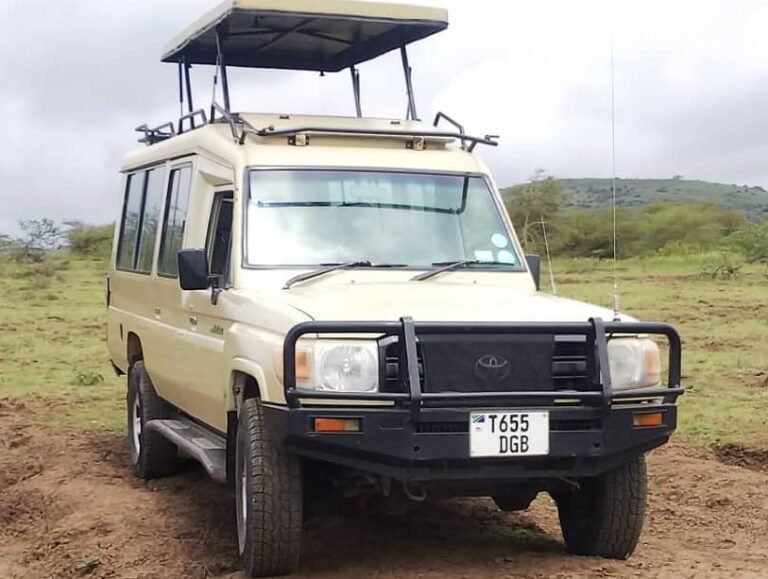
Serengeti National Park Game Drive Prices Explained For Adventures 2026-2027
Planning a Serengeti safari in 2026 or 2027? This guide breaks down Serengeti National Park game drive prices, explaining all the factors that influence your safari cost. Discover what's...
View package details
Tanzania Budget Safari Prices: Your Guide To Affordable Adventures 2026-2027
Planning a budget safari in Tanzania for 2026 or 2027? Understand the typical price ranges, what influences costs, and how to get the most value for your money. This guide breaks down the...
View package details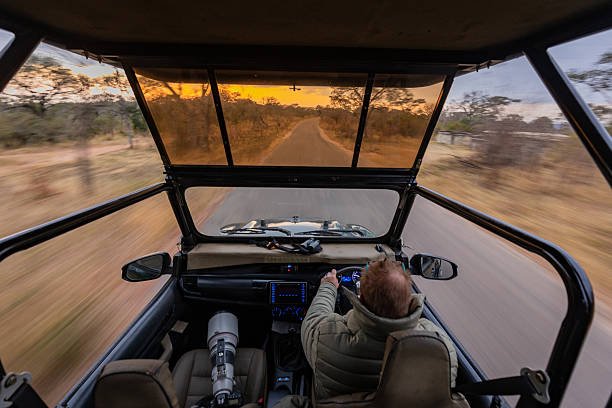
Tanzania National Park Entry Fees: A Complete Guide For 2026-2027
Planning a Tanzanian safari? This guide breaks down the 2026-2027 entry fees for all major national parks, helping you budget effectively for Serengeti, Ngorongoro, and beyond.
View package detailsHidden Costs Of Climbing Mount Kilimanjaro You Should Know 2026-2027
Hidden Costs of Climbing Mount Kilimanjaro You Should Know is explained with current 2026-2027 planning, price, itinerary and booking information.
View package details
Mount Kilimanjaro 5 Days, 6 7 And 8 Climbing Prices 2026-2027
Mount Kilimanjaro 5 Days, 6 Days, 7 Days and 8 Days Climbing Prices is explained with current 2026-2027 planning, price, itinerary and booking information.
View package detailsMahale Safari Prices: Your Guide To Chimpanzee Trekking Costs 2026-2027
Planning a Mahale safari? This guide breaks down Mahale safari prices for 2026-2027, covering chimpanzee trekking permits, accommodation options, transport, and essential budgeting tips for...
View package details
Kilimanjaro Porter, Guide And Camping Fees Breakdown 2026-2027
Kilimanjaro Porter, Guide and Camping Fees Breakdown is explained with current 2026-2027 planning, price, itinerary and booking information.
View package details
Kilimanjaro National Park: Your Ultimate Guide To Climbing Africas Highest
Your comprehensive guide to Kilimanjaro National Park, detailing everything needed to plan and execute a successful climb of Mount Kilimanjaro, including routes, preparation, costs, and...
View package detailsNo related package matches those filters. Clear one or more filters to see the other topic-matched options.



