
A Sukuma Museum Bujora tour offers an unparalleled glimpse into the rich cultural heritage of the Sukuma people, Tanzania’s largest ethnic group, showcasing their traditional way of life, art, beliefs, and history through a comprehensive collection of artifacts, historical buildings, and living cultural demonstrations. Top Guide Adventures can organize a personalized and informative visit to this significant cultural site, providing insights into local customs, craftsmanship, and the historical evolution of Sukuma society, making it a highlight of any Tanzania cultural experience in the Lake Victoria region for 2026 and 2027.


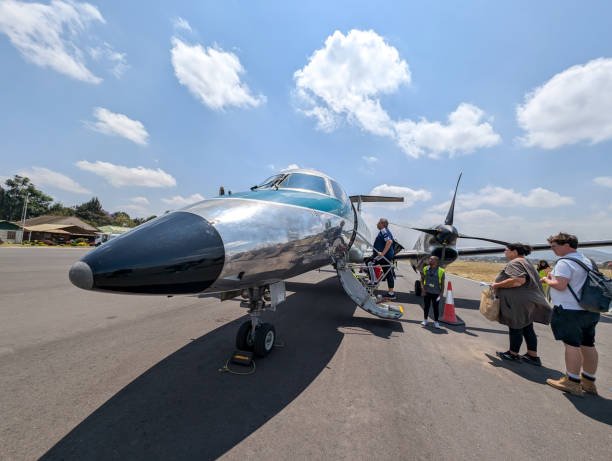
Discovering the Heart of Sukuma Culture at Bujora
The Sukuma Museum, situated in the village of Bujora near Mwanza on the shores of Lake Victoria, is more than just a collection of objects; it is a vibrant testament to the enduring spirit and rich traditions of the Sukuma people. For travelers seeking authentic cultural experiences in Tanzania, a tour of the Sukuma Museum Bujora is an essential component of their journey. This site serves as a living repository, preserving and celebrating the unique heritage of a community that has shaped the social and historical landscape of northwestern Tanzania for centuries. Top Guide Adventures specializes in crafting itineraries that connect visitors with the soul of Tanzania, and a visit to Bujora stands out as a profoundly rewarding experience.
Bujora itself is a historically significant location, once serving as the political and spiritual center for Sukuma chiefs. The museum complex has grown around this historical nucleus, meticulously curated to provide visitors with a deep understanding of Sukuma life. From the intricate details of their agricultural practices and complex social structures to their spiritual beliefs and artistic expressions, the museum offers a holistic perspective. When planning your Tanzanian adventure for 2026 or 2027, consider integrating this cultural gem into your itinerary for an educational and enriching encounter.
Why Visit the Sukuma Museum Bujora? The Cultural Significance
The Sukuma people, renowned for their agricultural prowess, vibrant dances, and intricate beadwork, possess a culture that is both complex and deeply rooted. The Sukuma Museum Bujora acts as a crucial bridge, allowing both Sukuma themselves and international visitors to connect with this heritage. It plays a vital role in:
- Preserving Traditions: In an era of rapid modernization, the museum provides a sanctuary for traditional Sukuma practices, art forms, and historical narratives, ensuring they are not lost to future generations.
- Educating Visitors: It offers an accessible and engaging platform for learning about Sukuma history, social organization, spiritual beliefs, and daily life.
- Cultural Exchange: The site fosters understanding and appreciation between different cultures, promoting dialogue and respect.
- Supporting Local Community: By attracting visitors, the museum contributes to the economic well-being of the Bujora village and the surrounding region.
For travelers interested in the diverse ethnic groups of Tanzania, the Sukuma Museum Bujora is a must-see. It complements wildlife safaris by offering a different, yet equally important, dimension of the country’s identity. Top Guide Adventures understands this balance and helps integrate such cultural excursions seamlessly into broader Tanzanian travel plans.
What to Expect on a Sukuma Museum Bujora Tour
A typical Sukuma Museum Bujora tour, expertly guided by Top Guide Adventures, is designed to be comprehensive and engaging. Visitors can anticipate a journey through various facets of Sukuma life:
The Main Exhibition Halls
The museum houses several exhibition spaces, each dedicated to different aspects of Sukuma culture. You’ll find displays detailing:
- Agriculture and Economy: Tools, techniques, and the importance of crops like sorghum, millet, and cotton in Sukuma society.
- Social Structure and Governance: Insights into traditional leadership, family units, and community organization.
- Spiritual Beliefs and Practices: Information on traditional healers (waganga), ancestor veneration, and the role of spirits.
- Art and Craftsmanship: Exhibits showcasing intricate beadwork, pottery, wood carvings, musical instruments, and ceremonial attire.
- Historical Artifacts: Objects that tell the story of the Sukuma people’s migration, interactions with other groups, and their history under colonial rule and into independence.
Traditional Architecture and Living History
One of the most striking features of the Sukuma Museum Bujora is its collection of traditional buildings. The centerpiece is often the reconstructed royal enclosure, a fascinating insight into the dwelling of a Sukuma chief. These structures, built using traditional materials and techniques, offer a tangible connection to the past. You might also see:
- The Royal Hut: A representation of the chief’s dwelling, often elaborately decorated and signifying status.
- Communal Houses: Demonstrations of how families lived and socialized.
- Specialized Workshops: Areas that might show traditional blacksmithing or pottery making.
These architectural elements provide context that text and objects alone cannot convey, bringing the history and daily life of the Sukuma people vividly to life.
Cultural Performances and Demonstrations
Depending on the day of your visit and arrangements made by Top Guide Adventures, you may have the opportunity to witness live cultural performances. These can include:
- Traditional Sukuma Dances: Energetic and rhythmic performances that are central to Sukuma celebrations and ceremonies.
- Music Demonstrations: Showcasing the unique sounds of Sukuma instruments, such as drums, rattles, and stringed instruments.
- Craft Demonstrations: Local artisans might be present, demonstrating skills like beadwork, pottery, or weaving, offering a chance to see these crafts in action and perhaps purchase authentic souvenirs.
These living demonstrations are often the most memorable part of a Sukuma Museum Bujora tour, offering an authentic connection to the vibrant cultural expression of the Sukuma people.
Planning Your Sukuma Museum Bujora Tour with Top Guide Adventures
Top Guide Adventures is dedicated to providing exceptional travel experiences in Tanzania. For a Sukuma Museum Bujora tour, we focus on creating personalized journeys that align with your interests and travel style. Here’s how we make your visit smooth and enriching:
Customized Itineraries
We understand that every traveler is unique. Whether you’re interested in a brief cultural stopover en route to other destinations or a dedicated exploration of Sukuma heritage, we tailor your tour accordingly. We can incorporate the Bujora visit into longer itineraries covering:
- Northern Tanzania Safaris: Combining cultural insights with wildlife viewing in Serengeti, Ngorongoro, and Tarangire.
- Southern Tanzania Safaris: Exploring parks like Selous (Nyerere National Park) and Ruaha, with a cultural detour.
- Kilimanjaro Climbs: Adding a cultural dimension before or after your trek.
- Zanzibar Holidays: Connecting mainland cultural experiences with island relaxation.
For 2026 and 2027 travel, we are already planning and booking tours that include this enriching cultural component. Early booking is advisable, especially for peak seasons.
Logistics and Transportation
Getting to Bujora is part of the adventure. Located near Mwanza, the gateway to Lake Victoria, the museum is accessible via:
- Flights to Mwanza: Regular domestic flights connect Mwanza to Dar es Salaam and Kilimanjaro International Airport.
- Road Travel: For those on a longer overland journey, we arrange comfortable and reliable 4×4 safari vehicles with experienced drivers.
Top Guide Adventures handles all transportation arrangements, ensuring a comfortable and safe journey to and from Bujora. We can pick you up from your Mwanza accommodation or arrange transfers from the airport.
Expert Local Guides
Our guides are knowledgeable about Sukuma culture and history, providing context and insights that enhance your understanding. They can facilitate interactions with local community members and ensure you gain the most from your visit. Their expertise transforms a simple museum visit into an educational exploration.
Accommodation Options
Depending on your itinerary, we can arrange accommodation in Mwanza or other nearby towns. Options range from comfortable lodges and hotels to more rustic guesthouses, catering to various budgets and preferences. We ensure your stay is convenient for accessing the museum and other regional attractions.
The Sukuma People: History and Heritage
To truly appreciate the Sukuma Museum Bujora, understanding the people themselves is key. The Sukuma, meaning ‘people of the north,’ are the largest single ethnic group in Tanzania, with a population estimated to be over 10 million. Their historical heartland lies in the regions surrounding Lake Victoria, particularly Mwanza, Shinyanga, and Simiyu.
Origins and Migrations
The origins of the Sukuma are intertwined with the broader Bantu migrations. Historical accounts and oral traditions suggest they migrated into their current homeland centuries ago, establishing complex societies characterized by decentralized chiefdoms. Their history is marked by resilience, adaptation, and a strong sense of community.
Social and Political Organization
Traditionally, Sukuma society was organized into a number of autonomous chiefdoms, each led by a chief (Mwami). These chiefdoms were not always unified, but they shared common linguistic and cultural traits. The museum reflects this organization, showcasing the symbols of power and the administrative structures that once governed the land. The concept of kinship and lineage has always been central to Sukuma life, influencing social interactions, marriage customs, and land inheritance.
Spiritual Life and Beliefs
The spiritual landscape of the Sukuma is rich and multifaceted. While many Sukuma have adopted Christianity or Islam, traditional beliefs continue to hold significant influence. Key elements include:
- Ancestor Veneration: A deep respect for ancestors, who are believed to mediate between the living and the spiritual world.
- Belief in Spirits: The existence of various spirits, both benevolent and malevolent, that inhabit the natural world and can influence human affairs.
- Traditional Healers (Waganga): Respected individuals who possess knowledge of herbal medicine, divination, and spiritual healing. They play a crucial role in community health and well-being.
- The Role of the Lion: The lion holds symbolic importance in Sukuma culture, often associated with power, leadership, and certain spiritual societies. The museum may feature artifacts related to these beliefs.
Understanding these spiritual dimensions adds depth to the appreciation of Sukuma art, music, and social customs.
Economic Life and Traditional Crafts
The Sukuma are primarily agriculturalists, cultivating crops like sorghum, millet, cassava, sweet potatoes, and cotton. Cattle herding is also a significant part of their economy and cultural identity, with cattle often serving as a measure of wealth and used in dowry payments. Their traditional crafts are a reflection of their resourcefulness and artistic talent:
- Beadwork: Exquisite beadwork, often in vibrant colors, is used to adorn clothing, jewelry, calabashes, and ceremonial items. The patterns and colors can carry symbolic meanings.
- Pottery: Skilled artisans create functional and decorative pottery using local clay.
- Wood Carving: Intricate carvings are found in furniture, tools, and ceremonial objects.
- Metalworking: Traditional blacksmiths produce tools, weapons, and decorative items from iron.
- Music and Dance: Music and dance are integral to Sukuma life, used in celebrations, rituals, and storytelling. The variety of drums, rattles, and other instruments is impressive.
The Sukuma Museum Bujora showcases many of these crafts, providing a tangible link to the skills and artistry passed down through generations. For those planning trips in 2026 or 2027, these crafts remain a vibrant part of Sukuma culture.
Exploring Bujora Village Beyond the Museum
While the Sukuma Museum is the primary draw, the village of Bujora itself offers opportunities for further cultural immersion. Top Guide Adventures can arrange visits that allow you to experience:
Interactions with Local Communities
With the guidance of our local experts, you can engage respectfully with residents of Bujora. This might involve visiting local markets, observing daily activities, or even sharing a traditional meal (arranged in advance and with cultural sensitivity). These interactions provide invaluable insights into contemporary Sukuma life, which continues to evolve while retaining its cultural roots.
Visiting Local Artisans
If you’re particularly interested in Sukuma crafts, we can arrange visits to workshops where you can see artisans at work. This is a wonderful opportunity to learn about their techniques, the materials they use, and the cultural significance of their creations. Purchasing items directly from artisans supports their livelihoods and ensures you get authentic pieces.
Exploring the Surroundings
Bujora is situated in a picturesque setting near Lake Victoria. Depending on your interests and the time available, we can incorporate short excursions to nearby areas, perhaps visiting a local fishing village to understand the importance of the lake to the regional economy, or exploring the natural beauty of the lakeside landscape.
Logistics for Your Sukuma Museum Bujora Tour in 2026-2027
Planning a trip to Tanzania for 2026 or 2027 involves careful consideration of logistics. Top Guide Adventures simplifies this process for your Sukuma Museum Bujora tour.
Best Time to Visit
The Sukuma Museum Bujora can be visited year-round. However, the best time to visit the Lake Victoria region generally aligns with Tanzania’s dry seasons, which are:
- June to October: Pleasant temperatures and low humidity, ideal for travel.
- December to February: Warmer, drier periods, often considered a secondary peak season.
The rainy seasons (March-May and November) can bring heavier rainfall, which might affect travel conditions, though cultural experiences at the museum remain unaffected. We advise booking your tours for 2026 and 2027 well in advance, especially if you plan to travel during peak months.
Duration of Visit
A visit to the Sukuma Museum Bujora typically requires 2 to 4 hours to fully appreciate the exhibits and surrounding village. This can be adjusted based on your interest level and the specific activities you wish to include, such as craft demonstrations or community visits.
What to Bring
To make your Sukuma Museum Bujora tour comfortable and enjoyable, we recommend bringing:
- Comfortable walking shoes: You’ll be doing a fair amount of walking around the museum grounds and village.
- Sun protection: A hat, sunglasses, and sunscreen are essential, especially during drier months.
- Insect repellent: Particularly important if you are visiting during the wetter seasons or spending time near the lake.
- Camera: To capture the vibrant culture and scenery.
- Small notebook and pen: For jotting down notes or questions.
- Cash: For purchasing souvenirs or tipping guides (optional). Local currency is the Tanzanian Shilling (TZS).
Health and Safety
Tanzania has specific health recommendations. Visitors should consult their doctor regarding vaccinations, particularly for Yellow Fever (which may be required for entry depending on your travel route) and malaria prophylaxis. Top Guide Adventures prioritizes the safety and well-being of its clients, ensuring all tours adhere to high standards of hygiene and safety. Our vehicles are well-maintained, and our guides are trained in first aid.
Integrating Bujora into Your Tanzania Itinerary
The Sukuma Museum Bujora is a versatile addition to many Tanzanian travel plans. Here are a few ideas on how Top Guide Adventures can integrate it:
As a Stopover Between Destinations
If you are traveling overland between regions, or flying into and out of Mwanza, Bujora can serve as an excellent cultural stop. For instance, after a safari in the western circuit parks like Rubondo Island National Park or even as a cultural supplement to a Serengeti or Ngorongoro safari if flying via Mwanza.
Part of a Cultural Tourism Circuit
Combine your Sukuma Museum Bujora tour with other cultural experiences in Tanzania. This could include visits to Maasai villages, Hadzabe hunter-gatherer communities (in the Manyara region), or exploring the historic Stone Town in Zanzibar. This creates a rich mix of cultural understanding across the country.
A Day Trip from Mwanza
For travelers based in Mwanza, a day trip to the Sukuma Museum Bujora is a perfect way to spend a day exploring the local heritage. Top Guide Adventures can arrange transportation, guided tours, and lunch, making it a hassle-free and enjoyable experience.
Dedicated Cultural Expeditions
For those with a deep interest in Tanzanian cultures, we can design extended trips focusing on the Sukuma people and other ethnic groups, allowing for more in-depth exploration and interaction.
When booking your 2026 or 2027 adventure, discuss your interests with us, and we will craft an itinerary that includes the Sukuma Museum Bujora in a way that maximizes your cultural discovery.
Comparing Bujora with Other Cultural Sites in Tanzania
Tanzania is rich in cultural heritage sites, each offering a unique perspective. While the Sukuma Museum Bujora focuses specifically on the largest ethnic group, comparing it with other sites highlights its distinct value:
- Maasai Bomas: These offer insights into the semi-nomadic pastoralist lifestyle of the Maasai, focusing on their cattle culture, traditions, and social structures. While often more interactive with living communities, they may lack the structured historical depth of a museum.
- Hadza & Sandawe Communities: These tours focus on the last hunter-gatherer tribes in Africa, offering a rare glimpse into ancient human lifestyles. These are highly specialized and require significant logistical planning.
- Zanzibar Stone Town: A UNESCO World Heritage Site, Stone Town provides a fascinating blend of Swahili, Arab, Persian, Indian, and European influences, evident in its architecture, history, and vibrant culture. It’s a historical urban center, very different from the rural focus of Bujora.
- Cultural Heritage Centers (e.g., Arusha Cultural Heritage Centre): These centers often act as hubs for various Tanzanian cultures, featuring art, crafts, and information about different ethnic groups. They provide a broader overview but might not offer the focused depth of a site like Bujora.
The Sukuma Museum Bujora stands out for its comprehensive, museum-based approach to detailing the history, traditions, and daily life of a specific, major ethnic group. It offers a structured, educational experience combined with the potential for living cultural interaction in the surrounding village.
Cost Considerations for a Sukuma Museum Bujora Tour
The cost of a Sukuma Museum Bujora tour with Top Guide Adventures is typically integrated into your overall Tanzanian itinerary. While specific entrance fees for the museum are relatively modest, the overall cost depends on several factors:
- Transportation: The distance from your starting point (e.g., Mwanza) and the type of vehicle used.
- Guide Services: The expertise and duration of your guide’s involvement.
- Accommodation: If the visit is part of an overnight stay in the Mwanza region.
- Inclusions: Whether cultural performances or community visits are part of the package.
- Group Size: Prices are often per person, with potential discounts for larger groups.
For a typical day trip from Mwanza, including private transportation and a knowledgeable guide, you might expect costs in the range of $150 – $300 per person for a small group, depending on the exact services and duration. For tours extending beyond a day trip, or as part of a larger safari package, the cost per person might be lower as it’s distributed across more services.
Top Guide Adventures provides transparent pricing based on your specific requirements. We encourage you to contact us for a personalized quote for your 2026 or 2027 trip. You can reach us via WhatsApp at +255616946642 or email us at topguideadventures@gmail.com or info@topguideadventurestanzania.com.
Booking Your Sukuma Museum Bujora Tour
Ready to experience the rich culture of the Sukuma people? Booking your Sukuma Museum Bujora tour with Top Guide Adventures is straightforward:
- Contact Us: Reach out via WhatsApp (+255616946642) or email (topguideadventures@gmail.com / info@topguideadventurestanzania.com).
- Share Your Interests: Let us know your travel dates, the duration of your trip, your budget, and any specific cultural aspects you are most interested in.
- Receive a Custom Itinerary: We will craft a detailed itinerary that includes your Sukuma Museum Bujora visit, tailored to your preferences.
- Confirm and Book: Once you approve the itinerary, we will guide you through the booking process.
We recommend booking your tours for 2026 and 2027 as early as possible, especially if you are planning to travel during popular seasons or require specific accommodations. Early booking ensures availability and allows us to meticulously plan every detail of your Tanzanian adventure.
Top Guide Adventures is committed to providing you with an authentic, memorable, and smooth travel experience. Let us help you discover the interesting world of the Sukuma people at Bujora.
Did You Know?
The Sukuma Museum is home to a unique collection of over 100 traditional huts and houses, meticulously reconstructed to represent various aspects of Sukuma life, from royal dwellings to common family homes. This makes it one of the most comprehensive open-air ethnographic museums in East Africa.
Frequently Asked Questions about Sukuma Museum Bujora Tours
Here are answers to some common questions travelers have about visiting the Sukuma Museum Bujora:
What are the opening hours for the Sukuma Museum Bujora?
The museum is generally open daily, typically from morning until late afternoon. However, hours can vary, and it’s best to confirm with your guide or Top Guide Adventures when booking, especially if you plan to visit on a public holiday. We ensure our planned visits align with the museum’s operating times.
Is photography allowed inside the museum?
Photography is usually permitted in most areas of the museum and village, but it’s always respectful to ask permission before taking photos of individuals, especially during cultural performances or private moments. There might be a small fee for photography in certain specific exhibits or for professional filming.
Can I buy souvenirs at the Sukuma Museum Bujora?
Yes, there is often a small shop or opportunities to purchase authentic crafts directly from local artisans. This is a great way to support the community and take home a meaningful piece of Sukuma culture. We can arrange specific visits to artisan workshops if this is a priority for your tour.
How far is Bujora from Mwanza?
Bujora village is located approximately 15-20 kilometers (9-12 miles) east of Mwanza city. The journey by road typically takes about 30-45 minutes, depending on traffic and road conditions.
What is the best way to get to Bujora?
The most convenient way to visit Bujora is with a private vehicle and guide, arranged by Top Guide Adventures. This allows for flexibility, comfort, and insightful commentary. Public transport is available but can be less direct and more time-consuming.
Are there restroom facilities available?
Basic restroom facilities are usually available at the museum site. Your guide will ensure you know where they are located and can advise on any hygiene considerations.
Is the Sukuma Museum Bujora accessible for people with mobility issues?
The museum grounds are largely outdoors with some uneven terrain. While efforts are made to maintain pathways, accessibility can be challenging for individuals with significant mobility issues. Please discuss any specific needs with Top Guide Adventures in advance so we can assess the situation and make necessary arrangements or provide guidance.
Planning your Sukuma Museum Bujora tour with Top Guide Adventures ensures a culturally rich and logistically smooth experience. We are ready to help you craft an unforgettable journey for your 2026-2027 travels in Tanzania. Contact us today to begin planning!
Check Availability for Sukuma Museum Bujora Tour: A Comprehensive Guide By Top Adventures 2026-2027
Ready to compare dates, prices, and the best option for your group? Send the package name and travel month so the team can reply with a clear quote, availability, and what is included.
Best 1 Day Lake Manyara Safari From Moshi: Your Ultimate Wildlife Experience
A 1-day Lake Manyara safari from Moshi offers an incredible opportunity to witness diverse wildlife, including iconic tree-climbing lions, in a single, action-packed day. This guided tour…
Book 1 Day Tarangire Safari From Moshi: Your Ultimate Wildlife Adventure
Discover the magic of a 1-day Tarangire Safari departing from Moshi. This guide covers everything you need to know for an unforgettable wildlife adventure in Tarangire National Park, from…

Best 4 Days Safari Tanzania From Zanzibar In 2026-2027
Discover the ultimate 4-day safari experience from Zanzibar. This guide covers the best itineraries, wildlife viewing opportunities in Tarangire, Lake Manyara, and Ngorongoro Crater for…
Best 3-Day Safari Tanzania From Zanzibar: Private Itinerary + Price 2026
Experience the thrill of a 3-day Tanzania safari departing from Zanzibar. This guide covers the best park options, itinerary ideas, and essential planning tips for 2026-2027, ensuring an…
2-Day Safari Tanzania From Zanzibar: Best Fly in Mainland 2026-2027
Discover the thrill of a 2-day safari in mainland Tanzania, starting from the idyllic island of Zanzibar. This short yet impactful adventure allows you to witness the incredible wildlife of…
No related package matches those filters. Clear one or more filters to see the other topic-matched options.



