
The Shinyanga Tanzania travel guide for 2026-2027 centers on experiencing the rich cultural heritage of the Sukuma people, exploring historical sites like the Kakola rock paintings, and understanding the region’s significance in Tanzania’s diamond mining history, all while enjoying the unique landscapes and warm hospitality of this lesser-visited area.

Welcome to Shinyanga: Gateway to Sukumaland
Shinyanga, a prominent town in northwestern Tanzania, serves as the capital of the Shinyanga Region and is the cultural heartland of the Sukuma people, the largest ethnic group in the country. Often overlooked in favor of the more famous safari destinations, Shinyanga offers a profound glimpse into authentic Tanzanian life, rich traditions, and a history deeply intertwined with both agriculture and the precious stones beneath its soil. For travelers seeking a genuine cultural experience away from the typical tourist trails, Shinyanga presents a compelling destination, especially as plans for 2026 and 2027 begin to take shape.
This guide is crafted to provide an in-depth look at what makes Shinyanga a worthwhile stop for the discerning traveler. We’ll explore its historical roots, vibrant cultural practices, natural attractions, and practical considerations for visiting in the coming years. Whether you’re interested in understanding Sukuma art, learning about traditional farming, or simply connecting with local communities, Shinyanga offers a unique window into Tanzania’s diverse heritage.
The Sukuma People: Guardians of Tradition
Understanding Shinyanga is impossible without appreciating the Sukuma people. Their name, “Sukuma,” translates to “people of the north,” reflecting their ancestral origins. They are renowned for their intricate art, particularly their distinctive fabric paintings, elaborate beadwork, and carved wooden figures. These artistic expressions are not merely decorative; they are deeply rooted in storytelling, spiritual beliefs, and the recording of history and social customs.
Traditional Sukuma society is organized around clans, with a strong emphasis on community, respect for elders, and a rich oral tradition. Their agricultural practices, centered on cultivating crops like maize, cassava, and cotton, have sustained them for centuries. While modernization has influenced many aspects of their lives, many Sukuma communities, particularly in the rural outskirts of Shinyanga town, continue to uphold ancient customs and rituals. This is a living culture that visitors can respectfully engage with, offering a stark contrast to the more commercialized cultural experiences found elsewhere.
Sukuma Art and Craftsmanship
The artistic legacy of the Sukuma is a major draw for cultural tourism. Visitors to Shinyanga can expect to encounter:
- Sukuma Paintings: These vibrant artworks, often created on fabric using natural dyes, depict scenes from daily life, historical events, folklore, and spiritual narratives. They are a visual encyclopedia of Sukuma culture.
- Beadwork: Intricately designed beadwork adorns clothing, jewelry, and ceremonial items. The colors and patterns often carry specific meanings, communicating status, marital status, or tribal affiliation.
- Wood Carvings: Sculptures, masks, and utilitarian objects carved from wood showcase the skill of Sukuma artisans. These often represent ancestral spirits, animals, or important figures in Sukuma mythology.
- Pottery: Traditional pottery making remains a vital craft, producing functional and sometimes decorative earthenware.
For travelers planning their trips in 2026 or 2027, seeking out local craft markets and workshops around Shinyanga is highly recommended. Interacting with the artisans, understanding their techniques, and purchasing directly supports the preservation of these cultural traditions.
Traditional Ceremonies and Music
While specific dates for traditional ceremonies can be fluid and often tied to agricultural cycles or significant life events, the spirit of Sukuma performance arts is ever-present. Visitors might have the opportunity to witness traditional dances, accompanied by rhythmic drumming and vocalizations. The “Bumbe” dance, for instance, is a well-known performance. If you are fortunate enough to be in Shinyanga during a local festival or celebration, the experience can be truly memorable. It’s advisable to inquire locally or through your tour operator about any upcoming events when planning your 2026-2027 itinerary.
Historical Significance of Shinyanga
Shinyanga’s history is marked by its role as a center for the Sukuma people and, more recently, its prominence in the diamond mining industry. The region’s past is etched in its landscapes and local narratives.
The Legacy of Diamond Mining
Shinyanga is famously known as the “Diamond Capital of Tanzania.” The discovery of diamonds in the area in the mid-20th century transformed the region, attracting people from all over the country and beyond. The Williamson Diamond Mine, one of the largest diamond mines in the world, is located near Shinyanga. While much of the large-scale mining is now managed by major corporations, artisanal mining still plays a role in the local economy and culture. The history of mining has shaped the town’s development, its demographics, and its economic outlook.
For those interested in this aspect of Shinyanga’s heritage, visiting the outskirts of the mining areas (with appropriate local guidance and permissions) or speaking with long-time residents can offer insights into the boom-and-bust cycles and the social impact of the diamond rush. It’s a fascinating chapter in Tanzania’s economic history.
Ancient Rock Art and Archaeological Sites
The broader Shinyanga Region is home to significant archaeological sites, most notably the Kakola rock paintings. These ancient artworks, found in caves and on rock shelters, provide a glimpse into the lives of the region’s earliest inhabitants, predating the Sukuma by millennia. The paintings often depict animals, human figures, and abstract symbols, offering clues about prehistoric life, beliefs, and rituals.
Exploring these sites, such as those near the village of Kakola, requires careful planning and often local guides who understand the terrain and the cultural significance of the locations. These are not easily accessible tourist attractions but rather windows into deep history, making them incredibly rewarding for history buffs and adventurous travelers. Planning a visit in 2026 or 2027 for such an expedition is a chance to connect with Tanzania’s ancient past.
Key Attractions and Experiences in Shinyanga
While Shinyanga may not boast the dramatic landscapes of the Serengeti or the towering peaks of Kilimanjaro, its attractions are rooted in cultural depth and local life.
The Shinyanga Regional Museum
For a concentrated introduction to the region’s heritage, the Shinyanga Regional Museum is an essential stop. It houses a collection of artifacts that tell the story of the Sukuma people, their traditions, agricultural tools, musical instruments, and the history of diamond mining in the area. It’s a well-curated space that provides context for everything else you might see and experience in Shinyanga.
Local Markets and Bazaars
The bustling local markets in Shinyanga are the lifeblood of the town. Here, you can witness daily commerce, interact with local vendors, and find a variety of goods, from fresh produce and spices to local crafts and textiles. The sights, sounds, and smells of the market offer an authentic slice of Tanzanian life. It’s a fantastic place to practice your Swahili, observe local interactions, and perhaps find unique souvenirs. Visiting these markets is a core experience for anyone wanting to understand the pulse of Shinyanga.
Exploring the Surrounding Landscapes
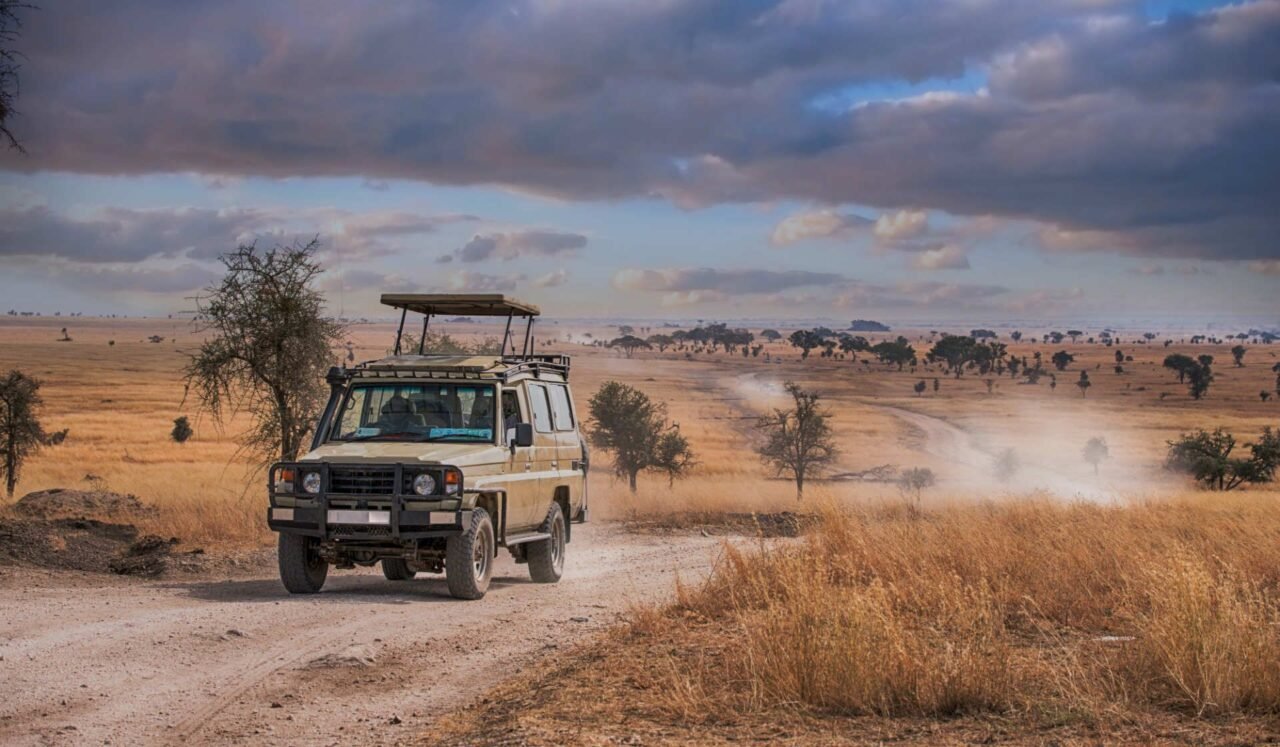
Beyond the town itself, the Shinyanga Region offers rolling hills, acacia-dotted plains, and traditional villages. While not a prime safari destination in the traditional sense, the rural areas provide opportunities for:
- Village Visits: With the help of a local guide, arranged through operators like Top Guide Adventures, you can visit Sukuma villages. This allows for respectful interaction with local communities, learning about their way of life, and understanding their customs firsthand.
- Nature Walks: Explore the less-trafficked countryside, observe local flora and fauna, and appreciate the semi-arid beauty of the region.
- Agricultural Tours: Learn about traditional farming methods, the cultivation of cotton, and the importance of agriculture to the local economy.
These experiences offer a more intimate connection with the land and its people, far removed from the crowds of popular tourist spots.
The Significance of the “Boma” Culture
In many traditional Sukuma communities, the “boma” (homestead or enclosure) is the center of family and social life. Observing the structure and organization of a typical Sukuma boma, understanding the roles of different family members, and witnessing the daily routines can be a very educational experience. These visits, when facilitated respectfully, offer profound insights into the social fabric of Sukuma society.
Planning Your Shinyanga Trip for 2026-2027
A visit to Shinyanga requires thoughtful planning to make the most of its unique offerings. Here are key considerations for planning your trip in 2026 or 2027.
Best Time to Visit
The climate in Shinyanga is generally hot and semi-arid. The region experiences two main seasons:
- Dry Season (June to October): This period is characterized by cooler temperatures and very little rainfall. It’s generally considered the most comfortable time to visit for outdoor activities and exploring.
- Rainy Season (November to May): This season brings higher humidity and rainfall. While the landscape becomes greener, some rural roads can become difficult to navigate. However, this period can also offer a different perspective, with lush scenery and fewer tourists. Local festivals might also be more prevalent during certain parts of the rainy season.
For most travelers aiming for comfortable exploration in 2026-2027, the dry season from June to October remains the prime choice. However, if you are particularly interested in agricultural cycles or specific cultural events that might occur during the rains, then November to May could be considered, with the understanding that travel logistics might be more challenging.
Getting to Shinyanga
Shinyanga is accessible by several means:
- By Air: Shinyanga has a small airport (SHY) that receives domestic flights, primarily from Dar es Salaam. This is the quickest way to reach the region.
- By Road: Shinyanga is well-connected by road to major Tanzanian cities. The journey from Dar es Salaam or Arusha can be long but offers scenic views of the Tanzanian countryside. Bus services are frequent, and private transfers can be arranged for more comfort and flexibility. Many travelers combine a visit to Shinyanga with other destinations in the northern circuit, making road travel a popular choice.
- By Train: The Tanzania Central Line railway passes through Shinyanga, offering an alternative, albeit slower, mode of transport.
For those planning their 2026-2027 adventures, booking flights or bus tickets in advance is recommended, especially during peak travel times.
Accommodation in Shinyanga
Accommodation options in Shinyanga town range from basic guesthouses and budget hotels to a few mid-range lodges. Luxury options are limited within the town itself. However, the quality of hospitality is generally warm and welcoming. For a more authentic experience, some tour operators can arrange stays in community-run guesthouses or homestays in surrounding villages, offering a deeper cultural immersion.
When booking for 2027, it’s worth noting that the local infrastructure is developing, and while comfortable stays are available, expect more rustic charm than five-star luxury in most places.
Visa and Health Requirements
Tanzania requires most foreign nationals to obtain a visa. This can typically be done online in advance or upon arrival at major entry points. It is crucial to check the latest visa regulations for your nationality before your 2026-2027 trip.
Regarding health, vaccinations against Yellow Fever are mandatory for entry into Tanzania if arriving from a country with a risk of Yellow Fever. Consult your doctor or a travel clinic well in advance of your trip for recommended vaccinations (e.g., Hepatitis A, Typhoid) and malaria prophylaxis. Staying hydrated and protecting yourself from the sun are also important health considerations due to the climate.
Currency and Payments
The official currency in Tanzania is the Tanzanian Shilling (TZS). While US Dollars are widely accepted in tourist areas and for larger payments like tour packages, it’s advisable to carry Shillings for smaller purchases, market visits, and local transport. ATMs are available in Shinyanga town, and major credit cards might be accepted at some larger hotels or lodges, but cash is still king for most everyday transactions.
Top Guide Adventures: Your Partner for Shinyanga Exploration
Navigating a destination like Shinyanga, with its unique cultural nuances and off-the-beaten-path attractions, is best done with expert local guidance. Top Guide Adventures specializes in creating authentic and personalized travel experiences across Tanzania, including in the Sukumaland region.
For your 2026-2027 travel plans, consider Top Guide Adventures for:
- Customized Itineraries: We can design a trip that focuses on your specific interests, whether it’s cultural immersion, historical exploration, or engaging with local communities.
- Local Expertise: Our guides are knowledgeable about Sukuma traditions, history, and the best ways to interact respectfully with local people.
- Logistical Support: We handle all the arrangements, from transportation and accommodation to guided tours and market visits, ensuring a smooth and enjoyable journey.
- Community Engagement: We prioritize responsible tourism that benefits local communities, facilitating meaningful interactions and cultural exchanges.
Whether you’re planning a short visit to Shinyanga or incorporating it into a larger Tanzanian adventure, let us help you craft an unforgettable experience. You can reach us via WhatsApp at +255616946642 or email us at topguideadventures@gmail.com. For alternative inquiries, our backup email is info@topguideadventurestanzania.com.
Why Choose Top Guide Adventures for Shinyanga?
As one of Tanzania’s trusted tour companies, Top Guide Adventures offers complete travel experiences with personal attention, care, and dedicated support. We understand the value of authentic cultural encounters and the importance of responsible tourism. Our deep connection to the land and its people allows us to offer insights and access that generic tours cannot. We are committed to ensuring your Shinyanga Tanzania travel guide experience is both enriching and respectful.
Beyond Shinyanga: Extending Your Tanzanian Journey
While Shinyanga offers a distinct cultural experience, it can also serve as a fascinating stop on a broader Tanzanian itinerary. Its location allows for connections to other significant destinations:
- Serengeti National Park: A drive from Shinyanga can lead you towards the iconic Serengeti, renowned for its vast plains and incredible wildlife migrations.
- Lake Victoria: The shores of Lake Victoria, the world’s second-largest freshwater lake, are within reach, offering opportunities to explore fishing communities and unique lakeside cultures.
- Mwanza: Tanzania’s second-largest city, Mwanza, located on the southern shore of Lake Victoria, is a vibrant hub with its own cultural attractions and gateway to islands on the lake.
- Gombe Stream National Park: For chimpanzee trekking, Gombe is accessible, though it requires further travel.
Incorporating Shinyanga into a Northern Circuit safari or a cultural tour provides a richer, more nuanced understanding of Tanzania. For example, combining a few days exploring Sukuma culture in Shinyanga with a classic safari in the Serengeti or a climb on Mount Kilimanjaro (with departures often from nearby Moshi, accessible via road or domestic flights) offers a diverse and comprehensive Tanzanian adventure. Check out our group departure dates for Tanzania safaris in 2026-2027 for inspiration.
Practical Tips for Travelers
To ensure a smooth and rewarding visit to Shinyanga, keep these practical tips in mind:
- Learn Basic Swahili Phrases: While English is spoken in official capacities and by some locals, knowing a few Swahili phrases like “Jambo” (Hello), “Asante” (Thank you), and “Karibu” (Welcome) will greatly enhance your interactions.
- Dress Modestly: Especially when visiting villages or more conservative areas, dressing modestly is a sign of respect. Long skirts or trousers and covered shoulders are advisable.
- Stay Hydrated: The climate can be hot and dry. Always carry water and drink plenty throughout the day.
- Be Open-Minded and Respectful: Embrace the local customs and traditions with an open heart. Remember you are a guest, and showing respect for local ways of life is paramount.
- Photography: Always ask for permission before taking photos of people, especially children or during ceremonies.
- Bargaining: In local markets, bargaining is common but should be done politely and with a smile.
The Future of Tourism in Shinyanga (2026-2027 Outlook)
As Tanzania continues to diversify its tourism offerings, regions like Shinyanga are poised for growth. While the focus is unlikely to shift dramatically from its cultural and historical appeal, we anticipate increased interest from travelers seeking authentic experiences. Efforts are underway to improve infrastructure and promote sustainable tourism practices.
For 2026 and 2027, expect a growing awareness of Shinyanga’s potential. Tour operators like Top Guide Adventures are at the forefront of developing responsible tourism models that benefit local communities and preserve the unique cultural heritage of the Sukuma people. This means more opportunities for meaningful engagement, deeper cultural understanding, and a truly authentic glimpse into this vital part of Tanzania.
The demand for unique cultural tours and off-the-beaten-path destinations is rising. Travelers in 2026-2027 are increasingly looking for experiences that connect them more deeply with the places they visit. Shinyanga, with its rich Sukuma heritage and historical significance, is perfectly positioned to meet this demand. Top Guide Adventures is dedicated to facilitating these connections responsibly and memorably.
Conclusion: Embrace the Unseen Heart of Tanzania
Shinyanga offers a compelling alternative for travelers who wish to look beyond the usual tourist highlights of Tanzania. It’s a destination that rewards curiosity with genuine cultural encounters, historical revelations, and a warm embrace from the Sukuma people. As you plan your travels for 2026 and 2027, consider adding Shinyanga to your itinerary for an experience that is both profoundly educational and deeply human.
Whether you are drawn by the artistry of the Sukuma, the echoes of diamond wealth, or the ancient stories held within the Kakola rock paintings, Shinyanga promises a trip. Let Top Guide Adventures be your guide to this remarkable region. Contact us today to start planning your personalized Tanzanian adventure:
WhatsApp: +255616946642
Email: topguideadventures@gmail.com
Backup Email: info@topguideadventurestanzania.com
Explore the real Tanzania with us, from the plains of the Serengeti to the heart of Sukumaland in Shinyanga.
“,
“faq_schema”: [
{
“question”: “What is Shinyanga most known for?”,
“answer”: “Shinyanga is most known as
Check Availability for Shinyanga Tanzania Travel Guide 2026-2027
Ready to compare dates, prices, and the best option for your group? Send the package name and travel month so the team can reply with a clear quote, availability, and what is included.

Best 4 Days Safari Tanzania From Zanzibar In 2026-2027
Discover the ultimate 4-day safari experience from Zanzibar. This guide covers the best itineraries, wildlife viewing opportunities in Tarangire, Lake Manyara, and Ngorongoro Crater for…
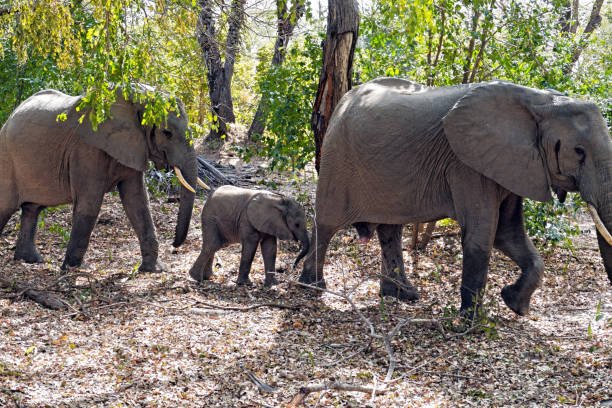
Best 3-Day Safari Tanzania From Zanzibar: Private Itinerary + Price 2026
Experience the thrill of a 3-day Tanzania safari departing from Zanzibar. This guide covers the best park options, itinerary ideas, and essential planning tips for 2026-2027, ensuring an…
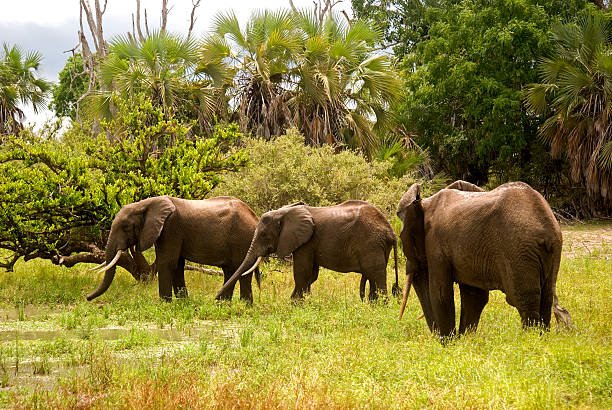
2-Day Safari Tanzania From Zanzibar: Best Fly in Mainland 2026-2027
Discover the thrill of a 2-day safari in mainland Tanzania, starting from the idyllic island of Zanzibar. This short yet impactful adventure allows you to witness the incredible wildlife of…

Best 1 Day Lake Manyara Safari From Moshi: Your Ultimate Wildlife Experience
A 1-day Lake Manyara safari from Moshi offers an incredible opportunity to witness diverse wildlife, including iconic tree-climbing lions, in a single, action-packed day. This guided tour…

Book 1 Day Tarangire Safari From Moshi: Your Ultimate Wildlife Adventure
Discover the magic of a 1-day Tarangire Safari departing from Moshi. This guide covers everything you need to know for an unforgettable wildlife adventure in Tarangire National Park, from…
No related package matches those filters. Clear one or more filters to see the other topic-matched options.



