
The Arusha Region is Tanzania’s primary gateway to its world-renowned Northern Safari Circuit, offering immediate access to diverse wildlife, stunning landscapes, and the iconic Mount Kilimanjaro. It’s the starting point for most safaris heading to Serengeti National Park, Ngorongoro Conservation Area, Tarangire National Park, and Lake Manyara National Park, making it an essential hub for planning your 2026-2027 Tanzanian adventure. The region itself hosts Arusha National Park, providing excellent wildlife viewing opportunities closer to the city.
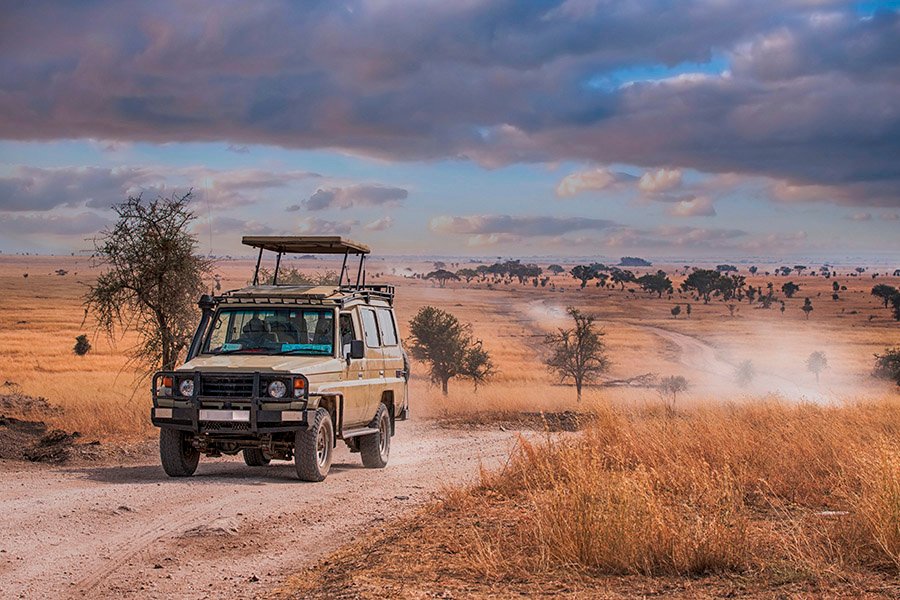
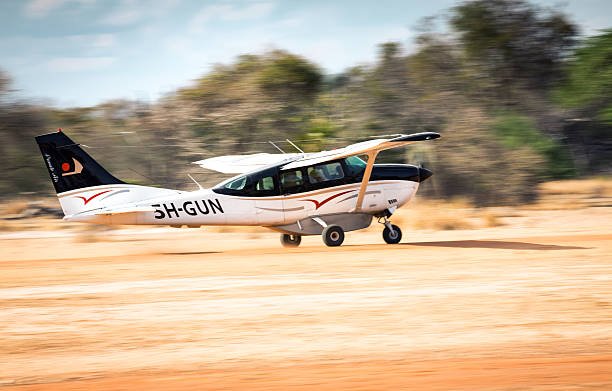
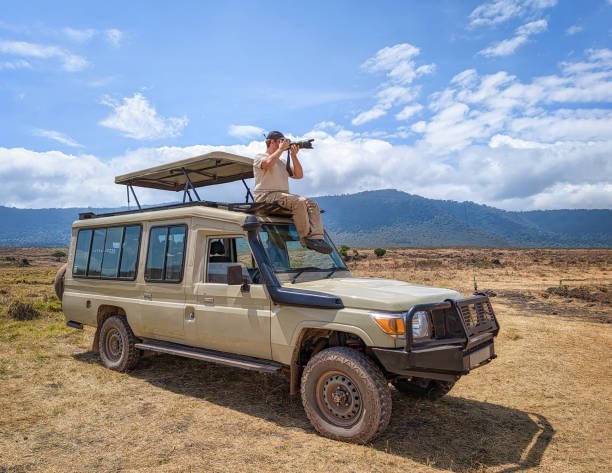
Discovering the Arusha Region: Tanzania’s Northern Safari Nexus
The Arusha Region, located in the northern part of Tanzania, is more than just a geographical location; it’s the vibrant heart of East African safari experiences. For travelers aiming to explore the legendary landscapes and abundant wildlife of Tanzania, understanding the Arusha Region is paramount. This area acts as the crucial launchpad for adventures into some of the planet’s most celebrated protected areas, including the vast plains of the Serengeti, the unique ecosystem of the Ngorongoro Crater, and the elephant-rich Tarangire National Park. Beyond its role as a gateway, the Arusha Region itself boasts natural wonders, most notably the majestic Mount Kilimanjaro, Africa’s highest peak, and the easily accessible Arusha National Park.
For those planning a safari in 2026 or 2027, the Arusha Region offers a comprehensive introduction to Tanzania’s diverse offerings. From the moment you land at Kilimanjaro International Airport (JRO), often referred to as Arusha Airport, you are already within its sphere of influence. The city of Arusha, the region’s capital, is a bustling hub where safari plans are finalized, permits are secured, and the anticipation for the adventures ahead truly begins. Top Guide Adventures specializes in crafting personalized safari experiences that begin and often end in this vital region, ensuring a smooth and unforgettable journey.
This guide will navigate you through the multifaceted Arusha Region, highlighting its key attractions, the best times to visit, the types of safaris and activities available, and practical advice for planning your trip. Whether you dream of witnessing the Great Migration, climbing Kilimanjaro, or simply experiencing the rich culture of Tanzania, the Arusha Region is where your journey truly begins.
Geography and Key Destinations within the Arusha Region
The Arusha Region is characterized by its dramatic topography, a result of tectonic activity and volcanic formations. It is bordered by Kenya to the north, the Kilimanjaro Region to the east, the Manyara Region to the south, and the Simiyu Region to the west. The landscape is diverse, ranging from the snow-capped peak of Kilimanjaro to the savannah grasslands, acacia woodlands, and the Rift Valley escarpments.
Several significant protected areas fall under or are immediately accessible from the Arusha Region, forming the backbone of Tanzania’s celebrated Northern Circuit:
- Arusha National Park: This park is a jewel of the region, located just a short drive from Arusha city. It is known for its diverse habitats, including the Momella Lakes (a series of alkaline lakes with vibrant birdlife), the Ngurdoto Crater (often called ‘Little Ngorongoro’), and the rugged Mount Meru. It’s an excellent destination for walking safaris and offers stunning views of Kilimanjaro on clear days. Wildlife includes giraffes, zebras, various antelopes, hippos, and a significant population of colobus monkeys.
- Mount Kilimanjaro National Park: While the mountain itself is the main attraction, the park is managed and its access is controlled from the Arusha Region. Kilimanjaro is a UNESCO World Heritage Site and a dream destination for trekkers worldwide. Various routes, such as Machame, Marangu, and Lemosho, start from villages within or near the Arusha Region.
- Ngorongoro Conservation Area: A UNESCO World Heritage Site, the Ngorongoro Crater is a natural wonder and a major highlight of any Tanzanian safari. This vast volcanic caldera shelters an incredible density of wildlife, including the Big Five (lion, leopard, elephant, rhino, and buffalo), within its 260 square kilometer floor. The conservation area also encompasses Olduvai Gorge, a significant paleoanthropological site.
- Serengeti National Park: Extending from the borders of the Ngorongoro Conservation Area, the Serengeti is perhaps Tanzania’s most famous national park, renowned globally for the Great Migration of wildebeest and zebras. Its vast plains are home to large predator populations and offer unparalleled safari experiences.
- Tarangire National Park: Known for its massive elephant herds and iconic baobab trees, Tarangire is a crucial dry-season refuge for wildlife. It’s often included in itineraries focusing on the Northern Circuit, offering a different landscape and wildlife viewing experience compared to the Serengeti or Ngorongoro.
- Lake Manyara National Park: Famous for its tree-climbing lions, abundant birdlife, and large troops of baboons, Lake Manyara is a compact but diverse park situated along the Rift Valley escarpment. It offers beautiful forest walks and game drives.
These destinations, all easily accessible from Arusha, form the core of the Northern Circuit, making the Arusha Region the undisputed starting point for most Tanzania safari itineraries.
Planning Your Arusha Region Safari: Best Times to Visit and What to Expect
Choosing the right time to visit the Arusha Region and its surrounding parks is crucial for maximizing your safari experience. Tanzania experiences distinct wet and dry seasons, each offering unique advantages for wildlife viewing and trekking.
Dry Seasons (June to October, and January to February)
- June to October: This is the prime time for safaris. The weather is generally dry and sunny, with cooler temperatures. Vegetation is less dense, making wildlife spotting easier. This period coincides with the calving season for many animals and is excellent for witnessing the Great Migration in the Serengeti. The Ngorongoro Crater remains a year-round destination, but game viewing is particularly good during the dry season due to concentrated wildlife around permanent water sources.
- January to February: This is a shorter dry season, often referred to as the ‘short rains’ break. It’s a fantastic time for birdwatchers and for seeing newborn animals in the southern Serengeti plains, as this is when the wildebeest migration typically congregates there for calving.
Wet Seasons (November to May)
- November to December (Short Rains): This period can see intermittent showers, but they are usually short-lived. It’s a less crowded time to visit, and the landscape becomes lush and green. Wildlife is more dispersed as water is plentiful.
- March to May (Long Rains): These months typically bring heavier and more prolonged rainfall. While game viewing can be more challenging due to dense vegetation and dispersed animals, it’s an excellent time for budget travelers as prices for accommodation and tours are often lower. It’s also a prime time for birdwatching as migratory birds are present. Kilimanjaro trekking is generally discouraged during the peak of the long rains (April-May) due to slippery trails and poor visibility.
For travelers planning for 2026 and 2027, understanding these seasonal patterns will help you align your trip with your specific interests, whether it’s the Great Migration, photography, birdwatching, or climbing Mount Kilimanjaro.
Top Guide Adventures: Your Partner for Arusha Region Safaris
Top Guide Adventures is a leading and trusted tour operator in Tanzania, dedicated to providing unparalleled safari experiences. We understand the intricacies of the Arusha Region and its surrounding wonders, offering a wide range of customizable tours and packages. Our commitment is to deliver personal attention, exceptional care, and dedicated support to every client, ensuring your journey is both memorable and smooth.
Our services include:
- Tanzania Safaris: Comprehensive safari packages covering all the major parks of the Northern Circuit, starting from Arusha.
- Serengeti and Ngorongoro Tours: Specialized itineraries focusing on these iconic wildlife destinations.
- Kilimanjaro Climbs: Expertly guided treks up Mount Kilimanjaro via various popular routes.
- Zanzibar Holidays: Combining safari adventures with relaxing beach vacations on the Spice Island.
- Cultural Experiences: Opportunities to engage with local communities and learn about Tanzanian traditions.
- Day Trips: Short excursions to nearby attractions like Arusha National Park or local markets.
- Tailor-Made Journeys: Bespoke itineraries designed to meet your specific interests, budget, and timeframe.
We pride ourselves on our experienced guides, comfortable and reliable vehicles, and a deep understanding of wildlife behavior and conservation. Whether you are looking for a group departure in 2026 or a private safari for 2027, Top Guide Adventures is equipped to make your dream African adventure a reality.
Why Choose Arusha as Your Safari Starting Point?
Arusha’s strategic location is its biggest advantage. It boasts Kilimanjaro International Airport (JRO), offering direct international flights and connections across Africa. The city itself is well-equipped with lodges, hotels, restaurants, and tour operator offices, providing all necessary amenities for travelers. Its proximity to multiple national parks means less travel time to reach prime wildlife viewing areas, maximizing your time on safari. The vibrant local culture and markets also offer a rich introduction to Tanzania before you head into the wilderness.
Exploring Arusha National Park: A Compact Gem
While often overshadowed by its larger neighbors, Arusha National Park is a must-visit for its diverse scenery and accessible wildlife. Located just 32 kilometers east of Arusha city, it’s the perfect destination for a day trip or a one- or two-night stay, offering a different safari experience.
Key Attractions in Arusha National Park:
- The Momella Lakes: These shallow, alkaline lakes are a spectacle of color, ranging from turquoise to emerald green. They attract a variety of water birds, including flamingos, grebes, and pelicans. The lakes are also a popular spot for herbivores like zebras and giraffes to graze along their shores.
- Ngurdoto Crater: This steep-sided volcanic crater offers a dramatic landscape. While the crater floor is largely a swamp, the rim provides excellent vantage points for wildlife viewing. You can often see buffalo, warthogs, baboons, and various antelopes.
- Mount Meru: Standing at 4,566 meters, Mount Meru is the second-highest peak in Tanzania and a significant natural feature of the park. Its lower slopes are covered in montane forest, home to diverse birdlife and colobus monkeys. It’s also a popular destination for multi-day treks, offering a challenging but rewarding climb with spectacular views of Kilimanjaro and the surrounding plains.
- Fig Tree Arch: A natural rock formation shaped like an arch, formed from a giant fig tree. It’s a unique natural landmark within the park.
Activities in Arusha National Park:
- Game Drives: Explore the park’s diverse habitats on guided game drives, particularly around the Momella Lakes and the Ngurdoto Crater rim.
- Walking Safaris: Arusha National Park is one of the few parks in Tanzania where walking safaris are permitted. Accompanied by an armed ranger, you can explore the forest trails on foot, offering a more intimate wildlife experience. Keep an eye out for colobus monkeys and diverse bird species.
- Canoeing: Guided canoeing trips are available on the Momella Lakes, providing a unique perspective of the birdlife and surrounding scenery.
- Mount Meru Trekking: For experienced hikers, a multi-day climb of Mount Meru is an option, requiring good physical condition and acclimatization.
Arusha National Park is easily accessible from Arusha city, making it a convenient and rewarding addition to any Northern Circuit itinerary, especially for those looking for varied activities beyond standard game drives.
The Majestic Mount Kilimanjaro: A Conqueror’s Dream
No discussion of the Arusha Region is complete without mentioning Mount Kilimanjaro, the “Roof of Africa.” This dormant volcano, the highest free-standing mountain in the world, draws thousands of climbers each year. The gateway town for most Kilimanjaro expeditions is Moshi, located in the Kilimanjaro Region, but it is intrinsically linked to the Arusha Region’s tourism ecosystem.
Kilimanjaro Climbing Routes:
Top Guide Adventures offers guided climbs on several popular routes:
- Machame Route: Known as the “Whiskey Route,” it’s popular for its scenic beauty and high acclimatization rate, offering a good chance of success. It typically takes 6-7 days.
- Marangu Route: The “Coca-Cola Route” is the oldest and simplest route, known for its hut accommodations. It can be done in 5-6 days but has a lower success rate due to rapid ascent.
- Lemosho Route: Considered one of the most beautiful routes, it offers excellent acclimatization and wildlife viewing opportunities in its early stages. It typically takes 7-8 days.
- Shira Route: Similar to Lemosho, starting at a higher altitude.
- Rongai Route: Approaches from the north, offering a different perspective and good success rates, especially during the wetter months.
Planning a Kilimanjaro climb for 2026 or 2027 requires careful consideration of the best time to climb, route selection, gear, and physical preparation. Top Guide Adventures provides comprehensive support, from initial planning to the summit and back.
Kilimanjaro Trekking Considerations for 2026-2027
Best Climbing Seasons: January-March and June-October are generally considered the best times, offering clearer skies and drier conditions. However, shoulder seasons can also be rewarding with fewer crowds. Route Choice: Longer routes (7-8 days) offer better acclimatization and higher success rates. Physical Fitness: A high level of cardiovascular fitness is essential. Acclimatization: This is the most critical factor for summit success. Guides and Porters: Choose a reputable operator like Top Guide Adventures that prioritizes ethical treatment of their crew. Permits and Park Fees: These are significant costs and should be factored into your budget. Booking in advance for 2026-2027 is highly recommended, especially for popular routes and peak seasons.
The Quintessential Northern Circuit Safari: Serengeti and Ngorongoro
The Arusha Region is the gateway to the world-famous Northern Circuit, which includes the Serengeti and Ngorongoro Conservation Area. These destinations are the crown jewels of Tanzanian wildlife tourism.
Serengeti National Park: A Realm of Endless Plains
The Serengeti, meaning “endless plains” in the Maasai language, is a vast ecosystem stretching across northern Tanzania. It is most famous for the annual Great Migration, a spectacular movement of over 1.5 million wildebeest, zebras, and gazelles, following the rains in search of fresh grazing.
- Wildlife: Besides the migration, the Serengeti is home to a huge population of predators, including lions, leopards, cheetahs, hyenas, and wild dogs. Large herds of elephants, giraffes, buffalo, and various antelope species are also resident year-round.
- Best Time to Visit: For the Great Migration, timing is key. The calving season is typically from late January to March in the southern Serengeti. The herds start moving north around May/June, crossing the Grumeti River. The Mara River crossings, a dramatic highlight, usually occur between July and October in the northern Serengeti. The central Serengeti offers excellent resident wildlife viewing year-round.
- Safari Experience: Game drives are the primary activity, with opportunities for hot-air balloon safaris offering a unique perspective.
Ngorongoro Conservation Area: The Eighth Wonder of the World
The Ngorongoro Crater, a UNESCO World Heritage Site, is a impressive caldera formed by a collapsed volcano. Its floor is a self-contained ecosystem supporting an astonishing density and diversity of wildlife.
- Wildlife: The crater is one of the best places in Africa to see the Big Five (lion, leopard, elephant, rhino, and buffalo) in a single day. It also hosts large populations of wildebeest, zebras, hippos, hyenas, jackals, and numerous bird species. The endangered black rhino is a major draw.
- Safari Experience: Game drives are conducted on the crater floor. Due to conservation regulations, vehicles are limited, and time spent inside the crater is restricted. Ascending the crater rim offers spectacular views.
- Best Time to Visit: The Ngorongoro Crater is a year-round destination, as the wildlife is resident. However, game viewing is often at its peak during the dry season (June-October) when animals congregate around permanent water sources.
- Cultural Encounters: The Conservation Area also includes Maasai villages, offering opportunities for cultural visits and insights into the traditional lifestyle of the Maasai people.
Top Guide Adventures crafts itineraries that expertly combine the Serengeti and Ngorongoro, ensuring you experience the best of both worlds. Whether you’re looking for a 7-day safari in 2026 or a more extensive 14-day exploration in 2027, we can tailor it to your preferences.
Other Parks in the Northern Circuit Accessible from Arusha
While Serengeti and Ngorongoro are the headliners, the Northern Circuit includes other significant parks that offer unique wildlife viewing opportunities and are easily incorporated into an itinerary starting from Arusha.
Tarangire National Park: Land of Giants
Tarangire is renowned for its large elephant herds, often numbering in the hundreds, especially during the dry season (June to October) when they congregate around the Tarangire River. The park is also dotted with iconic baobab trees, creating a dramatic and ancient landscape.
- Wildlife: Elephants, lions, leopards, cheetahs, giraffes, zebras, wildebeest, and numerous antelope species. Birdlife is also abundant.
- Activities: Game drives, walking safaris (in designated areas), and cultural visits to nearby Maasai villages.
- Best Time to Visit: June to October for elephants and general game viewing. The shoulder seasons can offer a quieter experience with lush scenery after the rains.
Lake Manyara National Park: Diverse Habitats
This relatively small park is famous for its diverse ecosystems within a compact area. It includes groundwater forests, acacia woodlands, and the shallow alkaline Lake Manyara itself.
- Wildlife: Tree-climbing lions (though not always guaranteed), large troops of baboons, elephants, hippos, giraffes, zebras, and diverse birdlife, including flamingos, pelicans, and storks.
- Activities: Game drives, guided forest walks, and cultural tours. The park offers stunning views from the Rift Valley escarpment.
- Best Time to Visit: Year-round. The dry season (June-October) is good for spotting animals near the lake, while the wet season (November-May) brings lush vegetation and migratory birds.
Cultural Experiences in and around Arusha
Beyond wildlife, the Arusha Region offers rich cultural experiences, allowing visitors to connect with the local communities and traditions of Tanzania.
- Maasai Villages: Visits to traditional Maasai bomas (homesteads) provide insights into the semi-nomadic lifestyle, customs, and art of the Maasai people. These visits are often arranged as part of safari itineraries, particularly near the Ngorongoro Conservation Area and Tarangire National Park.
- Local Markets: Exploring the bustling markets in Arusha city, such as the Central Market, offers a sensory experience of local life. You can find everything from fresh produce and spices to vibrant textiles and handcrafted souvenirs
Check Availability for Arusha Region 2026-2027
Ready to compare dates, prices, and the best option for your group? Send the package name and travel month so the team can reply with a clear quote, availability, and what is included.
12 closely related packages
Arusha Safari Tours And Packages 2026-2027
Arusha Safari Tours and Packages 2026-2027 is explained with current 2026-2027 planning, price, itinerary and booking information.
View package details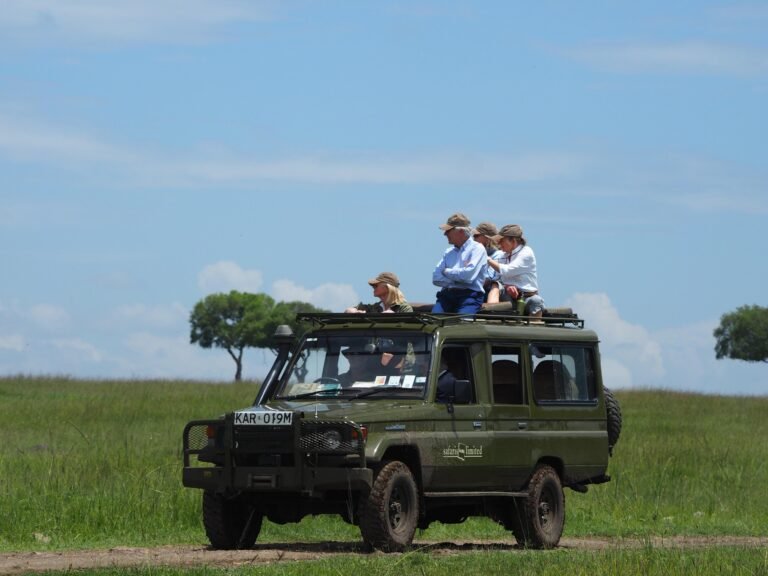
Mara Region: Your Ultimate Guide To Tanzanias Wildlife Haven In 2026-2027
Discover the unparalleled wildlife spectacles of Tanzania's Mara Region, a prime destination for safari enthusiasts. This comprehensive guide covers everything from the iconic Serengeti...
View package details
Simiyu Region 2026-2027
Simiyu Region is explained with current 2026-2027 planning, price, itinerary and booking information.
View package details
Tanzania Photography Safari 2026-2027
Tanzania Photography Safari is explained with current 2026-2027 planning, price, itinerary and booking information.
View package details
Serengeti Ngorongoro And Tarangire Safari 2026-2027
Serengeti Ngorongoro and Tarangire Safari is explained with current 2026-2027 planning, price, itinerary and booking information.
View package details
Southern Circuit Tanzania Safari: Your Ultimate Guide With Top Adventures
Explore the wild, less-traveled paths of Tanzania's Southern Circuit. This guide covers Ruaha, Nyerere National Park, and Mikumi, detailing experiences, wildlife, and planning for your...
View package details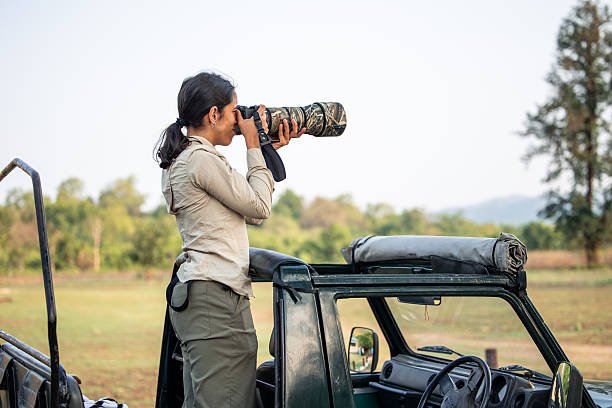
Tanzania Safari Cost And Prices : Your Ultimate Guide 2026-2027
Planning your dream Tanzania safari in 2026 or 2027? This comprehensive guide breaks down the safari costs, prices, and key factors influencing your budget, helping you plan the perfect...
View package details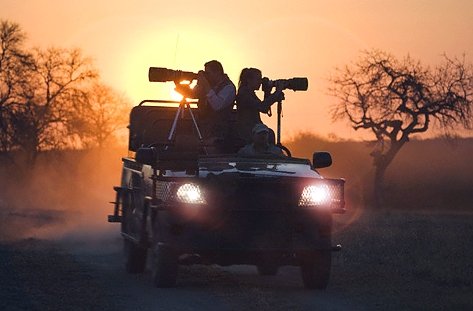
Tanzania Private Safari Tours: Your Ultimate Bespoke Adventure In 2026-2027
Discover the unparalleled freedom and personalized experience of a Tanzania private safari tour. Top Guide Adventures crafts bespoke journeys through iconic landscapes like the Serengeti...
View package details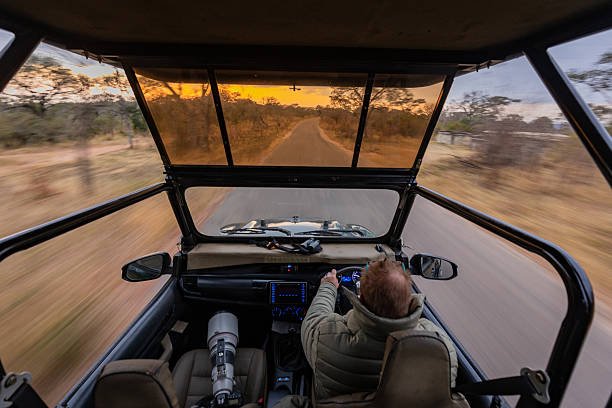
Tanzania Family Safari Packages 2026-2027
Tanzania Family Safari Packages is explained with current 2026-2027 planning, price, itinerary and booking information.
View package details
14 Day Tanzania Safari And Beach Holiday 2026-2027
14 Day Tanzania Safari and Beach Holiday is explained with current 2026-2027 planning, price, itinerary and booking information.
View package details
7 Day Tanzania Safari Itinerary: The Ultimate Wildlife Adventure In 2026-2027
Discover the perfect 7-day Tanzania safari itinerary, maximizing wildlife encounters in iconic parks like the Serengeti and Ngorongoro Crater. This guide provides a detailed plan, essential...
View package details
Kilimanjaro Safari And Zanzibar Package: The Ultimate Tanzania Adventure
Experience the pinnacle of Tanzania with a combined Kilimanjaro safari and Zanzibar package. This ultimate adventure blends the thrill of conquering Africa's highest peak with the wildlife...
View package detailsNo related package matches those filters. Clear one or more filters to see the other topic-matched options.



