
Singida Region offers a distinct Tanzanian experience, characterized by its rich cultural heritage, historical significance, unique landscapes, and opportunities for authentic, off-the-beaten-path adventures, making it a compelling destination for travelers in 2026-2027 looking beyond the typical safari circuit. It is particularly known for its indigenous communities, ancient rock art, and the potential for exploring lesser-visited natural attractions.
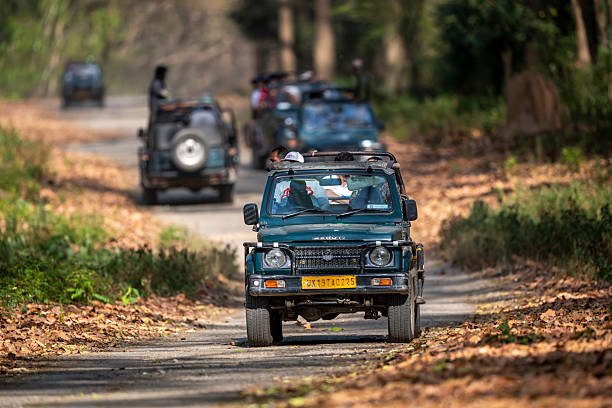


Unveiling Singida Region: Tanzania’s Central Jewel
While the iconic Serengeti, Ngorongoro Crater, and Kilimanjaro often dominate discussions about Tanzania travel, the Singida Region presents a different, yet equally rewarding, facet of this vibrant East African nation. Located in the heart of Tanzania, Singida is a region that has largely remained untouched by mass tourism, offering visitors a chance to connect with the country’s soul in a more intimate and genuine way. For travelers planning their adventures for 2026-2027, Singida Region promises a journey filled with cultural encounters, historical discoveries, and exploration of unique natural environments.
Top Guide Adventures specializes in crafting personalized journeys across Tanzania, and we recognize the growing interest in destinations like Singida. Our expertise allows us to guide you through this region, ensuring you experience its authentic charm while providing the dedicated support and personal attention that defines our service. Whether you are seeking to understand local traditions, explore ancient sites, or simply find tranquility away from the crowds, Singida Region holds abundant possibilities.
Why Choose Singida Region for Your 2026-2027 Tanzanian Adventure?
The allure of Singida Region lies in its authenticity. It’s a place where daily life unfolds at a pace that allows for meaningful interaction, where the landscapes tell stories of ancient times, and where the warmth of the people is as palpable as the Tanzanian sun. For the discerning traveler in 2026-2027, Singida offers:
- Deep Cultural Immersion: Singida is home to diverse ethnic groups, including the Gogo, Nyaturu, and Wanyamwezi people, each with their unique customs, languages, and traditions. Engaging with these communities provides a profound understanding of Tanzanian heritage.
- Historical Significance: The region boasts ancient rock paintings and historical sites that whisper tales of early human settlements and historical trade routes, offering a glimpse into the past.
- Unique Natural Landscapes: Beyond the typical savanna, Singida features distinctive geological formations, seasonal lakes, and a drier climate that supports a different array of flora and fauna, perfect for explorers.
- Off-the-Beaten-Path Exploration: For those seeking to escape the crowds and experience Tanzania’s less-explored territories, Singida Region is an ideal choice. It offers a sense of discovery and adventure that is increasingly rare.
- Authentic Experiences: From local markets to traditional ceremonies, Singida provides unfiltered encounters with Tanzanian life, far from curated tourist performances.
Geographical and Historical Context of Singida Region
Singida Region is situated in the central part of Tanzania, bordered by Shinyanga, Tabora, Dodoma, Manyara, and Mwanza regions. Its strategic location has historically made it a crossroads for various communities and trade routes. The landscape is predominantly characterized by plains, hills, and acacia woodlands, with a semi-arid climate that influences its ecosystems.
Historically, the area was inhabited by various Bantu-speaking groups who developed distinct social structures and traditions. The region played a role in pre-colonial trade networks, particularly in ivory and other goods. During the colonial era, it was part of administrative divisions, and its development was influenced by broader national policies. Understanding this historical backdrop enriches the experience of visiting Singida Region, allowing travelers to appreciate the layers of human activity that have shaped the area.
Key Ethnic Groups and Cultural Heritage
The cultural mix of Singida Region is woven from the traditions of its primary ethnic groups:
- The Gogo: Known for their resilience and strong community ties, the Gogo people have a rich oral tradition and unique musical styles. Their agricultural practices are adapted to the region’s climate.
- The Nyaturu (or Turu): These communities are also significant in Singida, with their own distinct customs and social organization. They are often associated with specific areas within the region and have their own dialects.
- The Wanyamwezi: While their historical heartland is in Tabora, the Wanyamwezi influence extends into parts of Singida, particularly concerning historical trade and migration patterns.
Interactions with these groups can offer invaluable insights into traditional African life, including their agricultural methods, social structures, artistic expressions, and spiritual beliefs. For travelers interested in cultural tourism, Singida Region provides unparalleled opportunities for genuine engagement in 2026-2027.
Exploring the Natural Wonders of Singida Region
While not a primary wildlife safari destination in the same vein as the northern circuit parks, Singida Region possesses its own unique natural beauty and ecological significance. The landscapes are varied, offering opportunities for exploration that differ from the typical Tanzanian safari.
Lake Eyasi and its Surroundings
Although Lake Eyasi is primarily associated with the neighboring Manyara Region, its southern shores extend into Singida, making it a relevant point of interest. This large, shallow endorheic lake is known for its dramatic seasonal changes and is a vital ecosystem for birdlife. The surrounding areas are home to ancient hunter-gatherer communities, most notably the Hadzabe and the Datoga people, offering incredibly rare cultural encounters.
Visiting Lake Eyasi offers a chance to witness a unique landscape, observe diverse bird species, and, most importantly, interact with indigenous communities whose way of life has remained largely unchanged for centuries. These encounters, when conducted respectfully and ethically, are profound experiences that highlight the human diversity within Tanzania. For 2026-2027 travel planning, incorporating Lake Eyasi offers a blend of natural beauty and deep cultural immersion.
The Maasai Steppe and Dry Savanna Ecosystems
Large parts of Singida Region fall within the Maasai Steppe, a vast semi-arid grassland that supports a unique array of wildlife, often adapted to drier conditions. While not as densely populated with large game as the Serengeti, these areas can host elephants, giraffes, zebras, wildebeest, and various antelope species, especially during the dry season when they congregate around water sources.
The advantage of exploring these areas in Singida is the lack of crowds. It allows for a more personal and reflective experience of the Tanzanian wilderness. Top Guide Adventures can arrange guided excursions into these less-explored territories, focusing on the unique flora, fauna, and geological features that define the region. This approach to wildlife viewing aligns with a desire for authentic, unhurried encounters with nature, a growing trend for 2026-2027.
Unique Geological Formations and Rock Art Sites
Singida Region is dotted with interesting geological features and is a treasure trove of ancient rock art. These sites offer a tangible connection to the region’s deep past.
- Kolo Rock Paintings: Located near Kolo village, these ancient rock shelters contain paintings believed to be thousands of years old. The artwork depicts animals, human figures, and abstract symbols, providing insights into the lives and beliefs of early inhabitants. Exploring these sites is a journey back in time.
- Geological Formations: The landscape features unique rock outcrops and kopjes that offer stunning panoramic views and are often home to unique plant life and small rock-dwelling animals. These formations can be explored through guided hikes, offering a different perspective on the region’s natural environment.
These sites are not just visually interesting; they are crucial cultural heritage locations. Accessing and understanding them requires local knowledge, which Top Guide Adventures is well-equipped to provide for your 2026-2027 trip.
Cultural Encounters in Singida Region
The true heart of Singida Region lies in its people and their vibrant cultures. For travelers seeking authentic cultural experiences, Singida offers unparalleled opportunities.
Visiting the Hadzabe Bushmen
The Hadzabe are one of the last hunter-gatherer tribes in Africa, and a significant population resides in areas accessible from Singida, particularly around Lake Eyasi. Their traditional way of life, centered on hunting with bows and arrows and gathering wild fruits and roots, has remained remarkably consistent for millennia. A respectful visit with the Hadzabe offers a unique glimpse into a human existence that is rapidly disappearing elsewhere in the world.
Top Guide Adventures facilitates ethical and responsible interactions with the Hadzabe. This typically involves accompanying them on a hunt or foraging expedition, learning about their survival techniques, their unique language (characterized by click consonants), and their deep connection to the land. These experiences are profoundly moving and provide a stark contrast to modern life. It’s crucial to approach these interactions with sensitivity and a focus on learning, ensuring that the community benefits from tourism and their culture is preserved. Planning for 2026-2027 should include booking such experiences well in advance.
Interacting with the Datoga People
The Datoga (also known as Barbaig) are pastoralists and skilled artisans, particularly known for their intricate beadwork, metalwork (especially arrowheads and bracelets), and traditional adornments. They have a distinct cultural identity and live in scattered settlements, often in remote areas.
Visiting a Datoga village allows travelers to witness their daily life, observe their crafts being made, and learn about their social customs and beliefs. The Datoga are renowned for their warrior traditions and distinctive appearance, often adorned with extensive facial and
Check Availability for Singida Region 2026-2027
Ready to compare dates, prices, and the best option for your group? Send the package name and travel month so the team can reply with a clear quote, availability, and what is included.
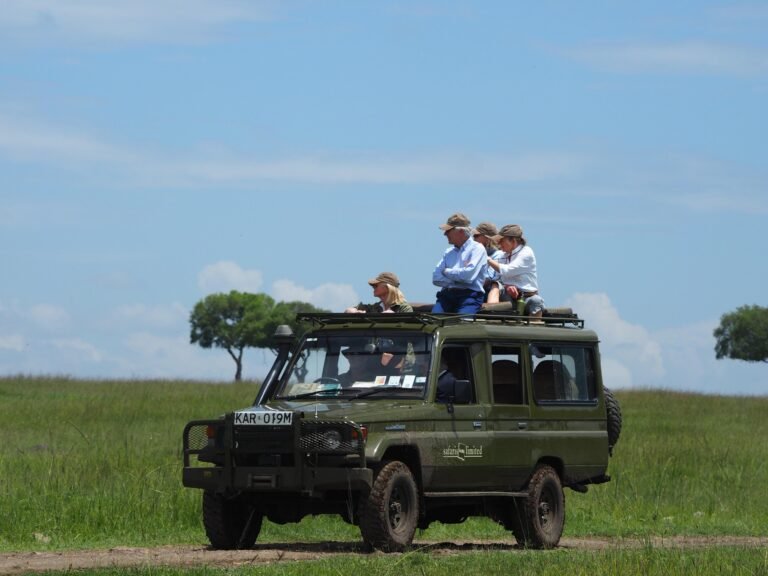
Mara Region: Your Ultimate Guide To Tanzanias Wildlife Haven In 2026-2027
Discover the unparalleled wildlife spectacles of Tanzania's Mara Region, a prime destination for safari enthusiasts. This comprehensive guide covers everything from the iconic Serengeti...
View package details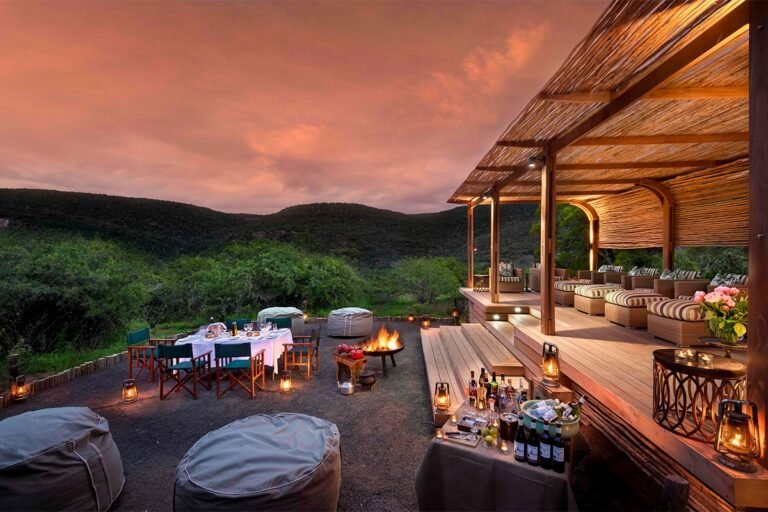
Simiyu Region 2026-2027
Simiyu Region is explained with current 2026-2027 planning, price, itinerary and booking information.
View package details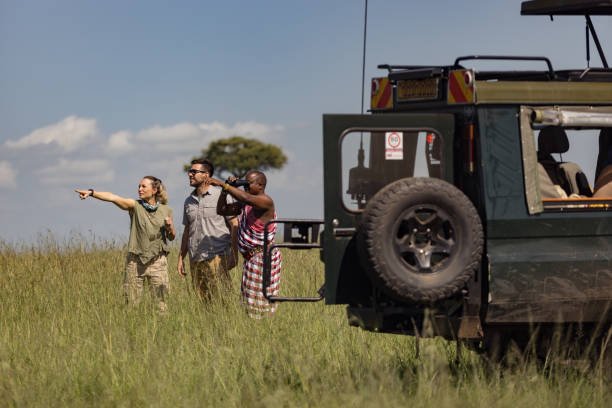
Lake Manyara & Singita Grumeti: The Ultimate Singida Tour Experience 2026-2027
start an unforgettable Lake Singida tour, combining the iconic Lake Manyara National Park with the exclusive Singita Grumeti Reserves. This comprehensive guide details wildlife, activities...
View package details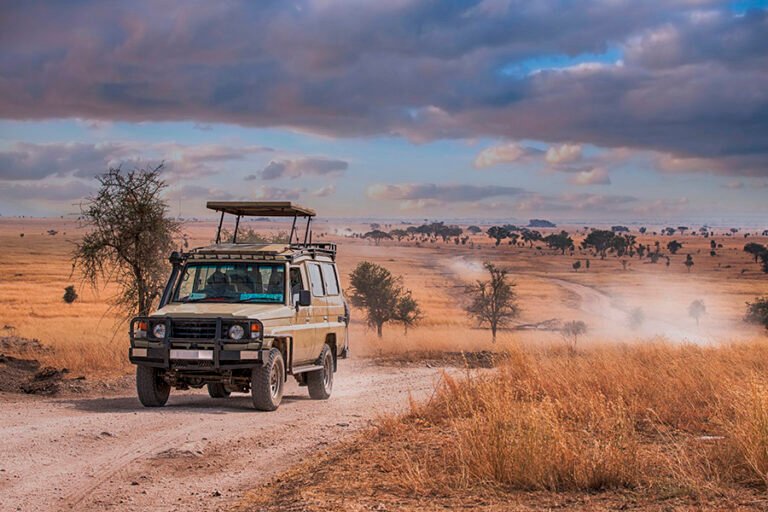
Arusha Region 2026-2027
Arusha Region is explained with current 2026-2027 planning, price, itinerary and booking information.
View package details
Mount Kilimanjaro And Serengeti Safari Package 2026-2027
Mount Kilimanjaro and Serengeti Safari Package is explained with current 2026-2027 planning, price, itinerary and booking information.
View package details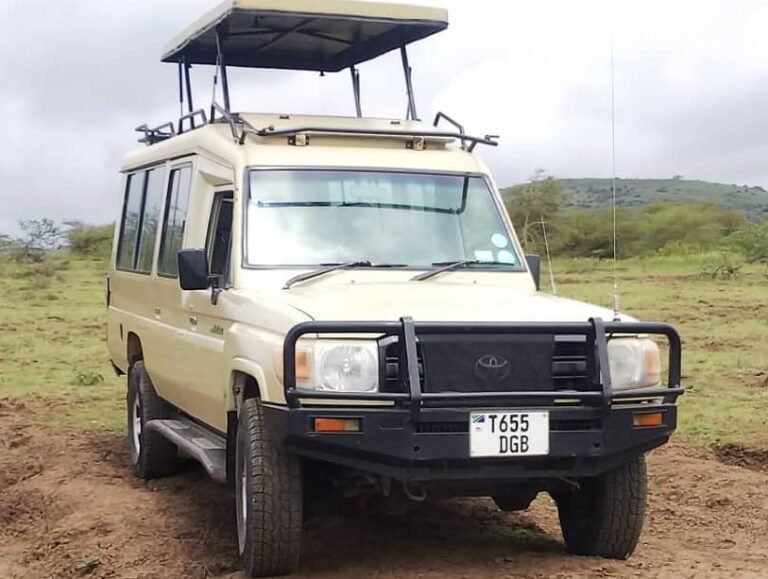
Tanzania Solo Travel Safari: Your Ultimate Guide For 2026-2027
Discover how to plan an unforgettable solo safari adventure in Tanzania, covering everything from wildlife hotspots to safety tips and essential planning for 2026-2027.
View package details
Tanzania Photography Safari 2026-2027
Tanzania Photography Safari is explained with current 2026-2027 planning, price, itinerary and booking information.
View package detailsSerengeti Great Migration Safari Packages 2026-2027
Serengeti Great Migration Safari Packages is explained with current 2026-2027 planning, price, itinerary and booking information.
View package detailsSerengeti Ngorongoro And Tarangire Safari 2026-2027
Serengeti Ngorongoro and Tarangire Safari is explained with current 2026-2027 planning, price, itinerary and booking information.
View package details
Southern Circuit Tanzania Safari: Your Ultimate Guide With Top Adventures
Explore the wild, less-traveled paths of Tanzania's Southern Circuit. This guide covers Ruaha, Nyerere National Park, and Mikumi, detailing experiences, wildlife, and planning for your...
View package details
Tanzania Safari Cost And Prices : Your Ultimate Guide 2026-2027
Planning your dream Tanzania safari in 2026 or 2027? This comprehensive guide breaks down the safari costs, prices, and key factors influencing your budget, helping you plan the perfect...
View package detailsTanzania Group Joining Safari 2026-2027
Tanzania Group Joining Safari 2026-2027 is explained with current 2026-2027 planning, price, itinerary and booking information.
View package detailsNo related package matches those filters. Clear one or more filters to see the other topic-matched options.



