
A Lake Rukwa birdwatching tour offers an exceptional opportunity to witness a vast array of avian species in one of Tanzania’s most ecologically significant wetlands. Top Guide Adventures specializes in crafting in-depth ornithological safaris to Lake Rukwa, highlighting its unique birdlife, including large concentrations of pelicans, flamingos, and numerous waterbirds, making it a premier destination for serious birders planning their 2026-2027 travels.

Why Choose Lake Rukwa for Your Next Birdwatching Adventure?
Lake Rukwa, a vast, shallow soda lake situated in the Rukwa Rift Valley of southwestern Tanzania, is a true gem for ornithologists and nature enthusiasts. Unlike the more famous northern circuit parks, Lake Rukwa offers a wilder, less-trodden path, providing an authentic Tanzanian safari experience coupled with unparalleled birdwatching opportunities. Its diverse habitats – from open water and extensive reed beds to surrounding savannas and woodlands – support an astonishing variety of bird species, many of which are endemic or migratory and are best observed during specific seasons. Planning a Lake Rukwa birdwatching tour in 2026 or 2027 means stepping into a realm of natural abundance, far from the crowds, where the focus is purely on the magnificent avian life that thrives here.
The sheer scale of Lake Rukwa is impressive. It is one of the largest lakes in Tanzania, fluctuating in size and salinity depending on rainfall. This dynamic environment is precisely what makes it so attractive to birds. The shallow waters are ideal for wading birds, the rich fish populations attract large piscivorous species, and the surrounding vegetation provides nesting sites and food for countless others. For birdwatchers, this translates to an ever-changing spectacle, with opportunities to see thousands of birds congregating, especially during the wet season when food is plentiful.
Top Guide Adventures understands the nuances of birding in this region. Our tours are meticulously designed to maximize sightings, taking into account the migratory patterns, breeding seasons, and feeding habits of the local and visiting bird populations. We leverage our local knowledge to position you at the best vantage points, ensuring your Lake Rukwa birdwatching tour is both rewarding and deeply memorable. Whether you are a seasoned birder or a nature lover looking for a unique wildlife experience, Lake Rukwa promises a journey filled with avian wonders.
The Avian Spectacle of Lake Rukwa: Key Species and Habitats
Lake Rukwa is renowned for its spectacular bird congregations, particularly its waterbirds. The lake’s shallow, alkaline waters are a magnet for species that thrive in such conditions. Among the most iconic sights are the vast flocks of Lesser Flamingos and Greater Flamingos. While their numbers can fluctuate, during peak seasons, the lake’s shores can be painted pink with hundreds of thousands of these elegant birds feeding and breeding. Witnessing this spectacle is a highlight for any visitor on a Lake Rukwa birdwatching tour.
Beyond the flamingos, the lake teems with a rich diversity of other waterbirds. Expect to see:
- Great White Pelicans and Pink-backed Pelicans, often seen in large groups, fishing cooperatively.
- Various stork species, including the Marabou Stork, Yellow-billed Stork, and Open-billed Stork.
- An array of herons and egrets, such as the Grey Heron, Black-headed Heron, Cattle Egret, and Great Egret.
- Ducks and geese, including the Egyptian Goose, Spur-winged Goose, and various teals and pochards.
- Waders and shorebirds, with species like the Common Sandpiper, Wood Sandpiper, and occasionally rarer visitors.
The surrounding habitats also contribute significantly to the region’s birdlist. The reed beds and papyrus swamps are vital for species like the African Fish Eagle, which can often be seen perched or soaring overhead, and various kingfishers. The open savannas and acacia woodlands bordering the lake are home to a different set of birds, including:
- Birds of prey, such as the Bateleur Eagle, Martial Eagle, and numerous smaller raptors like the Lesser Kestrel.
- Ground birds, including various francolins, guineafowl, and the striking Crested Francolin.
- Passerine birds, with species like weavers, starlings, and sunbirds adding splashes of color and song to the landscape.
- Larger savanna birds like the Ostrich, Secretarybird, and Crested Crane.
For those undertaking a Lake Rukwa birdwatching tour in 2026-2027, understanding these habitats is key to appreciating the full spectrum of avian life. Top Guide Adventures’ expert guides are adept at identifying these species and knowing where and when to find them, ensuring a comprehensive birding experience.
Best Times to Visit Lake Rukwa for Birdwatching
The optimal time for a Lake Rukwa birdwatching tour largely depends on the specific avian activity you wish to observe, particularly migratory patterns and breeding seasons. Tanzania generally experiences distinct wet and dry seasons, which directly influence bird behavior and abundance at Lake Rukwa.
The Dry Season (roughly June to October):
- Pros: During the dry season, water levels in many smaller water bodies recede, concentrating birds into larger, more permanent sources like Lake Rukwa. This makes bird sightings easier and more predictable. The vegetation is less dense, improving visibility. It’s also generally cooler and more pleasant for safari activities.
- Cons: Some migratory birds may have departed. While resident species are abundant, the sheer numbers seen during the wet season might be lower.
The Wet Season (roughly November to May):
- Pros: This is the peak season for birdlife. Migratory birds from Europe and Asia arrive, boosting the species count. The rains fill the lake and surrounding wetlands, creating ideal feeding grounds for vast numbers of waterbirds, including flamingos. Many species are in breeding plumage, and courtship displays can be observed. This is often the most spectacular time for bird photography and viewing large congregations.
- Cons: Heavy rains can sometimes make certain tracks impassable, potentially limiting access to some areas. The dense vegetation can make spotting birds in woodland areas more challenging. It is also hotter during parts of the wet season.
Specific Considerations for 2026-2027:
- Flamingo Spectacle: For the best chance of seeing massive flamingo flocks, target the period from December to April, which often coincides with peak breeding and feeding activity, especially after good rainy seasons.
- Migratory Birds: The presence of Palearctic migrants is typically from October/November through March/April.
- Breeding Activity: The wet season (November to May) is generally best for observing breeding behaviors across many species.
Top Guide Adventures recommends planning your Lake Rukwa birdwatching tour for the period between November and April to witness the most dynamic birdlife. However, the dry season offers excellent opportunities for spotting a wide range of resident species in accessible conditions. We can tailor your itinerary for 2026 or 2027 to align with your specific birding interests and the anticipated conditions.
Planning Your Lake Rukwa Birdwatching Tour with Top Guide Adventures
Organizing a successful birdwatching tour to Lake Rukwa requires careful planning, especially considering its remote location and unique logistical demands. Top Guide Adventures is your trusted partner in creating a smooth and rewarding experience. Our expertise ensures that every aspect of your journey is handled with precision, from accommodation and transportation to guiding and specialized birding equipment.
Customized Itineraries for 2026-2027
We understand that every birder has different interests and priorities. Whether you are targeting specific species, aiming for a high species count, or simply want to enjoy the natural beauty of Lake Rukwa, we can create a tailor-made itinerary. Our typical Lake Rukwa birdwatching tours range from 5 to 10 days, allowing ample time for exploration of the lake and its surrounding habitats. We can also combine a Lake Rukwa visit with other prime birding and wildlife destinations in Tanzania, such as Ruaha National Park, Kitulo National Park (for its botanical diversity), or the Udzungwa Mountains.
Accommodation Options
Accommodation near Lake Rukwa is more rustic compared to the popular northern circuit parks, offering a more authentic wilderness experience. Options typically include:
- Tented Camps: Comfortable safari tents that provide a close-to-nature feel while offering essential amenities.
- Basic Lodges: Simple, clean lodges offering private rooms and en-suite facilities.
- Mobile Camping: For the truly adventurous, we can arrange fully equipped mobile camping expeditions, allowing access to more remote birding spots.
We partner with reliable local providers to ensure your comfort and safety, regardless of the chosen accommodation style. Your Lake Rukwa birdwatching tour will be planned with your comfort in mind.
Transportation and Logistics
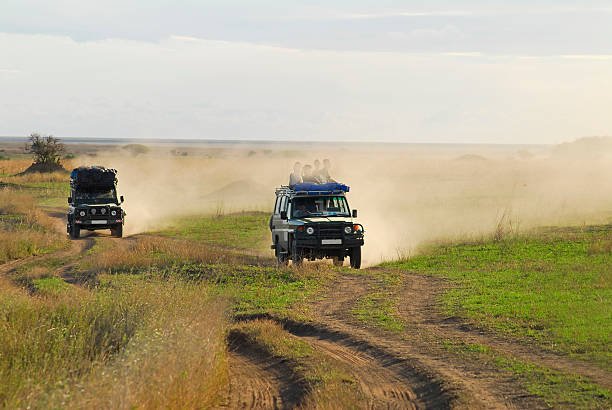
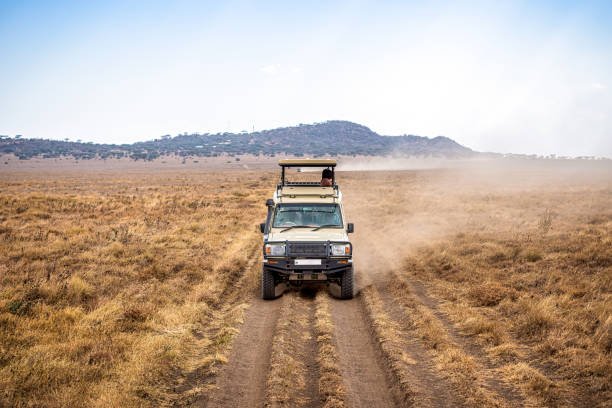
Getting to Lake Rukwa often involves a combination of driving and potentially a short domestic flight, depending on your starting point and desired itinerary. Top Guide Adventures utilizes sturdy 4×4 safari vehicles, essential for navigating the terrain around the lake. Our experienced drivers are also knowledgeable about the area and can assist with spotting wildlife and birds.
Key logistical considerations we manage:
- Vehicle suitability: Ensuring your safari vehicle is equipped for the potentially challenging roads.
- Fuel and supplies: Carrying adequate fuel and provisions for remote areas.
- Guide expertise: Providing guides with specific knowledge of Lake Rukwa’s birdlife.
What to Bring: Essential Gear for Birdwatchers
To make the most of your Lake Rukwa birdwatching tour, proper gear is crucial. We advise our clients to pack:
- Binoculars: High-quality binoculars (e.g., 8×42 or 10×42) are essential for detailed observation.
- Spotting Scope: Highly recommended for observing distant waterbirds and waders on the lake.
- Field Guide: A comprehensive field guide to the birds of East Africa.
- Camera Equipment: Long lenses (300mm or more) are ideal for bird photography. Extra batteries and memory cards are a must.
- Appropriate Clothing: Lightweight, neutral-colored clothing (long sleeves and trousers for sun and insect protection), a hat, sunglasses, and comfortable walking shoes. A waterproof jacket is advisable, especially during the wet season.
- Sun Protection: High SPF sunscreen, lip balm, and insect repellent.
- Personal Items: A reusable water bottle, personal first-aid kit, and any personal medications.
Top Guide Adventures can provide advice on specific brands and types of equipment, and we can also arrange for spotting scopes to be available on your tour if needed for your 2026 or 2027 trip.
Beyond the Birds: Experiencing the Wider Rukwa Ecosystem
While the primary focus of your trip is birdwatching, a Lake Rukwa birdwatching tour with Top Guide Adventures offers much more. The Rukwa Rift Valley is a region of immense natural beauty and ecological importance, supporting a diverse array of mammals and offering a glimpse into traditional Tanzanian life.
Mammal Sightings
Lake Rukwa and its surrounding areas are home to a variety of mammals that often share the landscape with the birds. During game drives and excursions, you might encounter:
- Large Mammals: Herds of wildebeest and zebra are common, often seen grazing on the plains. Buffalo can also be found near water sources.
- Predators: While not as concentrated as in some other parks, lions, leopards, and cheetahs inhabit the area. Crocodiles are abundant in the lake.
- Other Wildlife: Giraffes, various antelope species (like impala, topi, hartebeest), and hippos are also present. Elephants are less common but can be seen in certain seasons or areas.
The chance to see these mammals adds another layer of excitement to your safari, providing a well-rounded wildlife viewing experience alongside your primary birding objectives.
Cultural Encounters
The regions around Lake Rukwa are inhabited by various ethnic
Check Availability for Lake Rukwa Birdwatching Tour 2026-2027
Ready to compare dates, prices, and the best option for your group? Send the package name and travel month so the team can reply with a clear quote, availability, and what is included.
Udzungwa Mountains National Park: Tanzanias Forested Biodiversity Hotspot
Udzungwa Mountains National Park is a vital ecological area in Tanzania, known for its incredible biodiversity, unique primates, and stunning mountain rainforests. It offers exceptional...
View package details
Tanzania Bird Watching Safari Prices: Your Guide 2026-2027
Planning a bird watching safari in Tanzania? This guide breaks down the costs for 2026-2027, explaining what influences prices and how to get the best value for your ornithological...
View package detailsNo related package matches those filters. Clear one or more filters to see the other topic-matched options.



