
Traveling from Botswana to Namibia typically involves crossing land borders, with the most common routes connecting via the Trans-Kalahari Highway or through the Caprivi Strip. Options range from self-drive adventures using your own vehicle to organized tours, with flights being a less common but possible alternative for specific segments. Planning for border crossings, vehicle requirements, and potential visa needs is crucial for a smooth transition between these two exceptional Southern African destinations, especially when planning for 2026-2027 travel.
Understanding Your Botswana to Namibia Travel Options
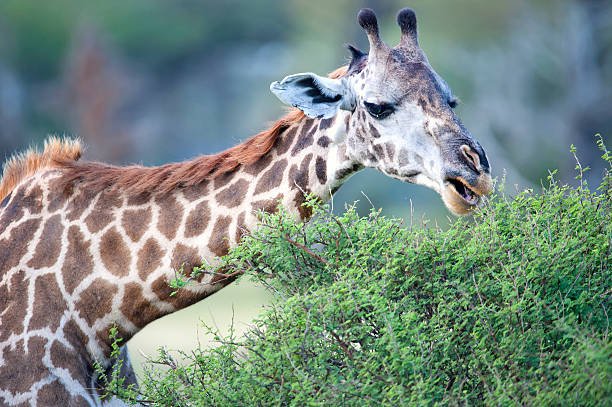
The journey from Botswana to Namibia is a popular choice for many travelers seeking to experience the diverse landscapes and wildlife of Southern Africa. These two countries, while neighboring, offer distinct safari experiences and cultural encounters. Whether you’re aiming for the iconic Okavango Delta and Chobe National Park in Botswana, or the dramatic dunes of Sossusvlei and the wildlife-rich Etosha National Park in Namibia, a well-planned trip ensures you maximize your adventure. The primary considerations for travel between Botswana and Namibia revolve around the mode of transport, border crossing points, necessary documentation, and the overall duration of your trip. For 2026 and 2027, understanding these elements will be key to a successful and memorable expedition.
The Appeal of a Botswana to Namibia Itinerary
Botswana is renowned for its pristine wilderness, offering exclusive safari experiences with low tourist density, particularly in its prime wildlife areas like the Okavango Delta and the Linyanti Reserve. Namibia, on the other hand, captivates with its vast, dramatic desert landscapes, ancient rock art, and rich marine life along the Skeleton Coast, alongside its excellent game viewing in Etosha. Combining these two nations allows for an unparalleled exploration of Africa’s natural wonders, from watery oases to arid expanses. This dual-country approach is ideal for travelers looking for variety and depth in their Southern African journey, and planning ahead for 2026-2027 travel will ensure access to the best lodges and safari experiences.
Key Factors Influencing Your Travel Choices
When deciding how to travel from Botswana to Namibia, several critical factors come into play:
- Budget: This is often the most significant determinant. Self-driving can be cost-effective for groups but requires significant upfront investment in vehicle and permits. Organized tours offer convenience and can sometimes be more budget-friendly for solo travelers or couples due to shared costs.
- Time Availability: How much time do you have for this cross-border adventure? A quick overland trip might take 5-7 days, while a comprehensive exploration could extend to several weeks.
- Travel Style: Are you looking for a rugged, independent adventure, or do you prefer the comfort and expertise of guided tours? Your preference will shape the type of transport and accommodation you choose.
- Group Size: Traveling solo, as a couple, or with a family or group of friends impacts vehicle choice, accommodation bookings, and overall cost-effectiveness.
- Desired Destinations: Which specific areas in Botswana and Namibia do you wish to visit? This will dictate the most logical border crossing points and travel routes.
Navigating the Land Borders: The Overland Route
The most common and often the most rewarding way to travel between Botswana and Namibia is overland, particularly by private vehicle or a guided overland tour. This method allows for flexibility, spontaneous stops, and a deeper appreciation of the changing landscapes. The two main overland corridors are the Trans-Kalahari Highway and the Caprivi Strip route.
Option 1: The Trans-Kalahari Highway (A2/B1)
This is the most direct and commonly used land route connecting Botswana’s capital, Gaborone, or its major tourism hubs like Maun, with Namibia’s capital, Windhoek. The highway is generally well-maintained and offers a relatively straightforward drive.
Route Overview:
- From Botswana: Typically, travelers start from Gaborone or drive from Maun towards the border post. The main border crossing is the Mamuno/Buitepos border post.
- Border Crossing: Mamuno (Botswana side) and Buitepos (Namibia side) are adjacent. You will need to clear immigration and customs in both countries. This can sometimes be a lengthy process, especially during peak travel times. Ensure all vehicle documentation is in order.
- Through Namibia: After crossing at Buitepos, you’ll be on the B1 highway, heading towards Windhoek. The drive from the border to Windhoek is approximately 3-4 hours.
Vehicle Requirements for Self-Drive:
- 4×4 Recommended: While the main highways are paved, having a 4×4 vehicle provides greater flexibility for exploring off-the-beaten-path attractions in both countries and is highly recommended for any significant off-road excursions.
- Carnet de Passages en Douane (CPD): If you are bringing your own vehicle from outside Southern Africa, you will likely need a CPD. If you are renting a vehicle within Botswana or Namibia, ensure you have cross-border permission from the rental company.
- Vehicle Registration Documents: Carry original or certified copies of your vehicle’s registration.
- Third-Party Insurance: Compulsory third-party insurance for Namibia is usually available for purchase at the border post.
- International Driving Permit (IDP): While not always strictly enforced for citizens of certain countries, it’s advisable to have one.
Timing and Distance:
- The distance from Gaborone to Windhoek is roughly 700-750 km.
- The driving time is approximately 8-10 hours, including border crossing procedures. It’s often advisable to break this journey, perhaps by staying overnight near the border or in a town like Gobabis in Namibia.
- If starting from Maun, the journey to the border is longer, requiring a drive towards Ghanzi in Botswana first.
Pros:
- Direct and relatively fast route to Windhoek.
- Well-maintained highway.
- Good for those prioritizing reaching Windhoek or central Namibia quickly.
Cons:
- Less scenic compared to the Caprivi Strip route.
- Border crossing can be time-consuming.
- Misses out on the unique ecosystems of the Caprivi Strip.
Option 2: The Caprivi Strip Route
This route offers a more scenic and wildlife-rich experience, passing through the narrow strip of land in northeastern Namibia that borders Botswana, Angola, and Zambia. It’s ideal for travelers who want to explore the riverine landscapes and abundant wildlife of this unique region.
Route Overview:
- From Botswana: This route usually starts from Kasane or Maun. You’ll head towards the Kazungula border post with Zambia, or proceed further west towards the Ngoma Bridge border post into Namibia.
- Border Crossing (Ngoma Bridge): This border post connects Botswana (near Chobe National Park) directly with the Caprivi Strip in Namibia. It’s a crucial gateway for those focusing on the Okavango Panhandle, Kwando River, and eastern Caprivi.
- Through Namibia: After crossing at Ngoma Bridge, you enter the Zambezi Region (formerly Caprivi Strip). The main road (B125 and then connecting to the Trans-Caprivi Highway B11) runs east to west through the strip, passing through towns like Katima Mulilo, Kongola, and Divundu.
- Connecting to Other Routes: From the Caprivi Strip, you can then travel south towards Etosha National Park, or west towards the Waterberg Plateau, or even north towards Angola (though this is less common for typical tourist routes).
Vehicle Requirements:
- A 4×4 or a robust 2WD vehicle with high ground clearance is highly recommended for the Caprivi Strip. While the main Trans-Caprivi Highway is generally tarred, many lodges and points of interest are accessed via gravel or sand tracks that can become challenging, especially during the rainy season (November to April).
- All documentation mentioned for the Trans-Kalahari Highway applies here, including cross-border permits if renting, insurance, and registration documents.
Timing and Distance:
- The distance from Kasane (Botswana) to Katima Mulilo (Namibia) via Ngoma Bridge is approximately 150-200 km, but the border crossing and road conditions can make it a full-day journey.
- The total length of the Caprivi Strip is about 400 km from the Namibian/Botswanan border to the Angolan border.
- Travel times can be significantly longer than distances suggest due to road conditions and the desire to stop and observe wildlife along the way.
Pros:
- Extremely scenic, with lush riverine landscapes and abundant birdlife.
- Excellent wildlife viewing opportunities in parks like Bwabwata, Mudumu, and Nkasa Rupara.
- Allows for exploration of the Okavango Panhandle and the unique ecosystems of the Kwando and Zambezi rivers.
- Connects well with northern Botswana’s prime safari areas (Chobe, Okavango).
Cons:
- Road conditions can be challenging, especially off the main highway or during the wet season.
- Malaria risk is higher in this region, requiring appropriate precautions.
- Can be a slower and more demanding route than the Trans-Kalahari Highway.
Overland Tours and Guided Expeditions
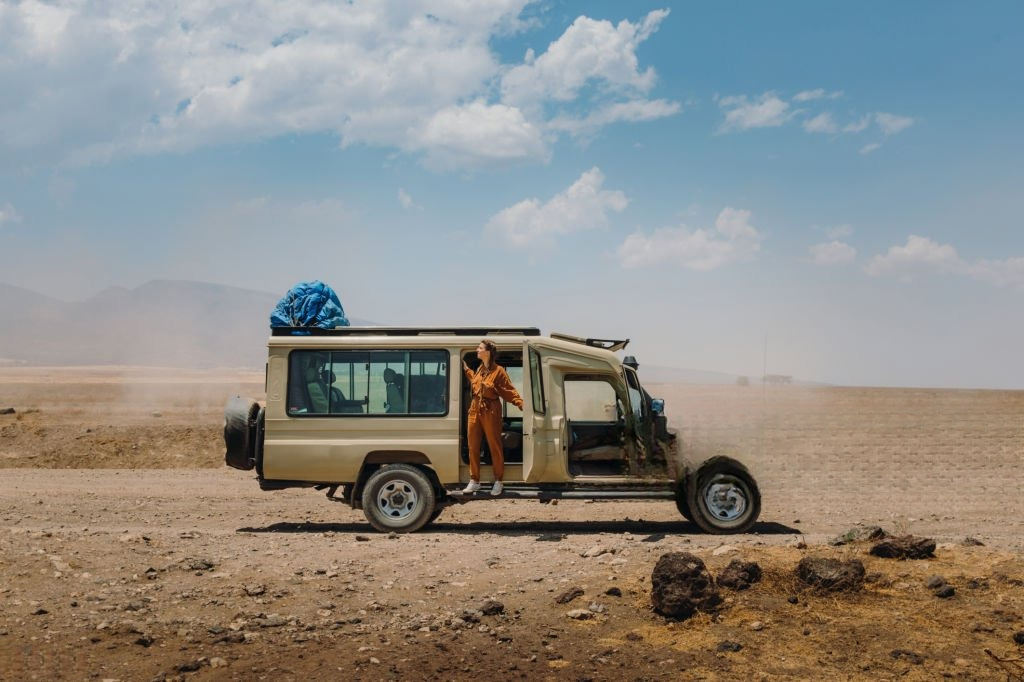
For those who prefer not to self-drive, numerous tour operators offer guided overland expeditions from Botswana to Namibia. These tours often utilize robust 4×4 vehicles and experienced guides who handle all the logistics, including border crossings, vehicle maintenance, and navigation.
Benefits of Guided Overland Tours:
- Convenience: All arrangements are made for you, from transport to accommodation and activities.
- Expertise: Guides provide invaluable insights into local culture, wildlife, and geography.
- Safety: Traveling with experienced guides enhances safety, especially in remote areas or during challenging conditions.
- Social Aspect: Overland tours are often a great way to meet like-minded travelers.
- Vehicle Included: You don’t need to worry about purchasing or renting a specialized vehicle.
Typical Inclusions:
- Transport in a 4×4 safari vehicle.
- Accommodation (often a mix of camping and lodges).
- Most meals.
- Park entrance fees and activity costs (though some may be optional).
- Experienced guide and driver.
Considerations for 2026-2027:
- Book well in advance, especially for popular departures in 2026 and 2027, as these tours fill up quickly.
- Check the exact itinerary to ensure it covers the specific regions and attractions you’re interested in. Some tours focus on the Trans-Kalahari, while others incorporate the Caprivi Strip.
Flying Between Botswana and Namibia
While overland travel is the most common, flying is an option for those with limited time or a preference for speed, though it’s generally more expensive and less common for a direct Botswana-to-Namibia transfer unless connecting through major hubs.
International Flights
Direct international flights between Botswana (e.g., Maun or Gaborone) and Namibia (e.g., Windhoek) are rare to non-existent. Most flight connections will involve a stopover in a major international hub like Johannesburg (South Africa) or Addis Ababa (Ethiopia).
Typical Flight Route:
- Fly from Maun (MUB) or Gaborone (GBE) in Botswana to Johannesburg (JNB), South Africa.
- From Johannesburg, take a flight to Windhoek Hosea Kutako International Airport (WDH) in Namibia.
Pros:
- Fastest way to cover long distances.
- Comfortable for those who dislike long drives.
Cons:
- Significantly more expensive than overland travel.
- Requires multiple connections, increasing travel time and potential for delays.
- Misses out on the overland scenery and roadside experiences.
- Limited luggage allowance on smaller aircraft.
Regional Flights
There are limited regional flight options. For instance, you might find flights between major hubs like Maun or Kasane in Botswana and Windhoek or the coastal towns of Namibia. However, these are often charter flights or part of more extensive fly-in safari packages.
Using Air Namibia (Historically) or other regional carriers:
- Historically, Air Namibia offered some regional routes, but its operational status has been inconsistent. Check current flight schedules with carriers operating in the region.
- Charter flights can be arranged, but they are very costly and typically only feasible for private groups or high-end luxury tours.
Considerations for 2026-2027:
- Flight schedules and availability can change rapidly. Always check with airlines or a reputable travel agent for the most up-to-date information for your 2026-2027 travel dates.
- Factor in the time and cost of getting to and from airports, check-in procedures, and potential layovers.
Border Crossing Procedures: What to Expect
Successfully crossing the border between Botswana and Namibia is a critical step. Both countries are generally efficient, but delays can occur. Being prepared is key.
Essential Documents for Individuals
- Passport: Must be valid for at least six months beyond your intended stay and have at least 2-3 blank pages.
- Visas: Check visa requirements for your nationality for both Botswana and Namibia well in advance. Many nationalities can enter visa-free for tourism for a limited period, but it’s crucial to verify. Some nationalities may require visas obtained in advance.
- Yellow Fever Certificate: If arriving from or transiting through a country with a risk of Yellow Fever, a vaccination certificate may be required.
- Proof of Onward Travel: Sometimes requested, especially at immigration.
Essential Documents for Vehicles (Self-Drive)
- Vehicle Registration Documents: Original or certified copy.
- Proof of Ownership or Authorization Letter: If driving a vehicle not registered in your name, you’ll need a letter of authorization from the owner.
- Cross-Border Permit: If renting a vehicle, obtain written permission from the rental company to take the vehicle across the border. This often involves a fee.
- Third-Party Vehicle Insurance: Typically purchased at the border post for Namibia. Ensure you have sufficient cover for Botswana as well.
- Carnet de Passages en Douane (CPD): Required for vehicles not registered in Botswana or Namibia.
- Driver’s License: Your national license is usually accepted, but an International Driving Permit (IDP) is recommended.
The Border Crossing Process (Example: Mamuno/Buitepos)
- Botswana Exit Control: Proceed to the Botswana immigration office to have your passport stamped for exit.
- Botswana Customs: Declare any goods if necessary and get clearance.
- Vehicle Clearance (Botswana): Obtain any required vehicle exit documentation.
- Drive to Namibian Side: Drive a short distance to the Namibian border post.
- Namibia Entry Control: Present passports to Namibian immigration for entry stamping and visa processing if applicable.
- Namibia Customs: Declare your vehicle and any goods. Pay any relevant taxes or duties if applicable. Purchase Namibian third-party insurance.
- Vehicle Registration: Register your vehicle with Namibian authorities.
Tips for Smooth Border Crossings:
- Be Patient: Border crossings can take time, from 30 minutes to several hours, depending on the day, time, and number of travelers.
- Have Documents Ready: Keep all necessary documents organized and easily accessible.
- Be Honest: Declare everything truthfully to customs officials.
- Ask Questions: If unsure about any procedure, ask the officials.
- Currency: Have some local currency (Botswana Pula and Namibian Dollar) for any small fees or purchases at the border. The Namibian Dollar is pegged 1:1 to the South African Rand and is accepted widely.
Planning Your Botswana to Namibia Itinerary: Key Destinations
When planning your trip, consider which iconic destinations you want to visit in each country. This will influence your route and the time you allocate.
Botswana Highlights
- Okavango Delta: World’s largest inland delta, offering incredible water-based safaris (mokoro trips, boat cruises) and diverse wildlife.
- Chobe National Park: Famous for its massive elephant herds and prolific birdlife, particularly along the Chobe River.
- Moremi Game Reserve: Often called the “wildlife paradise,” known for its predator sightings and varied habitats.
- Central Kalahari Game Reserve: Vast, arid wilderness offering a starkly beautiful landscape and unique desert-adapted wildlife.
Namibia Highlights
- Etosha National Park: A massive salt pan surrounded by waterholes, attracting a huge concentration of wildlife, especially during the dry season.
- Sossusvlei & Deadvlei: Iconic red sand dunes and ancient camel thorn trees in the Namib Desert.
- Swakopmund & Walvis Bay: Coastal towns offering adventure activities like sandboarding, quad biking, and marine cruises.
- Damaraland: Rugged desert landscapes, ancient rock art sites (Twyfelfontein), and desert-adapted elephants and rhinos.
- Fish River Canyon: The second-largest canyon in the world, offering dramatic vistas.
Sample Itinerary Structures
Here are a few ways you could structure a Botswana to Namibia trip, depending on your interests and time.
Sample Itinerary 1: The Classic Overland Adventure (Approx. 14 Days)
Focus: Key highlights of both countries, using the Trans-Kalahari Highway for efficiency.
- Days 1-4: Botswana – Okavango Delta/Chobe National Park. Arrive in Maun or Kasane, explore the Delta via mokoro or boat safari, and experience Chobe’s elephant herds.
- Day 5: Travel to Botswana Border. Drive towards the Mamuno border post, perhaps overnighting in Ghanzi.
- Day 6: Border Crossing & Drive to Windhoek. Cross at Mamuno/Buitepos and drive to Windhoek, Namibia.
- Days 7-9: Namibia – Windhoek & Sossusvlei. Explore Windhoek briefly, then drive to the Namib Desert to visit Sossusvlei and Deadvlei.
- Days 10-12: Namibia – Swakopmund. Drive to the coast, enjoy adventure activities and explore the unique desert-meets-ocean environment.
- Days 13-14: Drive to Etosha National Park & Departure. Drive north to Etosha for game viewing, then depart from Windhoek or continue your journey.
Sample Itinerary 2: The Caprivi Explorer (Approx. 18 Days)
Focus: Riverine landscapes, wildlife-rich Caprivi Strip, and Etosha.
- Days 1-4: Botswana – Chobe National Park/Victoria Falls (Zambia). Start in Kasane, enjoy Chobe River safaris, and consider a day trip to Victoria Falls.
- Day 5: Border Crossing to Namibia (Caprivi Strip). Cross at Ngoma Bridge or Kazungula (if coming from Zambia) and head into the Zambezi Region. Stay near Kongola or Katima Mulilo.
- Days 6-8: Namibia – Eastern Caprivi. Explore Bwabwata, Mudumu, and Nkasa Rupara National Parks for unique wildlife viewing and birding.
- Days 9-11: Namibia – Okavango Panhandle & Divundu. Travel west along the Caprivi Highway, explore the Kavango River region and potentially boat trips.
- Day 12: Travel South towards Etosha. Begin the journey south, possibly stopping at the Waterberg Plateau Park.
- Days 13-15: Namibia – Etosha National Park. Spend 2-3 days exploring Etosha’s diverse waterholes and salt pan.
- Days 16-17: Drive to Windhoek & Departure. Drive south to Windhoek for your departure, perhaps with a stop at Okahandja.
Practical Tips for 2026-2027 Travel
To ensure your Botswana to Namibia trip is as smooth as possible, consider these practical tips, especially for planning in 2026-2027.
Best Time to Travel
The dry season (May to October) is generally considered the best time for wildlife viewing in both countries, as animals congregate around water sources. This is also peak tourist season, so expect higher prices and more crowds. The shoulder seasons (April and November) can offer a good balance of decent weather and fewer tourists.
The wet season (November to April) brings lush landscapes and migratory birds but can make some roads impassable, especially in the Caprivi Strip and parts of Botswana’s delta regions. Wildlife viewing can be more dispersed.
Health and Safety
- Malaria: Both Botswana and Namibia are malaria-risk areas, particularly Botswana’s northern regions (Okavango, Chobe) and the Caprivi Strip. Consult your doctor about malaria prophylaxis and other recommended vaccinations well before your trip.
- Sun Protection: The sun is intense. Use high-SPF sunscreen, wear hats, and stay hydrated.
- Driving Safety: Drive on the left. Be aware of wildlife on the roads, especially at dawn and dusk. Avoid driving at night outside of major towns if possible. Stick to speed limits.
- Water: Drink bottled or purified water.
- Wildlife Encounters: Maintain a safe distance from all wild animals. Never feed them.
Connectivity and Communication
Mobile phone reception can be patchy outside of major towns and cities. Consider purchasing local SIM cards upon arrival in each country (e.g., Mascom or BTC in Botswana, MTC or TN Mobile in Namibia) for better rates. Many lodges offer Wi-Fi, but it can be slow or expensive.
Currency and Payments
- Botswana: Currency is the Botswana Pula (BWP). ATMs are available in major towns. Credit cards are accepted at larger lodges and shops but not universally.
- Namibia: Currency is the Namibian Dollar (NAD), which is pegged 1:1 to the South African Rand (ZAR). ZAR is widely accepted. ATMs are common in towns. Credit cards are accepted at most tourist establishments.
- Border Payments: Be prepared to pay for vehicle insurance and other border fees in cash (USD is often accepted, but local currency or ZAR is preferred).
Booking and Logistics for 2026-2027
For 2026-2027, early booking is highly recommended, especially for popular safari lodges, peak season travel, and specialized tours. Consider using a reputable tour operator who specializes in multi-country Southern African itineraries. They can assist with:
- Visa advice
- Vehicle hire and cross-border permits
- Accommodation bookings
- Internal flight arrangements
- Customized itinerary planning
For assistance with planning your dream safari, including smooth travel between Botswana and Namibia, you can reach out to Top Guide Adventures. We specialize in creating personalized journeys across Southern Africa. Contact us via WhatsApp at +255616946642 or email us at topguideadventures@gmail.com or info@topguideadventurestanzania.com.
Comparing Travel Styles: Self-Drive vs. Guided Tours
Choosing between self-driving and a guided tour significantly impacts your experience.
Self-Drive Advantages
- Ultimate Flexibility: Set your own pace, stop whenever you wish, and deviate from the main routes if your vehicle permits.
- Cost-Effectiveness for Groups: Sharing costs for vehicle rental, fuel, and accommodation can make it cheaper per person for larger groups.
- Sense of Adventure: The freedom and challenge of navigating and managing your own trip.
Self-Drive Disadvantages
- Logistical Complexity: Requires extensive research, booking, and planning.
- Vehicle Requirements: The need for a reliable 4×4, which can be expensive to rent or buy.
- Border Hassles: Navigating border procedures and paperwork can be time-consuming and stressful.
- Potential for Issues: Vehicle breakdowns, getting lost, or encountering difficult road conditions can be challenging to manage alone.
Guided Tour Advantages
- Stress-Free Planning: All logistics are handled by experts.
- Local Knowledge: Guides offer deep insights into wildlife, culture, and safety.
- Access to Remote Areas: Operators often have access to areas or vehicles not available to the average self-driver.
- Safety and Support: Assistance is readily available in case of emergencies.
Guided Tour Disadvantages
- Less Flexibility: You must adhere to the tour’s schedule and itinerary.
- Higher Cost (for Solo/Couples): While good value, the per-person cost can be higher than a self-drive for a group.
- Group Dynamics: You are traveling with others, which may not suit everyone.
Preparing for Your Botswana to Namibia Expedition in 2026-2027
Thorough preparation is key to a successful Botswana to Namibia journey. Consider these final points:
Packing Essentials
Pack light, neutral-colored clothing suitable for warm days and cooler evenings. Key items include:
- Lightweight long-sleeved shirts and trousers (for sun and insect protection)
- T-shirts and shorts
- Fleece or warm jacket for evenings
- Comfortable walking shoes and sandals
- Sun hat, sunglasses, and high-SPF sunscreen
- Insect repellent (with DEET)
- Personal first-aid kit
- Binoculars
- Camera and extra batteries/memory cards
- Adapter for electronics
- Reusable water bottle
- Headlamp or flashlight
Visa and Entry Requirements for 2026-2027
Always double-check the latest visa regulations for your specific nationality for both Botswana and Namibia closer to your travel dates in 2026 or 2027. Government policies can change. Many nationalities are granted visa-free entry for short tourist stays, but it is imperative to confirm this. For example, citizens of many European countries, the UK, USA, and Canada often receive 30-90 day tourist visas on arrival, but this is subject to change.
Insurance
Comprehensive travel insurance is non-negotiable. Ensure it covers:
- Medical emergencies and evacuation
- Trip cancellation or interruption
- Lost or stolen baggage
- Vehicle breakdown if self-driving
Final Thoughts on Your Botswana to Namibia Adventure
Traveling from Botswana to Namibia offers an incredible opportunity to witness the contrasting beauty and wildlife of two of Africa’s most spectacular countries. Whether you opt for the freedom of a self-drive adventure or the ease of a guided tour, careful planning is essential. By understanding the border crossing procedures, choosing the right route for your interests, and preparing adequately, your 2026-2027 expedition promises to be an unforgettable experience. For personalized assistance in crafting your perfect Botswana and Namibia itinerary, don’t hesitate to contact Top Guide Adventures. We are here to help you navigate the complexities and ensure your journey is as remarkable as the destinations themselves. Reach out via WhatsApp +255616946642 or email us at topguideadventures@gmail.com or info@topguideadventurestanzania.com.
“,
“faq_schema”: [
{
“question”: “What is the best way to travel from Botswana to Namibia?”,
“answer”: “The most common and recommended way to travel from Botswana to Namibia is overland, either by self-driving a 4×4 vehicle or joining a guided overland tour. The main routes are the Trans-Kalahari Highway (connecting to Windhoek) and the Caprivi Strip route (connecting to northern Namibia). Flying is possible but significantly more expensive and usually involves layovers.”
},
{
“question”: “What are the main border crossings between Botswana and Namibia?”,
“answer”: “The two primary border crossings for tourists are Mamuno/Buitepos (connecting to the Trans-Kalahari Highway for Windhoek) and Ngoma Bridge (connecting Botswana’s Chobe area to Namibia’s Caprivi Strip).”
},
{
“question”: “What documents do I need to cross the border by car?”,
“answer”: “For self-drive, you’ll need your passport, vehicle registration documents, proof of ownership or authorization letter, cross-border permit from the rental company (if applicable), and Namibian third-party vehicle insurance (purchased at the border). A Carnet de Passages en Douane (CPD) may be required if you are not a resident of Botswana or Namibia. Always check current requirements.”
},
{
“question”: “How long does it take to travel from Botswana to Namibia?”,
“answer”: “The driving time from Gaborone to Windhoek via the Trans-Kalahari Highway is around 8-10 hours, including border crossing. Travel through the Caprivi Strip is generally slower due to road conditions and wildlife, and can take a full day or more depending on your starting and ending points.”
},
{
“question”: “Is it safe to drive between Botswana and Namibia?”,
“answer”: “Yes, driving between Botswana and Namibia is generally safe, especially on the main highways. However, it’s crucial to drive on the left, be cautious of wildlife on the roads, avoid driving at night outside of major towns, and ensure your vehicle is in good condition. Using a 4×4 is recommended for exploring beyond main routes.”
},
{
“question”: “What is the best time of year to travel between Botswana and Namibia?”,
“answer”: “The dry season, from May to October, is generally best for wildlife viewing in both countries. However, this is also peak season. The shoulder months of April and November can offer a good balance. The wet season (November to April) brings lush landscapes but can make some roads impassable.”
},
{
“question”: “Do I need a visa to travel from Botswana to Namibia?”,
“answer”: “Visa requirements depend on your nationality. Many nationalities can enter Namibia and Botswana visa-free for short tourist stays, but it’s essential to verify the latest regulations for your specific passport well in advance of your 2026-2027 trip.”
},
{
“question”: “Can I use my credit card in both countries?”,
“answer”: “Credit cards are widely accepted at lodges, hotels, and larger shops in both Botswana and Namibia. However, it’s advisable to carry some local currency (Botswana Pula and Namibian Dollar/South African Rand) for smaller purchases, remote areas, and border fees.”
}
]
}
Check Availability for How To Travel From Botswana To Namibia 2026-2027
Ready to compare dates, prices, and the best option for your group? Send the package name and travel month so the team can reply with a clear quote, availability, and what is included.
How To Travel From South Africa To Namibia: Your Complete Guide 2026-2027
Discover the best ways to travel from South Africa to Namibia, covering driving routes, flights, and overland adventures. Get practical tips for a smooth journey.
View package details
How To Travel From Zambia To Botswana: Your Comprehensive Guide 2026-2027
Planning a trip from Zambia to Botswana? This guide covers all you need to know, from the quickest flights to overland adventures, visa requirements, and key considerations for your...
View package details
How To Travel From Botswana To South Africa: Your Ultimate Guide 2026-2027
A comprehensive guide to traveling from Botswana to South Africa, covering all transport options, border procedures, and essential planning advice for 2026-2027.
View package detailsHow To Travel From South Africa To Botswana 2026-2027
How to Travel from South Africa to Botswana is explained with current 2026-2027 planning, price, itinerary and booking information.
View package details
Tanzania Photography Safari 2026-2027
Tanzania Photography Safari is explained with current 2026-2027 planning, price, itinerary and booking information.
View package details
Serengeti Ngorongoro And Tarangire Safari 2026-2027
Serengeti Ngorongoro and Tarangire Safari is explained with current 2026-2027 planning, price, itinerary and booking information.
View package details
Southern Circuit Tanzania Safari: Your Ultimate Guide With Top Adventures
Explore the wild, less-traveled paths of Tanzania's Southern Circuit. This guide covers Ruaha, Nyerere National Park, and Mikumi, detailing experiences, wildlife, and planning for your...
View package details
Tanzania Safari Cost And Prices : Your Ultimate Guide 2026-2027
Planning your dream Tanzania safari in 2026 or 2027? This comprehensive guide breaks down the safari costs, prices, and key factors influencing your budget, helping you plan the perfect...
View package details
Tanzania Private Safari Tours: Your Ultimate Bespoke Adventure In 2026-2027
Discover the unparalleled freedom and personalized experience of a Tanzania private safari tour. Top Guide Adventures crafts bespoke journeys through iconic landscapes like the Serengeti...
View package detailsTanzania Family Safari Packages 2026-2027
Tanzania Family Safari Packages is explained with current 2026-2027 planning, price, itinerary and booking information.
View package details
14 Day Tanzania Safari And Beach Holiday 2026-2027
14 Day Tanzania Safari and Beach Holiday is explained with current 2026-2027 planning, price, itinerary and booking information.
View package details
7 Day Tanzania Safari Itinerary: The Ultimate Wildlife Adventure In 2026-2027
Discover the perfect 7-day Tanzania safari itinerary, maximizing wildlife encounters in iconic parks like the Serengeti and Ngorongoro Crater. This guide provides a detailed plan, essential...
View package detailsNo related package matches those filters. Clear one or more filters to see the other topic-matched options.



