
.orscg-article{–orscg-text:#152033;–orscg-muted:#5c6878;–orscg-line:#e4e8ee;–orscg-accent:#0b6b4f;–orscg-accent2:#c75b12;–orscg-soft:#f6faf7;–orscg-warm:#fff7ef;max-width:1120px;margin:0 auto;color:var(–orscg-text);font-family:inherit;line-height:1.76}.orscg-article *{box-sizing:border-box}.orscg-article-intro{padding:30px 26px;margin:0 0 32px;border:1px solid var(–orscg-line);border-radius:22px;background:linear-gradient(135deg,#fff 0%,var(–orscg-soft) 65%,var(–orscg-warm) 100%)}.orscg-updated{display:inline-block;margin:0 0 14px;padding:6px 12px;border:1px solid rgba(11,107,79,.18);border-radius:999px;background:#fff;color:var(–orscg-accent);font-size:13px;font-weight:800}.orscg-article-intro h2{font-family:’Trebuchet MS’,Arial,sans-serif;margin:0 0 14px;font-size:clamp(30px,4vw,52px);line-height:1.08;color:var(–orscg-text);letter-spacing:-.03em}.orscg-lead{max-width:900px;margin:0 0 18px;font-size:clamp(17px,2vw,21px);color:var(–orscg-muted)}.orscg-contact-mini{font-weight:800;margin:0}.orscg-contact-mini a,.orscg-content a{color:var(–orscg-accent);text-decoration:none}.orscg-contact-mini a:hover,.orscg-content a:hover{text-decoration:underline}.orscg-hero-price{margin:18px 0 0;padding:14px 16px;border:1px solid rgba(199,91,18,.28);border-radius:14px;background:#fff;color:#733809;font-weight:650}.orscg-content{font-size:17px}.orscg-content h2{font-family:’Trebuchet MS’,Arial,sans-serif;margin:44px 0 15px;font-size:clamp(25px,3vw,38px);line-height:1.17;color:var(–orscg-text);letter-spacing:-.02em}.orscg-content h2:first-child{margin-top:0}.orscg-content h3{margin:28px 0 12px;font-size:clamp(20px,2.1vw,27px);line-height:1.25;color:var(–orscg-text)}.orscg-content p{margin:0 0 18px}.orscg-content ul,.orscg-content ol{margin:0 0 24px;padding-left:24px}.orscg-content li{margin:8px 0}.orscg-content table,.orscg-table{width:100%;border-collapse:separate;border-spacing:0;margin:25px 0;font-size:16px;border:1px solid var(–orscg-line);border-radius:0;overflow:hidden;background:#fff;box-shadow:0 10px 24px rgba(15,23,42,.05)}.orscg-content th,.orscg-content td{border:0;border-bottom:1px solid var(–orscg-line);padding:13px 14px;text-align:left;vertical-align:top}.orscg-content tr:last-child td{border-bottom:0}.orscg-content th{background:var(–orscg-soft);font-weight:850;color:#10251d}.orscg-price-box{margin:30px 0;padding:24px;border:0;border-top:3px solid var(–orscg-accent2);border-bottom:1px solid rgba(199,91,18,.28);border-radius:0;background:linear-gradient(135deg,#fff,var(–orscg-warm));box-shadow:0 12px 26px rgba(15,23,42,.06)}.orscg-price-box h2{margin-top:0}.orscg-price-table th{background:#fff1e3}.orscg-price-table td:first-child{font-weight:800;color:#733809}.orscg-anchor-target{display:block;position:relative;top:-115px;visibility:hidden;height:0;overflow:hidden}.orscg-content h2[data-orscg-anchor]{scroll-margin-top:120px}.orscg-toc,.orscg-company-links{margin:24px 0;padding:22px 24px;border:1px solid var(–orscg-line);border-radius:18px;background:#fff;box-shadow:0 10px 28px rgba(15,23,42,.04)}.orscg-toc h2,.orscg-company-links h2{margin-top:0}.orscg-toc ol{columns:2;column-gap:34px}.orscg-toc li{break-inside:avoid}.orscg-toc a{cursor:pointer;font-weight:700}.orscg-note,.orscg-checklist,.orscg-itinerary,.orscg-faq,.orscg-map,.orscg-pro-block{margin:28px 0;padding:22px 24px;border:0;border-top:1px solid var(–orscg-line);border-bottom:1px solid var(–orscg-line);border-left:5px solid var(–orscg-accent);border-radius:0;background:var(–orscg-soft)}.orscg-itinerary{border-left-color:var(–orscg-accent2);background:#fffaf5}.orscg-pro-block{background:linear-gradient(135deg,#fff,var(–orscg-soft));box-shadow:0 10px 28px rgba(15,23,42,.04)}.orscg-top-images{display:grid;grid-template-columns:repeat(auto-fit,minmax(220px,1fr));gap:16px;margin:0 0 30px}.orscg-featured-image{margin:0;aspect-ratio:16/10;overflow:hidden;border-radius:18px;background:#eef2f0}.orscg-featured-image img{display:block;width:100%;height:100%;object-fit:cover;object-position:center;border-radius:18px;box-shadow:0 12px 30px rgba(15,23,42,.10)}.orscg-simple-cta{margin:46px 0 0;padding:28px;border:0;border-top:3px solid var(–orscg-accent);border-bottom:1px solid rgba(11,107,79,.20);border-radius:0;background:linear-gradient(135deg,var(–orscg-soft),#fff);box-shadow:0 14px 30px rgba(15,23,42,.07)}.orscg-direct-answer{margin:0 0 30px;padding:22px 24px;border:0;border-top:1px solid rgba(11,107,79,.25);border-bottom:1px solid rgba(11,107,79,.25);border-left:6px solid var(–orscg-accent);border-radius:0;background:linear-gradient(135deg,#fff,var(–orscg-soft));box-shadow:0 12px 26px rgba(15,23,42,.06);font-size:18px}.orscg-direct-answer p:last-child{margin-bottom:0}.orscg-simple-cta h2{font-family:’Trebuchet MS’,Arial,sans-serif;margin:0 0 12px;font-size:clamp(24px,3vw,34px);line-height:1.2}.orscg-simple-cta p{margin:0 0 16px}.orscg-related-packages{position:relative;margin:48px 0 0;padding:30px 0 8px;border:0;border-top:3px solid var(–orscg-accent);border-bottom:1px solid var(–orscg-line);border-radius:0;background:linear-gradient(180deg,#fff 0%,#f7faf8 100%);box-shadow:none}.orscg-related-packages h2{margin:0 0 8px}.orscg-related-packages p{margin:0;color:var(–orscg-muted)}.orscg-related-heading{display:flex;align-items:flex-end;justify-content:space-between;gap:18px;margin-bottom:22px}.orscg-package-explorer{display:grid;grid-template-columns:minmax(220px,270px) minmax(0,1fr);gap:24px;align-items:start}.orscg-package-filters{position:sticky;top:92px;border:1px solid var(–orscg-line);border-top:4px solid var(–orscg-accent);border-radius:0;background:#fff;box-shadow:0 12px 28px rgba(15,23,42,.07)}.orscg-filter-mobile-toggle{display:none;width:100%;padding:14px 16px;border:0;border-bottom:1px solid var(–orscg-line);border-radius:0;background:#fff;color:var(–orscg-text);font:inherit;font-weight:850;text-align:left;cursor:pointer}.orscg-filter-panel-head{display:flex;align-items:center;justify-content:space-between;gap:12px;padding:16px 17px;border-bottom:1px solid var(–orscg-line)}.orscg-filter-panel-head strong{font-size:18px}.orscg-filter-panel-head button,.orscg-package-results-head button{padding:0;border:0;background:transparent;color:var(–orscg-accent);font:inherit;font-size:13px;font-weight:800;cursor:pointer}.orscg-filter-group{margin:0;padding:16px 17px;border:0;border-bottom:1px solid var(–orscg-line)}.orscg-filter-group:last-child{border-bottom:0}.orscg-filter-group legend{display:block;width:100%;margin:0 0 10px;padding:0;color:var(–orscg-text);font-size:15px;font-weight:900}.orscg-filter-group label{display:grid;grid-template-columns:18px minmax(0,1fr) auto;align-items:center;gap:9px;margin:9px 0;color:var(–orscg-text);font-size:14px;line-height:1.35;cursor:pointer}.orscg-filter-group input{width:16px;height:16px;margin:0;accent-color:var(–orscg-accent)}.orscg-filter-group b{min-width:24px;color:var(–orscg-muted);font-size:12px;font-weight:700;text-align:right}.orscg-package-results{min-width:0}.orscg-package-results-head{display:flex;align-items:center;justify-content:space-between;gap:14px;margin:0 0 12px;padding:12px 0;border-top:1px solid var(–orscg-line);border-bottom:1px solid var(–orscg-line)}.orscg-package-results-head strong{font-size:15px}.orscg-package-list{display:grid;gap:16px}.orscg-package-card{display:grid;grid-template-columns:minmax(190px,245px) minmax(0,1fr);min-width:0;overflow:hidden;border:1px solid var(–orscg-line);border-left:4px solid var(–orscg-accent);border-radius:0;background:#fff;color:var(–orscg-text);box-shadow:0 12px 26px rgba(15,23,42,.07);transition:transform .18s ease,box-shadow .18s ease}.orscg-package-card[hidden]{display:none!important}.orscg-package-card:hover{transform:translateY(-2px);box-shadow:0 17px 32px rgba(15,23,42,.11)}.orscg-package-card-image{display:block;min-height:185px;overflow:hidden;background:#eaf0ec;text-decoration:none!important}.orscg-package-card-image img{display:block;width:100%;height:100%;min-height:185px;object-fit:cover;object-position:center}.orscg-package-image-placeholder{display:block;width:100%;height:100%;min-height:185px;background:linear-gradient(135deg,#e8f1ec,#fff3e7)}.orscg-package-card-body{display:flex;min-width:0;flex-direction:column;padding:18px 20px}.orscg-package-meta{display:flex;flex-wrap:wrap;gap:7px;margin:0 0 10px}.orscg-package-meta span{display:inline-flex;padding:4px 8px;border:1px solid rgba(11,107,79,.18);border-radius:0;background:var(–orscg-soft);color:#21463b;font-size:12px;font-weight:800;line-height:1.2}.orscg-package-card h3{margin:0 0 8px!important;font-size:clamp(19px,2vw,25px)!important;line-height:1.25}.orscg-package-card h3 a{color:var(–orscg-text)!important;text-decoration:none!important}.orscg-package-card h3 a:hover{color:var(–orscg-accent)!important}.orscg-package-card .orscg-package-summary{margin:0 0 14px;color:var(–orscg-muted);font-size:14px;line-height:1.58}.orscg-package-view{display:inline-flex;align-items:center;gap:7px;margin-top:auto;color:var(–orscg-accent)!important;text-decoration:none!important;font-size:14px;font-weight:900}.orscg-package-view:hover{text-decoration:underline!important}.orscg-package-empty{padding:24px;border:1px dashed var(–orscg-line);background:#fff;text-align:center}.orscg-filter-panel.is-open{display:block}.orscg-cta-links{display:flex;flex-wrap:wrap;gap:12px}.orscg-btn{display:inline-flex;align-items:center;justify-content:center;padding:12px 19px;border-radius:0;background:var(–orscg-accent);color:#fff!important;text-decoration:none!important;font-weight:850;box-shadow:4px 4px 0 rgba(11,107,79,.18)}.orscg-btn-light{background:#fff;color:var(–orscg-accent)!important;border:1px solid var(–orscg-accent);box-shadow:none}@media(max-width:980px){.orscg-package-explorer{grid-template-columns:220px minmax(0,1fr)}.orscg-package-card{grid-template-columns:190px minmax(0,1fr)}}@media(max-width:760px){.orscg-article-intro{padding:24px 18px}.orscg-toc ol{columns:1}.orscg-content{font-size:16px}.orscg-content table,.orscg-table{display:block;overflow-x:auto}.orscg-simple-cta,.orscg-price-box,.orscg-related-packages{padding:20px}.orscg-cta-links{display:block}.orscg-btn{margin:0 8px 8px 0}.orscg-top-images{grid-template-columns:1fr}.orscg-related-heading{align-items:flex-start}.orscg-package-explorer{grid-template-columns:1fr}.orscg-package-filters{position:static}.orscg-filter-mobile-toggle{display:block}.orscg-filter-panel{display:none}.orscg-filter-panel.is-open{display:block}.orscg-package-card{grid-template-columns:1fr}.orscg-package-card-image,.orscg-package-card-image img,.orscg-package-image-placeholder{min-height:210px}.orscg-package-results-head{align-items:flex-start}}
/* v3.17.24 related package explorer: stronger existing-page topic matching, three-column desktop grid and old-page live refresh */
.orscg-related-packages{padding:34px 0 12px;overflow:visible}.orscg-related-heading{align-items:flex-start;margin-bottom:26px}.orscg-related-heading>div{max-width:880px}.orscg-related-heading h2{font-size:clamp(27px,3vw,40px);line-height:1.14}.orscg-related-heading p{max-width:830px;line-height:1.65}.orscg-package-explorer{grid-template-columns:minmax(238px,270px) minmax(0,1fr);gap:28px}.orscg-package-filters{top:84px;max-height:calc(100vh – 104px);overflow:auto;scrollbar-width:thin}.orscg-filter-mobile-toggle{align-items:center;justify-content:space-between;gap:16px}.orscg-filter-mobile-toggle small{color:var(–orscg-muted);font-size:12px;font-weight:750}.orscg-filter-panel-head{align-items:flex-start;padding:18px}.orscg-filter-panel-head>div{display:grid;gap:3px}.orscg-filter-panel-head span{color:var(–orscg-muted);font-size:12px}.orscg-filter-group{padding:0}.orscg-filter-group legend{margin:0}.orscg-filter-group-toggle{display:flex;width:100%;align-items:center;justify-content:space-between;gap:14px;padding:14px 17px;border:0;background:#fff;color:var(–orscg-text);font:inherit;font-size:15px;font-weight:900;text-align:left;cursor:pointer}.orscg-filter-group-toggle i{position:relative;width:14px;height:14px;flex:0 0 14px}.orscg-filter-group-toggle i:before,.orscg-filter-group-toggle i:after{content:””;position:absolute;left:1px;top:6px;width:12px;height:2px;background:var(–orscg-accent);transition:transform .18s ease}.orscg-filter-group-toggle i:after{transform:rotate(90deg)}.orscg-filter-group.is-expanded .orscg-filter-group-toggle i:after{transform:rotate(0)}.orscg-filter-options{padding:0 17px 14px}.orscg-filter-group:not(.is-expanded) .orscg-filter-options{display:none}.orscg-filter-group label{margin:5px -7px;padding:8px 7px;transition:background .16s ease}.orscg-filter-group label:hover{background:var(–orscg-soft)}.orscg-filter-group label:has(input:checked){background:#eef8f3;color:#123b2f;font-weight:800}.orscg-package-results-head{align-items:flex-start;margin-bottom:18px;padding:14px 0}.orscg-package-results-head>div{min-width:0}.orscg-package-results-head>button{flex:0 0 auto;margin-top:2px}.orscg-active-filters{display:flex;flex-wrap:wrap;gap:6px;margin-top:8px}.orscg-active-filters:empty{display:none}.orscg-active-filter-chip{display:inline-flex;align-items:center;padding:4px 8px;border:1px solid rgba(11,107,79,.18);background:var(–orscg-soft);color:#21463b;font-size:12px;font-weight:750}.orscg-package-list{grid-template-columns:repeat(3,minmax(0,1fr));gap:20px;align-items:stretch}.orscg-package-card{position:relative;display:grid;grid-template-columns:1fr;grid-template-rows:auto 1fr;height:100%;border-left:1px solid var(–orscg-line);border-top:4px solid var(–orscg-accent);cursor:pointer;outline:none}.orscg-package-card:focus-visible{box-shadow:0 0 0 3px rgba(11,107,79,.2),0 17px 32px rgba(15,23,42,.11)}.orscg-package-card-image{min-height:0;aspect-ratio:16/9}.orscg-package-card-image img,.orscg-package-image-placeholder{width:100%;height:100%;min-height:0;aspect-ratio:16/9}.orscg-package-card-body{height:100%;padding:18px 19px 19px}.orscg-package-card h3{font-size:clamp(18px,1.7vw,23px)!important}.orscg-package-summary{display:-webkit-box;overflow:hidden;-webkit-box-orient:vertical;-webkit-line-clamp:3}.orscg-package-view{padding-top:4px}.orscg-package-card.is-filtered-in{animation:orscgPackageReveal .22s ease both}@keyframes orscgPackageReveal{from{opacity:.35;transform:translateY(5px)}to{opacity:1;transform:none}}@media(max-width:1050px){.orscg-package-explorer{grid-template-columns:220px minmax(0,1fr);gap:20px}.orscg-package-list{grid-template-columns:repeat(2,minmax(0,1fr))}}@media(max-width:760px){.orscg-related-packages{padding:24px 0 8px}.orscg-package-explorer{grid-template-columns:1fr}.orscg-package-filters{max-height:none;overflow:visible}.orscg-filter-mobile-toggle{display:flex}.orscg-package-list{grid-template-columns:1fr;gap:16px}.orscg-package-card-image{aspect-ratio:16/10}.orscg-package-card-image img,.orscg-package-image-placeholder{aspect-ratio:16/10}.orscg-package-results-head{gap:10px}.orscg-package-results-head>button{white-space:nowrap}}@media(max-width:430px){.orscg-package-results-head{display:grid;grid-template-columns:1fr}.orscg-package-results-head>button{justify-self:start}.orscg-filter-mobile-toggle{padding:14px}.orscg-package-card-body{padding:16px}}
Traveling from South Africa to Eswatini (formerly Swaziland) is most commonly achieved by road, either by driving your own vehicle, taking a bus, or arranging a private transfer. Direct flights are not available, making road travel the primary and most practical method for most visitors. The journey typically involves crossing the border at one of several official entry points, with the most popular being Oshoek/Ngwenya or Jeppe’s Reef/Mahamba. Planning your route, understanding border procedures, and considering local transport options are key to a smooth trip in 2026-2027.

Understanding the Journey: South Africa to Eswatini
Eswatini, a small, landlocked kingdom entirely surrounded by South Africa (with a small border shared with Mozambique), is a popular destination for South African travelers and international tourists alike. Its appeal lies in its rich cultural heritage, stunning natural landscapes, and unique, welcoming atmosphere. For many, the journey from South Africa is the logical first step to experiencing Eswatini. This guide provides an in-depth look at how to make that transition, covering everything from the quickest routes to the most budget-friendly options, and essential tips for navigating the border and your stay in 2026-2027.
The primary considerations when planning your travel from South Africa to Eswatini are:
- Mode of Transport: Driving, bus, private transfer, or even a combination.
- Border Crossing Point: Choosing the most convenient and efficient border post.
- Documentation: Ensuring passports, visas (if applicable), and vehicle papers are in order.
- Timing: Considering travel times, border queue lengths, and the best times to travel in 2026-2027.
- Costs: Budgeting for fuel, tolls, border fees, and onward travel within Eswatini.
Choosing Your Route: The Main Border Crossings
South Africa and Eswatini share several border posts, but not all are equally convenient or suitable for all types of travelers. The choice of border crossing often depends on your starting point in South Africa and your final destination within Eswatini.
Oshoek / Ngwenya Border Post
This is arguably the busiest and most commonly used border crossing. It’s located on the main N17 highway in South Africa, connecting directly to the MR1 route in Eswatini. If you are traveling from Gauteng (Johannesburg, Pretoria) or Mpumalanga, this is likely your most direct route.
- Location: Mpumalanga, South Africa, to Hhohho region, Eswatini.
- Accessibility: Easily accessible via tarred roads from major South African cities.
- Pros: Well-established, frequent traffic, good infrastructure on both sides.
- Cons: Can experience long queues, especially during peak holiday seasons or weekends in 2026-2027.
- Typical Journey Time (from Johannesburg): Approximately 4-5 hours, excluding border processing time.
Jeppe’s Reef / Mahamba Border Post
This crossing is another popular option, particularly if you are coming from areas like Nelspruit (Mbombela) in Mpumalanga or if your destination in Eswatini is in the southern part of the country, such as Nhlangano.
- Location: Mpumalanga, South Africa, to Shiselweni region, Eswatini.
- Accessibility: Accessible via the R543 from the N2 or N17 in South Africa.
- Pros: Often less congested than Oshoek/Ngwenya, offering a potentially quicker border experience.
- Cons: The approach roads might be slightly less direct depending on your starting point.
- Typical Journey Time (from Nelspruit/Mbombela): Approximately 3-4 hours, excluding border processing time.
Other Border Posts
While less frequently used for general travel, other border posts exist:
- Golela / Mananga: Connects KwaZulu-Natal, South Africa, to the Lubombo region in Eswatini. This is a viable option if you are traveling from northern KwaZulu-Natal.
- Lonhlupheko / Bulembu: A smaller, more remote crossing, generally not recommended for first-time visitors or those seeking ease of access.
For most travelers, sticking to Oshoek/Ngwenya or Jeppe’s Reef/Mahamba will offer the most straightforward and well-supported travel experience when planning your trip from South Africa to Eswatini in 2026-2027.
Transport Options: How to Get There
Once you’ve decided on your route, the next step is choosing how to make the journey. Each option has its own advantages and disadvantages regarding cost, convenience, and flexibility.
1. Driving Your Own Vehicle
Driving offers the most flexibility, allowing you to explore Eswatini at your own pace. South African registered vehicles are common in Eswatini.
Requirements for Your Vehicle:
- Vehicle Registration Documents: You must carry the original registration papers (or certified copies). If the vehicle is financed, you’ll need a letter of permission from the bank.
- Cross-Border Charge: A cross-border charge (often around R200-R300 ZAR) is usually payable at the South African border post.
- Insurance: Ensure your vehicle insurance covers Eswatini. Comprehensive cover is highly recommended. Some policies may require a cross-border sticker or endorsement.
- Temporary Import Permit (TIP): Not typically required for South African registered vehicles entering Eswatini for tourism purposes, but always good to check the latest regulations.
- Driver’s License: A valid South African driver’s license is sufficient.
- Vehicle Condition: Ensure your vehicle is in good mechanical condition.
Driving Experience:
Roads within Eswatini are generally well-maintained, especially the main routes. However, some rural roads can be rougher. Speed limits are enforced, and it’s advisable to drive cautiously, especially at night due to potential wildlife and unlit areas. Traffic drives on the left, same as in South Africa.
Fuel and Tolls:
Fuel is available in Eswatini, but prices can be slightly higher than in South Africa. There are no significant toll roads on the main routes between South Africa and Eswatini, but minor road usage fees might apply in specific areas. Check current fuel prices and availability for 2026-2027 planning.
2. Intercity Bus Services
Several bus companies operate routes connecting South Africa and Eswatini, offering a budget-friendly option.
Key Bus Operators:
- Intercape: Offers services from major South African cities (like Johannesburg and Durban) to Mbabane and Manzini in Eswatini.
- Mpumalanga Bus Lines: May offer regional services connecting Mpumalanga to Eswatini.
- Smaller Operators: Local bus companies might provide connections, especially from border towns.
Booking and Travel:
It’s advisable to book bus tickets in advance, especially for travel during peak periods in 2026-2027. Buses typically depart from major bus terminals or designated pick-up points in South African cities. The journey involves disembarking at the border for passport control and then re-boarding the bus on the Eswatini side. Ensure the bus company handles all border procedures efficiently.
Pros:
- Cost-effective: Generally the cheapest way to travel.
- Convenient: No need to worry about driving or vehicle maintenance.
Cons:
- Less Flexibility: Fixed schedules and routes.
- Longer Travel Times: Journeys can be longer due to multiple stops and border procedures.
- Comfort: Comfort levels can vary significantly between operators.
3. Private Transfers and Shuttles
For a more comfortable and direct journey, private transfers or shared shuttles are excellent options. These can be arranged in advance and offer door-to-door service.
Arranging a Transfer:
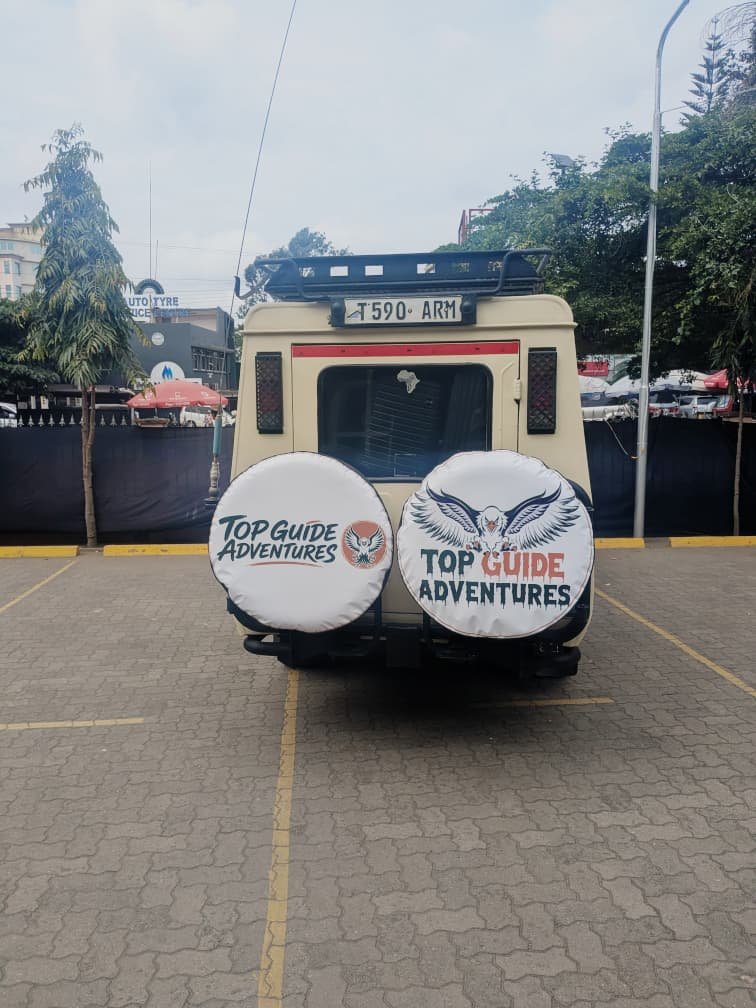
You can book these services through tour operators, shuttle companies, or even directly with drivers who specialize in this route. Companies like Top Guide Adventures, while primarily focused on Tanzania, can sometimes assist with connections or recommendations for Southern Africa travel, especially if part of a larger itinerary. Reach out via WhatsApp +255616946642 or Email topguideadventures@gmail.com for inquiries.
Service Details:
- Private Vehicles: A dedicated vehicle and driver for your group. Offers maximum flexibility and comfort.
- Shared Shuttles: A minivan or small bus carrying multiple passengers. More affordable than private transfers but with fixed schedules.
- Door-to-Door: Typically pick up from your accommodation in South Africa and drop off at your destination in Eswatini.
Pros:
- Convenience: Hassle-free travel, often with luggage assistance.
- Comfort: Modern vehicles, often air-conditioned.
- Efficiency: Drivers are experienced with border procedures, potentially saving time.
Cons:
- Cost: More expensive than buses, especially private transfers.
- Booking: Requires advance booking.
4. Flights (Indirect)
There are no direct commercial flights between South Africa and Eswatini. The nearest airport to Eswatini is King Mswati III International Airport (SHO) in Sikhuphe. However, reaching it from South Africa would require a flight to a major South African hub (like Johannesburg’s OR Tambo International Airport – JNB) and then onward travel by road. This makes flying impractical for most travelers solely focused on the South Africa-Eswatini leg.
If you are incorporating Eswatini into a broader Southern African trip and flying into Johannesburg, the most sensible approach is to arrange onward road travel from Johannesburg directly to Eswatini. This bypasses the need for an internal flight that doesn’t serve the primary purpose.
Border Crossing Procedures: What to Expect
Navigating the border between South Africa and Eswatini is a crucial part of the journey. While generally efficient, understanding the process can alleviate stress.
Documentation Checklist:
- Passport: Must be valid for at least six months beyond your intended stay and have at least two blank pages. Ensure it is stamped upon entry and exit by both countries.
- Visas: South African citizens do not require a visa for Eswatini for stays up to 30 days. Many other nationalities also receive visa-free entry for short stays. However, always check the latest visa requirements for your specific nationality well in advance of your 2026-2027 travel plans, as regulations can change. You can verify this with the Eswatini government’s immigration department or your local embassy.
- Children Traveling: If traveling with minors (under 18), ensure you have unabridged birth certificates. If only one parent is traveling, a consent letter from the other parent is required. If traveling with someone other than a parent, a consent letter from both parents is needed. This is strictly enforced.
- Vehicle Papers (if driving): As mentioned earlier: registration documents, insurance, and any required permits or letters of authority.
The Process at the Border Post:
- Arrival: Approach the border post and follow signage for vehicle entry or pedestrian/bus traffic.
- South African Exit Control: You will first proceed to the South African immigration counter to have your passport scanned and exit stamp issued. If driving, you may need to present vehicle documents here.
- Eswatini Entry Control: After clearing South African exit, proceed to the Eswatini immigration counter. Present your passport for entry stamping. Immigration officers may ask about the purpose of your visit and duration of stay.
- Customs: You may need to declare goods. For typical tourist items, this is usually straightforward.
- Vehicle Specifics (if driving): If driving, you will likely need to pay the cross-border charge on the South African side and potentially obtain a temporary permit or sticker on the Eswatini side. Your vehicle might be inspected.
Tips for a Smooth Border Crossing:
- Travel During Off-Peak Hours: Avoid early mornings, late afternoons, weekends, and public holidays if possible. Mid-week, mid-day is often best.
- Have Documents Ready: Keep all necessary documents (passports, visas, vehicle papers, birth certificates for children) easily accessible.
- Be Patient: Queues can form, especially at Oshoek/Ngwenya. Allow ample time for the crossing.
- Be Polite and Clear: Answer immigration officers’ questions honestly and politely.
- Currency: Have some South African Rand (ZAR) or Eswatini Lilangeni (SZL) available for any immediate border fees or initial expenses. The currencies are pegged 1:1 and are interchangeable in both countries.
Planning Your Eswatini Itinerary: Key Destinations and Activities
Once you’ve crossed the border, Eswatini offers a diverse range of experiences. Here are some highlights to consider for your 2026-2027 trip:
Mbabane
The capital city, Mbabane, is a bustling hub located in the mountainous Hhohho region. It’s often the first major stop for travelers arriving from South Africa via Oshoek/Ngwenya.
- Things to do: Visit the Mbabane Market for local crafts, explore the Ezulwini Valley (the “Valley of Heaven”) nearby for resorts and entertainment, and enjoy the scenic drives around the city.
Mankayane and the Central Highlands
This region offers beautiful landscapes, waterfalls, and opportunities for hiking.
- Things to do: Visit Mantenga Falls, explore the Malolotja Nature Reserve for hiking and birdwatching, and experience traditional Swazi culture at the Mantenga Cultural Village.
Manzini
Eswatini’s second-largest city and industrial center. It’s a good base for exploring the surrounding areas.
- Things to do: Experience local life, visit the Manzini Market, and use it as a transit point to other regions.
Nhlangano
Located in the south, near the Mahamba border post. Known for its historical significance as the place where King Sobhuza II was born.
- Things to do: Visit the King Sobhuza II Memorial Park and explore the southern farmlands.
Mkhaya Game Reserve
A premier wildlife destination in Eswatini, known for its rhino conservation efforts and chances to see large mammals like elephants, buffalo, and various antelope species.
- Things to do: Game drives (day and night), guided bush walks. Accommodation is in traditional beehive huts.
Hlane Royal National Park
Eswatini’s largest protected area, offering diverse wildlife and stunning landscapes, including the iconic ‘Hlane’ acacia trees.
- Things to do: Game drives, self-drive safaris, birdwatching, and experiencing the wildness of the park.
Pigg’s Peak
A town in the northwest, known for its mountainous terrain and historical mining past.
- Things to do: Explore the surrounding nature, visit the Phophonyane Nature Reserve, and enjoy the cooler mountain climate.
Practical Tips for Your Eswatini Trip 2026-2027
To ensure your journey from South Africa to Eswatini is as smooth as possible, consider these practical tips:
Currency:
The Eswatini Lilangeni (SZL) is the official currency, but it is pegged 1:1 with the South African Rand (ZAR). South African Rand are widely accepted and used interchangeably in Eswatini. ATMs are available in major towns, and credit cards are accepted in larger establishments, but it’s always wise to carry some cash, especially for smaller purchases or in rural areas.
Language:
The official languages are Swazi (SiSwati) and English. English is widely spoken in business and tourism contexts, making communication straightforward for most visitors.
Safety and Health:
Eswatini is generally considered safe for tourists, particularly in popular areas and when exercising standard travel precautions. Be aware of your surroundings, avoid displaying valuables, and do not walk alone in unfamiliar areas at night. Regarding health, consult your doctor about recommended vaccinations and malaria precautions, especially if traveling during warmer months or visiting game reserves. Tap water in major towns is generally safe to drink, but bottled water is readily available.
Connectivity:
Mobile network coverage is good in urban areas. You can purchase local SIM cards upon arrival or use your South African SIM card, though international roaming charges can be high. Wi-Fi is available in most hotels and lodges.
Accommodation:
Eswatini offers a range of accommodation, from luxury lodges and hotels in the Ezulwini Valley to charming guesthouses, self-catering options, and unique stays in game reserves. Booking in advance is recommended, especially for popular lodges and during peak travel seasons in 2026-2027.
Responsible Tourism:
Eswatini’s culture is deeply rooted in tradition. When visiting cultural villages or interacting with locals, show respect for customs and traditions. Support local communities by purchasing authentic crafts and using local services.
Comparing Travel Options: Cost and Time Estimates (2026-2027 Outlook)
To help you decide the best way to travel from South Africa to Eswatini, here’s a comparative look at the main options, with estimates for 2026-2027. Prices are approximate and can vary.
Cost & Time Comparison (Approximate for 2026-2027)
These estimates are for a one-way journey from Johannesburg to Mbabane/Manzini.
| Transport Option | Estimated Cost (ZAR) | Estimated Travel Time (Total) | Flexibility | Comfort Level |
|---|---|---|---|---|
| Driving Own Vehicle | R 800 – R 1500 (Fuel, Border Fees) | 4-6 hours (excluding stops) | Very High | High (depends on vehicle) |
| Intercity Bus (e.g., Intercape) | R 400 – R 700 | 6-9 hours (including border waits) | Low | Medium |
| Shared Shuttle | R 700 – R 1200 | 4-6 hours (often faster border) | Medium | High |
| Private Transfer | R 2500 – R 4000+ (per vehicle) | 3.5-5 hours (most efficient) | Very High | Very High |
Note: Costs are indicative for 2026-2027 and can fluctuate based on fuel prices, operator rates, and exchange rates. Travel time is highly dependent on border queue lengths and traffic conditions.
Factors Influencing Cost and Time:
- Starting Point in South Africa: Johannesburg is used as a benchmark; traveling from Cape Town or Durban will significantly increase travel time and cost.
- Border Crossing Point: Oshoek/Ngwenya can be slower due to traffic.
- Time of Travel: Weekends and holidays mean longer waits at the border.
- Vehicle Type: Fuel consumption for private vehicles.
- Operator Choice: Different bus and shuttle companies have varying pricing structures.
Planning Your Travel in 2026-2027: What’s New?
As you plan your trip from South Africa to Eswatini for 2026 or 2027, consider these forward-looking aspects:
- Digitalization of Borders: While still primarily manual, there’s a global trend towards digital border management. Keep an eye on any updates regarding electronic entry/exit systems that might streamline the process, though significant changes are unlikely by 2027 for this specific crossing.
- Infrastructure Improvements: Road conditions within Eswatini are generally good, but ongoing maintenance and potential upgrades might occur. Check for any major roadworks affecting your planned route closer to your travel date.
- Eswatini Tourism Initiatives: The Eswatini Tourism Authority is continually working to promote tourism. New lodges, experiences, or festivals might emerge. Research current tourism offerings for 2026-2027 to enrich your itinerary.
- Sustainable Travel: With a growing global focus on eco-tourism, Eswatini’s natural beauty and cultural heritage are prime attractions. Consider tours and accommodations that prioritize sustainability and community benefit.
Making Connections: Partnering with Tour Operators
For travelers seeking a more organized and supported experience, partnering with a tour operator can be highly beneficial. While Top Guide Adventures specializes in Tanzania, they understand the complexities of cross-border travel in Southern Africa and can sometimes offer guidance or connect you with trusted partners for your Eswatini adventure.
If you’re planning a multi-country trip that includes Eswatini and other Southern African destinations, a tour operator can craft a smooth itinerary. They handle logistics, accommodation, transport, and can advise on the best border crossings and timings. This is particularly useful if you’re coming from further afield or have specific interests like wildlife viewing or cultural immersion.
For inquiries about potential itinerary planning or recommendations for Southern Africa, feel free to reach out:
- WhatsApp: +255616946642
- Email: topguideadventures@gmail.com
- Backup Email: info@topguideadventurestanzania.com
While our primary expertise is in Tanzania safaris, Serengeti and Ngorongoro tours, Kilimanjaro climbs, and Zanzibar holidays, we are committed to helping travelers explore Africa responsibly and enjoyably. We can provide advice on cross-border logistics or connect you with reliable services for your journey from South Africa to Eswatini.
Final Preparations Before You Go
Before you start your journey from South Africa to Eswatini, a few final checks can make all the difference:
- Confirm Border Hours: Most major border posts operate from around 7:00 AM to 10:00 PM, but it’s wise to verify the exact operating hours for your chosen crossing for 2026-2027, as these can sometimes change.
- Check Weather Forecasts: Pack appropriate clothing based on the expected weather in Eswatini, considering the season and region you’ll be visiting.
- Inform Your Bank: If using credit or debit cards, inform your bank of your travel dates to avoid potential card suspensions due to unusual activity.
- Download Offline Maps: Mobile signal can be intermittent outside of major towns. Download offline maps of Eswatini for navigation.
- Learn a Few SiSwati Phrases: While English is widely spoken, knowing a few basic phrases like “Sawubona” (Hello) and “Ngiyabonga” (Thank you) is always appreciated.
Traveling from South Africa to Eswatini is a straightforward and rewarding experience. By choosing the right mode of transport, understanding the border crossing procedures, and preparing adequately, you can ensure a smooth and enjoyable transition into this fascinating kingdom. Whether you opt for the freedom of a self-drive adventure or the convenience of a shuttle service, the cultural richness and natural beauty of Eswatini await you in 2026-2027.
“,
“faq_schema”: [
{
“question”: “What is the quickest way to travel from South Africa to Eswatini?”,
“answer”: “The quickest way is typically by driving your own vehicle or taking a pre-booked private transfer or shared shuttle, especially if using the Oshoek/Ngwenya or Jeppe’s Reef/Mahamba border posts. These options offer direct routes and experienced drivers who can navigate border procedures efficiently, usually taking between 3.5 to 6 hours total travel time depending on border queues.”
},
{
“question”: “Can I drive my South African registered car into Eswatini?”,
“answer”: “Yes, you can drive your South African registered car into Eswatini. Ensure you have your vehicle registration documents, valid insurance covering Eswatini, and be prepared to pay a cross-border charge on the South African side. A letter of permission from the bank is needed if the vehicle is financed.”
},
{
“question”: “Do I need a visa to enter Eswatini from South Africa?”,
“answer”: “South African citizens do not require a visa for Eswatini for stays up to 30 days. Many other nationalities also receive visa-free entry for short tourist stays. However, it is crucial to check the latest visa requirements for your specific nationality well in advance of your 2026-2027 travel plans, as regulations can change.”
},
{
“question”: “What is the best border crossing between South Africa and Eswatini?”,
“answer”: “The most commonly used and generally recommended border crossings are Oshoek/Ngwenya (connecting to Mbabane) and Jeppe’s Reef/Mahamba (connecting to southern Eswatini). Oshoek/Ngwenya is often more direct from Gauteng, while Jeppe’s Reef/Mahamba can be less congested and is convenient if coming from Mpumalanga or heading south in Eswatini.”
},
{
“question”: “Are South African Rand (ZAR) accepted in Eswatini?”,
“answer”: “Yes, the South African Rand (ZAR) is accepted and used interchangeably with the Eswatini Lilangeni (SZL) at a 1:1 exchange rate. You do not need to exchange your currency if you are traveling from South Africa to Eswatini.”
},
{
“question”: “What are the estimated travel costs from South Africa to Eswatini in 2026-2027?”,
“answer”: “Costs vary significantly by transport method. Driving your own car might cost R800-R1500 for fuel and fees. Buses are the cheapest (R400-R700), while shared shuttles cost R700-R1200. Private transfers are the most expensive, ranging from R2500 upwards per vehicle. These are approximate estimates for 2026-2027.”
}
]
}
“`
Check Availability for How To Travel From South Africa To Eswatini 2026-2027
Ready to compare dates, prices, and the best option for your group? Send the package name and travel month so the team can reply with a clear quote, availability, and what is included.



