
.orscg-article{–orscg-text:#152033;–orscg-muted:#5c6878;–orscg-line:#e4e8ee;–orscg-accent:#0b6b4f;–orscg-accent2:#c75b12;–orscg-soft:#f6faf7;–orscg-warm:#fff7ef;max-width:1120px;margin:0 auto;color:var(–orscg-text);font-family:inherit;line-height:1.76}.orscg-article *{box-sizing:border-box}.orscg-article-intro{padding:30px 26px;margin:0 0 32px;border:1px solid var(–orscg-line);border-radius:22px;background:linear-gradient(135deg,#fff 0%,var(–orscg-soft) 65%,var(–orscg-warm) 100%)}.orscg-updated{display:inline-block;margin:0 0 14px;padding:6px 12px;border:1px solid rgba(11,107,79,.18);border-radius:999px;background:#fff;color:var(–orscg-accent);font-size:13px;font-weight:800}.orscg-article-intro h2{font-family:’Trebuchet MS’,Arial,sans-serif;margin:0 0 14px;font-size:clamp(30px,4vw,52px);line-height:1.08;color:var(–orscg-text);letter-spacing:-.03em}.orscg-lead{max-width:900px;margin:0 0 18px;font-size:clamp(17px,2vw,21px);color:var(–orscg-muted)}.orscg-contact-mini{font-weight:800;margin:0}.orscg-contact-mini a,.orscg-content a{color:var(–orscg-accent);text-decoration:none}.orscg-contact-mini a:hover,.orscg-content a:hover{text-decoration:underline}.orscg-hero-price{margin:18px 0 0;padding:14px 16px;border:1px solid rgba(199,91,18,.28);border-radius:14px;background:#fff;color:#733809;font-weight:650}.orscg-content{font-size:17px}.orscg-content h2{font-family:’Trebuchet MS’,Arial,sans-serif;margin:44px 0 15px;font-size:clamp(25px,3vw,38px);line-height:1.17;color:var(–orscg-text);letter-spacing:-.02em}.orscg-content h2:first-child{margin-top:0}.orscg-content h3{margin:28px 0 12px;font-size:clamp(20px,2.1vw,27px);line-height:1.25;color:var(–orscg-text)}.orscg-content p{margin:0 0 18px}.orscg-content ul,.orscg-content ol{margin:0 0 24px;padding-left:24px}.orscg-content li{margin:8px 0}.orscg-content table,.orscg-table{width:100%;border-collapse:separate;border-spacing:0;margin:25px 0;font-size:16px;border:1px solid var(–orscg-line);border-radius:0;overflow:hidden;background:#fff;box-shadow:0 10px 24px rgba(15,23,42,.05)}.orscg-content th,.orscg-content td{border:0;border-bottom:1px solid var(–orscg-line);padding:13px 14px;text-align:left;vertical-align:top}.orscg-content tr:last-child td{border-bottom:0}.orscg-content th{background:var(–orscg-soft);font-weight:850;color:#10251d}.orscg-price-box{margin:30px 0;padding:24px;border:0;border-top:3px solid var(–orscg-accent2);border-bottom:1px solid rgba(199,91,18,.28);border-radius:0;background:linear-gradient(135deg,#fff,var(–orscg-warm));box-shadow:0 12px 26px rgba(15,23,42,.06)}.orscg-price-box h2{margin-top:0}.orscg-price-table th{background:#fff1e3}.orscg-price-table td:first-child{font-weight:800;color:#733809}.orscg-anchor-target{display:block;position:relative;top:-115px;visibility:hidden;height:0;overflow:hidden}.orscg-content h2[data-orscg-anchor]{scroll-margin-top:120px}.orscg-toc,.orscg-company-links{margin:24px 0;padding:22px 24px;border:1px solid var(–orscg-line);border-radius:18px;background:#fff;box-shadow:0 10px 28px rgba(15,23,42,.04)}.orscg-toc h2,.orscg-company-links h2{margin-top:0}.orscg-toc ol{columns:2;column-gap:34px}.orscg-toc li{break-inside:avoid}.orscg-toc a{cursor:pointer;font-weight:700}.orscg-note,.orscg-checklist,.orscg-itinerary,.orscg-faq,.orscg-map,.orscg-pro-block{margin:28px 0;padding:22px 24px;border:0;border-top:1px solid var(–orscg-line);border-bottom:1px solid var(–orscg-line);border-left:5px solid var(–orscg-accent);border-radius:0;background:var(–orscg-soft)}.orscg-itinerary{border-left-color:var(–orscg-accent2);background:#fffaf5}.orscg-pro-block{background:linear-gradient(135deg,#fff,var(–orscg-soft));box-shadow:0 10px 28px rgba(15,23,42,.04)}.orscg-top-images{display:grid;grid-template-columns:repeat(auto-fit,minmax(220px,1fr));gap:16px;margin:0 0 30px}.orscg-featured-image{margin:0;aspect-ratio:16/10;overflow:hidden;border-radius:18px;background:#eef2f0}.orscg-featured-image img{display:block;width:100%;height:100%;object-fit:cover;object-position:center;border-radius:18px;box-shadow:0 12px 30px rgba(15,23,42,.10)}.orscg-simple-cta{margin:46px 0 0;padding:28px;border:0;border-top:3px solid var(–orscg-accent);border-bottom:1px solid rgba(11,107,79,.20);border-radius:0;background:linear-gradient(135deg,var(–orscg-soft),#fff);box-shadow:0 14px 30px rgba(15,23,42,.07)}.orscg-direct-answer{margin:0 0 30px;padding:22px 24px;border:0;border-top:1px solid rgba(11,107,79,.25);border-bottom:1px solid rgba(11,107,79,.25);border-left:6px solid var(–orscg-accent);border-radius:0;background:linear-gradient(135deg,#fff,var(–orscg-soft));box-shadow:0 12px 26px rgba(15,23,42,.06);font-size:18px}.orscg-direct-answer p:last-child{margin-bottom:0}.orscg-simple-cta h2{font-family:’Trebuchet MS’,Arial,sans-serif;margin:0 0 12px;font-size:clamp(24px,3vw,34px);line-height:1.2}.orscg-simple-cta p{margin:0 0 16px}.orscg-related-packages{position:relative;margin:48px 0 0;padding:30px 0 8px;border:0;border-top:3px solid var(–orscg-accent);border-bottom:1px solid var(–orscg-line);border-radius:0;background:linear-gradient(180deg,#fff 0%,#f7faf8 100%);box-shadow:none}.orscg-related-packages h2{margin:0 0 8px}.orscg-related-packages p{margin:0;color:var(–orscg-muted)}.orscg-related-heading{display:flex;align-items:flex-end;justify-content:space-between;gap:18px;margin-bottom:22px}.orscg-package-explorer{display:grid;grid-template-columns:minmax(220px,270px) minmax(0,1fr);gap:24px;align-items:start}.orscg-package-filters{position:sticky;top:92px;border:1px solid var(–orscg-line);border-top:4px solid var(–orscg-accent);border-radius:0;background:#fff;box-shadow:0 12px 28px rgba(15,23,42,.07)}.orscg-filter-mobile-toggle{display:none;width:100%;padding:14px 16px;border:0;border-bottom:1px solid var(–orscg-line);border-radius:0;background:#fff;color:var(–orscg-text);font:inherit;font-weight:850;text-align:left;cursor:pointer}.orscg-filter-panel-head{display:flex;align-items:center;justify-content:space-between;gap:12px;padding:16px 17px;border-bottom:1px solid var(–orscg-line)}.orscg-filter-panel-head strong{font-size:18px}.orscg-filter-panel-head button,.orscg-package-results-head button{padding:0;border:0;background:transparent;color:var(–orscg-accent);font:inherit;font-size:13px;font-weight:800;cursor:pointer}.orscg-filter-group{margin:0;padding:16px 17px;border:0;border-bottom:1px solid var(–orscg-line)}.orscg-filter-group:last-child{border-bottom:0}.orscg-filter-group legend{display:block;width:100%;margin:0 0 10px;padding:0;color:var(–orscg-text);font-size:15px;font-weight:900}.orscg-filter-group label{display:grid;grid-template-columns:18px minmax(0,1fr) auto;align-items:center;gap:9px;margin:9px 0;color:var(–orscg-text);font-size:14px;line-height:1.35;cursor:pointer}.orscg-filter-group input{width:16px;height:16px;margin:0;accent-color:var(–orscg-accent)}.orscg-filter-group b{min-width:24px;color:var(–orscg-muted);font-size:12px;font-weight:700;text-align:right}.orscg-package-results{min-width:0}.orscg-package-results-head{display:flex;align-items:center;justify-content:space-between;gap:14px;margin:0 0 12px;padding:12px 0;border-top:1px solid var(–orscg-line);border-bottom:1px solid var(–orscg-line)}.orscg-package-results-head strong{font-size:15px}.orscg-package-list{display:grid;gap:16px}.orscg-package-card{display:grid;grid-template-columns:minmax(190px,245px) minmax(0,1fr);min-width:0;overflow:hidden;border:1px solid var(–orscg-line);border-left:4px solid var(–orscg-accent);border-radius:0;background:#fff;color:var(–orscg-text);box-shadow:0 12px 26px rgba(15,23,42,.07);transition:transform .18s ease,box-shadow .18s ease}.orscg-package-card[hidden]{display:none!important}.orscg-package-card:hover{transform:translateY(-2px);box-shadow:0 17px 32px rgba(15,23,42,.11)}.orscg-package-card-image{display:block;min-height:185px;overflow:hidden;background:#eaf0ec;text-decoration:none!important}.orscg-package-card-image img{display:block;width:100%;height:100%;min-height:185px;object-fit:cover;object-position:center}.orscg-package-image-placeholder{display:block;width:100%;height:100%;min-height:185px;background:linear-gradient(135deg,#e8f1ec,#fff3e7)}.orscg-package-card-body{display:flex;min-width:0;flex-direction:column;padding:18px 20px}.orscg-package-meta{display:flex;flex-wrap:wrap;gap:7px;margin:0 0 10px}.orscg-package-meta span{display:inline-flex;padding:4px 8px;border:1px solid rgba(11,107,79,.18);border-radius:0;background:var(–orscg-soft);color:#21463b;font-size:12px;font-weight:800;line-height:1.2}.orscg-package-card h3{margin:0 0 8px!important;font-size:clamp(19px,2vw,25px)!important;line-height:1.25}.orscg-package-card h3 a{color:var(–orscg-text)!important;text-decoration:none!important}.orscg-package-card h3 a:hover{color:var(–orscg-accent)!important}.orscg-package-card .orscg-package-summary{margin:0 0 14px;color:var(–orscg-muted);font-size:14px;line-height:1.58}.orscg-package-view{display:inline-flex;align-items:center;gap:7px;margin-top:auto;color:var(–orscg-accent)!important;text-decoration:none!important;font-size:14px;font-weight:900}.orscg-package-view:hover{text-decoration:underline!important}.orscg-package-empty{padding:24px;border:1px dashed var(–orscg-line);background:#fff;text-align:center}.orscg-filter-panel.is-open{display:block}.orscg-cta-links{display:flex;flex-wrap:wrap;gap:12px}.orscg-btn{display:inline-flex;align-items:center;justify-content:center;padding:12px 19px;border-radius:0;background:var(–orscg-accent);color:#fff!important;text-decoration:none!important;font-weight:850;box-shadow:4px 4px 0 rgba(11,107,79,.18)}.orscg-btn-light{background:#fff;color:var(–orscg-accent)!important;border:1px solid var(–orscg-accent);box-shadow:none}@media(max-width:980px){.orscg-package-explorer{grid-template-columns:220px minmax(0,1fr)}.orscg-package-card{grid-template-columns:190px minmax(0,1fr)}}@media(max-width:760px){.orscg-article-intro{padding:24px 18px}.orscg-toc ol{columns:1}.orscg-content{font-size:16px}.orscg-content table,.orscg-table{display:block;overflow-x:auto}.orscg-simple-cta,.orscg-price-box,.orscg-related-packages{padding:20px}.orscg-cta-links{display:block}.orscg-btn{margin:0 8px 8px 0}.orscg-top-images{grid-template-columns:1fr}.orscg-related-heading{align-items:flex-start}.orscg-package-explorer{grid-template-columns:1fr}.orscg-package-filters{position:static}.orscg-filter-mobile-toggle{display:block}.orscg-filter-panel{display:none}.orscg-filter-panel.is-open{display:block}.orscg-package-card{grid-template-columns:1fr}.orscg-package-card-image,.orscg-package-card-image img,.orscg-package-image-placeholder{min-height:210px}.orscg-package-results-head{align-items:flex-start}}
/* v3.17.24 related package explorer: stronger existing-page topic matching, three-column desktop grid and old-page live refresh */
.orscg-related-packages{padding:34px 0 12px;overflow:visible}.orscg-related-heading{align-items:flex-start;margin-bottom:26px}.orscg-related-heading>div{max-width:880px}.orscg-related-heading h2{font-size:clamp(27px,3vw,40px);line-height:1.14}.orscg-related-heading p{max-width:830px;line-height:1.65}.orscg-package-explorer{grid-template-columns:minmax(238px,270px) minmax(0,1fr);gap:28px}.orscg-package-filters{top:84px;max-height:calc(100vh – 104px);overflow:auto;scrollbar-width:thin}.orscg-filter-mobile-toggle{align-items:center;justify-content:space-between;gap:16px}.orscg-filter-mobile-toggle small{color:var(–orscg-muted);font-size:12px;font-weight:750}.orscg-filter-panel-head{align-items:flex-start;padding:18px}.orscg-filter-panel-head>div{display:grid;gap:3px}.orscg-filter-panel-head span{color:var(–orscg-muted);font-size:12px}.orscg-filter-group{padding:0}.orscg-filter-group legend{margin:0}.orscg-filter-group-toggle{display:flex;width:100%;align-items:center;justify-content:space-between;gap:14px;padding:14px 17px;border:0;background:#fff;color:var(–orscg-text);font:inherit;font-size:15px;font-weight:900;text-align:left;cursor:pointer}.orscg-filter-group-toggle i{position:relative;width:14px;height:14px;flex:0 0 14px}.orscg-filter-group-toggle i:before,.orscg-filter-group-toggle i:after{content:””;position:absolute;left:1px;top:6px;width:12px;height:2px;background:var(–orscg-accent);transition:transform .18s ease}.orscg-filter-group-toggle i:after{transform:rotate(90deg)}.orscg-filter-group.is-expanded .orscg-filter-group-toggle i:after{transform:rotate(0)}.orscg-filter-options{padding:0 17px 14px}.orscg-filter-group:not(.is-expanded) .orscg-filter-options{display:none}.orscg-filter-group label{margin:5px -7px;padding:8px 7px;transition:background .16s ease}.orscg-filter-group label:hover{background:var(–orscg-soft)}.orscg-filter-group label:has(input:checked){background:#eef8f3;color:#123b2f;font-weight:800}.orscg-package-results-head{align-items:flex-start;margin-bottom:18px;padding:14px 0}.orscg-package-results-head>div{min-width:0}.orscg-package-results-head>button{flex:0 0 auto;margin-top:2px}.orscg-active-filters{display:flex;flex-wrap:wrap;gap:6px;margin-top:8px}.orscg-active-filters:empty{display:none}.orscg-active-filter-chip{display:inline-flex;align-items:center;padding:4px 8px;border:1px solid rgba(11,107,79,.18);background:var(–orscg-soft);color:#21463b;font-size:12px;font-weight:750}.orscg-package-list{grid-template-columns:repeat(3,minmax(0,1fr));gap:20px;align-items:stretch}.orscg-package-card{position:relative;display:grid;grid-template-columns:1fr;grid-template-rows:auto 1fr;height:100%;border-left:1px solid var(–orscg-line);border-top:4px solid var(–orscg-accent);cursor:pointer;outline:none}.orscg-package-card:focus-visible{box-shadow:0 0 0 3px rgba(11,107,79,.2),0 17px 32px rgba(15,23,42,.11)}.orscg-package-card-image{min-height:0;aspect-ratio:16/9}.orscg-package-card-image img,.orscg-package-image-placeholder{width:100%;height:100%;min-height:0;aspect-ratio:16/9}.orscg-package-card-body{height:100%;padding:18px 19px 19px}.orscg-package-card h3{font-size:clamp(18px,1.7vw,23px)!important}.orscg-package-summary{display:-webkit-box;overflow:hidden;-webkit-box-orient:vertical;-webkit-line-clamp:3}.orscg-package-view{padding-top:4px}.orscg-package-card.is-filtered-in{animation:orscgPackageReveal .22s ease both}@keyframes orscgPackageReveal{from{opacity:.35;transform:translateY(5px)}to{opacity:1;transform:none}}@media(max-width:1050px){.orscg-package-explorer{grid-template-columns:220px minmax(0,1fr);gap:20px}.orscg-package-list{grid-template-columns:repeat(2,minmax(0,1fr))}}@media(max-width:760px){.orscg-related-packages{padding:24px 0 8px}.orscg-package-explorer{grid-template-columns:1fr}.orscg-package-filters{max-height:none;overflow:visible}.orscg-filter-mobile-toggle{display:flex}.orscg-package-list{grid-template-columns:1fr;gap:16px}.orscg-package-card-image{aspect-ratio:16/10}.orscg-package-card-image img,.orscg-package-image-placeholder{aspect-ratio:16/10}.orscg-package-results-head{gap:10px}.orscg-package-results-head>button{white-space:nowrap}}@media(max-width:430px){.orscg-package-results-head{display:grid;grid-template-columns:1fr}.orscg-package-results-head>button{justify-self:start}.orscg-filter-mobile-toggle{padding:14px}.orscg-package-card-body{padding:16px}}
Traveling from Kenya to South Africa involves choosing between rapid flights or a more adventurous overland journey, with options typically taking anywhere from 6 hours by air to several weeks by road. Direct flights are the quickest, while overland routes offer a chance to experience multiple countries like Tanzania, Zambia, and Botswana, often requiring significant planning for visas, transport, and accommodation, especially for 2026-2027 travel.
Navigating the Route: Kenya to South Africa
The journey from Kenya to South Africa is a significant undertaking, spanning a vast distance across the African continent. Whether you prioritize speed, budget, or the experience of crossing diverse landscapes and cultures, understanding your options is crucial for a successful trip in 2026 or 2027. This guide aims to provide a comprehensive overview, from the quickest flight connections to the intricate planning required for an unforgettable overland adventure.
Understanding the Distance and Geography
Kenya and South Africa are separated by thousands of kilometers. Kenya is located in East Africa, while South Africa is at the southern tip of the continent. This immense distance means that travel methods and timeframes vary dramatically. A direct flight can cover this distance in a matter of hours, making it the most practical choice for many. However, for those seeking an in-depth experience, an overland journey presents an opportunity to witness the changing scenery, diverse wildlife, and distinct cultures of the countries in between.
Key Considerations for Your Journey
Before diving into the specific travel methods, it’s essential to consider several factors that will influence your decision:
- Time: How much time do you have for this journey? A few days will necessitate flying, while weeks or months open up overland possibilities.
- Budget: Flights can be expensive, but overland travel can also incur significant costs through visas, transport, accommodation, and daily expenses.
- Travel Style: Are you looking for comfort and speed, or do you embrace adventure, flexibility, and the unexpected?
- Visas: Requirements vary significantly for citizens of different countries. Researching visa needs for Kenya, transit countries, and South Africa well in advance is critical.
- Safety and Security: While many overland routes are well-traveled, it’s important to be informed about current safety conditions in the regions you plan to cross.
- Health: Consult your doctor about necessary vaccinations and malaria precautions for the countries you will visit.
Option 1: Flying from Kenya to South Africa – The Fastest Route
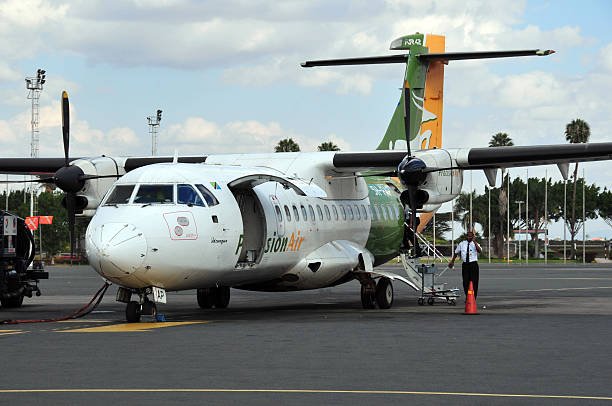
For most travelers, flying is the most efficient and straightforward way to get from Kenya to South Africa. Major airports in Kenya, primarily Jomo Kenyatta International Airport (NBO) in Nairobi, offer connections to South Africa’s main international gateways, such as O. R. Tambo International Airport (JNB) in Johannesburg and Cape Town International Airport (CPT).
Direct Flights vs. Flights with Layovers
- Direct Flights: Several airlines operate direct flights between Nairobi and Johannesburg. These are typically the quickest option, with flight times averaging around 6 to 7 hours. Airlines like Kenya Airways and South African Airways often service this route. Booking these in advance is highly recommended, especially for peak travel seasons in 2026 and 2027, to secure better fares.
- Flights with Layovers: If direct flights are unavailable or too expensive, flights with one or more layovers are common. These often connect through hubs like Addis Ababa (Ethiopia), Doha (Qatar), or Dubai (UAE). While these flights can sometimes be cheaper, they significantly increase travel time, potentially turning a single-day journey into two or more, depending on the layover duration.
Airlines and Booking Tips
When searching for flights, compare prices across various airlines and booking platforms. Consider:
- Kenya Airways: Often offers direct flights from Nairobi (NBO) to Johannesburg (JNB).
- South African Airways: Another primary carrier for this route.
- Ethiopian Airlines: Frequently provides options with a layover in Addis Ababa.
- Qatar Airways and Emirates: Offer flights with layovers in Doha and Dubai, respectively, often considered premium options.
Booking Tip for 2026-2027: To get the best prices, start looking for flights at least 3-6 months before your planned departure date. Flexibility with your travel dates can also lead to significant savings. Consider using flight comparison websites like Skyscanner, Google Flights, or Kayak, but always double-check prices directly on airline websites before booking.
Airport Information
- Kenya: Jomo Kenyatta International Airport (NBO) in Nairobi is the main international hub. Ensure you arrive at least 3 hours before your international flight for check-in and security procedures.
- South Africa: O. R. Tambo International Airport (JNB) in Johannesburg is the busiest airport in Africa and a major gateway. Cape Town International Airport (CPT) is another key destination, particularly for tourists. Allow ample time for immigration and customs upon arrival.
Cost of Flights
The cost of flights from Kenya to South Africa can vary widely based on the airline, time of booking, season, and whether the flight is direct or has layovers.
- Economy Class: Expect prices to range from approximately $400 to $800 USD for a round-trip ticket if booked in advance. Last-minute bookings or travel during peak seasons (like Christmas or Easter) can push prices higher, potentially exceeding $1000 USD.
- Business Class: Prices can range from $1500 to $3000+ USD depending on the airline and availability.
Note: These are estimates for 2026-2027 and can fluctuate. Always check current prices for your specific travel dates.
Option 2: Overland Travel from Kenya to South Africa – The Adventurous Path
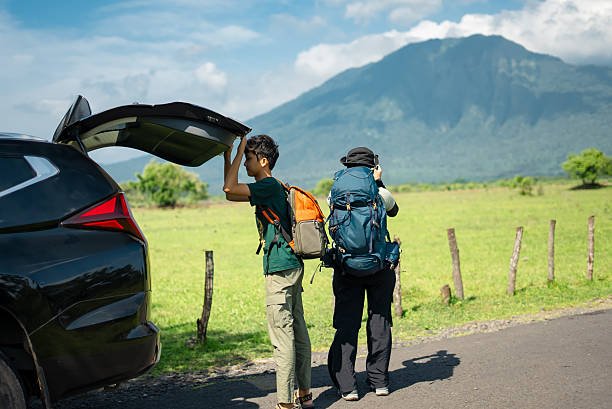
An overland journey from Kenya to South Africa is an epic adventure, offering an unparalleled opportunity to experience the diverse landscapes, wildlife, and cultures of East and Southern Africa. This is not a journey for the time-constrained or faint of heart; it requires meticulous planning, flexibility, and a spirit of adventure. The most common overland routes involve traveling south through Tanzania, Zambia, and often Botswana or Zimbabwe before reaching South Africa.
Planning Your Overland Route
An overland trip can be structured in various ways, from using public transport and overland tour companies to driving your own vehicle.
Common Overland Itinerary Progression
A typical overland route might look something like this:
- Kenya to Tanzania: Cross the border from Kenya into Tanzania. Major border crossings include Namanga. From Nairobi, you can travel to Arusha, the gateway to Northern Tanzania’s famous safari circuit.
- Tanzania to Zambia: Travel south through Tanzania, potentially visiting areas like Dar es Salaam or heading towards the southern highlands. The Tunduma border crossing is a common point to enter Zambia.
- Zambia to Botswana/Zimbabwe: From Zambia, you can choose to enter Botswana via the Kazungula border crossing (which also involves a ferry across the Zambezi River) or head towards Zimbabwe.
- Botswana/Zimbabwe to South Africa: From Botswana, you would typically drive south towards the border at Tlokweng, entering South Africa near Zeerust. From Zimbabwe, the Beitbridge border crossing leads directly into South Africa.
Methods of Overland Travel
- Organized Overland Safaris: This is often the most practical and recommended method for many travelers. Companies specializing in African overland tours provide a pre-planned itinerary, vehicle, driver/guide, and often accommodation and some meals. They handle border crossings, vehicle logistics, and group dynamics. These tours are designed for a longer duration, typically 4-8 weeks for the full Kenya to South Africa route.
- Public Transport: Traveling exclusively by public transport (buses, minibuses, trains where available) is the most budget-friendly but also the most time-consuming and challenging option. It involves navigating multiple border crossings independently, dealing with potential delays, and often requires a good command of local languages or excellent communication skills.
- Self-Drive: Driving your own vehicle (or a rented 4×4) offers maximum flexibility but comes with significant challenges. These include navigating remote roads, managing fuel, vehicle maintenance, obtaining international driving permits, and dealing with various border regulations and potential carnets de passage. This is best suited for experienced overland travelers.
Overland Tour Companies
Several reputable companies offer overland expeditions across Africa. Examples include:
- Intrepid Travel
- G Adventures
- Dragoman Overland
- O.A.T. (Overseas Adventure Travel)
When choosing a tour, carefully review the itinerary, inclusions, exclusions, group size, and departure dates for 2026-2027. Look for companies with strong safety records and positive reviews.
Visa Requirements for Overland Travel
This is one of the most complex aspects of overland travel. Visa requirements depend on your nationality and the specific countries you pass through. You will need to research and secure visas for:
- Kenya: If you are not a citizen, check entry requirements.
- Tanzania: Generally required for most nationalities.
- Zambia: Often available on arrival for many nationalities, but check in advance.
- Botswana: Visa-free for many nationalities for short stays.
- Zimbabwe: Visas are often required and can be obtained on arrival for some nationalities, but it’s best to confirm.
- South Africa: Visa requirements vary greatly by nationality.
Recommendation: Contact the respective embassies or consulates of each country well in advance of your trip. Many overland tour operators can offer guidance on visa applications, but the responsibility ultimately lies with the traveler.
Approximate Costs for Overland Travel
Overland travel costs are highly variable and depend on your chosen method, duration, and comfort level.
- Organized Overland Safaris: These tours typically range from $2,500 to $6,000+ USD per person for a trip from Kenya to South Africa, depending on the duration (4-8 weeks is common) and what is included (e.g., most meals, camping vs. hotel accommodation, national park fees). This price often covers the main transport, guide, and basic accommodation.
- Independent Travel (Public Transport/Self-Drive): This can be cheaper if done meticulously on a budget, potentially costing $1,500 – $3,000+ USD per person, but it requires constant budgeting for transport, food, accommodation, and unexpected expenses. Fuel, vehicle maintenance, and border fees for self-drive can add substantial costs.
Important Note for 2026-2027: Prices are estimates and subject to change due to inflation, fuel costs, and currency fluctuations. Always factor in a buffer for unexpected expenses.
Health and Safety on the Road
- Vaccinations: Yellow Fever vaccination is often mandatory for entry into certain African countries, especially if arriving from or transiting through areas with risk. Consult your doctor for other recommended vaccinations (e.g., Hepatitis A, Typhoid) and malaria prophylaxis.
- Malaria: Malaria is prevalent in many regions you will traverse. Take precautions such as using insect repellent, wearing long sleeves and pants at dawn and dusk, and taking prescribed antimalarial medication.
- Road Conditions: Roads can vary from excellent to extremely poor, especially in remote areas. Driving at night is generally discouraged due to poor visibility, wildlife on roads, and potential security risks.
- Security: While overland tours are generally well-managed, awareness of your surroundings is always important. Avoid displaying valuable items, be cautious in crowded areas, and follow the advice of your tour leader or local contacts.
Option 3: Multi-Country Itineraries Combining Flights and Overland Segments
For travelers who want a blend of speed and in-depth exploration, a multi-country itinerary combining flights for longer distances with overland segments for specific regions can be an excellent compromise. This approach allows you to experience key highlights without committing to a full continent-spanning overland journey.
Example Multi-Country Itinerary Structure
- Fly Nairobi to Kilimanjaro Region (Tanzania): Fly from Nairobi (NBO) to Kilimanjaro International Airport (JRO). This saves several days of road travel and allows immediate access to Tanzania’s northern circuit attractions like the Serengeti, Ngorongoro Crater, and Mount Kilimanjaro. Top Guide Adventures specializes in crafting these experiences.
- Explore Northern Tanzania: Spend time on a safari or climbing Kilimanjaro.
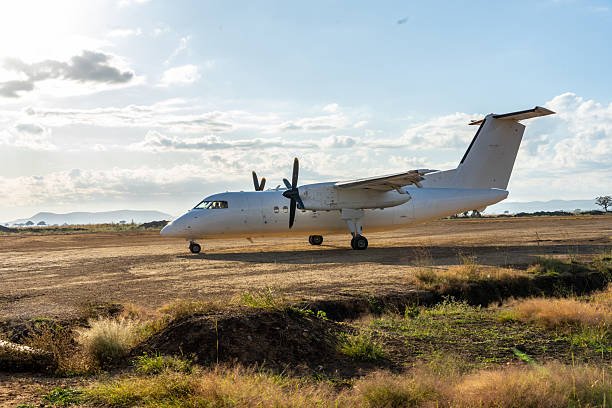
- Fly Tanzania to Zambia (or Botswana): From Kilimanjaro (JRO) or Dar es Salaam (DAR), you might find flights to Lusaka (LUN), Zambia, or potentially Maun (MUB), Botswana, depending on connections and seasonality. This bypasses long drives through central Tanzania.
- Overland Experience in Zambia/Botswana: From Lusaka, you could arrange a shorter overland tour or hire a driver to explore parts of Zambia (e.g., South Luangwa National Park) or cross into Botswana for a safari in the Okavango Delta or Chobe National Park.
- Fly to South Africa: From Lusaka (LUN) or Maun (MUB), you can then fly to Johannesburg (JNB) or Cape Town (CPT) to conclude your journey.
Benefits of a Hybrid Approach
- Time Efficiency: Reduces the time spent on long, monotonous stretches of road.
- Focused Exploration: Allows you to dedicate more time to specific regions or activities you are most interested in.
- Comfort: Incorporates the convenience and speed of air travel for the most challenging distances.
- Flexibility: Can be tailored to your interests and budget.
Planning a Hybrid Journey
This approach requires careful coordination of flight schedules and overland arrangements. Working with a specialized tour operator like Top Guide Adventures can be invaluable. We can help arrange internal flights within East and Southern Africa, coordinate with ground handlers for overland segments, and ensure a smooth transition between different modes of travel.
Expert Tip for Hybrid Travel
When planning your hybrid journey for 2026-2027, consider booking internal flights and key overland segments well in advance, especially during peak seasons. The availability of specific routes can change, and prices often increase closer to the travel date.
Detailed Itinerary Examples and Considerations for 2026-2027
To make the travel options more concrete, let’s look at potential itinerary structures for different travel styles.
Itinerary A: The Fast-Track Flyer (Approx. 1 Week)
This itinerary focuses on reaching South Africa efficiently, with minimal time spent in transit.
- Day 1: Depart Nairobi (NBO) on an early morning flight to Johannesburg (JNB). Arrive in Johannesburg in the afternoon. Transfer to your hotel.
- Day 2-3: Explore Johannesburg (e.g., Apartheid Museum, Soweto).
- Day 4: Fly from Johannesburg (JNB) to Cape Town (CPT). Check into your accommodation.
- Day 5-6: Explore Cape Town (e.g., Table Mountain, Robben Island, Cape Peninsula).
- Day 7: Depart from Cape Town (CPT).
Considerations: This is ideal for business travel or short holidays where the primary goal is to experience South Africa without spending extensive time traveling between countries. Flights between Nairobi and Johannesburg, and then Johannesburg and Cape Town, are readily available.
Itinerary B: The East Africa Explorer (Approx. 3-4 Weeks)
This itinerary combines a flight into East Africa with an overland journey south, focusing on key highlights.
- Days 1-2: Arrive in Nairobi, Kenya. Explore the city or nearby attractions like Nairobi National Park.
- Day 3: Overland transfer from Nairobi to Arusha, Tanzania (approx. 5-6 hours including border crossing).
- Days 4-8: Northern Tanzania Safari: Serengeti National Park, Ngorongoro Crater, Tarangire National Park. This can be done via a safari package.
- Day 9: Travel from Arusha to Dar es Salaam (flight or long bus journey).
- Day 10: Ferry to Zanzibar. Explore Stone Town and the beaches.
- Day 11-14: Zanzibar relaxation or activities.
- Day 15: Fly from Zanzibar (ZNZ) or Dar es Salaam (DAR) to Lusaka, Zambia (likely with a stopover).
- Days 16-20: Explore Zambia: South Luangwa National Park for walking safaris, Victoria Falls (from the Zambian side).
- Day 21: Cross the border from Zambia to Zimbabwe (Victoria Falls).
- Days 22-25: Explore Zimbabwe (e.g., Hwange National Park) or cross directly into Botswana.
- Days 26-30: Overland travel through Botswana (e.g., Chobe National Park, Okavango Delta) towards South Africa.
- Day 31: Arrive in Johannesburg, South Africa.
- Days 32-35: Explore Johannesburg or head to other regions of South Africa.
Considerations: This is a fast-paced but comprehensive introduction to East and Southern Africa. It requires careful booking of internal flights and overland segments. For 2026-2027, booking safari packages in Tanzania and Zambia/Botswana well in advance is crucial.
Itinerary C: The Grand Overland Adventure (Approx. 6-8 Weeks)
This is the classic overland expedition, covering the maximum ground by road.
- Week 1: Kenya: Nairobi, Masai Mara.
- Week 2: Tanzania: Arusha, Serengeti, Ngorongoro Crater, possibly heading towards Dar es Salaam.
- Week 3: Tanzania to Zambia: Long overland journey south, crossing the border at Tunduma. Explore Lusaka.
- Week 4: Zambia: South Luangwa National Park, potentially Victoria Falls.
- Week 5: Zambia to Botswana: Cross the Zambezi at Kazungula. Explore Chobe National Park.
- Week 6: Botswana: Okavango Delta, Kalahari Desert.
- Week 7: Botswana to South Africa: Overland to Johannesburg, potentially via Zimbabwe if time and route permit.
- Week 8: South Africa: Explore Johannesburg, Kruger National Park, or head towards Cape Town.
Considerations: This itinerary is best suited for those with ample time and a desire for deep immersion. It is often undertaken with organized overland truck companies. The pace is steady, with regular travel days and stops for exploration. For 2026-2027, departure dates for such extensive overland tours should be booked at least 9-12 months in advance due to limited spots and planning requirements.
Practicalities of Crossing Borders
Border crossings can be a significant part of the travel experience, especially on overland routes. They can range from efficient and quick to time-consuming and complex.
Key Border Crossings on the Route
- Kenya-Tanzania: Namanga is the main road crossing. Be prepared for queues and thorough checks.
- Tanzania-Zambia: Tunduma/Nakonde is a busy crossing. Ensure all your paperwork is in order.
- Zambia-Botswana: Kazungula is unique, involving a ferry across the Zambezi River. This can sometimes be a bottleneck.
- Zambia-Zimbabwe: Victoria Falls border post is generally efficient.
- Botswana-South Africa: Tlokweng border post (near Gaborone) is common.
- Zimbabwe-South Africa: Beitbridge is a major, busy commercial and tourist crossing.
Tips for Smooth Border Crossings
- Have all documents ready: Passports, visas, vehicle registration (if applicable), international driving permits, yellow fever certificates.
- Be patient: Queues can be long, and processes can sometimes be slow.
- Be prepared for fees: There are often various border fees, road taxes, or insurance costs. Keep small denominations of local currency or USD handy.
- Official Guides: In some cases, using an official border guide can help navigate the process, though this adds to the cost.
- Overland Tour Operators: If on an organized tour, your guide will manage the border crossing process.
Preparing for Your Trip: Essential Packing and Health Advice
Regardless of your chosen travel method, thorough preparation is key.
What to Pack
- Clothing: Lightweight, breathable clothing suitable for warm to hot climates. Include layers for cooler evenings or higher altitudes. Modest clothing is advisable for visiting villages or religious sites.
- Footwear: Comfortable walking shoes or hiking boots, sandals.
- Health Kit: Personal medications, basic first-aid supplies, insect repellent (with DEET), sunscreen, hand sanitizer.
- Documents: Passport, visas, flight tickets, travel insurance details, copies of all important documents (stored separately).
- Electronics: Universal travel adapter, power bank, camera.
- Miscellaneous: Hat, sunglasses, reusable water bottle, small backpack for day trips, headlamp or flashlight.
Packing for Overland vs. Flying
If flying, you have more flexibility with luggage size and weight, though budget airlines often have strict limits. For overland travel, especially if camping is involved, packing efficiently is crucial. A sturdy backpack or duffel bag is usually preferred over a hard-shell suitcase.
Health Precautions
As mentioned, consult your doctor 4-6 weeks before travel. Key health considerations include:
- Vaccinations: Yellow Fever, Hepatitis A, Typhoid, Tetanus.
- Malaria Prevention: Discuss antimalarial medication options.
- Travel Insurance: Ensure your policy covers medical emergencies, evacuation, and trip cancellation.
- Food and Water Safety: Drink bottled or purified water. Be cautious with street food and ensure cooked food is served hot.
Making the Decision: Which Travel Method is Right for You?
Choosing between flying, overland travel, or a hybrid approach depends entirely on your priorities for the Kenya to South Africa journey.
- For Speed and Convenience: Flights are the clear winner. They are ideal for those with limited time or who prefer to maximize their stay in South Africa.
- For Adventure and Immersion: Overland travel offers an unparalleled African experience, allowing you to see and feel the continent in a way that flying cannot replicate. It’s best for those with ample time, a flexible attitude, and a strong sense of adventure.
- For a Balanced Experience: A hybrid itinerary allows you to sample the best of both worlds, using flights to cover long distances and overland segments to explore specific regions in depth. This can be a great way to experience Tanzania’s wildlife and then fly to South Africa for its diverse attractions.
Considering 2026-2027 Travel
As you plan for travel in 2026 or 2027, remember that booking in advance is increasingly important for both flights and overland tours. Demand for travel to and within Africa continues to grow. Early booking can secure better prices, ensure availability, and give you peace of mind.
Partnering with Experts for Your Journey
Planning a complex journey like traveling from Kenya to South Africa can be daunting. At Top Guide Adventures, we specialize in creating unforgettable African travel experiences. While our primary focus is on Tanzania, we have extensive networks and partners across East and Southern Africa. Whether you’re looking to arrange a spectacular safari in the Serengeti before heading south, need assistance with internal flights, or are seeking advice on overland routes, we can help tailor a journey that suits your needs. Contact us to discuss your dream 2026-2027 African adventure.
WhatsApp: +255616946642
Email: topguideadventures@gmail.com
Backup Email: info@topguideadventurestanzania.com
Final Thoughts on Your Kenyan to South African Expedition
The journey from Kenya to South Africa is more than just a transfer between two countries; it’s an opportunity for discovery. Whether you choose the swiftness of air travel or the rich narrative of an overland expedition, each option promises a unique perspective on the African continent. For those planning for 2026-2027, early research and booking will be your greatest allies in crafting a trip that is both memorable and manageable. Consider your personal travel style, budget, and available time carefully to select the path that best aligns with your adventure goals.
Check Availability for How To Travel From Kenya To South Africa: The Ultimate Guide For 2026-2027
Ready to compare dates, prices, and the best option for your group? Send the package name and travel month so the team can reply with a clear quote, availability, and what is included.



