
A 3-day Tanzania safari is achievable and rewarding, typically focusing on one or two key northern circuit parks like Tarangire, Lake Manyara, and the Ngorongoro Crater, or offering a brief but impactful taste of the vast Serengeti. These short trips provide excellent wildlife viewing opportunities, especially for iconic species, and are ideal for travelers with limited time who want to experience Tanzania’s famed natural heritage in 2026 or 2027.

Designing Your Concise 3-Day Tanzania Safari Adventure
When planning a 3 days Tanzania safari, the key is strategic selection. Tanzania is vast, and its parks offer distinct experiences. For a trip this duration, it’s crucial to minimize travel time between locations to maximize wildlife viewing hours. Most short safaris operate within the Northern Circuit, a region renowned for its high concentration of wildlife and accessibility.
The most popular parks for a 3-day itinerary include:
- Tarangire National Park: Famous for its large elephant herds and iconic baobab trees. It’s often a fantastic starting point due to its proximity to Arusha.
- Lake Manyara National Park: Known for its tree-climbing lions, large troops of baboons, and diverse birdlife, set against the backdrop of the Great Rift Valley.
- Ngorongoro Conservation Area (including the Crater): A UNESCO World Heritage Site, the Ngorongoro Crater is a caldera teeming with wildlife, offering a unique ecosystem and high chances of spotting the Big Five in a single day.
- Serengeti National Park: While vast, a 3-day trip can offer a glimpse into its southern or central regions, focusing on specific areas known for resident wildlife or potentially the tail end of the Great Migration depending on the season in 2026-2027.
A typical 3-day itinerary will likely combine two of these, or focus intensely on one, such as the Ngorongoro Crater and its surroundings.
Itinerary Option 1: The Classic Northern Circuit Taster (Tarangire & Ngorongoro)
This is perhaps the most sought-after itinerary for a 3-day Tanzania safari due to its incredible wildlife density and variety, with manageable travel distances.
Day 1: Arrival in Arusha & Transfer to Tarangire National Park
Your adventure begins with your arrival at Kilimanjaro International Airport (JRO). You’ll be met by your guide from Top Guide Adventures and transferred to your accommodation in Arusha for a briefing. Depending on your arrival time, you might have lunch in Arusha before departing for Tarangire National Park, approximately a 2-3 hour drive.
Tarangire is spectacular, especially during the dry season (June to October), when large herds of elephants gather around the Tarangire River. The park’s landscape, dotted with ancient baobab trees, provides a dramatic setting for your first game drive. You’ll spend the afternoon exploring Tarangire, looking for elephants, lions, leopards, giraffes, zebras, and various antelope species. As dusk approaches, you’ll check into your lodge or tented camp within or near the park for the night.
Accommodation options: Range from budget-friendly campsites and lodges to more luxurious tented camps, offering varying levels of comfort and proximity to wildlife.
Day 2: Tarangire Exploration & Transfer to Ngorongoro Area
You’ll start your second day with an early morning game drive in Tarangire, often the best time to witness predators on the hunt or animals at their most active. After breakfast, you’ll drive towards the Ngorongoro Conservation Area. The journey itself offers scenic views of the Maasai Steppe and rural Tanzanian life.
Before descending into the Crater, you might visit a Maasai village for a cultural interaction, learning about their traditional way of life. This is an optional stop and can be tailored to your interests. The afternoon will be spent on a game drive within the Ngorongoro Crater itself. This collapsed volcano forms a natural amphitheater, housing an astonishing concentration of wildlife. You have excellent chances of spotting the Big Five – lion, elephant, buffalo, rhino, and leopard – within a few hours. The Crater floor is also home to hippos, hyenas, wildebeest, zebras, and a plethora of bird species. As the day ends, you’ll ascend from the Crater and check into your lodge located on the Crater rim or nearby Karatu town, offering stunning views or convenient access for the next day.
Accommodation options: Crater rim lodges offer unparalleled views but are often pricier. Lodges in Karatu provide a comfortable base with easier access to amenities.
Day 3: Lake Manyara (Optional) or Departure
Depending on your flight schedule and preference, Day 3 can be structured in a couple of ways:
- Option A (Full Day Experience): After breakfast, you can opt for a morning game drive in Lake Manyara National Park. This park, though smaller, is famous for its shallow alkaline lake, attracting thousands of flamingos (seasonal), and its elusive tree-climbing lions. You’ll have a final game drive here, enjoying the diverse birdlife and unique flora. After the game drive, you’ll be transferred back to Arusha or directly to Kilimanjaro International Airport (JRO) for your onward journey, typically arriving in the late afternoon or evening.
- Option B (Direct Departure): If your flight departs earlier, you will have breakfast at your lodge and then be driven directly back to Arusha or JRO airport. This allows for a more relaxed departure.
This itinerary provides a rich and varied experience of Tanzania’s wildlife in a compact timeframe. The ability to customize with optional stops like cultural visits makes it adaptable for different traveler interests in 2026-2027.
Itinerary Option 2: Serengeti Glimpse (Focus on Southern Serengeti)
For travelers who dream of the Serengeti but have only three days, focusing on the southern plains offers a chance to witness its magic, especially if timed with the Great Migration’s calving season (typically December to March).
Day 1: Arusha to Southern Serengeti
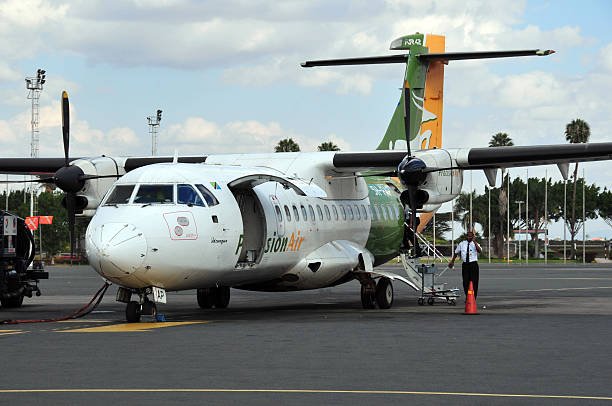
After your arrival at JRO and transfer to Arusha, you’ll immediately head to Arusha Airport (ARK) for a domestic flight to a Serengeti airstrip (e.g., Seronera or Ndutu Airstrip). Flying directly to the Serengeti saves significant driving time, which is essential for a 3-day trip. Upon landing, you’ll be met by your safari guide. Your game drive begins en route to your lodge or tented camp in the southern Serengeti. The southern plains are famous for their vast open grasslands, supporting huge herds of wildebeest and zebras, particularly during the calving season. You’ll have your first game drive in the afternoon, searching for predators like lions and cheetahs, which are abundant here, as well as elephants, giraffes, and various antelopes.
Accommodation options: Tented camps offer an authentic safari feel, often strategically located to follow wildlife movements. Lodges provide more permanent structures and amenities.
Day 2: Full Day Game Drive in Southern Serengeti
Your entire second day will be dedicated to exploring the southern Serengeti. You’ll set out early for a full-day game drive, equipped with a picnic lunch. This allows you to venture deep into the park, covering more ground and increasing your chances of exciting wildlife encounters. Depending on the season and wildlife movements in 2026-2027, your guide will take you to areas known for sightings of the Great Migration herds, large prides of lions, cheetahs on the open plains, leopards in acacia trees, and abundant birdlife. The sheer scale of the Serengeti is awe-inspiring, and a full day allows you to appreciate its unique ecosystem and the drama of predator-prey interactions.
Day 3: Morning Game Drive & Departure
Enjoy a final early morning game drive in the Serengeti, capturing those last magical moments of African wildlife. After the drive, you’ll return to the airstrip for your flight back to Arusha Airport (ARK). From Arusha, you will be transferred to Kilimanjaro International Airport (JRO) for your departure. This option, while more focused, offers an unforgettable taste of the iconic Serengeti.
Note: This itinerary relies heavily on internal flights, which adds to the cost but is the most efficient way to experience the Serengeti in just 3 days. Prices for 2026-2027 may vary based on flight costs and accommodation choices.
Key Considerations for Your 3-Day Tanzania Safari
When planning a short safari, several factors are critical for success:
Choosing the Right Parks and Timing
For a 3 days Tanzania safari, the Northern Circuit parks (Tarangire, Lake Manyara, Ngorongoro, and parts of Serengeti) are the most practical. The best time to visit depends on what you want to see:
- June to October: Dry season. Excellent for game viewing as animals congregate around water sources. Tarangire’s elephant herds are at their peak. The Great Migration is typically in the western or central Serengeti.
- November to May: Wet season. Greener landscapes, fewer crowds, and lower prices. The southern Serengeti (Ndutu area) is ideal for the calving season (December-March). Birdlife is spectacular.
For 2026-2027, check the predicted migration patterns closer to your travel dates for the most accurate planning.
Accommodation Styles
Your choice of accommodation significantly impacts your experience and budget. Options include:
- Budget: Public campsites with shared facilities, often requiring you to bring your own gear or rent basic equipment.
- Mid-Range: Tented camps (permanent or semi-permanent) with comfortable beds, en-suite bathrooms, and dining facilities. Lodges offer more solid structures with similar amenities.
- Luxury: High-end lodges and tented camps offering premium service, gourmet dining, exclusive locations, and often private guides or vehicles.
For a 3-day safari, choosing lodges or tented camps close to the park entrances or within the park boundaries can save valuable travel time.
Transportation and Guides
A reliable 4×4 safari vehicle with a pop-up roof is standard for Tanzanian safaris, providing excellent game viewing and comfort. Your guide is crucial; an experienced, knowledgeable guide can significantly enhance your safari by understanding animal behavior, tracking wildlife, and sharing insights about the ecosystem and local culture. Top Guide Adventures prides itself on its professional and passionate guides.
What to Pack
Even for a short trip, packing smart is essential:
- Lightweight, neutral-colored clothing (khaki, beige, green).
- A warm jacket or fleece for cool mornings and evenings.
- Comfortable walking shoes.
- Sunscreen, a wide-brimmed hat, and sunglasses.
- Insect repellent.
- Binoculars for enhanced wildlife viewing.
- A camera with extra batteries and memory cards.
- Personal medications and a basic first-aid kit.
- A reusable water bottle.
Understanding the Costs of a 3-Day Tanzania Safari
The cost of a 3-day Tanzania safari can vary significantly based on several factors. While it’s difficult to give exact prices without specific dates and choices for 2026-2027, here are the main components that influence the overall price:
Inclusions Typically Covered
Most safari packages for a 3 days Tanzania safari will include:
- Park entrance fees (these are a significant portion of the cost).
- Accommodation for 2 nights.
- All meals (breakfast, lunch, dinner) during the safari.
- A 4×4 safari vehicle with a pop-up roof.
- A professional, English-speaking safari guide.
- Unlimited mileage game drives.
- Bottled water in the safari vehicle.
- Airport transfers to and from Arusha/JRO.
Factors Affecting Price
- Accommodation Level: Budget campsites are the cheapest, followed by mid-range lodges/tented camps, and then luxury options which are the most expensive.
- Parks Visited: The Ngorongoro Crater fee is substantial. Serengeti National Park also has high daily entrance fees.
- Transportation Method: Opting for internal flights to Serengeti (as in Itinerary Option 2) significantly increases the cost compared to driving.
- Time of Year: Peak season (dry season, June-October) generally sees higher prices than the low season (wet season, April-May). Shoulder seasons might offer better value.
- Group Size: Private safaris are more expensive per person than joining a group or sharing a vehicle.
- Inclusions: Some operators might include optional activities like cultural visits or hot air balloon safaris (very expensive) in their packages, while others offer them as add-ons.
Estimated Cost Ranges (per person, based on 2024/2025 rates, projected for 2026-2027)
It’s important to note these are *estimates* and subject to change. For precise quotes for 2026 or 2027, it’s best to contact tour operators directly.
| Accommodation Level | Estimated Cost Per Person (3 Days/2 Nights) | Typical Itinerary Focus |
|---|---|---|
| Budget (Camping) | $700 – $1,200 | Tarangire, Lake Manyara, Ngorongoro Crater (driving) |
| Mid-Range (Tented Camp/Lodge) | $1,000 – $1,800 | Tarangire, Lake Manyara, Ngorongoro Crater (driving); possible budget Serengeti driving |
| Mid-to-High Range (Comfortable Lodge/Tented Camp) | $1,500 – $2,500 | Tarangire, Ngorongoro Crater, possibly with flight to Serengeti (short stay) |
| Luxury (High-End Lodge/Tented Camp) | $2,500 – $5,000+ | Premium locations, exclusive services, likely internal flights to Serengeti |
Note: These estimates are for a 3-day/2-night safari and do not include international flights, tips, visas, or personal expenses. Prices for 2026-2027 will be influenced by inflation and specific operator pricing.
For a personalized quote for your 3 days Tanzania safari in 2026 or 2027, we recommend reaching out to trusted operators like Top Guide Adventures. They can tailor a package to your budget and interests.
Maximizing Wildlife Sightings on a Short Safari
Even with just three days, you can significantly increase your chances of incredible wildlife encounters:
- Timing is Key: As mentioned, the dry season offers concentrated wildlife around water. The wet season offers different spectacles, like the calving season in the Serengeti.
- Early Mornings and Late Afternoons: These are the ‘golden hours’ for game viewing. Animals are most active during the cooler parts of the day, often hunting or grazing. Your safari vehicle will be out during these times.
- Choose Your Parks Wisely: For a 3-day trip, focus on parks known for high animal density and variety. The Ngorongoro Crater is exceptional for this. Tarangire is superb for elephants.
- Listen to Your Guide: Experienced guides are invaluable. They know the best spots, understand animal behavior, and can track animals effectively. They are your best asset for a successful 3 days Tanzania safari.
- Be Patient and Observant: Wildlife viewing often involves waiting. Sometimes the most rewarding sightings come after periods of quiet observation. Look for movement in the grass, birds that might indicate nearby animals, or animal tracks.
- Consider a Private Safari: While more expensive, a private safari offers flexibility. You can spend more time at sightings you find particularly interesting and customize your game drive routes.
The Great Migration: A Brief Look for Short Safaris
The Great Migration is a constant movement of over 1.5 million wildebeest, zebras, and gazelles across the Serengeti-Mara ecosystem. While a 3-day safari might not allow you to follow the entire migration, you can strategically plan to witness specific phases:
- Calving Season (December – March): The herds are concentrated in the southern Serengeti and Ndutu area. This is a prime time for predator sightings as lions, cheetahs, and hyenas take advantage of the vulnerable newborns. This is feasible for a 3-day Serengeti-focused trip in 2026-2027.
- River Crossings (July – October): The herds move north towards the Mara River. Witnessing the dramatic river crossings is a highlight for many, but this usually requires more time to position yourself correctly. A 3-day trip might catch the build-up or aftermath in the western Serengeti.
- Central/Western Serengeti (April – June): The herds disperse, grazing and moving through the central and western corridors. This period offers good game viewing but without the dramatic mass movements of other seasons.
For a 3 days Tanzania safari that includes the Serengeti, focusing on the southern plains during the calving season is your best bet for experiencing the migration’s impact.
Cultural Encounters: Adding Depth to Your Safari
Tanzania is rich in cultural diversity, with many ethnic groups, including the Maasai, Hadzabe, and Datoga, living in or near the safari areas. While a 3-day safari is short, it’s often possible to include a brief cultural visit.
Maasai Village Visit: Many tours include a stop at a traditional Maasai boma (village). Here, you can learn about their customs, witness traditional dances, and perhaps purchase local handicrafts. It’s important to choose visits that are respectful and provide genuine benefit to the community.
Hadzabe and Datoga: In areas like the Ngorongoro Conservation Area, you might have opportunities to visit hunter-gatherer Hadzabe or the pastoralist Datoga people. These are often more intimate and less commercialized experiences, requiring specific arrangements and potentially higher fees due to the remote locations and specialized guiding needed.
For a 3-day trip, integrating a cultural visit should be done thoughtfully to avoid rushing the safari experience. A short stop on the way to or from a park can be very rewarding.
Planning Your 2026-2027 Safari: Booking Tips
Booking your 3 days Tanzania safari well in advance is highly recommended, especially if you are planning for peak seasons in 2026 or 2027. Here are some tips:
- Book Early: Popular lodges and tented camps, particularly in prime locations, can fill up months in advance, especially during peak season.
- Choose a Reputable Operator: Look for companies with strong reviews, clear communication, and a commitment to responsible tourism. Top Guide Adventures is a trusted choice for organizing complete safari experiences.
- Be Clear About Your Budget: Communicate your budget range upfront to your tour operator. They can then propose suitable itineraries and accommodation options.
- Ask About Inclusions/Exclusions: Ensure you understand exactly what is covered in your package (park fees, meals, accommodation, guide, vehicle) and what is not (tips, drinks, visas, international flights).
- Consider Travel Insurance: It’s always wise to have comprehensive travel insurance that covers medical emergencies and trip cancellations.
- Visa Requirements: Check the visa requirements for Tanzania for your nationality well in advance. Many nationalities can obtain a visa on arrival or apply online.
The Value of a Short Safari
While longer safaris offer a more comprehensive experience, a 3-day Tanzania safari is far from a compromise. It’s a concentrated dose of the magic that makes Tanzania a premier safari destination. You’ll witness incredible wildlife, experience the vastness of the African landscape, and create memories that last a lifetime. For many, it’s the perfect introduction to Tanzania, potentially inspiring future, longer trips.
For those with limited time in 2026 or 2027, a 3 days Tanzania safari focusing on the Northern Circuit parks like Tarangire and Ngorongoro, or a swift Serengeti experience via flight, offers the best balance of wildlife encounters and logistical feasibility. The focus remains on maximizing your time in the parks, ensuring every moment counts.
Ready to plan your unforgettable 3-day Tanzania safari adventure for 2026 or 2027? Top Guide Adventures specializes in crafting personalized safari experiences that fit your time and budget. We offer dedicated support, expert guides, and a commitment to showing you the best of Tanzania. Contact us today to get a personalized quote or discuss your dream itinerary. You can reach us via WhatsApp at +255616946642, email at topguideadventures@gmail.com, or our backup email info@topguideadventurestanzania.com. Let us help you make your short Tanzanian safari an extraordinary experience!
Check Availability for 3 Days Tanzania Safari: Essential Itinerary & Wildlife Guide 2026-2027
Ready to compare dates, prices, and the best option for your group? Send the package name and travel month so the team can reply with a clear quote, availability, and what is included.



