
The best places for coffee in Tanzania offer a rich spectrum, from visiting the fertile slopes of Mount Kilimanjaro and Arusha for farm-to-cup experiences and expertly guided tours in 2026-2027, to savoring expertly brewed local blends in bustling city cafes in Dar es Salaam and vibrant spots in Stone Town, Zanzibar. Travelers can also find exceptional coffee at high-end safari lodges that source premium Tanzanian beans, providing a unique taste of the country’s renowned coffee culture.


Discovering Tanzania’s Coffee Soul: From Bean to Brew
Tanzania, a nation blessed with ideal growing conditions, is a significant producer of some of the world’s most sought-after coffee. While many visitors associate the country primarily with its iconic wildlife safaris and majestic Mount Kilimanjaro climbs, the rich coffee culture is an equally rewarding, albeit less publicized, aspect of the Tanzanian travel experience. For coffee aficionados and curious travelers alike, exploring the best places for coffee in Tanzania in 2026-2027 means delving into a world of aromatic beans, dedicated farmers, and vibrant brewing traditions. This guide aims to illuminate the diverse coffee landscapes, from the high-altitude estates surrounding Kilimanjaro and Arusha to the charming cafes dotting the coastal cities and the spice-scented alleys of Zanzibar.
The journey of Tanzanian coffee is deeply intertwined with its geography and its people. The country is predominantly known for two main coffee varieties: Arabica, grown primarily on the slopes of Mount Kilimanjaro and Mount Meru (in the Arusha region), and Robusta, cultivated in the southern regions like Ruvuma. The Arabica beans from the northern highlands are particularly prized for their complex flavors, often exhibiting fruity and floral notes, a testament to the rich volcanic soil and the ideal microclimates. Understanding this distinction is key to appreciating the nuances found in the best places for coffee throughout Tanzania.
The Northern Highlands: The Heartbeat of Tanzanian Coffee
The regions of Kilimanjaro and Arusha are the undisputed epicenters of Tanzania’s coffee production, especially for the high-quality Arabica beans that garner international acclaim. For travelers seeking an authentic coffee experience, these areas offer unparalleled opportunities to witness the entire process, from planting and harvesting to roasting and brewing.
Kilimanjaro Coffee Plantations: A Journey Up the Roof of Africa
When discussing the best places for coffee, the slopes of Mount Kilimanjaro are paramount. Here, smallholder farms and larger estates benefit from the mountain’s fertile volcanic soil and ideal altitude, producing some of the finest Arabica beans. Many local tour operators, including Top Guide Adventures, offer dedicated Kilimanjaro coffee tours That provide an intimate look into coffee cultivation. These tours typically involve visiting working coffee farms, learning about the different stages of coffee production—from picking ripe cherries to washing, drying, and hulling the beans—and, most importantly, tasting the freshly prepared coffee.
A typical Kilimanjaro coffee tour, which can be integrated into a safari itinerary or undertaken as a standalone day trip, often starts with a guided walk through the coffee fields. You’ll learn about sustainable farming practices and the social and economic impact of coffee on the local communities. The highlight for many is the opportunity to participate in some of the processes, such as de-pulping coffee cherries by hand or by traditional methods. The experience culminates in a tasting session, where you can savor the distinct flavors of Kilimanjaro-grown coffee, often served with locally baked goods. Expect to pay anywhere from $30 to $75 per person For a half-day or full-day coffee tour, depending on the operator and the inclusions.
For those planning a trip in 2026 or 2027, booking these tours in advance is highly recommended, especially during the peak harvest seasons, which generally run from July to October for the main crop and March to May for the smaller ‘short rains’ crop. This ensures availability and allows operators to provide a more personalized experience.
Arusha: The Gateway to Coffee and Safaris
Arusha, the vibrant city that serves as the gateway to Northern Tanzania’s safari circuit, is also a significant hub for coffee. The surrounding areas, including the slopes of Mount Meru, boast excellent coffee estates. Arusha itself is home to numerous cafes and roasteries that showcase Tanzanian coffee at its best. These establishments are perfect for travelers looking for a quality cup of coffee before or after their safari adventures.
Some of the best Arusha coffee shops Are known for their commitment to sourcing beans directly from local farmers, ensuring freshness and supporting the local economy. You can find cafes offering everything from traditional drip coffee and espresso-based drinks to unique brewing methods. Many also serve delicious pastries and light meals, making them ideal spots for breakfast or a relaxed afternoon break. Look for cafes that roast their beans on-site; this is often a sign of a serious dedication to quality. Prices for a specialty coffee in Arusha typically range from $2 to $5, with specialty pour-overs or cold brews potentially costing a bit more.
Consider visiting coffee houses that also function as cultural hubs or art galleries, offering a more holistic experience of Arusha’s local life. Some estates near Arusha also offer day visits with coffee tasting and lunch, providing a more rural and detailed experience than city cafes.
Beyond the Highlands: Coffee in Tanzania’s Urban Centers and Islands
While the northern highlands are the source, Tanzanian coffee has permeated the nation’s urban centers and even its idyllic islands, offering delightful experiences for travelers wherever they may be.
Dar es Salaam: A Cosmopolitan Coffee Scene
As Tanzania’s largest city and economic capital, Dar es Salaam boasts a dynamic and evolving coffee scene. The city’s cafes range from modern, international-style coffee shops to more traditional establishments serving local brews. For those seeking the Best places for coffee In Dar es Salaam, the focus is often on quality beans, skilled baristas, and a welcoming atmosphere.
Many cafes in Dar es Salaam pride themselves on using 100% Tanzanian beans, often highlighting the specific region or estate the coffee comes from. You’ll find a growing number of specialty coffee shops that offer a wide range of brewing methods, from Aeropress and V60 to cold drip. These places are not just about the coffee; they are also social hubs, perfect for business meetings, catching up with friends, or simply enjoying a quiet moment with a book. Expect to pay around $3 to $6 For a specialty coffee drink. Popular areas to explore for coffee include Masaki, Oyster Bay, and the city center.
For a more authentic, local experience, seek out smaller eateries or roadside stalls that serve “kahawa chungu” – a strong, spiced coffee often brewed with ginger, cardamom, and cloves. While not a specialty coffee experience in the modern sense, it’s a traditional and flavorful way to taste Tanzanian coffee culture. This is often available for less than $1.
Zanzibar: Spice-Scented Brews and Island Charm
Zanzibar, the semi-autonomous archipelago off the coast of Tanzania, offers a unique twist on the coffee experience, often infused with the island’s famous spices. While coffee is not grown on Zanzibar in significant quantities, its cafes and restaurants serve excellent Tanzanian coffee, often prepared with local flair. Finding the Best coffee in Zanzibar Means exploring its historic Stone Town and its beautiful beaches.
Stone Town, a UNESCO World Heritage site, is dotted with charming cafes and rooftop restaurants that offer stunning views alongside their coffee. Many establishments here serve coffee that has been subtly flavored with cardamom, cinnamon, or cloves, reflecting the island’s spice trade history. This fusion of rich coffee and exotic spices creates a truly memorable tasting experience. A specialty coffee might cost between $3 to $5, while a spiced coffee could be slightly more.
Beyond Stone Town, beach resorts and boutique hotels across Zanzibar also offer high-quality Tanzanian coffee. Some resorts even organize coffee tasting sessions featuring beans sourced from the mainland, providing a luxurious island take on the coffee culture. For those planning a Zanzibar holiday in 2026 or 2027, seeking out these unique coffee experiences can add another layer of delight to your tropical getaway.
Coffee on Safari: Unexpected Brews in the Wild
For many travelers to Tanzania, the primary focus is a safari adventure. It might come as a pleasant surprise that some of the most luxurious safari lodges and tented camps excel in offering exceptional coffee experiences. These establishments understand that for discerning travelers, even a cup of coffee can be a highlight.
High-end safari lodges often source premium Arabica beans directly from the best Tanzanian estates, sometimes even from the same regions visited on dedicated coffee tours. They invest in quality grinders and brewing equipment, ensuring that guests can enjoy a perfectly brewed cup of coffee, whether it’s an early morning wake-up call delivered to their tent or a relaxing espresso after dinner.
The unique aspect of enjoying coffee on safari is the setting. Imagine sipping a rich, aromatic Kilimanjaro blend while watching the sunrise over the Serengeti plains or listening to the distant calls of wildlife. This juxtaposition of wild nature and refined comfort elevates the coffee experience to something truly special. While not a distinct “place” in the traditional sense, the Best safari lodges Offering this level of quality are undoubtedly among the best places for coffee in Tanzania for those on a safari.
When selecting a lodge for your 2026-2027 safari, don’t hesitate to inquire about their coffee sourcing and preparation methods. Many lodges are happy to share details about the origins of their beans and their commitment to quality. This attention to detail is often indicative of the overall standard of service and experience provided by the lodge.
Planning Your Coffee-Focused Tanzania Adventure in 2026-2027
Integrating coffee experiences into your Tanzanian itinerary is easier than you might think, and can significantly enrich your trip. Whether you’re planning a safari, a Kilimanjaro climb, or a beach holiday, there are opportunities to engage with Tanzania’s coffee culture.
Integrating Coffee Tours into Safari Itineraries
For travelers embarking on a safari in the Serengeti, Ngorongoro Crater, or Tarangire National Park, incorporating a coffee tour in the Arusha or Kilimanjaro region is a natural fit. Many safari packages can be customized to include a day trip to a coffee plantation. For example, a 7-day Northern Circuit safari could easily accommodate a full day dedicated to coffee culture before or after the wildlife viewing. This often involves an overnight stay in Arusha or Moshi to facilitate the visit.
Top Guide Adventures specializes in crafting tailor-made journeys across Tanzania. We can arrange for you to visit coffee farms, enjoy guided tasting sessions, and even learn about the bean-to-cup process as part of your bespoke safari itinerary. This ensures that you don’t miss out on these unique cultural and sensory experiences. For those planning for 2026 or 2027, early consultation is key to ensuring well-organized integration.
Coffee and Kilimanjaro Climbs
Climbers preparing to ascend Mount Kilimanjaro often spend a few days in Moshi or Arusha before their trek begins. These pre-climb days are perfect for exploring local coffee farms and cafes. A visit to a plantation can provide a deeper appreciation for the land and the people whose livelihoods are connected to the mountain, adding a cultural dimension to the physical challenge ahead. Some climbers even opt to bring back high-quality Kilimanjaro coffee as a unique souvenir.
The Machame Route, for instance, is a popular choice, and climbers often spend time in Moshi. A coffee tour here is a relaxing and educational way to prepare for the trek. For those interested in group departures for Kilimanjaro climbs in 2026-2027, you can often coordinate these cultural excursions with your trek dates. Check out Machame Route Kilimanjaro Group Departures Dates For planning.
Coffee in Zanzibar Holidays
If your primary destination is Zanzibar, you can still enjoy excellent Tanzanian coffee. Beyond the cafes in Stone Town, many resorts and boutique hotels offer high-quality coffee. When booking your Zanzibar holiday for 2026 or 2027, consider properties that highlight their commitment to sourcing local or premium coffee. You can also arrange private spice tours that often include a stop at a local establishment serving coffee, sometimes infused with island spices.
Choosing the Right Coffee Experience
Tanzania offers a diverse range of coffee experiences, catering to different preferences and travel styles. When deciding where to focus your coffee explorations, consider what you hope to gain from the experience:
- For the Deep Dive: If you want to understand the entire coffee value chain, focus on the Kilimanjaro and Arusha regions. Booking a comprehensive farm tour with tasting is essential.
- For the Urban Explorer: If you enjoy vibrant city life and appreciate specialty coffee culture, Dar es Salaam and Arusha offer numerous cafes with skilled baristas and diverse brewing methods.
- For the Island Vibe: For a unique blend of coffee and tropical ambiance, Zanzibar’s Stone Town and coastal cafes provide a taste of Tanzanian coffee with an exotic, spicy twist.
- For the Safari Enthusiast: If your trip is primarily a safari, seek out lodges known for their high-quality coffee sourcing and preparation. This offers a convenient yet exceptional coffee experience amidst nature.
Regardless of your choice, remember that Tanzanian coffee is a product of rich soil, favorable climate, and the dedication of its people. Each cup tells a story of the land and its culture.
Finding Quality Coffee: Tips for Travelers
Navigating the coffee scene in a new country can be an adventure in itself. Here are a few tips to help you find the Best places for coffee During your travels in Tanzania:
- Ask Locals: The best recommendations often come from locals. Don’t hesitate to ask hotel staff, guides, or shopkeepers for their favorite coffee spots.
- Look for Roasteries: Cafes that roast their own beans are often a good indicator of quality and freshness.
- Check for Origin Information: Reputable establishments will often display information about where their beans are sourced from. Look for specific Tanzanian regions like Kilimanjaro or Arusha.
- Observe the Clientele: A busy cafe with locals and expatriates is often a sign of good coffee and a pleasant atmosphere.
- Be Open to Local Brews: While specialty coffee is increasingly available, don’t shy away from trying traditional Tanzanian coffee preparations, like the spiced “kahawa chungu.”
For those planning their trips for 2026 and 2027, the Tanzanian coffee scene is continuously growing and evolving, with new cafes and experiences emerging regularly. Staying open-minded and curious will lead to some delightful discoveries.
Top Guide Adventures: Your Partner in Experiencing Tanzania
At Top Guide Adventures, we understand that travel is about more than just the major attractions; it’s about experiencing the authentic culture and flavors of a destination. We are passionate about showcasing the diverse offerings of Tanzania, including its exceptional coffee heritage. Whether you dream of exploring coffee plantations near Kilimanjaro, savoring artisanal brews in Arusha, or enjoying a perfectly brewed cup on a Serengeti safari, we can help you craft the perfect itinerary.
Our expert team can arrange custom-designed tours that integrate coffee experiences seamlessly with your safari, climb, or beach holiday plans for 2026-2027. We work with trusted local partners to ensure you get the most authentic and enjoyable experiences. From farm visits and tasting sessions to ensuring your safari lodge serves the finest Tanzanian coffee, we handle all the details with personal attention and dedicated support.
Ready to plan your Tanzanian adventure and discover the best places for coffee? Contact us today to start building your dream trip. You can reach us via WhatsApp at +255616946642, email us at Topguideadventures@gmail.com, or use our backup email Info@topguideadventures.com. Let us guide you through the unforgettable landscapes and flavors of Tanzania.
Explore more about our Tanzania safari tours and group departures at All Tanzania safaris group departures dates. For those dreaming of conquering Kilimanjaro, discover our Machame Route Kilimanjaro Group Departures Dates. You can also find more insights and travel inspiration on our blog at Tanzania Safari Tours Blog.
“,
“faq_schema”: [
{
“question”: “When is the best time to visit Tanzania for coffee tours?”,
“answer”: “The main coffee harvest season in Tanzania, particularly for Arabica beans in the northern highlands, typically runs from July to October. A secondary, smaller harvest occurs from March to May. Visiting during these times allows you to see the coffee cherries being picked and processed. However, coffee farms are generally accessible year-round for tours, with the landscape being lush and beautiful at most times.”
},
{
“question”: “What is the difference between Arabica and Robusta coffee from Tanzania?”,
“answer”: “Tanzania is known for both Arabica and Robusta coffee. Arabica, grown primarily in the highlands of Kilimanjaro and Arusha, is prized for its complex aroma and flavor, often with fruity, floral, and wine-like notes. Robusta, grown in the southern regions, has a bolder, more bitter taste and higher caffeine content, commonly used in blends or instant coffee.”
},
{
“question”: “Can I buy Tanzanian coffee beans to take home?”,
“answer”: “Yes, absolutely! Many coffee farms, roasteries, and even some souvenir shops sell freshly roasted Tanzanian coffee beans. It’s a wonderful way to bring a taste of Tanzania back with you. Ensure you check customs regulations for your home country regarding agricultural products.”
},
{
“question”: “Are coffee tours available for solo travelers or small groups?”,
“answer”: “Yes, most tour operators, including Top Guide Adventures, offer customizable coffee tours that can be arranged for solo travelers, couples, families, or small groups. Group departures for coffee tours might also be available, especially in popular tourist areas like Arusha and Moshi.”
},
{
“question”: “What should I expect to pay for a coffee tour in Tanzania?”,
“answer”: “The cost of a coffee tour can vary depending on the duration, inclusions, and operator. A half-day tour might range from $30 to $60 per person, while a full-day experience with lunch and more in-depth activities could cost between $60 to $100+ per person. Prices are generally competitive, and booking with a reputable local company like Top Guide Adventures ensures good value and an authentic experience.”
}
]
}
“`
Check Availability for Best Places For Coffee 2026-2027
Ready to compare dates, prices, and the best option for your group? Send the package name and travel month so the team can reply with a clear quote, availability, and what is included.
Best Coffee In Dar Es Salaam: Top Cafes And Brews For 2026-2027
Dar es Salaam's coffee scene is vibrant and growing, offering everything from traditional Tanzanian brews to modern espresso creations. This guide highlights the top cafes and their...
View package details
Best Coffee Shops In Dar Es Salaam: Your Guide To Local Brews & Vibes
Explore the vibrant coffee culture of Dar es Salaam, Tanzania. This guide highlights the top coffee shops, from artisanal roasters to cozy cafes, perfect for locals and visitors alike...
View package details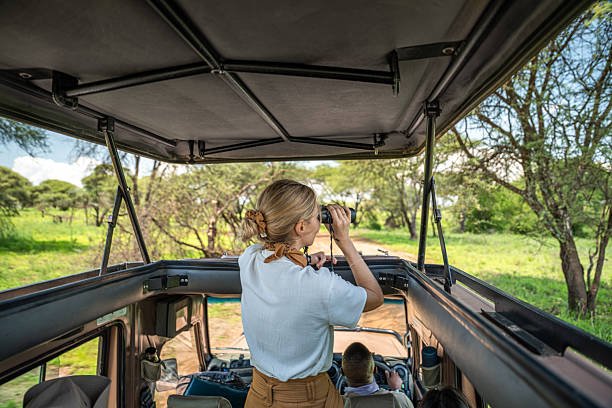
Best Coffee Shops In Tanzania: A Local Guide For 2026-2027
Explore Tanzania's burgeoning coffee culture and find the best local cafes for an authentic brew. From Arusha to Zanzibar, discover artisanal coffee experiences tailored for your 2026-2027...
View package details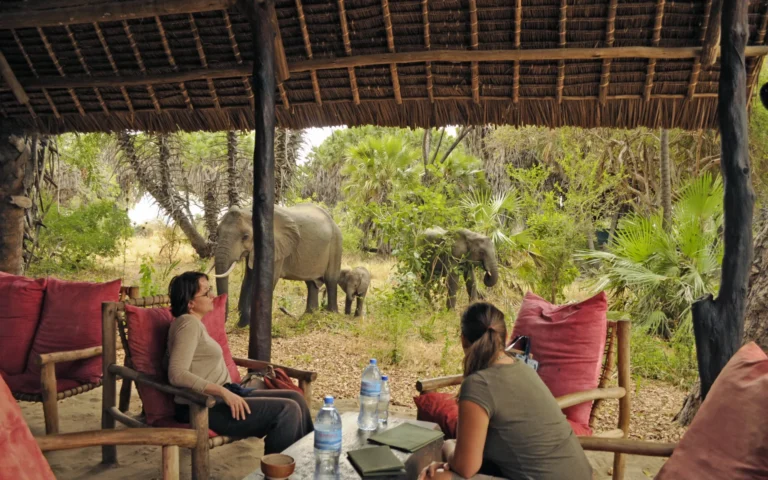
Best Coffee Shops Nearby: Your Guide To Top Cafes In Tanzania 2026-2027
Finding a great coffee shop nearby is about more than just caffeine; it's about atmosphere, community, and quality. In Tanzania, this search leads to some truly unique and delightful...
View package details
Best Places To Fish Near Me: Tanzanias Top Angling Adventures 2026-2027
For anglers seeking thrilling fishing experiences in Tanzania, the "best places to fish near me" leads to a diverse range of opportunities. From the vibrant coral reefs of the Indian Ocean...
View package detailsBig Coffee Shops Near Me: Finding Your Perfect Brew In Tanzania 2026-2027
Discovering a welcoming "big coffee shop near me" is essential for travelers and locals alike, whether you're seeking a quiet spot to plan your next adventure or a lively place to connect...
View package detailsDar Es Salaam Cafes & Coffee: A Locals Guide To The Citys Best Brews 2026-2027
Explore the best cafes in Dar es Salaam, a city brewing with flavor. This guide highlights top spots for coffee lovers, local experiences, and relaxed hangouts in 2026-2027.
View package detailsOther Local Tanzania Places: Beyond The Great Migration And Kilimanjaro
While the Serengeti's Great Migration and Mount Kilimanjaro's summit are iconic, Tanzania offers a wealth of other striking destinations. Explore these diverse 'other local Tanzania places'...
View package details
Places To Visit In Mwanza: Your Guide To Tanzanias Lakeside Gem 2026-2027
Mwanza, Tanzania's second-largest city, is a vibrant hub on the shores of Lake Victoria. This guide covers the must-see attractions, from its stunning natural beauty and islands to its rich...
View package details
Tanzanias Rivers, Lakes & Nature Places: A Comprehensive Guide 2026-2027
Discover the aquatic and natural beauty of Tanzania, from vast lakes to dynamic rivers and unique geological formations. This guide covers key destinations for nature lovers and adventurers...
View package details
Agence Safari Tanzanie: Top Guide Adventures Expert Planning For 2026-2027
Top Guide Adventures is a premier agence safari Tanzanie, specializing in crafting unforgettable wildlife encounters, mountain climbs, and beach escapes across Tanzania. With a focus on...
View package details
Arusha City Tour: Your Gateway To Northern Tanzanias Wonders 2026-2027
Experience Arusha, the vibrant hub of Northern Tanzania. Our Arusha city tours offer a perfect introduction to local life, culture, and the stunning landscapes that await your adventure.
View package detailsNo closely related package is available for this topic yet.



