
Tanzania’s religion is characterized by a significant presence of Islam and Christianity, both practiced by roughly equal proportions of the population, alongside a strong adherence to traditional African beliefs and indigenous practices. These faiths coexist peacefully, influencing the country’s rich cultural heritage, social structures, and daily life, particularly in areas like Zanzibar, which is predominantly Muslim, and the mainland, where Christian and Muslim communities are more intermingled.
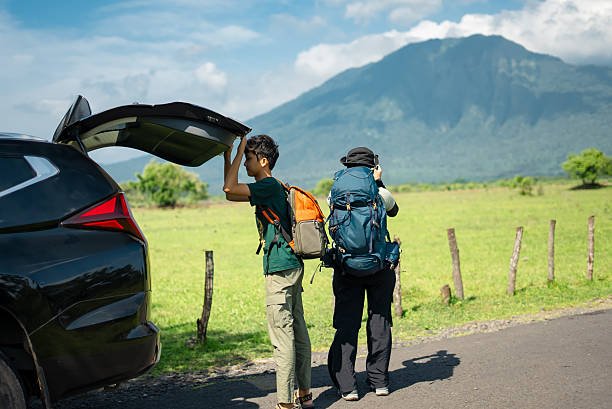
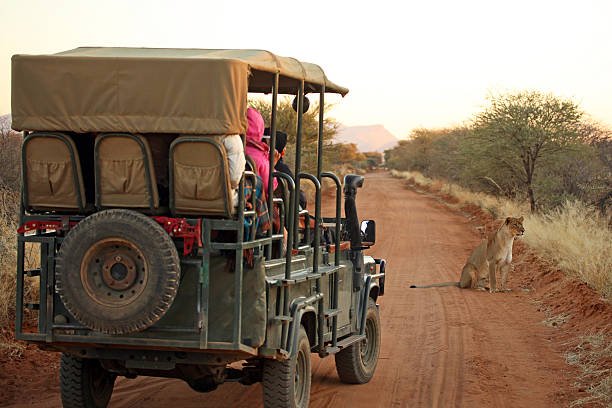
The Spiritual Landscape of Tanzania
Tanzania stands as a remarkable example of religious harmony in East Africa. While official statistics often place Islam and Christianity as the dominant faiths, with each claiming around 30-40% of adherents, the influence of traditional African religions is profound and often interwoven with modern religious practices. This unique blend creates a spiritual landscape that is both deeply rooted and remarkably inclusive. Understanding Tanzania religion Offers a crucial lens through which to view the nation’s vibrant culture, social customs, and historical development. For travelers planning a visit in 2026 or 2027, grasping these spiritual underpinnings can significantly enrich their experience, fostering deeper connections and a more nuanced appreciation of the local way of life.
Islam’s Deep Roots and Influence
Islam arrived in Tanzania centuries ago, carried by Arab and Persian traders along the East African coast. The coastal regions, particularly Zanzibar and parts of the mainland coast like Dar es Salaam and Tanga, have long been centers of Islamic culture. Zanzibar, with its centuries-old history as a Sultanate, is overwhelmingly Muslim, with Islamic traditions shaping its architecture, social norms, and daily rhythms. The call to prayer is a familiar sound, and mosques are prominent landmarks. Mosques range from ancient, historically significant structures in Stone Town, Zanzibar, to modern edifices in urban centers.
Key Aspects of Islam in Tanzania:
- Sunni Islam: The majority of Muslims in Tanzania adhere to Sunni Islam, predominantly following the Shafi’i school of jurisprudence.
- Sufism: Mystical Sufi orders also have a presence, particularly along the coast, contributing to the diverse expressions of faith.
- Holidays and Observances: Major Islamic holidays like Eid al-Fitr (celebrating the end of Ramadan) and Eid al-Adha (Feast of the Sacrifice) are significant national events, marked by prayer, feasting, and community gatherings. Ramadan is observed with fasting from dawn to sunset.
- Cultural Integration: Islamic values such as hospitality, community, and charity are deeply ingrained in the broader Tanzanian culture, even among non-Muslims.
For visitors, understanding the local customs around prayer times and dress codes, especially when visiting mosques or more conservative areas, is a sign of respect. While Zanzibar is a hub for Islamic culture, many mainland cities also boast thriving Muslim communities. The presence of Islam is a fundamental aspect of Religious diversity Tanzania, contributing to its unique identity.
Christianity: A Widespread and Influential Faith
Christianity was introduced to Tanzania primarily through European missionaries in the 19th century, establishing a strong presence in various regions. Today, it is practiced by a significant portion of the population, with various denominations having established churches and institutions across the country. The Catholic and Protestant (including Lutheran, Anglican, and Methodist) churches are the most prominent. Christianity has played a vital role in education, healthcare, and social development, with many schools and hospitals founded by missionary groups still operating today.
Key Denominations and Practices:
- Catholic Church: Has a large following, with numerous dioceses and parishes throughout the country.
- Protestant Churches: Various denominations, including the Evangelical Lutheran Church in Tanzania (ELCT) and the Anglican Church of Tanzania, are widespread.
- Pentecostal and Charismatic Movements: These have seen growth in recent decades, particularly in urban areas.
- Festivals: Major Christian holidays like Christmas and Easter are celebrated nationwide, often with special services and family gatherings.
Christian communities are integral to the social fabric of many Tanzanian towns and villages. The influence of Christianity is a key component when discussing Tanzania religion, particularly in shaping the nation’s educational and healthcare systems. The harmonious coexistence of Christianity and Islam is a point of national pride.
Traditional African Beliefs: Enduring Spirituality
Long before the arrival of Islam and Christianity, indigenous African spiritual traditions were the primary belief systems across the lands that now form Tanzania. These traditions are not monolithic; they vary significantly among different ethnic groups, such as the Maasai, Sukuma, Chagga, and others. Central to many of these beliefs are the veneration of ancestors, belief in a supreme creator god, and the importance of nature spirits.
Core Elements of Traditional Beliefs:
- Supreme Being: Most traditions acknowledge a high god, often seen as distant but omnipotent, whose name varies by ethnic group (e.g., Engai among the Maasai, Mulungu in Bantu languages).
- Ancestors: Ancestors are believed to play a significant role in the lives of the living, acting as intermediaries between humans and the divine. They are often honored and consulted.
- Spirits and Nature: Belief in spirits residing in natural elements like trees, rivers, and mountains is common.
- Rituals and Ceremonies: Traditional healers (waganga) and elders often lead rituals for healing, protection, fertility, and community well-being.
- Syncretism: A key characteristic of contemporary Traditional beliefs Tanzania Is their frequent syncretism with Islam and Christianity. Many Tanzanians who identify as Muslim or Christian also participate in traditional rituals, consult traditional healers, or hold beliefs about ancestral spirits. This blending is a testament to the resilience and adaptability of indigenous spiritual practices.
For travelers, encountering these traditions might be through observing local ceremonies (with respect and permission), visiting traditional villages, or learning about the role of traditional healers. These practices offer a unique insight into the historical and spiritual foundations of Tanzanian society.
Religious Harmony and Coexistence
One of Tanzania’s most celebrated attributes is its remarkable religious tolerance and harmony. Unlike some other nations where religious differences can be a source of conflict, Tanzania has a long history of peaceful coexistence between its Muslim and Christian communities, often with traditional beliefs acting as a bridge or a parallel spiritual path. This harmony is actively promoted by the government and is a deeply held value among the populace.
Factors Contributing to Harmony:
- National Identity: A strong sense of Tanzanian national identity, fostered by leaders like Julius Nyerere, often supersedes religious affiliations.
- Interfaith Dialogue: Regular interfaith dialogues and joint community projects help build understanding and cooperation.
- Shared Values: Common values of hospitality, respect, and community found across the major faiths and traditional beliefs reinforce social cohesion.
- Cultural Blending: In many areas, especially on the mainland, communities are mixed, leading to families with members of different faiths and a natural acceptance of diversity.
This peaceful coexistence is a cornerstone of Tanzania religion And a significant draw for visitors seeking authentic cultural experiences. It creates a welcoming atmosphere where different spiritual expressions are respected.
Religious Sites and Pilgrimages
Tanzania is home to numerous significant religious sites that attract both local devotees and international visitors. These sites offer glimpses into the history and practice of faith in the country.
Notable Religious Destinations:
- Stone Town, Zanzibar: A UNESCO World Heritage site, it features numerous historic mosques, including the Great Mosque, and the former Cathedral built on the site of a former slave market, which stands as a poignant reminder of history and interfaith interaction.
- Arusha: A cosmopolitan city with a variety of churches and mosques, often serving as a starting point for safaris and climbs, where visitors can observe diverse religious practices.
- Kondoa Irangi Rock-Art Sites: While primarily historical and cultural, these ancient rock paintings offer insights into the spiritual beliefs of early inhabitants, predating modern religions.
- Catholic Cathedrals and Churches: Major cities like Dar es Salaam and Dodoma have impressive cathedrals.
- Lutheran Churches: Especially prominent in regions like the Northern Highlands, with significant historical churches and institutions.
While not always formal pilgrimages, visiting these sites can be a deeply moving experience for travelers interested in the spiritual dimensions of Tanzania. For those planning a safari or a climb in 2026 or 2027, incorporating visits to significant religious landmarks can add another layer to their journey.
Impact of Religion on Daily Life and Culture
The influence of Tanzania religion Extends far beyond places of worship; it permeates daily life, social customs, and cultural expressions. From the rhythm of the day marked by prayer calls to the importance of family and community, religious values are deeply embedded.
Key Cultural Manifestations:
- Social Etiquette: Respect for elders, hospitality towards guests, and community solidarity are values emphasized across religious traditions.
- Dietary Customs: While not as strict as in some other Muslim-majority countries, halal practices are observed by Muslims, and many restaurants cater to these needs, especially in coastal areas. Pork is generally avoided by Muslims and some Christians.
- Festivals and Celebrations: Religious holidays are major social events, often involving large gatherings, shared meals, and community participation, regardless of one’s personal faith.
- Arts and Architecture: Islamic influences are visible in the architecture of coastal cities, while Christian art and music also play a role in cultural expression. Traditional motifs and symbols are often incorporated into both secular and religious art.
Understanding these connections helps travelers navigate social situations with sensitivity and appreciate the nuances of Tanzanian culture. The interplay between Islam and Christianity Tanzania, alongside traditional beliefs, has created a unique cultural mosaic.
Planning Your Tanzania Trip with Religious Sensitivities in Mind (2026-2027)
For travelers visiting Tanzania in 2026 or 2027, being aware of the religious context can enhance your trip and ensure you are respectful of local customs. While Tanzania is generally very welcoming, a little consideration goes a long way.
Tips for Travelers:
- Dress Modestly: Especially when visiting religious sites or in more conservative areas (like Zanzibar or rural villages), it’s advisable to dress modestly. This typically means covering shoulders and knees.
- Respect Prayer Times: Be mindful of prayer times, particularly for Muslims. Avoid making loud noise or being disruptive near mosques during prayer.
- Photography: Always ask for permission before taking photos of people, especially women or during religious ceremonies.
- Alcohol Consumption: While alcohol is available in tourist areas and hotels, it’s best to consume it discreetly, especially in public or in more religiously conservative areas.
- Ramadan: If your visit coincides with Ramadan (check the Islamic calendar for 2026-2027 dates), be aware that many Muslims will be fasting. It’s polite to avoid eating, drinking, or smoking in front of fasting individuals in public during fasting hours. Many restaurants may have reduced hours or be closed during the day.
By keeping these points in mind, your interactions will be smoother and more meaningful. Our team at Top Guide Adventures is always available to provide specific advice tailored to your itinerary and the regions you’ll be visiting. We aim to ensure your Tanzanian adventure in 2026-2027 is not only thrilling but also culturally enriching and respectful.
Exploring Religious Diversity with Top Guide Adventures
At Top Guide Adventures, we believe that understanding the spiritual heart of Tanzania is as vital as experiencing its natural wonders. Our expertly crafted itineraries are designed to offer authentic cultural encounters, allowing you to witness the beauty of Religious diversity Tanzania Firsthand, whether you’re on a safari through the Serengeti, climbing Mount Kilimanjaro, or exploring the historic streets of Stone Town.
We can arrange cultural tours that include visits to significant religious sites, opportunities to learn about local traditions, and interactions with communities that showcase the harmonious blend of Islam, Christianity, and traditional beliefs. Our guides are knowledgeable about the local customs and can provide valuable insights into the role of faith in Tanzanian society.
Whether you’re planning a comprehensive safari in 2026, a Kilimanjaro expedition in 2027, or a relaxing holiday in Zanzibar, we can help you incorporate meaningful cultural and religious explorations into your journey. We are committed to providing personalized service and ensuring your trip is both memorable and respectful.
For inquiries about tailoring your 2026-2027 Tanzanian adventure to include specific cultural or religious interests, please reach out to us:
WhatsApp: +255616946642
Email: Topguideadventures@gmail.com
Backup Email: Info@topguideadventures.com
We look forward to helping you discover the soul of Tanzania.
Check Availability for Understanding Tanzania Religion: A Guide To Faiths And Traditions 2026-2027
Ready to compare dates, prices, and the best option for your group? Send the package name and travel month so the team can reply with a clear quote, availability, and what is included.

Dar Es Salaam Religion: A Comprehensive Guide To Faith In Tanzanias Coastal
Dar es Salaam, Tanzania's bustling economic and cultural heart, is a city where faith plays a profound role in daily life. This guide explores the diverse religious mix, focusing on the...
View package details
Arusha City Tour: Your Gateway To Northern Tanzanias Wonders 2026-2027
Experience Arusha, the vibrant hub of Northern Tanzania. Our Arusha city tours offer a perfect introduction to local life, culture, and the stunning landscapes that await your adventure.
View package details
Arusha: Your Gateway To Tanzanias Northern Safari Circuit And Kilimanjaro
Arusha serves as Tanzania's vibrant gateway, connecting travelers to the world-renowned Northern Safari Circuit, the majestic Mount Kilimanjaro, and the unique cultural landscapes of the...
View package details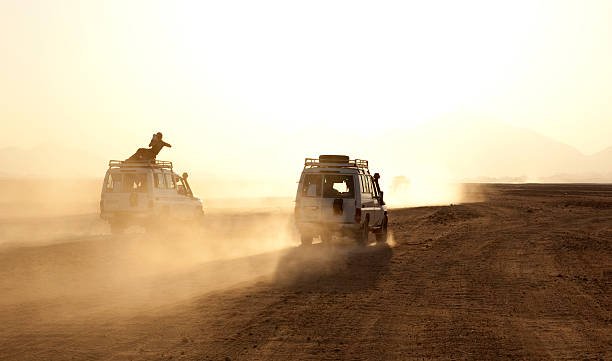
Best Cafes In Tanzania: A Local Guide For 2026-2027
Exploring Tanzania offers incredible wildlife and cultural experiences, but sometimes you need a moment to relax, recharge, and enjoy a good cup of coffee. This guide highlights the best...
View package detailsBest Cafes With Wifi Near Me For Remote Work & Study In Tanzania 2026-2027
Finding a reliable spot with good WiFi for work or study can be a challenge when traveling or exploring new areas. This guide highlights top cafes across Tanzania that offer stable...
View package details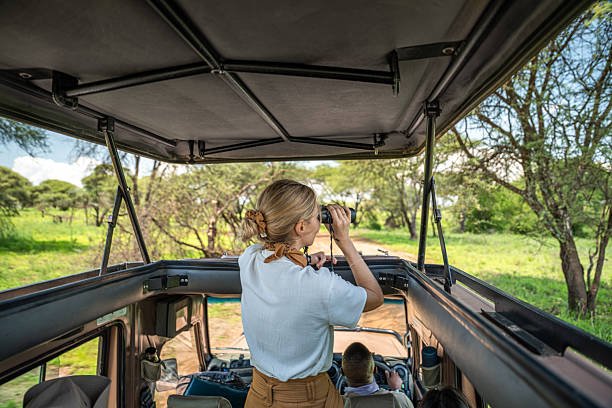
Best Coffee Shops In Tanzania: A Local Guide For 2026-2027
Explore Tanzania's burgeoning coffee culture and find the best local cafes for an authentic brew. From Arusha to Zanzibar, discover artisanal coffee experiences tailored for your 2026-2027...
View package details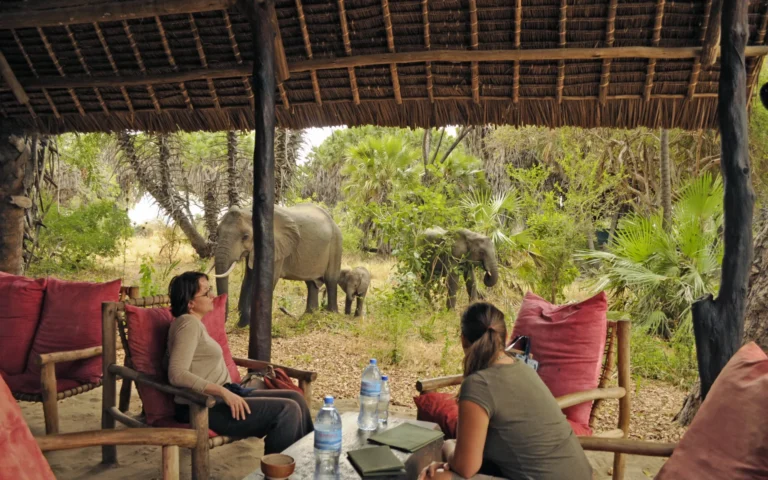
Best Coffee Shops Nearby: Your Guide To Top Cafes In Tanzania 2026-2027
Finding a great coffee shop nearby is about more than just caffeine; it's about atmosphere, community, and quality. In Tanzania, this search leads to some truly unique and delightful...
View package details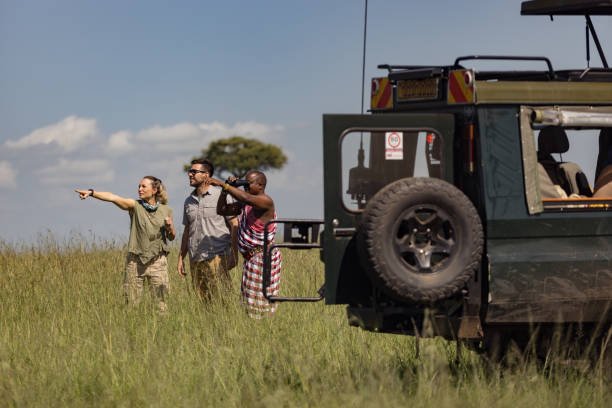
Best Month To Visit Tanzania For Safari And Zanzibar In 2026-2027
Planning your dream Tanzania adventure? This guide breaks down the best months to visit for optimal safari experiences, including the Great Migration, and idyllic beach time in Zanzibar...
View package details
Best Places To Fish Near Me: Tanzanias Top Angling Adventures 2026-2027
For anglers seeking thrilling fishing experiences in Tanzania, the "best places to fish near me" leads to a diverse range of opportunities. From the vibrant coral reefs of the Indian Ocean...
View package details
Best Seafood Restaurants Near Me: Fresh Catches In Tanzania 2026-2027
Exploring Tanzania's culinary landscape reveals a vibrant seafood scene, especially along its extensive coastline. This guide highlights top spots for fresh catches, offering a taste of the...
View package details
Best Time Of Year To Visit Tanzania For Safaris & Zanzibar 2026-2027
Planning a trip to Tanzania? This guide breaks down the best times to visit for unparalleled wildlife viewing, beach relaxation, and cultural experiences, considering weather, animal...
View package detailsBest Time To Travel To Tanzania 2026-2027
Best time to travel to Tanzania is explained with current 2026-2027 planning, price, itinerary and booking information.
View package detailsNo closely related package is available for this topic yet.



