
The best time to visit Tanzania for a safari, particularly for viewing the Great Migration and experiencing dry weather, is generally from June to October. For Kilimanjaro climbs, the clearest skies and driest conditions are typically found during January-February and June-October. Zanzibar offers pleasant beach weather year-round, but the driest and least humid months are June to October and December to February. For 2026 and 2027, these prime windows remain the most sought-after periods for travelers planning their Tanzanian adventures.
Understanding Tanzania’s Climate and Seasons
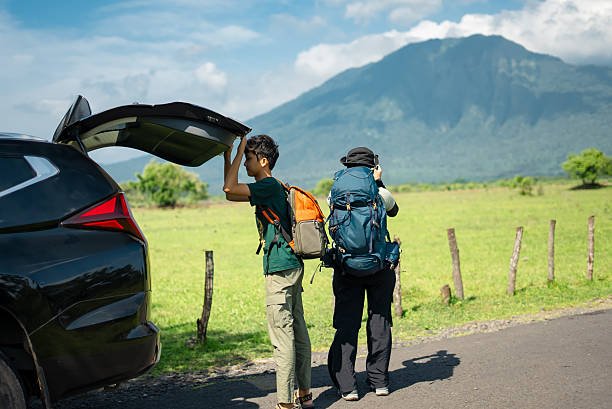
Tanzania, a land of dramatic landscapes and unparalleled wildlife, straddles the equator, resulting in a tropical climate that varies slightly by region. Understanding these climatic nuances is key to planning your perfect Tanzanian adventure, whether it’s a thrilling safari through the Serengeti, a challenging ascent of Mount Kilimanjaro, or a relaxing escape to the spice-scented beaches of Zanzibar. The country generally experiences two main seasons: a dry season and a rainy season, with distinct sub-periods that influence wildlife behavior, trekking conditions, and beach enjoyment. For travelers looking ahead to 2026 and 2027, grasping these seasonal shifts will help you secure the best experiences and potentially better value outside of the absolute peak times.
The Dry Season: The Prime Time for Safaris and Exploration
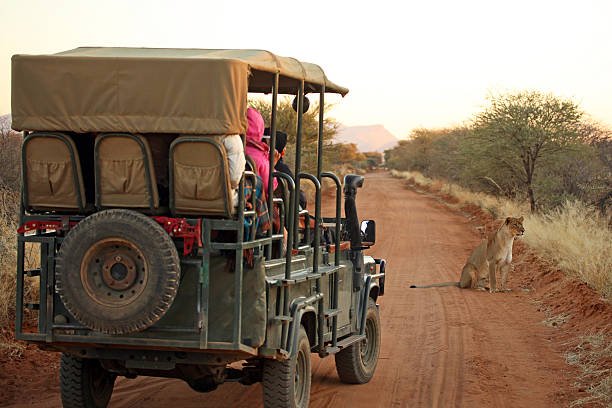
The dry season, running from approximately June to October, is widely considered the most popular and often the best time to visit Tanzania for a safari. During these months, the landscape becomes parched, forcing wildlife to congregate around dwindling water sources, making them easier to spot. The skies are typically clear, offering excellent visibility for photography, and the lower humidity levels make for more comfortable game drives and outdoor activities.
This period is particularly significant for witnessing the Great Migration In the Serengeti. As the wildebeest and zebra herds move in search of greener pastures, they often cross the Mara River, a dramatic spectacle of survival and natural power. While the exact timing of the migration can vary slightly each year, the June-October window is when they are most likely to be found in the northern Serengeti and Masai Mara (across the border in Kenya), presenting opportunities to witness river crossings.
For those planning a climb up Mount Kilimanjaro, the dry season offers the most favorable conditions. The paths are less muddy, and the skies are generally clearer, providing stunning views of the surrounding landscape and reducing the chances of being obscured by clouds. The periods of January-February Also offer good climbing conditions, often referred to as a ‘mini dry season’, with clear skies but potentially hotter temperatures at lower altitudes.
Zanzibar, while enjoying a tropical climate year-round, is also at its best during the dry months. The weather is sunny and pleasant, with lower humidity, making it ideal for beach relaxation, snorkeling, diving, and exploring the historic Stone Town. The period from June to October, coinciding with the mainland dry season, offers consistently good weather.
Key Advantages of the Dry Season (June-October):
- Excellent Wildlife Viewing: Animals are concentrated around waterholes, and the vegetation is less dense, improving visibility.
- The Great Migration: Witness this natural phenomenon, especially river crossings in the northern Serengeti.
- Favorable Trekking Conditions: Clear skies and dry trails for Kilimanjaro and Mount Meru.
- Pleasant Beach Weather: Sunny days and lower humidity in Zanzibar.
- Reduced Malaria Risk: Fewer mosquitoes due to drier conditions.
Considerations for the Dry Season:
- Peak Season Pricing: This is the most popular time, so expect higher prices for flights, accommodation, and tours. Booking well in advance for 2026 and 2027 is highly recommended.
- Crowds: Popular parks and lodges can be more crowded.
The Green Season (Rainy Season): A Different Perspective
Tanzania experiences a rainy season, often referred to as the ‘green season’ or ‘low season’, typically from November to May. This period is characterized by rainfall, which can range from short, intense afternoon showers to longer, more persistent downpours. However, it’s important to note that even during the rainy season, days are rarely entirely washed out, and the sun often shines brightly between showers.
The green season brings its own unique charm. The landscape transforms into a lush, vibrant spectacle, with wildflowers blooming and the air feeling fresh and clean. This is an excellent time for birdwatching, as migratory birds arrive, and the resident birdlife is in full plumage. The rains also mean that the land is fertile, and newborn animals are often seen, offering delightful photographic opportunities of young calves, cubs, and foals.
For safari-goers, the green season can offer a more intimate experience. National parks are less crowded, and accommodation prices are generally lower. While game viewing might require a bit more patience as animals can disperse into the denser vegetation, the rewards can be immense, with fewer vehicles sharing sightings.
The longer rains, known as the ‘long rains’, typically occur from March to May. During this time, some roads within national parks can become difficult to navigate, potentially affecting access to certain areas. However, many operators, including Top Guide Adventures, have 4×4 vehicles and experienced guides capable of managing these conditions.
For Kilimanjaro climbers, the rainy season, especially March-May, is generally discouraged due to slippery trails, poor visibility, and increased cloud cover. However, the ‘short rains’ in November Can sometimes offer a brief period of decent weather before the main dry season resumes.
Zanzibar’s weather during the rainy season is more humid, and there can be significant rainfall, particularly from April to May. However, showers are often short-lived, and you can still enjoy sunny periods. The shoulder months, like November and December, can be a good compromise, offering fewer crowds and lower prices than the peak dry season.
Advantages of the Green Season (November-May):
- Lower Prices: Accommodation and tour packages are often more affordable.
- Fewer Crowds: Enjoy a more exclusive safari or beach experience.
- Lush Landscapes: Experience Tanzania’s vibrant, green beauty.
- Birdwatching: Ideal time for spotting a variety of avian species.
- Newborn Wildlife: Witness young animals, especially after the rains in early months.
Considerations for the Green Season:
- Rainfall: Expect potential rain showers, which can disrupt some activities.
- Road Conditions: Some park roads may be muddy or impassable, especially during the long rains (March-May).
- Visibility: Vegetation is denser, and cloud cover can sometimes reduce visibility for wildlife spotting and Kilimanjaro views.
- Mosquitoes: Higher humidity means more mosquitoes, so insect repellent is essential.
Shoulder Seasons: The Best of Both Worlds
Tanzania’s shoulder seasons offer a compelling alternative for travelers seeking a balance between good weather, fewer crowds, and more competitive pricing. These transitional periods often provide excellent opportunities to experience the country’s highlights without the intensity of the peak season.
January and February: This period falls within the dry season and is excellent for safaris and Kilimanjaro climbs. The weather is generally dry and sunny, though it can be hotter at lower altitudes. The Great Migration is often found in the central Serengeti during these months, with calving season beginning, which is a fantastic spectacle. For Kilimanjaro, these months offer clear skies and good trekking conditions, making them a popular choice for trekkers.
November and December: These months mark the transition from the rainy season to the dry season. The ‘short rains’ usually occur in November, but they are often brief and followed by sunny periods. By December, the weather is typically becoming drier and more stable. This is a great time for safaris, as the landscape is still recovering from the rains, and wildlife is abundant. For Zanzibar, December offers good beach weather, making it a popular choice for festive season holidays.
Advantages of Shoulder Seasons:
- Good Weather: Generally pleasant conditions for most activities.
- Fewer Crowds than Peak Season: More relaxed experience in parks and on beaches.
- Potentially Lower Prices: Accommodation and tour costs can be more reasonable than in the absolute peak months.
- Great Migration Viewing: Specific movements of the herds can be observed.
Considerations for Shoulder Seasons:
- Variable Weather: While generally good, there’s a higher chance of occasional rain compared to the main dry season.
- Increasing Popularity: Especially in December, prices and crowds can start to rise towards the end of the year.
When to Visit Tanzania Based on Specific Interests
While the general dry and green seasons provide a good framework, tailoring your visit to specific interests can lead to an even more rewarding experience. Whether you’re focused on the Great Migration, summiting Kilimanjaro, exploring Zanzibar’s beaches, or birdwatching, certain times of year stand out.
For the Great Migration in the Serengeti
Witnessing the Great Migration is a bucket-list item for many. The movement of over 1.5 million wildebeest, zebras, and gazelles is a continuous cycle, and the best time to see specific events depends on their location.
- December – March: The herds are typically found in the southern Serengeti and Ngorongoro Conservation Area. This is calving season, a prime time to see newborns and predators in action. The open plains offer excellent game viewing.
- April – May: The herds begin their journey north, often coinciding with the ‘long rains’. They move towards the western corridor of the Serengeti.
- June – July: The herds reach the Grumeti River in the western Serengeti and then move towards the northern Serengeti, preparing for the more dramatic Mara River crossings.
- August – October: This is the prime time for witnessing the iconic Mara River crossings In the northern Serengeti. The herds are concentrated here, and the crossings are a spectacular, albeit sometimes harrowing, sight. This is considered a peak safari time for the Serengeti.
For 2026 and 2027, booking your Serengeti safari during these specific migration phases is crucial for those prioritizing this event. Top Guide Adventures specializes in tracking the migration and can craft itineraries to maximize your chances of witnessing it. You can explore group departure dates for Serengeti safaris here: Tanzania Safari Group Departures.
For Climbing Mount Kilimanjaro
Climbing Mount Kilimanjaro requires careful planning, and timing is crucial for maximizing your chances of a successful summit and an enjoyable experience. The mountain’s weather can be unpredictable, but certain months offer significantly better conditions.
- Best Months (Dry & Clear): January, February, June, July, August, September, October. These months offer the driest weather, clearest skies, and best visibility. While popular, these are the most recommended times for a summit attempt.
- Good Months (Slightly More Variable): November can be good, with the short rains usually starting later in the month.
- Challenging Months (Rainy): March, April, May, December (can be rainy). These months experience significant rainfall, making trails muddy and slippery, and significantly reducing visibility due to cloud cover. April and May are generally considered the wettest months and are best avoided for climbing.
The Machame Route is a popular choice, and group departures are available. For trekkers planning for 2026 or 2027, securing a spot on a climb during the prime dry seasons is advisable. Check available dates for Kilimanjaro climbs: Machame Route Kilimanjaro Group Departures.
For Zanzibar Holidays and Beaches
Zanzibar offers a tropical paradise year-round, but some periods are more conducive to beach activities and comfortable exploration.
- Best Months (Dry & Pleasant): June, July, August, September, October. These months boast sunny skies, low humidity, and gentle breezes, making them perfect for beach holidays, water sports, and exploring Stone Town.
- Good Months (Slightly Warmer/Humid or Short Rains): December, January, February, November. December to February are dry and warm, ideal for a festive getaway. November can see short rains, but they are usually brief.
- Rainy Months (High Humidity & Rainfall): March, April, May. These months experience the ‘long rains’, with significant downpours and high humidity. While you can still find sunny periods, it’s generally less ideal for a consistent beach holiday.
For a relaxing Zanzibar escape in 2026 or 2027, the dry season (June-October) and the warmer dry spell (December-February) are the most popular. However, the shoulder month of November can offer a good balance of decent weather and fewer tourists.
Weather Patterns by Month: A Detailed Look
To help you pinpoint the exact timing for your trip, here’s a month-by-month breakdown of Tanzania’s typical weather patterns. Remember that these are general trends, and slight variations can occur year to year.
- January: Dry, warm, sunny. Excellent for safaris (calving season in southern Serengeti) and Kilimanjaro. Good for Zanzibar beaches.
- February: Dry, warm, sunny. Similar to January, ideal for safaris and Kilimanjaro.
- March: Start of the long rains. Increasingly humid and rainy, especially afternoons. Less ideal for Kilimanjaro. Safaris can still be good, but expect challenging road conditions later in the month.
- April: Peak of the long rains. Heavy rainfall, high humidity. Generally the wettest month. Least recommended for Kilimanjaro and often for safaris due to accessibility issues. Zanzibar can be very wet.
- May: End of the long rains. Still rainy and humid, but decreasing. Roads begin to dry. Kilimanjaro is not recommended.
- June: Start of the dry season. Cooler, drier, sunny days. Excellent for safaris (migration moving north) and Kilimanjaro. Good for Zanzibar.
- July: Dry, cooler, sunny. Prime time for safaris (migration in northern Serengeti, river crossings possible) and Kilimanjaro. Excellent for Zanzibar.
- August: Dry, cooler, sunny. Continues to be peak season for safaris and Kilimanjaro. High demand for Zanzibar.
- September: Dry, sunny, pleasant temperatures. Excellent for safaris and Kilimanjaro. Ideal for Zanzibar.
- October: End of the dry season. Still generally dry and sunny, but can start to get warmer. Good for safaris and Kilimanjaro. Good for Zanzibar.
- November: Start of the short rains (‘vuli’). Occasional showers, but often followed by sun. Landscape turns greener. Good for birdwatching and safaris. Kilimanjaro can be variable. Zanzibar can be pleasant but humid.
- December: Transition to dry season. Short rains usually subside. Warm, sunny days with occasional showers. Good for safaris and Zanzibar holidays (festive season). Kilimanjaro can be good.
Planning Your 2026-2027 Tanzania Trip: Key Considerations
When planning your visit to Tanzania for 2026 or 2027, several factors beyond just the weather should influence your decision.
Booking Window and Availability
Given Tanzania’s popularity, especially during the dry season (June-October) and around holidays, booking well in advance is crucial. For peak season travel in 2026 and 2027, it’s advisable to book 9-12 months ahead, particularly for safaris focused on the Great Migration or Kilimanjaro climbs during prime windows. Lodges and camps in popular areas like the Serengeti and Ngorongoro Crater, as well as Kilimanjaro permits and guides, can fill up quickly.
Lower season travel (March-May, excluding Easter) or shoulder season travel (November, December) might offer more flexibility, but early booking is still recommended for the best choices and pricing.
Costs and Budgeting
Tanzania is generally considered a mid-range to luxury safari destination. The cost of a safari is heavily influenced by:
- Time of Year: Peak season (June-October) is the most expensive. Green season (March-May) is the most budget-friendly. Shoulder seasons offer a balance.
- Accommodation: Mid-range lodges, luxury tented camps, and exclusive lodges vary significantly in price.
- Tour Type: Private tours are more expensive than group tours. Shared departures, like those offered by Top Guide Adventures, provide a cost-effective way to experience a safari.
- Duration of Stay: Longer trips naturally incur higher costs.
- Parks and Activities: Park entrance fees, crater service fees (Ngorongoro), and specific activities (e.g., hot air balloon safaris) add to the overall expense.
For example, a 7-day Northern Circuit safari during peak season in 2026 might range from $2,500 to $5,000+ per person, depending on the level of accommodation and inclusions. A similar trip during the green season could be $1,800 to $3,500 per person. Kilimanjaro climbs also vary, with 7-day treks typically costing between $1,800 to $3,000+ per person, excluding flights and gear rental.
Zanzibar holidays can range from budget-friendly guesthouses to high-end resorts. Expect prices for a 5-night beach stay to start from around $700 per person (excluding flights) for mid-range options, going up significantly for luxury resorts.
For precise pricing and to discuss budget-friendly options for 2026 or 2027, contacting Top Guide Adventures is the best approach. You can reach them via WhatsApp at +255616946642 Or email at Topguideadventures@gmail.com.
Wildlife Activity vs. Weather
There’s often a trade-off between the best weather and the most dramatic wildlife events. The dry season offers the best weather and concentrates wildlife, making it ideal for general game viewing and witnessing the Great Migration’s river crossings. However, the green season, with its newborn animals and lush scenery, offers a different kind of magic and is excellent for photography and birdwatching.
For first-time visitors prioritizing seeing a wide variety of animals and enjoying comfortable conditions, the dry season (June-October) is usually the top recommendation. For those seeking a more authentic, less crowded experience and who don’t mind occasional rain, the green season can be incredibly rewarding.
Crowds and Experience
If you prefer a more tranquil experience with fewer vehicles and a greater sense of solitude in the parks, consider visiting during the green season (March-May, November). You’ll still see plenty of wildlife, and the landscapes are beautiful. However, be prepared for potential rain.
The peak dry season (June-October, and also January-February) is when most travelers visit, meaning popular spots like the Serengeti, Ngorongoro Crater, and Zanzibar’s main beaches will be busier. This doesn’t detract from the incredible wildlife or scenery, but it’s a factor to consider if you value fewer crowds.
Making Your Choice for 2026-2027
Deciding the best time to visit Tanzania boils down to prioritizing what matters most to you:
- For the ultimate safari experience with the Great Migration and dry weather: Aim for June to October, especially August-September for river crossings in the northern Serengeti.
- For climbing Mount Kilimanjaro with clear skies: Target January-February or June-October.
- For beach relaxation in Zanzibar with ideal weather: Plan for June-October or December-February.
- For budget-conscious travelers and fewer crowds: Consider the green season, March to May, or the shoulder month of November.
- For a mix of good weather, fewer crowds, and decent wildlife viewing: Shoulder seasons like January-February And November-December Are excellent choices.
No matter when you choose to visit Tanzania in 2026 or 2027, you are guaranteed an extraordinary adventure. The country’s vast plains, towering mountains, and exotic islands offer unique experiences throughout the year.
Expert Tip for 2026-2027 Travel
For the best chance of securing your preferred dates, lodges, and guides for 2026 and 2027, especially for peak season safaris or Kilimanjaro climbs, we strongly advise booking at least 9-12 months in advance. This is particularly important if you are traveling during the dry season (June-October) or around major holidays. Contacting a reputable tour operator like Top Guide Adventures early will help ensure a smooth planning process and guarantee availability for your dream Tanzanian trip.
Ready to Plan Your Tanzanian Adventure?
At Top Guide Adventures, we craft unforgettable Tanzanian experiences tailored to your interests and budget. Whether you dream of witnessing the Great Migration, conquering Kilimanjaro, or relaxing on Zanzibar’s shores, we are here to help. We offer complete travel experiences, from safaris and Kilimanjaro climbs to Zanzibar holidays and tailor-made journeys across Northern and Southern Tanzania. Let us help you plan your perfect trip for 2026 or 2027.
Get in touch with our expert team today:
- WhatsApp: +255616946642
- Email: Topguideadventures@gmail.com
- Backup Email: Info@topguideadventures.com
Visit our website for more inspiration and tour options: Top Guide Adventures Tanzania.
Check Availability for When To Visit Tanzania: Your Ultimate Guide For 2026-2027
Ready to compare dates, prices, and the best option for your group? Send the package name and travel month so the team can reply with a clear quote, availability, and what is included.
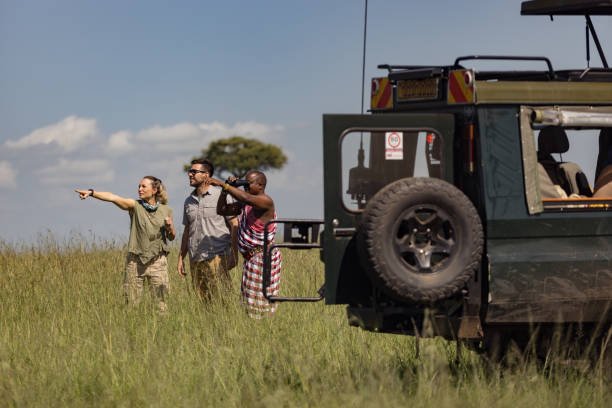
Best Month To Visit Tanzania For Safari And Zanzibar In 2026-2027
Planning your dream Tanzania adventure? This guide breaks down the best months to visit for optimal safari experiences, including the Great Migration, and idyllic beach time in Zanzibar...
View package details
Best Time Of Year To Visit Tanzania For Safaris & Zanzibar 2026-2027
Planning a trip to Tanzania? This guide breaks down the best times to visit for unparalleled wildlife viewing, beach relaxation, and cultural experiences, considering weather, animal...
View package details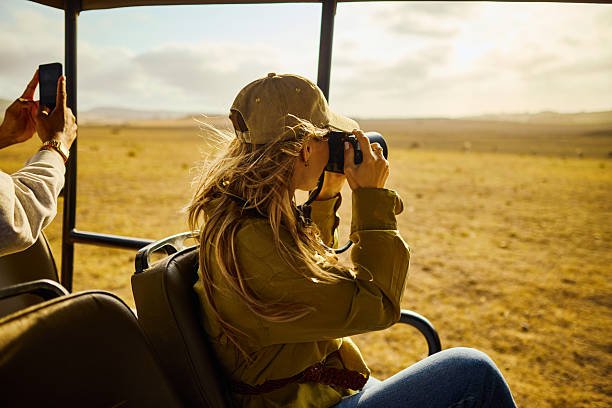
Best Time To Visit Tanzania 2026-2027
Best Time to Visit Tanzania is explained with current 2026-2027 planning, price, itinerary and booking information.
View package details
Places To Visit In Mwanza: Your Guide To Tanzanias Lakeside Gem 2026-2027
Mwanza, Tanzania's second-largest city, is a vibrant hub on the shores of Lake Victoria. This guide covers the must-see attractions, from its stunning natural beauty and islands to its rich...
View package details
Arusha City Tour: Your Gateway To Northern Tanzanias Wonders 2026-2027
Experience Arusha, the vibrant hub of Northern Tanzania. Our Arusha city tours offer a perfect introduction to local life, culture, and the stunning landscapes that await your adventure.
View package details
Arusha: Your Gateway To Tanzanias Northern Safari Circuit And Kilimanjaro
Arusha serves as Tanzania's vibrant gateway, connecting travelers to the world-renowned Northern Safari Circuit, the majestic Mount Kilimanjaro, and the unique cultural landscapes of the...
View package details
Best Cafes In Tanzania: A Local Guide For 2026-2027
Exploring Tanzania offers incredible wildlife and cultural experiences, but sometimes you need a moment to relax, recharge, and enjoy a good cup of coffee. This guide highlights the best...
View package detailsBest Cafes With Wifi Near Me For Remote Work & Study In Tanzania 2026-2027
Finding a reliable spot with good WiFi for work or study can be a challenge when traveling or exploring new areas. This guide highlights top cafes across Tanzania that offer stable...
View package details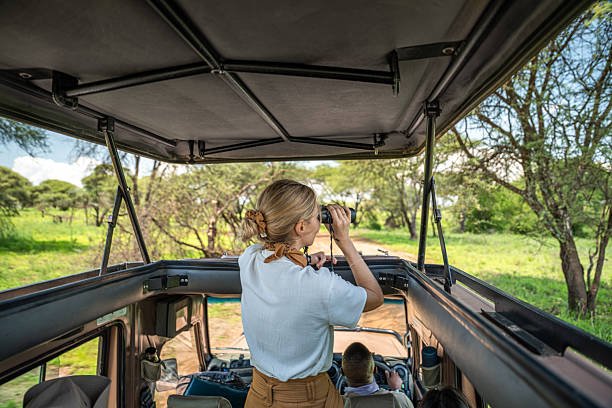
Best Coffee Shops In Tanzania: A Local Guide For 2026-2027
Explore Tanzania's burgeoning coffee culture and find the best local cafes for an authentic brew. From Arusha to Zanzibar, discover artisanal coffee experiences tailored for your 2026-2027...
View package details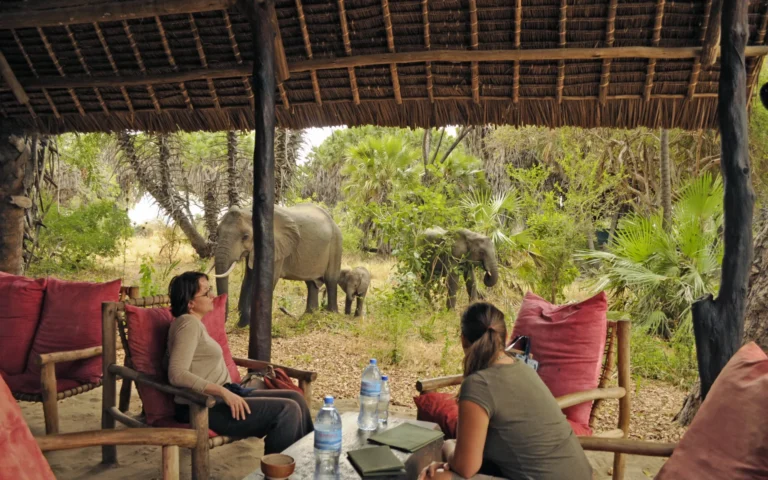
Best Coffee Shops Nearby: Your Guide To Top Cafes In Tanzania 2026-2027
Finding a great coffee shop nearby is about more than just caffeine; it's about atmosphere, community, and quality. In Tanzania, this search leads to some truly unique and delightful...
View package details
Best Places To Fish Near Me: Tanzanias Top Angling Adventures 2026-2027
For anglers seeking thrilling fishing experiences in Tanzania, the "best places to fish near me" leads to a diverse range of opportunities. From the vibrant coral reefs of the Indian Ocean...
View package details
Best Seafood Restaurants Near Me: Fresh Catches In Tanzania 2026-2027
Exploring Tanzania's culinary landscape reveals a vibrant seafood scene, especially along its extensive coastline. This guide highlights top spots for fresh catches, offering a taste of the...
View package detailsNo closely related package is available for this topic yet.



