
The Best time to travel to Tanzania For most visitors, particularly for game viewing on safari and experiencing the Great Migration, is during the dry seasons, which run from June to October and again from December to February. These periods offer clear skies, less humidity, and easier wildlife spotting as animals congregate around water sources. For climbing Mount Kilimanjaro, the dry months of January-March and June-October are ideal, avoiding the heaviest rains. Zanzibar’s beaches are most pleasant from June to October and again in January-February, with fewer downpours and comfortable temperatures, making these prime months for a Tanzania adventure in 2026 and 2027.

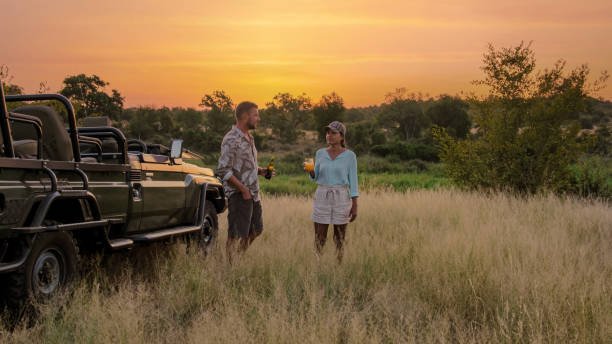
Understanding Tanzania’s Climate and Seasons
Tanzania, a vast country straddling the equator, experiences a diverse climate influenced by its varied geography, from the coastal plains of the Indian Ocean to the high-altitude plateaus of the interior and the majestic peak of Mount Kilimanjaro. Understanding these climatic nuances is crucial for planning the Best time to travel to Tanzania, ensuring you align your visit with your primary interests, whether that’s witnessing the Great Migration, conquering Africa’s highest peak, or relaxing on tropical beaches. The country generally has two main seasons: a long dry season and a long wet season, interspersed with shorter dry and wet periods.
The Long Dry Season: Peak Wildlife Viewing (June to October)
This period is widely considered the prime time for a Tanzania safari. The landscape is drier, with lush vegetation thinning out, making wildlife more visible. Animals are often concentrated around permanent water sources, leading to predictable sightings. The air is generally cooler and less humid, making game drives more comfortable. Skies are typically clear, offering excellent photographic opportunities.
* Wildlife Concentration: This is when the majority of the plains game is in the northern Serengeti, preparing for or in the midst of the dramatic river crossings of the Great Migration. The Mara River crossings, a highlight for many, usually occur between July and October. While unpredictable, this timeframe offers the highest probability of witnessing this spectacle. Other parks like the Ngorongoro Crater, Tarangire National Park (known for its large elephant herds and baobab trees), and Lake Manyara also offer exceptional game viewing.
* Weather Conditions: Expect pleasant daytime temperatures, often in the mid-20s Celsius (mid-70s Fahrenheit), with cooler evenings and mornings, especially at higher altitudes. Rainfall is minimal, meaning fewer disruptions to travel and game drives.
* Crowds and Costs: As the most popular time to visit, this period also sees the highest number of tourists. Consequently, accommodation and safari packages can be more expensive, and booking well in advance, especially for 2026 and 2027 trips, is highly recommended.
The Short Rains (November to Mid-December)
Following the long dry season, Tanzania experiences a shorter period of rainfall, often referred to as the ‘short rains’ or ‘vuli’. These showers are typically brief and localized, usually occurring in the afternoons, and do not significantly hinder travel or safari activities.
* Wildlife Movements: The rains signal a change for wildlife. Animals begin to disperse from the permanent water sources as localized rains replenish waterholes across the parks. The Great Migration typically starts moving south from the northern Serengeti towards the Ndutu plains and southern Serengeti during this time, in preparation for calving.
*
* Scenery: The brief rains can bring a touch of green back to the landscape, making it visually appealing.
* Crowds and Costs: This is a shoulder season, meaning fewer crowds and potentially lower prices compared to the peak dry season. It offers a good balance for those seeking good wildlife viewing without the peak season hustle and expense.
The Long Wet Season (Mid-December to March)
This is Tanzania’s primary rainy season, characterized by heavier and more prolonged rainfall, especially in January and February. While it might not be ideal for everyone, it offers distinct advantages for specific types of travelers.
* The ‘Green Season’: The landscape transforms into a vibrant green spectacle. Birdwatching is exceptional during this time, as migratory birds arrive, and resident birds are in breeding plumage.
*
* Calving Season: This is the period for the wildebeest calving season in the Serengeti’s southern plains (Ndutu area). Witnessing thousands of newborn wildebeest and zebra is a remarkable sight, with predators often in close attendance. This offers a different, yet equally compelling, wildlife experience.
* Fewer Crowds & Lower Prices: This is the low season, meaning significantly fewer tourists. Accommodation prices are often reduced, making it a more budget-friendly option for travelers in 2026 or 2027.
* Challenges: Roads within some parks can become muddy and difficult to navigate, potentially impacting game drive accessibility and comfort. Some lodges may close or operate with reduced services. The air is more humid.
The Short Dry Season (June to October)
This period is often referred to as the ‘second dry season’ or ‘kusi’ winds season. It’s a continuation of the good weather from the long dry season, but with slightly different characteristics.
* Migration in the North: As mentioned, this is prime time for witnessing the Great Migration river crossings in the northern Serengeti and Maasai Mara (Kenya).
*
* Pleasant Climate: Similar to the main dry season, it offers sunny days and cooler nights, ideal for safaris and trekking.
* Popularity: It remains a popular time for visitors, so booking ahead is still advisable.
The Long Rains (April to May)
These months typically mark the peak of Tanzania’s rainy season. Heavy downpours are common, often lasting for extended periods, making travel challenging and significantly impacting wildlife viewing in certain areas.
* Impact on Travel: Many dirt roads become impassable, leading to potential itinerary changes or cancellations. Some lodges may close during this period.
*
* Advantages: The landscape is at its most lush and green. Birdlife is abundant. It’s the quietest time of year, with minimal tourists and the lowest prices.
*
* Recommendation: Generally, this is the least recommended period for a first-time safari or Kilimanjaro climb due to the significant weather disruptions.
Best Time for Specific Tanzanian Experiences
While the dry seasons are generally optimal, the “best” time to visit Tanzania truly depends on what you want to see and do.
For the Great Migration
Witnessing the Great Migration is a bucket-list item for many. The movement of over 1.5 million wildebeest, zebras, and gazelles across the Serengeti ecosystem is a year-round phenomenon, but specific events make certain times of the year better than others.
* December to March: The herds are in the southern Serengeti and Ndutu area for the calving season. This is a fantastic time for predator sightings as they take advantage of the vulnerable newborns. The landscape is green and beautiful.
* June to October: This is the period when the migration moves north and west, typically heading towards the Grumeti River and then the Mara River for river crossings. Witnessing the wildebeest and zebras braving crocodile-infested waters is a dramatic spectacle. The northern Serengeti is the prime location for these crossings, usually peaking between July and October.
Planning Your Migration Safari in 2026-2027
To maximize your chances of seeing the Great Migration, especially the river crossings or calving season, precise timing is key. For 2026 and 2027, booking a safari focusing on the Northern Serengeti Between July and October For river crossings, or the Southern Serengeti/Ndutu Between December and March For calving, will offer the best opportunities. Contacting experienced tour operators like Top Guide Adventures early is crucial, as prime lodges and camps in these specific areas book up months, sometimes over a year, in advance for these peak periods.
For Climbing Mount Kilimanjaro
Climbing Kilimanjaro requires good weather for safety and enjoyment. The mountain has its own microclimates, but generally, the dry seasons offer the clearest skies and least precipitation.
* January to March: This is a good period with clear skies and moderate temperatures. It’s generally less crowded than the peak June-October window.
* June to October: This is the most popular and arguably the best time for Kilimanjaro climbs. The weather is dry, with clear skies and cooler temperatures. However, it is also the busiest period, so expect more trekkers on the trails and at the base camps.
* Avoid: April, May, and November are typically the wettest months and are generally avoided by most trekkers.
Kilimanjaro Trekking in 2026-2027
For your 2026 or 2027 Kilimanjaro ascent, consider the June to October Dry season for the best weather predictability, but be prepared for more company. If you prefer fewer crowds and still good conditions, January to March Is an excellent alternative. Top Guide Adventures offers various routes and can advise on the best timing and route based on your fitness and desired experience. Booking your Kilimanjaro climb at least 6-12 months in advance is standard practice.
For Zanzibar and Beach Holidays
Zanzibar, with its tropical climate, offers beautiful beaches and warm waters. While pleasant year-round, certain months are better than others for beach activities.
* June to October: This is the dry season for the coast, offering sunny days, low humidity, and minimal rainfall. The sea is generally calm, making it perfect for swimming, snorkeling, and diving. This period aligns perfectly with the best safari season, allowing for a combined safari and beach holiday.
* December to February: This is another dry spell, often called the ‘short rains’ season, but typically characterized by dry, sunny days with occasional brief showers. It’s warm and humid, ideal for beach lovers looking for a tropical escape.
* Avoid: The long rainy season (March to May) sees heavy rainfall and high humidity, which can disrupt beach activities and make the islands feel less appealing.
Zanzibar Getaways in 2026-2027
Planning a Zanzibar beach holiday in 2026 or 2027? The dry periods of June to October And December to February Offer the most idyllic conditions for relaxation and water sports. Combining a safari in the Serengeti or Ngorongoro with a few days on Zanzibar during these times is a classic and highly recommended Tanzanian experience.
Comparing Tanzania’s Travel Seasons
To help you decide, here’s a comparison of the main seasons:
| Season | Months | Pros | Cons | Best For |
|---|---|---|---|---|
| Long Dry Season | June – October | Excellent wildlife viewing, Great Migration river crossings, clear skies, pleasant temperatures, ideal for Kilimanjaro. | Peak tourist season, higher prices, crowds. | Great Migration river crossings, general safari, Kilimanjaro, beach holidays. |
| Short Rains | November – Mid-December | Fewer crowds, lower prices, landscape becoming greener, migration moving south. | Occasional brief showers, can be humid. | Budget travelers, photography, early calving season. |
| Long Wet Season (Green Season) | Mid-December – March | Calving season, lush landscapes, exceptional birding, fewest crowds, lowest prices. | Heavy rains, muddy roads, high humidity, some lodges may be closed. | Birdwatching, calving season, budget travelers seeking unique experiences. |
| Long Rains | April – May | Most lush green scenery, abundant birdlife, very few tourists, lowest prices. | Heavy and prolonged rainfall, difficult road conditions, many closures, not ideal for safaris or trekking. | Budget travelers seeking solitude and lush scenery (with caution). |
Choosing Your 2026-2027 Tanzania Adventure
When planning your trip for 2026 or 2027, consider these key factors:
1. Your Primary Interest
* Wildlife Spectacle (Great Migration): Aim for June-October for river crossings (north Serengeti) or December-March for calving (south Serengeti/Ndutu).
* Conquering Kilimanjaro: Target January-March or June-October for the driest and clearest conditions.
* Beach Relaxation (Zanzibar): June-October and December-February offer the best beach weather.
* Birdwatching: The wet seasons (especially November-April) are superior due to migratory birds and breeding plumage.
* Photography: Dry seasons offer clear light, but the green season can provide dramatic landscapes and fewer dust disturbances.
2. Budget Considerations
* High Season (June-October): Expect the highest prices for flights, accommodation, and safari packages.
* Shoulder Seasons (November, March): Prices may start to decrease, and crowds thin out.
* Low Season (April-May, November): Offer the most significant savings but come with the highest risk of rain.
For 2026 and 2027, booking during the shoulder or low seasons can offer substantial savings without entirely compromising the experience, provided you are flexible with weather.
3. Crowd Tolerance
If you prefer solitude and a more intimate experience, avoid the peak dry season (June-October) for safaris and Kilimanjaro. The wet seasons offer a much quieter atmosphere. Even during the peak dry season, choosing less-visited parks or specific areas within popular parks can help.
4. Specific Events and Festivals
While not as prominent as in some other destinations, consider local events. However, for most international travelers to Tanzania, the wildlife and climate dictate the timing more than specific festivals.
Making Your Booking for 2026-2027
Booking your Tanzania adventure requires foresight, especially for popular times. Here’s what you need to know:
* Book in Advance: For the Best time to travel to Tanzania, particularly during the June-October dry season or for the Great Migration and Kilimanjaro climbs, booking 9-12 months ahead is advisable. For 2026 and 2027, this means starting your planning now.
* Flexibility: While aiming for the best season, build some flexibility into your plans. Weather can be unpredictable, and sometimes unexpected rains can occur even in dry months.
* Tour Operators: Working with a reputable local tour operator like Top Guide Adventures is invaluable. They have real-time knowledge of conditions, accommodation availability, and can craft itineraries tailored to your interests and the optimal timing. They can also advise on specific lodge availability for 2026-2027 peak dates.
Ready to Plan Your Tanzania Trip?
At Top Guide Adventures, we specialize in crafting unforgettable Tanzanian experiences. Whether you dream of witnessing the Great Migration, summiting Kilimanjaro, or relaxing on Zanzibar’s pristine beaches, we can help you choose the Best time to travel to Tanzania For your specific goals. Our expert team will guide you through itinerary planning, accommodation choices, and ensure every detail is covered for your 2026 or 2027 adventure. Get in touch with us to start planning your personalized journey:
- WhatsApp: +255616946642
- Email: Topguideadventures@gmail.com
- Backup Email: Info@topguideadventures.com
Let us help you make your Tanzanian dream a reality!
Conclusion: Your Perfect Tanzania Timing
Ultimately, the Best time to travel to Tanzania Is when it aligns with your personal travel preferences, budget, and desired experiences. While the dry seasons (June-October and December-February) generally offer the most predictable and sought-after conditions for safaris and trekking, the wet seasons present unique advantages for budget-conscious travelers, birdwatchers, and those eager to witness the incredible calving season of the Great Migration. By carefully considering the pros and cons of each season and planning well in advance for 2026 and 2027, you can ensure your Tanzanian adventure is everything you hoped for and more.”,
“faq_schema”: [
{
“question”: “What is the absolute best month to visit Tanzania for safaris?”,
“answer”: “While the dry season from June to October is generally considered the best for safaris, specific months offer unique advantages. For witnessing the Great Migration river crossings, July to October is prime time, particularly in the northern Serengeti. For calving season and greener landscapes with fewer crowds, December to March in the southern Serengeti/Ndutu area is excellent. Overall, June and July offer a great balance of good wildlife viewing, pleasant weather, and the start of the migration’s movement north.”
},
{
“question”: “Is it worth visiting Tanzania during the rainy season?”,
“answer”: “Yes, visiting Tanzania during the rainy season (April-May for the long rains, and November-mid-December for the short rains) can be very rewarding, especially for budget travelers and birdwatchers. The landscape is lush and green, there are significantly fewer tourists, and prices for accommodation and tours are often lower. The short rains are less disruptive, with brief afternoon showers. The long rains can make some roads impassable, but the calving season in the Serengeti during the peak of the wet season (January-March) is a spectacular wildlife event.”
},
{
“question”: “When is the cheapest time to travel to Tanzania?”,
“answer”: “The cheapest time to travel to Tanzania is generally during the long rainy season (April to May) and the beginning of the short rains (November). During these periods, you’ll find the lowest prices for flights and accommodation as it’s considered the low season due to potential weather disruptions. However, it’s important to note that the short rains in November and December can still offer good travel conditions.”
},
{
“question”: “What is the best time to climb Mount Kilimanjaro in 2026 or 2027?”,
“answer”: “The best times to climb Mount Kilimanjaro are during the dry seasons, which offer the clearest skies and most stable weather. These are January to March and June to October. The period from June to October is often considered the most popular due to consistently dry conditions, though it can be cooler. January to March is also excellent, with generally good weather and slightly fewer trekkers than the peak summer months. April, May, and November are typically the wettest months and are best avoided.”
},
{
“question”: “Can I combine a safari with a beach holiday in Zanzibar at the best time?”,
“answer”: “Absolutely! The best time to combine a safari with a Zanzibar beach holiday is during the dry season from June to October. This period offers excellent game viewing in the national parks and perfect beach weather on Zanzibar, with sunny days, low humidity, and calm seas. Another good option is the shorter dry spell from December to February, though it can be warmer and more humid.”
}
]
}
“`
Check Availability for Best Time To Travel To Tanzania 2026-2027
Ready to compare dates, prices, and the best option for your group? Send the package name and travel month so the team can reply with a clear quote, availability, and what is included.

Best Time Of Year To Visit Tanzania For Safaris & Zanzibar 2026-2027
Planning a trip to Tanzania? This guide breaks down the best times to visit for unparalleled wildlife viewing, beach relaxation, and cultural experiences, considering weather, animal...
View package details
Best Time To Visit Tanzania 2026-2027
Best Time to Visit Tanzania is explained with current 2026-2027 planning, price, itinerary and booking information.
View package details
Tanzania Best Time To Travel: A Comprehensive Guide For 2026-2027
Planning a trip to Tanzania? This guide details the best times to visit for safaris, Kilimanjaro climbs, and Zanzibar holidays in 2026-2027, considering weather patterns, wildlife...
View package details
Arusha City Tour: Your Gateway To Northern Tanzanias Wonders 2026-2027
Experience Arusha, the vibrant hub of Northern Tanzania. Our Arusha city tours offer a perfect introduction to local life, culture, and the stunning landscapes that await your adventure.
View package details
Arusha: Your Gateway To Tanzanias Northern Safari Circuit And Kilimanjaro
Arusha serves as Tanzania's vibrant gateway, connecting travelers to the world-renowned Northern Safari Circuit, the majestic Mount Kilimanjaro, and the unique cultural landscapes of the...
View package details
Best Cafes In Tanzania: A Local Guide For 2026-2027
Exploring Tanzania offers incredible wildlife and cultural experiences, but sometimes you need a moment to relax, recharge, and enjoy a good cup of coffee. This guide highlights the best...
View package detailsBest Cafes With Wifi Near Me For Remote Work & Study In Tanzania 2026-2027
Finding a reliable spot with good WiFi for work or study can be a challenge when traveling or exploring new areas. This guide highlights top cafes across Tanzania that offer stable...
View package details
Best Coffee Shops In Tanzania: A Local Guide For 2026-2027
Explore Tanzania's burgeoning coffee culture and find the best local cafes for an authentic brew. From Arusha to Zanzibar, discover artisanal coffee experiences tailored for your 2026-2027...
View package details
Best Coffee Shops Nearby: Your Guide To Top Cafes In Tanzania 2026-2027
Finding a great coffee shop nearby is about more than just caffeine; it's about atmosphere, community, and quality. In Tanzania, this search leads to some truly unique and delightful...
View package details
Best Month To Visit Tanzania For Safari And Zanzibar In 2026-2027
Planning your dream Tanzania adventure? This guide breaks down the best months to visit for optimal safari experiences, including the Great Migration, and idyllic beach time in Zanzibar...
View package details
Best Places To Fish Near Me: Tanzanias Top Angling Adventures 2026-2027
For anglers seeking thrilling fishing experiences in Tanzania, the "best places to fish near me" leads to a diverse range of opportunities. From the vibrant coral reefs of the Indian Ocean...
View package detailsBest Seafood Restaurants Near Me: Fresh Catches In Tanzania 2026-2027
Exploring Tanzania's culinary landscape reveals a vibrant seafood scene, especially along its extensive coastline. This guide highlights top spots for fresh catches, offering a taste of the...
View package detailsNo closely related package is available for this topic yet.



