
The Best time to visit Tanzania For most travelers, especially for safaris focused on the Great Migration and general wildlife viewing, is during the dry seasons: June to October and January to February. These periods offer clear skies, abundant wildlife congregating around water sources, and easier game viewing. For Zanzibar, the driest and most pleasant months are typically June to October and December to March. However, the ‘shoulder’ seasons can offer fewer crowds and lower prices, making them attractive alternatives depending on your specific interests and budget for 2026 and 2027 trips.
Understanding Tanzania’s Climate and Seasons
Tanzania, situated near the equator, experiences a tropical climate that is generally warm year-round. However, distinct wet and dry seasons significantly influence wildlife behavior, vegetation, and the overall travel experience. Understanding these patterns is crucial for planning the Best time to visit Tanzania, whether your focus is the vast plains of the Serengeti, the iconic Ngorongoro Crater, the southern reserves like Selous (now Nyerere National Park), or the exotic spice island of Zanzibar.
Generally, Tanzania can be divided into three main periods:
- The Long Rains (March to May): Characterized by heavy, consistent rainfall, particularly in the northern safari circuit and on the mainland coast. This period can make some roads difficult to traverse and can disperse wildlife.
- The Dry Season (June to October): This is the most popular time for safaris. Skies are clear, the air is cooler (especially at higher altitudes like the Ngorongoro Crater rim), and wildlife is concentrated around permanent water sources, making it easier to spot. Vegetation thins out, improving visibility.
- The Short Rains (November to February): Scattered showers are common, often occurring in the afternoons, interspersed with sunny periods. This is a beautiful time with lush landscapes, fewer tourists, and excellent birdwatching opportunities. The wildebeest migration typically calves in the Serengeti during February.
The Great Migration: A Wildlife Spectacle
For many, the primary draw to Tanzania is witnessing the Great Migration, a perpetual movement of over 1.5 million wildebeest, zebras, and gazelles across the Serengeti ecosystem. The timing of the migration is dictated by rainfall and the availability of fresh grazing. Knowing where to be and when is key to experiencing this natural wonder.
Serengeti Safari Seasons and the Migration
Planning a safari to the Serengeti requires understanding the migration’s cyclical journey:
- December – March: The Serengeti Plains (Southern Serengeti & Ndutu Area)
Following the short rains, the herds move south to the nutrient-rich short-grass plains of the southern Serengeti and the adjacent Ngorongoro Conservation Area (Ndutu). This is an ideal time for viewing large herds, and it’s the calving season, typically peaking in February. Expect to see newborn wildebeest and zebras, a prime time for predator activity as lions, cheetahs, and hyenas take advantage of the vulnerable young. The Best time to visit Tanzania For calving season is February. - April – May: The Western Corridor (Grumeti River)
As the southern plains dry out, the migration begins its northward journey. The herds typically move towards the Western Corridor of the Serengeti, often congregating along the Grumeti River. This is a good time to potentially witness dramatic river crossings as crocodiles prey on the wildebeest and zebras. However, this period also coincides with the tail end of the long rains, so some travel disruption is possible. - June – October: The Northern Serengeti (Mara River)
This is arguably the most iconic phase of the migration, and a peak time for many safari-goers. The herds move north towards the Mara River, which forms part of the border with Kenya’s Maasai Mara. The river crossings here are legendary and incredibly dramatic, with large numbers of animals attempting to ford the crocodile-infested waters. The landscape is drier, and the concentration of animals is immense. The Best time to visit Tanzania For river crossings is typically July through September. This is also a prime period for general game viewing across the Serengeti due to the dry conditions concentrating animals. - November: The Eastern and Central Serengeti
As the short rains begin, the herds start to move back south. They often traverse the eastern and central parts of the Serengeti, making their way back towards the calving grounds. This can be a good time for game viewing as animals are on the move, and the landscape begins to turn green again.
While the migration is a year-round phenomenon, understanding these phases helps tailor your safari to witness the most dramatic events. For 2026 and 2027 safaris, booking well in advance for the June-October period is highly recommended due to its popularity. For those seeking fewer crowds and potentially lower costs, the calving season in February or the shoulder months of November and April can be excellent choices.
Beyond the Migration: Year-Round Wildlife Viewing
While the Great Migration is a major draw, Tanzania offers exceptional wildlife viewing opportunities throughout the year, even outside the peak migration months. The Tanzania safari seasons Are defined by rain, which affects visibility and animal distribution.
The Dry Season (June to October)
This is widely considered the Best time to visit Tanzania For safaris. The benefits include:
- Abundant Wildlife: Animals are concentrated around limited water sources, making them easier to spot. This applies to all major parks, including the Serengeti, Ngorongoro Crater, Tarangire National Park (famous for its large elephant herds in this season), and Lake Manyara.
- Excellent Visibility: The dry vegetation offers clearer views of animals.
- Pleasant Weather: Days are generally sunny and warm, while evenings and early mornings can be cool, especially at higher elevations. This offers comfortable conditions for game drives.
- Lower Malaria Risk: Fewer mosquitoes are present during the dry season.
However, this is also the peak tourist season, meaning higher prices and more crowded popular spots, particularly around sunrise and sunset viewing points. Booking safaris and accommodations for 2026 and 2027 during this period should be done at least 6-12 months in advance.
The Shoulder Seasons (November-December & March-May)
These transitional periods offer a different kind of magic:
- November-December (Short Rains): This period sees scattered afternoon showers, but also plenty of sunshine. The landscape becomes lush and green, birds are in breeding plumage, and the crowds thin out considerably. Wildlife viewing remains good, especially in areas like the Ngorongoro Crater, which is a caldera and thus has a more stable wildlife population year-round. The wildebeest begin to gather in the southern Serengeti for calving.
- January-February: The Green Season / Calving Season
This is part of the short rainy season, but often characterized by sunny mornings and afternoon showers. The Serengeti plains are vibrant green, and it’s the prime time for witnessing the wildebeest calving. Predators are highly active, providing incredible photographic opportunities. It’s an excellent time for birdwatchers and those seeking a more photographic safari experience with dramatic skies. - March-May (Long Rains): This is the wettest period, especially in April and May. Heavy rains can make some roads impassable, particularly in the Serengeti. While safaris are still possible, especially in areas like the Ngorongoro Crater or the drier southern parks, it’s generally considered the low season. The advantages are significantly fewer tourists, lower prices, and a very green, beautiful landscape. If you don’t mind the possibility of rain impacting your game drives, this can be a very rewarding time for a more budget-conscious or private experience.
For travelers looking to avoid the biggest crowds and potentially find better deals for 2026 or 2027, the shoulder seasons can be ideal, provided they are flexible with potential rain showers. The calving season in January-February is a specific highlight worth considering.
Best Time for Kilimanjaro Climbs
Climbing Mount Kilimanjaro is a year-round possibility, but certain months offer more favorable conditions.
- Dry Seasons (January-March & June-October): These are the optimal times for climbing Kilimanjaro. Clear skies, good visibility, and less rainfall mean a more comfortable and safer ascent. January to March offers a good balance of clear weather and fewer crowds than the peak June-October period.
- Wet Seasons (April-May & November-December): These months experience significant rainfall, making the trails muddy, slippery, and potentially dangerous. Visibility can be poor, and the experience can be less enjoyable. While climbs are still possible, they are generally not recommended unless you are an experienced trekker accustomed to challenging conditions or are seeking the absolute lowest prices and fewest people.
The Best time to visit Tanzania For a Kilimanjaro climb is during the dry spells. For 2026 and 2027 climbs, planning for January-March or June-October will significantly increase your chances of a successful and enjoyable summit. Top Guide Adventures offers various routes and can advise on the best departure dates.
Best Time for Zanzibar Holidays
Zanzibar, with its tropical beaches, historical Stone Town, and spice tours, offers a different travel experience. The timing here is also influenced by rainfall, but the focus shifts to beach conditions and pleasant weather for exploration.
- Dry Seasons (June to October & December to March): These are the prime times for a Zanzibar holiday. Expect sunny days, low humidity, and minimal rainfall. The ocean is generally calm, ideal for swimming, snorkeling, and diving. June to October is often considered the most idyllic period, with pleasant temperatures and low humidity. December to March is hotter and more humid but still offers excellent beach weather.
- Shoulder Seasons (November & April-May): November can be lovely with occasional short showers, and the islands are lush and beautiful. April and May usually mark the end of the long rains and can still be wet, though showers often become shorter and less frequent as May progresses. These months can offer lower prices and fewer crowds, making them attractive for budget-conscious travelers or those seeking a quieter experience.
If your primary goal is pristine beach weather and calm seas for water activities, the Best time to visit Zanzibar Is during the dry seasons. For 2026 and 2027 bookings, consider the June-October window for the best overall experience, or December-March for a hotter, sun-drenched escape. November can be a sweet spot for a balance of good weather and fewer tourists.
Comparing Travel Times: Which Season Suits You?
To make an informed decision for your Tanzania travel 2026 2027, consider these comparisons:
For the Greatest Wildlife Sightings (Great Migration):
- Best: June-October (Northern Serengeti for river crossings), February (Southern Serengeti for calving).
- Good: January, March, November (migration is moving, good general game viewing).
- Less Ideal: April-May (long rains can impact travel and visibility).
For Climbing Kilimanjaro:
- Best: January-March, June-October (dry, clear conditions).
- Challenging: April-May, November-December (wet, muddy, poor visibility).
For Beach Holidays in Zanzibar:
- Best: June-October, December-March (dry, sunny, calm seas).
- Good: November (occasional showers, lush scenery).
- Less Ideal: April-May (long rains, higher chance of continuous rain).
For Fewer Crowds and Lower Prices:
- Best: April-May (long rains), November (short rains start).
- Good: January-February (calving season, but can be busy in Ndutu).
For Birdwatching:
- Best: November-April (migratory birds arrive, resident birds in breeding plumage).
Planning Your 2026-2027 Tanzania Adventure
When planning your trip, consider the following practical advice:
- Book in Advance: For peak seasons (June-October for safaris, January-March and June-October for Kilimanjaro, June-October and December-March for Zanzibar), book your tours, flights, and accommodations at least 6-12 months in advance, especially for 2026 and 2027. Popular lodges and campsites fill up quickly.
- Flexibility: If your travel dates are flexible, consider the shoulder seasons for a potentially more affordable and less crowded experience.
- Combination Trips: Many travelers combine a safari with a Kilimanjaro climb or a Zanzibar beach holiday. The best time for each component might differ, so plan accordingly. For example, a safari in August followed by Zanzibar in September is a popular combination during the dry season.
- Safari Itinerary: The Best time to visit Tanzania For a safari also depends on which parks you wish to visit. Tarangire is exceptional from July to October when elephants congregate. The Serengeti offers year-round viewing, but the migration’s location changes. The Ngorongoro Crater is excellent throughout the year due to its permanent resident wildlife.
- Budget: Peak seasons command higher prices. Traveling in the low season or shoulder seasons can offer significant savings, particularly for 2026-2027 trips.
A Note on Recent Climate Trends
While traditional patterns hold, it’s worth noting that global climate change can sometimes lead to unpredictable weather. While the broad strokes of wet and dry seasons remain, occasional unseasonal heavy rains or prolonged dry spells can occur. Staying informed about weather forecasts closer to your travel date is always a good idea.
Making Your Choice with Top Guide Adventures
At Top Guide Adventures, we understand that the “best time” is subjective and depends entirely on your personal preferences and travel goals. Whether you dream of witnessing the dramatic river crossings of the Great Migration in the Serengeti, standing atop Kilimanjaro, or unwinding on the turquoise shores of Zanzibar, we can help you craft the perfect itinerary.
Our experienced team can guide you through the nuances of each season, ensuring your Tanzania safari Experience in 2026 or 2027 is perfectly timed. We offer tailor-made safaris, Kilimanjaro climbs, and Zanzibar packages designed to match your interests, budget, and desired travel dates.
Don’t hesitate to reach out to our experts to discuss your ideal travel window. You can contact us via WhatsApp at +255616946642, email us at Topguideadventures@gmail.com, or use our backup email Info@topguideadventures.com. Let us help you plan an well-planned trip during the Best time to visit Tanzania For you.
“,
“faq_schema”: [
{
“question”: “What is the absolute best time for a Tanzania safari in 2026?”,
“answer”: “For the best wildlife viewing and to potentially witness the Great Migration, the dry season from June to October is generally considered the best time for a Tanzania safari in 2026. Specifically, February is ideal for calving season in the Southern Serengeti, and July-September is prime for river crossings in the Northern Serengeti.”
},
{
“question”: “When should I avoid visiting Tanzania due to rain?”,
“answer”: “The main period to be mindful of heavy rainfall is during the long rains, typically from March to May, with April and May being the wettest months. While safaris are still possible, especially in the Ngorongoro Crater, travel can be more challenging due to muddy roads.”
},
{
“question”: “Is it possible to climb Kilimanjaro during the rainy season?”,
“answer”: “While technically possible, climbing Kilimanjaro during the rainy seasons (April-May and November-December) is not recommended. Trails become very muddy and slippery, visibility is poor, and the overall experience can be significantly less enjoyable and more challenging.”
},
{
“question”: “What is the best time for beach holidays in Zanzibar?”,
“answer”: “The best time for Zanzibar holidays is during the dry seasons: June to October and December to March. These periods offer sunny days, low humidity, and calm seas, perfect for beach activities, swimming, and snorkeling.”
},
{
“question”: “Are there benefits to visiting Tanzania during the low season?”,
“answer”: “Yes, visiting Tanzania during the low season (typically April-May) can offer significant benefits, including fewer crowds, lower prices for accommodations and tours, and a lush, green landscape. It’s a great option for budget-conscious travelers or those seeking a more private experience.”
}
]
}
“`
Check Availability for Best Time To Visit Tanzania 2026-2027
Ready to compare dates, prices, and the best option for your group? Send the package name and travel month so the team can reply with a clear quote, availability, and what is included.

Best Time Of Year To Visit Tanzania For Safaris & Zanzibar 2026-2027
Planning a trip to Tanzania? This guide breaks down the best times to visit for unparalleled wildlife viewing, beach relaxation, and cultural experiences, considering weather, animal...
View package details
Best Month To Visit Tanzania For Safari And Zanzibar In 2026-2027
Planning your dream Tanzania adventure? This guide breaks down the best months to visit for optimal safari experiences, including the Great Migration, and idyllic beach time in Zanzibar...
View package details
Best Time To Travel To Tanzania 2026-2027
Best time to travel to Tanzania is explained with current 2026-2027 planning, price, itinerary and booking information.
View package details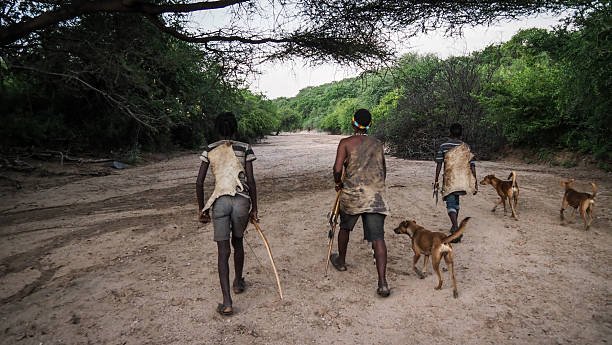
Hadzabe Tribe Culture: Traditions, Lifestyle, Location & Best Time To Visit
Discover the fascinating Hadzabe tribe, one of Africa's last hunter-gatherer communities. Learn about their ancient traditions, unique lifestyle, where they live near Lake Eyasi in...
View package details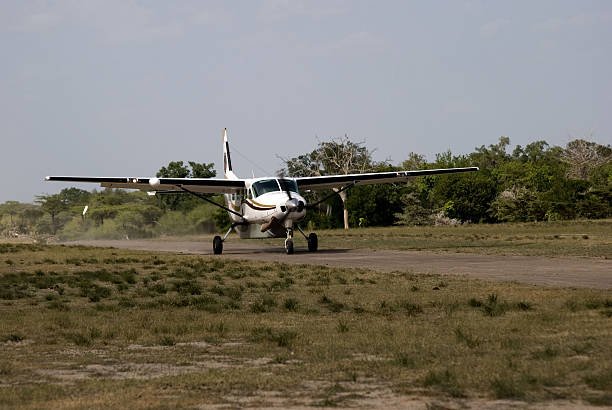
Places To Visit In Mwanza: Your Guide To Tanzanias Lakeside Gem 2026-2027
Mwanza, Tanzania's second-largest city, is a vibrant hub on the shores of Lake Victoria. This guide covers the must-see attractions, from its stunning natural beauty and islands to its rich...
View package details
Tanzania Best Time To Travel: A Comprehensive Guide For 2026-2027
Planning a trip to Tanzania? This guide details the best times to visit for safaris, Kilimanjaro climbs, and Zanzibar holidays in 2026-2027, considering weather patterns, wildlife...
View package details
When To Visit Tanzania: Your Ultimate Guide For 2026-2027
Planning a trip to Tanzania? This comprehensive guide details the optimal times to visit for unforgettable safaris, Kilimanjaro treks, and Zanzibar holidays in 2026 and 2027, considering...
View package details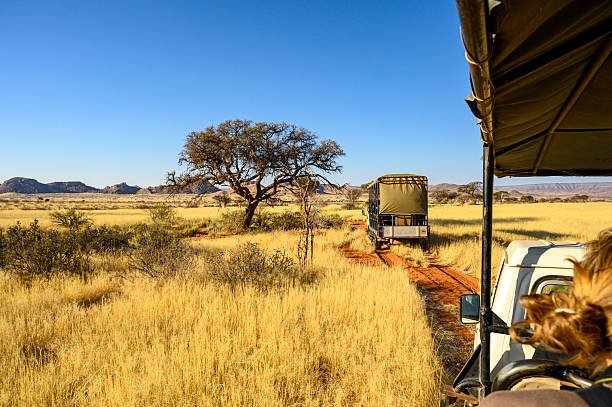
Arusha City Tour: Your Gateway To Northern Tanzanias Wonders 2026-2027
Experience Arusha, the vibrant hub of Northern Tanzania. Our Arusha city tours offer a perfect introduction to local life, culture, and the stunning landscapes that await your adventure.
View package details
Arusha: Your Gateway To Tanzanias Northern Safari Circuit And Kilimanjaro
Arusha serves as Tanzania's vibrant gateway, connecting travelers to the world-renowned Northern Safari Circuit, the majestic Mount Kilimanjaro, and the unique cultural landscapes of the...
View package details
Best Cafes In Tanzania: A Local Guide For 2026-2027
Exploring Tanzania offers incredible wildlife and cultural experiences, but sometimes you need a moment to relax, recharge, and enjoy a good cup of coffee. This guide highlights the best...
View package detailsBest Cafes With Wifi Near Me For Remote Work & Study In Tanzania 2026-2027
Finding a reliable spot with good WiFi for work or study can be a challenge when traveling or exploring new areas. This guide highlights top cafes across Tanzania that offer stable...
View package details
Best Coffee Shops In Tanzania: A Local Guide For 2026-2027
Explore Tanzania's burgeoning coffee culture and find the best local cafes for an authentic brew. From Arusha to Zanzibar, discover artisanal coffee experiences tailored for your 2026-2027...
View package detailsNo closely related package is available for this topic yet.



