
The Best time to visit Tanzania and Zanzibar For a combination of excellent wildlife viewing and pleasant beach weather is generally during the dry seasons, specifically from June to October and again from December to February. For safari enthusiasts aiming to witness the Great Migration in the Serengeti, June to October is paramount, while for beach lovers in Zanzibar, the drier, cooler months from July to October and January to March offer the most comfortable conditions. Planning for 2026 and 2027 involves considering these peak periods for optimal experiences.
Understanding Tanzania’s Climate and Seasons
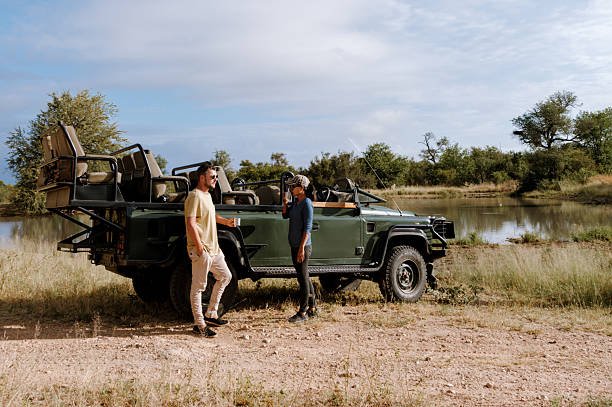
Tanzania, a land of dramatic landscapes and unparalleled wildlife, experiences a tropical climate that varies slightly across its diverse regions. From the vast savannas of the Serengeti to the spice-scented shores of Zanzibar, understanding the distinct seasons is key to planning a successful trip, especially for 2026 and 2027 adventures. The country essentially has two main seasons: the dry season and the wet season, each offering unique advantages for different types of travelers.
The Dry Season: Prime Time for Safaris and Sun
The dry season is often considered the most desirable period for a visit to Tanzania and Zanzibar, primarily due to its favorable weather conditions for both safari activities and beach holidays. This season typically runs from June to October, with a secondary, shorter dry spell from December to February.
June to October: The Quintessential Dry Season
This is widely regarded as the Best time to visit Tanzania and Zanzibar For safari-goers. During these months, the landscape is drier, meaning vegetation is less dense, offering better visibility of wildlife. Animals tend to congregate around permanent water sources, making them easier to spot. The cooler temperatures, particularly in the northern safari circuit (Serengeti, Ngorongoro, Tarangire, Lake Manyara), make game drives more comfortable. The air is typically clear, providing excellent photographic opportunities.
For those keen on witnessing the Great Migration, this period is absolutely critical. The wildebeest and zebra herds are typically found in the western and northern Serengeti, often crossing the Mara River – a spectacular and dramatic event. Booking safaris and accommodation for this period, especially for 2026 and 2027, is highly recommended well in advance due to its popularity.
In Zanzibar, the June-October window is also excellent. The weather is generally sunny with lower humidity and minimal rainfall. This makes it ideal for exploring the island’s historical Stone Town, relaxing on its pristine beaches, and enjoying water sports like snorkeling and diving. The turquoise waters are clear, and the sea breeze provides a welcome respite from the heat.
December to February: The Short Rains and Summer Dry Spell
This period is characterized by a shorter dry spell, often referred to as the ‘short rains’ or the ‘little dry season’. However, it’s more accurately described as a period of less rain and more sunshine compared to the long rainy season. The temperatures tend to be warmer than in the June-October dry season.
For safaris, this is an exciting time as it coincides with the calving season in the southern Serengeti and Ngorongoro Conservation Area. Thousands of wildebeest and zebras give birth, creating a unique spectacle of new life and intense predator-prey interactions. Birdwatching is also excellent during this time, as migratory birds from Europe and Asia are present.
Zanzibar also experiences good weather during these months, though occasional short showers can occur. It’s a great time for beach holidays, with warm temperatures and plenty of sunshine. The slightly lower tourist numbers compared to the peak June-October season can make it a more relaxed experience.
The Wet Season: Lush Landscapes and Fewer Crowds
Tanzania experiences two rainy seasons: the long rains and the short rains. While often perceived as less ideal, the wet season can offer unique advantages, including lower prices and a more intimate wildlife viewing experience.
March to May: The Long Rains
This is Tanzania’s primary rainy season. The landscape transforms into a vibrant, lush green, offering a different kind of beauty. For photographers, the dramatic skies and verdant scenery can be stunning. The rains typically occur as heavy, but usually short-lived, downpours, often in the afternoon or evening, leaving mornings clear for activities.
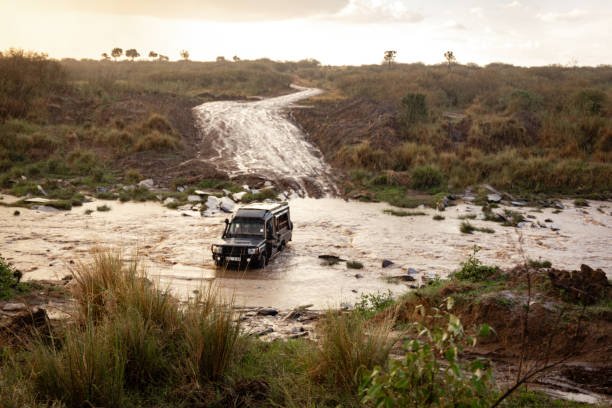
Safari-wise, the long rains can make some park roads challenging to navigate, particularly in the Serengeti. However, it’s an excellent time for birdwatching, as resident birds are breeding and their plumage is at its most vibrant. Predator sightings can still be good, and the reduced number of tourists means you might have more exclusive encounters with wildlife. The Ngorongoro Crater, with its all-weather roads, remains accessible and offers fantastic game viewing year-round.
For Zanzibar, the long rains mean heavier and more prolonged rainfall. While some days can be overcast and wet, there are still periods of sunshine. Beach activities might be limited due to weather, but it’s a fantastic time for cultural exploration, visiting spice farms, and enjoying the island’s vibrant local life without the peak season crowds. Prices for accommodation and flights are often lower during this period, making it a budget-friendly option for 2026-2027.
November to December: The Short Rains
This period marks the transition from the dry season to the short rains. The rains are typically light and sporadic, often occurring in brief afternoon showers. The landscape begins to green up, and the air becomes fresher.
On safari, the short rains signal the beginning of the calving season in the southern plains, making it an exciting time for wildlife enthusiasts. The weather is generally pleasant for game drives, with fewer crowds than the peak dry season. Migratory birds are arriving, enhancing the birdwatching experience.
Zanzibar enjoys a mix of sunshine and occasional short showers. It’s a good time for a beach holiday, though it’s advisable to be prepared for brief rain spells. The temperatures are warm, and the island is less crowded than in the main dry season.
Best Time for Specific Tanzanian Experiences
While the dry seasons offer a generally good all-around experience, the ‘best’ time can be more nuanced depending on your priorities. Here’s a breakdown for different interests:
For Witnessing the Great Migration
If seeing the Great Migration is your primary goal, timing is everything. The migration is a continuous cycle, but certain events are more spectacular at specific times:
- June – October: River Crossings. This is when the herds are typically in the western and northern Serengeti, facing the perilous crossings of the Grumeti and Mara Rivers. These are dramatic and often unpredictable events, offering incredible photographic opportunities. This is considered the Best time to visit Tanzania and Zanzibar For this specific wildlife phenomenon.
- December – March: Calving Season. The herds move south and are in the Ndutu Plains (bordering Serengeti and Ngorongoro Conservation Area) for the calving season. This period is characterized by intense predator activity as lions, cheetahs, and hyenas capitalize on the vulnerable newborns.
Booking your Serengeti safari for these periods in 2026 or 2027 is essential, as prime lodges and camps fill up months, sometimes even a year, in advance.
For Climbing Mount Kilimanjaro
Climbing Kilimanjaro is possible year-round, but certain months offer significantly better weather conditions, increasing your chances of a successful summit.
- Best Months: January-March and June-October. These periods are generally dry with clear skies, offering good visibility and less challenging trekking conditions. The mountain is less prone to heavy snow or rain during these times.
- Shoulder Months: November-December and April-May. November can be good with the ‘short rains’ often being brief. April and May are the heart of the ‘long rains’ and are generally considered the worst months to climb due to heavy rainfall, muddy trails, and poor visibility.
For 2026-2027 Kilimanjaro climbs, aiming for the dry seasons will provide the most comfortable and safest experience. Ensure your tour operator, like Top Guide Adventures, provides experienced guides who can navigate any weather conditions.
For Beach Holidays in Zanzibar
Zanzibar offers a tropical paradise experience, and the best time to enjoy its beaches and turquoise waters is when the weather is driest and sunniest.
- Peak Season: June-October. This is the driest and coolest period, with abundant sunshine and low humidity. Ideal for swimming, sunbathing, snorkeling, and diving.
- Good Shoulder Season: January-February. Warm and dry, this period offers excellent beach weather, with fewer crowds than the main dry season.
- Less Ideal: March-May (Long Rains) and November (Short Rains). While still beautiful, these months can bring heavier rainfall, potentially disrupting beach plans. However, they offer lower prices and fewer tourists.
If your priority is guaranteed sunshine and calm seas for water activities, the June-October window is your best bet for Zanzibar in 2026-2027. If you’re seeking a balance of good weather and fewer people, January-February is also a strong contender.
Monthly Breakdown: What to Expect in 2026-2027
To help you pinpoint the ideal time, let’s look at what each month generally offers:
| Month | Tanzania Safari (North) | Zanzibar Beaches | Kilimanjaro | Notes |
|---|---|---|---|---|
| January | Calving season in southern Serengeti/Ndutu. Warm, dry. | Warm, dry, sunny. Good for beaches. | Dry, clear skies. Good climbing conditions. | Good for wildlife births and birding. |
| February | Calving season continues. End of peak dry. Warm. | Warm, dry, sunny. Excellent beach weather. | Dry, clear skies. Good climbing conditions. | Continued calving, excellent birding. |
| March | Migration moves north. Start of long rains. | Start of long rains. Humid, some sunshine. | Start of long rains. Muddy trails, poor visibility. | Lush landscapes, fewer tourists, lower prices. |
| April | Long rains. Lush green landscapes. | Heavy rains. Humid, overcast. | Peak long rains. Very wet, muddy, challenging. | Best for budget travel, birding. |
| May | End of long rains. Green scenery. | End of long rains. Still some showers. | End of long rains. Still challenging. | Post-rain greenery, fewer crowds. |
| June | Start of dry season. Migration in western Serengeti. Cooler. | Dry, sunny, pleasant. Start of peak season. | Dry, clear skies. Good climbing conditions. | Excellent for safaris and beaches. High season begins. |
| July | Peak dry season. Migration river crossings likely. Cool. | Peak dry, sunny, low humidity. Ideal for beaches. | Dry, clear skies. Good climbing conditions. | Prime safari and beach time. High demand. |
| August | Peak dry season. Migration in north. Cool. | Peak dry, sunny, low humidity. Ideal for beaches. | Dry, clear skies. Good climbing conditions. | Excellent visibility for wildlife. High season. |
| September | Dry season continues. Migration moving south. Cool. | Dry, sunny, pleasant. End of peak season. | Dry, clear skies. Good climbing conditions. | Still great for safaris and beaches. |
| October | End of dry season. Migration moving towards Ndutu. Warm. | Dry, sunny, pleasant. Good beach weather. | Dry, clear skies. Good climbing conditions. | End of the main dry season. Good transition month. |
| November | Start of short rains. Landscape greens up. Warm. | Short rains. Mix of sun and brief showers. | Start of short rains. Can be mixed. | Good birding, fewer crowds. |
| December | Short rains continue. Migration in Ndutu for calving. Warm. | Short rains, but often sunny spells. Warm. | Short rains. Can be mixed. | Holiday season. Popular for families. |
Comparing Safari Circuits and Zanzibar in Different Seasons
Tanzania is vast, and weather patterns can differ between its northern safari circuit, southern parks, and the coastal island of Zanzibar. Understanding these nuances helps in choosing the best time for your specific itinerary.
Northern Circuit (Serengeti, Ngorongoro, Tarangire, Lake Manyara)
This is the most popular safari destination and is best visited during the dry seasons (June-October and December-February) for optimal game viewing. The landscapes are drier, making animal spotting easier. The Great Migration’s movements are most predictable during these times, especially the river crossings in the north (June-October) and the calving season in the south (December-March).
During the wet season (March-May), the northern circuit becomes lush and green. While roads can become challenging, it’s a fantastic time for birdwatchers and those seeking fewer crowds and lower prices. The Ngorongoro Crater, being a caldera, offers excellent game viewing year-round regardless of the rains, as animals are resident within the crater.
Southern Circuit (Selous/Nyerere National Park, Ruaha National Park)
The southern circuit has a more pronounced wet season, typically from November to May. The best time to visit is during the dry season, from June to October. During this period, wildlife congregates around permanent water sources, making sightings more reliable. The weather is cooler and more pleasant for safaris. The southern parks are less crowded than the north, offering a more exclusive experience. The dry season here is particularly good for spotting large predators.
During the wet season, the southern parks become very green and lush, but many lodges close, and roads can become impassable. However, it can be a good time for birdwatching and for those looking for very low-season prices.
Zanzibar Archipelago
Zanzibar’s climate is tropical, characterized by high humidity and warm temperatures year-round. The distinct dry and wet seasons are more pronounced here as well.
- Dry & Pleasant: June-October, January-February. These are the prime months for beach holidays, with plenty of sunshine, lower humidity, and calm seas perfect for swimming, snorkeling, and diving.
- Transitional & Wetter: November-December, March-May. These months see more rainfall. While not continuous downpours, beach plans can be interrupted. However, these periods offer fewer tourists and more budget-friendly options. The long rains (April-May) are the wettest and are generally best avoided for a pure beach vacation.
For a trip combining a safari in the northern circuit with beach time in Zanzibar in 2026 or 2027, aiming for the shoulder months like October or early December can offer a good balance of decent weather in both locations, with fewer crowds than the absolute peak periods.
Considering Factors Beyond Weather
While weather is a primary driver for choosing the best time to visit Tanzania and Zanzibar, several other factors can influence your decision:
Crowds and Availability
The peak season for safaris and beach holidays generally aligns with the dry seasons (June-October and December-February). This means higher demand, fuller lodges and camps, and potentially higher prices. If you prefer a quieter experience or are traveling on a tighter budget, consider the shoulder months (November, March-May, and early December) or even the low season (April-May).
Booking well in advance, especially for popular lodges and during peak seasons for 2026-2027, is crucial. Top Guide Adventures can assist with securing the best accommodations and safari vehicles.
Pricing and Budget
Travel costs in Tanzania and Zanzibar fluctuate significantly with the seasons.
- High Season (June-October, December-February): Expect the highest prices for flights, accommodation, and safari packages due to high demand and excellent weather.
- Shoulder Season (November, March, early December): Prices may be slightly lower than peak season, offering a good balance of weather and value.
- Low Season (April-May): This is typically the cheapest time to travel, with significant discounts available on accommodation and sometimes flights. However, you must be prepared for the long rains.
For budget-conscious travelers planning for 2026-2027, the low season, particularly April and May, offers the best value, provided you are comfortable with the possibility of rain.
Specific Events and Festivals
While Tanzania doesn’t have many large-scale public festivals that impact tourism significantly, the natural ‘event’ of the Great Migration is the primary draw for many. Other considerations might include:
- Ramadan: If you are traveling during Ramadan, be mindful that many local businesses may have reduced hours, and alcohol may not be readily available in some areas, particularly on the mainland. However, Zanzibar, being a predominantly Muslim island, is accustomed to tourists during Ramadan.
- Christmas and New Year: This period (late December to early January) is very popular, especially for families. It falls within a dry spell, making it a sought-after time despite higher prices and crowds.
Planning Your 2026-2027 Trip with Top Guide Adventures
Choosing the Best time to visit Tanzania and Zanzibar Is a personal decision that depends on your priorities. Whether you dream of witnessing the Great Migration, relaxing on pristine beaches, or conquering Kilimanjaro, there’s an ideal period for you.
At Top Guide Adventures, we specialize in crafting tailor-made itineraries that align with your interests and the best seasonal opportunities. Our expertise ensures you experience Tanzania’s magic at the optimal time for your chosen activities. We recommend booking your Tanzania safari best time Adventures and Zanzibar holidays for 2026 and 2027 as early as possible to secure your preferred dates and accommodations.
For the best game viewing, aim for the dry seasons (June-October and December-February). For the Great Migration, target the river crossings (June-October) or the calving season (December-March). For Kilimanjaro, the dry months (January-March, June-October) are superior. For Zanzibar beaches, the dry periods (June-October, January-February) offer the most sunshine.
Contact us today to start planning your unforgettable Tanzanian adventure. Let us help you navigate the seasons and create a journey that perfectly matches your desires for 2026-2027.
WhatsApp: +255616946642
Email: Topguideadventures@gmail.com
Backup Email: Info@topguideadventures.com
Check Availability for Best Time To Visit Tanzania And Zanzibar: Your Ultimate Guide For 2026-2027
Ready to compare dates, prices, and the best option for your group? Send the package name and travel month so the team can reply with a clear quote, availability, and what is included.
Luxury Safari Tanzania And Zanzibar: The Ultimate Experience 2026-2027
Combine the thrill of a world-class African safari in Tanzania's iconic national parks with the serene beauty of Zanzibar's spice-scented beaches for an unforgettable luxury escape. This...
View package details
Tanzania & Zanzibar Packages: Your Ultimate Guide For 2026-2027
Discover the best Tanzania and Zanzibar package deals for 2026-2027. Top Guide Adventures crafts unforgettable journeys blending wildlife safaris with the exotic allure of Zanzibar's...
View package details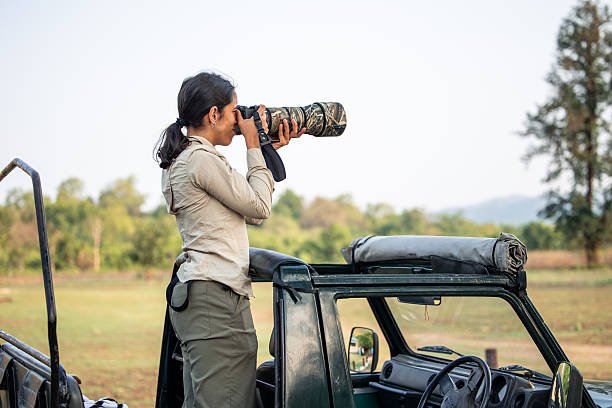
Tanzania And Zanzibar: The Ultimate Safari Island Escape In 2026-2027
Combine the thrill of a world-class African safari in mainland Tanzania with the serene beauty of Zanzibar's tropical islands. Top Guide Adventures crafts unforgettable experiences blending...
View package details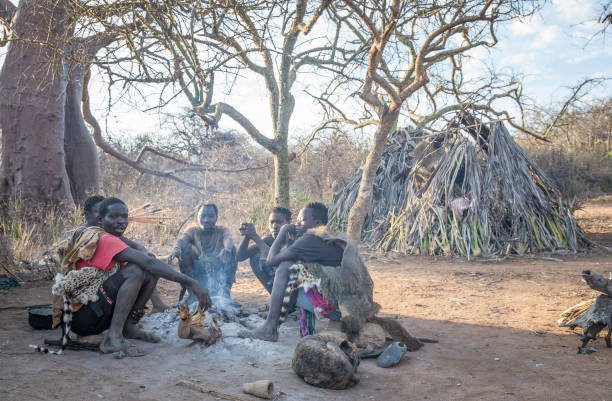
2 Days Hadzabe Cultural Safari From Zanzibar: A Detailed Experience 2026-2027
A condensed yet deeply impactful 2-day cultural safari from Zanzibar offers a unique opportunity to connect with the Hadzabe people, Tanzania's last hunter-gatherer tribe. This short...
View package details
Best Time Of Year To Visit Tanzania For Safaris & Zanzibar 2026-2027
Planning a trip to Tanzania? This guide breaks down the best times to visit for unparalleled wildlife viewing, beach relaxation, and cultural experiences, considering weather, animal...
View package details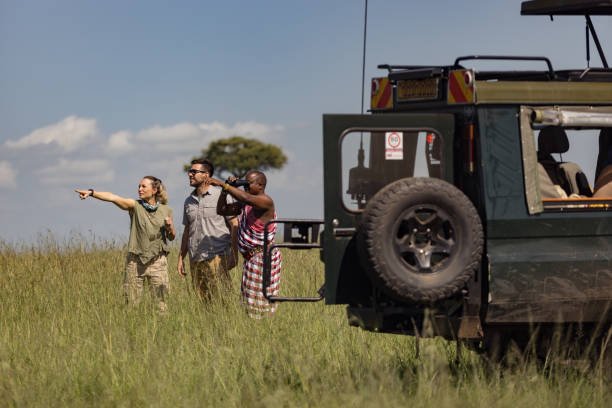
Best Month To Visit Tanzania For Safari And Zanzibar In 2026-2027
Planning your dream Tanzania adventure? This guide breaks down the best months to visit for optimal safari experiences, including the Great Migration, and idyllic beach time in Zanzibar...
View package details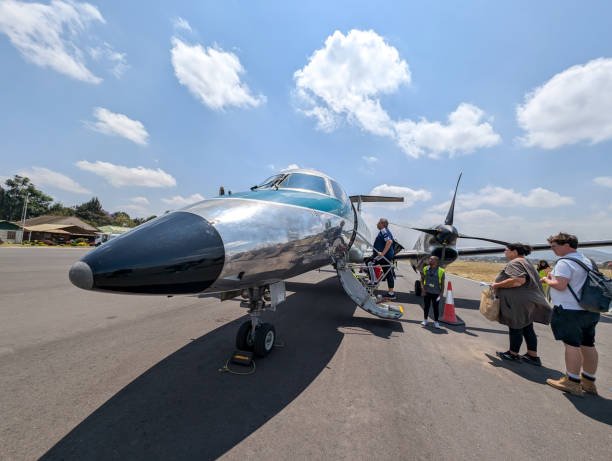
10 Day Tanzania Safari And Zanzibar 2026-2027
10 Day Tanzania Safari and Zanzibar is explained with current 2026-2027 planning, price, itinerary and booking information.
View package details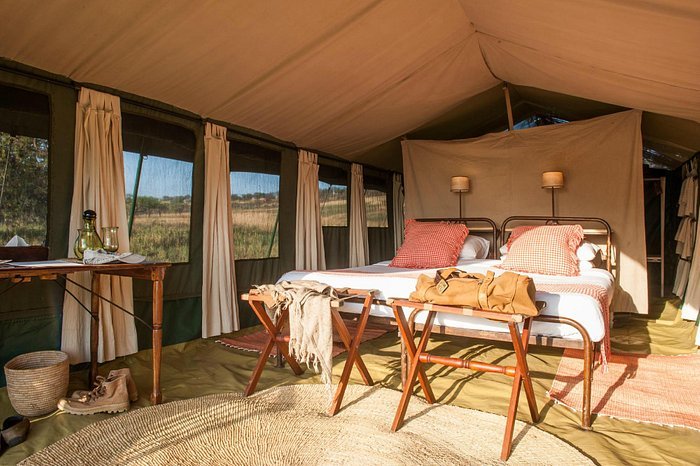
12 Days Tanzania Safari Cost: Wildlife And Zanzibar Prices 2026-2027
12 Days Tanzania Safari Cost: Wildlife and Zanzibar Prices is explained with current 2026-2027 planning, price, itinerary and booking information.
View package details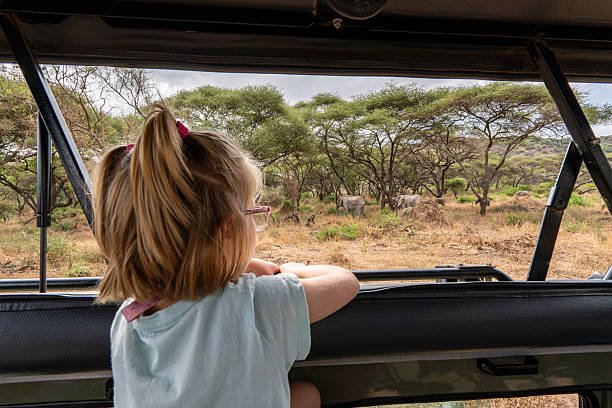
13 Days Tanzania Safari And Zanzibar Holiday Price Guide 2026-2027
Planning a 13-day adventure combining a Tanzania safari with a Zanzibar beach holiday? This comprehensive guide breaks down the expected price range for 2026-2027, detailing what influences...
View package details16 Days Tanzania Safari And Zanzibar Package Price 2026-2027
16 Days Tanzania Safari and Zanzibar Package Price is explained with current 2026-2027 planning, price, itinerary and booking information.
View package details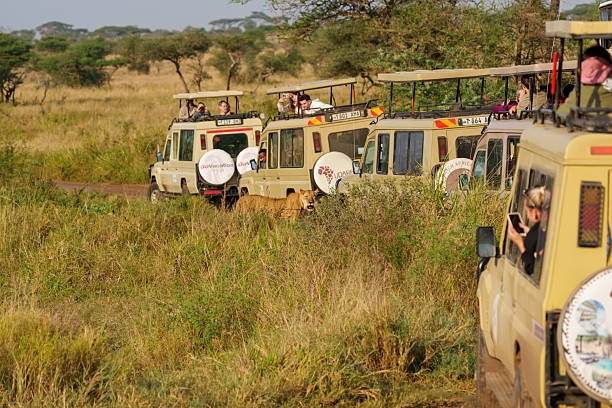
19 Days Tanzania Safari, Kilimanjaro And Zanzibar Cost: Your Ultimate
Planning a 19-day adventure combining a Tanzania safari, Mount Kilimanjaro climb, and the exotic island of Zanzibar? This comprehensive guide breaks down the estimated costs for 2026-2027...
View package details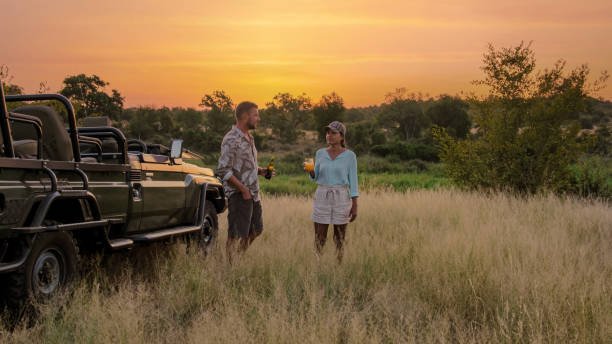
2 Day Tanzania Safari From Zanzibar: The Ultimate Short Guide 2026-2027
Discover the best way to experience a 2-day Tanzania safari directly from Zanzibar. This guide covers essential planning, park options, itineraries, costs, and booking for 2026-2027.
View package detailsNo closely related package is available for this topic yet.



