
A Hadzabe safari adventure is a unique cultural immersion experience in Tanzania, primarily focused around Lake Eyasi, where travelers can respectfully observe and interact with the Hadzabe people, one of the last hunter-gatherer tribes in Africa. These tours typically involve early morning wake-ups to witness their traditional hunting techniques, learning about their foraging practices, understanding their language and social structures, and experiencing their deep connection to the natural environment, offering a profound counterpoint to typical wildlife safaris.


Understanding the Hadzabe: Africa’s Last Hunter-Gatherers
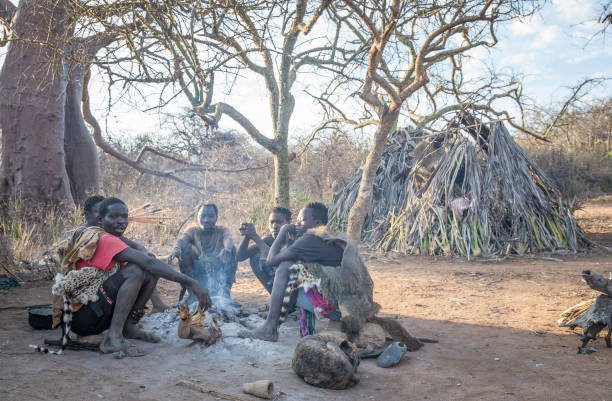
The Hadzabe, also known as the Hadzapi or Wataturu, are an indigenous ethnic group residing in northern Tanzania, primarily around Lake Eyasi. They are globally recognized for maintaining one of the world’s last remaining traditional hunter-gatherer lifestyles. Unlike many other indigenous groups who have adapted significantly to modern influences, the Hadzabe continue to live much as their ancestors did for millennia, relying on hunting game with bows and arrows, foraging for wild fruits, roots, and honey, and living in nomadic or semi-nomadic bands.
Their culture is rich and deeply intertwined with the natural landscape. They possess an intimate knowledge of the local flora and fauna, understanding which plants are medicinal, edible, or poisonous, and how to track and hunt animals effectively. Their social structure is notably egalitarian, with minimal hierarchy and a strong emphasis on community cooperation. The Hadzabe language is characterized by click consonants, distinct from the Bantu languages spoken by neighboring tribes.
A Hadzabe safari adventure is not about observing animals in the typical sense of a game drive, but rather about observing and understanding a unique human culture that has persisted against the odds. It’s an opportunity to witness a way of life that predates agriculture and settled societies, offering a humbling and eye-opening perspective on human history and survival. For travelers seeking genuine cultural connection and a departure from conventional tourism, this experience is unparalleled.
Why Choose a Hadzabe Safari Adventure?
The allure of a Hadzabe safari adventure Lies in its profound authenticity and the rare opportunity it presents. In an increasingly globalized world, the Hadzabe offer a window into a lifestyle that is rapidly disappearing. This is not a staged performance; it is a genuine glimpse into the daily lives of people who have preserved their ancestral traditions for generations.
Here are the key reasons why this experience stands out:
- Unrivaled Cultural Immersion: Unlike many cultural tours that can feel curated, a visit with the Hadzabe is about observing and, with respect, participating in their actual daily activities.
- Connection to Ancient Practices: Witness firsthand their ancient hunting techniques, foraging skills, and their deep spiritual connection to the land.
- Unique Photographic Opportunities: Capture images of a way of life rarely seen, from the intricate design of their bows and arrows to their communal living.
- Education and Perspective: Gain a profound understanding of human adaptability, resilience, and the diverse ways of life that have existed throughout history.
- Support for Indigenous Communities: Responsible tourism practices ensure that your visit benefits the Hadzabe people directly, helping them maintain their cultural heritage.
For travelers planning their 2026 or 2027 Tanzania trips, incorporating a Hadzabe cultural tour provides a deeply enriching dimension beyond the classic wildlife safaris. It complements the grandeur of the Serengeti or the Ngorongoro Crater with a human story that is equally, if not more, compelling.
Planning Your Hadzabe Safari Adventure: Key Considerations
Organizing a successful and respectful Hadzabe cultural tour Requires careful planning. The region around Lake Eyasi is remote, and interactions with the Hadzabe are best facilitated through experienced local guides who understand the cultural nuances and have established relationships with the communities.
Best Time to Visit
The Hadzabe people are nomadic, and their movements are dictated by the availability of food and water. However, their general location around Lake Eyasi remains relatively consistent. The dry season, from June to October, is often considered ideal for visiting. During this period, the weather is pleasant, and water sources are more predictable, making it easier to locate the communities. However, the Hadzabe are accessible year-round, and the rainy seasons (March-May and November-December) can offer different foraging opportunities and a greener landscape, though travel can be more challenging.
Duration and Itinerary
A typical Hadzabe cultural experience can range from a half-day visit to a full two-day immersion. A half-day trip might involve waking up early to join a hunting party or witness their morning routines. Longer stays allow for deeper engagement, including learning about their medicinal plants, participating in honey collection (seasonally), and understanding their social dynamics more intimately. Most Hadzabe safari adventure Itineraries are integrated into longer Northern Tanzania safari circuits, often combined with visits to the Ngorongoro Conservation Area, Lake Manyara National Park, or Tarangire National Park. Many travelers include this experience as a day trip or a one-night stay from Karatu or Arusha.
Logistics and Accommodation
Lake Eyasi is an off-the-beaten-path destination. Access is typically via 4×4 safari vehicles. Roads can be rough, especially during the rainy season. Accommodation options near Lake Eyasi are limited but growing. These range from basic campsites to more comfortable lodges and tented camps, such as Kisima Ngeda Tented Camp or Tembo Kirurumu Tented Lodge, which offer stunning views of the lake and are well-positioned for Hadzabe visits. For those seeking a more rustic experience, camping near the communities under the guidance of your tour operator is also possible.
Respectful Interaction
This is paramount. The Hadzabe are not exhibits; they are people living their lives. It is crucial to visit with a guide who can facilitate respectful communication and ensure that your presence is non-intrusive. Always ask for permission before taking photographs, especially of individuals. Avoid giving handouts, as this can disrupt their traditional economy and way of life. Instead, consider supporting them through purchasing their crafts, such as bows and arrows, if they are offered, at a fair price. The goal is to learn and understand, not to impose or interfere.
What to Expect on Your Hadzabe Cultural Tour
A Hadzabe safari adventure Is unlike any other safari you will undertake in Tanzania. It is an early start, often before dawn, as this is when the hunters depart. The experience is raw, authentic, and deeply engaging.
The Morning Hunt
The most iconic part of the Hadzabe experience is witnessing their hunting prowess. Early in the morning, the men depart with their bows and arrows, tracking small game like dik-dik, guinea fowl, or other small antelopes. Your guide will help you follow them at a respectful distance, observing their incredible tracking skills, their silence, and their deep knowledge of the terrain. It’s a testament to survival skills honed over thousands of years. While a successful hunt is not guaranteed (as it is real hunting, not a performance), the process itself is fascinating.
Foraging and Daily Life
As the day progresses, the women and children often engage in foraging. They expertly identify edible plants, berries, tubers, and, famously, honey. You might have the opportunity to learn about these plants and perhaps even taste some of the fruits or roots they gather. Observing their social interactions, their use of traditional tools, and their simple yet effective shelters provides a comprehensive view of their sustainable lifestyle.
Language and Communication
While the Hadzabe language is complex and contains click sounds, your guide will act as an interpreter, bridging the communication gap. You’ll learn about their social customs, their beliefs, and their history. Even without direct verbal communication, the shared experience of being present in their environment fosters a powerful connection.
Campfire Gathering
In the evenings, if you are staying overnight or visiting later in the day, you might have the chance to sit around a communal fire, share stories (through your guide), and witness their evening routines. This is a time for community bonding and sharing the day’s findings.
What to Bring
- Appropriate Clothing: Lightweight, neutral-colored clothing is best. Comfortable walking shoes are essential. A hat and sunscreen are recommended.
- Water Bottle: Stay hydrated, especially in the dry climate.
- Camera: With extra batteries and memory cards. Always ask permission before photographing.
- Small Gifts (Optional & Thoughtful): If you wish to offer something, consider practical items like pencils, notebooks, or basic medical supplies (band-aids, antiseptic wipes) for the children, or perhaps a small amount of cash. However, avoid giving food unless specifically advised by your guide, as it can disrupt their natural diet. Purchasing their crafts is the most direct and respectful way to support them economically.
- Bug Spray: Essential for evenings.
A Note on Authenticity
It’s important to manage expectations. While the Hadzabe maintain their traditions, they are not entirely isolated. They are aware of the outside world and have some interactions with neighboring communities and occasional visitors. The experience you will have is as authentic as possible within the context of responsible tourism. The key is to approach the visit with an open mind and a willingness to learn and observe respectfully.
Integrating the Hadzabe Experience into Your Tanzania Itinerary
A Hadzabe safari adventure Can be seamlessly woven into a broader Tanzanian safari. Its location makes it a perfect addition to itineraries focused on the Northern Circuit, particularly when visiting areas west of the Ngorongoro Highlands.
Sample Itinerary Integration (7-Day Northern Circuit with Hadzabe)
This is a conceptual outline and can be customized extensively.
Day 1: Arrival in Arusha
Arrive at Kilimanjaro International Airport (JRO), met by your guide, and transfer to your lodge in Arusha. Briefing on your upcoming safari.
Day 2: Arusha to Tarangire National Park
Drive to Tarangire, known for its large elephant herds and baobab trees. Full day game drive.
Day 3: Tarangire to Karatu
Morning game drive in Tarangire, then drive to Karatu, a town situated on the highlands overlooking the Ngorongoro Conservation Area.
Day 4: Lake Eyasi – Hadzabe Cultural Experience
An early morning departure from Karatu for a Hadzabe safari adventure. Spend the morning with the Hadzabe people, observing their hunting and foraging. Depending on arrangements, you might have lunch with them or return to a lodge near Lake Eyasi or back to Karatu for the night.
Day 5: Ngorongoro Crater Tour
Descend into the Ngorongoro Crater, a UNESCO World Heritage Site, for a full-day game drive. This caldera is home to an incredible density of wildlife, including the Big Five.
Day 6: Ngorongoro to Lake Manyara / Arusha
Morning visit to Mto wa Mbu village for a cultural walk or drive to Lake Manyara National Park, famous for its tree-climbing lions and birdlife. Drive back to Arusha in the late afternoon.
Day 7: Departure
Depending on your flight schedule, you may have time for souvenir shopping in Arusha before transferring to Kilimanjaro International Airport for your departure.
This sample highlights how a Hadzabe cultural tour Can fit within a week. For 2026 and 2027 travel, booking in advance is highly recommended, especially for peak seasons (June-October and December-February), to secure preferred accommodations and ensure guide availability.
The Hadzabe Language: A Unique Linguistic Treasure
The Hadzabe language, known as Hadzapi, is a linguistic isolate, meaning it has no known relatives. Its most distinctive feature is the extensive use of click consonants, similar to those found in Khoisan languages spoken in Southern Africa. These clicks are not just sounds but integral parts of words, affecting their meaning.
There are typically four main types of clicks used:
- Dental click (/ǀ/): Produced by placing the tongue against the upper teeth and drawing it down sharply.
- Alveolar click (/!/): Produced by pulling the tongue away from the alveolar ridge (the roof of the mouth behind the teeth).
- Lateral click (/ǁ/): Produced by pulling the tongue away from the side teeth.
- Palatal click (/ǂ/): Produced with the tongue against the hard palate.
Learning a few basic click sounds can be a fun, albeit challenging, part of your interaction, but relying on your guide for translation is essential. The unique nature of their language underscores their distinct cultural identity and their long, separate history.
Conservation and the Future of the Hadzabe
The future of the Hadzabe way of life is a subject of ongoing discussion and concern. Like many indigenous groups, they face pressures from land encroachment, agricultural expansion, and increasing contact with the outside world. Their traditional lands are often coveted for farming and development, threatening their nomadic lifestyle and access to resources.
Responsible tourism plays a vital role in supporting the Hadzabe. By choosing tour operators who work ethically and ensure that tourism benefits the community directly, visitors can contribute to the preservation of their culture. This includes fair payment for guiding services, respecting their customs, and ensuring that tourism does not disrupt their traditional practices or social structures. Top Guide Adventures is committed to ethical tourism practices, working with local communities to ensure that visits are mutually beneficial and sustainable for the long term, helping to safeguard this unique heritage for future generations, including into 2026 and 2027.
Booking Your Hadzabe Safari Adventure with Top Guide Adventures
Embarking on a Hadzabe safari adventure Is a journey of a lifetime, offering unparalleled cultural insights and a chance to connect with one of the world’s most ancient human traditions. Top Guide Adventures specializes in crafting personalized Tanzanian experiences that go beyond the ordinary, ensuring your visit with the Hadzabe is respectful, enriching, and unforgettable.
We understand the delicate nature of cultural tourism and work closely with the Hadzabe communities to facilitate meaningful interactions that benefit both our clients and the people they visit. Our expert guides are not only knowledgeable about wildlife but are also culturally sensitive interpreters who can enhance your understanding of the Hadzabe way of life.
Whether you’re planning a trip for 2026, 2027, or beyond, let us help you design the perfect itinerary that includes this extraordinary cultural encounter. We offer flexible packages that can be tailored to your interests, duration, and budget, ensuring a truly bespoke adventure.
Contact us today to start planning your unique Hadzabe safari adventure:
- WhatsApp: +255616946642
- Email: Topguideadventures@gmail.com
- Backup Email: Info@topguideadventures.com
- Website: Top Guide Adventures Tanzania
We look forward to helping you discover the magic of the Hadzabe and the wonders of Tanzania.
Frequently Asked Questions about Hadzabe Safari Adventures
-
What is the best way to arrange a Hadzabe safari adventure?
The most effective and respectful way to arrange a Hadzabe safari adventure Is through a reputable local tour operator like Top Guide Adventures. They have established relationships with the Hadzabe communities, ensuring ethical interactions and providing knowledgeable guides who can facilitate communication and cultural understanding. Independent visits are generally not recommended due to the remote location and the need for cultural sensitivity.
-
Can I participate in the hunt with the Hadzabe?
You can observe the Hadzabe hunters as they go out, often at dawn. However, direct participation in the hunt is usually not possible or advisable for visitors. The experience is about respectful observation of their ancient practices, not active involvement, to maintain the authenticity and integrity of their traditions.
-
What should I wear when visiting the Hadzabe?
It’s advisable to wear lightweight, breathable clothing in neutral or earthy tones that blend with the environment. Comfortable walking shoes are essential as you may be walking on uneven terrain. A hat for sun protection and sunglasses are also recommended. Avoid bright colors or overly revealing clothing.
-
Is it safe to visit the Hadzabe?
Yes, visiting the Hadzabe is generally safe when organized through experienced tour operators. Your guide will ensure your safety and well-being throughout the visit, navigating the terrain and managing interactions. The Hadzabe people themselves are known for their peaceful nature.
-
How much does a Hadzabe cultural tour typically cost?
The cost of a Hadzabe cultural tour Varies depending on the tour operator, the duration of the visit, and whether it’s included as part of a larger safari package. Typically, these experiences are priced as a day trip or as part of a multi-day itinerary. Costs can range from $100 to $300 per person for a day visit, depending on inclusions and the operator. For specific pricing for 2026 or 2027, it is best to get a personalized quote from a trusted tour provider.
-
What are the main differences between a Hadzabe safari and a wildlife safari?
A traditional wildlife safari focuses on observing animals in their natural habitat, often from a safari vehicle. A Hadzabe safari adventure Is a cultural immersion focused on interacting with and learning from one of the last hunter-gatherer tribes. While wildlife may be encountered incidentally, the primary objective is human cultural observation and respectful engagement, often involving walking and close interaction.
Final Thoughts on Your Hadzabe Journey
A Hadzabe safari adventure Offers a profound and humbling perspective on humanity’s relationship with nature and tradition. It is an experience that challenges perceptions and leaves an indelible mark on every traveler. By choosing responsible operators and approaching the visit with respect and curiosity, you contribute to the preservation of this unique cultural heritage.
As you plan your travels for 2026 or 2027, consider adding this extraordinary dimension to your Tanzanian journey. It’s more than just a safari; it’s an encounter with living history.
Check Availability for Hadzabe Safari Adventure: Witness The Last Hunter-Gatherers Of Tanzania
Ready to compare dates, prices, and the best option for your group? Send the package name and travel month so the team can reply with a clear quote, availability, and what is included.
2 Days Hadzabe Cultural Safari From Zanzibar: A Detailed Experience 2026-2027
A condensed yet deeply impactful 2-day cultural safari from Zanzibar offers a unique opportunity to connect with the Hadzabe people, Tanzania's last hunter-gatherer tribe. This short...
View package details
2 Days Hadzabe Cultural Tour & Ngorongoro Safari From Moshi 2026-2027
Discover the best of Tanzania in just two days with a unique combination tour. Journey from Moshi to the Lake Eyasi region for an in-depth Hadzabe cultural experience, followed by an...
View package details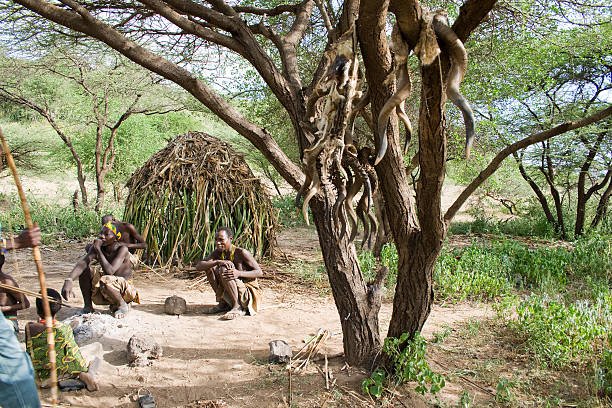
Hadzabe Tribe Safari: Lake Eyasi Cultural & Hunter-Gatherer Experience
Discover the unique Hadzabe tribe, Tanzania's last hunter-gatherers, on a cultural safari around Lake Eyasi. This detailed experience offers a rare glimpse into ancient traditions, survival...
View package details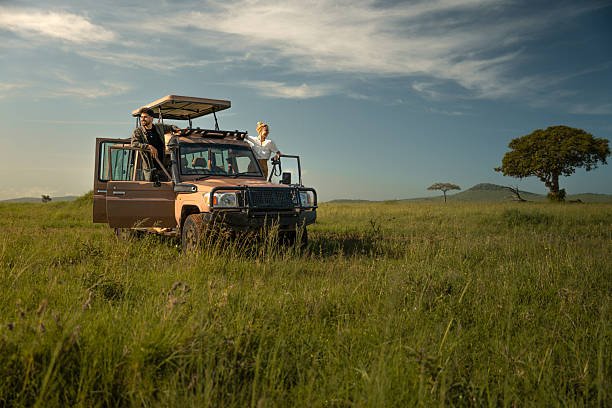
Family Safari In South Africa: Your Ultimate Guide 2026-2027
Planning a family safari in South Africa is an exciting endeavor, offering a unique blend of wildlife encounters, cultural immersion, and educational experiences for all ages. This guide...
View package details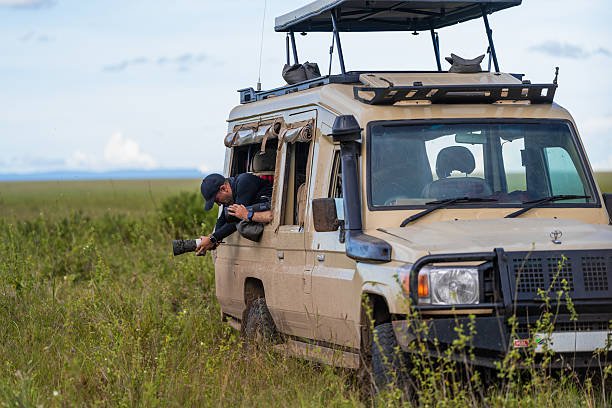
One Day Safari From Jro Airport: Your Ultimate Wildlife Experience 2026-2027
Maximize your travel time with an unforgettable one day safari starting right from Kilimanjaro International Airport (JRO). Experience Tanzania's stunning wildlife and vibrant culture on a...
View package details
Best Time Of Year To Visit Tanzania For Safaris & Zanzibar 2026-2027
Planning a trip to Tanzania? This guide breaks down the best times to visit for unparalleled wildlife viewing, beach relaxation, and cultural experiences, considering weather, animal...
View package details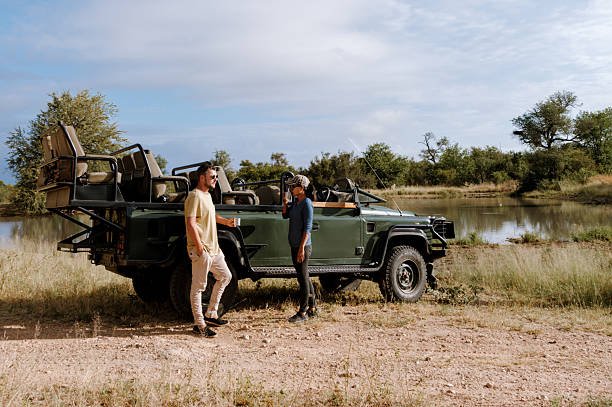
Agence Safari Tanzanie: Top Guide Adventures Expert Planning For 2026-2027
Top Guide Adventures is a premier agence safari Tanzanie, specializing in crafting unforgettable wildlife encounters, mountain climbs, and beach escapes across Tanzania. With a focus on...
View package detailsBest One Day Safaris From Moshi : Top Adventures & Planning 2026-2027
Explore the most rewarding one-day safari experiences departing from Moshi for 2026-2027. Top Guide Adventures highlights the best parks, what to expect, and how to plan your unforgettable...
View package details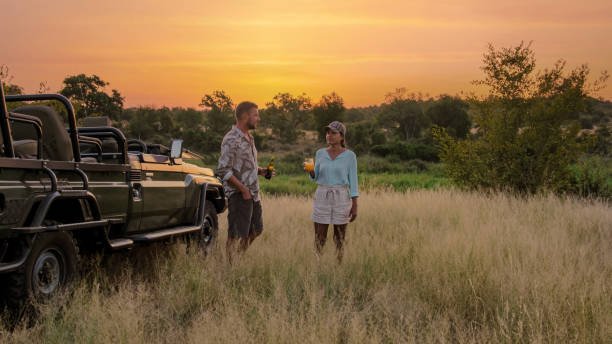
Family Safari Tanzania Packages: Expert Planning For Adventures 2026-2027
Planning a family safari in Tanzania for 2026 or 2027? Top Guide Adventures offers expertly crafted packages designed for all ages, ensuring a safe, educational, and thrilling wildlife...
View package details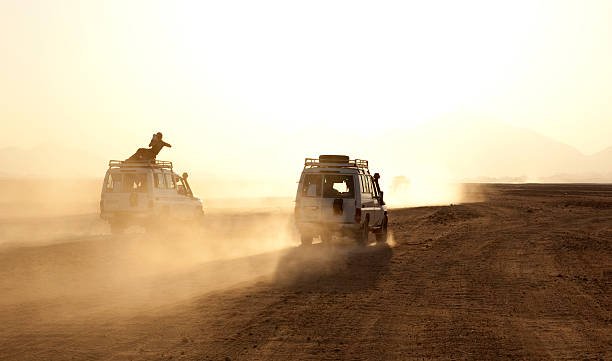
French / International Safari: Planning Your Tanzanian Adventure 2026-2027
Discover the magic of a French or International Safari in Tanzania, a land of unparalleled wildlife and diverse landscapes. This guide provides essential planning information for travelers...
View package detailsGroup Safari From Moshi: Shared Tanzania Adventures In 2026-2027
Explore shared safari experiences departing from Moshi, Tanzania. This guide details group tour options for 2026-2027, focusing on popular Northern Circuit destinations like Serengeti and...
View package details
Guide Safari Tanzania: Your Essential Planning For Adventures 2026-2027
Your comprehensive guide to planning an unforgettable Tanzania safari in 2026-2027. This article covers everything from choosing the best parks and wildlife viewing to understanding costs...
View package detailsNo closely related package is available for this topic yet.



