
.orscg-article{–orscg-text:#152033;–orscg-muted:#5c6878;–orscg-line:#e4e8ee;–orscg-accent:#0b6b4f;–orscg-accent2:#c75b12;–orscg-soft:#f6faf7;–orscg-warm:#fff7ef;max-width:1120px;margin:0 auto;color:var(–orscg-text);font-family:inherit;line-height:1.76}.orscg-article *{box-sizing:border-box}.orscg-article-intro{padding:30px 26px;margin:0 0 32px;border:1px solid var(–orscg-line);border-radius:22px;background:linear-gradient(135deg,#fff 0%,var(–orscg-soft) 65%,var(–orscg-warm) 100%)}.orscg-updated{display:inline-block;margin:0 0 14px;padding:6px 12px;border:1px solid rgba(11,107,79,.18);border-radius:999px;background:#fff;color:var(–orscg-accent);font-size:13px;font-weight:800}.orscg-article-intro h2{font-family:’Trebuchet MS’,Arial,sans-serif;margin:0 0 14px;font-size:clamp(30px,4vw,52px);line-height:1.08;color:var(–orscg-text);letter-spacing:-.03em}.orscg-lead{max-width:900px;margin:0 0 18px;font-size:clamp(17px,2vw,21px);color:var(–orscg-muted)}.orscg-contact-mini{font-weight:800;margin:0}.orscg-contact-mini a,.orscg-content a{color:var(–orscg-accent);text-decoration:none}.orscg-contact-mini a:hover,.orscg-content a:hover{text-decoration:underline}.orscg-hero-price{margin:18px 0 0;padding:14px 16px;border:1px solid rgba(199,91,18,.28);border-radius:14px;background:#fff;color:#733809;font-weight:650}.orscg-content{font-size:17px}.orscg-content h2{font-family:’Trebuchet MS’,Arial,sans-serif;margin:44px 0 15px;font-size:clamp(25px,3vw,38px);line-height:1.17;color:var(–orscg-text);letter-spacing:-.02em}.orscg-content h2:first-child{margin-top:0}.orscg-content h3{margin:28px 0 12px;font-size:clamp(20px,2.1vw,27px);line-height:1.25;color:var(–orscg-text)}.orscg-content p{margin:0 0 18px}.orscg-content ul,.orscg-content ol{margin:0 0 24px;padding-left:24px}.orscg-content li{margin:8px 0}.orscg-content table,.orscg-table{width:100%;border-collapse:separate;border-spacing:0;margin:25px 0;font-size:16px;border:1px solid var(–orscg-line);border-radius:0;overflow:hidden;background:#fff;box-shadow:0 10px 24px rgba(15,23,42,.05)}.orscg-content th,.orscg-content td{border:0;border-bottom:1px solid var(–orscg-line);padding:13px 14px;text-align:left;vertical-align:top}.orscg-content tr:last-child td{border-bottom:0}.orscg-content th{background:var(–orscg-soft);font-weight:850;color:#10251d}.orscg-price-box{margin:30px 0;padding:24px;border:0;border-top:3px solid var(–orscg-accent2);border-bottom:1px solid rgba(199,91,18,.28);border-radius:0;background:linear-gradient(135deg,#fff,var(–orscg-warm));box-shadow:0 12px 26px rgba(15,23,42,.06)}.orscg-price-box h2{margin-top:0}.orscg-price-table th{background:#fff1e3}.orscg-price-table td:first-child{font-weight:800;color:#733809}.orscg-anchor-target{display:block;position:relative;top:-115px;visibility:hidden;height:0;overflow:hidden}.orscg-content h2[data-orscg-anchor]{scroll-margin-top:120px}.orscg-toc,.orscg-company-links{margin:24px 0;padding:22px 24px;border:1px solid var(–orscg-line);border-radius:18px;background:#fff;box-shadow:0 10px 28px rgba(15,23,42,.04)}.orscg-toc h2,.orscg-company-links h2{margin-top:0}.orscg-toc ol{columns:2;column-gap:34px}.orscg-toc li{break-inside:avoid}.orscg-toc a{cursor:pointer;font-weight:700}.orscg-note,.orscg-checklist,.orscg-itinerary,.orscg-faq,.orscg-map,.orscg-pro-block{margin:28px 0;padding:22px 24px;border:0;border-top:1px solid var(–orscg-line);border-bottom:1px solid var(–orscg-line);border-left:5px solid var(–orscg-accent);border-radius:0;background:var(–orscg-soft)}.orscg-itinerary{border-left-color:var(–orscg-accent2);background:#fffaf5}.orscg-pro-block{background:linear-gradient(135deg,#fff,var(–orscg-soft));box-shadow:0 10px 28px rgba(15,23,42,.04)}.orscg-top-images{display:grid;grid-template-columns:repeat(auto-fit,minmax(220px,1fr));gap:16px;margin:0 0 30px}.orscg-featured-image{margin:0;aspect-ratio:16/10;overflow:hidden;border-radius:18px;background:#eef2f0}.orscg-featured-image img{display:block;width:100%;height:100%;object-fit:cover;object-position:center;border-radius:18px;box-shadow:0 12px 30px rgba(15,23,42,.10)}.orscg-simple-cta{margin:46px 0 0;padding:28px;border:0;border-top:3px solid var(–orscg-accent);border-bottom:1px solid rgba(11,107,79,.20);border-radius:0;background:linear-gradient(135deg,var(–orscg-soft),#fff);box-shadow:0 14px 30px rgba(15,23,42,.07)}.orscg-direct-answer{margin:0 0 30px;padding:22px 24px;border:0;border-top:1px solid rgba(11,107,79,.25);border-bottom:1px solid rgba(11,107,79,.25);border-left:6px solid var(–orscg-accent);border-radius:0;background:linear-gradient(135deg,#fff,var(–orscg-soft));box-shadow:0 12px 26px rgba(15,23,42,.06);font-size:18px}.orscg-direct-answer p:last-child{margin-bottom:0}.orscg-simple-cta h2{font-family:’Trebuchet MS’,Arial,sans-serif;margin:0 0 12px;font-size:clamp(24px,3vw,34px);line-height:1.2}.orscg-simple-cta p{margin:0 0 16px}.orscg-related-packages{position:relative;margin:48px 0 0;padding:30px 0 8px;border:0;border-top:3px solid var(–orscg-accent);border-bottom:1px solid var(–orscg-line);border-radius:0;background:linear-gradient(180deg,#fff 0%,#f7faf8 100%);box-shadow:none}.orscg-related-packages h2{margin:0 0 8px}.orscg-related-packages p{margin:0;color:var(–orscg-muted)}.orscg-related-heading{display:flex;align-items:flex-end;justify-content:space-between;gap:18px;margin-bottom:22px}.orscg-package-explorer{display:grid;grid-template-columns:minmax(220px,270px) minmax(0,1fr);gap:24px;align-items:start}.orscg-package-filters{position:sticky;top:92px;border:1px solid var(–orscg-line);border-top:4px solid var(–orscg-accent);border-radius:0;background:#fff;box-shadow:0 12px 28px rgba(15,23,42,.07)}.orscg-filter-mobile-toggle{display:none;width:100%;padding:14px 16px;border:0;border-bottom:1px solid var(–orscg-line);border-radius:0;background:#fff;color:var(–orscg-text);font:inherit;font-weight:850;text-align:left;cursor:pointer}.orscg-filter-panel-head{display:flex;align-items:center;justify-content:space-between;gap:12px;padding:16px 17px;border-bottom:1px solid var(–orscg-line)}.orscg-filter-panel-head strong{font-size:18px}.orscg-filter-panel-head button,.orscg-package-results-head button{padding:0;border:0;background:transparent;color:var(–orscg-accent);font:inherit;font-size:13px;font-weight:800;cursor:pointer}.orscg-filter-group{margin:0;padding:16px 17px;border:0;border-bottom:1px solid var(–orscg-line)}.orscg-filter-group:last-child{border-bottom:0}.orscg-filter-group legend{display:block;width:100%;margin:0 0 10px;padding:0;color:var(–orscg-text);font-size:15px;font-weight:900}.orscg-filter-group label{display:grid;grid-template-columns:18px minmax(0,1fr) auto;align-items:center;gap:9px;margin:9px 0;color:var(–orscg-text);font-size:14px;line-height:1.35;cursor:pointer}.orscg-filter-group input{width:16px;height:16px;margin:0;accent-color:var(–orscg-accent)}.orscg-filter-group b{min-width:24px;color:var(–orscg-muted);font-size:12px;font-weight:700;text-align:right}.orscg-package-results{min-width:0}.orscg-package-results-head{display:flex;align-items:center;justify-content:space-between;gap:14px;margin:0 0 12px;padding:12px 0;border-top:1px solid var(–orscg-line);border-bottom:1px solid var(–orscg-line)}.orscg-package-results-head strong{font-size:15px}.orscg-package-list{display:grid;gap:16px}.orscg-package-card{display:grid;grid-template-columns:minmax(190px,245px) minmax(0,1fr);min-width:0;overflow:hidden;border:1px solid var(–orscg-line);border-left:4px solid var(–orscg-accent);border-radius:0;background:#fff;color:var(–orscg-text);box-shadow:0 12px 26px rgba(15,23,42,.07);transition:transform .18s ease,box-shadow .18s ease}.orscg-package-card[hidden]{display:none!important}.orscg-package-card:hover{transform:translateY(-2px);box-shadow:0 17px 32px rgba(15,23,42,.11)}.orscg-package-card-image{display:block;min-height:185px;overflow:hidden;background:#eaf0ec;text-decoration:none!important}.orscg-package-card-image img{display:block;width:100%;height:100%;min-height:185px;object-fit:cover;object-position:center}.orscg-package-image-placeholder{display:block;width:100%;height:100%;min-height:185px;background:linear-gradient(135deg,#e8f1ec,#fff3e7)}.orscg-package-card-body{display:flex;min-width:0;flex-direction:column;padding:18px 20px}.orscg-package-meta{display:flex;flex-wrap:wrap;gap:7px;margin:0 0 10px}.orscg-package-meta span{display:inline-flex;padding:4px 8px;border:1px solid rgba(11,107,79,.18);border-radius:0;background:var(–orscg-soft);color:#21463b;font-size:12px;font-weight:800;line-height:1.2}.orscg-package-card h3{margin:0 0 8px!important;font-size:clamp(19px,2vw,25px)!important;line-height:1.25}.orscg-package-card h3 a{color:var(–orscg-text)!important;text-decoration:none!important}.orscg-package-card h3 a:hover{color:var(–orscg-accent)!important}.orscg-package-card .orscg-package-summary{margin:0 0 14px;color:var(–orscg-muted);font-size:14px;line-height:1.58}.orscg-package-view{display:inline-flex;align-items:center;gap:7px;margin-top:auto;color:var(–orscg-accent)!important;text-decoration:none!important;font-size:14px;font-weight:900}.orscg-package-view:hover{text-decoration:underline!important}.orscg-package-empty{padding:24px;border:1px dashed var(–orscg-line);background:#fff;text-align:center}.orscg-filter-panel.is-open{display:block}.orscg-cta-links{display:flex;flex-wrap:wrap;gap:12px}.orscg-btn{display:inline-flex;align-items:center;justify-content:center;padding:12px 19px;border-radius:0;background:var(–orscg-accent);color:#fff!important;text-decoration:none!important;font-weight:850;box-shadow:4px 4px 0 rgba(11,107,79,.18)}.orscg-btn-light{background:#fff;color:var(–orscg-accent)!important;border:1px solid var(–orscg-accent);box-shadow:none}@media(max-width:980px){.orscg-package-explorer{grid-template-columns:220px minmax(0,1fr)}.orscg-package-card{grid-template-columns:190px minmax(0,1fr)}}@media(max-width:760px){.orscg-article-intro{padding:24px 18px}.orscg-toc ol{columns:1}.orscg-content{font-size:16px}.orscg-content table,.orscg-table{display:block;overflow-x:auto}.orscg-simple-cta,.orscg-price-box,.orscg-related-packages{padding:20px}.orscg-cta-links{display:block}.orscg-btn{margin:0 8px 8px 0}.orscg-top-images{grid-template-columns:1fr}.orscg-related-heading{align-items:flex-start}.orscg-package-explorer{grid-template-columns:1fr}.orscg-package-filters{position:static}.orscg-filter-mobile-toggle{display:block}.orscg-filter-panel{display:none}.orscg-filter-panel.is-open{display:block}.orscg-package-card{grid-template-columns:1fr}.orscg-package-card-image,.orscg-package-card-image img,.orscg-package-image-placeholder{min-height:210px}.orscg-package-results-head{align-items:flex-start}}
/* v3.17.24 related package explorer: stronger existing-page topic matching, three-column desktop grid and old-page live refresh */
.orscg-related-packages{padding:34px 0 12px;overflow:visible}.orscg-related-heading{align-items:flex-start;margin-bottom:26px}.orscg-related-heading>div{max-width:880px}.orscg-related-heading h2{font-size:clamp(27px,3vw,40px);line-height:1.14}.orscg-related-heading p{max-width:830px;line-height:1.65}.orscg-package-explorer{grid-template-columns:minmax(238px,270px) minmax(0,1fr);gap:28px}.orscg-package-filters{top:84px;max-height:calc(100vh – 104px);overflow:auto;scrollbar-width:thin}.orscg-filter-mobile-toggle{align-items:center;justify-content:space-between;gap:16px}.orscg-filter-mobile-toggle small{color:var(–orscg-muted);font-size:12px;font-weight:750}.orscg-filter-panel-head{align-items:flex-start;padding:18px}.orscg-filter-panel-head>div{display:grid;gap:3px}.orscg-filter-panel-head span{color:var(–orscg-muted);font-size:12px}.orscg-filter-group{padding:0}.orscg-filter-group legend{margin:0}.orscg-filter-group-toggle{display:flex;width:100%;align-items:center;justify-content:space-between;gap:14px;padding:14px 17px;border:0;background:#fff;color:var(–orscg-text);font:inherit;font-size:15px;font-weight:900;text-align:left;cursor:pointer}.orscg-filter-group-toggle i{position:relative;width:14px;height:14px;flex:0 0 14px}.orscg-filter-group-toggle i:before,.orscg-filter-group-toggle i:after{content:””;position:absolute;left:1px;top:6px;width:12px;height:2px;background:var(–orscg-accent);transition:transform .18s ease}.orscg-filter-group-toggle i:after{transform:rotate(90deg)}.orscg-filter-group.is-expanded .orscg-filter-group-toggle i:after{transform:rotate(0)}.orscg-filter-options{padding:0 17px 14px}.orscg-filter-group:not(.is-expanded) .orscg-filter-options{display:none}.orscg-filter-group label{margin:5px -7px;padding:8px 7px;transition:background .16s ease}.orscg-filter-group label:hover{background:var(–orscg-soft)}.orscg-filter-group label:has(input:checked){background:#eef8f3;color:#123b2f;font-weight:800}.orscg-package-results-head{align-items:flex-start;margin-bottom:18px;padding:14px 0}.orscg-package-results-head>div{min-width:0}.orscg-package-results-head>button{flex:0 0 auto;margin-top:2px}.orscg-active-filters{display:flex;flex-wrap:wrap;gap:6px;margin-top:8px}.orscg-active-filters:empty{display:none}.orscg-active-filter-chip{display:inline-flex;align-items:center;padding:4px 8px;border:1px solid rgba(11,107,79,.18);background:var(–orscg-soft);color:#21463b;font-size:12px;font-weight:750}.orscg-package-list{grid-template-columns:repeat(3,minmax(0,1fr));gap:20px;align-items:stretch}.orscg-package-card{position:relative;display:grid;grid-template-columns:1fr;grid-template-rows:auto 1fr;height:100%;border-left:1px solid var(–orscg-line);border-top:4px solid var(–orscg-accent);cursor:pointer;outline:none}.orscg-package-card:focus-visible{box-shadow:0 0 0 3px rgba(11,107,79,.2),0 17px 32px rgba(15,23,42,.11)}.orscg-package-card-image{min-height:0;aspect-ratio:16/9}.orscg-package-card-image img,.orscg-package-image-placeholder{width:100%;height:100%;min-height:0;aspect-ratio:16/9}.orscg-package-card-body{height:100%;padding:18px 19px 19px}.orscg-package-card h3{font-size:clamp(18px,1.7vw,23px)!important}.orscg-package-summary{display:-webkit-box;overflow:hidden;-webkit-box-orient:vertical;-webkit-line-clamp:3}.orscg-package-view{padding-top:4px}.orscg-package-card.is-filtered-in{animation:orscgPackageReveal .22s ease both}@keyframes orscgPackageReveal{from{opacity:.35;transform:translateY(5px)}to{opacity:1;transform:none}}@media(max-width:1050px){.orscg-package-explorer{grid-template-columns:220px minmax(0,1fr);gap:20px}.orscg-package-list{grid-template-columns:repeat(2,minmax(0,1fr))}}@media(max-width:760px){.orscg-related-packages{padding:24px 0 8px}.orscg-package-explorer{grid-template-columns:1fr}.orscg-package-filters{max-height:none;overflow:visible}.orscg-filter-mobile-toggle{display:flex}.orscg-package-list{grid-template-columns:1fr;gap:16px}.orscg-package-card-image{aspect-ratio:16/10}.orscg-package-card-image img,.orscg-package-image-placeholder{aspect-ratio:16/10}.orscg-package-results-head{gap:10px}.orscg-package-results-head>button{white-space:nowrap}}@media(max-width:430px){.orscg-package-results-head{display:grid;grid-template-columns:1fr}.orscg-package-results-head>button{justify-self:start}.orscg-filter-mobile-toggle{padding:14px}.orscg-package-card-body{padding:16px}}
The Mauritania Railway, famously known as the Iron Ore Train, offers a truly unique and adventurous travel experience, primarily running between Nouadhibou and Zouérat. While not a conventional passenger service, adventurous travelers can arrange to ride in the caboose or on top of ore wagons, experiencing the vastness of the Sahara Desert. Planning for 2026-2027 trips involves understanding its operational nature, safety considerations, and the best ways to organize such an expedition.
The Legendary Mauritania Railway: An Industrial Spectacle
The Mauritania Railway is an industrial artery, a colossal testament to resource extraction and one of the world’s most extraordinary overland journeys. Operated by the national mining company SNIM (Société Nationale Industrielle et Minière), its primary purpose is to haul millions of tons of iron ore annually from the mines in F’dérik and Zouérat to the Atlantic port of Nouadhibou. This fundamental operational focus means the train is not designed for passenger comfort; it’s a working behemoth. However, for the intrepid traveler seeking an unfiltered, raw adventure, the opportunity to ride alongside the ore cargo is unparalleled. This is the essence of the Mauritania Railway travel guide for those who dare.
The experience is an immersion into the stark beauty of the Sahara. Adventurers, often alongside local workers, typically find a spot in the unpowered wagons (cabooses) or, for the truly hardy, carefully position themselves atop the ore itself. These trains are legendary for their length, often stretching over 2 kilometers, forming a moving ribbon of steel across hundreds of kilometers of desolate, impressive desert. The journey is characterized by a slow, rhythmic rumble, pervasive dust, and exposure to the elements, offering a perspective on the desert that few ever witness. For your 2026-2027 expeditions, embracing this raw authenticity is key.
The Iconic Route: Nouadhibou to Zouérat – A Sahara Passage
The most feasible and sought-after route for experiencing the Iron Ore Train Mauritania is the line connecting the coastal city of Nouadhibou with the remote mining town of Zouérat. This approximately 700-kilometer journey slices through some of the planet’s most dramatic and untouched desert landscapes. Understanding this route is fundamental to any Mauritania Railway travel guide.
- Nouadhibou: As Mauritania’s second-largest city and primary industrial port, Nouadhibou is the de facto starting point for most tourist expeditions. It’s here that the complex logistics of boarding the train are typically managed, and the train’s operational hub is located.
- Choum: This small, dusty settlement once served as a critical railway junction. While the main ore line now bypasses it for direct transport, it remains a significant location in the region and a point of interest for those exploring the historical context of the railway.
- Zouérat: The destination, a functional mining town situated deep within the Adrar region of the Sahara. While tourist amenities are scarce, Zouérat represents the heart of Mauritania’s iron ore industry and the end of this incredible train journey.
While the railway extends further north to F’dérik, the Nouadhibou-Zouérat segment is the most practical for travelers. The journey duration can vary significantly, typically ranging from 12 to 24 hours, dictated by the train’s operational demands, cargo loading, and scheduled stops. For those planning their Mauritania Railway travel guide for 2026 or 2027, it is absolutely critical to remember that the train’s schedule is governed by ore extraction needs, not passenger convenience, making flexibility paramount.
Essential Planning for Your 2026-2027 Sahara Train Expedition
Undertaking a journey on the Mauritania Railway is an exercise in meticulous planning and requires a high degree of adaptability. This is not a trip bookable through conventional online platforms; it demands on-the-ground coordination and often relies on established local networks or experienced expedition operators. A well-researched Mauritania Railway travel guide will emphasize this.
Navigating Permissions and Logistics
Securing permission to ride the train is a crucial step, typically requiring authorization from SNIM or local authorities. The most effective and reliable method for travelers is to engage a local guide or a specialized tour operator based in Nouadhibou or even from regions like Tanzania, which often have connections and a deep understanding of navigating these complex arrangements. These professionals can facilitate passage, arrange transport to the train’s departure point, and ensure you are equipped with the necessary supplies for the journey. For those embarking on 2026 or 2027 expeditions who desire a more streamlined experience, partnering with seasoned adventure travel organizers is highly recommended. They possess the expertise to manage permits, logistics, and potential unforeseen issues, allowing you to focus on the unique adventure.
Your Essential Packing List for the Iron Ore Train
Given the extreme desert environment and the train’s rudimentary nature, meticulous packing is not just advised—it’s essential for survival and comfort. Expect relentless dust, intense solar radiation, and potentially frigid nighttime temperatures. A comprehensive Mauritania Railway travel guide must detail this.
- Protective Clothing: Lightweight, long-sleeved shirts and trousers are vital for sun protection and to minimize dust exposure. A wide scarf or bandana (shemagh) is indispensable for covering your face.
- Headwear: A broad-brimmed hat or a tightly wrapped headscarf offers crucial protection against the Saharan sun.
- Eye Protection: High-quality sunglasses are a must. Consider sturdy goggles for enhanced protection against airborne dust.
- Sturdy Footwear: Closed-toe, durable shoes or hiking boots are recommended for navigating potentially uneven terrain around the train and during stops.
- Hydration: Carry significantly more water than you anticipate needing. Access to potable water on the train is nonexistent. Aim for at least 4-5 liters per person per day.
- Sustenance: Pack ample non-perishable food items. Think energy bars, dried fruits, nuts, tinned goods, and anything that requires minimal preparation.
- Sleeping Comfort: A warm sleeping bag is essential for chilly desert nights, even in warmer months. A sleeping mat can add a layer of comfort.
- Sun Protection: High-SPF, broad-spectrum sunscreen is non-negotiable. Reapply frequently.
- Photography Gear: Bring your camera, but ensure it has robust dust protection. Extra batteries and a power bank are crucial as there are no charging facilities.
- Personal Hygiene: Wet wipes and hand sanitizer are invaluable for maintaining cleanliness in a dusty environment.
- First-Aid: A comprehensive first-aid kit with essentials like bandages, antiseptic wipes, pain relievers, and any personal medications is vital.
Safety First: Navigating the Risks of the Iron Ore Train
Safety is the foremost consideration when planning travel on the Mauritania Railway. As an industrial freight line, passenger safety is not its primary design consideration. Awareness and preparation are your greatest assets. A responsible Mauritania Railway travel guide will highlight these points.
- Pervasive Dust: The iron ore dust is incredibly fine and pervasive. It can irritate the respiratory system and eyes. Wearing masks or bandanas is crucial.
- Environmental Exposure: You will be exposed to the full force of the desert climate – intense sun and heat during the day, and potentially plummeting temperatures after sunset. Proper clothing and gear are essential.
- Rough and Unpredictable Ride: The train’s movement can be jerky and uncomfortable, especially when riding on top of the ore. Secure your belongings and yourself.
- Lack of Amenities: There are no onboard toilets, running water, or designated passenger facilities. Self-sufficiency is key.
- Remote Environment: The train travels through extremely remote areas. While incidents are rare, help can be hours or even days away. Traveling with experienced guides or tour groups significantly enhances safety and response capabilities.
For your 2026 or 2027 journey, it is strongly advised to travel with a reputable local guide or as part of an organized tour. These groups are better positioned to obtain necessary permissions, understand the inherent risks, and are equipped to handle emergencies. Thoroughly vetting your chosen tour operator for their specific experience with the Iron Ore Train Mauritania is a critical step.
Beyond the Tracks: Complementary Mauritanian Adventures
While the Iron Ore Train is undoubtedly the centerpiece for many, Mauritania offers a wealth of other incredible experiences that can enrich your adventure. Consider integrating these into your 2026-2027 itinerary.
- Nouadhibou’s Ship Graveyard: Explore the hauntingly beautiful coast near Nouadhibou, littered with the skeletal remains of dozens of shipwrecks – a photographer’s dream.
- Banc d’Arguin National Park: A UNESCO World Heritage site, this vital coastal wetland is a sanctuary for millions of migratory birds and offers stunning desert-meets-ocean vistas. It’s a world-renowned birdwatching destination.
- Chinguetti: Step back in time in this ancient Saharan trading post, once a major center of Islamic scholarship. Its sand-engulfed sandstone architecture and historic libraries are interesting.
- Atar and the Adrar Plateau: As the gateway to the dramatic Adrar Plateau, Atar provides access to stunning desert landscapes, hidden oases like Terjit, and fantastic trekking opportunities through Gueltas (rock pools) and canyons.
These destinations can form the basis of a more extensive Mauritanian exploration, with the Nouadhibou Zouérat train journey serving as a thrilling, unforgettable highlight. When planning for 2026-2027, think holistically about how this unique rail adventure fits into the broader mix of Mauritania’s rich cultural heritage and unparalleled natural beauty.
Budgeting for Your Mauritania Railway Expedition
Pinpointing an exact cost for riding the Mauritania Railway is challenging because it’s not a standard passenger service with fixed fares. Costs are typically absorbed into tour packages or arranged through local guides, forming part of a broader expedition budget. This section of our Mauritania Railway travel guide aims to provide realistic expectations.
Here’s a breakdown of potential cost components for your Sahara desert train adventure:
| Expense Category | Estimated Cost (USD) | Notes |
|---|---|---|
| Local Guide Fees | $75 – $200+ per day | Varies by guide experience, duration, and services included. Essential for logistics and permissions. |
| Train Passage Arrangement/Permit | $150 – $400+ per person | This is a variable fee for securing permission and passage, often integrated into tour packages. |
| Ground Transportation | $50 – $200+ | Costs for transport to/from train departure/arrival points (e.g., 4×4 hire). |
| Food & Water Supplies | $30 – $70+ per day | Essential provisions for the train journey and surrounding desert travel. |
| Accommodation (Pre/Post Train) | $40 – $100+ per night | Costs in Nouadhibou or Zouérat can vary. |
| Full Expedition Package (Example) | $1,000 – $2,500+ per person | For a comprehensive 5-7 day trip including the train, guides, transport, and basic accommodation, expect this range for 2026-2027. |
Important Note: Prices are estimates and can fluctuate based on seasonality, negotiation, and the specific services offered by tour operators. Always request a detailed itinerary and cost breakdown. For those planning their Mauritania overland travel, budgeting for flexibility is key.
Booking Your Unforgettable Mauritanian Expedition: A Practical Approach
Given the specialized and unconventional nature of the Mauritania Railway, booking requires a proactive and informed approach. For travelers targeting 2026 or 2027, initiating inquiries at least 6 to 12 months in advance is highly recommended to secure arrangements and permits.
While our expertise lies in crafting unforgettable Tanzanian adventures – from thrilling safaris and Kilimanjaro climbs to serene Zanzibar holidays – we recognize the allure of truly unique global expeditions like the Mauritania Railway. For arranging such complex journeys, we strongly advise seeking out operators with proven track records and extensive experience in North African adventure travel. If your travel plans include Tanzania for 2026-2027, we would be delighted to assist. Please feel free to connect with us via WhatsApp at +255616946642 or reach us via Email at topguideadventures@gmail.com. Our backup email is info@topguideadventures.com. We are committed to providing personalized attention and dedicated support for all your Tanzanian travel aspirations.
For specific Mauritania Railway arrangements, the most effective route is to connect directly with trusted local guides in Nouadhibou or reputable international adventure travel agencies specializing in challenging expeditions. Their local knowledge and established relationships are invaluable for navigating the complexities of this extraordinary journey.
Check Availability for Mauritania Railway Travel Guide: Riding The Iron Ore Train 2026-2027
Ready to compare dates, prices, and the best option for your group? Send the package name and travel month so the team can reply with a clear quote, availability, and what is included.
Eritrea Historical Railway Journey: A Timeless Adventure 2026-2027
start the Eritrea Historical Railway Journey, a unique adventure tracing colonial-era routes through impressive Eritrean landscapes. Discover the charm of vintage trains and the rich...
View package details
Mauritania Travel Cost And Entry Guide: Your Adventure 2026-2027
Planning a trip to Mauritania in 2026 or 2027 requires a clear understanding of entry protocols and budgeting. Most nationalities need a visa, often obtainable in advance or upon arrival...
View package details
Mauritania: Sahara Adventures, Ancient Cities & Nomadic Wonders 2026-2027
Mauritania offers a unique travel experience focused on its vast Sahara Desert landscapes, ancient caravan cities like Chinguetti and Ouadane, and vibrant nomadic culture, making it an...
View package details
Tanzania Railway Online Booking 2026-2027
Tanzania railway online booking is explained with current 2026-2027 planning, price, itinerary and booking information.
View package details
1 Day Arusha National Park Safari From Moshi: Your Ultimate Guide 2026-2027
Discover the wonders of Arusha National Park on a thrilling 1-day safari adventure starting from Moshi. This guide covers everything from wildlife sightings and stunning landscapes to...
View package details
1 Day Budget Safari In Tanzania: Tarangire, Manyara Or Ngorongoro 2026-2027
1 Day Budget Safari in Tanzania: Tarangire, Manyara or Ngorongoro is explained with current 2026-2027 planning, price, itinerary and booking information.
View package details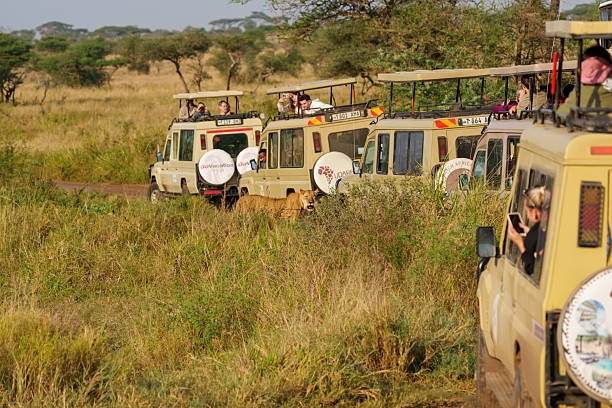
1 Day Group Joining Safari From Arusha: Cost And Itinerary 2026-2027
Discover the essentials of a 1-day group joining safari from Arusha, including typical costs, detailed itineraries for parks like Tarangire and Lake Manyara, and what to expect for your...
View package details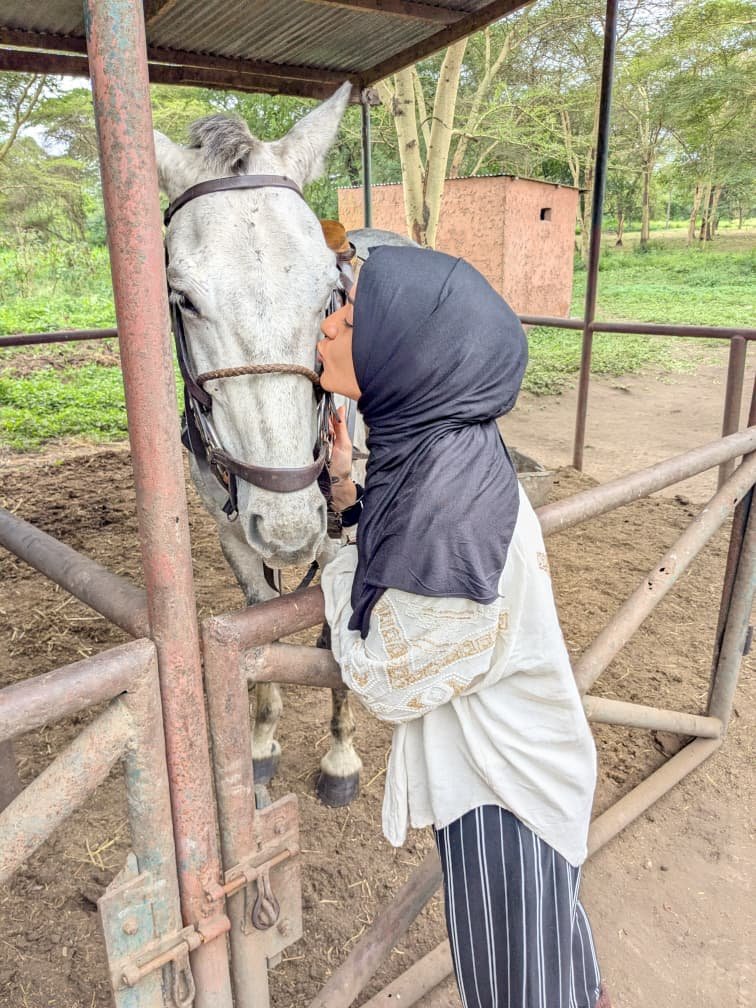
1 Day Kilimanjaro Horse Riding Tour - Before Or After Trek 2026-2027
1 Day Kilimanjaro Horse Riding Tour - Before or After Trek is explained with current 2026-2027 planning, price, itinerary and booking information.
View package details
1 Day Lake Manyara Safari From Moshi: Your Complete Trip Guide 2026-2027
Discover the magic of Lake Manyara on a single-day safari adventure starting from Moshi. This comprehensive guide details everything you need to know for an unforgettable experience in...
View package details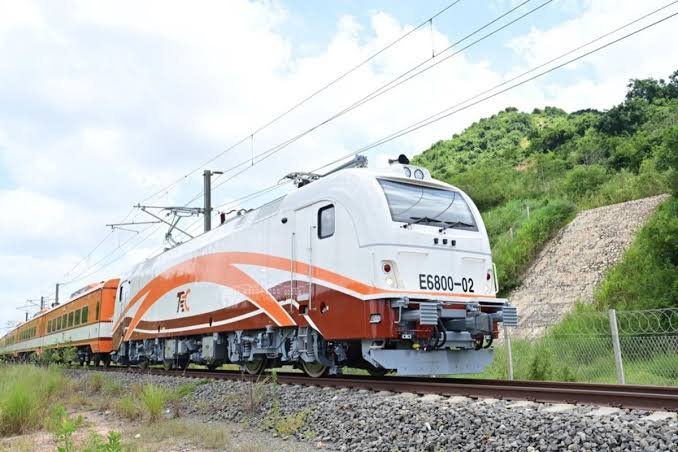
1 Day Mikumi Safari From Dar Es Salaam By Sgr Train | Top Guide Adventures
Discover the convenience and thrill of a 1-day Mikumi safari from Dar es Salaam, utilizing the efficient SGR train for a memorable wildlife encounter. This guide details the itinerary, what...
View package details
1 Day Mikumi Safari From Dar Es Salaam Guide
Discover the thrill of a 1-day safari to Mikumi National Park, departing from Dar es Salaam. This fast-paced adventure offers a fantastic opportunity to witness diverse wildlife, including...
View package details
1 Day Mikumi Safari Package By Sgr Train: Best Short Trip 2026-2027
Discover an efficient and exciting 1-day Mikumi safari package from Dar es Salaam, perfectly designed for travelers using the SGR train. This swift adventure offers a fantastic opportunity...
View package detailsNo closely related package is available for this topic yet.



