
The Hadzabe tribe, one of Africa’s last hunter-gatherer communities, maintains a unique culture centered around foraging, hunting, and a deep connection to the land in northern Tanzania, primarily near Lake Eyasi. Their traditions involve communal living, ancient hunting techniques, and distinct social structures, making them a fascinating cultural encounter for visitors planning trips in 2026 or 2027. Understanding the Hadzabe Tribe Culture requires appreciating a lifestyle deeply intertwined with nature.
The Hadzabe: An Enduring Hunter-Gatherer Legacy
The Hadzabe people represent a living testament to humanity’s ancestral ways of life. Unlike many communities that have adapted to modern economies, the Hadzabe continue to practice a lifestyle that has sustained them for millennia, largely unchanged by external influences. Their culture is intrinsically tied to the natural environment, dictating their daily routines, social interactions, and spiritual beliefs. To truly understand the Hadzabe Lifestyle, one must look beyond conventional tourist experiences and appreciate a profound, symbiotic relationship with the earth. This deep connection forms the bedrock of their enduring traditions.
Unveiling Hadzabe Traditions: Ancient Practices in Modern Times
The traditions of the Hadzabe are a vibrant mix woven from their environment and communal living. These time-honored practices, passed down through generations, ensure the survival and continuity of their unique culture. Witnessing these firsthand offers an unparalleled glimpse into a way of life that has shaped human existence for thousands of years.
The Art of Survival: Hunting and Gathering Mastery
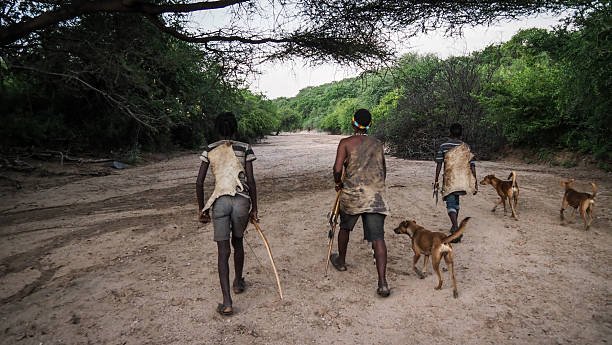
At the core of Hadzabe life is an unparalleled reliance on hunting and foraging. Men, with remarkable skill, hunt small game such as dik-dik, guinea fowl, and monkeys using bows and arrows crafted from natural materials. They are exceptional trackers, deciphering the subtlest signs in the bush to locate prey. Women and children, equally vital to the community’s sustenance, dedicate themselves to gathering a diverse array of edible plants, fruits, roots, tubers, and, famously, honey. This division of labor is not merely a practical arrangement but a fundamental aspect of their social fabric and a cornerstone of their Hadzabe Traditions.
Observing these activities offers a profound insight into their mastery of the natural world and their incredible resourcefulness. It stands in stark contrast to modern food systems, highlighting their deep ecological knowledge and sustainable practices.
Social Fabric and Daily Rhythms
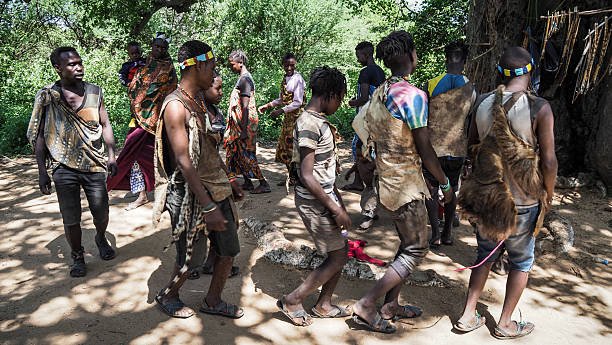
Hadzabe society is characterized by its egalitarian nature, with minimal formal leadership and decisions often reached through community consensus. They live in small, nomadic family groups, typically comprising around 20-50 individuals. Their shelters are simple, constructed from branches and grass, designed for easy assembly and disassembly as they follow migratory patterns dictated by food and water availability. Evenings are often spent around a communal fire, a focal point for storytelling, singing, and dancing, reinforcing social bonds and cultural transmission.
The sharing of food is a central tenet of their culture, a practice that reinforces community solidarity and ensures equitable access to resources. This communal spirit is a defining element of their social structure.
The Unique Voice: Hadzabe Language
The Hadzabe speak Hadzane, a language distinguished by its distinctive click consonants, a characteristic shared with Khoisan languages spoken by other indigenous groups in Southern Africa. This linguistic uniqueness further sets them apart as a distinct cultural entity. While a few Hadzabe individuals may possess a basic understanding of Swahili or English, effective communication during a visit typically relies on gestures, patience, and the invaluable guidance of a knowledgeable local interpreter, crucial for understanding Hadzabe Tribe Culture.
Where to Find the Hadzabe: Location in Northern Tanzania
The primary domain of the Hadzabe people is the vast savanna lands encircling Lake Eyasi in the Yaeda Valley, situated within the Arusha Region of northern Tanzania. This region is defined by its arid landscapes, interspersed with acacia woodlands and seasonal rivers, which provide the essential resources for their hunter-gatherer existence. While their traditional territories are extensive, interactions with visitors are most commonly and respectfully facilitated near the shores of Lake Eyasi and in the surrounding plains. For travelers planning their visits in 2026 or 2027, these are the key areas to focus on for an authentic encounter.
It is vital to understand that the Hadzabe are not tied to a single settlement. Their nomadic lifestyle means they are constantly moving, following the availability of food and water sources. Reputable tour operators, such as Top Guide Adventures, possess intimate knowledge of the region and can expertly arrange respectful encounters, often involving spending a significant period with a community group to observe their daily life and practices.
The Hadzabe Lifestyle: Simplicity, Harmony, and Ingenuity
The Hadzabe Lifestyle is a profound embodiment of simplicity and a deep, almost sacred, harmony with nature. Their material possessions are minimal, reflecting a philosophy that prioritizes experience, community connection, and resourcefulness over the accumulation of goods. This approach to life is a direct result of their environment and their reliance on what the land provides.
Material Culture: Tools of the Wild
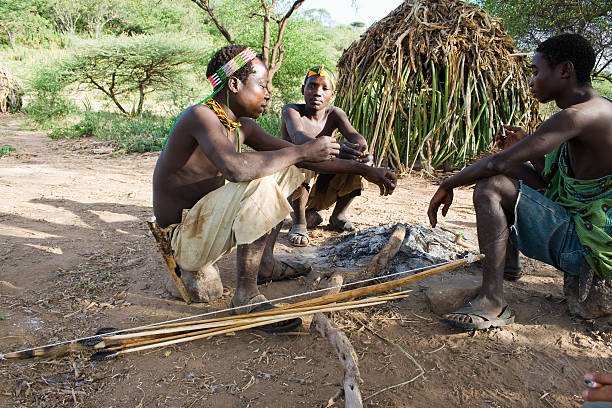
Their tools are ingeniously crafted from readily available natural materials. Bows and arrows, essential for hunting, are made from acacia wood and animal sinew. Digging sticks, sharpened and smoothed, are used for unearthing tubers, a staple food. Simple containers, often made from gourds or animal hides, are used for carrying water or gathered food. Traditional clothing is made from animal hides, although modern fabrics are sometimes incorporated. Their shelters, as mentioned, are temporary structures, perfectly adapted to their mobile existence.
Health and Well-being in the Wild
Despite living in a challenging and often harsh environment, the Hadzabe maintain remarkable health, attributed to their balanced diet derived from diverse foraged foods and their inherently active lifestyle. They possess an extensive and sophisticated knowledge of medicinal plants, utilizing various species to treat a wide range of ailments. Their lifestyle, largely free from the chronic stresses and environmental pollutants of modern society, significantly contributes to their overall well-being.
Spiritual Connection to the Natural World
While the Hadzabe do not adhere to a formal, organized religion, they hold deep spiritual beliefs intrinsically linked to the natural world around them. They hold reverence for ancestral spirits and believe in the presence of both benevolent and malevolent forces within nature. Their spiritual practices are seamlessly integrated into daily life, often manifesting through rituals, storytelling, and a profound respect for the land and its inhabitants.
Planning Your Visit: Best Time and Essential Etiquette
Embarking on a visit to the Hadzabe requires meticulous planning to ensure a respectful, enriching, and culturally sensitive experience for both travelers and the community. While the Hadzabe are present year-round, specific seasons offer distinct advantages for observation and interaction. The best times to visit are generally during the dry seasons, though understanding the nuances of each period is crucial for a successful trip in 2026-2027.
Optimal Visiting Seasons for Hadzabe Encounters (2026-2027)
The dry seasons, typically spanning from June to October and again from December to February, are widely considered the most opportune times for visiting the Hadzabe. During these periods, the weather is more predictable and pleasant, with drier landscapes making travel and exploration considerably easier. While foraging might be less abundant due to the lack of rain, hunting opportunities can become more consistent as animals congregate around fewer water sources. The cooler months of June to September can be particularly agreeable for trekking and observing daily activities without the intense heat.
It is important to acknowledge that the Hadzabe continue their traditional lifestyle throughout the year. Visiting during the wet season (roughly March to May) might present challenges with muddy tracks and potentially more dispersed resources, but it also corresponds with a period of greater plant abundance. For the most current conditions and tailored advice for your Visit Hadzabe Tanzania trip in 2026 or 2027, always consult with experienced tour operators.
Navigating Cultural Encounters: Respectful Etiquette
A visit to the Hadzabe is a profound privilege that necessitates the utmost respect and cultural sensitivity. Adhering to these guidelines is paramount for a positive and meaningful experience:
- Prioritize Permission: Always seek explicit permission before taking photographs or videos. Some individuals may feel uncomfortable or prefer not to be documented, and their wishes must be honored.
- Observe, Do Not Intrude: Maintain a respectful distance from daily activities. Avoid interfering with hunting expeditions, gathering efforts, or other essential tasks. Your role is that of an observer, not a participant in their essential survival activities.
- Thoughtful Gifting: If you wish to offer a gift, consult your guide beforehand. Practical items such as basic medical supplies (antiseptics, bandages), durable clothing, or tools are sometimes appreciated. However, avoid giving processed foods or items that could disrupt their traditional economy or diet. Cash gifts can also be problematic and are generally discouraged.
- Guides are Non-Negotiable: It is absolutely imperative that you never attempt to visit the Hadzabe independently. Engaging a reputable and experienced tour operator like Top Guide Adventures is essential. Their knowledgeable guides are trained to facilitate respectful interactions, possess deep cultural understanding, and can provide crucial context for what you are witnessing, ensuring a safe and ethical visit.
- Learn Basic Greetings: Attempting to learn a few basic Hadzabe greetings or words can be a sign of respect and can greatly enhance your interaction.
Authentic Cultural Experiences with Top Guide Adventures
Top Guide Adventures is dedicated to crafting authentic, responsible, and deeply enriching cultural encounters in Tanzania. We possess a profound understanding of the delicate nature of interacting with indigenous communities like the Hadzabe and are steadfastly committed to ensuring that these experiences are mutually beneficial, respectful, and sustainable. Our meticulously designed tours aim to provide unparalleled insights into the Hadzabe Tribe Culture, their age-old traditions, and their unique lifestyle, promising an unforgettable journey for travelers in 2026 and the years beyond.
We collaborate closely with local communities, fostering relationships that ensure visits are not disruptive but rather educational, supportive, and empowering. Our expert guides are highly trained in mediating interactions, ensuring cultural sensitivity at all times, and providing invaluable context and interpretation regarding the activities and customs you observe. Whether your interest lies in witnessing a traditional morning hunt, learning the intricate techniques of fire-making, understanding the nuances of plant-based medicine, or simply sharing a moment of quiet reflection around a communal fire, we can tailor an itinerary to perfectly match your interests and provide a truly in-depth experience.
Crafting Your Hadzabe Expedition in 2026-2027
A visit to the Hadzabe can be seamlessly integrated into a broader Tanzanian safari or a dedicated cultural tour. Many travelers choose to combine their Lake Eyasi experience with explorations of other world-renowned destinations such as the Serengeti National Park, the Ngorongoro Conservation Area, or Tarangire National Park. Top Guide Adventures excels at creating bespoke itineraries that can include:
- Guided walking expeditions alongside Hadzabe hunters, observing their tracking skills.
- Engaging demonstrations of traditional hunting, fire-making, and tool-crafting techniques.
- Opportunities to learn directly from the Hadzabe about their knowledge of edible and medicinal plants.
- Deep dives into their fascinating social structures, family dynamics, and daily routines.
To discuss your potential trip, explore customized itinerary options, and learn more about arranging a respectful and unforgettable visit to the Hadzabe tribe in 2026 or 2027, we warmly invite you to connect with us.
Connect with Top Guide Adventures for Your Cultural Journey
For personalized itineraries and expert guidance on visiting the Hadzabe and experiencing other unique cultural encounters in Tanzania, please reach out to the dedicated team at Top Guide Adventures:
WhatsApp: +255616946642
Email: topguideadventures@gmail.com
Backup Email: info@topguideadventures.com
Visit our website for more comprehensive information on our Tanzania safaris and cultural tours: topguideadventuresstanzania.com
The Evolving Future of Hadzabe Culture
The Hadzabe people, like many indigenous communities globally, are increasingly navigating the complexities of land encroachment and the pervasive influences of the modern world. While they remain steadfast in upholding their ancient traditions and way of life, their existence is undeniably evolving. Concerted efforts by responsible organizations and ethical tour operators are underway to support the Hadzabe in their endeavors to preserve their unique culture and ensure that any form of tourism directly benefits their community. For travelers planning to Visit Hadzabe Tanzania in 2026 and 2027, choosing a responsible tour operator is not merely a recommendation but a critical decision. This choice helps guarantee that cultural tourism contributes positively to the Hadzabe’s future, respecting their autonomy, preserving their heritage, and fostering a sustainable relationship between visitors and this remarkable community.
Check Availability for Hadzabe Tribe Culture: Traditions, Lifestyle, Location & Best Time To Visit
Ready to compare dates, prices, and the best option for your group? Send the package name and travel month so the team can reply with a clear quote, availability, and what is included.
Chabba Hadzabe Experience – Visit Hunter-Gatherers At Lake Eyasi 2026-2027
Discover the unique Chabba Hadzabe experience near Lake Eyasi, Tanzania. Top Guide Adventures offers respectful visits to Hadzabe hunter-gatherers, showcasing their traditional hunting...
View package detailsChaba Hadzabe In Real Life, Chaba Wife, Age, Cost To See Him 2026-2027
Meeting Chaba Hadzabe in real life offers a profound cultural immersion into the hunter-gatherer traditions of the Hadzabe people near Lake Eyasi, Tanzania. While his exact age is not...
View package details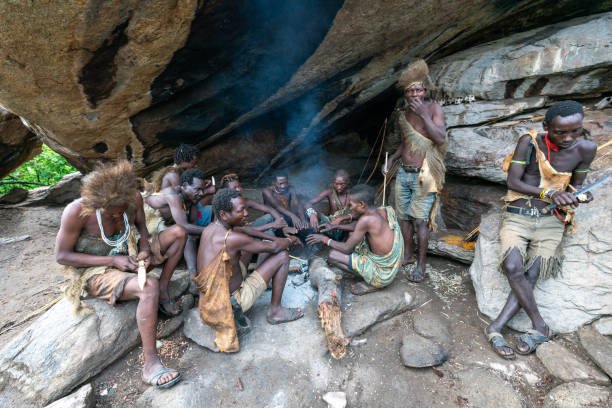
Hadzabe Tribe Day Trip – Lake Eyasi Tour From Karatu & Ngorongoro 2026-2027
start an unforgettable Hadzabe Tribe Day Trip – Lake Eyasi Tour from Karatu & Ngorongoro. Witness ancient hunter-gatherer traditions with Top Guide Adventures. Book your 2026-2027 cultural...
View package details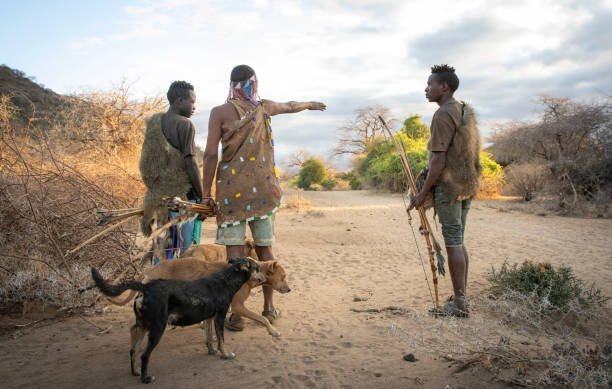
Visit Hadzabe Tribe Tanzania: Your Authentic Lake Eyasi Experience Guide
Discover how to plan an authentic and respectful visit to the Hadzabe tribe at Lake Eyasi, Tanzania. This guide covers the best times to go, cultural etiquette, itinerary planning, and how...
View package details
Best Hadzabe Tribe Tour: Authentic Cultural Encounters In Tanzania 2026-2027
Discover the best Hadzabe tribe tours in Tanzania for an authentic cultural experience. Plan your 2026-2027 journey with Top Guide Adventures, focusing on genuine interactions and...
View package details
Hadzabe And Datoga Tribe Tour – Lake Eyasi Cultural Experience Tanzania
Discover the rich cultural mix of Tanzania with a Hadzabe and Datoga tribe tour at Lake Eyasi. Top Guide Adventures offers unparalleled opportunities to connect with these indigenous...
View package detailsHadzabe Tribe Tour From Arusha: Best Lake Eyasi Day Trip 2026-2027
Discover the last hunter-gatherers of Tanzania on an in-depth Hadzabe Tribe Tour from Arusha to Lake Eyasi. This day trip cultural safari offers a profound glimpse into ancient traditions...
View package detailsHadzabe Tribe Tour – Best Lake Eyasi Cultural In Tanzania 2026-2027
start a profound cultural journey with a Hadzabe Tribe Tour to Lake Eyasi, Tanzania. Top Guide Adventures offers an unparalleled opportunity to witness the ancient hunter-gatherer...
View package details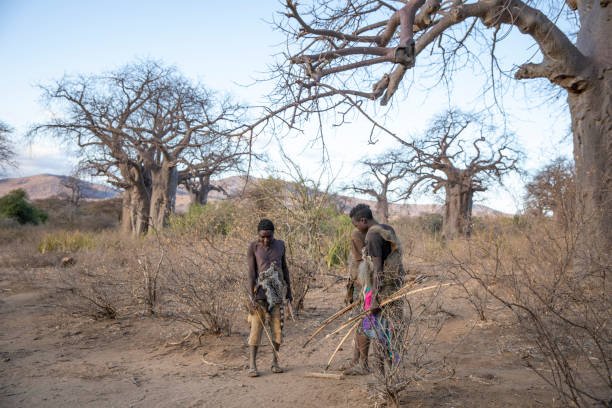
Hadzabe Visit Day Trip Cost & 2 Days Price Guide 2026-2027
Planning a visit to the Hadzabe people near Lake Eyasi? This guide breaks down the expected costs for day trips and two-day in-depth experiences in 2026-2027, helping you budget for this...
View package details
Lake Eyasi Hadzabe Tribe Tour 2026-2027
Lake Eyasi Hadzabe Tribe Tour is explained with current 2026-2027 planning, price, itinerary and booking information.
View package details2 Days Hadzabe Cultural Tour & Ngorongoro Safari From Moshi 2026-2027
Discover the best of Tanzania in just two days with a unique combination tour. Journey from Moshi to the Lake Eyasi region for an in-depth Hadzabe cultural experience, followed by an...
View package details
Best Hadzabe Tour 2026-2027
Best hadzabe tour is explained with current 2026-2027 planning, price, itinerary and booking information.
View package detailsNo closely related package is available for this topic yet.



