
An Angola Namib Desert experience offers a unique journey into one of Africa’s most dramatic and least explored arid landscapes, featuring towering red dunes, diverse desert-adapted wildlife, and opportunities for rugged adventure and cultural encounters, best planned for 2026-2027 to leverage optimal conditions and new travel insights.
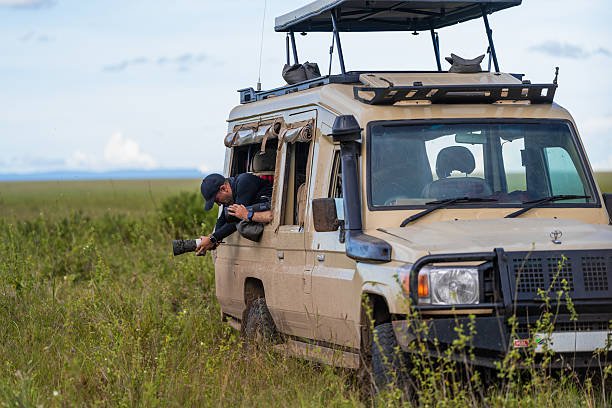
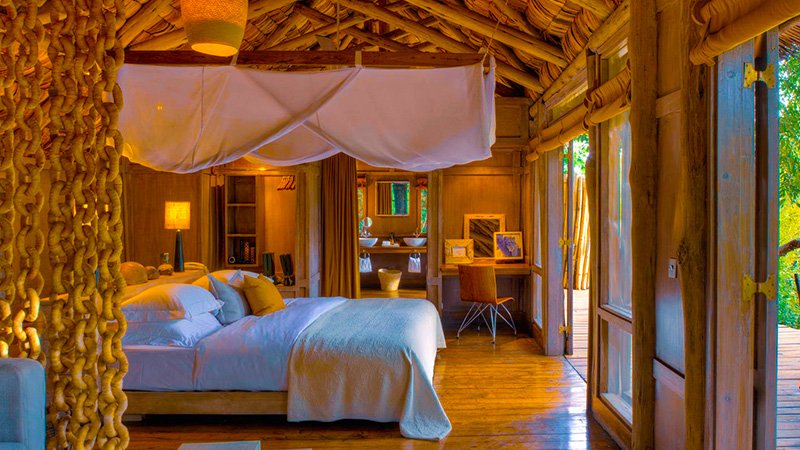
Discovering the Untamed Beauty of the Angolan Namib Desert
The Namib Desert, a vast and ancient ecosystem, stretches across southern Africa, and its Angolan portion presents a wilder, more remote, and profoundly less-trafficked adventure compared to its more famous Namibian counterpart. This region is a realm of extremes: searing heat, scarce water, and life that has ingeniously adapted to survive. For the intrepid traveler seeking an authentic wilderness encounter, the Angolan Namib Desert promises an unforgettable experience in 2026-2027, offering stark beauty, thrilling wildlife sightings, and a deep connection with nature.
Top Guide Adventures, renowned for its personalized and comprehensive travel experiences across Tanzania, extends its expertise to helping you navigate the complexities and wonders of destinations like the Angolan Namib Desert. While our primary focus is Tanzania, our commitment to adventure and client care means we can guide you towards exceptional experiences, including those in neighboring regions that offer a distinct yet equally compelling African wilderness. Understanding the Angolan Namib Desert is key to planning a successful and enriching journey.
The Namib Desert: A Landscape of Ancient Wonders
The Namib Desert is not just a collection of sand dunes; it’s a living testament to millions of years of geological and evolutionary history. Its name, derived from the Nama language, means “vast place,” a fitting description for a desert that spans over 2,000 kilometers along the Atlantic coast. The Angolan section, in particular, is characterized by its dramatic topography, where the arid land meets the cool Benguela Current, creating a unique microclimate that supports surprising biodiversity.
Key geographical features you’ll encounter include:
- Towering Sand Dunes: Some of the highest sand dunes in the world are found here, sculpted by wind into impressive formations that shift and change with the seasons. Colors range from pale ochre to deep crimson, especially striking at sunrise and sunset.
- Stony Plains and Mountains: Beyond the sandy expanses, the desert features gravel plains, ancient rock formations, and rugged mountain ranges that offer stark contrasts and hidden canyons.
- Coastal Fog Belt: The Benguela Current brings moisture-laden fog inland, providing a crucial water source for many desert-adapted plants and animals. This fog is a lifeline in the extreme dryness.
- Ephemeral Rivers: While permanent water sources are rare, seasonal rivers can carve paths through the desert, supporting unique riparian ecosystems for brief periods.
Why Choose the Angolan Namib Desert for Your 2026-2027 Adventure?
While Namibia’s Namib Desert is more established on the tourist map, Angola offers a frontier experience. For travelers in 2026-2027 looking for something truly off the beaten path, the Angolan Namib provides:
- Unparalleled Solitude: Experience vast, empty landscapes with very few other tourists. This is a place to truly disconnect and feel the immensity of nature.
- Authentic Exploration: Venture into areas that remain wild and largely untouched by mass tourism, offering a raw and genuine encounter with the desert environment.
- Unique Wildlife Adaptations: Witness species that have evolved remarkable survival strategies, from desert-dwelling elephants and rhinos to unique insects and reptiles.
- Cultural Encounters: Meet indigenous communities, such as the Himba and Herero peoples, who have lived in harmony with this challenging environment for centuries, offering insights into traditional ways of life.
Planning Your Angolan Namib Desert Experience in 2026-2027
Organizing a trip to a remote destination like the Angolan Namib Desert requires careful planning and expert guidance. Top Guide Adventures, with its deep understanding of African travel logistics, can help tailor an itinerary that maximizes your experience while ensuring safety and comfort.
Best Time to Visit: Timing Your 2026-2027 Expedition
The Angolan Namib Desert experiences extreme temperatures, making the timing of your visit crucial. The best periods for travel generally fall within the cooler, drier months:
- May to October: This is the dry season and the most popular time for visiting. Daytime temperatures are pleasant, typically ranging from 20°C to 30°C (68°F to 86°F), and nights can be cool, sometimes dropping near freezing. This period offers the best conditions for wildlife viewing as animals congregate around water sources. For 2026 and 2027, these months will likely offer the most stable weather patterns.
- November to April: This is the wet season, bringing higher temperatures (often exceeding 35°C / 95°F) and the possibility of rain. While the landscape can become greener and more vibrant after rains, travel can be more challenging due to heat and potential road closures. However, this season can be rewarding for birdwatchers and those interested in ephemeral flora.
For those planning a 2026-2027 trip, the dry season (May-October) is highly recommended for a first-time visitor seeking the classic Namib Desert experience, balancing comfortable exploration with wildlife opportunities.
Essential Travel Considerations for 2026-2027
Traveling to Angola and its remote desert regions involves specific considerations:
- Visas and Documentation: Ensure your passports are valid for at least six months beyond your stay and that you have secured the necessary Angolan visa well in advance of your 2026-2027 travel dates.
- Health Precautions: Consult your doctor about recommended vaccinations and malaria prophylaxis. The Angolan Namib is generally considered a low-risk malaria area, but precautions are always wise.
- Transportation: Due to the rugged terrain, a 4×4 vehicle is essential for exploring the Angolan Namib Desert. Self-driving requires significant experience and preparedness. Guided tours with experienced local operators are highly recommended.
- Accommodation: Options range from basic campsites and lodges to more comfortable, eco-friendly desert camps. Booking well in advance for 2026-2027 is crucial, especially for the dry season.
- Connectivity: Mobile phone service and internet access are extremely limited or non-existent in most desert areas. Be prepared to disconnect.
- Supplies: Carry ample water, non-perishable food, first-aid supplies, and fuel. Many areas are hundreds of kilometers from the nearest town.
Expert Tip for 2026-2027 Planning:
When planning your Angola Namib Desert adventure for 2026-2027, consider a trip duration of at least 7-10 days to truly appreciate the vastness and allow for travel between key locations. Working with a specialist like Top Guide Adventures ensures all logistical challenges are handled, letting you focus on the incredible experience.
Key Destinations and Experiences within the Angolan Namib Desert
The Angolan Namib Desert is not a single monolithic entity but a region with distinct areas offering unique attractions. While infrastructure is minimal, the rewards for exploration are immense.
Iona National Park: The Crown Jewel
Iona National Park, located in the southwestern corner of Angola, is the country’s largest national park and encompasses a significant portion of the Angolan Namib Desert. It’s a remote wilderness that was heavily impacted by civil war but is slowly recovering and opening up to tourism.
Highlights of Iona National Park:
- Desert-Adapted Wildlife: Iona is one of the few places where you might spot desert-adapted elephants, lions, giraffes, and oryx. While sightings are rare and require patience and luck, the possibility adds to the thrill.
- Dramatic Landscapes: The park features a stunning mix of coastal dunes, rocky plains, and canyons, including the Fenda-do-Epupa, a dramatic gorge.
- The Skeleton Coast Border: Iona borders Namibia’s Skeleton Coast National Park, sharing similar dramatic coastal desert scenery.
- Remote Exploration: Access to Iona is challenging, requiring experienced guides and robust 4×4 vehicles. This ensures that visitors who make the journey experience true wilderness solitude.
The Namib Coastline and Shipwrecks
The Angolan coast of the Namib Desert is as wild and unforgiving as its interior. The “Skeleton Coast” reputation extends here, with remnants of shipwrecks dotting the shoreline, testaments to the treacherous currents and dense fogs.
- Remote Beaches: Discover vast, empty beaches where the desert sands meet the Atlantic Ocean.
- Marine Life: While challenging to access, the waters off the coast can host seals, dolphins, and various seabirds.
- Historical Echoes: The scattered shipwrecks offer a poignant glimpse into maritime history and the harsh realities of this coastline.
The Serra Cafala and Southern Angola
The Serra Cafala region, further south, offers rugged mountain terrain that transitions into desert landscapes. It’s known for its unique geology and the potential for spotting wildlife in more protected areas.
- Mountainous Deserts: Experience a different facet of the Namib, with rocky outcrops and dry riverbeds providing a starkly beautiful backdrop.
- Potential for Wildlife: Certain areas within and around Serra Cafala can support wildlife, especially during wetter periods.
Cultural Encounters: The Himba and Herero Peoples
While primarily associated with Namibia, indigenous groups like the Himba and Herero also have historical presence and communities in parts of southern Angola that border the desert. Experiencing their traditional lifestyles offers a profound cultural dimension to your Angolan Namib Desert trip.
- Traditional Lifestyles: Learn about their nomadic herding practices, unique clothing, and intricate adornments.
- Respectful Engagement: Cultural visits should always be arranged through reputable guides who ensure respectful interactions, benefiting both visitors and communities.
Wildlife of the Angolan Namib Desert: A Story of Adaptation
The wildlife of the Angolan Namib Desert is a marvel of adaptation. Species here have evolved specialized behaviors and physiological traits to survive in one of the world’s harshest environments.
Iconic Desert-Adapted Mammals
- Desert Elephants: These are perhaps the most famous desert-adapted animals. In Angola, especially within or near Iona National Park, populations exist. They are known for their leaner build and nomadic behavior, traveling vast distances between scarce water sources.
- Oryx (Gemsbok): These striking antelope are perfectly suited to desert life, with long, straight horns and a coat that helps them regulate body temperature. They can survive for long periods without drinking water, obtaining moisture from plants.
- Springbok and Kudu: Other antelope species may be found, though often in smaller numbers or in specific microhabitats within the desert.
- Brown Hyenas and Jackals: These opportunistic predators and scavengers play a vital role in the desert ecosystem.
- Aardvark and Aardwolf: These nocturnal mammals are rarely seen but are present, feeding on insects and termites.
Reptiles and Insects
The desert floor teems with smaller life forms:
- Geckos and Lizards: Various species of geckos and lizards are common, adapted to the heat and sand.
- Desert Beetles: The famous Namib desert beetle (Stenocara gracilipes) collects moisture from the fog, demonstrating incredible adaptation.
- Scorpions: Several species of scorpions inhabit the desert, most with venom that is painful but not typically life-threatening to humans.
Birdlife
While not as diverse as in wetter regions, certain bird species thrive:
- Ostrich: The world’s largest bird is well-adapted to arid conditions.
- Raptors: Eagles and falcons can be found, preying on smaller desert animals.
- Seabirds: Along the coast, species like Damara terns and various gulls and cormorants are present, benefiting from the Benguela Current’s marine life.
Wildlife Viewing in the Angolan Namib: Realism is Key
Wildlife sightings in the Angolan Namib Desert are often challenging due to the vastness of the terrain and the elusive nature of desert-adapted animals. Patience, experienced guides, and a bit of luck are essential. The true reward is experiencing the resilience of life in this extreme environment, rather than ticking off a list of sightings.
Adventure Activities in the Angolan Namib Desert
The Angolan Namib Desert is a playground for those who love the outdoors and seek adventure in remote settings. The lack of crowds means you can often have these experiences entirely to yourself.
4×4 Excursions and Dune Driving
This is the quintessential Namib Desert activity. Exploring the vast dune seas and rugged tracks in a capable 4×4 vehicle is thrilling.
- Guided Safaris: Expert-led 4×4 safaris are the safest and most informative way to explore. Guides know the terrain, wildlife spotting areas, and safety protocols.
- Dune Exploration: Experience the exhilaration of driving on sand, with experienced drivers navigating steep ascents and descents.
- Remote Campsites: 4x4s allow access to incredibly remote and scenic camping spots, far from any civilization.
Hiking and Trekking
While challenging due to heat and terrain, guided hikes can offer intimate encounters with the desert.
- Short Nature Walks: Explore the immediate surroundings of your camp, learning about desert plants, animal tracks, and survival techniques.
- Canyon Hikes: In areas with rocky outcrops and canyons, guided treks can lead to hidden springs or unique geological formations. Always carry plenty of water.
Stargazing
The Angolan Namib Desert offers some of the darkest skies on Earth. With virtually no light pollution, the celestial display is extraordinary.
- Unrivaled Views: Witness the Milky Way in all its glory, with countless stars, planets, and nebulae visible to the naked eye.
- Astronomy Focus: Many desert camps offer telescopes or have guides knowledgeable about astronomy, enhancing the experience.
Photography
The dramatic landscapes, unique light, and resilient wildlife make the Angolan Namib Desert a photographer’s dream.
- Sunrise and Sunset: Capture the magical colors of the dunes and the desert floor as the sun rises and sets.
- Wildlife Photography: Patience is key, but capturing images of adapted animals in their environment is incredibly rewarding.
- Landscape Photography: The sheer scale and stark beauty of the desert offer endless opportunities for dramatic landscape shots.
Cultural Immersion
Engaging with local communities provides a deeper understanding of the region.
- Village Visits: With proper arrangements, visit communities to learn about their traditions, social structures, and ways of life.
- Artisan Crafts: Support local economies by purchasing authentic handicrafts.
Sample Itinerary Ideas for Your 2026-2027 Angolan Namib Desert Trip
Crafting the perfect itinerary is essential for maximizing your Angolan Namib Desert experience. Here are a couple of sample ideas, which can be customized by Top Guide Adventures for your 2026-2027 journey.
Option 1: “Namib Frontier Explorer” (Approx. 8 Days)
Focus: Remote wilderness, iconic dunes, and basic wildlife encounters.
- Day 1-2: Arrival in Lubango & Journey to Iona Gateway. Arrive in Lubango, the provincial capital. Meet your guide and 4×4 vehicle. Drive towards the fringes of Iona National Park, settling into a lodge or campsite.
- Day 3-4: Iona National Park Exploration. Extensive 4×4 exploration within Iona. Search for desert-adapted wildlife, visit dramatic geological sites like the Fenda-do-Epupa. Camp in remote wilderness locations.
- Day 5: Coastal Dunes and Namib Coast. Drive towards the coast, experiencing the transition from desert to the Atlantic. Explore coastal dunes and search for shipwreck remnants. Overnight near the coast.
- Day 6: Journey North towards Serra Cafala. Begin heading north, passing through varied desert and semi-arid landscapes. Overnight in a comfortable desert camp.
- Day 7: Serra Cafala Exploration & Return to Lubango. Morning exploration of the Serra Cafala region, if accessible and relevant. Begin the drive back to Lubango, arriving in the late afternoon.
- Day 8: Departure from Lubango. Transfer to the airport for your onward flight.
Option 2: “Deep Desert & Cultural Immersion” (Approx. 10-12 Days)
Focus: Extended desert exploration, wildlife tracking, and respectful cultural visits.
- Day 1-2: Arrival in Ondjiva & Southern Angola. Fly into Ondjiva (or travel overland). Begin exploring the southern desert regions, potentially visiting areas with Himba or Herero communities (arranged respectfully). Overnight in basic lodges or camps.
- Day 3-4: Iona National Park – Southern Sector. Drive into the southern parts of Iona National Park. Focus on tracking desert-adapted elephants and other large mammals. Experience deep wilderness camping.
- Day 5-6: Iona National Park – Coastal Exploration. Travel west to the Atlantic coast. Explore the unique coastal desert ecosystems, look for marine life near shore, and visit historical wreck sites. Camp on the coast.
- Day 7-8: Northern Iona & Inland Deserts. Drive north within Iona, exploring different terrains and looking for elusive predators. Journey into the vast inland dune systems.
- Day 9: Transition to Semi-Arid Zones. Begin moving away from the extreme desert towards areas with slightly more vegetation, potentially observing different wildlife. Overnight in a comfortable desert lodge.
- Day 10: Return to Lubango. Scenic drive back to Lubango. Opportunity for souvenir shopping or a brief city tour.
- Day 11-12: Optional Extension or Departure. Option to extend your stay, explore Lubango more, or depart from Lubango.
These are just examples. Top Guide Adventures specializes in crafting tailor-made journeys. For your 2026-2027 adventure, we can adjust durations, focus on specific interests (photography, birding, geology), and select accommodations that match your comfort level and budget.
Navigating the Logistics: Travel Styles and Costs for 2026-2027
The Angolan Namib Desert is not a destination for casual, independent travel. The remoteness, lack of infrastructure, and challenging terrain necessitate a guided, supported approach.
Travel Styles
- Fully Guided 4×4 Safaris: This is the most common and recommended style. You travel in a robust 4×4 vehicle with an experienced driver-guide who handles navigation, vehicle management, and local knowledge. Accommodation can range from camping to lodges.
- Mobile Camping Safaris: For the ultimate immersion, a mobile camping safari involves setting up camp in remote locations each night. This offers unparalleled solitude and a true wilderness feel. All equipment, food, and logistics are managed by the tour operator.
- Fly-in Safaris: In some very remote areas, small charter flights might be an option to access exclusive camps, significantly reducing travel time and increasing comfort, though at a higher cost.
Cost Factors for 2026-2027
The Angolan Namib Desert experience is generally considered a premium adventure due to the logistical complexities and specialized equipment required. Costs for 2026-2027 trips will be influenced by:
- Duration of the trip: Longer trips naturally incur higher costs.
- Level of accommodation: Camping is the most budget-friendly option, while lodges and luxury camps are significantly more expensive.
- Vehicle and Guide: The provision of a specialized 4×4 vehicle and an experienced guide is a major cost component.
- Group size: While private tours offer exclusivity, larger groups can sometimes reduce the per-person cost for shared expenses like vehicle hire.
- Inclusions: Full board, park fees, activities, and guide services are typically included in safari packages. International flights, visas, travel insurance, and personal expenses are usually extra.
- Seasonality: While less pronounced than in some destinations, peak seasons might see slightly higher rates.
Indicative Price Range for 2026-2027 (per person, per day):
Given the remote nature and specialized logistics, expect costs to typically range from $300 to $800+ USD per person per day for a fully guided 4×4 safari, depending heavily on the factors above. This price reflects the exclusivity, remoteness, and high operational costs associated with such an expedition.
Budgeting for Your Angolan Namib Desert Adventure (2026-2027):
A 10-day fully guided mobile camping safari for two people could range from $6,000 to $8,000+ USD per person. A higher-end lodge-based safari for the same duration might range from $8,000 to $12,000+ USD per person.
To get a precise quote for your 2026-2027 trip, please contact us:
- WhatsApp: +255616946642
- Email: info@topguideadventures.com
We specialize in creating transparent pricing structures based on your specific requirements.
Safety and Responsible Travel in the Angolan Namib
Safety and responsible tourism are paramount when exploring such a remote and sensitive environment.
Safety Considerations
- Vehicle Reliability: Ensure your tour operator uses well-maintained 4×4 vehicles equipped for desert conditions, including ample fuel, water, spare tires, and recovery gear.
- Experienced Guides: Your guide should have extensive knowledge of the desert, navigation skills, first aid certification, and experience handling wildlife encounters and vehicle issues.
- Communication: Satellite phones or reliable communication devices are essential for emergencies in areas without mobile signal.
- Health: Always carry a comprehensive first-aid kit, stay hydrated, and protect yourself from the sun. Follow all health advisories.
- Wildlife Encounters: Maintain a safe distance from all wildlife. Never feed animals, and always follow your guide’s instructions.
Responsible Tourism Practices
- Leave No Trace: Pack out everything you pack in. Minimize your impact on the fragile desert environment.
- Respect Wildlife: Observe animals from a distance and avoid disturbing their natural behavior.
- Cultural Sensitivity: When visiting communities, always ask permission before taking photos, dress modestly, and engage respectfully. Support local economies through purchasing crafts if appropriate and desired.
- Water Conservation: Water is extremely scarce. Use it wisely and avoid waste.
- Support Local Operators: Choosing local operators who employ local guides and staff helps ensure that tourism benefits the Angolan economy and communities.
Your Trusted Partner for Angolan Adventures in 2026-2027
While Top Guide Adventures is best known for its exceptional Tanzania safaris and Kilimanjaro climbs, our passion for African adventure and commitment to client satisfaction means we can extend our planning expertise to unique destinations like the Angolan Namib Desert. We understand the importance of meticulous planning, safety, and authentic experiences. For your 2026-2027 expedition, let us help you craft an unforgettable journey into one of Africa’s last great wildernesses. We partner with trusted local operators in Angola to ensure a smooth and rewarding experience.
Ready to explore the Angolan Namib Desert?
Contact us today to discuss your dream itinerary:
- WhatsApp: +255616946642
- Email: info@topguideadventures.com
Let Top Guide Adventures help you plan an extraordinary Angolan Namib Desert experience for 2026 or 2027.
Frequently Asked Questions about the Angolan Namib Desert Experience
Here are answers to common questions travelers have about planning an Angolan Namib Desert adventure.
What makes the Angolan Namib Desert different from the Namibian side?
The Angolan Namib Desert is significantly less developed for tourism, offering a more remote, wild, and less crowded experience. Infrastructure is minimal, and access often requires more robust 4×4 capabilities and experienced guides. It presents a frontier adventure compared to the more established tourist routes in Namibia.
Is it safe to travel to the Angolan Namib Desert?
With proper planning and by using reputable tour operators who prioritize safety, travel to the Angolan Namib Desert can be safe. Key safety measures include reliable 4×4 vehicles, experienced guides, satellite communication, and adherence to safety protocols. It’s crucial to be prepared for the remote environment and potential challenges.
What kind of wildlife can I expect to see?
The wildlife is adapted to arid conditions. You might see desert-adapted elephants, oryx, springbok, various reptiles, insects, and birdlife. Sightings are often challenging due to the vastness and animals’ ability to survive with little water, requiring patience and expert tracking skills from guides.
What is the best time of year for an Angolan Namib Desert trip in 2026-2027?
The cooler, dry season from May to October is generally considered the best time for travel. Daytime temperatures are more pleasant, and wildlife is often easier to spot around water sources. The wet season (November to April) is hotter and can present travel challenges but offers a different, greener landscape.
Do I need a special visa for Angola?
Yes, most nationalities require a visa to enter Angola. It is essential to apply for your visa well in advance of your travel dates for 2026-2027 through the Angolan embassy or consulate in your country. Check the latest visa requirements for your nationality.
What should I pack for the Angolan Namib Desert?
Pack light, breathable clothing for hot days, warm layers for cold nights, a wide-brimmed hat, sunglasses, high SPF sunscreen, insect repellent, a good first-aid kit, sturdy walking shoes, and a reusable water bottle. Binoculars and a camera are highly recommended.
How much does an Angolan Namib Desert trip cost?
Costs can vary significantly based on duration, accommodation style (camping vs. lodges), and inclusions. Expect daily rates for guided 4×4 safaris to range from $300 to $800+ USD per person per day. A 10-day trip could cost between $6,000 and $12,000+ USD per person.
Can I travel independently in the Angolan Namib Desert?
Independent travel is strongly discouraged due to the extreme remoteness, lack of infrastructure, and challenging terrain. A guided tour with a specialized 4×4 vehicle and experienced guide is the safest and most practical way to experience the Angolan Namib Desert.
What are the accommodation options?
Accommodation is limited and varies from basic campsites in remote locations to more established eco-lodges and desert camps. Mobile camping safaris are a popular option, offering a more intimate wilderness experience.
How can Top Guide Adventures help with my Angolan Namib Desert trip?
While Top Guide Adventures specializes in Tanzania, we can leverage our expertise in African travel logistics and our network of trusted local partners in Angola to help you plan a customized and unforgettable Angolan Namib Desert experience for 2026-2027. We assist with itinerary design, logistics, and ensuring safety and quality.
Check Availability for Angola Namib Desert Experience: Your Ultimate Adventure Guide 2026-2027
Ready to compare dates, prices, and the best option for your group? Send the package name and travel month so the team can reply with a clear quote, availability, and what is included.
Kalahari Desert Wildlife Experience: Your Ultimate Guide For 2026-2027
Explore the unique wildlife of the Kalahari Desert. This guide covers the best viewing opportunities, animals you'll see, and how to plan your unforgettable 2026-2027 safari adventure with...
View package details
Algiers Casbah Cultural Experience: A Deep Look At History And Heritage
experience the living history of Algiers by experiencing its Casbah, a UNESCO World Heritage site. This guide explores its rich cultural mix, historical significance, architectural wonders...
View package details
Angola Beach And Wildlife Holiday: Your Ultimate Guide For 2026-2027
Discover Angola's pristine beaches and unique wildlife for an unforgettable holiday in 2026-2027. This guide covers top destinations, activities, and planning tips.
View package details
Angola Travel Cost And Entry Guide: Budgeting Requirements For 2026-2027
Planning a trip to Angola? This guide breaks down the essential travel costs, visa requirements, and entry procedures for 2026-2027, helping you budget effectively for your adventure.
View package details
Angola Travel Guide: Your Ultimate Adventure Planning For 2026-2027
Explore Angola's diverse attractions, from its dramatic coastlines and lush interior to its rich history and vibrant cities. This comprehensive guide helps you plan your 2026-2027...
View package details
Asmara Modernist Architecture Experience: A Guide To Eritreas Capital
Discover Asmara, Eritrea's capital, renowned for its exceptionally preserved Modernist architecture. This guide explores its history, iconic buildings, and tips for experiencing this UNESCO...
View package details
Baaka Cultural Heritage Experience: A Deep Look At Forest Life 2026-2027
Explore the rich cultural heritage of the Ba'Aka people in Tanzania with Top Guide Adventures. This comprehensive guide details their traditions, forest living, and how to book an authentic...
View package details
Bariadi Cultural Tour: Experience Authentic Maasai Life With Top Guide
Explore the rich traditions and daily life of the Maasai people on a Bariadi Cultural Tour. Top Guide Adventures offers an authentic and insightful journey into this vibrant community.
View package detailsBest Maasai Boma Tour: Authentic Cultural Experiences In Tanzania 2026-2027
Explore the rich culture of the Maasai people with an authentic Boma tour. Top Guide Adventures offers guided experiences, providing deep insights into Maasai traditions, daily life, and...
View package details
Best Zanzibar Beach Tour: Top Experiences & Island Escapes 2026-2027
Discover the ultimate Zanzibar beach tour experiences for 2026-2027. Top Guide Adventures highlights the most stunning beaches, activities, and insider tips for an unforgettable island...
View package details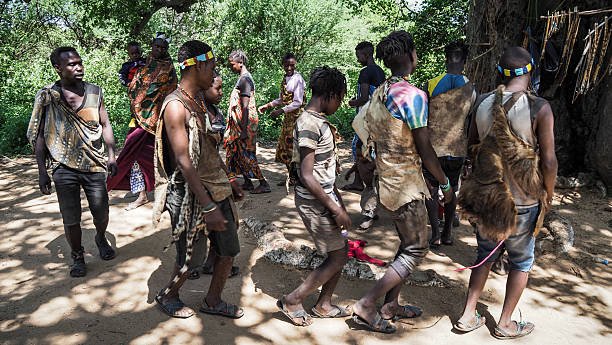
Chabba Hadzabe Experience – Visit Hunter-Gatherers At Lake Eyasi 2026-2027
Discover the unique Chabba Hadzabe experience near Lake Eyasi, Tanzania. Top Guide Adventures offers respectful visits to Hadzabe hunter-gatherers, showcasing their traditional hunting...
View package details
Chad Ennedi Desert And Rock Art Expedition 2026-2027
Chad Ennedi Desert and Rock Art Expedition is explained with current 2026-2027 planning, price, itinerary and booking information.
View package detailsNo closely related package is available for this topic yet.



