
Mozambique offers a spectacular blend of pristine Indian Ocean coastlines, vibrant cultural experiences, rich history, and diverse wildlife opportunities, making it an ideal destination for adventurous travelers in 2026-2027. From the world-class diving and snorkeling in the Bazaruto Archipelago to the historic colonial architecture of Ilha de Moçambique and the wildlife encounters in Gorongosa National Park, Mozambique promises an unforgettable journey. Planning your trip involves considering the best time to visit, visa requirements, recommended itineraries, and responsible travel practices to maximize your adventure.
Discovering Mozambique: A Jewel of the Indian Ocean
Mozambique, officially the Republic of Mozambique, is a country that whispers tales of ancient trade routes, colonial grandeur, and untamed natural beauty. Located on the southeastern coast of Africa, it boasts an extensive coastline stretching over 2,400 kilometers along the Indian Ocean. This vast shoreline is dotted with idyllic islands, coral reefs teeming with marine life, and stretches of powdery white sand beaches. Beyond its famous coast, Mozambique’s interior holds lush rainforests, vast savannas, and significant national parks, offering a diverse landscape for exploration. For travelers looking for an authentic, less-trodden path in 2026-2027, Mozambique presents an unparalleled opportunity for discovery.
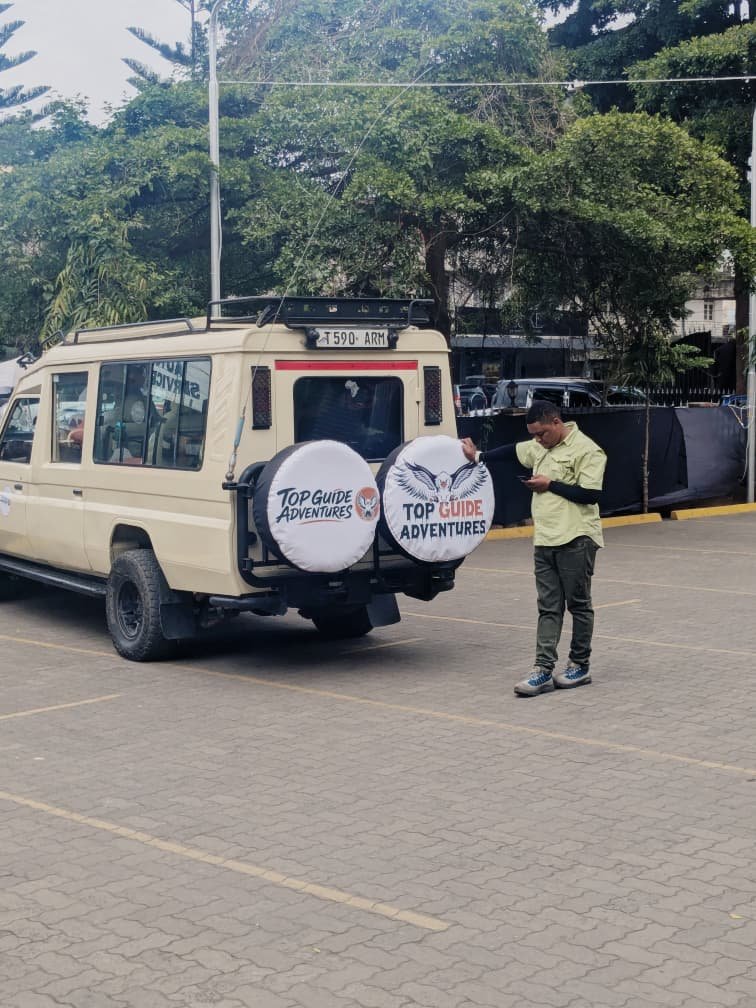
Top Guide Adventures, renowned for crafting exceptional travel experiences in Tanzania, extends its expertise to the wonders of Mozambique. While our primary focus is on the unparalleled safaris and Kilimanjaro treks of Tanzania, we understand the interconnectedness of Southern African travel. Many travelers combine a Tanzanian safari with a relaxing beach escape or a cultural deep-dive, and Mozambique offers precisely that. Whether you dream of swimming with whale sharks, exploring colonial forts, or experiencing the warmth of Mozambican culture, this guide will help you plan your ultimate adventure for 2026-2027.
Why Choose Mozambique for Your 2026-2027 Adventure?
Mozambique stands out for several compelling reasons, especially for those planning their travels in the upcoming years. Its relative underdevelopment in mass tourism means you can experience a more authentic and less crowded version of paradise. Here’s why Mozambique should be high on your list:
- Unspoiled Coastline: Miles of pristine beaches, turquoise waters, and vibrant coral reefs offer unparalleled relaxation and water sports.
- Rich Marine Biodiversity: The waters are home to dugongs, whale sharks, manta rays, and a plethora of tropical fish, making it a diver’s and snorkeler’s dream.
- Cultural mix: A fascinating blend of indigenous African, Portuguese, Arab, and Indian influences is evident in its music, cuisine, architecture, and traditions.
- Historical Significance: Explore ancient trading posts, colonial architecture, and sites that tell the story of Mozambique’s complex past.
- Wildlife Encounters: While not as famous as East African safaris, national parks like Gorongosa are undergoing significant conservation efforts, offering rewarding wildlife viewing.
- Adventure Activities: From deep-sea fishing and kitesurfing to exploring remote islands and hiking, Mozambique offers a wide array of adventures.
- Authentic Experiences: Engage with local communities, savor unique flavors, and experience a destination that feels genuinely off the beaten path.
Planning Your Mozambique Trip: Key Considerations for 2026-2027
A successful trip to Mozambique requires thoughtful planning. Here are the essential aspects to consider:
Best Time to Visit Mozambique (2026-2027)
Mozambique enjoys a tropical climate with distinct wet and dry seasons. The best time to visit generally depends on what you want to experience:
- Dry Season (May to October): This is the most popular time for tourism. Temperatures are pleasant, humidity is lower, and rainfall is minimal. It’s ideal for beach activities, diving, snorkeling, and wildlife viewing. Ocean visibility is typically excellent during these months. For whale shark sightings, the warmer months between October and March are generally better, though sightings can occur year-round.
- Wet Season (November to April): This period is characterized by higher temperatures, increased humidity, and more frequent rainfall, often in the form of heavy, short-lived thunderstorms. While it’s the low season, meaning fewer crowds and potentially lower prices, travel can be more challenging due to road conditions, especially in rural areas. However, this season is crucial for birdwatching and the lush greenery is beautiful. Cyclone risk is highest during this period, particularly between January and March.
For 2026-2027, planning your visit during the dry season (May-October) will likely offer the most predictable and comfortable weather for most activities. If whale shark encounters are a priority, consider the shoulder months of October or April, which can offer a good balance of weather and marine activity.
Visa Requirements for Mozambique
Visa requirements can change, so it’s crucial to check the latest regulations for your nationality well in advance of your 2026-2027 trip. Generally:
- Most foreign nationals require a visa to enter Mozambique.
- Visas can often be obtained upon arrival at major entry points (like Maputo International Airport) or in advance from Mozambican embassies or consulates in your home country or country of residence.
- An e-visa system is also available for certain nationalities, which can streamline the application process.
- Ensure your passport has at least six months of validity remaining from your intended date of departure and sufficient blank pages for entry and exit stamps.
Top Guide Adventures can assist with guidance on visa applications, though the responsibility for obtaining the correct documentation rests with the traveler.
Health and Vaccinations
Consult your doctor or a travel clinic at least 4-6 weeks before your trip for personalized medical advice. Recommended precautions often include:
- Malaria: Mozambique is a malaria-endemic country. Antimalarial medication is strongly recommended. Take precautions against mosquito bites (repellent, long sleeves/trousers, mosquito nets).
- Vaccinations: Routine vaccinations should be up-to-date. Consider vaccinations for Hepatitis A, Typhoid, and potentially others like Hepatitis B, Rabies, and Yellow Fever (a certificate may be required if arriving from a Yellow Fever endemic country).
- Traveler’s Diarrhea: Practice safe food and water hygiene. Drink bottled or treated water, avoid raw or undercooked foods, and peel fruits and vegetables.
- Travel Insurance: Comprehensive travel insurance covering medical emergencies, evacuation, and trip cancellation is essential.
Currency and Budgeting for Mozambique in 2026-2027
The official currency is the Metical (MZN). While major hotels and some tourist establishments may accept US Dollars or Euros, it is advisable to carry Meticais for smaller purchases, local markets, and transport. ATMs are available in larger cities and towns, but can be unreliable in remote areas. Credit cards are accepted in some hotels and larger restaurants, but cash is king in most places.
Budgeting for Mozambique in 2026-2027: Mozambique can range from a budget-friendly backpacking destination to a luxurious tropical escape. Costs generally include flights, accommodation, food, activities, and internal transport. Expect higher costs in popular tourist areas like the Bazaruto Archipelago and lower costs in less developed regions.
- Budget: $50 – $100 per person per day (excluding international flights). This might involve guesthouses, local eateries, and self-organized transport.
- Mid-Range: $150 – $300 per person per day. This allows for comfortable lodges, a mix of local and tourist restaurants, and organized tours/activities.
- Luxury: $400+ per person per day. This includes high-end resorts, private transfers, exclusive excursions, and fine dining.
Note: These are estimates. Prices for 2026-2027 may fluctuate due to inflation and seasonal demand. We highly recommend obtaining a personalized quote for your specific travel dates and preferences.
Language and Culture
The official language is Portuguese. However, numerous local Bantu languages are spoken across the country, including Makhuwa, Tsonga, Sena, and Ndau. English is spoken in tourist areas, hotels, and by tour operators, but learning a few basic Portuguese phrases (like “Olá” for hello, “Obrigado/Obrigada” for thank you, and “Por favor” for please) will be greatly appreciated by locals.
Mozambican culture is a vibrant fusion. Expect a relaxed pace of life (often referred to as “tranquilo”), a strong sense of community, and a deep appreciation for music and dance. Respect local customs, dress modestly when visiting villages or religious sites, and always ask permission before taking photographs of people.
Top Destinations and Experiences in Mozambique
Mozambique’s diverse geography offers a wealth of experiences. Here are some of the must-visit destinations and activities:
The Bazaruto Archipelago: An Underwater Paradise
Located off the coast of Vilanculos, the Bazaruto Archipelago is a protected marine national park and a UNESCO World Heritage site candidate. It comprises five islands: Bazaruto, Benguerra, Magaruque, Bangwe, and Santa Carolina (Paradise Island).
- Diving and Snorkeling: The archipelago boasts some of the best diving and snorkeling in the world, with vibrant coral reefs like Two Mile Reef and Manta Coast. Expect to see a dazzling array of fish, sea turtles, dolphins, and if you’re lucky, the elusive dugong – one of the last remaining populations in the western Indian Ocean.
- Whale Sharks and Humpback Whales: From October to March, the waters are a prime location for encountering whale sharks, the gentle giants of the ocean. Humpback whales also migrate through these waters between June and October.
- Island Hopping: Explore the pristine beaches, sand dunes, and freshwater lakes of the islands. Activities include kayaking, paddleboarding, and relaxing on secluded shores.
- Accommodation: Options range from rustic beach lodges to ultra-luxury eco-resorts, offering an exclusive island experience.
Getting to the archipelago typically involves flying into Vilanculos (VNX) and then taking a boat transfer to your chosen island resort.
Maputo: The Vibrant Capital City
Maputo, formerly Lourenço Marques, is a bustling port city with a distinctly Afro-Portuguese flavor. It offers a glimpse into Mozambique’s colonial past and its modern aspirations.
- Colonial Architecture: Wander through the city center to admire buildings like the Maputo Central Station (often cited as one of the most beautiful train stations in the world), the Municipal Market, the Fortress of São Sebastião, and the historic Hotel Polana.
- Cultural Hub: Visit the National Museum of Art, explore the local markets for crafts and souvenirs, and enjoy the lively music scene, especially in areas like the Marginal (waterfront promenade).
- Culinary Delights: Maputo is renowned for its seafood. Enjoy fresh prawns, calamari, and grilled fish at local restaurants. Don’t miss trying the famous Piri-Piri chicken.
- Day Trips: Explore the nearby beaches of Costa do Sol, Ponta Malogane, and Ponta do Ouro for a taste of coastal life outside the city.
Ilha de Moçambique: A UNESCO World Heritage Site
Off the northern coast, near the mainland town of Lumbo, lies Ilha de Moçambique. This small island was the country’s first capital and served as a vital trading post for centuries, showcasing a unique blend of Swahili, Arab, Indian, and Portuguese influences.
- Historical Exploration: Walk through the narrow, winding streets of Stone Town, a UNESCO World Heritage site. Visit the imposing Fort São Sebastião, the Chapel of Nossa Senhora de Baluarte (one of the oldest European buildings in the Southern Hemisphere), the Palace of the Governors, and the intimate Maritime Museum.
- Cultural Immersion: Observe the daily life, the vibrant markets, and the distinct architectural styles that reflect its rich past as a center of trade and culture.
- Tranquil Atmosphere: The island offers a slower pace of life, perfect for soaking in history and enjoying the coastal ambiance.
Access is usually via Nampula (APL) airport, followed by a drive to Lumbo and a short ferry or causeway crossing.
Gorongosa National Park: A Conservation Success Story
Often called “the Great African Rift Valley’s last Eden,” Gorongosa is a testament to successful conservation efforts after years of conflict. It offers a diverse ecosystem ranging from rainforests on Mount Gorongosa to floodplains and savanna.
- Wildlife Viewing: While still recovering, Gorongosa is home to a growing population of elephants, hippos, crocodiles, lions, leopards, various antelope species, and over 500 species of birds. The park is particularly known for its large mammal populations in the central plains.
- Game Drives: Explore the park’s diverse habitats on guided game drives.
- Gorongosa Mountain: Hike to the summit for panoramic views and to explore its unique montane forest ecosystem.
- Community Engagement: The park’s success is deeply tied to its community, with initiatives focusing on education and sustainable livelihoods.
Gorongosa is accessible via charter flights to the park’s airstrip or by road from Beira (BEW).
The Quirimbas Archipelago: Remote Island Bliss
Further north than Bazaruto, the Quirimbas Archipelago is a string of 32 coral islands and cays, offering an even more secluded and pristine experience. This region is less developed than Bazaruto, providing a true escape.
- Pristine Beaches and Diving: Discover untouched coral reefs, explore ancient baobab trees, and enjoy the tranquility of deserted beaches. The diving and snorkeling here are exceptional, with rich marine life.
- Historical Sites: Explore the historic town of Ibo Island, with its Portuguese colonial architecture, crumbling forts, and vibrant local culture.
- Sustainable Tourism: Many lodges in the Quirimbas focus on eco-tourism and community involvement, offering an authentic and responsible travel experience.
Access is typically via Pemba (PMA) airport, followed by boat or light aircraft transfers to the islands.
Other Notable Destinations
- Tofo and Barra: Popular beach destinations in the south, known for excellent surfing, diving (especially with whale sharks and manta rays), and a laid-back backpacker vibe.
- Cabo Delgado Coast: While currently facing security challenges, this region historically offered beautiful beaches and diving opportunities. Travelers should monitor travel advisories closely for any updates regarding safety and accessibility for 2026-2027.
- Niassa Reserve: A vast, remote wilderness area in the north, offering a true safari experience for the adventurous, with populations of wild dogs, elephants, and lions. Access is challenging and typically requires specialized arrangements.
Crafting Your Mozambique Itinerary for 2026-2027
The ideal itinerary depends on your interests, budget, and available time. Here are some sample itinerary ideas, which can be customized:
Sample Itinerary 1: Coastal Charm & Island Bliss (10 Days)
- Days 1-3: Maputo – Arrive in Maputo, explore the city’s architecture, markets, and enjoy seafood. Day trip to Ponta Malogane.
- Days 4-7: Vilanculos & Bazaruto Archipelago – Fly to Vilanculos. Day trip or overnight stay on Bazaruto or Benguerra Island for snorkeling, diving, and beach relaxation.
- Days 8-10: Tofo/Barra Beach – Travel south to Tofo or Barra for surfing, more whale shark opportunities (seasonal), and beach relaxation before departing from Maputo.
Focus: Beaches, marine life, relaxed coastal vibe.
Sample Itinerary 2: History, Culture & Marine Wonders (14 Days)
- Days 1-3: Maputo – City exploration and nearby coastal areas.
- Days 4-6: Ilha de Moçambique – Fly to Nampula, transfer to Ilha de Moçambique. Explore the historic island and its UNESCO sites.
- Days 7-10: Quirimbas Archipelago (Ibo Island) – Fly to Pemba, transfer to Ibo Island for pristine beaches, diving, and cultural exploration.
- Days 11-14: Bazaruto Archipelago – Fly to Vilanculos for world-class diving, snorkeling, and relaxation before departing.
Focus: History, culture, remote islands, marine activities.
Sample Itinerary 3: Wildlife & Wilderness Adventure (12 Days)
- Days 1-3: Maputo – Arrival and city exploration.
- Days 4-7: Gorongosa National Park – Fly or drive to Gorongosa for game drives, birdwatching, and exploring the park’s unique ecosystems.
- Days 8-11: Bazaruto Archipelago – Fly to Vilanculos for marine adventures – diving, snorkeling, and whale shark encounters (seasonal).
- Day 12: Departure – Depart from Vilanculos or Maputo.
Focus: Wildlife, conservation, marine biodiversity, adventure.
These are just starting points. Top Guide Adventures specializes in creating tailor-made journeys. We can combine elements from different regions, adjust durations, and incorporate specific interests, ensuring your 2026-2027 Mozambique adventure is perfectly suited to you.
Activities and Adventures in Mozambique
Mozambique is an adventurer’s playground. Beyond the well-known, here are some activities to consider:
- Scuba Diving and Snorkeling: The coral reefs are a major draw. Popular dive sites include the aforementioned reefs in Bazaruto and Quirimbas, as well as Tofo’s “Giants” and “The Wall.” Expect encounters with manta rays, reef sharks, turtles, and a kaleidoscope of reef fish. PADI-certified dive centers are available in key locations.
- Whale Shark & Manta Ray Encounters: Tofo and the Bazaruto Archipelago are among the best places in the world for year-round (though peak seasons apply) encounters with these magnificent creatures. Responsible tourism operators ensure these encounters are ethical and respectful.
- Dhow Safaris: Experience traditional sailing on a dhow, a classic wooden sailing vessel. These can range from sunset cruises to multi-day excursions exploring remote islands and snorkeling spots.
- Deep-Sea Fishing: The continental shelf drops dramatically offshore, making Mozambique a prime destination for big game fishing. Species like marlin, tuna, dorado, and wahoo are abundant. Charter boats are available from several coastal towns.
- Kitesurfing and Windsurfing: The consistent winds along the coast, particularly in areas like Vilanculos and Tofo, make them ideal for kitesurfing and windsurfing. Lessons and equipment rental are readily available.
- Kayaking and Paddleboarding: Explore calm lagoons, mangrove forests, and the coastlines of the islands at your own pace.
- Birdwatching: Mozambique is a haven for birdlife, with over 600 species recorded. National parks like Gorongosa and various coastal wetlands are excellent for birding.
- Cultural Tours: Engage with local communities, visit traditional villages, learn about local crafts, music, and cuisine. This offers a deeper understanding of Mozambican life beyond the tourist hotspots.
- Hiking and Trekking: While not a primary trekking destination like Kilimanjaro, areas around Mount Gorongosa offer opportunities for guided hikes through unique ecosystems.
Responsible Tourism in Mozambique
As Mozambique opens more to tourism, practicing responsible travel is crucial to protect its natural beauty, cultural heritage, and support local communities.
- Support Local Economies: Choose locally owned lodges, restaurants, and tour operators. Purchase authentic crafts directly from artisans.
- Respect Wildlife: Maintain a safe distance from animals during game drives and marine encounters. Never feed wildlife. Choose operators who adhere to strict ethical guidelines for whale shark and dolphin watching.
- Conserve Resources: Be mindful of water and energy consumption, especially in remote island lodges. Avoid single-use plastics.
- Cultural Sensitivity: Dress modestly when visiting villages. Ask permission before taking photos of people. Learn a few basic phrases in Portuguese or the local language.
- Environmental Protection: Do not disturb coral reefs when snorkeling or diving. Avoid collecting shells or marine life. Dispose of waste properly, especially in natural areas.
- Travel Safely and Ethically: Stay informed about local conditions and travel advisories. Support conservation efforts and community development projects.
Top Guide Adventures is committed to sustainable and responsible tourism practices. We work with local partners who share these values, ensuring your travel contributes positively to the destinations you visit.
Getting to and Around Mozambique
International Flights
The main international gateway is Maputo International Airport (MPM). Other airports with international connections or serving as hubs for regional flights include Nampula (APL), Beira (BEW), and Pemba (PMA).
Airlines operating routes to Maputo include:
- Ethiopian Airlines (via Addis Ababa)
- South African Airways (via Johannesburg)
- Qatar Airways (via Doha)
- Kenya Airways (via Nairobi)
- TAP Air Portugal (via Lisbon)
For travel in 2026-2027, booking flights in advance is highly recommended, especially if traveling during peak seasons.
Domestic Travel
Navigating Mozambique can be an adventure in itself:
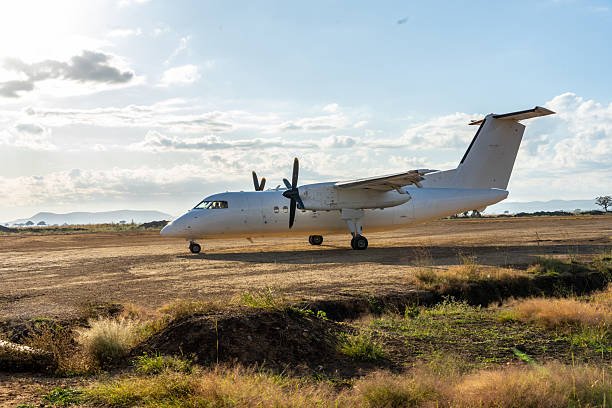
- Flights: LAM (Linhas Aéreas de Moçambique) and smaller charter companies offer domestic flights connecting major cities and tourist hubs. This is often the most efficient way to cover long distances, especially to remote islands or parks.
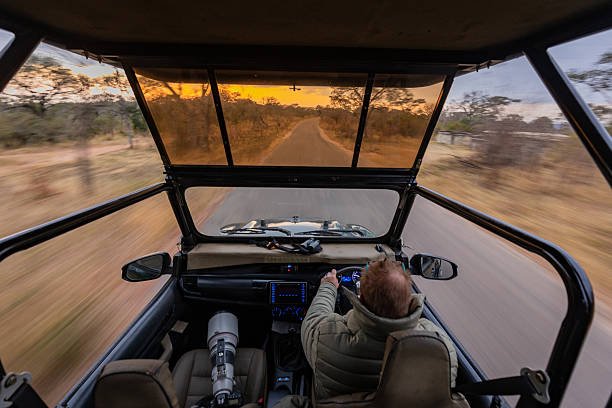
- Road Travel: Roads can vary significantly in quality. Major routes between cities like Maputo, Xai-Xai, and Beira are generally paved, but conditions can deteriorate, especially during the wet season. Traveling by 4×4 vehicle is often recommended for exploring more remote areas or national parks.
- Car Hire: Self-drive is possible, but it requires a robust vehicle (ideally a 4×4), a good map, and a willingness to navigate potentially challenging road conditions and local driving styles. Hiring a vehicle with a driver is often a more comfortable and reliable option.
- Buses and Minibuses (Chapas): These are the most common forms of public transport for locals. They are very affordable but can be crowded, slow, and follow less predictable schedules. Not recommended for time-sensitive or comfort-focused travelers.
- Ferries and Boats: Essential for reaching many islands, particularly in the Bazaruto and Quirimbas archipelagos. Transfers are usually arranged by lodges or tour operators.
Top Guide Adventures Tip: For a smooth experience in 2026-2027, we recommend combining domestic flights for longer distances with pre-arranged transfers or guided 4×4 excursions for local exploration.
Food and Drink in Mozambique
Mozambican cuisine is a delightful fusion, heavily influenced by Portuguese and African traditions, with hints of Indian and Arab flavors.
- Seafood: Given its long coastline, seafood is a staple. Expect incredibly fresh prawns (often served grilled with garlic or Piri-Piri sauce), calamari, lobster, crab, and a variety of fish.
- Piri-Piri Chicken: A national favorite, this spicy grilled chicken is marinated in a fiery Piri-Piri chili sauce.
- Matapa: A rich and flavorful dish made from ground cassava leaves, peanuts, and often includes seafood or meat.
- Caril de Amendoim: A peanut stew, often made with chicken or fish.
- Rice: Steamed rice is a common accompaniment to most main dishes.
- Bread: Portuguese-influenced bread rolls are widely available and delicious.
- Tropical Fruits: Enjoy an abundance of fresh mangoes, papayas, bananas, pineapples, and coconuts.
- Drinks: Local beers like 2M (Dois M) and Laurentina are popular. Rum is also a common spirit. Fresh coconut water is a refreshing non-alcoholic option.
Dining out ranges from casual beachside shacks serving fresh catches to sophisticated restaurants in Maputo offering international and local gourmet cuisine.
Safety and Security in Mozambique
While Mozambique is generally a welcoming country, it’s important to be aware of safety considerations. Travel advisories from your home country’s government should be consulted regularly, especially for regions like Cabo Delgado, which has experienced security issues.
- Petty Crime: As in many developing countries, petty crime such as pickpocketing and bag snatching can occur, particularly in crowded areas of Maputo. Exercise caution and keep valuables secure.
- Road Safety: Driving can be hazardous due to road conditions, unpredictable driving, and occasional roadblocks. It’s advisable to travel during daylight hours and avoid unpaved roads at night.
- Cabo Delgado Region: There have been security incidents in the northern Cabo Delgado province. Travelers should closely monitor government travel advisories and avoid non-essential travel to this region unless absolutely necessary and with comprehensive security arrangements. The situation can change, so up-to-date information is key for any 2026-2027 travel plans involving this area.
- General Precautions: Avoid displaying expensive jewelry or large amounts of cash. Be aware of your surroundings, especially in urban areas.
For most tourist activities in well-established areas like Maputo, the coast south of Maputo, Vilanculos, and the islands, Mozambique is considered safe for visitors who take standard travel precautions.
Why Partner with Top Guide Adventures for Your Mozambique Journey?
While Top Guide Adventures is best known for its exceptional Tanzania safaris, Kilimanjaro climbs, and Zanzibar holidays, our deep understanding of East and Southern African travel logistics allows us to extend our unparalleled service to Mozambique. We believe in crafting journeys that are not just trips, but deeply personal and memorable adventures.
Our commitment to you includes:
- Tailor-Made Itineraries: We design trips around your interests, budget, and travel style, whether you seek ultimate relaxation on the beaches, thrilling diving adventures, historical exploration, or a blend of everything.
- Local Expertise: We partner with trusted local operators and guides who possess intimate knowledge of Mozambique’s culture, wildlife, and hidden gems.
- Personalized Service: From your initial inquiry to your return home, you’ll receive dedicated support, ensuring a smooth and stress-free experience. We handle the complexities of booking flights, transfers, accommodation, and activities.
- Responsible Travel Focus: We are committed to promoting sustainable tourism that benefits local communities and conserves the natural environment.
- Safety and Reliability: Your well-being is our top priority. We meticulously plan every detail to ensure your safety and comfort throughout your Mozambique adventure in 2026-2027.
Let us help you discover the magic of Mozambique. Whether you’re dreaming of diving with whale sharks in Bazaruto, exploring the historic streets of Ilha de Moçambique, or relaxing on the pristine beaches of the Quirimbas, we can make it happen. Contact us to start planning your unforgettable 2026-2027 Mozambique escape.
Get in touch today:
WhatsApp: +255616946642
Email: info@topguideadventures.com
Backup Email: (Please provide if available, otherwise omit)
We look forward to helping you plan your dream Mozambique adventure!
Check Availability for Mozambique Travel Guide: Your Ultimate Adventure In 2026-2027
Ready to compare dates, prices, and the best option for your group? Send the package name and travel month so the team can reply with a clear quote, availability, and what is included.
Mozambique Marine And Cultural Tour: Your Ultimate Adventure Guide 2026-2027
Discover the best of Mozambique with a unique marine and cultural tour. This guide details itineraries, activities, and insights for 2026-2027 adventures, blending underwater exploration...
View package details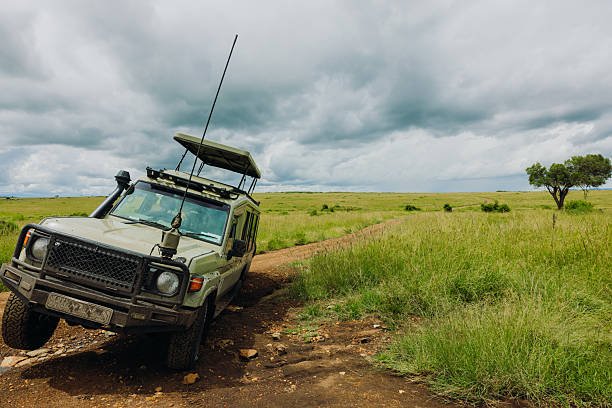
Mozambique Honeymoon Holiday 2026-2027
Mozambique Honeymoon Holiday is explained with current 2026-2027 planning, price, itinerary and booking information.
View package details
Maputo Food And City Tour: A Culinary Cultural Journey Through Mozambiques
Discover the heart of Maputo through its food and streets. A guided tour offers an unparalleled way to experience the capital's unique blend of African, Portuguese, and Asian influences...
View package detailsMozambique Beach And Safari Holiday: Your Ultimate Guide For 2026-2027
Discover the perfect blend of sun-drenched beaches and thrilling wildlife encounters with a Mozambique beach and safari holiday. This guide covers everything from top safari destinations to...
View package detailsNo related package matches those filters. Clear one or more filters to see the other topic-matched options.



