
Zimbabwe offers a rich mix of wildlife, stunning landscapes, and vibrant culture, making it a premier Southern African travel destination. For visitors planning their trips in 2026 and 2027, expect unparalleled safari experiences in places like Hwange National Park, the awe-inspiring Victoria Falls, and the unique Mana Pools, with opportunities for adventure activities, cultural encounters, and exploring historical sites. While specific tour packages vary, a typical comprehensive safari might last 7-10 days, focusing on key wildlife areas and including park fees, accommodation, meals, and guided game drives, with costs often starting from approximately $2,500 to $5,000+ per person depending on the level of luxury and specific itinerary.
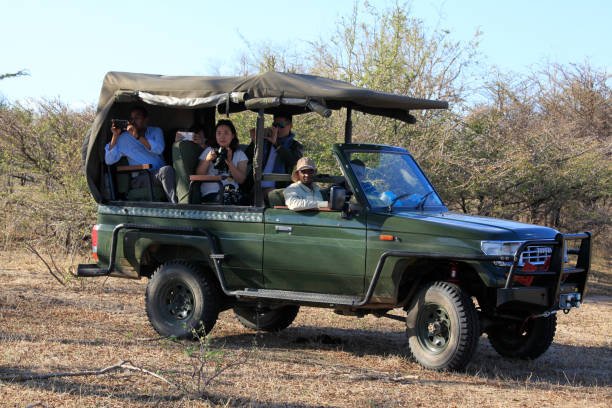
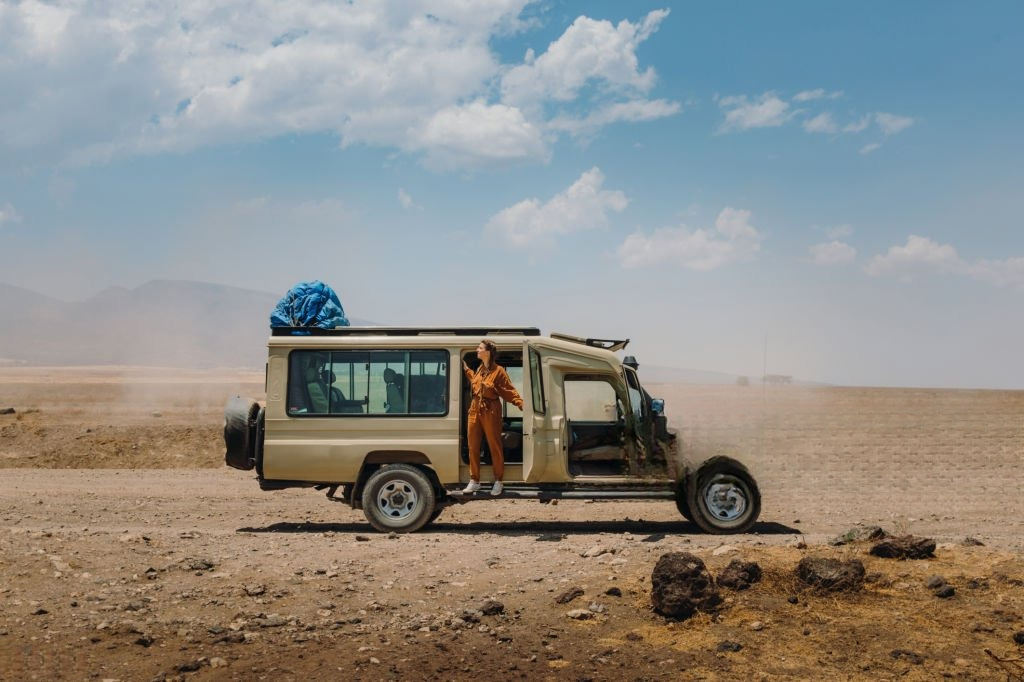
Discovering Zimbabwe: A Jewel of Southern Africa
Zimbabwe, a landlocked country in Southern Africa, is a destination that consistently exceeds expectations for those who venture beyond its more frequented neighbors. Its name, derived from the Shona word ‘dzimba dza mabwe’ meaning ‘houses of stone,’ hints at the country’s rich history, exemplified by the magnificent Great Zimbabwe ruins. Today, Zimbabwe is renowned for its impressive natural beauty, from the thunderous cascade of Victoria Falls to the vast savannas teeming with wildlife. For travelers looking towards 2026 and 2027, Zimbabwe presents an opportunity to experience authentic African adventure, exceptional wildlife viewing, and warm hospitality, often with fewer crowds than some other popular safari destinations.
Top Guide Adventures, while primarily known for its exceptional tours in Tanzania, recognizes the growing appeal of Zimbabwe as a distinct yet complementary African travel experience. This guide aims to provide a comprehensive overview for anyone considering Zimbabwe for their next adventure, covering its most compelling attractions, the best times to visit, practical travel advice, and what makes it a standout choice for discerning travelers in the coming years.
Victoria Falls: The Smoke That Thunders
No exploration of Zimbabwe is complete without witnessing the sheer power and majesty of Victoria Falls, one of the Seven Natural Wonders of the World. Locally known as ‘Mosi-oa-Tunya’ (The Smoke That Thunders), this colossal waterfall on the Zambezi River forms the border between Zimbabwe and Zambia. The sheer volume of water plunging over a 1.7-kilometer-wide curtain into a 108-meter-deep chasm creates a spectacular sight and a deafening roar, visible and audible from miles away. The mist rising from the falls, often referred to as ‘the smoke,’ creates perpetual rainbows, adding to the enchantment.
Activities at Victoria Falls:
- Viewpoints and Rainforest Walk: Explore the numerous viewpoints along the Zimbabwean side of the falls, offering panoramic vistas. A guided walk through the adjacent rainforest, perpetually doused in spray, is a must-do.
- Devil’s Pool and Livingstone Island: During the dry season (typically August to December), brave visitors can swim in the Devil’s Pool, a natural rock pool at the edge of the falls, accessed via Livingstone Island on the Zambian side.
- White-Water Rafting: The Zambezi River below the falls offers some of the most exhilarating white-water rafting in the world, with Grade V rapids providing an adrenaline rush. This is a popular activity for adventure seekers planning trips for 2026-2027.
- Bungee Jumping and Gorge Swing: For the ultimate thrill, take a leap from the Victoria Falls Bridge, which spans the gorge, or experience the ‘flight of angels’ on a gorge swing.
- Sunset Cruises: Enjoy a more relaxed experience on a sunset cruise along the Upper Zambezi, spotting hippos, crocodiles, elephants, and diverse birdlife while sipping sundowners.
- Helicopter and Microlight Flights: Gain a impressive aerial perspective of the falls and the surrounding landscape with a scenic flight.
The town of Victoria Falls itself offers a range of accommodation from luxury hotels to comfortable lodges, catering to various budgets. It’s a hub for adventure tourism, ensuring a vibrant atmosphere.
Zimbabwe’s Premier Safari Destinations
Beyond the falls, Zimbabwe boasts exceptional national parks and game reserves, offering world-class wildlife viewing opportunities. The country’s conservation efforts have led to thriving populations of iconic African animals, including the ‘Big Five’ (lion, leopard, elephant, rhino, and buffalo).
Hwange National Park: The Elephant Kingdom
As Zimbabwe’s largest game reserve, Hwange National Park is a true safari paradise. Located in the northwest, it is renowned for its massive elephant herds, particularly during the dry season when they congregate around the park’s pumped waterholes. Hwange is home to over 100 species of mammals and 400 species of birds.
Key attractions and experiences in Hwange:
- Elephant Populations: Hwange is often called the ‘Elephant Kingdom’ due to its huge elephant population, estimated to be around 40,000. Game drives here offer incredible opportunities to see these gentle giants up close.
- Diverse Wildlife: Besides elephants, visitors can spot lions, leopards, cheetahs, wild dogs, hyenas, giraffes, zebras, various antelope species, and a rich array of birdlife.
- Waterholes: The park’s network of artificial and natural waterholes are prime spots for game viewing, especially during the dry season (May to October). Popular ones include Masuma Dam and Deteema Dam.
- Walking Safaris: For a more intimate wildlife encounter, guided walking safaris offer a chance to learn about the smaller details of the bush, track animals, and appreciate the flora and fauna on foot.
- Night Drives: Some camps offer night drives, providing a unique opportunity to spot nocturnal animals like civets, genets, porcupines, and perhaps even a leopard or lion on the hunt.
Accommodation in Hwange ranges from rustic camping and self-catering chalets to luxurious lodges and tented camps, providing options for all types of travelers. For those planning safaris in 2026 or 2027, booking well in advance for Hwange is highly recommended due to its popularity.
Mana Pools National Park: A UNESCO World Heritage Site
Mana Pools, situated on the southern bank of the Zambezi River, is another UNESCO World Heritage Site famous for its stunning beauty and unique wildlife viewing opportunities. The park is characterized by its four permanent pools (Mana means ‘four’ in Shona) which attract a wide variety of animals, especially during the dry season when they come to drink.
What makes Mana Pools special:
- Walking Safaris: Mana Pools is particularly renowned for its exceptional walking safaris. The park’s relatively low predator density and habituated wildlife allow for safe and intimate encounters on foot, often with elephants and other large mammals.
- Canoe Safaris: Paddling down the Zambezi River in a canoe offers a different perspective, allowing you to approach wildlife at the water’s edge, observe hippos and crocodiles from a safe distance, and enjoy the tranquility of the river.
- Predator Sightings: While not guaranteed, Mana Pools is one of the best places in Africa to potentially see wild dogs, cheetahs, and lions, often in relaxed and observable situations.
- Birdwatching: The park is a haven for birdwatchers, with over 350 species recorded, including the African Skimmer, Pel’s Fishing Owl, and various kingfishers and bee-eaters.
- Scenic Beauty: The landscape, with its broad floodplains, acacia woodlands, and the mighty Zambezi River, is incredibly picturesque, especially during sunrise and sunset.
Mana Pools offers a more remote and wild safari experience. Accommodation includes campsites, self-catering lodges, and a few exclusive tented camps. Given its wilderness appeal, it’s a prime choice for travelers seeking an authentic African bush experience in 2026-2027.
Matobo National Park: Ancient Landscapes and Rhinos
Matobo National Park, a UNESCO World Heritage Site, offers a unique blend of dramatic granite kopjes, ancient rock art, and a significant population of black and white rhinos. The landscape is characterized by striking rock formations, including the iconic ‘World’s View,’ which offers panoramic vistas of the Matobo Hills.
Highlights of Matobo:
- Rhino Tracking: Matobo is one of the best places in Zimbabwe for rhino tracking, particularly on foot with experienced guides. This offers an incredibly rewarding and up-close encounter with these endangered creatures.
- Ancient Rock Art: The park contains thousands of ancient San (Bushman) rock paintings, providing a glimpse into the region’s prehistoric past.
- Hiking and Scrambling: The unique topography of the Matobo Hills invites exploration through hiking and scrambling amongst the granite boulders.
- Wildlife: Besides rhinos, the park is home to a variety of antelope, baboons, leopards (though elusive), and diverse birdlife, including the Martial Eagle and the world’s largest population of Black Eagles.
- Historical Significance: The park is also the resting place of Cecil John Rhodes, whose grave is at ‘World’s View.’
Matobo provides a different kind of safari, focusing on the unique landscape, historical context, and the thrill of tracking rhinos. Accommodation options include lodges within the park and nearby.
Other Notable Destinations and Experiences
Zimbabwe’s allure extends beyond its major parks and waterfalls:
- Lake Kariba: This vast man-made lake offers houseboating safaris, fishing, and opportunities to see wildlife along its shores, including elephants and hippos. It’s a relaxing alternative or addition to a traditional safari.
- Nyanga National Park: Located in the Eastern Highlands, this park features rolling hills, waterfalls, and cooler temperatures. It’s ideal for hiking, trout fishing, and exploring ancient ruins.
- Great Zimbabwe Ruins: These impressive stone ruins are a testament to a once-great civilization and a UNESCO World Heritage Site. A visit offers a profound historical and cultural experience.
- Harare: The capital city provides a glimpse into modern Zimbabwean life, with markets, art galleries, and a lively urban atmosphere.
Planning Your Zimbabwe Trip for 2026-2027
A well-planned trip to Zimbabwe can be incredibly rewarding. Here’s what to consider for your 2026 or 2027 travel dates:
Best Time to Visit
Zimbabwe has two main seasons:
- Dry Season (May to October): This is generally considered the best time for wildlife viewing. With less vegetation and animals congregating around water sources, sightings are more frequent and easier. Temperatures are cooler, especially from June to August. This is peak safari season.
- Wet Season (November to April): This period brings lush green landscapes and is ideal for birdwatching as migratory birds arrive. It’s also the calving season for many antelope species. However, wildlife viewing can be more challenging due to dense vegetation, and some roads may become impassable due to heavy rains. It’s also the low season for tourism, meaning potentially lower prices and fewer crowds.
Consider these specific timings for 2026-2027:
- For prime wildlife viewing and comfortable temperatures, aim for July to October 2026 or 2027.
- For birding enthusiasts and budget-conscious travelers, the shoulder months of April-May 2026 or 2027, or the early wet season months of November-December 2026, can offer good value.
- Victoria Falls experiences its highest water flow from March to May, offering the most dramatic spectacle. However, water levels can be lower from September to November.
Visa Requirements
Most nationalities require a visa to enter Zimbabwe. Visas can often be obtained on arrival at major ports of entry, but it is advisable to check the latest requirements with the Zimbabwean embassy or consulate in your country well in advance of your 2026-2027 travel dates. Some nationalities may be eligible for a UNIVISA, which is valid for both Zimbabwe and Zambia.
Health and Vaccinations
Malaria is present in most of Zimbabwe, particularly in lower-lying areas like Hwange and Mana Pools. Consult your doctor or a travel clinic at least 4-6 weeks before your trip regarding malaria prophylaxis and other recommended vaccinations, such as Hepatitis A, Typhoid, and Tetanus. It is also recommended to be up-to-date with routine immunizations.
Important Health Note: Always use insect repellent, wear long sleeves and trousers during dawn and dusk, and consider malaria precautions, especially for trips planned during the warmer, wetter months of 2026 and 2027.
Getting Around
Travel within Zimbabwe typically involves a combination of methods:
- Flights: Light aircraft transfers are common for accessing remote lodges and parks, offering a scenic and time-efficient way to travel.
- Road Travel: For safaris, 4×4 vehicles are standard for game drives. Longer distances between destinations are often covered by private transfers or shared shuttle services. Road conditions can vary significantly, especially outside main routes.
- Self-Drive: While possible, self-driving requires careful planning, a robust vehicle, and familiarity with local driving conditions. Hiring a reputable local tour operator like Top Guide Adventures can simplify logistics considerably for your 2026-2027 journey.
Currency and Costs
Zimbabwe uses the US Dollar (USD) as its primary currency. While other currencies might be accepted in some tourist areas, carrying USD in small denominations is highly recommended for ease of transaction, tips, and smaller purchases. Credit cards are accepted in larger hotels and lodges, but cash is essential for more remote areas and smaller establishments.
Cost Considerations for 2026-2027:
Zimbabwe offers a range of travel styles, influencing costs:
- Budget Travel: Camping and self-catering options, combined with shared transport, can significantly reduce costs. Expect to pay from $1,500 – $2,500 per person for a basic 7-day safari.
- Mid-Range Travel: Comfortable lodges, private transfers, and guided tours typically fall into this category. A 7-day mid-range safari could cost between $2,500 – $4,500 per person.
- Luxury Travel: High-end lodges, exclusive concessions, private guides, and charter flights represent the premium experience. Prices can range from $4,500 to $8,000+ per person for a similar duration.
Key inclusions to look for in tour packages:
- Park entrance fees
- Accommodation
- Meals (often full board on safaris)
- Guided game drives and activities
- Transfers between locations
Exclusions typically include:
- International flights
- Visas
- Travel insurance
- Tips for guides and staff
- Personal expenses and drinks
It’s wise to budget an additional 10-15% for tips and personal expenses. For accurate pricing and bespoke itineraries for 2026 or 2027, contacting a reputable tour operator is the best approach.
Safety and Responsible Tourism
Zimbabwe is generally safe for tourists, especially in well-trafficked areas and national parks. However, like any travel destination, it’s important to exercise common sense:
- Wildlife Safety: Always follow the guidance of your safari guides. Never approach wild animals on foot outside designated areas or feed them. Maintain a safe distance from all wildlife.
- Personal Safety: Be aware of your surroundings, especially in urban areas. Avoid displaying valuables openly.
- Responsible Travel: Support local communities by purchasing crafts directly from artisans and engaging in respectful cultural exchanges. Choose tour operators committed to conservation and community well-being.
For the latest travel advisories, always check with your country’s foreign affairs department before booking your 2026-2027 trip.
Crafting Your Zimbabwe Safari Itinerary
The ideal Zimbabwe itinerary depends on your interests, time, and budget. Here are a few sample structures that can be customized for 2026 and 2027:
Sample Itinerary 1: Classic Zimbabwe Safari (8 Days)
Focus: Wildlife and Victoria Falls.
- Days 1-3: Victoria Falls – Arrive, explore the falls, optional activities (rafting, sunset cruise).
- Days 4-7: Hwange National Park – Transfer to Hwange for game drives, focusing on elephants and diverse wildlife. Stay in a lodge or tented camp.
- Day 8: Departure – Transfer back to Victoria Falls or another point for departure.
This itinerary offers a great introduction to Zimbabwe’s highlights.
Sample Itinerary 2: Wilderness & Adventure (10 Days)
Focus: Remote safaris and adventure.
- Days 1-2: Victoria Falls – Arrival and initial exploration of the falls.
- Days 3-5: Mana Pools National Park – Fly or drive to Mana Pools for walking safaris, canoeing, and excellent wildlife viewing.
- Days 6-8: Hwange National Park – Experience the vastness of Hwange, focusing on its large elephant herds and varied ecosystems.
- Day 9: Matobo National Park – Rhino tracking and exploring the unique rock formations.
- Day 10: Departure – Transfer to Bulawayo or Victoria Falls for departure.
This itinerary is for the more adventurous traveler seeking diverse experiences.
Sample Itinerary 3: Culture & Nature (7 Days)
Focus: History, culture, and wildlife.
- Days 1-2: Great Zimbabwe Ruins & Masvingo – Explore the ancient ruins and learn about Zimbabwe’s history.
- Days 3-4: Matobo National Park – Rhino tracking, rock art, and exploring the unique landscape.
- Days 5-6: Victoria Falls – Experience the ‘Smoke That Thunders’ and enjoy optional activities.
- Day 7: Departure – Depart from Victoria Falls.
This option blends historical sites with natural beauty.
These are just frameworks. For tailor-made journeys in 2026-2027, working with experienced operators is key. Top Guide Adventures can help design your perfect Zimbabwe itinerary, combining the best of its natural wonders and cultural heritage.
Why Choose Zimbabwe for Your Next Adventure?
In a continent rich with travel opportunities, Zimbabwe stands out for several compelling reasons, especially for those planning their trips for 2026 and 2027:
- Unspoiled Wilderness: Many of Zimbabwe’s prime wildlife areas, like Mana Pools and parts of Hwange, offer a sense of raw, untouched wilderness that is increasingly rare elsewhere.
- Exceptional Guiding: Zimbabwe has a long-standing reputation for producing some of the most knowledgeable and skilled safari guides in Africa. Their expertise significantly enhances the wildlife viewing experience.
- Fewer Crowds: Compared to some of its more famous neighbors, Zimbabwe often provides a more exclusive and intimate safari experience, allowing for deeper immersion in nature.
- Value for Money: While not always the cheapest, Zimbabwe can offer excellent value, particularly for high-quality guiding and unique experiences, especially when booked strategically for 2026 or 2027.
- Diverse Activities: From the adrenaline rush of Victoria Falls activities to the tranquility of a canoe safari on the Zambezi or the thrill of tracking rhinos on foot, Zimbabwe caters to a wide range of interests.
As you plan your travel for 2026-2027, consider Zimbabwe not just as a destination, but as an authentic African experience that combines spectacular wildlife, dramatic landscapes, rich history, and genuinely warm hospitality. The country is poised for a strong resurgence in tourism, offering travelers the chance to witness its beauty and resilience.
Ready to Plan Your Zimbabwe Adventure?
Whether you dream of standing in awe of Victoria Falls, tracking elephants in Hwange, or exploring the wild beauty of Mana Pools, Zimbabwe offers an unforgettable journey. For personalized itineraries, expert advice, and smooth arrangements for your 2026 or 2027 trip, connect with experienced travel professionals.
Top Guide Adventures is ready to help you craft your ideal Southern African adventure. While our primary expertise lies in Tanzania, we can guide you in connecting with trusted partners or provide insights for your Zimbabwe explorations. Reach out to us to discuss your travel aspirations. You can contact us via WhatsApp at +255616946642 or email us at info@topguideadventures.com. Let us help you plan a trip that creates lasting memories.
Check Availability for Zimbabwe Travel Guide: Top Destinations, Safaris & Planning For 2026-2027
Ready to compare dates, prices, and the best option for your group? Send the package name and travel month so the team can reply with a clear quote, availability, and what is included.

Zimbabwe Luxury Safari Packages: Expert Planning For 2026-2027
Explore the pinnacle of African travel with Zimbabwe luxury safari packages. From the majestic Victoria Falls to the wildlife-rich Hwange National Park, experience unparalleled service...
View package details
Great Zimbabwe Heritage Tour: Your Definitive Guide For 2026-2027
Discover the wonders of Great Zimbabwe on a heritage tour. This comprehensive guide covers history, what to see, planning your visit for 2026-2027, and how Top Guide Adventures can craft...
View package details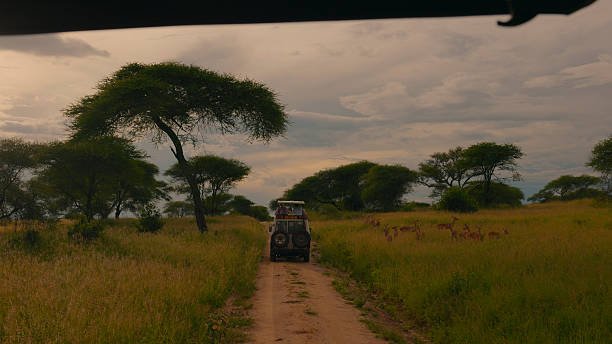
Zimbabwe Victoria Falls And Hwange Safari: Your Ultimate Adventure Guide
Combine the awe-inspiring Victoria Falls with the wildlife-rich plains of Hwange National Park for an unforgettable Zimbabwe safari experience. This guide covers everything you need to plan...
View package detailsNo related package matches those filters. Clear one or more filters to see the other topic-matched options.



