
A Namibia road trip in 2026 or 2027 can cost anywhere from $2,000 to $6,000+ per person for a 10-14 day journey, depending heavily on vehicle choice, accommodation style, and activities. A popular 14-day itinerary often includes Windhoek, Sossusvlei, Swakopmund, Damaraland, and Etosha National Park, balancing iconic sights with manageable driving distances.
Understanding Namibia Road Trip Costs: Budgeting for 2026-2027
Embarking on a Namibia road trip is a dream for many, offering vast desert landscapes, unique wildlife encounters, and a profound sense of freedom. However, planning such an adventure requires a clear understanding of the associated costs. For travelers looking to explore Namibia in 2026 or 2027, anticipating expenses is crucial for a smooth and enjoyable experience. The total cost of a Namibia road trip is influenced by several key factors, each playing a significant role in your overall budget.
These primary cost drivers include:
- Vehicle Rental: The type of vehicle, rental duration, insurance, and mileage all impact this.
- Accommodation: Options range from budget-friendly campsites to mid-range guesthouses and luxury lodges.
- Activities and Park Fees: Entrance fees for national parks, guided tours, and specific experiences like hot air ballooning or desert safaris.
- Fuel: Given the long distances, fuel is a significant ongoing expense.
- Food and Drink: Self-catering versus dining out, and the type of restaurants frequented.
- Miscellaneous: Souvenirs, travel insurance, visas (if applicable), and unexpected expenses.
Let’s break down each of these components to provide a realistic picture for your Namibia road trip cost planning for 2026-2027.
Vehicle Rental: Your Namibian Navigator
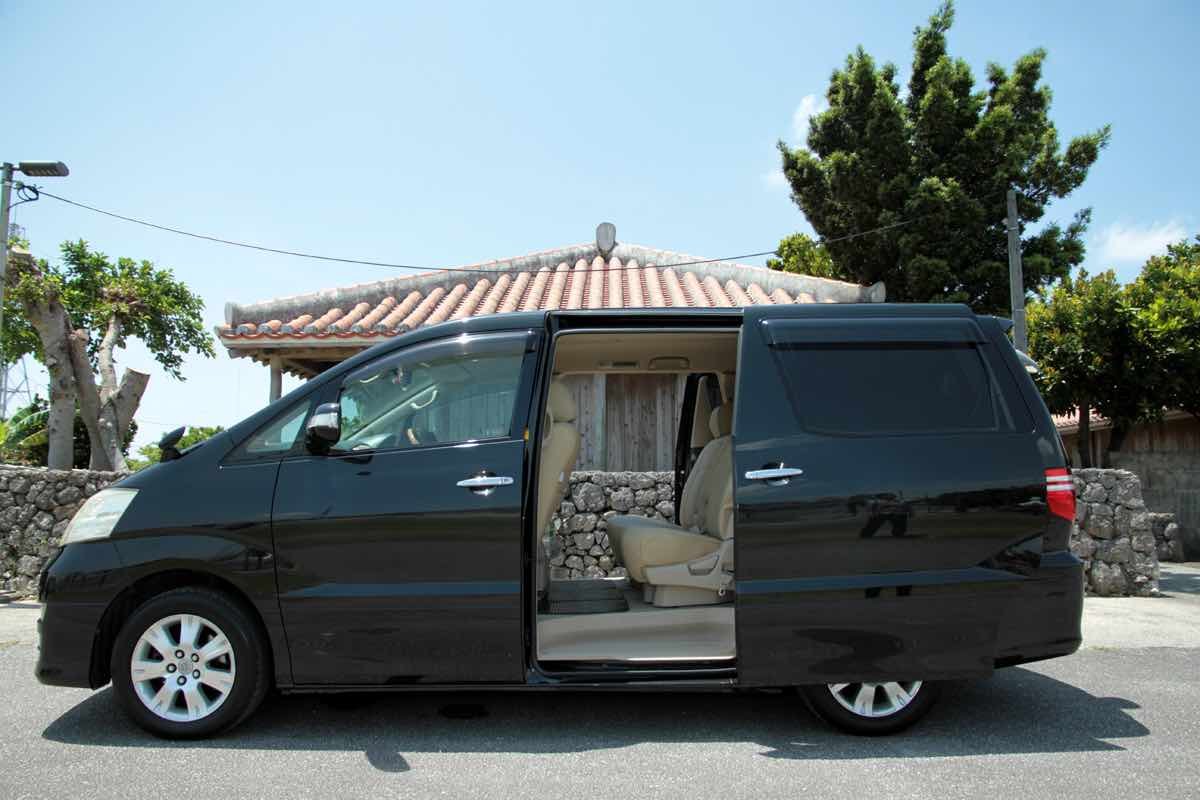
The vehicle is your lifeline on a Namibia road trip. The choice you make here will significantly affect both your comfort and your budget. Namibia’s roads can vary from well-maintained tarmac to challenging gravel tracks, and even sandy terrain in some areas. Therefore, selecting the right vehicle is paramount for safety and accessibility.
Types of Vehicles and Associated Costs
For a standard Namibia road trip itinerary covering popular destinations like Sossusvlei and Etosha, a 4×4 (four-wheel drive) vehicle is highly recommended, especially if you plan to explore more remote areas or travel during the wet season (November to April) when roads can become more difficult. While a 2WD car might suffice for main routes, it severely limits your exploration options and can be risky on unpaved roads.
- Standard 2WD Sedan/SUV: Least expensive, suitable only for the most well-maintained roads and main tourist routes. Not recommended for a comprehensive Namibia road trip. Expect prices from $50-$80 per day.
- 4×4 Double Cab Pickup (e.g., Toyota Hilux, Ford Ranger): The most popular choice for self-drive adventures. These vehicles are robust, offer good ground clearance, and often come with rooftop tents, making them ideal for camping. Rental costs typically range from $80-$150 per day.
- 4×4 SUV with Camping Gear: Similar to the double cab but with more enclosed space. Prices are comparable, often $100-$180 per day.
- Overland Trucks/Campervans: Less common for self-drive but offer a unique experience. Costs can vary widely.
Insurance Considerations
Vehicle rental costs do not always include comprehensive insurance. It is crucial to understand the insurance options provided by the rental company. Standard options usually include:
- Collision Damage Waiver (CDW): Reduces your liability in case of damage.
- Theft Protection: Covers theft of the vehicle.
- Super CDW (SCDW) or Full Cover: Often includes zero excess or a very low deductible. This is highly recommended for Namibia due to the rough roads and potential for damage.
Factor in an additional $20-$50 per day for comprehensive insurance. Some credit cards offer rental car insurance, but always check the terms and conditions to ensure it covers vehicles in Namibia and the specific type of vehicle you are renting.
Additional Rental Costs
- One-way Fees: If you pick up the vehicle in one city and drop it off in another (e.g., Windhoek to Swakopmund), expect a one-way fee, which can be substantial.
- Mileage: Most rentals offer unlimited mileage, but always confirm.
- Cross-Border Fees: If you plan to visit neighboring countries (e.g., Botswana), significant fees and paperwork are involved.
- Additional Drivers: A small daily fee may apply for extra drivers.
For a 14-day Namibia road trip in 2026-2027, budget approximately $1,000 – $2,500 for vehicle rental and insurance, depending on the vehicle type and duration.
Accommodation: Sleeping Under the Namibian Stars
Namibia offers a diverse range of accommodation options, catering to various budgets and travel styles. Your choice will significantly impact the daily expenditure of your Namibia road trip.
Accommodation Tiers and Price Ranges (per night for two people):
- Camping: This is the most budget-friendly option. Campsites range from basic public sites to more equipped private ones, often with ablution facilities. Some remote campsites offer unparalleled stargazing. $15 – $50 per night. If your 4×4 comes with a rooftop tent, this is an excellent way to save money and experience the outdoors.
- Guesthouses/B&Bs: Comfortable and often locally run, offering a good balance of price and comfort. Expect clean rooms, breakfast, and local hospitality. $70 – $150 per night.
- Mid-Range Lodges/Hotels: These offer more amenities, such as swimming pools, restaurants, and en-suite bathrooms. They are a popular choice for those seeking comfort without extreme luxury. $150 – $300 per night.
- Luxury Lodges/Safari Camps: These provide an exceptional experience with high-end services, gourmet meals, guided activities, and stunning locations. Expect top-tier service and exclusivity. $300 – $800+ per night.
Tip for 2026-2027: Book popular lodges and campsites well in advance, especially for peak season travel (June to October). Some unique accommodations, particularly in areas like Sossusvlei and Etosha, can be fully booked a year ahead.
For a 14-day Namibia road trip, if you mix camping with mid-range guesthouses, budget around $700 – $1,500 for accommodation for two people. If opting for more lodges, this figure could easily double or triple.
Activities and Park Fees: Experiencing Namibia’s Wonders
Namibia’s allure lies in its natural beauty and unique landscapes. Entrance fees and activities are essential components of your Namibia road trip cost.
National Park Fees
Most popular destinations are within national parks, each with an entrance fee. These are typically charged per person, per day, and sometimes per vehicle.
- Etosha National Park: Around $10 per person per day, plus a vehicle fee.
- Namib-Naukluft National Park (Sossusvlei area): Around $10 per person per day.
- Other Parks: Fees vary but are generally in a similar range.
For a 14-day trip visiting multiple parks, budget approximately $100 – $200 per person for park fees.
Key Activities and Their Costs
While the landscapes are the main draw, specific activities enhance the Namibia road trip experience:
- Hot Air Balloon Safari (Sossusvlei): A quintessential experience offering sunrise views over the dunes. Expect to pay around $400 – $500 per person. This is a significant splurge but highly memorable.
- Guided Desert Safaris/Dune Drives (Swakopmund/Sossusvlei): Explore the dunes with expert guides. Prices range from $50 – $150 per person, depending on duration and inclusions (e.g., sundowners).
- Marine Cruise (Walvis Bay): Spotting seals, dolphins, and pelicans. Typically around $60 – $90 per person for a half-day trip.
- Living Desert Tour (Swakopmund): Discover the fascinating small creatures of the desert. Around $50 – $70 per person.
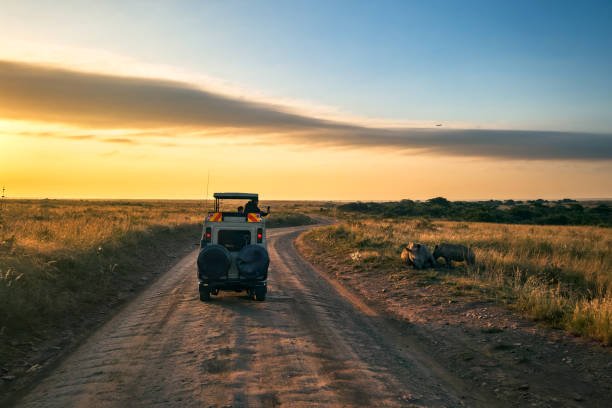
- Etosha Game Drives: While self-driving is possible, guided drives offer expert knowledge. Guided drives can cost $70 – $150 per person.
- Cultural Village Visits: Such as visiting a Himba village. Costs vary, but around $30 – $60 per person is typical.
- Scenic Flights: Over the Skeleton Coast or Damaraland. These are premium activities, often starting from $300+ per person for shorter flights.
For a 14-day Namibia road trip, if you choose 2-3 signature activities, budget $300 – $800 per person for activities and park fees.
Fuel Costs: Covering the Vast Distances
Namibia is vast, and distances between attractions can be significant. Fuel is a recurring and often underestimated cost.
- Fuel Prices: Namibia’s fuel prices fluctuate but are generally higher than in many Western countries. As of late 2023/early 2024, expect prices around $1.30 – $1.50 per liter (USD equivalent).
- Fuel Consumption: A 4×4 vehicle will consume more fuel, especially on gravel roads or when driving at higher speeds. A typical consumption might be 10-15 liters per 100 km.
- Driving Distances: A 14-day itinerary covering Windhoek, Sossusvlei, Swakopmund, Damaraland, and Etosha could easily involve 2,000 – 3,000 km of driving.
For a 14-day trip covering around 2,500 km, with a 4×4 consuming 12 liters/100km at $1.40/liter:
Calculation: (2500 km / 100 km) * 12 liters/100km * $1.40/liter = $420
For a 14-day Namibia road trip, budget approximately $400 – $700 for fuel for two people.
Food and Drink: Sustaining Your Adventure
Your dining choices will significantly impact your daily budget. Namibia offers options from self-catering to fine dining.
- Self-Catering/Groceries: Shopping at supermarkets in larger towns (Windhoek, Swakopmund, Walvis Bay) is the most economical way to eat. You can prepare meals at campsites or in accommodations with kitchen facilities. Budget around $30 – $50 per day for two people for groceries.
- Casual Restaurants/Cafes: Enjoying local eateries or cafes offers a step up in convenience and variety. Budget around $50 – $80 per day for two people.
- Mid-Range to Fine Dining: Many lodges and hotels have excellent restaurants. This can cost $80 – $150+ per day for two people, especially if including drinks.
For a 14-day Namibia road trip, a balanced approach of self-catering and occasional restaurant meals might average around $60 per day for two people, totaling approximately $840 for food and drink.
Miscellaneous Expenses
Don’t forget to factor in other costs:
- Travel Insurance: Essential for any trip. $50 – $150 per person.
- SIM Card/Data: For navigation and communication. $20 – $50.
- Souvenirs: Varies greatly.
- Tips: For guides, lodge staff, etc. (optional but appreciated).
- Contingency Fund: Always wise to have a buffer for unexpected issues. $200 – $500.
Total Namibia Road Trip Cost Estimate (14 Days for Two People)
Let’s summarize the estimated costs for a 14-day Namibia road trip for two people in 2026-2027, assuming a mid-range budget with a 4×4 rental and a mix of camping and guesthouses:
| Category | Estimated Cost (for 2 people) |
|---|---|
| Vehicle Rental & Insurance (4×4, 14 days) | $1,500 – $2,500 |
| Accommodation (13 nights, mix of camping/guesthouses) | $800 – $1,500 |
| Activities & Park Fees | $600 – $1,600 (depending on choices like ballooning) |
| Fuel (approx. 2,500 km) | $400 – $700 |
| Food & Drink (mix of self-catering/restaurants) | $840 – $1,200 |
| Miscellaneous (Insurance, SIM, Contingency) | $300 – $700 |
| TOTAL ESTIMATE (for 2 people) | $4,440 – $8,200 |
| PER PERSON ESTIMATE | $2,220 – $4,100 |
Note: This is a mid-range estimate. Luxury travel can easily double or triple these costs, while a strict budget focusing solely on camping and minimal activities could bring the per-person cost down to around $1,500 – $2,000.
Crafting Your Namibia Road Trip Itinerary: A 14-Day Classic Route
A Namibia road trip is best experienced with a well-planned itinerary that balances iconic sights with realistic driving times. The distances are vast, and many roads are gravel, so it’s crucial not to overschedule. This 14-day itinerary is a popular choice, covering diverse landscapes and key attractions, perfect for first-time visitors planning their Namibia road trip in 2026-2027.
Day 1: Arrival in Windhoek – Gateway to Namibia
- Arrive at Hosea Kutako International Airport (WDH), Windhoek.
- Pick up your rental vehicle. Ensure you have all necessary paperwork and a thorough vehicle inspection.
- Drive to Windhoek (approx. 45 km). Check into your accommodation.
- Depending on arrival time, explore Windhoek: Christuskirche (Christ Church), Tintenpalast (Parliament Building), Independence Memorial Museum.
- Overnight: Windhoek (Guesthouse or Hotel).
Day 2: Windhoek to Sossusvlei – Entering the Desert Realm
- After breakfast, begin your drive south towards Sossusvlei.
- The drive is scenic, passing through changing landscapes.
- Stop in Solitaire for its famous apple pie and the old petrol station – a classic Namibian road trip photo opportunity.
- Arrive at your lodge or campsite near Sossusvlei/Sesriem.
- Driving Time: Approx. 4-5 hours.
- Overnight: Sesriem Area (Campsite or Lodge).
Day 3: Sossusvlei and Deadvlei – Dunes and Desolation
- Wake up before dawn to enter the Namib-Naukluft Park at sunrise.
- Drive to the main dune area. Consider taking the 4×4 shuttle for the final 5km if you don’t have a 4×4 or prefer not to risk it in soft sand.
- Climb Dune 45 for sunrise views.
- Visit Sossusvlei and the iconic Deadvlei with its ancient camel thorn trees.
- Explore Big Daddy dune, one of the highest in the area.
- Visit Sesriem Canyon in the late afternoon.
- Overnight: Sesriem Area (Campsite or Lodge).
Day 4: Sossusvlei to Swakopmund – Coastal Transition
- Enjoy a final desert sunrise.
- Drive west towards the coast and the town of Swakopmund.
- The route takes you through the Gaub and Kuiseb passes, offering dramatic desert scenery.
- Look out for desert-adapted wildlife along the way.
- Arrive in Swakopmund, a charming coastal town with German colonial architecture.
- Driving Time: Approx. 4-5 hours.
- Overnight: Swakopmund (Guesthouse or Hotel).
Day 5: Swakopmund & Walvis Bay – Coastal Adventures
- Full day for activities around Swakopmund and nearby Walvis Bay.
- Optional Activities:
- Marine cruise from Walvis Bay (dolphins, seals, pelicans).
- Kayaking in Walvis Bay lagoon.
- Living Desert Tour to discover desert flora and fauna.
- Quad biking or sandboarding in the dunes.
- Explore Swakopmund town, its museum, aquarium, and lighthouse.
- Enjoy fresh seafood for dinner.
- Overnight: Swakopmund (Guesthouse or Hotel).
Day 6: Swakopmund to Damaraland – Ancient Landscapes
- Depart Swakopmund and head north towards Damaraland, a rugged and sparsely populated region.
- The landscape shifts dramatically to stark mountains, dry riverbeds, and unique rock formations.
- Consider a stop at the Cape Cross Seal Reserve (adds significant driving time, can be done on Day 5 if prioritized).
- Aim for accommodation near Twyfelfontein or Brandberg.
- Driving Time: Approx. 4-6 hours.
- Overnight: Damaraland (Lodge or Campsite).
Day 7: Damaraland Exploration – Rock Art and Desert Elephants
- Explore the highlights of Damaraland:
- Twyfelfontein: UNESCO World Heritage site with thousands of ancient rock engravings.
- Burnt Mountain: A stark, colourful volcanic landscape.
- Organ Pipes: Geological formation of basalt columns.
- Damara Living Museum: Learn about the Damara people’s culture.
- If staying further south, you might arrange a guided excursion to search for desert-adapted elephants (requires booking in advance and often included with lodge stays).
- Overnight: Damaraland (Lodge or Campsite).
Day 8: Damaraland to Etosha National Park (Southern/Central)
- Drive towards Etosha National Park, Namibia’s premier wildlife sanctuary.
- Enter through the Andersson Gate (near Okaukuejo).
- Begin your first game drive en route to your camp.
- Etosha is famous for its vast salt pan and waterholes, which attract a high concentration of wildlife.
- Driving Time: Approx. 3-4 hours to Andersson Gate + driving within the park.
- Overnight: Okaukuejo Rest Camp or nearby private lodge.
Day 9: Etosha National Park – Wildlife Encounters
- Full day dedicated to game viewing in Etosha.
- Focus on exploring waterholes around Okaukuejo and Halali camps.
- Look for elephants, lions, rhinos, giraffes, zebras, wildebeest, and a variety of antelope species.
- Spend time at the waterhole at Okaukuejo, famous for night viewing of rhinos and other animals.
- Overnight: Okaukuejo Rest Camp or Halali Rest Camp.
Day 10: Etosha National Park – Eastern Side
- Drive eastwards across the park towards Namutoni Rest Camp.
- Explore different waterholes and landscapes along the way. The eastern side often offers good chances to spot leopards and cheetahs.
- The landscape becomes slightly more vegetated towards the east.
- Overnight: Namutoni Rest Camp or a lodge outside the Von Lindequist Gate.
Day 11: Etosha to Waterberg Plateau Park
- Enjoy a final morning game drive in Etosha.
- Exit the park via the Von Lindequist Gate and drive south towards Waterberg Plateau Park.
- Waterberg is a striking table-top mountain offering different scenery and hiking opportunities.
- It’s also a breeding ground for endangered species like the black rhino and white rhino.
- Driving Time: Approx. 4-5 hours.
- Overnight: Waterberg Plateau Park Rest Camp or a lodge nearby.
Day 12: Waterberg Plateau Park – Hiking and Nature
- Explore Waterberg Plateau Park.
- Activities:
- Hiking trails to the top of the plateau or along its base.
- Guided nature drives to spot wildlife, including rhinos.
- Relax and enjoy the unique environment.
- Overnight: Waterberg Plateau Park Rest Camp or a lodge nearby.
Day 13: Waterberg to Windhoek – Return Journey
- Enjoy a leisurely breakfast and perhaps a short morning activity at Waterberg.
- Drive back to Windhoek.
- This is a good opportunity for last-minute souvenir shopping or visiting any Windhoek sights you missed on Day 1.
- Driving Time: Approx. 3-4 hours.
- Overnight: Windhoek (Guesthouse or Hotel).
Day 14: Departure
- Enjoy breakfast in Windhoek.
- Drive to Hosea Kutako International Airport (WDH) for your departure.
- Allow ample time for car return and check-in procedures.
This 14-day itinerary provides a solid framework for a Namibia road trip in 2026-2027. It can be customized by adding or removing days, or by focusing on specific regions based on your interests.
Customizing Your Namibia Road Trip Itinerary
This 14-day itinerary is a starting point. For a more in-depth Namibia road trip experience, consider:
- Longer Stays: Add extra days in Etosha for more wildlife viewing, or explore Damaraland more thoroughly.
- Kalahari Desert: Include a few days in the Kalahari for a different desert experience, focusing on red dunes and unique flora/fauna.
- Fish River Canyon: For a longer trip (21+ days), head south to experience the second-largest canyon in the world. This requires significant additional driving.
- Caprivi Strip: If you enjoy water-based activities and lush environments, add the Caprivi Strip for a stark contrast to the desert. This also requires substantial driving and potentially different vehicle considerations.
- Focus on Specific Interests: If you are a keen photographer, allow more time in Sossusvlei and Etosha. If you love adventure sports, extend your stay in Swakopmund.
When planning your Namibia road trip cost and itinerary for 2026-2027, always factor in driving times and potential road conditions. Using a GPS and reliable maps is essential, and it’s wise to have offline maps downloaded.
Essential Tips for Your Namibia Road Trip in 2026-2027
A successful Namibia road trip requires preparation and awareness of local conditions. Here are essential tips to ensure your journey in 2026 or 2027 is as smooth and enjoyable as possible:
1. Vehicle Preparation and Maintenance
- Tyres: Ensure your vehicle has at least one, preferably two, spare tires. Check tire pressure regularly, especially on gravel roads (lower pressure improves comfort and traction).
- Tyre Repair Kit: Carry a tyre repair kit and know how to use it.
- Basic Tools: A jack, lug wrench, and basic toolkit are essential.
- Water and Fuel: Always carry more water than you think you’ll need. Keep your fuel tank as full as possible; fuel stations can be hundreds of kilometers apart.
- Navigation: A GPS device or a reliable smartphone with offline maps (e.g., Google Maps offline, Maps.me) is crucial. Consider a physical map as a backup.
2. Driving in Namibia
- Gravel Roads: Most roads outside main routes are gravel. Drive cautiously, especially on corners, and be aware of loose stones and corrugations. Avoid driving at night due to wildlife on the roads.
- Speed Limits: Adhere to speed limits. On gravel roads, it’s often safer to drive slower than the posted limit.
- Dust: Expect significant dust. Keep windows closed on gravel roads to prevent dust ingress.
- Wildlife: Be vigilant for wildlife on and near roads, especially at dawn and dusk. Large animals can cause severe damage to vehicles.
- Driving Times: Distances are vast. Factor in extra time for stops, photos, and potential delays. A 4-hour drive on a map might take 5-6 hours in reality.
3. Accommodation and Bookings
- Book in Advance: Especially for popular areas like Sossusvlei and Etosha, and during peak season (June-October). This is crucial for 2026-2027 travel.
- Campsite Facilities: Understand what facilities are available at campsites (water, toilets, braai areas).
- Self-Catering: Stock up on groceries in larger towns. Many lodges offer dinner, bed, and breakfast packages.
4. Safety and Health
- Malaria: Areas like Etosha and the Caprivi Strip are malaria-risk zones. Consult your doctor about prophylaxis and take precautions against mosquitoes (repellent, nets).
- Sun Protection: The sun is intense. Use high-SPF sunscreen, wear a hat, and stay hydrated.
- Emergency Contacts: Save important emergency numbers. Consider a satellite phone for very remote areas.
- Valuables: Keep valuables secure and out of sight in your vehicle.
5. Connectivity and Communication
- Mobile Coverage: Mobile signal can be patchy outside of towns. Purchase a local SIM card (MTC is widely available) for better connectivity.
- Internet: Wi-Fi is available in most lodges and hotels but can be slow or expensive.
6. Currency and Payments
- Currency: The Namibian Dollar (NAD) is pegged 1:1 to the South African Rand (ZAR). Both are accepted.
- ATMs: Available in most towns, but it’s wise to carry some cash, especially for remote areas and smaller establishments.
- Credit Cards: Widely accepted in lodges, hotels, and larger shops, but always have cash as a backup.
7. Best Time to Travel for Your Namibia Road Trip
The best time for a Namibia road trip depends on your priorities:
- Dry Season (May to October): This is the peak tourist season. Weather is generally pleasant with clear skies. Wildlife congregates around waterholes in Etosha, making game viewing excellent. Roads are usually in good condition. However, it’s colder, especially at night, and prices are higher.
- Wet Season (November to April): This is the low season. Landscapes are greener, and there are fewer tourists. It’s ideal for birdwatching and photography. However, some roads can become impassable due to rain, and malaria risk is higher in the north. Temperatures are hotter.
For most travelers, the shoulder months of May, June, September, and October offer a great balance of good weather, manageable crowds, and reasonable prices for your 2026-2027 Namibia road trip.
Planning Your 2026-2027 Namibia Road Trip with Top Guide Adventures
Organizing a Namibia road trip can seem daunting, given the distances and logistical considerations. Partnering with experienced tour operators can significantly simplify the process, ensuring you get the most out of your adventure while managing your Namibia road trip cost effectively.
At Top Guide Adventures, we specialize in creating tailor-made journeys across Tanzania and neighboring African destinations. While our primary focus is Tanzania, our expertise in African travel means we understand the nuances of planning complex road trips. For Namibia, we can guide you on:
- Vehicle Recommendations: Helping you select the most suitable 4×4 vehicle for your itinerary and budget.
- Itinerary Customization: Crafting bespoke itineraries based on your interests, duration, and desired pace. Whether you want a shorter 7-day loop or an extensive 3-week exploration, we can design it.
- Accommodation Booking: Securing bookings at reputable campsites, lodges, and guesthouses that fit your budget and preferences.
- Activity Planning: Advising on and booking essential activities like hot air balloon safaris or guided desert tours.
- Logistical Support: Providing essential information on driving conditions, safety, and best practices for self-driving in Namibia.
While Top Guide Adventures is best known for its Tanzania safaris, Serengeti and Ngorongoro tours, Kilimanjaro climbs, and Zanzibar holidays, our network and knowledge extend to other Southern African destinations. We are committed to providing personal attention, care, and dedicated support for every client.
If you are planning a Namibia road trip for 2026 or 2027 and want expert guidance to ensure it’s perfectly tailored to your needs, please reach out. We can help you navigate the complexities of planning, ensuring your adventure is unforgettable.
For inquiries or to start planning your dream African adventure, contact us:
- WhatsApp: +255616946642
- Email: info@topguideadventures.com
- Website: Top Guide Adventures
Let us help you create the perfect Namibia road trip itinerary and understand the true Namibia road trip cost for your next adventure.
Check Availability for Namibia Road Trip Cost And Itinerary: Your Ultimate Guide 2026-2027
Ready to compare dates, prices, and the best option for your group? Send the package name and travel month so the team can reply with a clear quote, availability, and what is included.



