
Namibia is a premier Southern African destination renowned for its vast desert landscapes, unique wildlife adapted to arid conditions, stunning geological formations, and rich cultural experiences, making it ideal for adventurous travelers seeking off-the-beaten-path exploration in 2026-2027. Key highlights include the towering dunes of Sossusvlei, the wildlife-rich Etosha National Park, the dramatic Skeleton Coast, and the ancient rock art of Twyfelfontein, offering diverse experiences from self-drive safaris to luxury lodges and cultural immersions.
Discovering Namibia: A Land of Contrasts and Wonders
Namibia, a country in southwestern Africa, presents a travel experience unlike any other. Its name evokes images of endless deserts, vast open spaces, and a profound sense of solitude. This is a land shaped by ancient geological forces and unique ecological adaptations, offering a spectacular backdrop for adventure and discovery. From the iconic red dunes of Sossusvlei to the teeming waterholes of Etosha National Park, Namibia promises a journey that engages the senses and nourishes the soul. As we look towards 2026 and 2027, planning a trip to Namibia means preparing for an encounter with raw, untamed beauty and a surprisingly diverse array of experiences.
Top Guide Adventures, while primarily known for its expertise in Tanzania, understands the broader appeal of Southern African travel. Namibia, though distinct from Tanzania’s lush savannas, shares a continent with incredible wildlife and impressive landscapes. Our commitment to personalized travel and dedicated support extends to helping you understand what makes Namibia a truly special destination. Whether you’re dreaming of a self-drive expedition or a guided safari, Namibia offers a unique adventure that will stay with you long after you’ve returned home.
Why Namibia Captivates the Modern Traveler
The allure of Namibia lies in its sheer scale and its remarkable resilience. It’s a country where nature reigns supreme, where the rhythm of life is dictated by the sun, the wind, and the scarce rainfall. This environment has fostered a unique ecosystem and a spirit of independence among its people. For travelers in 2026-2027, Namibia offers:
- Unparalleled Scenery: From the dramatic Namib Desert, one of the oldest in the world, to the rugged coastline and the stark beauty of Damaraland, Namibia’s landscapes are a photographer’s dream and an adventurer’s playground.
- Exceptional Wildlife Viewing: Etosha National Park is a world-class wildlife sanctuary, particularly famous for its unique desert-adapted species like elephants, rhinos, and lions. The sheer concentration of animals around the waterholes is astonishing.
- Adventure Activities: Namibia is a haven for adventure seekers. Activities range from hot air ballooning over the desert and quad biking on dunes to exploring ancient rock art sites and tracking desert-adapted wildlife on foot.
- Cultural Encounters: Namibia is home to diverse ethnic groups, including the Himba, Herero, and San people, offering opportunities for respectful cultural exchanges and learning about ancient traditions.
- Stargazing: With minimal light pollution and vast open skies, Namibia offers some of the best stargazing opportunities on Earth. The clarity and brilliance of the night sky are truly humbling.
- Road Trip Potential: Namibia is exceptionally well-suited for self-drive tours, with a network of well-maintained gravel roads and stunning scenery around every bend. This offers a sense of freedom and discovery.
Planning Your Namibia Adventure for 2026-2027
A trip to Namibia requires thoughtful planning to make the most of its vast distances and unique attractions. Considering the travel window of 2026-2027, booking in advance is highly recommended, especially for popular lodges and peak seasons. Here’s what you need to consider:
Best Time to Visit Namibia
Namibia’s climate is characterized by its aridity, with distinct wet and dry seasons that significantly impact wildlife viewing and landscape aesthetics.
- Dry Season (May to October): This is generally considered the best time for wildlife viewing. Vegetation thins out, and animals congregate around permanent water sources, making them easier to spot, particularly in Etosha. Temperatures are cooler, especially at night, making it comfortable for exploration. However, this is also the peak tourist season, so booking well in advance for 2026-2027 is crucial.
- Wet Season (November to April): This period sees summer rains, transforming the landscape into a lush green. Wildlife disperses as water becomes more abundant. It’s a fantastic time for birdwatching and photography, with dramatic skies and vibrant colours. Temperatures are hotter, and some remote areas might become inaccessible due to rain. This is the low season, offering fewer crowds and potentially lower prices. Shoulder months like April and November can offer a good balance.
Duration of Your Namibia Trip
Given Namibia’s size and the distances involved, a minimum of 10 days is recommended to see the highlights. However, for a more comprehensive and relaxed experience, a 14-day to 21-day itinerary is ideal. This allows for deeper exploration of key regions like Sossusvlei, Etosha, Damaraland, and the Skeleton Coast without feeling rushed. For those planning for 2026 or 2027, consider how much time you realistically have to enjoy the diverse offerings.
Getting Around Namibia
Transportation is a key consideration for any Namibia trip.
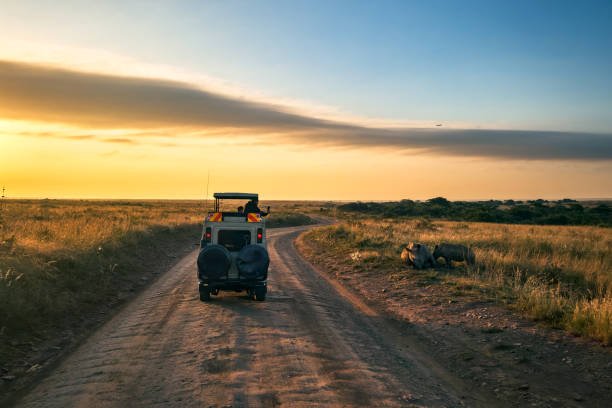
- Self-Drive: Namibia is famous for its self-drive safaris. Most major attractions are accessible via a network of gravel roads. A 4×4 vehicle is highly recommended, especially if venturing off main routes or during the wet season. Ensure you have a good spare tire and understand basic gravel road driving techniques. This is a popular choice for independent travelers in 2026-2027.
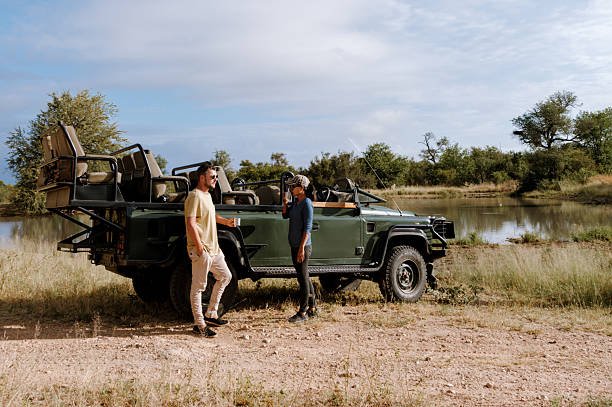
- Guided Tours: For those who prefer not to drive, guided tours offer a hassle-free way to explore. These can range from small group safaris to private guided vehicles with experienced local guides who provide invaluable insights.
- Flying Safaris: For the ultimate convenience and to cover vast distances quickly, light aircraft transfers between lodges are an option. This is a more luxurious and expensive choice, best suited for those with limited time or seeking exclusive access.
Visa and Entry Requirements
Most visitors to Namibia do not require a visa for short stays (typically up to 90 days). However, it’s essential to check the latest requirements for your specific nationality well in advance of your 2026-2027 travels. Ensure your passport is valid for at least six months beyond your intended stay and has sufficient blank pages.
Health and Safety
Namibia is generally a safe country for tourists. Standard travel precautions are advised. Consult your doctor about necessary vaccinations and malaria precautions, especially if traveling to the northern regions during the wet season. It’s also advisable to drink bottled water and use sunscreen due to the strong sun.
Top Destinations in Namibia
Namibia’s diverse landscapes offer a wealth of incredible destinations, each with its unique charm and appeal. Planning your itinerary in 2026-2027 will involve selecting a combination of these must-see locations.
Sossusvlei and Deadvlei: The Iconic Dunes
The heart of the Namib-Naukluft Park, Sossusvlei is home to some of the highest sand dunes in the world, famous for their surreal, sculpted shapes and vibrant red-orange hues. The highlight is Deadvlei, an ancient clay pan dotted with the skeletal remains of camel thorn trees that died centuries ago, creating an otherworldly, hauntingly beautiful landscape.
- Activities: Climb Dune 45 for sunrise, explore Deadvlei, visit the Big Daddy dune (one of the tallest), and marvel at the Sesriem Canyon.
- Accommodation: Options range from campsites within the park (allowing early access to the dunes) to lodges just outside the park gates. Staying inside the park is highly recommended for the best experience.
- Travel Tip: Visit Deadvlei early in the morning to avoid the heat and capture the best light on the ancient trees. The drive into Sossusvlei requires a 4×4 or a shuttle service provided by lodges/park authorities for the last 5km of sandy track.
Etosha National Park: A Wildlife Spectacle
Etosha is Namibia’s premier wildlife sanctuary and one of Africa’s most accessible national parks. Its unique feature is the vast, shimmering Etosha Pan, a salt pan that is the main attraction for wildlife. During the dry season, animals gather at the park’s numerous waterholes, offering unparalleled opportunities for game viewing.
- Wildlife: Expect to see elephants, lions, rhinos (black and white), giraffes, zebras, wildebeest, springbok, and a vast array of birdlife.
- Activities: Game drives (self-drive or guided), birdwatching, and observing animals at floodlit waterholes are popular.
- Accommodation: The park has several rest camps (Okaukuejo, Halali, Namutoni) offering chalets and campsites, as well as numerous private lodges located just outside the park gates. Okaukuejo is famous for its floodlit waterhole.
- Travel Tip: Visit waterholes during the cooler parts of the day (early morning and late afternoon) for the best sightings. Consider staying at multiple camps within the park to experience different areas.
The Skeleton Coast: Mystical and Rugged
This remote and desolate stretch of coastline is famous for its shipwrecks, fog, and stark beauty. The Benguela Current brings cold ocean air, creating a frequent fog that rolls inland, contributing to the region’s eerie atmosphere. It’s a place of dramatic contrasts, where the desert meets the sea.
- Highlights: Cape Cross Seal Reserve (home to thousands of Cape fur seals), shipwrecks like the Zeila, and the desert-adapted wildlife found in the northern parts of the park.
- Activities: Scenic flights, exploring coastal landscapes, visiting seal colonies, and photography. Access to the interior of the Skeleton Coast National Park is often restricted and requires permits, with most visitors experiencing it via guided tours or fly-in safaris.
- Accommodation: Limited, often exclusive lodges like Skeleton Coast Camp or the iconic Shipwreck Lodge, catering to those seeking a truly remote experience.
Damaraland: Ancient Landscapes and Culture
Damaraland is a vast, rugged region characterized by granite kopjes, rolling hills, and dry riverbeds. It’s an area rich in geological wonders and ancient human history, famously home to the unique desert-adapted elephants and the semi-nomadic Himba people.
- Key Sites: Twyfelfontein (a UNESCO World Heritage Site with thousands of ancient rock engravings), the Organ Pipes, Burnt Mountain, and the Petrified Forest.
- Wildlife: Keep an eye out for desert-adapted elephants, black rhinos, and unique desert-dwelling species. Guided nature drives are excellent for spotting these.
- Cultural Experiences: Visiting a traditional Himba village offers a profound insight into their enduring way of life. Ensure such visits are arranged ethically and respectfully through reputable tour operators.
- Accommodation: A mix of lodges and campsites, often blending into the dramatic landscape.
Swakopmund and Walvis Bay: Coastal Adventures
These neighboring coastal towns offer a refreshing contrast to the desert interior. Swakopmund, with its German colonial architecture, is a charming base for a variety of adventure activities. Walvis Bay, a major port, is renowned for its abundant birdlife and marine activities.
- Activities: Dolphin and seal cruises in Walvis Bay, kayaking, sandboarding, quad biking in the dunes, scenic flights over the coast and dunes, and exploring the town of Swakopmund.
- Wildlife: Walvis Bay lagoon is a Ramsar site, attracting flamingos, pelicans, and other seabirds. Marine life includes seals, dolphins, and whales (seasonal).
- Accommodation: A wide range of hotels, guesthouses, and apartments are available.
The Caprivi Strip: A Different Kind of Namibia
Stretching across the northeastern corner of Namibia, the Caprivi Strip is a narrow, fertile region with a tropical climate, abundant water, and lush vegetation. It’s a stark contrast to the rest of the country, offering a more traditional safari experience with dense bush and riverine landscapes.
- National Parks: Includes Bwabwata, Mudumu, and Nkasa Rupara (formerly Lizauli) National Parks, which are part of the Kavango-Zambezi Transfrontier Conservation Area (KAZA TFCA).
- Wildlife: Home to elephants, hippos, crocodiles, buffalo, and a rich variety of antelope and bird species. The presence of the Zambezi River makes it a prime destination for boat safaris and fishing.
- Activities: Boat safaris on the Kwando, Linyanti, and Zambezi rivers, game drives, walking safaris, and fishing.
- Accommodation: Lodges and campsites are scattered throughout the region, often situated along the riverbanks.
- Travel Note: This region receives more rainfall and can be more challenging to access during the wet season. Malaria precautions are particularly important here.
Crafting Your Namibia Itinerary: Popular Routes and Durations
Designing the perfect Namibia trip in 2026-2027 involves balancing your interests, time, and budget. Here are some popular itinerary structures:
The Classic Namibia: 10-14 Days
This is the most popular timeframe, covering the essential highlights for a first-time visitor.
- Day 1-3: Windhoek (arrival, vehicle pickup, last-minute supplies) & drive to Sossusvlei region.
- Day 3-5: Sossusvlei & Deadvlei exploration.
- Day 5-6: Drive to Swakopmund/Walvis Bay.
- Day 6-8: Swakopmund/Walvis Bay activities (coastal adventure).
- Day 8-11: Drive to Etosha National Park (Southern or Central area).
- Day 11-13: Etosha game drives.
- Day 13-14: Drive back to Windhoek for departure.
Variations: You can swap Etosha for Damaraland or add a day in Windhoek for city exploration.
The Comprehensive Namibia: 14-21 Days
This longer duration allows for a more relaxed pace and inclusion of more diverse regions.
- Day 1-2: Windhoek (arrival, preparations).
- Day 2-4: Drive to Sossusvlei region, explore dunes.
- Day 4-5: Drive to Swakopmund/Walvis Bay.
- Day 5-7: Swakopmund/Walvis Bay activities.
- Day 7-9: Drive to Damaraland, explore Twyfelfontein, rock art, desert-adapted wildlife.
- Day 9-12: Drive to Etosha National Park, explore multiple camps and waterholes.
- Day 12-14: Drive towards the Caprivi Strip or continue exploring Etosha/Damaraland.
- Day 14-17: Caprivi Strip exploration (boat safaris, parks). (Optional: substitute with Skeleton Coast fly-in or extended Damaraland stay).
- Day 17-20: Drive back towards Windhoek, potentially via a private game reserve in the Kalahari or central Namibia.
- Day 20-21: Windhoek departure.
Considerations for 2026-2027: For longer trips, booking accommodations and vehicle rentals well in advance is essential. If driving the Caprivi during the wet season, ensure your vehicle is suitable and routes are open.
Specialized Namibia Trips
Beyond standard routes, Namibia caters to specific interests:
- Photographic Safaris: Focus on optimal light, wildlife concentrations, and iconic landscapes, often with longer stays in key areas.
- Adventure Trips: Emphasize activities like quad biking, sandboarding, climbing dunes, and exploring remote canyons.
- Cultural Tours: Prioritize visits to Himba villages, San rock art sites, and interactions with local communities.
- Luxury Fly-in Safaris: Cover vast distances quickly, staying at high-end lodges with exclusive experiences. Ideal for those with limited time or seeking ultimate comfort.
Wildlife Viewing in Namibia: Beyond Etosha
While Etosha National Park is Namibia’s crown jewel for wildlife, the country offers many other opportunities to encounter its unique fauna, particularly species adapted to arid environments.
- Desert-Adapted Elephants: Found in Damaraland and along the northern edge of the Namib Desert, these elephants are larger and have longer legs than their savanna cousins, adapted to trek long distances between sparse water sources. Tracking them on guided drives is a remarkable experience.
- Black Rhinos: Damaraland is one of the last strongholds for the endangered desert-black rhino. Conservation efforts have been successful, and guided rhino-tracking excursions offer a chance to see these magnificent creatures in their natural, harsh habitat.
- Skeleton Coast Wildlife: Despite its harshness, the Skeleton Coast supports life. Besides the massive seal colonies at Cape Cross, you might spot jackals, brown hyenas, and perhaps even lions or desert-adapted elephants that venture towards the coast.
- Marine Life: Walvis Bay offers fantastic opportunities to see seals, dolphins, whales (seasonal), and a plethora of seabirds on boat tours.
- Caprivi Strip: This region is teeming with wildlife, including large herds of elephants, hippos, crocodiles, buffalo, and a variety of antelope. It offers a more water-centric wildlife viewing experience compared to the rest of Namibia.
Activities and Adventures in Namibia
Namibia is an adventurer’s paradise, offering a wide array of activities that let you experience its unique landscapes firsthand.
Desert Adventures
- Dune Climbing: Ascend iconic dunes like Dune 45 and Big Daddy in Sossusvlei for sunrise or sunset. The changing light paints the sand in impressive colours.
- Hot Air Ballooning: Experience the vastness of the Namib Desert from above with a sunrise hot air balloon safari, often followed by a champagne breakfast in the desert.
- Quad Biking & Sandboarding: Near Swakopmund, these adrenaline-pumping activities allow you to race across the sand dunes.
- Scenic Flights: Take a flight over the Sossusvlei dunes, the Skeleton Coast, or the vast desert landscapes for a unique perspective.
Wildlife Encounters
- Game Drives: Explore Etosha National Park and other reserves in 4×4 vehicles, either self-driving or with a guide.
- Walking Safaris: In areas like Damaraland or private conservancies, guided walks offer a chance to connect with the environment and track smaller details.
- Boat Safaris: A highlight of the Caprivi Strip, offering close-up views of hippos, crocodiles, elephants, and abundant birdlife along the rivers.
Cultural Exploration
- Himba Villages: Visit traditional Himba settlements in Damaraland for an insight into their unique customs and way of life. Ensure these visits are conducted ethically and respectfully.
- Twyfelfontein Rock Art: Explore this UNESCO World Heritage Site and marvel at the ancient rock engravings created by the San people thousands of years ago.
- Local Markets: Experience local life and perhaps find unique crafts in towns like Windhoek or Swakopmund.
Practical Considerations for 2026-2027 Travel
As you finalize your plans for Namibia in 2026 or 2027, keep these practical details in mind:
Accommodation Styles
Namibia offers a wide spectrum of accommodation:
- Luxury Lodges: Offering high-end amenities, fine dining, private guides, and stunning locations, often in private reserves.
- Mid-Range Lodges & Guesthouses: Comfortable and well-appointed, providing a good balance of service and value.
- Safari Camps: Often tented, providing a more intimate connection with nature, ranging from comfortable to rustic.
- Self-Catering Bungalows & Chalets: Common in national parks and towns, offering more independence.
- Camping: Namibia has excellent campsites, from basic facilities to those with pools and restaurants, a popular choice for self-drivers.
Driving in Namibia
Self-driving is a popular and rewarding way to see Namibia, but it requires preparation.
- Vehicle Choice: A 4×4 vehicle is highly recommended for most itineraries, especially those including Sossusvlei’s sandy tracks, Damaraland, or the Caprivi. A robust SUV might suffice for main routes only. Book your rental vehicle well in advance for 2026-2027.
- Road Conditions: Most roads outside urban areas are gravel. Drive cautiously, reduce speed when approaching bends, and be aware of loose stones and corrugations. Always carry at least one, preferably two, spare tires.
- Fuel: Fuel stations can be sparse in remote areas. Always fill up when you have the opportunity, and carry extra fuel if undertaking long, remote drives.
- Navigation: While roads are generally well-marked, a GPS device or reliable offline maps on your phone are invaluable.
- Driving Times: Distances are vast. Factor in ample driving time between destinations, typically 4-6 hours or more between major points. Avoid driving after dark due to wildlife on roads and poor visibility.
Connectivity and Communication
Internet access and mobile phone reception can be limited, especially in remote areas. Many lodges offer Wi-Fi, but it may be slow or intermittent. Purchasing a local SIM card upon arrival can be useful for staying connected in towns and along major routes.
Currency and Payments
The Namibian Dollar (NAD) is pegged to the South African Rand (ZAR), and both are accepted. ATMs are available in major towns, but carrying some cash is advisable, especially for smaller establishments or remote areas. Credit cards are accepted at most lodges, hotels, and larger shops.
Packing Essentials
Pack light, practical clothing, focusing on layers.
- Clothing: Neutral colours (khaki, beige, olive) are best for game viewing. Include light long-sleeved shirts and trousers for sun and insect protection, t-shirts, shorts, a warm fleece or jacket for cool evenings and mornings, and a windbreaker.
- Footwear: Comfortable walking shoes or hiking boots, plus sandals or flip-flops.
- Sun Protection: High SPF sunscreen, a wide-brimmed hat, and sunglasses are essential.
- Health: Insect repellent (with DEET), a basic first-aid kit, and any personal medications.
- Photography: Camera with extra batteries and memory cards, binoculars are a must for wildlife viewing.
- Other: Headlamp or torch, reusable water bottle, and a good book for downtime.
Namibia vs. Other Southern African Destinations
While Namibia offers unique desert landscapes and wildlife, it’s helpful to compare it with other popular Southern African destinations like Tanzania, Botswana, and South Africa for those planning their ultimate safari or adventure in 2026-2027.
| Feature | Namibia | Tanzania (e.g., Serengeti) | Botswana (e.g., Okavango Delta) | South Africa (e.g., Kruger) |
|---|---|---|---|---|
| Landscape | Vast deserts, dunes, rugged mountains, coastline, dry riverbeds. | Rolling savannas, acacia woodlands, mountains, Great Rift Valley. | Inland delta, waterways, floodplains, Kalahari Desert fringes. | Bushveld, savanna, mountains, coastal areas. |
| Wildlife Focus | Desert-adapted species (elephants, rhinos), large herds in Etosha, marine life, seals. | Great Migration, Big Five, diverse savanna fauna, birdlife. | Abundant Big Five, predators, diverse delta species, birdlife. | High density of Big Five, diverse savanna wildlife, birdlife. |
| Travel Style | Excellent for self-drive, diverse activities (dune climbing, adventure sports), cultural visits. | Primarily guided safaris (vehicle, walking), cultural interactions (Maasai). | Primarily guided safaris (vehicle, mokoro, boat), exclusive lodges. | Self-drive & guided safaris, diverse accommodation, self-catering options. |
| Best For | Landscape photographers, self-drive enthusiasts, adventure seekers, those seeking solitude. | Classic safari experience, Great Migration, diverse ecosystems. | Luxury safari, unique water-based game viewing, pristine wilderness. | First-time safari-goers, diverse budgets, self-drive accessibility. |
| Key Unique Selling Points | Sossusvlei dunes, Skeleton Coast, desert-adapted wildlife, stark beauty. | Serengeti, Ngorongoro Crater, Kilimanjaro, Zanzibar. | Okavango Delta, Chobe River, high exclusivity, low-volume tourism. | Kruger National Park, Garden Route, Cape Town, varied landscapes. |
| Cost Factor (General) | Mid-range to High (self-drive can be more affordable). | Mid-range to High (especially private lodges). | High to Very High (exclusive, low-impact tourism model). | Budget to High (wide range of options). |
| Ideal Trip Length (Highlights) | 10-14 days | 7-10 days (for Serengeti/Ngorongoro) | 4-7 days (for Delta/Chobe) | 5-7 days (for Kruger) |
While Top Guide Adventures specializes in Tanzania, we recognize that Namibia offers a distinct, equally compelling, and profoundly beautiful African experience. Understanding these differences helps travelers make the best choice for their 2026-2027 adventure.
Responsible Tourism in Namibia
Namibia’s natural and cultural heritage is precious. Practicing responsible tourism ensures its preservation for future generations and enhances your own experience.
- Respect Wildlife: Maintain a safe distance from animals, never feed them, and avoid disturbing their natural behavior. In Etosha, stay in your vehicle at waterholes if animals are present.
- Support Local Communities: Purchase authentic crafts directly from artisans, choose tour operators that employ local guides, and visit cultural villages respectfully, always asking permission before taking photos.
- Minimize Environmental Impact: Stick to marked roads and trails, avoid littering, conserve water (a precious resource in Namibia), and use biodegradable products where possible.
- Ethical Wildlife Viewing: Choose tour operators who adhere to strict ethical guidelines, particularly when it comes to tracking endangered species like rhinos or visiting community projects.
Booking Your Namibia Adventure with Confidence
Planning a trip to Namibia for 2026 or 2027 can feel complex due to the distances and unique travel requirements. Working with experienced tour operators can simplify the process and ensure you have a well-organized and memorable journey.
While Top Guide Adventures is renowned for its expertly crafted Tanzania tours, our network and understanding of African travel mean we can guide you towards the best experiences. For Namibia, we recommend:
- Early Booking: For travel in 2026-2027, especially during peak season (dry season), book your flights, accommodations, and rental vehicles at least 6-12 months in advance. Popular lodges and specific vehicles get booked up quickly.
- Tailor-Made Itineraries: Whether you prefer a self-drive adventure or a fully guided tour, a customized itinerary ensures your trip aligns with your interests, pace, and budget.
- Choosing the Right Operator: Look for operators with extensive knowledge of Namibia, good reviews, and a commitment to responsible tourism.
For those ready to explore the wonders of Namibia, or if you have questions about how it compares to other African destinations, do not hesitate to reach out. We are here to help you plan your next great adventure.
Contact Top Guide Adventures for personalized advice on planning your dream Namibia trip for 2026-2027. You can reach us via WhatsApp at +255616946642 or by email at info@topguideadventures.com.
Check Availability for Namibia: Your Ultimate Guide To Unforgettable Adventures In 2026-2027
Ready to compare dates, prices, and the best option for your group? Send the package name and travel month so the team can reply with a clear quote, availability, and what is included.
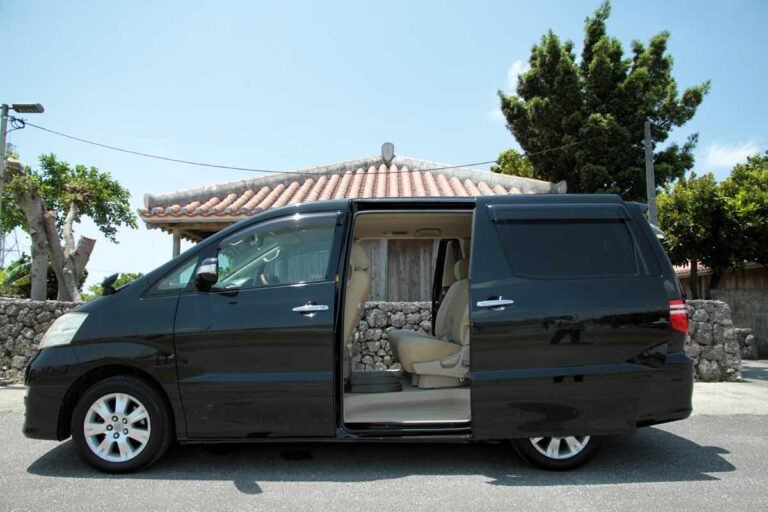
Namibia Road Trip Cost And Itinerary: Your Ultimate Guide 2026-2027
Discover the essential costs and a comprehensive itinerary for an unforgettable Namibia road trip. This guide provides budget insights, route planning, and practical advice for your...
View package detailsSkeleton Coast Adventure: Namibias Wild Atlantic Frontier In 2026-2027
Discover the enigmatic Skeleton Coast of Namibia, a remote and rugged stretch of coastline where the Namib Desert meets the Atlantic Ocean. This guide details adventure tours, unique...
View package details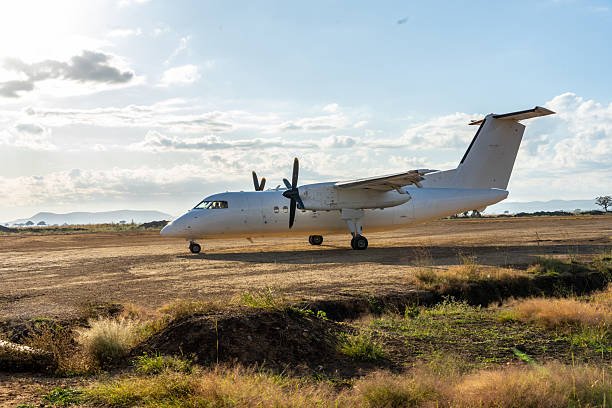
Namibia Desert And Wildlife Safari: Ultimate Guide For 2026-2027
Explore the dramatic landscapes and abundant wildlife of Namibia on an unforgettable desert and wildlife safari. This comprehensive guide covers top destinations, best times to visit...
View package detailsNo related package matches those filters. Clear one or more filters to see the other topic-matched options.



