
A Kalahari Desert wildlife experience offers a unique opportunity to witness animals adapted to arid conditions, including meerkats, desert-adapted lions, oryx, and springbok, often viewed from specialized safari vehicles or hides, particularly in protected areas like Botswana’s Central Kalahari Game Reserve and Namibia’s Kgalagadi Transfrontier Park. Planning for a 2026 or 2027 trip with Top Guide Adventures ensures access to expert guides who navigate these vast, remote landscapes to maximize your chances of incredible animal sightings and a truly memorable desert safari.
Understanding the Kalahari: A Unique Wildlife Haven
The Kalahari Desert, a vast semi-arid sandy savanna in Southern Africa, covers parts of Botswana, Namibia, and South Africa. Unlike typical sandy deserts, much of the Kalahari is characterized by red sand dunes, sparse vegetation, and a surprising resilience of life. This unique environment supports a distinct array of wildlife that has evolved to thrive in its challenging conditions, making a Kalahari Desert wildlife experience a profoundly different safari adventure compared to the lush savannas of East Africa. The sheer scale and emptiness of the landscape are as much a part of the allure as the animals themselves.
For travelers in 2026 and 2027 seeking an authentic and less crowded African safari, the Kalahari presents an unparalleled option. Its remoteness means fewer tourists, allowing for more intimate wildlife encounters and a deeper connection with the natural world. Top Guide Adventures specializes in crafting journeys to these remote regions, ensuring you experience the magic of the Kalahari with expert guidance and personalized care.
Key Wildlife Species of the Kalahari
The Kalahari’s wildlife is a testament to adaptation. While it may not boast the overwhelming numbers of iconic species found in other African parks, the quality and uniqueness of the sightings are exceptional. Understanding these animals and their behaviors is crucial for appreciating the Kalahari Desert wildlife experience.
The Majestic Kalahari Lion
Perhaps the most famous inhabitant is the Kalahari lion. These magnificent predators are larger than their savanna counterparts, with darker manes, believed to be an adaptation to the cooler desert climate. They are skilled hunters, preying on gemsbok, springbok, and other large herbivores. Observing a Kalahari lion, especially during a dramatic desert sunset, is a highlight for any visitor. Their ability to survive with limited water sources is remarkable, often obtaining most of their moisture from their prey.
Meerkats: The Social Sentinels
No Kalahari safari is complete without encountering the charming meerkat. These small, highly social mongooses live in complex underground burrow systems. You’ll often see them standing on their hind legs, acting as sentinels to watch for predators while others forage for insects, scorpions, and small reptiles. Their playful antics and cooperative social structure are fascinating to observe. Some lodges offer dedicated meerkat experiences, allowing for close, respectful observation.
Oryx (Gemsbok): Masters of the Desert
The oryx, or gemsbok, is an iconic symbol of the Kalahari. These striking antelope are perfectly adapted to the arid conditions, with long, straight horns and a distinctive black and white facial pattern. They can survive for extended periods without drinking water, deriving most of their hydration from the plants they eat. Their ability to regulate body temperature is extraordinary, allowing them to remain active during the heat of the day when other animals seek shade.
Springbok: Grace and Speed
Springbok are abundant in the Kalahari and are known for their incredible speed and the unique behavior called ‘pronking’ – leaping high into the air with an arched back and stiff legs. This display is thought to signal fitness to predators or communicate excitement. Watching a herd of springbok bound across the open plains is a truly graceful sight.
Other Notable Mammals
Beyond these highlights, the Kalahari is home to a diverse range of other mammals:
- Cheetah: While more elusive than in other regions, cheetahs are present and adapted to hunting in the open desert landscape.
- Leopard: These stealthy big cats are primarily nocturnal and can be found in areas with more cover, such as dry riverbeds.
- Brown Hyena: A solitary and often misunderstood predator, the brown hyena plays a vital role as a scavenger and predator.
- Wild Dog: Though rare, packs of African wild dogs can sometimes be encountered, showcasing their incredible pack hunting strategies.
- Aardvark and Aardwolf: These nocturnal, insectivorous mammals are fascinating to learn about, though sightings are rare.
- Various smaller mammals: Including bat-eared foxes, jackals, suricates, ground squirrels, and numerous antelope species like hartebeest, wildebeest, and kudu.
Reptiles and Birds
The Kalahari’s avian and reptilian life is also noteworthy. Birdwatchers can spot species like the ostrich, secretary bird, various raptors, and desert-adapted larks and finches. Reptiles include several species of snakes, lizards, and the iconic monitor lizard.
Prime Locations for a Kalahari Desert Wildlife Experience
The Kalahari is vast, and different regions offer unique advantages for wildlife viewing. Top Guide Adventures focuses on the most rewarding areas, ensuring an optimal Kalahari Desert wildlife experience for our clients in 2026 and 2027.
Botswana: Central Kalahari Game Reserve (CKGR)
The Central Kalahari Game Reserve is the largest proclaimed game reserve in the world, offering a truly wild and remote experience. It’s renowned for its vast open spaces, dramatic sand dunes, and incredible wildlife concentrations, especially during the rainy season (typically November to April) when the desert blooms and attracts large numbers of herbivores. Key species here include desert-adapted lions, cheetahs, leopards, hyenas, meerkats, springbok, oryx, and hartebeest. The CKGR is ideal for those seeking solitude and a genuine wilderness adventure.
Namibia & South Africa: Kgalagadi Transfrontier Park
This park, formed by the merging of Botswana’s Kalahari Gemsbok National Park and South Africa’s Gemsbok National Park, is a prime destination for a Kalahari Desert wildlife experience. The park is particularly famous for its large, black-maned Kalahari lions, as well as cheetahs, leopards, meerkats, and a high density of raptors. The dry riverbeds of the Auob and Nossob rivers act as wildlife corridors, concentrating game. The Kgalagadi offers a more accessible yet still wild desert safari experience, with well-maintained camps and roads suitable for self-drive or guided tours.
Other Kalahari Regions
While the CKGR and Kgalagadi are the premier wildlife destinations, other areas in Botswana and Namibia offer glimpses of Kalahari wildlife, often combined with other experiences. These might include private concessions or areas near lodges that offer specialized desert excursions.
Planning Your Kalahari Desert Wildlife Experience: The Best Time to Visit
The timing of your visit significantly impacts your Kalahari Desert wildlife experience. The Kalahari has distinct seasons, each offering different viewing opportunities and atmospheric conditions.
The Green Season (Rainy Season): November to April
This is when the Kalahari truly comes alive. The sparse vegetation turns green, waterholes are plentiful, and migratory birds arrive. This season is excellent for spotting predators, as herbivores gather to graze and give birth. The landscape is visually stunning, with dramatic skies and vibrant colors. However, be prepared for occasional heavy rains, which can make some tracks impassable, especially in the CKGR. This is also the best time for birdwatching.
The Dry Season: May to October
During the dry season, the vegetation thins out, and animals are more concentrated around the remaining water sources. This makes spotting wildlife, particularly larger mammals and predators, generally easier. The weather is typically clear and sunny, with cooler temperatures, especially in June and July. This is often considered the peak season for game viewing in the Kalahari. The absence of rain also means tracks are more reliable, making access easier.
For 2026 and 2027 planning:
- Peak Wildlife Viewing: Aim for the dry season, June to October 2026 and June to October 2027, for the best chances of concentrated game sightings.
- Lush Landscapes & Birding: If you prefer greener scenery and excellent birding opportunities, the green season, November 2026 to April 2027, is ideal.
- Shoulder Seasons: May 2026/2027 and October 2026/2027 can offer a good balance of favorable weather and wildlife, often with fewer crowds and potentially better rates.
Safari Styles in the Kalahari
Top Guide Adventures offers various safari styles to suit different preferences and budgets for your Kalahari Desert wildlife experience in 2026-2027.
Guided Camping Safaris
These safaris offer a more adventurous and in-depth experience. You’ll travel with a knowledgeable guide and crew, often in specially equipped 4×4 vehicles. Accommodation is in comfortable, often mobile, campsites, providing a close-to-nature feel without sacrificing essential comforts. Meals are prepared by camp staff, allowing you to focus entirely on the wildlife and landscape.
Lodge-Based Safaris
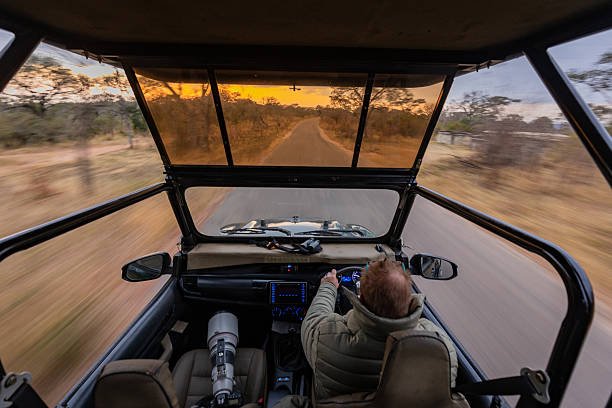
For those seeking more comfort and amenities, lodge-based safaris are an excellent choice. You’ll stay in established lodges or tented camps, ranging from rustic to luxurious. Activities typically include game drives in open safari vehicles led by experienced guides, guided walks, and sometimes cultural visits. Lodges often have facilities like swimming pools, restaurants, and bars.
Self-Drive Safaris
The Kgalagadi Transfrontier Park is particularly well-suited for self-drive tours, especially for experienced 4×4 drivers. This offers the ultimate freedom and flexibility. However, it requires careful planning, including vehicle preparation, route mapping, and ensuring you have adequate supplies. Top Guide Adventures can assist with vehicle rental and itinerary planning for self-drive adventures in 2026 or 2027.
Combination Safaris
Many travelers choose to combine a Kalahari experience with other iconic Southern African destinations, such as the Okavango Delta, Chobe National Park, Victoria Falls, or even Cape Town. Top Guide Adventures excels at creating smooth multi-destination itineraries that showcase the diversity of Southern Africa.
Activities During Your Kalahari Desert Wildlife Experience
Beyond traditional game drives, the Kalahari offers unique activities that enrich the wildlife viewing experience.
Game Drives
These are the cornerstone of any Kalahari safari. Expert guides use their knowledge of animal behavior and the terrain to track wildlife. Morning, afternoon, and sometimes night drives (where permitted) offer different viewing opportunities as animals’ activity patterns change throughout the day. Expect to search for lions, cheetahs, oryx, springbok, and the smaller, fascinating desert dwellers.
Guided Bush Walks
In certain areas and camps, guided walking safaris are offered. These provide an intimate perspective on the desert’s smaller details – tracking animal spoor, identifying plants and their uses, and learning about the ecosystem on foot. This is an excellent way to appreciate the survival strategies of desert life.
Stargazing
The Kalahari’s remote location and lack of light pollution create some of the most spectacular night skies on Earth. On clear nights, the Milky Way is vividly visible, and constellations appear brighter than almost anywhere else. Many camps offer guided stargazing sessions, providing an unforgettable celestial experience.
Cultural Encounters
The Kalahari is home to indigenous peoples, most notably the San (Bushmen). Some tours may offer opportunities for respectful cultural interactions, learning about their ancient traditions, survival skills, and deep connection to the land. These experiences are arranged thoughtfully to ensure authenticity and benefit the communities involved.
What to Pack for Your Kalahari Safari
Packing correctly is essential for comfort and safety during a Kalahari Desert wildlife experience. Layers are key due to significant temperature fluctuations between day and night.
- Clothing: Neutral-colored, lightweight, breathable clothing (khaki, beige, olive green). Include long-sleeved shirts and trousers for sun protection and cooler evenings. A warm fleece or jacket is essential for cold mornings and nights, especially during the dry season.
- Footwear: Comfortable walking shoes or hiking boots, plus sandals or flip-flops for camp.
- Sun Protection: Wide-brimmed hat, sunglasses, and high SPF sunscreen are non-negotiable.
- Insect Repellent: Especially important during the warmer months.
- Camera Gear: Bring extra batteries, memory cards, and a good zoom lens. A tripod can be useful for low-light photography.
- Binoculars: Essential for spotting wildlife at a distance.
- First-Aid Kit: Include personal medications, pain relievers, antiseptic wipes, and blister treatment.
- Reusable Water Bottle: Staying hydrated is crucial in the desert.
- Headlamp or Torch: Useful for navigating camps at night.
- Adapter: For charging electronics (check voltage and plug type for your specific accommodation).
Top Guide Adventures can provide a detailed packing list tailored to your specific itinerary for 2026 or 2027.
Health and Safety Considerations
Your safety and well-being are paramount. Top Guide Adventures prioritizes safe travel practices.
Malaria Precautions
While the risk of malaria is generally lower in the arid Kalahari compared to more humid regions, it’s not non-existent, especially during the warmer, wetter months. Consult your doctor or a travel clinic well in advance of your 2026-2027 trip regarding malaria prophylaxis and other recommended vaccinations.
Sun Safety
The desert sun is intense. Always wear sun protection, drink plenty of water, and avoid strenuous activity during the hottest parts of the day.
Wildlife Encounters
Always follow the instructions of your guide. Maintain a safe distance from all wildlife, especially predators and large herbivores. Never feed animals, and do not approach them on foot unless with a qualified guide.
Remote Locations
The Kalahari is vast and remote. Ensure your vehicle is in good condition if self-driving, carry sufficient water and supplies, and inform someone of your travel plans. Top Guide Adventures’ guided tours handle all logistical and safety aspects, providing peace of mind.
Why Choose Top Guide Adventures for Your Kalahari Safari in 2026-2027?
Choosing the right tour operator is crucial for an exceptional Kalahari Desert wildlife experience. Top Guide Adventures stands out for several reasons:
- Expert Local Knowledge: Our guides are deeply familiar with the Kalahari’s ecosystems, wildlife behavior, and optimal viewing locations. They are passionate about sharing their knowledge and ensuring you have meaningful encounters.
- Personalized Itineraries: We don’t believe in one-size-fits-all. We work closely with you to design a tailor-made itinerary that matches your interests, budget, and travel style for your 2026 or 2027 adventure.
- Commitment to Sustainability: We operate responsibly, respecting the environment and supporting local communities. We aim to provide authentic experiences that contribute positively to conservation efforts.
- Safety First: Your safety is our top priority. We adhere to strict safety protocols and ensure all our vehicles and equipment are well-maintained.
- Comprehensive Support: From initial inquiry to your return home, we provide dedicated support, ensuring a smooth and stress-free travel experience.
Sample Itinerary Ideas for 2026-2027
Here are a couple of sample itinerary concepts to inspire your Kalahari Desert wildlife experience. These can be fully customized by Top Guide Adventures.
Option 1: Classic Kgalagadi Explorer (7 Days)
Focus: Lions, Meerkats, Desert Adaptation, Photography
- Day 1-2: Arrive in Upington (South Africa), transfer to Kgalagadi Transfrontier Park. Settle into lodge/campsite. Afternoon game drive.
- Day 2-5: Explore the park along the Auob and Nossob riverbeds. Search for black-maned lions, cheetahs, meerkats, springbok, oryx. Enjoy morning and afternoon game drives. Opportunities for night drives.
- Day 6: Morning game drive. Depart Kgalagadi, overnight in Upington or en route back to your next destination.
- Day 7: Departure.
Best suited for: Photographers, those seeking iconic Kalahari predators.
Option 2: Botswana’s Wild Heart – CKGR Adventure (10 Days)
Focus: Remote Wilderness, Diverse Wildlife, Solitude
- Day 1: Arrive in Maun, Botswana. Transfer to lodge/campsite near the CKGR border or begin mobile camping safari.
- Day 2-8: Enter the Central Kalahari Game Reserve. Explore diverse landscapes, search for desert lions, hyenas, meerkats, oryx, springbok, and rare wild dogs. Spend nights at various campsites within the reserve or at unique lodges. Focus on tracking and experiencing true wilderness.
- Day 9: Exit CKGR. Overnight near Maun.
- Day 10: Departure from Maun.
Best suited for: Adventurous travelers seeking raw, untouched wilderness and exceptional wildlife viewing away from crowds.
These are just starting points. We can extend your trip, combine it with the Okavango Delta, or focus on specific interests like birdwatching or cultural immersion for your Kalahari Desert wildlife experience in 2026 or 2027.
Cost Considerations for a Kalahari Safari
The cost of a Kalahari Desert wildlife experience can vary significantly based on several factors. Top Guide Adventures provides transparent pricing and works within your budget.
Factors Influencing Cost:
- Duration of Safari: Longer trips naturally cost more.
- Accommodation Style: Luxury lodges are more expensive than comfortable camping or mid-range lodges.
- Location: Accessing remote areas like the CKGR often incurs higher logistical costs (e.g., charter flights, longer transfers).
- Inclusions: Park fees, meals, activities, guide services, and vehicle type all affect the price.
- Time of Year: Peak season (dry season) rates are typically higher than in the green season.
- Number of Travelers: Private safaris are more expensive per person than group or shared departures.
Budgeting for 2026-2027:
A rough estimate for a guided safari in the Kalahari can range from $350 to $1,000+ per person per day. This typically includes accommodation, park fees, meals, and guided activities. Excluded items often are international flights, visas, travel insurance, tips, and personal expenses.
General Price Guidance (Per Person Per Day):
- Budget Camping Safari: $300 – $500
- Mid-Range Lodge/Tented Camp: $500 – $800
- Luxury Lodge/Exclusive Concession: $800 – $1,500+
Note: These are indicative ranges for 2026-2027. For precise pricing and a tailored quote for your dream Kalahari adventure, please contact Top Guide Adventures directly.
We recommend booking your Kalahari safari well in advance, especially for peak season travel in 2026 and 2027, to secure availability and preferred accommodations. Early booking also allows for better planning and potential cost savings.
The Future of Kalahari Wildlife Conservation
The Kalahari Desert wildlife experience is intrinsically linked to conservation efforts. Protecting this unique ecosystem is vital for the survival of its specialized inhabitants.
- Community Involvement: Successful conservation relies on the support and involvement of local communities. Initiatives that provide economic benefits through tourism encourage sustainable practices.
- Anti-Poaching Efforts: Protecting wildlife from illegal hunting remains a critical challenge. Ranger patrols and community engagement are key to combating poaching.
- Habitat Protection: Designating and effectively managing protected areas like the CKGR and Kgalagadi Transfrontier Park is crucial for preserving the Kalahari’s delicate environment.
- Climate Change Adaptation: Understanding and mitigating the impacts of climate change on desert ecosystems is an ongoing challenge, requiring adaptive management strategies.
By choosing responsible tour operators like Top Guide Adventures, you contribute directly to these conservation efforts, ensuring that future generations can also marvel at the resilience and beauty of Kalahari wildlife.
Ready for Your Unforgettable Kalahari Desert Wildlife Experience?
The Kalahari Desert offers a safari experience unlike any other. Its vast, silent landscapes, unique wildlife, and profound sense of wilderness create memories that last a lifetime. Whether you dream of witnessing the iconic black-maned lions, the comical meerkats, or simply soaking in the immense beauty of the desert, Top Guide Adventures is your trusted partner in planning the perfect journey for 2026 or 2027.
We are dedicated to providing personalized service, expert guidance, and unforgettable adventures across Tanzania and Southern Africa. Let us help you craft your ideal Kalahari Desert wildlife experience, filled with authentic encounters and smooth logistics.
Contact us today to start planning:
- WhatsApp: +255616946642
- Email: info@topguideadventures.com
- Backup Email: info@topguideadventures.com
Explore more about our safaris and adventures on our website: Top Guide Adventures.
Check Availability for Kalahari Desert Wildlife Experience: Your Ultimate Guide For 2026-2027
Ready to compare dates, prices, and the best option for your group? Send the package name and travel month so the team can reply with a clear quote, availability, and what is included.



