
When comparing Tunisia vs Morocco for North African adventure tours in 2026-2027, Tunisia often presents a more compact, historically rich experience with Roman ruins, Mediterranean coastlines, and accessible Saharan excursions, while Morocco offers a grander scale of diverse landscapes including higher mountains, vast deserts, and more extensive imperial cities, both providing unique cultural immersion and adventure opportunities.
Tunisia vs Morocco: An In-Depth North Africa Adventure Comparison for 2026-2027
The allure of North Africa for adventure travelers is undeniable. With its interesting blend of ancient history, vibrant cultures, diverse landscapes, and warm hospitality, it promises journeys that linger long after you return home. For many, the primary contenders for an unforgettable North African adventure are Tunisia and Morocco. Both nations share proximity and certain cultural threads, yet they offer distinct experiences that cater to different traveler preferences and adventure styles. This comprehensive guide aims to provide a detailed comparison to help you decide which destination aligns best with your vision for a 2026-2027 adventure tour.
At Top Guide Adventures, while our primary expertise lies in the impressive safaris and Kilimanjaro climbs of Tanzania, we understand the broader context of African travel. Many adventurers looking for a multi-country experience or an alternative to East Africa often consider North Africa. Therefore, we’ve curated this detailed comparison, drawing on extensive knowledge of the region’s travel potential, to equip you with the information needed to plan your ideal Tunisia or Morocco adventure.
We will explore everything from historical significance and geographical diversity to the specific types of adventure tours available, the best times to visit in 2026 and 2027, and the practicalities of travel in each country. Whether your heart beats for the vastness of the Sahara, the echoes of Roman empires, the maze-like medinas, or the rugged Atlas Mountains, this guide will help you navigate the nuances of a Tunisia vs Morocco travel decision.
Historical mix: Echoes of Empires and Civilizations
Both Tunisia and Morocco are steeped in millennia of history, offering travelers a chance to walk through the remnants of powerful civilizations. Understanding this historical depth is crucial for appreciating the context of any adventure tour.
Tunisia: A Crossroads of Antiquity
Tunisia’s history is particularly notable for its significant Roman heritage. As the former province of Africa Proconsularis, it boasts some of the most well-preserved Roman ruins outside of Italy.
- Carthage: The ancient Phoenician capital, famously destroyed by Rome, offers fascinating archaeological sites. Visitors can explore the Punic harbors, Roman baths, and amphitheaters, providing a tangible link to a powerful ancient empire.
- El Jem Amphitheatre: Arguably the most impressive Roman amphitheater in North Africa, El Jem is a UNESCO World Heritage site that rivals the Colosseum in Rome in its grandeur and state of preservation. It’s a must-see for history enthusiasts.
- Dougga (Thugga): Another UNESCO site, Dougga is an exceptionally well-preserved Roman-Berber town, offering a glimpse into daily life during the Roman era with its capitol, temples, and public buildings.
Beyond the Romans, Tunisia has been shaped by Phoenicians, Vandals, Byzantines, Arabs, Ottomans, and French. This layering of cultures is evident in its architecture, cuisine, and traditions. The medinas of Tunis and Kairouan are vibrant testaments to Arab-Islamic heritage, while coastal towns like Sidi Bou Said showcase Mediterranean influences.
Morocco: A Melting Pot of Cultures
Morocco’s history is a rich mix woven from Berber, Arab, Andalusian, and Saharan influences, punctuated by periods of powerful dynasties and significant trade routes.
- Imperial Cities: Cities like Marrakesh, Fes, Meknes, and Rabat are UNESCO World Heritage sites, each serving as ancient capitals. They are renowned for their intricate medinas, grand palaces, historic mosques, and vibrant souks, showcasing centuries of architectural and cultural evolution.
- Berber Heritage: The indigenous Berber people have a history stretching back thousands of years. Their unique culture, languages, and traditions are still very much alive, particularly in the Atlas Mountains and the Sahara, offering deep cultural immersion opportunities.
- Andalusian Influence: Following the Reconquista in Spain, many Moors and Jews fled to Morocco, bringing with them sophisticated architectural styles and cultural practices, most notably visible in cities like Tetouan and parts of Fes.
Morocco’s strategic location has made it a historical crossroads for trade and migration, resulting in a complex and fascinating cultural blend that is palpable throughout the country.
Historical Comparison Summary
For travelers whose primary interest is ancient history, particularly Roman civilization, Tunisia offers unparalleled accessibility and preservation. Morocco, while rich in Islamic and Berber history, presents a different kind of historical immersion, focusing more on medieval Islamic dynasties and indigenous cultures.
Geographical Diversity and Adventure Landscapes
The physical landscapes of Tunisia and Morocco are as different as their historical narratives, each offering unique environments for adventure.
Tunisia: Mediterranean Charm and Saharan Sands
Tunisia’s geography is characterized by a long Mediterranean coastline, fertile northern plains, and a transition to arid steppes and the Sahara Desert in the south.
- Coastline: Over 1,200 km of Mediterranean coast offers beautiful beaches, charming seaside towns like Hammamet and Sousse, and historical port cities. Water sports and coastal exploration are popular here.
- Atlas Mountains (Northern): The northern mountain ranges are greener and more rugged, offering opportunities for hiking and exploring traditional Berber villages, though less dramatic than Morocco’s Atlas.
- Sahara Desert: The southern part of Tunisia extends into the Sahara. Key desert destinations include Douz (the “Gateway to the Sahara”), Ksar Ghilane (an oasis with hot springs), and the Matmata region, famous for its unique Berber cave dwellings. Desert adventures here typically involve camel treks, 4×4 excursions, and overnight stays in desert camps.
Tunisia’s size makes its diverse landscapes relatively accessible within a single trip, often allowing for a combination of coastal relaxation, historical exploration, and desert adventure within a 1-2 week itinerary for 2026-2027.
Morocco: Majestic Mountains, Vast Deserts, and Atlantic Coasts
Morocco boasts an extraordinary range of dramatic landscapes, from snow-capped mountains to sprawling deserts and a rugged Atlantic coastline.
- Atlas Mountains: This impressive mountain range is divided into the Middle, High, and Anti-Atlas. The High Atlas, in particular, offers spectacular trekking opportunities, including the ascent of Mount Toubkal (4,167m), North Africa’s highest peak. Berber villages dot the landscape, providing cultural encounters.
- Sahara Desert: Morocco’s Sahara is vast and iconic, with popular areas like Merzouga (Erg Chebbi) and Zagora (Erg Chigaga) offering quintessential desert experiences. Camel treks, sandboarding, 4×4 tours, and overnight stays in luxury or traditional desert camps are standard. The scale and dramatic dunes of the Moroccan Sahara are often considered more impressive than Tunisia’s.
- Atlantic Coast: Cities like Essaouira offer a windswept, bohemian vibe with excellent opportunities for surfing, kitesurfing, and windsurfing. Agadir is a popular beach resort town.
- Imperial Cities and Valleys: The contrast between the bustling imperial cities and the serene valleys (like the Ourika Valley or Dades Valley) adds another layer to Morocco’s geographical appeal.
Morocco’s expansive geography means that covering significant distances and diverse terrains often requires longer travel times, making it ideal for tours of 2-3 weeks or more for 2026-2027.
Geographical Comparison Summary
For travelers seeking dramatic mountain scenery and the most iconic desert dune experiences, Morocco is the clear winner. Tunisia offers a more accessible blend of Mediterranean coast and Saharan landscapes. If your adventure involves serious trekking or mountaineering, Morocco’s Atlas Mountains are unparalleled in North Africa.
Adventure Tour Types and Activities
Both countries offer a range of adventure activities, but the focus and scale differ significantly.
Tunisia Adventure Opportunities
Tunisian adventures often blend history with natural exploration.
- Sahara Desert Expeditions: Camel treks, 4×4 safaris to remote oases, dune bashing, and overnight camping are the main draws. These are generally less extensive than in Morocco.
- Hiking and Trekking: Limited opportunities exist in the northern mountains, offering a gentler hiking experience compared to Morocco’s Atlas.
- Water Sports: Sailing, kayaking, and diving are possible along the extensive coastline, particularly in resort areas.
- Cultural Exploration: Wandering through ancient Roman sites, exploring medinas, and visiting traditional villages form a core part of the adventure.
- Quad Biking: Popular in desert regions for a faster-paced exploration of the sandy terrain.
Tunisia’s adventures are often more about discovery and historical context within a beautiful natural setting, rather than extreme physical challenges.
Morocco Adventure Activities
Morocco is a powerhouse for diverse adventure activities.
- Trekking and Mountaineering: The Atlas Mountains are a prime destination for multi-day treks, including the challenging ascent of Mount Toubkal. Hiking through Berber villages and exploring mountain passes is a significant draw.
- Sahara Desert Treks: Extended camel treks (3-5 days or more) into the heart of the Erg Chebbi or Erg Chigaga dunes are a signature Moroccan adventure. These offer a profound sense of isolation and the magic of desert nights.
- Rock Climbing: The Todra Gorge and Dades Gorge offer impressive rock climbing opportunities.
- Kitesurfing and Windsurfing: Essaouira is a world-renowned spot for these wind-powered water sports.
- Mountain Biking: Trails exist in various regions, particularly around the Atlas Mountains.
- Canyoning: In some of the wetter mountain regions, guided canyoning trips are available.
- Cultural Immersion: Trekking through remote Berber communities, participating in a traditional cooking class, or exploring bustling souks are integral to the adventure.
Morocco caters to a wider range of adventure enthusiasts, from serious trekkers and climbers to those seeking exhilarating desert experiences and coastal sports.
Adventure Activity Comparison Summary
Morocco clearly offers a broader spectrum and higher intensity of adventure activities, especially for mountain-based pursuits and extensive desert expeditions. Tunisia provides accessible adventures focused more on historical sites and gentler natural exploration.
Culture and Local Interactions
Both countries offer rich cultural experiences, but the nature of interaction and the dominant cultural influences differ.
Tunisian Culture: Mediterranean and Arab-Islamic Blend
Tunisian culture is a blend of Arab, Berber, Mediterranean, and colonial influences.
- Hospitality: Tunisians are generally known for their warm and welcoming nature.
- Cuisine: Influenced by Mediterranean and Arab flavors, Tunisian food features couscous, tagines, fresh seafood, and delicious pastries. Harissa, a spicy chili paste, is a national staple.
- Language: Arabic is the official language, with French widely spoken due to the colonial past. English is increasingly understood in tourist areas.
- Traditions: The Islamic faith plays a significant role, influencing daily life and social customs. Visiting mosques requires modest dress.
- Medinas: Exploring the labyrinthine medinas of Tunis, Sousse, and Kairouan is a cultural adventure in itself, offering a glimpse into traditional crafts, bustling markets, and historic architecture.
Interactions are often straightforward, with a friendly but sometimes more reserved approach compared to Morocco, especially outside major tourist hubs.
Moroccan Culture: Deep Berber and Arab Roots
Moroccan culture is deeply rooted in Berber and Arab traditions, with strong influences from its history as a trading hub and a place of refuge.
- Hospitality: Moroccan hospitality is legendary. Guests are often treated with immense warmth and generosity, frequently invited for mint tea.
- Cuisine: Moroccan cuisine is world-renowned, featuring tagines, couscous, pastilla, and a wide array of aromatic spices. Mint tea is a symbol of hospitality.
- Language: Arabic and Berber are the official languages. Moroccan Arabic (Darija) is commonly spoken, and French is widely used in business and education. English is spoken in tourist centers.
- Traditions: Islam is central to Moroccan life. Modest dress is recommended, especially when visiting religious sites or rural areas. The Berber culture adds a distinct layer, with unique music, crafts, and social structures, particularly in mountain and desert communities.
- Souks: The vibrant and often chaotic souks of Marrakesh, Fes, and other cities are sensory overload – a key part of the Moroccan adventure, filled with crafts, spices, leather goods, and more. Haggling is expected.
Cultural interactions in Morocco can be more intense and in-depth, especially in the medinas and with Berber communities, offering a profound experience of North African life.
Cultural Comparison Summary
Both countries offer rich cultural experiences. Morocco’s cultural interactions might feel more vibrant and deeply rooted in Berber traditions, especially in its more remote areas. Tunisia offers a slightly more relaxed cultural exploration, with a strong emphasis on its Roman and Mediterranean heritage alongside Arab influences.
Travel Logistics and Practicalities (2026-2027 Focus)
Understanding the practical aspects of travel is key to planning a successful adventure tour for 2026-2027.
Tunisia Travel Logistics
- Getting Around: Tunisia has a decent public transport network including trains and buses connecting major cities. Louages (shared taxis) are a popular and efficient option. Renting a car is feasible, but driving can be challenging in cities. For adventure tours, organized transport is often best.
- Visa Requirements: Many nationalities can enter Tunisia visa-free for short stays. It’s crucial to check current regulations for 2026-2027.
- Currency: The Tunisian Dinar (TND). ATMs are widely available in cities, and credit cards are accepted in larger establishments.
- Safety: Generally safe for tourists, though it’s advisable to be aware of your surroundings, especially in crowded areas. Some border regions with Libya may have travel advisories.
- Best Time to Visit: Spring (March-May) and Autumn (September-November) offer pleasant temperatures for exploration. Summer (June-August) can be very hot, especially in the south. Winter (December-February) is mild but can be rainy.
Morocco Travel Logistics
- Getting Around: Morocco has an excellent train network connecting major cities. Buses (Supratours, CTM) are extensive. Grand taxis (shared long-distance taxis) and local petit taxis are common. For adventure tours, especially to remote desert areas or mountains, 4×4 vehicles and experienced guides are essential.
- Visa Requirements: Many nationalities enjoy visa-free entry for tourism. Always verify the latest requirements for 2026-2027 well in advance.
- Currency: The Moroccan Dirham (MAD). ATMs are plentiful in cities and towns. Credit cards are accepted in hotels, larger restaurants, and shops, but cash is king in souks and smaller places.
- Safety: Morocco is generally safe for tourists, but petty crime can occur in busy areas. It’s important to be aware of common tourist scams and to dress respectfully.
- Best Time to Visit: Spring (March-May) and Autumn (September-November) offer the most pleasant weather across the country, ideal for trekking and desert exploration. Summer (June-August) is very hot, especially inland and in the desert. Winter (December-February) can be cold, with snow in the Atlas Mountains, making it suitable for skiing but challenging for desert tours.
Logistics Comparison Summary
Both countries are relatively accessible for international travelers, with many nationalities benefiting from visa-free entry. Morocco’s infrastructure for tourism, particularly for adventure travel, is arguably more developed and extensive due to its longer history as a major adventure destination. Planning for 2026-2027 should involve checking specific visa rules and booking accommodations and popular tours, especially during peak seasons.
Planning Your Tunisia vs Morocco Adventure Tour for 2026-2027
The choice between Tunisia and Morocco ultimately depends on your personal preferences for adventure, history, and culture.
Who Should Choose Tunisia?
- History buffs, particularly those fascinated by Roman antiquity.
- Travelers seeking a more compact North African experience with diverse landscapes easily accessible.
- Those interested in a blend of Mediterranean coastlines, historical sites, and a taste of the Sahara.
- Budget-conscious travelers, as Tunisia can sometimes be more affordable than Morocco.
- Visitors looking for a slightly more relaxed pace of travel and cultural interaction.
Who Should Choose Morocco?
- Adventure seekers looking for challenging treks, mountaineering, and extensive desert expeditions.
- Travelers who want to experience the iconic vastness and beauty of the Sahara Desert.
- Those interested in vibrant, bustling souks and the rich cultural heritage of imperial cities.
- Culture enthusiasts eager to explore Berber traditions in depth.
- Travelers who appreciate dramatic and varied landscapes, from snow-capped mountains to expansive deserts.
For an adventure tour in 2026 or 2027, consider the length of your trip. A 7-10 day trip might be sufficient to experience key highlights in Tunisia. For Morocco, a similar duration will likely only scratch the surface, with 14-21 days being more appropriate to truly explore its diverse regions and engage in deeper adventure activities.
Top Adventure Itinerary Ideas for 2026-2027
To further illustrate the differences, here are sample itinerary concepts for each country.
Tunisia Adventure Highlights (10 Days)
- Day 1-2: Tunis & Carthage. Arrive in Tunis, explore the UNESCO-listed medina, and visit the ancient ruins of Carthage.
- Day 3: Sidi Bou Said & Bizerte. Day trip to the picturesque blue and white village of Sidi Bou Said and the coastal city of Bizerte.
- Day 4: Kairouan & El Jem. Visit the holy city of Kairouan (the fourth holiest in Islam) and the magnificent El Jem Amphitheatre.
- Day 5-6: Douz & Sahara Gateway. Travel south to Douz, the “Gateway to the Sahara.” Experience a camel trek and an overnight stay in a desert camp.
- Day 7: Matmata & Berber Villages. Explore the unique troglodyte cave dwellings of Matmata and other Berber villages.
- Day 8: Ksar Ghilane Oasis. Visit the Ksar Ghilane oasis, a stunning desert spring, perhaps with a 4×4 excursion.
- Day 9: Sousse or Hammamet. Travel north to a coastal city for relaxation or further exploration of Roman ruins like Sousse’s medina.
- Day 10: Departure. Depart from Tunis.
Morocco Adventure Expedition (14 Days)
- Day 1-2: Marrakesh. Arrive in Marrakesh, explore the Djemaa el-Fna square, Koutoubia Mosque, Bahia Palace, and the bustling souks.
- Day 3-4: Atlas Mountains Trekking. Travel to the High Atlas Mountains. Begin a guided trek, staying in a mountain gite, experiencing Berber village life.
- Day 5: Ait Ben Haddou & Ouarzazate. Cross the Tizi n’Tichka pass, visit the UNESCO kasbah of Ait Ben Haddou, and explore Ouarzazate.
- Day 6-7: Dades Valley & Todra Gorge. Journey through the Valley of a Thousand Kasbahs to the dramatic Todra Gorge for hiking or rock climbing.
- Day 8-10: Sahara Desert (Erg Chebbi). Arrive at Merzouga. start a 2-3 day camel trek into the Erg Chebbi dunes, including an overnight stay in a luxury desert camp.
- Day 11: Draa Valley. Travel via the scenic Draa Valley, known for its date palms and ancient kasbahs.
- Day 12: Fes. Arrive in Fes, one of the world’s largest medieval cities. Begin exploring its intricate medina.
- Day 13: Fes Exploration. Continue exploring Fes, visiting the tanneries, madrasas, and artisan quarters.
- Day 14: Departure. Depart from Fes or return to Marrakesh for departure.
These are just conceptual outlines. For 2026-2027, tailor-made tours are highly recommended to perfectly match your interests, fitness level, and desired pace. Whether you’re planning a Tunisia vs Morocco adventure, Top Guide Adventures can help you conceptualize your dream journey, even if your primary focus is Tanzania. We connect you with the right expertise.
Choosing Your North Africa Adventure Tour Operator for 2026-2027
Selecting the right tour operator is paramount for a safe, enjoyable, and authentic North African adventure in 2026-2027. While Top Guide Adventures is renowned for its unparalleled Tanzania safaris and Kilimanjaro climbs, we understand the importance of finding the right partner for other regions. For Tunisia and Morocco, look for operators who:
- Specialize in the Region: Ensure they have deep, on-the-ground knowledge of Tunisia or Morocco, not just a general African portfolio.
- Offer Tailor-Made Options: Adventure tours should be flexible. A good operator will customize itineraries based on your interests, budget, and fitness.
- Prioritize Safety: This is non-negotiable, especially for desert treks and mountain climbs. Check their safety protocols, guide qualifications, and emergency procedures.
- Focus on Authentic Experiences: Look for operators who facilitate genuine cultural interactions, use local guides, and support local communities.
- Provide Clear Inclusions/Exclusions: Understand exactly what your tour price covers (accommodation, meals, activities, transport, guide fees) and what is extra (visas, tips, personal expenses).
- Have Strong Reviews: Check independent review sites (like TripAdvisor) for feedback on their service, guides, and overall client satisfaction.
When planning your 2026-2027 adventure, remember that while Top Guide Adventures excels in Tanzania, we can guide you toward reputable partners for other destinations. For a direct inquiry about any African travel needs, or to discuss how we can help you find the perfect adventure, please reach out.
For inquiries regarding tailor-made North African adventures or to discuss your travel plans for 2026-2027, you can contact us:
- WhatsApp: +255616946642
- Email: info@topguideadventures.com
- Backup Email: (Please note: A backup email was not provided in the context, but typically would be listed here if available).
We believe that every adventure should be an extraordinary experience. Whether your dream lies in the Serengeti or the Sahara, the Atlas Mountains or Mount Kilimanjaro, we are here to help you make it a reality.
Frequently Asked Questions about Tunisia vs Morocco Adventure Tours
Here are answers to common questions travelers have when comparing Tunisia and Morocco for their adventure tours in 2026-2027.
Is Tunisia or Morocco safer for solo travelers?
Both countries are generally safe for solo travelers, but precautions should always be taken. Morocco, being a more established tourist destination with a wider range of organized tours, might offer slightly more infrastructure and support for solo adventurers. However, Tunisia is also very safe, with friendly locals. It’s crucial for solo travelers in either country to stay aware of their surroundings, avoid displaying valuables, dress respectfully, and inform someone of their itinerary.
Which country offers a more authentic cultural experience?
This is subjective and depends on what you define as ‘authentic.’ Morocco’s deep Berber heritage, especially in the Atlas Mountains and Sahara, offers a distinct and profound cultural immersion. The intensity of its medinas and souks also provides a very vibrant, authentic experience. Tunisia offers authentic experiences through its well-preserved Roman sites, traditional medinas, and interactions with hospitable locals, but it might feel slightly more ‘Westernized’ in some areas due to its Mediterranean influence and historical ties.
Are desert tours in Tunisia comparable to Morocco’s Sahara tours?
Morocco’s Sahara Desert, particularly the Erg Chebbi and Erg Chigaga, is generally considered more vast, dramatic, and iconic with larger dune systems, offering more extensive multi-day camel treks and a more profound sense of desert isolation. Tunisia’s Sahara is more accessible and offers beautiful desert landscapes, oases, and unique cave dwellings, but the scale of the dunes and the traditional desert expedition experience are typically less grand than in Morocco.
Which country is better for budget travelers in 2026-2027?
Tunisia often presents a slightly more budget-friendly option compared to Morocco. Accommodation, food, and local transport can be more affordable in Tunisia. While Morocco offers a wide range of options from budget to luxury, its popularity means prices for popular tours and accommodations can be higher, especially during peak seasons in 2026-2027. However, with careful planning, both countries can be visited on a moderate budget.
What kind of adventure activities are more prevalent in each country?
Morocco is the clear leader for high-adrenaline adventure activities, especially trekking and mountaineering in the Atlas Mountains (including North Africa’s highest peak, Toubkal), rock climbing, and extensive Sahara desert expeditions. Tunisia offers more accessible adventures like camel treks in the Sahara, hiking in its northern hills, water sports on its coast, and exploring historical sites, which can be an adventure in themselves.
How does transportation differ for adventure tours in Tunisia vs Morocco?
In Tunisia, getting to desert areas or historical sites is relatively straightforward with organized tours often using 4x4s or comfortable minibuses. In Morocco, due to the vastness and rugged terrain, 4×4 vehicles are almost essential for reaching remote desert camps and navigating mountain roads. For serious trekking in Morocco, dedicated mountain guides and mules/donkeys are common. Both countries benefit from organized tours for smooth adventure travel in 2026-2027.
When is the best time to plan a Tunisia vs Morocco adventure tour for 2026-2027?
The shoulder seasons – Spring (March to May) and Autumn (September to November) – are ideal for both Tunisia and Morocco. These periods offer pleasant temperatures for outdoor activities like trekking and desert exploration, avoiding the extreme heat of summer and the potential cold or rain of winter. For specific activities like skiing in Morocco, winter is the time, while summer beach holidays are best for coastal Tunisia.
Can I combine Tunisia and Morocco on one trip?
While technically possible, combining Tunisia and Morocco into a single trip within a typical 1-2 week timeframe is challenging due to travel time between them and the desire to experience each country adequately. If you have 3-4 weeks or more, it could be feasible, but it would require careful planning and likely internal flights or long overland journeys. Most travelers choose one country for a focused North African adventure tour.
For any questions regarding planning your ultimate African adventure, whether it’s a Tunisia vs Morocco comparison or a deep look at Tanzanian safaris, feel free to reach out. Our team at Top Guide Adventures is dedicated to providing exceptional travel experiences.
Contact us for personalized North Africa adventure tour planning for 2026-2027:
- WhatsApp: +255616946642
- Email: info@topguideadventures.com
Let us help you craft an unforgettable journey through the wonders of Africa.
Check Availability for Tunisia Vs Morocco Travel Guide And North Africa Adventure Tours 2026-2027
Ready to compare dates, prices, and the best option for your group? Send the package name and travel month so the team can reply with a clear quote, availability, and what is included.
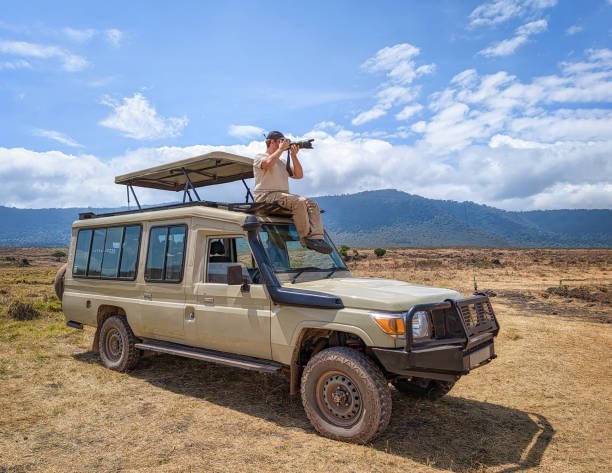
North Africa Travel Guide: Explore Diverse Cultures, Landscapes & Adventures
Explore the interesting allure of North Africa, a region brimming with ancient history, diverse cultures, and impressive natural beauty. From the Sahara Desert's vast dunes to the...
View package detailsNo related package matches those filters. Clear one or more filters to see the other topic-matched options.



