
Ethiopia offers an unparalleled journey through history, culture, and natural beauty, featuring ancient rock-hewn churches, diverse tribal communities, unique wildlife, and stunning landscapes, making it a premier destination for adventurous travelers in 2026-2027. Top Guide Adventures, renowned for exceptional Tanzanian experiences, can assist in planning comprehensive itineraries that may include Ethiopia as part of a broader East African exploration, focusing on personalized service and in-depth cultural immersion.
Ethiopia: A mix of Ancient Civilizations and Natural Wonders
Ethiopia stands as a jewel of East Africa, a land where history is etched into the very landscape and culture thrives in vibrant, diverse forms. It is a country that defies easy categorization, boasting a heritage that stretches back millennia, predating many of the world’s most recognized civilizations. From the ancient city of Aksum, once the heart of a powerful empire, to the medieval rock-hewn churches of Lalibela, and the unique tribal traditions of the Omo Valley, Ethiopia presents a compelling narrative of human history and cultural resilience. For travelers planning their adventures for 2026-2027, Ethiopia promises an experience unlike any other, rich with discovery and profound encounters.
While Top Guide Adventures primarily specializes in the impressive safaris and Kilimanjaro climbs of Tanzania, we recognize the interconnectedness of East African travel. Many of our clients seek to combine the classic safari experience with the unique historical and cultural offerings of Ethiopia. Our expertise in organizing complex, personalized journeys across Tanzania allows us to provide insights and connections for those looking to extend their East African exploration into this remarkable country. Whether you are drawn to the historical north, the wildlife-rich south, or the vibrant capital of Addis Ababa, Ethiopia offers a profound travel experience.
The Historical North: Cradle of Civilizations
The northern circuit of Ethiopia is often considered its historical heartland, a region steeped in biblical lore, ancient empires, and remarkable architectural feats. This area is a must-visit for anyone seeking to understand the deep roots of Ethiopian civilization and its unique religious heritage.
Aksum: Echoes of an Ancient Empire
Aksum, a UNESCO World Heritage site, was once the capital of the Aksumite Empire, a major trading power that spanned from the 4th century BCE to the 7th century CE. Its most striking features are the colossal obelisks, carved from single pieces of granite, some weighing hundreds of tons. These obelisks, along with ancient tombs and inscriptions, speak volumes about the empire’s advanced civilization, its trade links with Rome and India, and its eventual adoption of Christianity.
Key attractions in Aksum include:
- The Great Stelae Field: Home to the largest obelisk, the Obelisk of Axum, which was returned from Italy in 2005.
- Tombs of Kings: Elaborate underground burial chambers believed to house Aksumite royalty.
- Queen of Sheba’s Palace Ruins: While archaeological evidence is debated, the site is traditionally linked to the legendary queen.
- St. Mary of Zion Church: Said to house the Ark of the Covenant, it is the holiest Christian site in Ethiopia and a center of pilgrimage. Access to the chapel believed to hold the Ark is restricted to the clergy.
Lalibela: A Jerusalem Carved from Rock
Further south lies Lalibela, another UNESCO World Heritage site, renowned for its 11 medieval monolithic churches, carved directly out of the solid rock from the 12th century. These churches are not built *from* rock, but are rather carved *down* into it, forming a impressive subterranean architectural marvel. The complex is often referred to as Ethiopia’s ‘New Jerusalem’.
The churches are divided into two main clusters, separated by the Jordan River (a small stream in reality):
- The Northern Cluster: Includes Bete Medhane Alem (Church of the Savior of the World), the largest rock-hewn church; Bete Mariam (Church of Mary), known for its intricate carvings; Bete Meskel (Church of the Cross); and Bete Denaghel (Church of the Virgins).
- The Southern Cluster: Features Bete Giyorgis (Church of St. George), the most iconic and perfectly symmetrical church, shaped like a Greek cross; Bete Emanuel (Church of Emmanuel); Bete Aba Libanos (Church of Abbot Lalibela); and Bete Gabriel-Rufael (Church of Gabriel and Raphael).
Visiting Lalibela is a deeply spiritual and visually stunning experience. The skill and devotion required to create these structures without modern tools remain a testament to human ingenuity. For 2026-2027 travel, booking accommodations and guides in advance is highly recommended, especially during major religious festivals.
Gondar: The Camelot of Africa
Gondar, located in the northwestern highlands, was the imperial capital of Ethiopia from the 17th to the 19th centuries. It is famous for its collection of castles and royal enclosures, earning it the nickname ‘the Camelot of Africa’.
The main attractions include:
- The Royal Enclosure (Fasil Ghebbi): A UNESCO World Heritage site featuring several castles and palaces built by Emperor Fasilides and his successors. The most impressive is Fasilides’ Castle, a formidable fortress.
- Debre Berhan Selassie Church: Located just outside the Royal Enclosure, this church is renowned for its stunning interior frescoes, particularly the ceiling depicting hundreds of winged cherubs.
- Baths of Fasilides: A complex of bathing pools used by Emperor Fasilides, particularly popular during the Timkat festival.
Gondar offers a different perspective on Ethiopian history, showcasing imperial grandeur and architectural styles influenced by European designs, alongside traditional Ethiopian elements.
Bahir Dar and Lake Tana
Bahir Dar, situated on the southern shore of Lake Tana, Ethiopia’s largest lake, is a pleasant city known for its palm-lined avenues and relaxed atmosphere. Lake Tana itself is dotted with islands, many of which host ancient monasteries and churches, some dating back to the 14th century.
Key experiences around Bahir Dar:
- Monasteries of Lake Tana: Accessible by boat, these monasteries (such as Debre Mariam, Ura Kidane Mehret, and Azwa Mariam) house ancient manuscripts, religious artifacts, and vibrant murals.
- Blue Nile Falls: Known locally as ‘Tis Isat’ (meaning ‘smoke of the gods’), these spectacular waterfalls on the Blue Nile River are a powerful sight, especially during the rainy season.
- Tana Bar & Restaurant: A popular spot for enjoying local cuisine with lake views.
The combination of natural beauty, historical sites, and religious significance makes the northern circuit a profoundly rewarding travel experience.
The Omo Valley: A Journey into Tribal Traditions
Heading south from the historical heartland, the landscape changes dramatically, leading travelers to the Lower Omo Valley, a UNESCO World Heritage site. This region is home to a fascinating array of indigenous tribes, each with distinct customs, attire, and traditions that have remained remarkably preserved.
Visiting the Omo Valley is a unique opportunity to witness cultures that have largely remained isolated from the modern world. It’s essential to approach these communities with respect and cultural sensitivity. Local guides are indispensable for facilitating respectful interactions and understanding the nuances of tribal life.
The Tribes of the Omo Valley
The valley is inhabited by numerous ethnic groups, including the Hamer, Mursi, Suri, Karo, Nyangatom, Dassanech, and Bena, among others. Each tribe has its own unique characteristics:
- Hamer: Known for their elaborate ceremonies, particularly the ‘bull jumping’ ritual for young men seeking to marry. Women often wear distinctive hairstyles adorned with ochre and beads.
- Mursi: Famous for the lip plates worn by women. Young women have their lower lips pierced and stretched to accommodate clay or wooden discs, a practice signifying beauty and social status.
- Suri: Similar to the Mursi, Suri women also wear lip plates, and both men and women practice body scarification and adorn themselves with intricate body paint.
- Karo: A smaller tribe known for their elaborate body painting, often using clay and natural pigments to create stunning patterns for ceremonies and social gatherings.
- Dassanech: Living near the Kenyan border and the Omo River delta, they are known for their vibrant beadwork and distinctive hairstyles.
Planning an Omo Valley Expedition
A trip to the Omo Valley requires careful planning due to its remote location and logistical challenges. The best time to visit is generally during the dry season (typically from June to October and December to February) when travel is easier.
Key considerations for 2026-2027 travel:
- Respectful Photography: Always ask for permission before taking photographs of people, and be prepared to offer a small payment or gift. Understanding local customs is paramount.
- Cultural Etiquette: Dress modestly when visiting villages. Avoid wearing overly bright or revealing clothing. Learn a few basic greetings in the local language if possible.
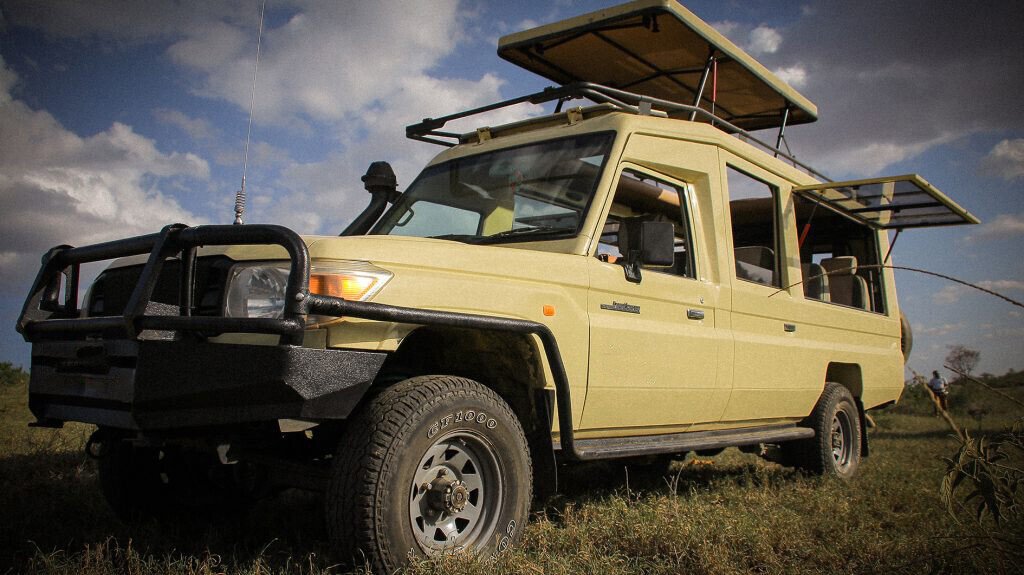
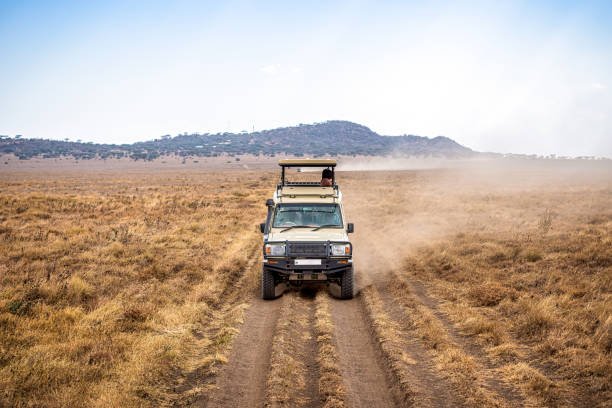
- Logistics: Travel is typically done via 4×4 vehicles. Accommodation options range from basic lodges and campsites to more comfortable lodges, depending on the specific area.
- Guides: Hiring experienced local guides is essential for navigating the region, facilitating introductions to tribes, and ensuring respectful interactions.
While the Omo Valley offers an extraordinary cultural experience, it’s important to be aware of the potential impacts of tourism. Responsible tourism practices are crucial to ensure that visits benefit the local communities and preserve their unique way of life.
Ethiopian Wildlife and National Parks
Beyond its historical sites and cultural richness, Ethiopia is also home to diverse wildlife and several national parks, offering opportunities for nature enthusiasts and wildlife photographers.
Simien Mountains National Park
A UNESCO World Heritage site, the Simien Mountains are often called the ‘Roof of Africa’ due to their dramatic escarpments, deep valleys, and towering peaks, including Ras Dashen, Ethiopia’s highest point.
The park is a sanctuary for unique endemic species:
- Gelada Baboons: The world’s largest baboon, known for their thick mane and unique social behavior.
- Walia Ibex: A rare species of wild goat found only in the Simien Mountains.
- Ethiopian Wolf: One of the rarest canids in the world, distinguished by its slender build and red coat.
- Lammergeyer (Bearded Vulture): A magnificent bird of prey with a wingspan of up to 3 meters.
The Simien Mountains are ideal for trekking, offering multi-day hikes with stunning scenery and opportunities to spot wildlife. Camping or staying in lodges within or near the park are common accommodation options.
Awash National Park
Located in the eastern lowlands, Awash National Park is Ethiopia’s oldest national park. It protects a variety of wildlife in a semi-arid savannah environment.
Wildlife to see includes:
- Beisa Oryx
- Soemmerring’s Gazelle
- Grevy’s Zebra
- Baboons and various antelope species
- Crocodiles and Hippos along the Awash River.
The park is also known for its hot springs and the dramatic Awash Falls.
Mago National Park and Gambella National Park
Located in the southwestern part of the country, Mago National Park is adjacent to the Omo National Park and offers opportunities to see a wide range of animals, including elephants, lions, leopards, buffaloes, and various antelope species. Gambella National Park, also in the southwest, is known for its vast grasslands and is a critical area for migratory wildlife, including large herds of white-eared kob.
These parks are less developed than the Simien Mountains, offering a more wild and remote safari experience. They are best visited during the dry season.
Addis Ababa: The Vibrant Capital
Addis Ababa, meaning ‘New Flower’ in Amharic, is the bustling capital city of Ethiopia and a major hub for international diplomacy and African affairs. It’s a city of contrasts, where modern development meets traditional life.
Key Attractions in Addis Ababa
- National Museum of Ethiopia: Home to ‘Lucy’ (Dinkinesh), the fossilized remains of a 3.2-million-year-old hominid, and other significant archaeological finds.
- Holy Trinity Cathedral: The second most important place of worship in Ethiopia, known for its unique architecture and the tombs of Emperor Haile Selassie and Empress Menen.
- Merkato: One of Africa’s largest open-air markets, offering an incredible sensory experience with its vast array of goods and lively atmosphere.
- Mount Entoto: Offers panoramic views of the city and houses historical sites like the former palace of Emperor Menelik II.
- Ethnological Museum: Showcases Ethiopian art, traditional tools, and cultural artifacts, providing insights into the country’s diverse ethnic groups.
Addis Ababa serves as the gateway to Ethiopia for most international travelers and offers a dynamic introduction to the country’s complex identity.
Practical Travel Information for Ethiopia (2026-2027)
Planning a trip to Ethiopia requires attention to several practical details to ensure a smooth and enjoyable experience. For those looking at travel dates in 2026 and 2027, early booking is advisable, especially for popular tours and accommodations.
Visas and Entry Requirements
Most nationalities require a visa to enter Ethiopia. Visas can typically be obtained upon arrival at Bole International Airport in Addis Ababa or in advance through an e-visa application online. It is crucial to check the latest visa regulations with the Ethiopian embassy or consulate in your country well before your travel dates in 2026-2027.
Best Time to Visit
The best time to visit Ethiopia generally depends on the regions you plan to explore:
- September to May: This is the dry season across most of the country, offering pleasant weather for sightseeing and trekking. The historical northern circuit, Addis Ababa, and the Omo Valley are particularly good to visit during this period.
- June to August: This is the rainy season, particularly in the highlands. While it can be a good time to visit for fewer crowds and lush landscapes, some areas might become difficult to access. The southern lowlands and Omo Valley can still be visited, but conditions might be more challenging.
For wildlife viewing in parks like Awash or Gambella, the dry season is generally preferred. For trekking in the Simien Mountains, the dry months offer clearer skies and better visibility.
Health and Vaccinations
Consult your doctor or a travel clinic at least 6-8 weeks before your trip regarding recommended vaccinations and malaria prophylaxis. Yellow fever vaccination is often required for entry, especially if arriving from or transiting through a country with a risk of yellow fever transmission.
Key health precautions:
- Drink bottled or purified water only.
- Be cautious with street food.
- Protect yourself against mosquito bites, especially in lower-lying areas and during the evening.
Currency and Money
The local currency is the Ethiopian Birr (ETB). While US dollars and Euros are widely accepted for larger expenses like tours and hotel bookings, it’s advisable to carry some local currency for smaller purchases, tips, and markets.
ATMs are available in major cities like Addis Ababa, but they can be unreliable. Credit cards are accepted in larger hotels and some tourist establishments, but cash is still king in many places.
Getting Around
Travel within Ethiopia can be challenging due to infrastructure. Options include:
- Domestic Flights: Ethiopian Airlines operates a network connecting major cities, which is often the fastest way to travel long distances.
- Private Vehicles: Hiring a 4×4 with a driver is the most convenient and flexible option, especially for exploring remote areas like the Omo Valley or national parks. This is highly recommended for a comfortable and efficient trip in 2026-2027.
- Buses: Public buses are available but can be slow, crowded, and uncomfortable.
Language
Amharic is the official working language. However, English is widely spoken in tourist areas, hotels, and by guides. Other local languages include Oromo, Tigrinya, Somali, and many others, reflecting Ethiopia’s ethnic diversity.
Safety and Security
Ethiopia is generally a safe country for tourists, but it’s always wise to exercise caution. Be aware of your surroundings, especially in crowded places like markets. It’s advisable to stay informed about the current political situation and any travel advisories issued by your home country. Stick to reputable tour operators for organized trips.
Why Combine Tanzania and Ethiopia with Top Guide Adventures?
For travelers seeking an expansive East African adventure, combining the iconic wildlife safaris of Tanzania with the rich history and unique cultures of Ethiopia offers an incredibly diverse and fulfilling experience. While Top Guide Adventures is based in Tanzania and specializes in its destinations, our understanding of the broader East African travel landscape allows us to offer guidance and support for such integrated journeys.
Combining these destinations provides:
- Unmatched Diversity: From the vast plains of the Serengeti and the Ngorongoro Crater to the ancient rock churches of Lalibela and the tribal villages of the Omo Valley, the contrast is immense and rewarding.
- smooth Logistics (with expert help): Navigating between countries and coordinating different types of travel (safari, cultural tours, historical exploration) can be complex. Working with an experienced operator like Top Guide Adventures, who can manage the Tanzanian portion and advise on Ethiopian logistics, simplifies the process significantly.
- Deep Cultural Immersion: Both countries offer profound cultural encounters, from the Maasai people of Tanzania to the diverse tribes and ancient Christian traditions of Ethiopia.
- Wildlife Spectacle: Witness the Great Migration in Tanzania and encounter unique endemic species in Ethiopia’s national parks.
Planning your trip for 2026-2027: Early planning is key for such a multi-country adventure. We can help structure itineraries that flow logically, maximizing your time and ensuring a memorable experience. Imagine starting with a thrilling Serengeti safari and then flying to Ethiopia for a deep look at its ancient past and vibrant present.
Our commitment at Top Guide Adventures is to provide personalized attention, care, and dedicated support. While our core operations are in Tanzania, we leverage our network and expertise to assist clients in crafting comprehensive East African itineraries. If Ethiopia is part of your dream adventure for 2026 or 2027, let us help you connect the dots for an unforgettable journey.
Contact us to discuss your dream East African adventure, including potential extensions to Ethiopia:
- WhatsApp: +255616946642
- Email: info@topguideadventures.com
Ethiopia in 2026-2027: What to Expect
As travel plans for 2026 and 2027 take shape, Ethiopia continues to be a destination of immense appeal for its unparalleled historical depth and cultural vibrancy. The country is steadily improving its tourism infrastructure, making it more accessible while retaining its authentic charm. Travelers can anticipate a journey filled with discovery, from the ancient wonders of the north to the living traditions of the south.
Key trends and considerations for 2026-2027:
- Sustainable Tourism: There is a growing emphasis on responsible tourism practices, particularly in sensitive areas like the Omo Valley. Travelers are encouraged to choose operators who prioritize community benefit and cultural respect.
- Infrastructure Development: While improvements are ongoing, particularly in road networks and flight connectivity, some areas remain remote. Planning with experienced guides is essential for navigating these regions efficiently and comfortably.
- Cultural Festivals: Ethiopia hosts numerous vibrant festivals throughout the year, such as Timkat (Epiphany) in January and Meskel (The Finding of the True Cross) in September. Planning your trip around these events can offer extraordinary cultural insights, though they also mean higher demand for accommodations and services.
- Digital Nomad & Remote Work: While not as developed as some other destinations, Addis Ababa offers increasing connectivity, and some travelers may find opportunities for remote work, though stable internet can be a challenge outside the capital.
For those considering Ethiopia for their 2026 or 2027 travels, the country offers a profound travel experience that connects visitors to ancient history, diverse cultures, and stunning natural landscapes. It remains a destination that rewards curiosity and offers a deep sense of discovery.
Frequently Asked Questions about Ethiopia Travel
Is Ethiopia safe for tourists in 2026-2027?
Ethiopia is generally considered safe for tourists, especially when traveling with reputable tour operators. However, like any destination, it’s important to stay informed about local conditions, be aware of your surroundings, and avoid non-essential travel to certain border regions or areas experiencing political instability. Always check current travel advisories from your government.
What is the best way to get around Ethiopia?
For most travelers, combining domestic flights with private 4×4 vehicles and experienced drivers offers the most efficient and comfortable way to explore Ethiopia. This is particularly true for reaching remote areas like the Omo Valley or national parks. Public buses are an option for budget travelers but are often slow and less comfortable.
Do I need vaccinations for Ethiopia?
Yes, it is highly recommended to consult with your doctor or a travel clinic 6-8 weeks before your trip to discuss necessary vaccinations and malaria precautions. Yellow fever vaccination is often a requirement for entry. Standard recommended vaccines may include Hepatitis A, Typhoid, and Tetanus.
What should I pack for an Ethiopia trip?
Pack lightweight, breathable clothing suitable for warm days and cooler evenings, especially in the highlands. Include comfortable walking shoes, sun protection (hat, sunglasses, sunscreen), insect repellent, any personal medications, and a basic first-aid kit. For visits to tribal areas, modest clothing is recommended. A good camera is essential!
Can I combine an Ethiopia trip with a Tanzania safari in 2026-2027?
Absolutely. Combining Ethiopia with a Tanzania safari is a fantastic way to experience the diverse wonders of East Africa. Top Guide Adventures specializes in Tanzania safaris and can assist in planning the Tanzanian portion of your trip, providing advice and connections for smooth travel into Ethiopia.
Ethiopia is a destination that rewards the intrepid traveler with an experience that is both profoundly historical and vibrantly alive. From the ancient Christian heritage of the north to the timeless traditions of the Omo Valley tribes, and the rugged beauty of its national parks, the country offers a unique window into the human story. As you plan your adventures for 2026 and 2027, consider Ethiopia for a journey that will leave an indelible mark on your memory. For smooth planning and expert guidance, particularly for the Tanzanian leg of your East African exploration, Top Guide Adventures is your trusted partner. Reach out to us to craft your personalized itinerary.
Check Availability for Ethiopia: Your Ultimate Guide To Ancient Wonders And Modern Adventures
Ready to compare dates, prices, and the best option for your group? Send the package name and travel month so the team can reply with a clear quote, availability, and what is included.
Ethiopia Wildlife And Birdwatching Holidays: Your Ultimate Guide For 2026-2027
Explore Ethiopia's unparalleled biodiversity on a wildlife and birdwatching holiday. This guide covers top destinations like the Simien Mountains and Bale Mountains, essential planning tips...
View package details
Ancient Axum And Gondar Heritage Tour: Uncover Ethiopias Historical Heart
Experience the unparalleled historical depth of Ethiopia with a tour focused on the ancient cities of Axum and Gondar. This journey uncovers millennia of history, from the legendary Queen...
View package detailsNo related package matches those filters. Clear one or more filters to see the other topic-matched options.



