
A Rusizi River and birdwatching safari in Tanzania offers a unique opportunity to witness diverse avian life and wildlife along the shores of Lake Tanganyika, particularly near Kigoma. The best experiences focus on boat safaris and guided walks to spot resident and migratory birds, hippos, crocodiles, and primates, with peak birding seasons often aligning with the wet periods for migratory species, typically from November to April, and excellent sightings year-round for resident birds. Planning for 2026-2027 involves considering specialized birding tours that maximize wildlife viewing and accommodation options ranging from basic camps to comfortable lodges.
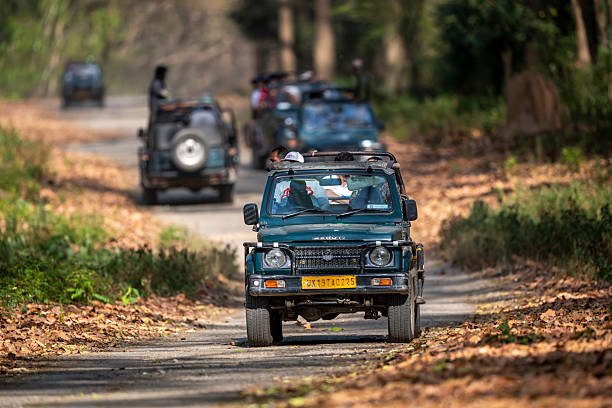
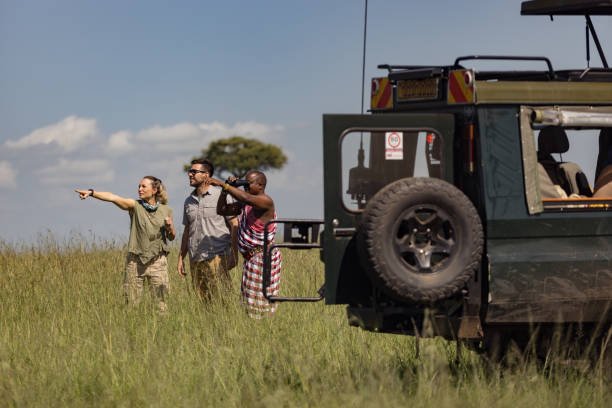
Understanding the Rusizi River for Birdwatching and Safaris
The Rusizi River, a significant waterway in western Tanzania, flows into the vast expanse of Lake Tanganyika. Its delta and surrounding wetlands form a crucial ecosystem that attracts a remarkable diversity of birdlife and other wildlife. For the dedicated birder and the general safari enthusiast, this region presents an experience distinct from the more frequented northern circuit parks. Here, the focus shifts to aquatic birds, riparian species, and the unique landscapes shaped by the river and the lake. Top Guide Adventures specializes in crafting tailored safaris that highlight these specific natural wonders, ensuring clients receive an in-depth appreciation of the Rusizi River’s ecological richness.
This area, often accessed via Kigoma town, serves as a gateway to Gombe Stream National Park and Mahale Mountains National Park, famous for chimpanzee trekking. However, the Rusizi River itself and its immediate environs offer compelling reasons for a dedicated safari focused on birdwatching and general wildlife encounters. The confluence of freshwater and the lake creates varied habitats, from papyrus swamps to open water and gallery forests, each supporting different species.
### Why Choose the Rusizi River for Your Next Birdwatching Adventure?
For travelers planning their 2026 or 2027 safari, the Rusizi River presents an compelling alternative or addition to classic Tanzanian routes. Its appeal lies in:
- Exceptional Avian Diversity: Home to hundreds of bird species, including significant populations of water birds, raptors, and endemic species found in the Albertine Rift region.
- Unique Wildlife Encounters: Beyond birds, expect to see hippos, crocodiles, monitor lizards, and various monkey species, including olive baboons and vervet monkeys, along the riverbanks.
- Lesser-Crowded Experience: Compared to the Serengeti or Ngorongoro, the Rusizi River area offers a more tranquil and intimate wildlife viewing experience.
- Combination Potential: Easily combined with chimpanzee trekking in Gombe Stream National Park, creating a multi-faceted western Tanzania safari.
- Stunning Lake Tanganyika Scenery: The vastness and beauty of the world’s second-deepest freshwater lake provide a dramatic backdrop.
Top Guide Adventures is adept at navigating the logistics of western Tanzania, ensuring a smooth and rewarding experience for those drawn to the Rusizi River’s unique offerings. Whether you are a seasoned ornithologist or a curious traveler, the Rusizi River promises unforgettable moments.
Birdwatching Hotspots Along the Rusizi River
The Rusizi River’s ecological complexity translates into several key areas that are particularly rewarding for birdwatchers. These zones offer varied habitats, attracting specific bird communities.
The River Delta and Estuary
The point where the Rusizi River meets Lake Tanganyika is a critical zone. The mix of freshwater and lake water, coupled with the deposition of silt, creates extensive reed beds, mudflats, and shallow waters. This is prime territory for:
- Waterfowl: Large numbers of ducks, geese, and waders are common, especially during migratory periods.
- Herons and Egrets: Various species, including the Goliath Heron, Grey Heron, and Great White Egret, can be seen fishing in the shallows.
- Kingfishers: Several species, such as the Malachite Kingfisher and Pied Kingfisher, are abundant, darting from perches along the riverbanks.
- Shorebirds: Waders like Sandpipers, Plovers, and Storks frequent the exposed mudflats.
Boat trips are ideal for exploring the delta, allowing access to areas that are difficult to reach on foot. The early morning and late afternoon are particularly active times for bird feeding.
Gallery Forests and Riparian Vegetation
The river is lined with dense vegetation, forming gallery forests that provide habitat and food for a different set of species. These areas are excellent for:
- Raptors: African Fish Eagles are a common sight, soaring overhead or perched majestically on trees. Other raptors may include various buzzards and falcons.
- Passerines: Numerous small birds, including weavers, sunbirds, bee-eaters, and warblers, inhabit the dense foliage.
- Hornbills: Species like the African Pied Hornbill and Crowned Hornbill are often seen foraging in these forests.
- Fruit Bats: While not birds, large colonies of fruit bats can be a spectacular sight, especially at dusk, adding another layer to the wildlife experience.
Guided walks along the riverbanks, led by knowledgeable guides from Top Guide Adventures, are the best way to spot the more secretive species within these vegetated areas.
Open Water and Lake Tanganyika Shoreline
While the river itself is a focus, the adjacent shoreline of Lake Tanganyika is also vital. This includes rocky outcrops and sandy beaches.
- Water Birds: Cormorants, Darters, and various gulls and terns are found here.
- Pelicans: Great White Pelicans can be seen in flocks, especially in certain seasons.
- Flamingos: While not guaranteed, flamingos can occasionally be found in the lake’s shallower sections, particularly if conditions are favorable.
Lake Tanganyika’s clear waters also support abundant fish life, which in turn sustains a rich population of piscivorous birds.
Key Bird Species to Look For
The Rusizi River and its environs are a haven for a remarkable array of bird species. While a comprehensive list would be extensive, here are some highlights that birdwatchers can anticipate spotting during their safari, particularly in the 2026-2027 seasons:
Water Birds and Waders
Given the riverine and lacustrine environment, water birds are a dominant feature:
- African Fish Eagle: The iconic raptor of African waters, easily recognized by its distinctive call and striking appearance.
- Goliath Heron: The largest heron in the world, a magnificent sight as it stalks prey in shallow waters.
- Grey Heron: A widespread and adaptable heron, often seen fishing patiently.
- Great White Egret: An elegant, all-white heron that is a common inhabitant of wetlands.
- Hamerkop: A unique and fascinating bird with a distinctive hammer-shaped head, often found near water.
- Pied Kingfisher: A highly visible kingfisher, often seen hovering over water before diving for fish.
- Malachite Kingfisher: A small, brilliantly colored kingfisher, a jewel of the riverbanks.
- Cormorants and Darters: Several species are present, actively fishing in the river and lake.
- African Jacana: Known as the “lily-trotter” for its ability to walk on floating vegetation.
- Various Storks: Including species like the Saddle-billed Stork and Marabou Stork.
Raptors and Larger Birds
Above the water and in the surrounding trees, predators and larger birds are also prevalent:
- Osprey: Often found near large bodies of water, preying on fish.
- Bateleur: A striking eagle known for its acrobatic flight.
- African Marsh Harrier: Hunts over reed beds and marshes.
- Secretarybird: Though more common in open grasslands, they can sometimes be seen in adjacent areas.
- Various Vultures: Important scavengers in the ecosystem.
Passerines and Forest Dwellers
The riverine forests and scrub harbor a rich variety of smaller birds:
- Weavers: Many species, known for their intricate nests.
- Sunbirds: Small, brightly colored birds that feed on nectar.
- Bee-eaters: Including the Swallow-tailed Bee-eater and White-throated Bee-eater, often seen in flocks.
- Hornbills: Such as the African Pied Hornbill and Yellow-billed Hornbill.
- Cuckoos and Coucals: Various species inhabit the denser vegetation.
- Warblers and Flycatchers: A multitude of smaller birds that are often challenging but rewarding to identify.
This list is by no means exhaustive, and the sheer number of species means that even experienced birdwatchers can discover new sightings. Top Guide Adventures prides itself on employing guides with extensive ornithological knowledge to help you identify and appreciate these avian treasures.
Wildlife Beyond Birds
While birdwatching is a primary draw, the Rusizi River safari experience is enriched by encounters with other fascinating wildlife.
Mammals
The most commonly sighted mammals are:
- Hippopotamus: Large pods of hippos are a regular feature of the river, often seen basking in the water or grazing on the banks. Boat safaris provide excellent opportunities to observe them at close range.
- Nile Crocodile: These formidable reptiles are abundant, often seen basking on sandbanks or lurking in the water.
- Monkeys: Various species of monkeys are common in the riverine vegetation. Olive Baboons are frequently seen, as are Vervet Monkeys. If exploring areas closer to Gombe, Colobus monkeys might also be encountered.
- Bushbucks and other Antelopes: These can sometimes be spotted in the denser riverine forests, though they are generally shy.
- Monitor Lizards: Large Nile Monitor Lizards are often seen near the water’s edge.
For travelers planning a 2026 or 2027 safari, the presence of these mammals adds significant appeal to the Rusizi River experience, offering a well-rounded wildlife viewing adventure.
Reptiles and Amphibians
Besides crocodiles, the waterways and surrounding areas are home to various reptiles and amphibians, contributing to the rich biodiversity.
Planning Your Rusizi River Birdwatching Safari (2026-2027)
Successful planning is key to maximizing your experience. Top Guide Adventures assists clients in navigating all aspects, from timing to logistics.
Best Time to Visit for Birdwatching
While the Rusizi River offers excellent birdwatching year-round due to its resident species, specific periods are better for certain types of sightings:
- November to April: This is the main rainy season in much of Tanzania, and it’s also the period when European and other Palearctic migratory birds are present. This influx significantly boosts the number and variety of species, making it a prime time for serious birders. The landscape is also lush and green.
- May to October: This is the dry season. While migratory birds have departed, resident bird populations are still substantial. Water levels might be lower, potentially concentrating wildlife near remaining water sources. This period is also excellent for combining birding with chimpanzee trekking, as trails are generally drier and more accessible.
For those planning for 2026 and 2027, consider the specific goals of your trip. If maximizing species count with migratory birds is a priority, aim for the November-April window. For a more relaxed pace, drier conditions, and reliable resident bird sightings, the May-October period is ideal.
Safari Itinerary Options
Top Guide Adventures designs flexible itineraries. A typical Rusizi River birdwatching safari might be structured as follows:
Example 5-Day Rusizi River Birding & Wildlife Focus
- Day 1: Arrival in Kigoma & Rusizi River Delta Exploration Arrive at Kigoma Airport, transfer to your lodge. Afternoon boat excursion on the Rusizi River delta, focusing on water birds, hippos, and crocodiles.
- Day 2: Full Day River Safari & Birding Morning boat trip further upriver or along the lake shore, birdwatching in riparian forests and wetlands. Afternoon guided walk focusing on forest bird species and primate spotting.
- Day 3: Gombe Stream National Park Excursion (Optional) Day trip to Gombe Stream National Park for chimpanzee trekking and further birdwatching opportunities in its different habitat.
- Day 4: Lake Tanganyika Exploration & Cultural Visit Explore the shores of Lake Tanganyika, visit local fishing villages, and enjoy more birding opportunities. Potential for sunset boat cruise.
- Day 5: Departure Morning birding session near the lodge, followed by transfer to Kigoma Airport for your onward flight.
This is a sample, and itineraries can be extended or shortened, or combined with other destinations like Mahale Mountains, to suit your interests and available time. For instance, a longer trip in 2027 could incorporate extended stays in both Gombe and Mahale.
Accommodation Options
Accommodation near the Rusizi River typically includes:
- Lodges: Comfortable lodges offering amenities like en-suite bathrooms, dining areas, and often stunning views of the lake or river. Examples might include facilities near Kigoma town or more remote lodges accessible by boat.
- Tented Camps: For a more in-depth experience, tented camps offer a closer connection to nature while providing essential comforts.
- Basic Guesthouses: Available in Kigoma town for budget-conscious travelers.
Top Guide Adventures works with carefully selected partners to ensure quality and comfort tailored to your preferences.
What to Pack
- Binoculars: Essential for birdwatching. A good quality pair (e.g., 8×42 or 10×42) is recommended.
- Camera with Telephoto Lens: To capture clear images of distant birds and wildlife.
- Field Guide: A good bird identification guide for East Africa.
- Sun Protection: Hat, sunglasses, and high-SPF sunscreen.
- Insect Repellent: Especially for evenings and forested areas.
- Lightweight, Neutral-Colored Clothing: Long sleeves and trousers are advisable for sun and insect protection.
- Rain Gear: A light waterproof jacket, particularly if traveling during the wet season (November-April).
- Comfortable Walking Shoes: For guided walks.
- Personal First-Aid Kit: With any personal medications.
- Power Bank: For charging electronics, as power supply can be intermittent.
Top Guide Adventures can provide a more detailed packing list based on your specific itinerary and the time of year you plan to travel in 2026 or 2027.
Logistics and Travel Tips
Understanding the logistics is crucial for a smooth trip to western Tanzania.
Getting to the Rusizi River
The primary gateway to the Rusizi River area is Kigoma town. Access typically involves:
- By Air: Daily scheduled flights operate from Dar es Salaam and Arusha to Kigoma Airport (TKQ). This is the most time-efficient method.
- By Road: While possible, road travel to Kigoma from major hubs like Dar es Salaam or Arusha is very long and arduous, often taking multiple days. It is generally not recommended for tourists focused on maximizing their time for safaris.
- By Train: The historic Central Line railway also connects Kigoma with Dar es Salaam, offering a scenic but slow alternative.
Top Guide Adventures can arrange all necessary flight bookings and transfers from Kigoma to your chosen accommodation and safari starting points.
Safari Styles and Customization
Top Guide Adventures excels in creating personalized safari experiences. For a Rusizi River birdwatching safari, this means:
- Private Safaris: Tailored itineraries with a private vehicle and guide, offering maximum flexibility and personalized attention. This is ideal for serious birdwatchers who need specific timing and focus.
- Small Group Tours: Joining a small group departure can be a more budget-friendly option, while still offering excellent guiding and experiences. Check our group departure dates for 2026-2027.
- Specialized Birding Tours: Led by expert ornithologists, these tours focus intensely on bird identification and spotting, often covering more remote areas.
We can customize any trip to include specific interests, such as focusing on primates, photography, or cultural interactions, alongside birdwatching.
Importance of Local Guides
Local guides are invaluable for birdwatching safaris. They possess:
- In-depth Knowledge: Intimate understanding of bird habitats, calls, and behavior specific to the Rusizi River region.
- Spotting Skills: Ability to locate well-camouflaged species that are easily missed by the untrained eye.
- Cultural Insights: Provide context about the local environment and communities.
Top Guide Adventures ensures that all guides are experienced, certified, and passionate about wildlife and conservation.
Health and Safety Precautions
When traveling to western Tanzania, it’s important to take necessary health precautions:
- Vaccinations: Consult your doctor or a travel clinic well in advance regarding recommended vaccinations, such as Yellow Fever, Hepatitis A, Typhoid, and routine boosters.
- Malaria Prevention: Tanzania is a malaria-risk area. Take antimalarial medication as prescribed by your doctor and use insect repellent.
- Water Safety: Drink only bottled or purified water. Avoid ice in drinks unless you are sure it’s made from purified water.
- Sun Safety: Protect yourself from the strong equatorial sun.
Your safety and well-being are paramount. Top Guide Adventures provides pre-trip information to help you prepare adequately for your 2026-2027 safari.
Comparing Rusizi River with Other Tanzanian Birding Destinations
While Tanzania is renowned for its wildlife, the Rusizi River offers a distinct birding experience compared to other popular locations. Understanding these differences helps in planning the perfect safari.
Rusizi River vs. Northern Circuit Parks (Serengeti, Ngorongoro, Tarangire)
- Focus: Northern parks are famed for large mammal migrations, big cats, and iconic savanna species. Birdlife is abundant, but often secondary to the megafauna. The Rusizi River’s primary draw is its avian diversity, particularly water birds and riparian species, with mammals like hippos and crocodiles as significant secondary attractions.
- Habitat: Northern parks feature vast grasslands, acacia woodlands, and kopjes. The Rusizi River is characterized by riverine forests, papyrus swamps, and the shores of Lake Tanganyika.
- Accessibility: Northern parks are generally more accessible with well-developed tourist infrastructure and more frequent flight connections. Kigoma, the gateway to Rusizi, is more remote.
- Crowds: Northern parks can be very crowded, especially during peak seasons. The Rusizi River area offers a much more exclusive and tranquil experience.
### Rusizi River vs. Southern Circuit Parks (Selous, Ruaha)
- Focus: Southern parks are known for wild dog sightings, large elephant herds, and vast, untamed wilderness. Birdlife is excellent, with Ruaha boasting over 570 species.
- Habitat: Southern parks are dominated by miombo woodlands, savanna, and riverine systems, offering different birding opportunities than the Rusizi’s delta and lake environment.
- Experience: Southern safaris often involve walking safaris and boat trips (in Selous), providing diverse ways to explore. Rusizi River safaris heavily rely on boat excursions and guided walks along the river.
### Rusizi River vs. Coastal/Island Birding (Zanzibar, Pemba)
- Focus: Coastal areas and islands may have unique endemic species and seabirds. However, they lack the large mammal diversity and the sheer scale of water bird populations found at Rusizi.
- Habitat: Mangroves, coastal forests, and agricultural land characterize these regions.
For birdwatchers planning for 2026-2027, the Rusizi River stands out for its specialized wetland and riparian bird communities, combined with the unique backdrop of Lake Tanganyika and the potential for primate tracking in nearby parks. It’s an ideal destination for those seeking a focused birding experience away from the main tourist trails.
The Role of Top Guide Adventures in Your Safari
Top Guide Adventures is committed to providing exceptional safari experiences in Tanzania. For a Rusizi River and birdwatching safari, our expertise ensures:
- Customized Itineraries: We tailor every aspect of your trip, from duration and activity focus to accommodation style and budget, ensuring it perfectly matches your expectations for 2026 or 2027.
- Expert Guides: Our guides are highly trained, knowledgeable about local flora and fauna, and passionate about sharing Tanzania’s natural wonders. For birding tours, we can assign guides with specialized ornithological skills.
- Logistical Mastery: We handle all the complex logistics, including flights, transfers, park fees, and accommodation bookings, allowing you to relax and enjoy your adventure.
- Commitment to Conservation: We partner with lodges and operators who prioritize sustainable tourism practices, contributing to the preservation of the delicate ecosystems we visit.
- Personalized Support: From your initial inquiry to your return home, our team provides dedicated support, ensuring a smooth and memorable journey.
We understand the nuances of western Tanzania and are equipped to make your Rusizi River birdwatching safari an unparalleled success. Feel free to reach out with any questions or to start planning your bespoke adventure.
Contact Us for Your 2026-2027 Birdwatching Safari
Ready to plan an unforgettable birdwatching safari to the Rusizi River? We are here to help you craft the perfect itinerary for 2026 or 2027.
WhatsApp: +255616946642
Email: info@topguideadventures.com
Backup Email: [Please provide backup email if available]
Visit our website for more inspiration on Tanzania safaris: Top Guide Adventures Tanzania.
We look forward to helping you explore the incredible avian life and natural beauty of the Rusizi River.
Check Availability for Rusizi River And Birdwatching Safari: Ultimate Guide For 2026-2027
Ready to compare dates, prices, and the best option for your group? Send the package name and travel month so the team can reply with a clear quote, availability, and what is included.



