
Sudan is home to the Nubian Pyramids, a UNESCO World Heritage site and one of the largest collections of ancient pyramids in the world, primarily built by the rulers of the Kingdom of Kush. These structures, located mainly in Meroë, offer a profound journey into a rich historical period distinct from their Egyptian counterparts, alongside significant Nile heritage sites like ancient temples and cities, making Sudan a compelling destination for cultural and historical exploration in 2026 and 2027.

Unveiling Sudan’s Ancient Legacy: The Nubian Pyramids and Nile Heritage
Sudan, often overlooked in favor of its northern neighbor, Egypt, holds a treasure trove of ancient history and cultural significance. At its heart lies the region of Nubia, a cradle of civilization that flourished for millennia along the fertile banks of the Nile River. This land is most famously known for its impressive collection of pyramids, the Nubian Pyramids, which stand as silent testaments to the power and ingenuity of the Kingdom of Kush. Beyond these iconic structures, Sudan’s Nile heritage encompasses ancient cities, temples, and archaeological sites that whisper tales of powerful queens, fierce warriors, and a unique cultural identity.
For travelers planning their adventures in 2026 and 2027, understanding the scope and significance of Sudan’s Nubian Pyramids and Nile heritage is key to unlocking an unforgettable experience. This guide aims to be your comprehensive resource, detailing the history, key sites, practical considerations for visiting, and the enduring allure of this extraordinary destination.
The Kingdom of Kush: Masters of the Nile and Builders of Pyramids
The story of Sudan’s pyramids is inextricably linked to the rise and fall of the Kingdom of Kush. This powerful civilization dominated the region from roughly 2500 BCE to 350 CE, establishing its influence across a vast territory that spanned parts of modern-day Sudan and Egypt. The Kushites, a vibrant and sophisticated people, developed their own distinct culture, language, and artistic traditions, often interacting with, and sometimes challenging, the mighty Egyptian pharaohs.
From Napata to Meroë: Shifting Capitals, Enduring Power
The history of Kush is often divided into three main periods, each marked by significant developments and the construction of these monumental pyramids:
- Kerma Period (c. 2500–1500 BCE): While not as pyramid-focused as later periods, this era saw the emergence of complex societies and monumental architecture, with the Defuffa structures at Kerma being notable examples.
- Napata Period (c. 1070–300 BCE): With its capital at Napata, Kush experienced a resurgence, even ruling Egypt as the 25th Dynasty. This period saw the construction of numerous pyramids, particularly at El-Kurru and Nuri, often serving as royal burial sites.
- Meroitic Period (c. 300 BCE–350 CE): The capital shifted south to Meroë, a strategically located city rich in iron ore. This was the golden age of Kushite pyramid building, with thousands of pyramids constructed at Meroë, representing the peak of their architectural and artistic achievements. The pyramids from this era are generally smaller and steeper than their Egyptian predecessors.
A Distinct Architectural Style
While inspired by Egyptian pyramid construction, the Nubian Pyramids possess a unique character. They are typically much smaller and steeper than those found in Egypt, with angles often exceeding 70 degrees. This distinctive design is a hallmark of Kushite craftsmanship. The internal chambers are also often more complex, reflecting evolving funerary practices and beliefs. Many of these pyramids were built as tombs for royalty and high-ranking officials, containing sarcophagi and remnants of grave goods that offer insights into their lives and deaths.
Key Sites of the Nubian Pyramids and Nile Heritage
Sudan boasts several key archaeological sites where the grandeur of the Kushite civilization is most evident. Planning your itinerary to include these locations will provide a deep understanding of the region’s historical mix.
Meroë: The Crown Jewel of Nubian Pyramids
Undoubtedly the most famous and extensive site, Meroë is a sprawling archaeological complex located on the east bank of the Nile, about 200 km northeast of Khartoum. It served as the capital of the Kushite Kingdom for centuries, and its necropolis is home to over 200 pyramids, clustered together in a impressive landscape.
- The Royal Necropolis: This is where the majority of the large, steep pyramids are found. Exploring this area, especially at sunrise or sunset, offers a truly magical experience. The sheer number and density of these ancient structures are awe-inspiring.
- The Meroë City Ruins: Beyond the pyramids, Meroë was once a thriving city. Excavations have revealed remains of temples dedicated to various deities (including Amun and Apedemak), palaces, and residential areas. The Great Temple of Apedemak, with its distinctive lion iconography, is a must-see.
- Iron Forges: Meroë was also a center for iron production, a testament to its industrial prowess. Evidence of extensive iron smelting and forging operations can still be observed in the surrounding areas.
Nuri and El-Kurru: The Earlier Royal Burial Grounds
Located on the west bank of the Nile, further north than Meroë, these sites represent the earlier phases of Kushite royal burial practices, particularly from the Napatan period.
- Nuri Necropolis: This site features approximately 80 pyramids, including the largest Kushite pyramid, believed to be the tomb of King Taharqa. The pyramids here are somewhat less steep than those at Meroë, reflecting an earlier architectural phase.
- El-Kurru Necropolis: El-Kurru is significant for its rock-cut tombs and the earliest pyramids in the region. Notably, it contains the tomb of Queen Amanishakheto, which yielded a famous hoard of gold jewelry, now housed in Berlin’s Neues Museum. The tomb of King Piye is also located here.
Gebel Barkal: The Sacred Mountain and Religious Center
Gebel Barkal, near the modern town of Karima, is a UNESCO World Heritage site of immense religious and historical importance. This striking sandstone mountain was considered a sacred place by the Kushites and Egyptians alike.
- Temple of Amun: The ruins of a large temple dedicated to the god Amun stand at the foot of the mountain. This was a vital religious center for the Kushites, who adopted many Egyptian deities and religious practices.
- Royal Pyramids: Several pyramids are also found in the vicinity of Gebel Barkal, although fewer in number and scale compared to Meroë.
- Historical Significance: Gebel Barkal was a major religious and political hub for both Egypt and Kush at different times, making it a focal point for understanding their intertwined histories.
Old Dongola: A Medieval Nubian Capital
While not a pyramid site, Old Dongola is crucial for understanding the later history of Nubia, which transitioned to Christianity and continued to thrive for centuries after the decline of the Kushite Kingdom.
- Christian Heritage: Old Dongola was the capital of the Christian Kingdom of Makuria. The remnants of churches, monasteries, and fortifications speak to this vibrant medieval period.
- Archaeological Richness: Excavations have uncovered pottery, inscriptions, and architectural fragments that provide invaluable insights into medieval Nubian society, trade, and religion.
Planning Your Sudan Adventure: Practicalities for 2026-2027
Visiting Sudan requires careful planning, especially given its developing tourism infrastructure. However, for the intrepid traveler seeking an authentic and profound historical experience, the rewards are immense.
Visa and Entry Requirements
Visa requirements for Sudan can change. It is essential to check the latest regulations with the Sudanese embassy in your country well in advance of your planned travel in 2026 or 2027. Typically, visas are required for most nationalities and can be obtained at embassies or sometimes upon arrival at Khartoum International Airport, though obtaining it beforehand is often recommended for a smoother process.
Best Time to Visit
The most favorable time to visit Sudan is during the cooler months, from October to March. During this period, daytime temperatures are more moderate, making exploration of the desert and archaeological sites comfortable. The summer months (April to September) can be extremely hot, especially in the desert regions.
Getting Around Sudan
Travel within Sudan primarily relies on road transport.
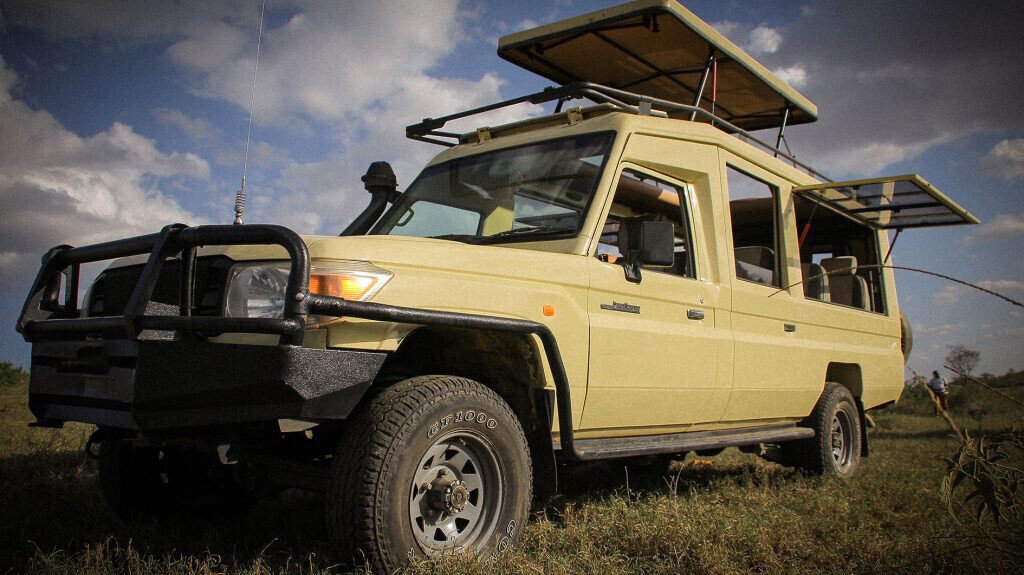
- Private Vehicles and Drivers: For exploring the remote pyramid sites and Nile heritage locations, hiring a private vehicle with an experienced driver is highly recommended. This offers flexibility, comfort, and the ability to navigate challenging terrain.
- Domestic Flights: Flights are available between major cities like Khartoum, Port Sudan, and Dongola, which can save considerable travel time.
- Nile River Travel: While not as developed for mass tourism as in Egypt, limited boat travel might be possible in certain sections of the Nile, offering a unique perspective.
Accommodation
Accommodation options in Sudan are generally more basic than in many other tourist destinations.
- Khartoum: The capital offers a range of hotels, from international chains to local establishments.
- Outside Khartoum: In towns closer to archaeological sites like Karima or Meroë, expect guesthouses or simpler hotels. Camping is also an option in certain remote areas, providing a more adventurous experience.
Health and Safety
It is crucial to consult your doctor regarding necessary vaccinations and health precautions before traveling to Sudan. Recommended vaccinations often include Hepatitis A, Typhoid, and Tetanus. Malaria prophylaxis may also be advised depending on the region and time of year. Always drink bottled or purified water and practice good food hygiene.
Regarding safety, travelers should stay informed about the current political and security situation. It is advisable to consult your country’s foreign travel advice and to travel with a reputable local guide or tour operator who is knowledgeable about the areas you plan to visit. Solo travel in remote areas is generally not recommended.
Currency and Budgeting
The local currency is the Sudanese Pound (SDG). ATMs are available in Khartoum and larger towns, but it is advisable to carry sufficient cash, especially for travel to more remote regions. Prices for tours and services can vary significantly. For a comprehensive trip covering the Nubian Pyramids and Nile heritage sites in 2026-2027, expect costs to be influenced by the duration of your trip, accommodation choices, transportation, and whether you opt for private tours or group departures.
Budgeting for a Sudan trip in 2026-2027 typically involves factoring in:
- Visa fees
- International and domestic flights
- Accommodation (ranging from basic guesthouses to more comfortable hotels)
- Transportation (private vehicle hire is common for site exploration)
- Guide fees and entrance tickets to archaeological sites
- Food and personal expenses
While specific pricing requires a personalized quote, a mid-range tour focusing on historical sites might range from $250-$400 USD per person per day, depending heavily on group size and inclusions. Luxury options and more basic, independent travel will naturally fall outside this range.
Cultural Etiquette
Sudan is a predominantly Muslim country, and visitors are expected to dress modestly, particularly outside of Khartoum. This means covering shoulders and knees. Women should consider wearing a headscarf, especially when visiting religious sites. It is polite to ask permission before taking photographs of people. Learning a few basic Arabic phrases will also be greatly appreciated by locals.
The Enduring Allure: Why Visit Sudan’s Nubian Pyramids and Nile Heritage?
Visiting Sudan offers a travel experience unlike any other. It is a journey back in time, a chance to connect with one of Africa’s most ancient and influential civilizations in a setting that remains remarkably untouched by mass tourism.
An Authentic Travel Experience
For travelers seeking genuine cultural encounters and historical discovery, Sudan is unparalleled. You can explore ancient sites without the crowds often found at more famous archaeological destinations. The warmth and hospitality of the Sudanese people add another layer to the experience, offering opportunities for meaningful interactions.
Understanding a Unique Civilization
The Nubian Pyramids and the associated Nile heritage sites are not just remnants of the past; they are windows into a complex society that developed its own unique script, religious practices, and artistic styles. Studying these sites helps us understand the broader historical narrative of Northeast Africa and its interactions with Egypt and other ancient civilizations.
A Photographer’s Paradise
The stark beauty of the desert landscapes, the dramatic silhouettes of the pyramids against the sky, and the vibrant culture of the people make Sudan a dream destination for photographers. Capturing the essence of these ancient wonders and the contemporary life along the Nile is a rewarding pursuit.
Looking Ahead to 2026-2027
As global travel patterns evolve, destinations like Sudan are increasingly being recognized for their unique offerings. For travelers planning their trips for 2026 and 2027, now is an opportune time to consider Sudan. The country is working to improve its tourism infrastructure, and visiting in these years could offer a chance to experience its wonders before they become more widely discovered. Early planning is essential to secure guides, transportation, and accommodation, especially for specialized historical tours.
Experiencing the Nile Heritage Beyond the Pyramids
While the Nubian Pyramids are a primary draw, Sudan’s connection to the Nile River extends far beyond these monumental tombs. The Nile has been the lifeblood of civilizations in this region for millennia, shaping cultures, economies, and daily life. Exploring this heritage involves understanding the river’s role in ancient and modern Sudan.
Ancient Cities and Temples along the Nile
Beyond Meroë, Gebel Barkal, Nuri, and El-Kurru, other sites along the Nile offer glimpses into Sudan’s past:
- Kawa: This ancient city, also known as Soleb, features impressive ruins of temples dedicated to Amun and a royal palace. The site is particularly known for its well-preserved hieroglyphic inscriptions.
- Amara West: An important administrative and religious center during the New Kingdom of Egypt’s control over Nubia, Amara West provides insights into the period of Egyptian influence and interaction with local populations.
- Sanam: Located near Meroë, Sanam hosts a significant temple complex dedicated to Amun, showcasing Kushite adaptations of Egyptian religious architecture.
The Nile as a Lifeline
For millennia, the Nile River has sustained life in Sudan. Its annual floods deposited fertile silt, enabling agriculture in an otherwise arid land. This reliance on the river shaped settlement patterns, trade routes, and cultural practices.
- Agriculture: Traditional farming methods, utilizing the Nile’s waters for irrigation, are still practiced in many parts of Sudan. Witnessing these age-old techniques can be a fascinating part of a cultural tour.
- Transportation: Historically, the Nile was the primary artery for trade and communication. While modern infrastructure has changed this, the river still plays a role in local transport and livelihoods.
- Daily Life: Observing daily life along the Nile – from fishing to women fetching water and children playing – offers a vibrant picture of contemporary Sudanese culture, deeply intertwined with the river.
Modern Sudan on the Nile
Khartoum, the capital, is strategically located at the confluence of the Blue Nile and the White Nile, a vital geographical point. While the focus of this guide is ancient heritage, understanding modern Sudan provides context.
- Khartoum’s Museums: The National Museum of Sudan in Khartoum houses an extensive collection of artifacts from Nubian civilizations, including statues, pottery, jewelry, and sarcophagi. It’s an essential stop for anyone interested in the country’s rich history.
- Omdurman: Across the White Nile from Khartoum, Omdurman is a major cultural and commercial center, known for its bustling souks and traditional crafts.
Navigating the Cultural Landscape: Etiquette and Interaction
A trip to Sudan is as much about cultural exchange as it is about historical discovery. Understanding local customs and showing respect will greatly enhance your experience.
Respecting Local Customs
- Dress Code: As mentioned, modest dress is essential. For women, this typically means covering arms and legs, and a headscarf is often appreciated. Men should avoid shorts in public areas.
- Greetings: A handshake is common, but wait for a local to initiate it. The verbal greeting “As-salamu alaykum” (peace be upon you) is widely used.
- Hospitality: Sudanese people are known for their incredible hospitality. If invited for tea or a meal, it is considered polite to accept.
- Photography: Always ask permission before taking photos of individuals, especially women and children. Military or government buildings should not be photographed.
Language
The official languages of Sudan are Arabic and English. While English is spoken in tourist areas and by many guides, learning a few basic Arabic phrases like “Shukran” (thank you) and “Afwan” (you’re welcome) will be highly appreciated.
The Role of Guides
For a deep look at the Nubian Pyramids and Nile heritage, hiring knowledgeable local guides is invaluable. They not only provide historical context and navigate the sites but also facilitate cultural interactions and ensure your safety. Top Guide Adventures specializes in creating personalized itineraries that connect travelers with these ancient wonders and the rich culture of Sudan, offering expert guidance for your 2026-2027 travels.
Comparing Sudan with Other Ancient Wonders
While the Nubian Pyramids are unique, travelers often compare them to other ancient wonders. Understanding these differences can help set expectations and highlight Sudan’s distinct appeal.
- Sudan vs. Egypt: Both countries boast impressive pyramid complexes and Nile heritage. However, Sudan’s pyramids are generally smaller, steeper, and far less crowded. Sudan offers a more raw, less commercialized experience of ancient history, focusing on the Kingdom of Kush, which had its own distinct culture, even while interacting with and ruling Egypt.
- Sudan vs. Mesoamerica (e.g., Maya, Aztec): Pyramids in regions like Mexico and Central America served different purposes, often as ceremonial platforms for temples, and their architectural styles are vastly different. The Nubian Pyramids are primarily royal tombs, reflecting a funerary tradition closer to ancient Egypt but with unique Kushite adaptations.
Sudan’s Unique Selling Proposition
The primary draw of Sudan’s Nubian Pyramids and Nile heritage is its authenticity and relative lack of mass tourism. It offers a chance to explore world-class archaeological sites with a sense of discovery and personal connection, far from the bustling crowds of more famous ancient destinations. The focus on the Kingdom of Kush provides a distinct historical narrative that complements, rather than merely repeats, the Egyptian story.
Future Prospects for Tourism in Sudan (2026-2027 and Beyond)
The tourism sector in Sudan is in a nascent stage but holds immense potential. As global interest in off-the-beaten-path destinations grows, Sudan is poised to attract more discerning travelers.
Developing Infrastructure
Efforts are underway to improve infrastructure, including roads, accommodation, and visitor facilities at key archaeological sites. While progress may be gradual, the commitment to developing sustainable tourism is evident. Travelers in 2026 and 2027 can expect an improving, though still developing, tourism landscape.
Sustainable Tourism Practices
Responsible tourism is crucial for preserving Sudan’s invaluable heritage. Tour operators are increasingly focusing on practices that benefit local communities, minimize environmental impact, and ensure the long-term preservation of archaeological sites. Choosing operators committed to these principles is vital for a positive travel experience.
The Role of Cultural Exchange
Beyond sightseeing, a visit to Sudan offers a profound cultural exchange. Engaging with local communities, understanding their way of life, and appreciating their rich traditions are integral to the journey. This aspect of travel is likely to become even more prominent as Sudan develops its tourism offerings in the coming years.
Crafting Your Itinerary: Sample Journey Ideas for 2026-2027
Designing a trip to Sudan requires careful consideration of time, interests, and logistics. Here are some ideas for structuring your exploration of the Nubian Pyramids and Nile heritage.
The Classic Nubian Pyramids Tour (Approx. 7-10 Days)
- Day 1-2: Khartoum Arrive, acclimatize, visit the National Museum, explore Omdurman.
- Day 3: Travel to Meroë Drive to the Meroë archaeological site. Explore the pyramids and city ruins. Overnight near Meroë or in a desert camp.
- Day 4: Meroë Sunrise & Travel to Karima Witness sunrise over the pyramids. Drive to Karima. Visit Gebel Barkal and its temple complex.
- Day 5: Nuri & El-Kurru Explore the Nuri and El-Kurru necropolises.
- Day 6: Travel back to Khartoum Return to the capital.
- Day 7: Departure
Extended Nile Heritage Expedition (Approx. 14-18 Days)
This itinerary allows for a deeper exploration, including sites further north and potentially incorporating more cultural experiences.
- Days 1-3: Khartoum & Omdurman As above.
- Days 4-5: Meroë In-depth exploration of the pyramids, city, and surrounding areas. Consider a desert camp experience.
- Days 6-7: Karima & Gebel Barkal Explore Gebel Barkal, Nuri, and El-Kurru.
- Day 8: Travel North along the Nile Journey towards Dongola, potentially visiting smaller sites or villages along the way.
- Days 9-10: Old Dongola & surrounds Explore the medieval Christian ruins and learn about Makuria.
- Days 11-12: Further North (Optional) Depending on accessibility and interest, explore sites like Kawa or Amara West if logistics permit.
- Days 13-14: Return Journey to Khartoum Travel back, perhaps taking a different route or stopping at points of interest.
- Day 15: Departure
Customized Tours for 2026-2027
For a truly personalized experience, especially if you have specific historical interests or travel preferences for 2026-2027, a tailor-made itinerary is ideal. Companies like Top Guide Adventures can craft journeys that focus on archaeological depth, cultural immersion, photography, or a blend of all.
Important Considerations for Planning
- Travel Permits: Some remote areas may require special permits. Your tour operator will manage these.
- Flexibility: Be prepared for potential changes in plans due to local conditions or transport. A flexible attitude is key.
- Local Guides: Always engage licensed and knowledgeable local guides.
- Connectivity: Internet and mobile phone service can be limited outside major cities.
Conclusion: An Unforgettable Journey into Sudan’s Past
Sudan’s Nubian Pyramids and the rich heritage lining the Nile River offer a profound and authentic travel experience. For those seeking to explore ancient civilizations away from the crowds, this destination promises discovery, wonder, and a deep connection to human history. As you plan your travels for 2026 and 2027, consider Sudan for an adventure that is both intellectually stimulating and personally enriching. The Kingdom of Kush awaits, ready to share its secrets through its monumental pyramids and the enduring spirit of its people.
Ready to start your journey to discover the wonders of Sudan? Top Guide Adventures is your trusted partner for creating unforgettable experiences. Contact us to discuss tailor-made itineraries, group departures, and expert guidance for your 2026-2027 adventure. Reach us via WhatsApp at +255616946642 or email us at info@topguideadventures.com. We are dedicated to providing personal attention, care, and support for every client, ensuring your exploration of Sudan’s Nubian Pyramids and Nile heritage is as magnificent as the history itself.
Check Availability for Sudan Nubian Pyramids And Nile Heritage Guide: Ancient Wonders & Cultural
Ready to compare dates, prices, and the best option for your group? Send the package name and travel month so the team can reply with a clear quote, availability, and what is included.



