
An Algeria Roman Ruins Tour in 2026-2027 offers an unparalleled opportunity to explore some of the best-preserved Roman archaeological sites in the world, including the UNESCO World Heritage cities of Timgad and Djemila, along with the coastal marvel of Tipasa. These tours typically involve multi-day itineraries starting from Algiers, focusing on historical exploration, cultural immersion, and understanding the Roman Empire’s vast influence in North Africa, with expert guides bringing the ancient stones to life.
Unveiling Algeria’s Roman Legacy: An Essential Tour Guide for 2026-2027
Algeria, a nation steeped in history, holds within its borders some of the most magnificent and remarkably intact Roman ruins outside of Italy itself. For travelers with a passion for ancient civilizations, history, and archaeology, an Algeria Roman Ruins Tour is an experience that promises to be both educational and awe-inspiring. From the grand amphitheaters and temples to the intricate mosaics and city planning, these sites offer a tangible connection to a bygone era. As we look towards 2026 and 2027, planning a journey to explore these ancient wonders becomes an exciting prospect, allowing for a deeper appreciation of Roman engineering, culture, and daily life that flourished across North Africa.
Top Guide Adventures specializes in crafting authentic travel experiences across Tanzania, but we understand the allure of other global historical destinations. While our core expertise lies in the wonders of East Africa, we recognize the significant historical and archaeological value that Algeria presents. This guide is designed to provide comprehensive insights for anyone considering an Algeria Roman Ruins Tour, covering what to expect, key sites, practical planning considerations for 2026-2027, and why this destination is a must-visit for history enthusiasts.
Why Choose Algeria for Roman Ruins Exploration?
The sheer scale and preservation of Algeria’s Roman heritage are its primary draw. Unlike many other Roman sites that have been heavily excavated, rebuilt, or are in advanced states of decay, many Algerian sites retain an astonishing degree of their original structure. This is largely due to the arid climate and the sites’ relative isolation for much of the modern era. The Roman Empire, known as Mauretania Caesariensis in this region, left an indelible mark, establishing prosperous cities that served as vital administrative and economic centers.
- Exceptional Preservation: Many structures, including temples, basilicas, forums, and even entire street grids, are still standing, offering a clear picture of Roman urban planning.
- UNESCO World Heritage Status: Sites like Timgad and Djemila are recognized globally for their outstanding universal value, ensuring their protection and drawing international attention.
- Authentic Travel Experience: Algeria offers a less-trodden path compared to more popular European Roman sites, providing a more intimate and authentic encounter with history without overwhelming crowds.
- Rich Cultural Context: Beyond the Roman era, Algeria boasts a deep history encompassing Phoenician, Vandal, Byzantine, and Islamic periods, adding layers of cultural richness to any tour.
The Crown Jewels: Must-Visit Roman Sites on Your Algeria Tour
An effective Algeria Roman Ruins Tour will undoubtedly focus on the most significant and visually impressive archaeological locations. These sites are not just ruins; they are remnants of thriving metropolises that once played a crucial role in the Roman Empire.
Timgad (Thamugadi): The “Pompeii of Africa”
Founded by Emperor Trajan around 100 AD, Timgad is perhaps the most iconic Roman city in Algeria. Its grid-like layout, characteristic of Roman military camps and planned cities, is exceptionally well-preserved. Walking through Timgad feels like stepping back in time, with its:
- Arch of Trajan: A magnificent triumphal arch that stands as a grand entrance to the city.
- Forum and Basilica: The civic heart of the city, where public life and legal proceedings took place.
- Theater: An impressive amphitheater that once seated thousands, still offering a sense of its past grandeur.
- Temples and Baths: Evidence of Roman religious practices and their emphasis on public hygiene and social life.
- Decumanus Maximus: The main east-west street, lined with colonnades, showcasing Roman urban design.
The site’s location in the Aurès Mountains adds to its scenic beauty, making it a truly memorable stop on any Algeria Roman Ruins Tour. Its status as a UNESCO World Heritage site underscores its importance for global heritage.
Djemila (Cuicul): A Mountainous Roman Metropolis
Perched dramatically on a mountainside in the Sétif province, Djemila is another UNESCO World Heritage site that astounds visitors. Originally a Roman military colony established by Nerva in 97 AD, it grew into a prosperous town, particularly known for its olive oil production.
- The Arch of Caracalla: A monumental arch dedicated to Emperor Caracalla.
- Temples of Jupiter, Juno, and Minerva: Demonstrating the Roman pantheon’s presence.
- The Forum: The central public square, surrounded by important civic buildings.
- The Baths: Extensive Roman bath complexes, revealing the sophistication of their infrastructure.
- The Christian Basilica and Baptistery: Indicating the later spread of Christianity in the Roman Empire.
The unique setting of Djemila, with its steep slopes and panoramic views, makes exploring its well-preserved streets and buildings a visually striking experience. It provides a different perspective on Roman settlement compared to the more uniform layout of Timgad.
Tipasa: Coastal Roman Charm
Located on the Mediterranean coast, west of Algiers, Tipasa offers a different flavor of Roman antiquity. Founded by the Phoenicians, it was later Romanized and became a significant port and military outpost. Its UNESCO status is shared with the nearby Royal Mausoleum of Mauritania.
- Amphitheater and Forum: Key elements of Roman public life.
- Basilicas and Churches: Highlighting the early Christian presence.
- Roman Houses with Mosaics: Offering glimpses into domestic life and artistic expression.
- The Amphitheatre and Necropolis: Important archaeological areas.
- The Royal Mausoleum of Mauritania (Tombeau de la Chrétienne): A stunning pre-Roman monument often visited in conjunction with Tipasa.
The sea breeze and coastal setting make Tipasa a more relaxed and picturesque site to explore. It’s a vital stop for understanding the Roman Empire’s reach along the North African coastline.
Other Notable Roman Sites
While Timgad, Djemila, and Tipasa are the highlights, an extensive Algeria Roman Ruins Tour might also include:
- Hippo Regius (Annaba): An ancient city with significant historical importance, particularly as the seat of Saint Augustine.
- Cherchell (Caesarea): The former capital of Mauretania, offering a wealth of Roman artifacts and ruins, including a Roman theater and a well-regarded archaeological museum.
- Madaure: Known for its Roman ruins and its historical connection as the birthplace of Saint Augustine.
- Tebessa (Theveste): Featuring impressive Roman structures like a triumphal arch and a Roman basilica.
Planning Your Algeria Roman Ruins Tour for 2026-2027
Organizing a trip to Algeria requires careful planning, especially when focusing on remote archaeological sites. Working with experienced local tour operators is highly recommended to navigate logistics, ensure safety, and maximize the historical insights gained.
Best Time to Visit (2026-2027)
The ideal time to undertake an Algeria Roman Ruins Tour is generally during the spring (March to May) and autumn (September to November). During these periods:
- Pleasant Weather: Temperatures are mild and comfortable for extensive walking and exploration, avoiding the intense heat of summer.
- Fewer Crowds: While Algeria is not overly touristy, these shoulder seasons offer a more serene experience at the archaeological sites.
- Scenic Beauty: Spring brings blooming wildflowers, while autumn offers crisp, clear skies, enhancing the visual appeal of the landscapes surrounding the ruins.
Summer (June to August) can be very hot, particularly inland, making daytime exploration challenging. Winter (December to February) can be cooler and wetter, though still viable for travel.
Visa Requirements and Entry
Visa regulations for Algeria can change, so it’s crucial to check the latest requirements well in advance of your planned travel in 2026 or 2027. Most nationalities will require a visa obtained from an Algerian embassy or consulate in their home country or a neighboring country. Tour operators can often provide assistance or guidance on the visa application process.
Getting Around Algeria
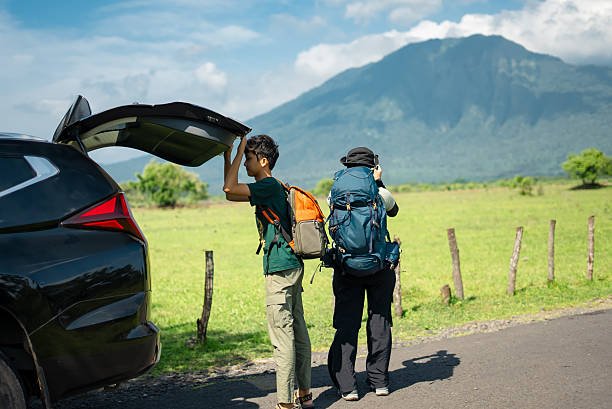
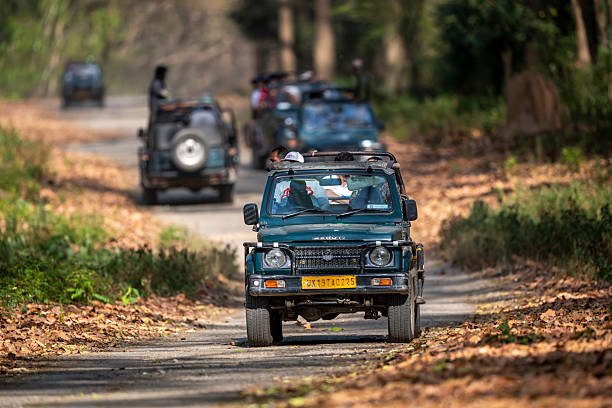
For an Algeria Roman Ruins Tour, reliable transportation is key. Many of the significant sites are located outside major cities, requiring comfortable and robust vehicles. Options include:
- Private Vehicle with Driver: This is the most convenient and flexible option, especially for accessing remote sites like Timgad and Djemila. It allows for spontaneous stops and comfortable travel between locations.
- Domestic Flights: For covering long distances between cities like Algiers and Constantine (near Djemila), domestic flights can save significant travel time.
- Hiring Local Guides: At each archaeological site, engaging local guides can provide invaluable historical context and insights that might not be available otherwise.
Accommodation Options
Accommodation in Algeria ranges from comfortable international-standard hotels in major cities to more basic hotels and guesthouses in smaller towns closer to archaeological sites. For a dedicated Algeria Roman Ruins Tour, expect to stay in a mix of locations:
- Algiers: A wide range of hotels, from 3-star to 5-star, are available.
- Constantine, Sétif, Annaba: These cities offer decent hotel options that serve as good bases for visiting nearby Roman ruins.
- Smaller Towns: Near sites like Timgad, accommodation might be simpler, focusing on providing a clean and safe place to rest.
A well-organized tour will ensure that accommodation is comfortable and conveniently located for daily excursions.
Safety and Health Considerations
Algeria is generally considered a safe country for tourists, particularly when traveling with reputable tour operators. Standard travel precautions are advised:
- Travel Insurance: Comprehensive travel insurance is essential, covering medical emergencies and trip cancellations.
- Vaccinations: Consult your doctor or a travel clinic about recommended vaccinations for Algeria.
- Hydration and Sun Protection: Especially important when visiting outdoor archaeological sites. Carry plenty of water, wear sunscreen, a hat, and sunglasses.
- Local Customs: Respect local customs and traditions, dressing modestly, particularly when visiting religious sites or rural areas.
Sample Itinerary Ideas for Your 2026-2027 Algeria Roman Ruins Tour
To give you a clearer picture of what an Algeria Roman Ruins Tour might look like, here are a few itinerary concepts. These can be customized based on duration, specific interests, and travel style.
Classic Roman Algeria (7-10 Days)
This itinerary focuses on the most significant Roman sites, offering a comprehensive overview.
- Day 1-2: Algiers. Arrival, explore the Casbah (UNESCO), and visit the National Museum of Antiquities to see Roman artifacts.
- Day 3: Tipasa & Cherchell. Day trip to the coastal Roman city of Tipasa and the ancient capital of Caesarea (Cherchell), including its museum.
- Day 4: Travel to Constantine. Fly or drive to Constantine, the “City of Bridges.”
- Day 5: Djemila. Full day exploring the magnificent Roman ruins of Djemila.
- Day 6: Travel to Batna/Timgad Area. Drive towards the Aurès Mountains.
- Day 7: Timgad & Lambaesis. Explore the vast ruins of Timgad and the nearby Roman military base of Lambaesis.
- Day 8: Travel to Annaba. Head towards the coast to visit Hippo Regius.
- Day 9: Hippo Regius & Departure from Annaba, or return to Algiers. Explore Annaba’s historical sites before departure.
In-Depth Roman & Cultural Journey (12-14 Days)
This extended tour incorporates more sites and cultural experiences, allowing for a deeper dive.
- Days 1-3: Algiers. Arrival, Casbah, National Museum, day trip to Tipasa and Cherchell.
- Day 4: Fly to Sétif. Visit the Roman ruins of Cuicul (Djemila) as a day trip from Sétif.
- Day 5: Explore Sétif. Visit the Roman villa and mosaics in Sétif.
- Day 6: Travel to Tebessa. Drive to Tebessa to explore its Roman basilica and arch.
- Day 7: Journey to Timgad. Travel to the Aurès region.
- Day 8: Timgad & Lambaesis. Full exploration of Timgad and Lambaesis.
- Day 9: Visit Madaure & Souk Ahras. Explore the birthplace of Saint Augustine and other smaller Roman sites.
- Day 10: Travel to Annaba. Explore Hippo Regius.
- Day 11: Day trip to Skikda (Rusicada). Visit the coastal Roman city of Skikda.
- Day 12: Return to Algiers. Fly back to the capital.
- Day 13: Optional Excursions or Relaxation.
- Day 14: Departure.
These are sample structures. A dedicated Algeria Roman Ruins Tour, like those Top Guide Adventures might help plan for future destinations, would be meticulously crafted around your specific interests and timeframe for 2026-2027.
The Value of Expert Guidance on an Algeria Roman Ruins Tour
While it’s possible to travel independently, the benefits of a guided Algeria Roman Ruins Tour, especially with a company like Top Guide Adventures (though their primary focus is Tanzania, they can advise on global historical travel planning), are significant. Expert guides provide:
- Historical Expertise: Deep knowledge of Roman history, architecture, and the specific context of each site. They can explain the significance of different structures, identify architectural styles, and tell stories of the people who lived there.
- Logistical Management: Handling all the complexities of travel within Algeria, including transportation, accommodation, and site access, ensuring a smooth and stress-free experience.
- Cultural Insights: Providing context on modern Algerian culture, traditions, and etiquette, enriching the overall travel experience.
- Language Assistance: Facilitating communication with local officials, guides, and people you encounter.
- Safety and Security: Ensuring your well-being by navigating local conditions and providing support throughout the journey.
For a destination like Algeria, where infrastructure can be less developed in certain areas and a local understanding is crucial, professional guidance is invaluable for an enriching Algeria Roman Ruins Tour.
Beyond the Ruins: Experiencing Modern Algeria
An Algeria Roman Ruins Tour is not solely about ancient stones. It’s also an opportunity to connect with the vibrant modern culture of Algeria. Integrating cultural experiences will enhance your journey:
- Algiers Casbah: Wander through the labyrinthine alleys of this UNESCO-listed old city, a UNESCO World Heritage site, to experience traditional Algerian life.
- Local Cuisine: Sample delicious Algerian dishes such as couscous, tagine, and mechoui, often influenced by Berber, Arab, and Mediterranean flavors.
- Markets: Visit local souks to find handicrafts, spices, and traditional clothing.
- Interactions: Engage with the warm and hospitable Algerian people, learning about their way of life.
- Other Historical Layers: Explore Ottoman-era mosques, French colonial architecture, and pre-Roman sites to appreciate the full spectrum of Algeria’s history.
Preparing for Your 2026-2027 Algeria Adventure
As you finalize plans for your Algeria Roman Ruins Tour for 2026 or 2027, consider these practical preparation steps:
- Book in Advance: Especially for travel during peak seasons (spring and autumn), booking flights, accommodation, and tours well in advance is recommended. This is particularly true for 2026 and 2027 as travel patterns continue to evolve.
- Learn Basic Arabic or French Phrases: While French is widely spoken, knowing a few basic Arabic phrases (especially Algerian dialect) will be appreciated.
- Currency: The Algerian Dinar (DZD) is the local currency. ATMs are available in major cities, but it’s advisable to carry some cash, especially for smaller towns and markets.
- Connectivity: Wi-Fi is available in most hotels, but mobile data plans might be more reliable for consistent connectivity.
- Packing Essentials: Comfortable walking shoes are a must. Pack light, breathable clothing, a hat, sunglasses, sunscreen, a reusable water bottle, and any personal medications. A small backpack for day trips is also useful.
The Future of Roman Ruins Tourism in Algeria (2026-2027 Outlook)
Algeria is increasingly recognizing the potential of its rich historical and archaeological heritage to attract international tourism. While it may not experience the mass tourism seen in some European destinations, there is a growing interest in curated, high-quality tours that focus on its unique offerings. For 2026 and 2027, we anticipate a steady increase in travelers seeking authentic, off-the-beaten-path historical experiences. The government is also investing in infrastructure and site preservation, which bodes well for future visitors.
An Algeria Roman Ruins Tour offers a profound journey into the past, providing insights into the Roman Empire’s reach and influence. The exceptional preservation of sites like Timgad and Djemila, combined with Algeria’s stunning landscapes and vibrant culture, makes it an unforgettable destination.
While Top Guide Adventures focuses on creating unforgettable Tanzania experiences, we understand the desire for diverse historical exploration. If you are planning an Algeria Roman Ruins Tour for 2026-2027 or any other historical journey, seeking expert local advice is paramount. For inquiries about planning complex international historical tours or to discuss how a specialized operator can help, feel free to reach out. For immediate assistance with Tanzanian adventures, contact us via WhatsApp at +255616946642 or email us at info@topguideadventures.com. Our backup email is also available for your convenience.
Check Availability for Algeria Roman Ruins Tour: Explore Ancient Wonders In 2026-2027
Ready to compare dates, prices, and the best option for your group? Send the package name and travel month so the team can reply with a clear quote, availability, and what is included.



