
The cost of travel in Ethiopia for 2026-2027 typically ranges from $1,500 to $4,000+ per person for a 10-14 day trip, depending heavily on your travel style, accommodation choices, chosen activities, and the specific itinerary. A mid-range trip might cost around $200-$250 per day, covering comfortable lodging, private transport, guided tours, and meals. Budget travelers can aim for $100-$150 per day by utilizing guesthouses, public transport, and local eateries, while luxury travelers might spend $400+ daily. Key itinerary components influencing cost include visiting the historic northern circuit (Lalibela, Gondar, Axum), exploring the Omo Valley, or trekking in the Simien Mountains. Booking in advance, especially for 2026-2027 peak seasons, is recommended to secure better rates and availability.
Understanding Ethiopia Travel Costs for 2026-2027
Ethiopia, a land of ancient history, diverse cultures, and stunning landscapes, offers a unique travel experience. For many, understanding the Ethiopia travel cost is the first crucial step in planning their adventure. Whether you’re dreaming of visiting the rock-hewn churches of Lalibela, the historical castles of Gondar, the dramatic Simien Mountains, or the vibrant tribes of the Omo Valley, budgeting accurately is key. This guide breaks down the typical expenses you can expect for travel in Ethiopia, specifically looking ahead to 2026 and 2027, to help you craft an informed and realistic budget.
Several factors significantly influence the overall Ethiopia travel cost. These include:
- Duration of your trip: Longer stays naturally increase total costs.
- Travel Style: From budget guesthouses to luxury lodges, your accommodation choice is a major factor.
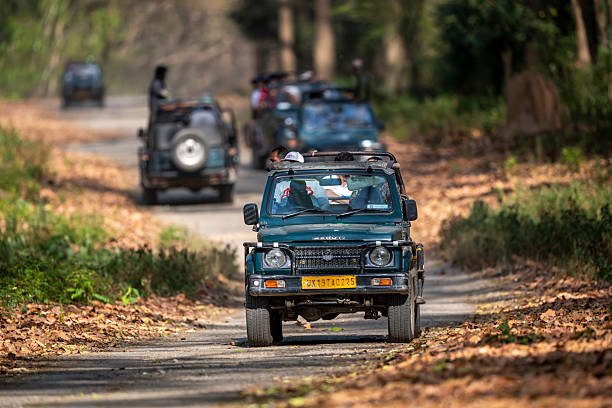
- Transportation: Private 4×4 vehicles are common for safaris and remote areas, while domestic flights or public buses can be used for inter-city travel.
- Activities and Tours: Entrance fees, guided tours, trekking permits, and specialized experiences (like Omo Valley tribal visits) add to the expenses.
- Time of Year: Peak seasons (like the dry season from October to March) may see slightly higher prices than the shoulder or rainy seasons.
- Group Size: Traveling solo or as a couple often incurs higher per-person costs for transport and guides compared to larger groups.
Estimated Daily Budgets for Ethiopia in 2026-2027
To provide a clearer picture, here are estimated daily budgets per person for different travel styles. These figures are for 2026-2027 and are estimates, excluding international flights to Ethiopia:
Budget Traveler: $100 – $150 per day
This budget is achievable for the very cost-conscious traveler. It typically involves:
- Accommodation: Staying in basic guesthouses and hostels.
- Food: Eating at local restaurants and markets.
- Transport: Primarily using public buses and shared taxis between cities. Internal flights might be an occasional splurge.
- Activities: Focusing on key historical sites with standard guide services, potentially joining shared group tours.
Ideal for: Backpackers, solo travelers on a tight budget, and those prioritizing experiences over comfort.
Mid-Range Traveler: $200 – $300 per day
This is the most common budget range, offering a good balance of comfort, convenience, and authentic experiences:
- Accommodation: Comfortable mid-range hotels and lodges with private bathrooms and good amenities.
- Food: A mix of local restaurants and tourist-oriented eateries, occasional hotel dining.
- Transport: Private vehicle hire for certain legs of the journey (especially for safaris or more remote areas), domestic flights for longer distances, and comfortable tourist buses.
- Activities: Including most major historical and cultural sites, guided tours, and potentially organized treks or Omo Valley visits with established operators.
Ideal for: Couples, families, and independent travelers seeking a comfortable and well-organized trip.
Luxury Traveler: $400+ per day
This budget allows for premium experiences and top-tier services:
- Accommodation: Staying in upscale hotels, boutique lodges, and luxury tented camps.
- Food: Fine dining, hotel restaurants, and high-quality curated meals.
- Transport: Exclusive use of private 4×4 vehicles with experienced drivers/guides, private charter flights for faster and more convenient travel between distant locations.
- Activities: Private guided tours, exclusive access where possible, premium trekking arrangements, and bespoke cultural experiences.
Ideal for: Travelers seeking maximum comfort, privacy, and personalized service.
These daily estimates are crucial for building your Ethiopia travel cost projection for 2026-2027. Remember that specific destinations like the Omo Valley or extended Simien Mountains treks will often have higher daily operational costs due to the logistics involved.
Key Cost Components of an Ethiopia Itinerary
Let’s break down the primary expenses that will make up your Ethiopia travel cost and form the backbone of your Ethiopia itinerary.
1. Accommodation
Ethiopia offers a range of lodging options. Prices vary significantly by location and standard.
- Guesthouses/Budget Hotels: $20 – $50 per night. These are basic but clean, often with shared or private bathrooms. Common in most towns.
- Mid-Range Hotels: $60 – $150 per night. These offer better amenities, private bathrooms, often air conditioning, and sometimes breakfast. Found in larger cities like Addis Ababa, Bahir Dar, Gondar, and Mekelle.
- Lodge/Tented Camps (especially in tourist areas like Simien Mountains or Omo Valley): $100 – $300+ per night. These provide more comfort and often include meals.
- Luxury Hotels/Resorts: $200 – $500+ per night. Available mainly in Addis Ababa and a few prime tourist locations, offering premium services and facilities.
2. Transportation
Getting around Ethiopia is a significant part of the Ethiopia travel cost and itinerary planning.
- International Flights: This is a major upfront cost and varies greatly depending on your origin and booking time. Expect anywhere from $700 to $1500+ for round-trip economy tickets to Addis Ababa (ADD).
- Domestic Flights: Ethiopian Airlines offers flights connecting major cities (Addis Ababa, Bahir Dar, Gondar, Axum, Lalibela, Mekelle). A one-way ticket can cost between $80 – $150. Booking these in advance is wise for 2026-2027 travel.
- Private Vehicle Hire (4×4): Essential for many tourist routes, especially if not on a group tour. This includes the vehicle, driver, fuel, and sometimes accommodation for the driver. Costs can range from $150 – $350+ per day, depending on the vehicle type and driver’s experience. This cost is often shared among travelers.
- Public Buses: The cheapest option for inter-city travel, but also the slowest and least comfortable. A journey from Addis Ababa to Gondar might cost $15 – $30.
- Taxis/Minibuses: For local transport within cities. Negotiate fares or ensure a meter is used where available.
3. Food and Drink
Ethiopian cuisine is delicious and generally affordable.
- Local Restaurants: A hearty meal of injera with various stews (wots) can cost $3 – $8.
- Mid-Range Restaurants: $10 – $20 per person for a meal.
- Hotel Dining: Can range from $15 – $40+ per person.
- Bottled Water/Soft Drinks: $0.50 – $2.
- Beer/Local Wine: $2 – $5.
Budgeting $20 – $50 per day for food and drinks is a reasonable estimate for most travelers.
4. Activities, Entrance Fees, and Permits
This is where specific itinerary choices heavily impact the Ethiopia travel cost.
- National Park Entrance Fees: Vary, often around $5 – $20 per person per day.
- Simien Mountains National Park Permit: Approximately $25 per person for a 3-day trek, plus vehicle and guide fees.
- Historical Site Entrance Fees: Sites like Lalibela, Gondar castles, Axum obelisks, and Bahir Dar’s Blue Nile Falls typically range from $10 – $30 per person per site.
- Omo Valley Tribal Visits: Fees vary widely. Often included in organized tours, but can range from $50 – $150+ per visit/community, often negotiated by local guides. It’s crucial to ensure these visits are conducted ethically and respectfully.
- Cultural Shows/Performances: $5 – $20.
- Guides: Hiring local guides for specific sites or treks can range from $20 – $50 per day.
5. Visas and Travel Insurance
- Visa: Most nationalities require a visa. An e-visa is available for many, costing around $50-$70. Check the latest requirements for 2026-2027.
- Travel Insurance: Essential. Costs vary based on coverage and duration, but budget $50 – $200 for a typical trip.
6. Miscellaneous
Don’t forget to budget for tips, souvenirs, laundry, and unexpected expenses.
- Tips: For guides, drivers, lodge staff. Tipping culture is present but not as formalized as in some other destinations.
- Souvenirs: Ethiopia offers beautiful crafts, textiles, and coffee.
- Contingency Fund: Always wise to have 10-15% extra for unforeseen issues.
Sample Ethiopia Itineraries and Associated Costs (2026-2027)
To make the Ethiopia travel cost and Ethiopia itinerary planning more concrete, let’s look at a few sample itineraries, keeping 2026-2027 travel in mind. These are based on a mid-range travel style, assuming two people traveling together and sharing costs.
Itinerary 1: The Historic Northern Circuit (10 Days)
This classic route covers Ethiopia’s most famous historical and cultural highlights.
Route:
Addis Ababa (arrival) > Bahir Dar > Gondar > Axum > Lalibela > Addis Ababa (departure)
Key Inclusions:
- Accommodation in comfortable mid-range hotels/lodges.
- Private 4×4 vehicle with driver for the entire trip (excluding Addis).
- Domestic flights for efficiency (e.g., Lalibela to Addis).
- Entrance fees to historical sites (castles, churches, obelisks).
- Local guides at key locations.
- Most meals (breakfast usually included with accommodation, some lunches/dinners).
Estimated Cost (per person, based on 2 sharing, 2026-2027):
$2,200 – $3,000
Breakdown Factors:
- Accommodation: ~$100/night/person = $900
- Private Vehicle & Driver: ~$250/day / 2 people = $1,250 (for 10 days, some days with less driving)
- Domestic Flights: ~$200 (e.g., Bahir Dar-Gondar, Gondar-Axum, Axum-Lalibela, Lalibela-Addis)
- Entrance Fees & Local Guides: ~$200
- Food: ~$40/day = $400
- Miscellaneous/Contingency: ~$250
Note: This itinerary is highly dependent on internal flight schedules. Adjustments might be needed based on availability for 2026-2027 bookings. A more extensive 12-14 day itinerary would allow for more relaxed pacing and perhaps add the Simien Mountains.
Itinerary 2: Historical North & Simien Mountains Trek (12 Days)
Combines the historical wonders with impressive mountain scenery and trekking.
Route:
Addis Ababa (arrival) > Bahir Dar > Gondar > Simien Mountains (trekking) > Axum > Lalibela > Addis Ababa (departure)
Key Inclusions:
- Accommodation in mid-range hotels and mountain lodges/camps.
- Private 4×4 vehicle with driver for the entire trip.
- Permits and guide for Simien Mountains trek.
- Domestic flights.
- Entrance fees and local guides.
- Most meals.
Estimated Cost (per person, based on 2 sharing, 2026-2027):
$2,800 – $3,800
Breakdown Factors:
- Accommodation: ~$120/night/person (higher for mountain lodges) = $1,320
- Private Vehicle & Driver: ~$280/day / 2 people = $1,680 (for 12 days)
- Domestic Flights: ~$250
- Simien Trek Fees (Permit, Guide, Cook, Porters): ~$300-400 per person for a 3-day trek.
- Entrance Fees & Local Guides: ~$250
- Food: ~$45/day = $540
- Miscellaneous/Contingency: ~$350
Note: Trekking in the Simien Mountains requires physical fitness. The best months for trekking are typically September to May, making this a good option for 2026-2027 planning during the dry seasons.
Itinerary 3: Omo Valley Cultural Immersion (14 Days)
Focuses on the diverse tribal cultures of the Lower Omo River Valley, often combined with a taste of the north.
Route:
Addis Ababa (arrival) > (Optional: Bahir Dar/Gondar/Lalibela – 3-4 days) > Jinka > Mursi Village > Turmi (Hamar tribe) > Karo tribe > Konso > Addis Ababa (departure)
Key Inclusions:
- Accommodation in basic lodges, guesthouses, and potentially local community accommodations.
- Robust 4×4 vehicle with experienced driver/guide accustomed to Omo Valley conditions.
- Community visit fees and local guide arrangements.
- Internal flight from Addis to Arba Minch (or other entry point) and back.
- Meals, especially in remote areas.
Estimated Cost (per person, based on 2 sharing, 2026-2027):
$3,500 – $5,000+
Breakdown Factors:
- Accommodation: ~$150/night/person (variable, can be more basic or more comfortable) = $1,950 (for 13 nights)
- 4×4 Vehicle & Driver: ~$300-400/day / 2 people = $2,100 – $2,800 (for 14 days, Omo Valley is remote and driving is tough)
- Internal Flights: ~$150
- Omo Valley Fees & Local Guides: ~$500-800 (can be higher depending on number of tribes and negotiations)
- Food: ~$50/day = $700
- Miscellaneous/Contingency: ~$500
Note: The Omo Valley requires significant driving over rough terrain. The best time to visit is during the dry season (June to October, and again from December to March). Cultural sensitivity is paramount here. Ensure your tour operator practices responsible tourism. For 2026-2027, it’s essential to book this type of specialized trip well in advance.
Planning Your Ethiopia Travel Budget for 2026-2027
Creating a realistic budget for your Ethiopia travel cost involves a few strategic steps.
1. Define Your Priorities
Are you most interested in history, culture, nature, or adventure? Your priorities will dictate your itinerary and thus your expenses. For example, a deep look at Omo Valley tribes will be more expensive than focusing solely on the northern historical circuit.
2. Choose Your Travel Style
As outlined earlier, your preference for accommodation and transport will be the biggest differentiator in cost. Be honest about your comfort levels and what you’re willing to compromise on.
3. Select Your Itinerary Length and Route
A 7-day trip will obviously cost less than a 21-day expedition. For 2026-2027, consider the best times to visit specific regions. The dry season (October-March) is popular for the North and South, while the shoulder seasons can offer good value.
4. Research Tour Operators or Plan Independently
Group Tours: Often offer a good balance of cost and convenience, especially for popular routes. They usually include most major expenses. Prices for a 10-day Northern Circuit tour might range from $2,000 – $3,500 per person for mid-range options in 2026-2027.
Private Tours: Offer flexibility and personalized experiences. These are generally more expensive but can be cost-effective for groups. Top Guide Adventures specializes in crafting tailor-made journeys. For a 10-day custom Northern Circuit for two people, expect costs from $2,500 – $4,000 per person.
Independent Travel: Possible for the Northern Circuit using public transport and budget/mid-range hotels, potentially bringing the daily cost down to the $100-$150 range. However, it requires more time, flexibility, and comfort with navigating logistics. The Omo Valley and remote areas are much harder to do independently and are best tackled with a local guide and vehicle.
5. Book in Advance
Especially for travel in 2026-2027, booking international flights, popular accommodations, and essential internal flights well in advance can lead to significant savings and ensure availability.
6. Factor in Visa and Insurance Costs
Don’t overlook these essential administrative costs. They are often fixed and need to be added to your overall budget.
7. Add a Contingency Fund
Ethiopia is a developing country, and unexpected issues can arise. A buffer of 10-15% of your total estimated cost is highly recommended.
Tips for Saving Money on Your Ethiopia Trip (2026-2027)
While Ethiopia offers incredible value, here are some tips to help manage your Ethiopia travel cost:
- Travel in the Shoulder Season: Consider visiting just before or after the peak dry season (e.g., September or April-May) for potentially lower prices and fewer crowds.
- Embrace Local Cuisine: Eating at local ‘injera’ houses is delicious, authentic, and much cheaper than tourist-focused restaurants.
- Utilize Public Transport for Shorter Distances: While private transport is often necessary for efficiency and comfort, consider local buses or shared taxis for shorter inter-city hops if time is not a major constraint.
- Group Travel: Traveling with friends or family allows you to split the costs of private vehicles and guides, significantly reducing the per-person expense.
- Focus on Specific Regions: Instead of trying to see everything, a shorter trip focusing on one or two regions (e.g., Northern Circuit only) can be more budget-friendly.
- Negotiate Respectfully: For some services like local taxis or market purchases, polite negotiation is expected. However, for established tour operators and entry fees, prices are usually fixed.
- Drink Tap Water (Filtered/Boiled): While bottled water is readily available, carrying a reusable water bottle and a filter or purification tablets can save money and reduce plastic waste. Ensure water is properly treated.
When to Travel to Ethiopia: Impact on Cost and Itinerary
The timing of your visit significantly impacts both the Ethiopia travel cost and the feasibility of certain parts of your Ethiopia itinerary.
- Dry Season (October to March): This is the peak tourist season. Weather is generally sunny and pleasant, ideal for trekking and sightseeing. Expect higher prices for flights and accommodation, and more crowds. This is a prime time for 2026-2027 travel if you prefer predictable weather.
- Shoulder Seasons (April-May and September): Transition periods between wet and dry seasons. The landscape is often green and beautiful. Prices may be slightly lower, and crowds thinner. Some areas might experience intermittent rain.
- Rainy Season (June to August): Known as the ‘kremt’ season. While some regions experience heavy rain (especially the highlands), others like the Omo Valley can be more accessible and less dusty. This is the low season, offering the lowest prices and fewest tourists. Roads can become challenging, impacting transport.
For most travelers aiming for the classic Northern Circuit and Simien Mountains, the dry season (October-March) is often preferred. If your Ethiopia itinerary focuses on the Omo Valley, the dry season is also generally better, although accessibility can still be an issue after heavy rains.
Navigating Ethiopia: Transport Options and Costs
Understanding your transport options is vital for both budget and itinerary planning.
Domestic Flights
Ethiopian Airlines is the primary carrier. Flights connect major hubs like Addis Ababa, Bahir Dar, Gondar, Axum, Lalibela, and Mekelle.
- Pros: Saves significant travel time, especially for long distances.
- Cons: Can be expensive ($80-$150 per leg), flights can be subject to delays or cancellations, and luggage restrictions apply.
- Booking: Essential to book in advance, especially for 2026-2027 travel during peak times.
Private Vehicle Hire
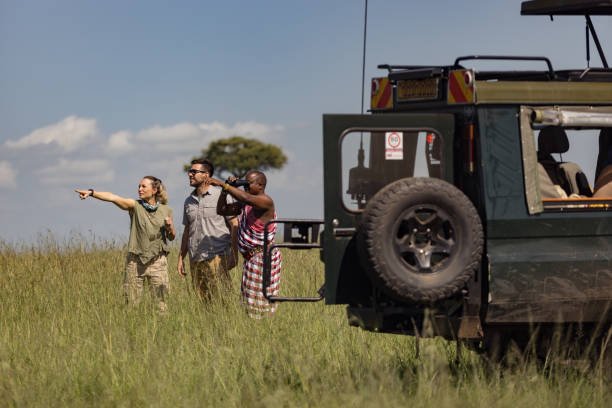
This is the most common and recommended method for tourists exploring beyond Addis Ababa, particularly for safaris and the Northern Circuit. You hire a 4×4 vehicle with a driver/guide.
- Pros: Flexibility, comfort, ability to reach remote areas, driver’s local knowledge.
- Cons: The most expensive option per day, especially for solo travelers.
- Cost: Typically $150 – $350+ per day, including fuel and driver’s expenses. This cost is shared among passengers.
Public Buses
Ethiopia has an extensive bus network. Companies like Selam Bus and Blue Bird Bus offer services between cities.
- Pros: Very affordable ($10 – $30 for long distances).
- Cons: Slow, uncomfortable, roads can be poor, prone to delays, limited luggage space, not suitable for remote areas or tight schedules.
- Best for: Budget travelers on less time-sensitive routes between major cities.
Shared Taxis/Minibuses
These operate on set routes, filling up before departing.
- Pros: Cheaper than private taxis, faster than buses on some routes.
- Cons: Can be cramped, driving can be erratic, departure times are unpredictable.
- Best for: Short inter-city trips or local transport within larger towns.
For most international visitors planning a comprehensive Ethiopia itinerary for 2026-2027, a combination of domestic flights and private vehicle hire offers the best balance of time, comfort, and access.
Visa and Entry Requirements for Ethiopia (2026-2027)
Staying informed about visa requirements is crucial for a smooth trip and managing Ethiopia travel cost.
- E-Visa: Many nationalities can apply for an e-visa online before arrival. This is usually the most convenient option. Processing times can vary, so apply at least 2-3 weeks before your intended travel date for 2026-2027.
- Visa on Arrival: Available for some nationalities at Addis Ababa Bole International Airport (ADD). However, relying on this can be risky due to potential queues or changes in policy. Check current regulations.
- Embassy Visa: Applying at an Ethiopian embassy or consulate in your home country is another option.
Cost: E-visas typically cost between $50 – $70 depending on the visa type and duration. Always check the official Ethiopian immigration website for the most up-to-date information and fees for 2026-2027.
Health and Safety Considerations for Ethiopia
While planning your Ethiopia travel cost and itinerary, don’t forget health and safety.
- Vaccinations: Consult your doctor or a travel clinic 4-6 weeks before your trip. Recommended vaccinations often include Hepatitis A, Typhoid, Tetanus, and sometimes Yellow Fever (depending on your travel route and origin country).
- Malaria: Risk exists in many areas, particularly at lower altitudes and in the west and south (e.g., Omo Valley). Antimalarial medication is usually recommended. Consult your doctor.
- Food and Water Safety: Drink only bottled or purified water. Be cautious with street food and ensure all meals are cooked thoroughly. Peel fruits and vegetables.
- Altitude Sickness: Many popular destinations (Addis Ababa, Simien Mountains) are at high altitudes. Acclimatize slowly, stay hydrated, and avoid strenuous activity on your first day.
- General Safety: Ethiopia is generally safe for tourists, especially when traveling with reputable operators. Be aware of your surroundings, especially in crowded markets. Petty theft can occur. Avoid displaying large amounts of cash.
Making the Most of Your Ethiopia Itinerary with Top Guide Adventures
For many travelers, the complexity of planning an Ethiopia itinerary and managing the Ethiopia travel cost can be daunting. Partnering with a trusted local tour operator like Top Guide Adventures can transform your planning experience and ensure a smooth journey.
Top Guide Adventures specializes in creating personalized travel experiences across Tanzania, and their expertise extends to understanding the nuances of Ethiopian travel. They offer:
- Tailor-Made Itineraries: Whether you’re interested in the ancient north, the vibrant south, or a combination, they can design a trip that perfectly matches your interests, budget, and timeline for 2026-2027.
- Logistical Management: They handle all the complex arrangements, including vehicle hire, driver selection, accommodation bookings, domestic flights, and local guide coordination.
- Cultural Insight: Benefit from their local knowledge to ensure respectful and authentic interactions, especially in sensitive areas like the Omo Valley.
- Cost-Effective Solutions: By leveraging their local partnerships and understanding of pricing, they can often secure better rates than individuals booking independently, helping to manage your Ethiopia travel cost effectively.
- Dedicated Support: From initial inquiry to your departure, you’ll have a dedicated point of contact for support and assistance.
Consider reaching out to Top Guide Adventures for a personalized quote and itinerary consultation for your 2026-2027 Ethiopian adventure. They can help you navigate the best options for your budget, whether you’re aiming for a mid-range comfort or a more luxurious experience.
You can contact them via:
- WhatsApp: +255616946642
- Email: info@topguideadventures.com
- Backup Email: (Please provide if available, otherwise omit)
Their commitment to personal attention, care, and dedicated support ensures that your Ethiopian journey is not just a trip, but a truly memorable adventure.
Planning your Ethiopia travel cost and Ethiopia itinerary for 2026-2027 requires careful consideration of multiple factors. By understanding the key cost components, exploring different itinerary options, and utilizing smart budgeting tips, you can create an incredible Ethiopian experience that fits your financial plan. Whether you opt for a classic historical tour, an adventurous trek, or a cultural deep-dive, Ethiopia promises a journey unlike any other.
Check Availability for Ethiopia Travel Cost And Itinerary Guide: Planning Your Adventure 2026-2027
Ready to compare dates, prices, and the best option for your group? Send the package name and travel month so the team can reply with a clear quote, availability, and what is included.



