
A Kibira National Park nature tour offers an unparalleled opportunity to explore one of Tanzania’s most biodiverse and least-visited protected areas, focusing on its rich primate populations, diverse birdlife, and pristine montane rainforest ecosystems through guided walking safaris and trekking experiences. For 2026-2027, expect expertly guided excursions that prioritize conservation, offering deep insights into the park’s ecology and the importance of its preservation.
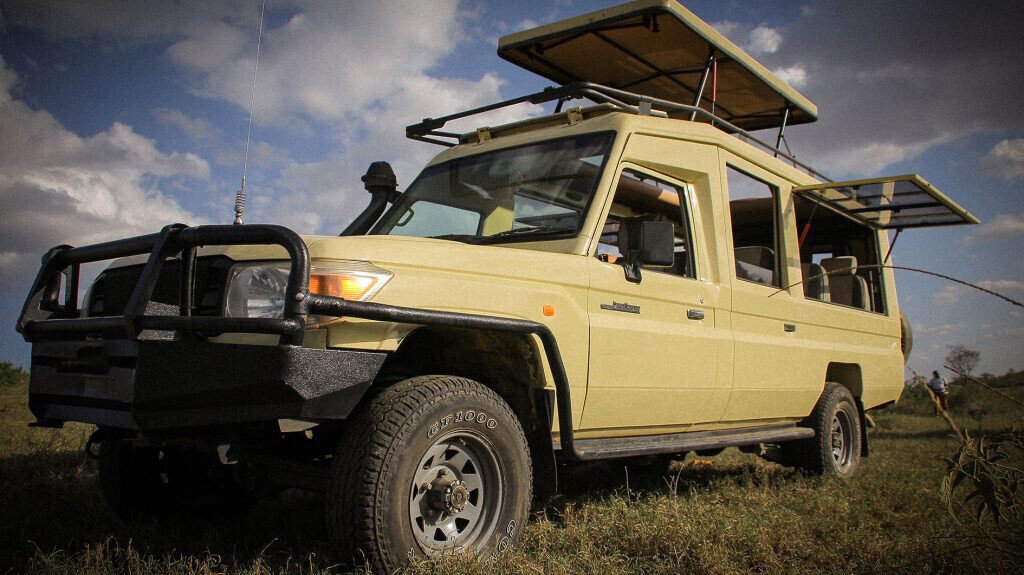

Discovering Kibira National Park: Tanzania’s Verdant Heart
Tanzania is globally renowned for its iconic savanna safaris, with destinations like the Serengeti and Ngorongoro Crater drawing millions of visitors each year. Yet, located in the country’s western region, bordering Burundi, lies a different kind of wilderness: Kibira National Park. This is not a land of vast plains and the Great Migration, but a realm of dense, ancient rainforest, a vital water catchment, and a sanctuary for an astonishing array of primates and endemic species. A Kibira National Park nature tour is an expedition for the discerning traveler seeking an authentic, off-the-beaten-path adventure, focusing on ecological richness and in-depth natural encounters.
Kibira, meaning “the forest” in Kirundi, covers approximately 400 square kilometers and is one of the last remaining significant tracts of montane rainforest in East Africa. Its rugged terrain, characterized by steep valleys and plateaus, creates a unique microclimate that supports an incredible diversity of flora and fauna. Unlike many other Tanzanian parks, Kibira is best explored on foot, making a nature tour here a truly intimate experience with the wild. Top Guide Adventures specializes in crafting these unique journeys, ensuring that your 2026-2027 visit is both rewarding and responsible.
Why Choose Kibira for Your Next Nature Tour?
The allure of Kibira lies in its exclusivity and its distinct ecosystem. If you’ve experienced the thrill of a classic safari and are looking for something more profound, a Kibira National Park nature tour provides:
- Exceptional Primate Viewing: Kibira is a stronghold for several primate species, including the chimpanzee, colobus monkey (both black-and-white and Angolan colobus), baboons, and various other monkey species. Tracking chimpanzees through the dense forest is a highlight for many visitors.
- Rich Avian Diversity: Birdwatchers will find Kibira a paradise, with over 200 species recorded, including many endemic and rare forest birds.
- Unique Montane Rainforest Ecosystem: Explore a landscape vastly different from Tanzania’s typical savanna parks, with towering trees, lush undergrowth, clear streams, and cascading waterfalls.
- Conservation Focus: Kibira plays a critical role in watershed protection for the Kagera River and surrounding areas. Tours here often incorporate an understanding of its ecological importance and conservation efforts.
- Off-the-Beaten-Path Experience: Escape the crowds and enjoy a sense of discovery in a park that receives relatively few tourists, offering a more authentic and personal connection with nature.
Planning Your Kibira National Park Nature Tour with Top Guide Adventures
Organizing a trip to Kibira requires careful planning due to its remote location and unique accessibility. Top Guide Adventures, as one of Tanzania’s trusted tour companies, brings extensive local knowledge and logistical expertise to ensure your Kibira National Park nature tour is smooth and enriching. We focus on providing personal attention, care, and dedicated support, tailoring each itinerary to your interests and comfort level.
Best Times to Visit Kibira National Park (2026-2027)
Kibira’s climate is influenced by its high altitude, offering a cooler and wetter environment than much of Tanzania. The best time for a nature tour generally aligns with the drier seasons, although the forest’s dense canopy means it’s accessible year-round.
- June to October (Dry Season): This period offers the most pleasant weather, with less rainfall and lower humidity, making trekking and wildlife viewing more comfortable. Trails are generally in better condition.
- December to February (Short Dry Season): Another window of drier weather, though typically shorter and sometimes interrupted by brief showers.
- November and March to May (Rainy Seasons): While rainfall is higher, the forest remains lush and vibrant. This can be an excellent time for birdwatching and offers a more dramatic, atmospheric experience. Trails can become muddy and challenging, requiring appropriate gear and a flexible itinerary. Prices might also be slightly lower during the peak rainy season.
For your 2026-2027 travel plans, we recommend booking your Kibira National Park nature tour at least 6-9 months in advance, especially if you aim for peak dry season dates, to secure preferred accommodation and guides. The park’s accessibility and limited infrastructure mean that advance planning is crucial.
Getting to Kibira National Park
Reaching Kibira National Park is an adventure in itself. The park is located in the western part of Tanzania, near the town of Kasulu. Access typically involves:
- Flying: The nearest major airport with scheduled flights is in Kigoma. From Kigoma, you would typically arrange a private transfer or take local transport (bus or dala-dala) to Kasulu, which is the gateway town to Kibira. This journey can take several hours.
- Driving: Driving from major cities like Dar es Salaam or Arusha is a long journey, often requiring multiple days and sturdy 4×4 vehicles. It’s more common for travelers to fly into Kigoma and then arrange ground transport.
Top Guide Adventures handles all transportation logistics, ensuring a smooth transfer from your arrival point to the park entrance and your chosen accommodation. We understand the nuances of navigating these routes for your Kibira National Park nature tour.
Accommodation Options
Accommodation within or immediately surrounding Kibira National Park is limited, reflecting its less-developed tourism infrastructure. This is part of what makes a Kibira National Park nature tour so exclusive.
- Park Lodges/Camps: There are a few basic park-run guesthouses or bandas located near the park entrance or within accessible areas. These offer simple, clean, and functional lodging, often with shared facilities.
- Community Campsites: Some areas offer basic campsites, allowing for a more in-depth experience under the forest canopy.
- Nearby Town Lodges (Kasulu): For those preferring more comfort, staying in Kasulu town provides access to hotels and guesthouses with better amenities, requiring daily transfers to the park for activities.
Top Guide Adventures works with the best available options, prioritizing proximity to park activities and a comfortable base for your explorations. We can discuss your preferences for 2026-2027 to find the right balance of comfort and wilderness immersion.
Activities on a Kibira National Park Nature Tour
The primary draw of Kibira is its natural environment, and activities are designed to facilitate close encounters with its wildlife and landscapes.
Guided Forest Walks and Trekking
Walking safaris are the cornerstone of any Kibira National Park nature tour. Accompanied by experienced local guides and rangers, you’ll traverse forest trails, learning about the diverse plant life, identifying animal tracks, and searching for wildlife.
- Primate Tracking: The highlight for many is the chance to track chimpanzees. This involves hiking through the forest, listening for their calls, and observing them in their natural habitat. Other primate walks focus on spotting colobus monkeys, baboons, and vervet monkeys.
- Birdwatching Walks: Dedicated birding excursions can be arranged, focusing on areas known for high avian activity. Your guide will help identify species through sight and sound.
- Nature Trails: Explore various trails leading to scenic viewpoints, waterfalls, and unique geological formations. These walks offer a comprehensive introduction to the park’s ecosystem.
The duration and difficulty of these walks can be tailored. Options range from short, leisurely strolls to full-day strenuous treks. Proper hiking boots, rain gear, and insect repellent are essential.
Chimpanzee Trekking in Kibira
Kibira is one of the few places in Tanzania where you can trek to see chimpanzees in the wild, outside of the Gombe Stream National Park. The chimpanzee population here is estimated to be around 1,000 individuals, living in fission-fusion societies.
Chimpanzee trekking involves hiking through the dense rainforest, often on steep and slippery terrain. Your chances of seeing them are high, but like all wild animal encounters, they are not guaranteed. The experience of hearing their calls echoing through the forest and finally observing these intelligent primates is profoundly rewarding. Guides are trained to track them using signs like nests, droppings, and vocalizations. A Kibira National Park nature tour focusing on chimpanzees is an unforgettable adventure.
Birdwatching Expeditions
With over 200 bird species, Kibira is a significant destination for ornithologists and casual birdwatchers alike. The park’s montane forest habitat supports a unique range of species, many of which are not found in the savanna parks.
Key species to look out for include:
- Great Blue Turaco
- Ross’s Turaco
- African Pitta
- Crested Guineafowl
- Various sunbirds, flycatchers, and hornbills
Guided birdwatching walks can be arranged, often starting early in the morning when birds are most active. Bringing binoculars and a field guide is highly recommended for your Kibira National Park nature tour.
Exploring Waterfalls and Rivers
Kibira National Park is the source of several rivers, including the headwaters of the mighty Kagera River. The landscape is dotted with beautiful waterfalls and clear streams, offering serene spots for rest and reflection during treks.
Exploring these water features adds another dimension to your nature tour, showcasing the park’s role in the regional water cycle and providing opportunities for photography and relaxation amidst the lush greenery.
Wildlife of Kibira National Park
While primates are the stars, Kibira’s biodiversity extends far beyond. The dense forest canopy and undergrowth provide a home for a variety of mammals, reptiles, and amphibians.
Mammal Sightings
Beyond the primates, other mammals found in Kibira include:
- Bushbucks
- Forest Duikers
- Wild Pigs
- Leopards (rarely seen)
- Various smaller mammals like mongooses and squirrels
While large predators like lions and elephants are absent, the focus on smaller mammals and primates offers a different, yet equally fascinating, wildlife viewing experience.
Reptiles and Amphibians
The moist environment of Kibira is ideal for a variety of reptiles and amphibians. While not typically a primary focus for most visitors, these creatures are an integral part of the forest ecosystem.
Conservation and Community in Kibira
Visiting Kibira National Park is not just about wildlife viewing; it’s also an opportunity to understand and support conservation efforts in a critical ecosystem.
The Ecological Importance of Kibira
Kibira National Park is a vital watershed, acting as the source for numerous rivers that flow into Lake Tanganyika and eventually the Nile River basin. Its dense forest cover helps regulate water flow, prevent soil erosion, and maintain water quality for downstream communities and ecosystems.
The park’s high altitude and unique habitat make it a refuge for species that are sensitive to environmental changes. Protecting Kibira is crucial for regional environmental stability.
Community Involvement and Ecotourism
Top Guide Adventures is committed to responsible tourism. For your Kibira National Park nature tour in 2026-2027, we ensure that our tours benefit local communities and contribute to conservation initiatives.
- Local Guides: We employ knowledgeable local guides who have a deep understanding of the forest, its wildlife, and its cultural significance.
- Community Benefits: A portion of tour proceeds can be directed towards community development projects or conservation activities in the park’s buffer zones.
- Education and Awareness: Our tours aim to educate visitors about the importance of forest conservation and the challenges faced by ecosystems like Kibira.
By choosing a Kibira National Park nature tour with us, you are directly contributing to the preservation of this unique environment and supporting the livelihoods of the people who live alongside it.
Sample Itinerary: A 5-Day Kibira National Park Nature Tour
This sample itinerary provides a framework for a typical Kibira National Park nature tour, which can be customized to your preferences and duration. This is designed for 2026-2027 travel.
Day 1: Arrival in Kigoma & Transfer to Kasulu
Arrive at Kigoma Airport (TKJ). Meet your Top Guide Adventures representative and transfer to Kasulu town (approx. 2-3 hours drive). Check into your lodge in Kasulu. Briefing about the upcoming Kibira National Park nature tour.
Day 2: Kibira National Park – Forest Exploration & Primate Trekking
After breakfast, drive to the Kibira National Park entrance. Meet your park ranger and begin a guided nature walk. Focus on spotting colobus monkeys and other forest dwellers. If conditions permit and you’re interested, start a chimpanzee tracking excursion.
Day 3: Kibira National Park – Deeper Forest Trek & Birdwatching
start a longer trek into the heart of the park. Explore different trails, visit a scenic waterfall, and enjoy a packed lunch amidst the forest. This day is ideal for dedicated birdwatching with your guide.
Day 4: Kibira National Park – Cultural Interaction & Departure to Kigoma
Morning visit to a local community near the park to learn about their way of life and how they co-exist with the forest. Afterwards, drive back to Kigoma. Overnight in Kigoma, perhaps enjoying a sunset view over Lake Tanganyika.
Day 5: Departure from Kigoma
Enjoy breakfast in Kigoma before transferring to the airport for your onward flight.
This is a basic outline. We can extend your Kibira National Park nature tour to 7 or more days, incorporating more intensive trekking, wildlife observation, and relaxation. For 2026-2027, let us know your specific interests!
What to Pack for Your Kibira National Park Nature Tour
Packing appropriately is key to enjoying your Kibira National Park nature tour, especially given the forest environment and potential for rain.
- Clothing: Lightweight, quick-drying long-sleeved shirts and trousers (to protect against insects and vegetation). Neutral colors are best for wildlife viewing. Include a fleece or warm layer for cooler mornings/evenings. Waterproof and windproof jacket is essential.
- Footwear: Sturdy, broken-in hiking boots are crucial for forest trails. Bring comfortable shoes or sandals for relaxing at the lodge.
- Insect Repellent: High DEET content repellent is recommended.
- Sun Protection: Sunscreen, hat, and sunglasses.
- Rain Gear: Waterproof jacket and trousers, or a poncho. A waterproof bag cover for your backpack.
- Health: Personal first-aid kit, any prescription medications, and malaria prophylaxis (consult your doctor).
- Gear: Binoculars for wildlife and bird viewing, camera with extra batteries and memory cards, reusable water bottle, headlamp or flashlight.
- Documents: Passport, visa (if required), yellow fever certificate, travel insurance details.
Pricing and Booking Your Kibira National Park Nature Tour (2026-2027)
The cost of a Kibira National Park nature tour is typically quoted on a per-person basis and depends on several factors:
- Duration of the tour
- Accommodation standard (basic park bandas vs. more comfortable lodges)
- Number of people in the group (private vs. shared)
- Inclusions (transport, meals, park fees, guide fees)
- Time of year (peak vs. low season)
As a general guideline for 2026-2027, a mid-range Kibira National Park nature tour, including accommodation, private transport from Kigoma, park fees, ranger fees, and guided walks, might range from $250 to $400 per person per day. Luxury options or highly customized itineraries could be higher.
Estimated Daily Rates (Per Person) for Kibira Nature Tours (2026-2027):
| Category | Estimated Price Range (USD) | Notes |
|---|---|---|
| Budget (basic accommodation, shared transport where possible) | $200 – $280 | Limited options, requires flexibility. |
| Mid-Range (comfortable lodges/ bandas, private transport) | $250 – $400 | Most popular option, balanced comfort and experience. |
| Luxury (high-end lodges, exclusive guiding) | $400+ | Tailored experiences, premium services. |
Please note: These are estimates. Exact pricing for your Kibira National Park nature tour will depend on your specific itinerary and preferences. Park entrance fees and ranger fees are usually separate or included in the package price. We recommend requesting a personalized quote.
Booking Your Adventure
Ready to plan your unique Kibira National Park nature tour for 2026 or 2027? Top Guide Adventures is here to help. We pride ourselves on offering personalized service and crafting unforgettable Tanzanian experiences.
Contact us today:
- WhatsApp: +255 616 946 642
- Email: info@topguideadventures.com
- Backup Email: [Please specify backup email if available]
We look forward to helping you discover the hidden rainforests of Kibira National Park.
Frequently Asked Questions about Kibira National Park Nature Tours
What makes Kibira National Park different from other Tanzanian parks?
Kibira is primarily a montane rainforest, unlike the savanna parks like Serengeti or Tarangire. Its focus is on primate viewing, unique forest flora, and its role as a vital watershed, rather than large savanna mammals. It’s best explored on foot.
Are chimpanzee sightings guaranteed in Kibira?
While Kibira has a healthy chimpanzee population, sightings are not guaranteed as they are wild animals that move freely within the forest. However, with experienced guides, the chances are high.
What is the best way to access Kibira National Park?
The most common access route is flying into Kigoma Airport and then arranging ground transport (approx. 2-3 hours) to Kasulu, the gateway town. Driving from major cities is a very long journey.
Is Kibira National Park suitable for families?
A Kibira National Park nature tour can be suitable for families with older children (e.g., 12+) who are comfortable with hiking and basic accommodation. Younger children might find the trekking challenging, and primate tracking requires patience. We can tailor family-friendly itineraries.
What are the main conservation challenges for Kibira National Park?
Key challenges include human encroachment, deforestation for agriculture and firewood in surrounding areas, and the impact of climate change on the delicate forest ecosystem. Tourism revenue and community engagement are vital for its protection.
Do I need a special permit for Kibira National Park?
Yes, park entry fees and potential fees for activities like chimpanzee trekking are required. These are typically arranged by your tour operator, like Top Guide Adventures, as part of your tour package.
Can I combine a Kibira National Park nature tour with other destinations in Tanzania?
Yes, it’s possible but requires careful logistical planning due to Kibira’s western location. Combining it with Lake Tanganyika (Kigoma) or potentially western Serengeti areas is feasible. Combining it with northern circuit parks (Serengeti, Ngorongoro) would involve significant travel time, usually by flight.
What is the typical duration for a Kibira National Park nature tour?
A minimum of 3 days within the park is recommended to experience its highlights. Most visitors opt for 4-5 day tours to allow for deeper exploration and travel time. Longer stays are also possible.
The Future of Kibira National Park Tourism (2026-2027 and Beyond)
As awareness grows about Tanzania’s diverse offerings beyond the classic safari circuit, destinations like Kibira National Park are poised for careful development. The focus for 2026-2027 and the coming years will undoubtedly be on sustainable tourism models that protect the park’s fragile ecosystem while providing tangible benefits to local communities.
Top Guide Adventures is committed to being at the forefront of this responsible tourism movement. We believe that a well-managed Kibira National Park nature tour can serve as a powerful tool for conservation, educating visitors and generating revenue that directly supports the park’s protection and the well-being of its surrounding communities. Expect continued efforts to improve infrastructure minimally, enhance guiding standards, and promote the unique value of Kibira as an ecotourism destination.
For those planning their travels in 2026 and 2027, choosing Kibira offers a chance to experience a different facet of Tanzania’s natural heritage – a world of ancient forests, elusive primates, and vibrant birdlife, explored through intimate, low-impact adventures. Let us help you craft your perfect Kibira National Park nature tour.
Check Availability for Kibira National Park Nature Tour: Your Ultimate Guide For 2026-2027
Ready to compare dates, prices, and the best option for your group? Send the package name and travel month so the team can reply with a clear quote, availability, and what is included.



