
A game drive involves traversing wildlife areas in a specially adapted safari vehicle, typically a 4×4, allowing you to cover larger distances and view animals from a safe, elevated perspective. A walking safari, conversely, is conducted on foot with an armed ranger and guide, offering a more intimate and sensory connection with the bush, focusing on smaller details, tracks, and the immediate environment.
Choosing Your Safari Style: Game Drive or Walking Safari in Tanzania
Tanzania, a jewel of East Africa, is synonymous with unparalleled wildlife encounters. When planning your safari adventure, two primary methods of exploration emerge: the classic game drive and the deeply in-depth walking safari. While both offer incredible opportunities to witness the country’s magnificent fauna, they provide fundamentally different experiences. Understanding the distinction between a game drive and a walking safari is crucial for tailoring your trip to your interests, fitness levels, and desired level of engagement with the wilderness. This comprehensive guide, brought to you by Top Guide Adventures, will explore every facet of these safari styles, helping you make an informed decision for your 2026-2027 journey.
At Top Guide Adventures, we specialize in crafting personalized Tanzanian safaris that cater to every traveler’s dream. Whether you envision covering vast plains in a 4×4 or experiencing the pulse of the savanna on foot, we have the expertise to design your perfect adventure. Let’s break down what makes each safari type unique.
The Thrill of the Chase: Understanding the Game Drive
The image of a safari often conjures up scenes from classic films: sturdy 4×4 vehicles navigating dusty tracks, binoculars at the ready, as herds of wildebeest or a pride of lions are spotted in the distance. This is the essence of the game drive. It is the most traditional and widely practiced method of wildlife viewing in Tanzania’s renowned national parks and game reserves.
What is a Game Drive?
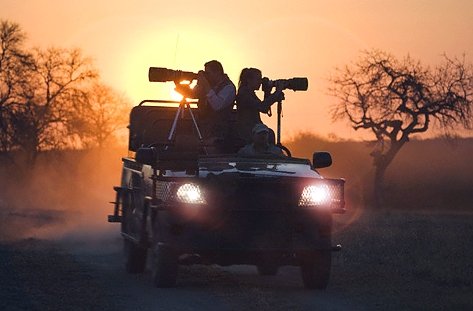
A game drive is an excursion into a wildlife area conducted in a specialized safari vehicle, usually a 4×4 Land Cruiser or Land Rover. These vehicles are designed for rugged terrain and offer several advantages for wildlife viewing:
- Elevated Seating: The high vantage point allows for excellent visibility over the surrounding landscape, making it easier to spot animals, especially those in tall grass or at a distance.
- Pop-up Roofs: Most safari vehicles are equipped with pop-up or tilt roofs, enabling guests to stand up and get unobstructed 360-degree views for photography and observation.
- Comfort and Safety: Vehicles provide shelter from the elements and a secure environment, keeping a safe distance from potentially dangerous animals.
- Speed and Range: They allow you to cover significant ground, increasing your chances of encountering a variety of wildlife species and witnessing different behaviors across vast park areas.
The Typical Game Drive Experience
Your day on a game drive usually begins early, often just after sunrise. This is when predators are most active, and the cooler temperatures make it a comfortable time for animals to be out and about. Your experienced driver-guide will navigate the park’s road network, using their expert knowledge of animal behavior and migration patterns to lead you to prime wildlife viewing spots. You might spend hours searching for specific animals, following tracks, or simply enjoying the unfolding drama of the African bush.
Midday may involve a break for lunch at a designated picnic site within the park or returning to your lodge for a rest and meal, especially during the hotter months. Afternoon game drives typically resume in the late afternoon, continuing until sunset. Some parks and lodges offer night game drives, providing a unique opportunity to spot nocturnal animals like genets, civets, and perhaps even leopards or hyenas on the hunt.
Where Game Drives Excel
Game drives are the backbone of most Tanzanian safari itineraries for several compelling reasons:
- Vast Areas: They are ideal for exploring expansive parks like the Serengeti, Tarangire, and the Selous Game Reserve (now Nyerere National Park), where distances between wildlife sightings can be considerable.
- Large Herds and Big Game: Observing large herds of elephants, buffalos, zebras, or wildebeest during the Great Migration is best done from a vehicle, offering safety and the ability to keep up with their movements.
- Predator Sightings: While not guaranteed, vehicles can sometimes get closer to predators than walking safaris, allowing for better viewing of prides of lions, cheetahs, or leopards.
- Accessibility: Game drives are suitable for a wide range of travelers, including families with young children, individuals with mobility challenges, and those who prefer the comfort and security of a vehicle.
- Weather Protection: They offer protection from sun, rain, and wind, making the experience more comfortable in varied weather conditions.
Limitations of Game Drives
Despite their popularity and effectiveness, game drives do have certain limitations:
- Less Intimate: You are separated from the environment by a vehicle, which can create a barrier to truly experiencing the sounds, smells, and textures of the bush.
- Noise and Disturbance: Vehicle engines can sometimes disturb wildlife, particularly sensitive species or during delicate moments like nursing young.
- Limited Off-Road Access: In most national parks, vehicles are restricted to designated tracks to minimize environmental impact, which can sometimes mean viewing animals from a distance.
- Focus on Sightings: The emphasis can sometimes be on ‘checking off’ species rather than appreciating the smaller ecological interactions.
Stepping into the Wild: The Walking Safari Experience
In stark contrast to the enclosed nature of a vehicle, the walking safari invites you to engage with the African wilderness on its own terms – on foot. This is an ancient form of exploration, requiring a different mindset and offering a profound connection with the environment that a game drive simply cannot replicate.
What is a Walking Safari?
A walking safari is a guided trek through wildlife areas, led by a highly trained and armed ranger, often accompanied by a naturalist guide. These safaris are typically conducted in specific areas designated for walking, such as certain concessions outside of the main national parks, or in specific zones within larger reserves. The focus shifts from spotting distant herds to appreciating the intricate details of the ecosystem.
Key characteristics of a walking safari include:
- Intimate Immersion: You are on the ground, experiencing the bush at eye level. You feel the terrain, hear the rustle of leaves, smell the earth after rain, and see the world from the perspective of its smaller inhabitants.
- Sensory Engagement: It’s a full-body experience. The sounds of insects, the scent of wild sage, the feel of the breeze – all contribute to a deeply memorable encounter.
- Focus on the Small: While large animals may be encountered, walking safaris excel at revealing the wonders of the smaller flora and fauna: fascinating insects, intricate termite mounds, medicinal plants, birdlife, and the tracks and signs left by animals.
- Physical Activity: Walking safaris require a moderate level of fitness. Walks can range from a couple of hours to a full day, depending on the location and the group’s preference.
- Safety First: The presence of an armed ranger is paramount. They are expertly trained in wildlife behavior, tracking, and safety protocols, ensuring your well-being while allowing for close, yet respectful, encounters.
The Typical Walking Safari Experience
A walking safari usually starts early in the morning, after breakfast. You’ll meet your guide and ranger, who will brief you on the day’s route, safety procedures, and what to look out for. The pace is generally relaxed, allowing ample time for observation, photography, and discussion with your guides. You might track an animal’s spoor, learn about the different types of vegetation, identify bird calls, or discover the hidden world of insects and reptiles.
The experience is about discovery. Your guides will point out things you would likely miss from a vehicle – the perfectly camouflaged chameleon, the intricate web of a spider, the medicinal properties of a particular plant, or the fresh pugmarks of a leopard that passed by hours earlier. Encounters with larger animals, such as elephants or buffalos, are managed with extreme caution and respect for their space, often involving strategic retreats or careful observation from a safe distance.
Lunch might be a packed meal enjoyed under a shady acacia tree, or you might return to a camp for a more substantial midday meal. The duration and intensity of walks can be customized. Some operators offer multi-day walking expeditions, where you trek between remote camps, carrying essential gear or having it moved by porters.
Where Walking Safaris Excel
Walking safaris offer unique advantages, particularly in specific environments:
- Intimate Wildlife Encounters: For those who crave a deep, personal connection with nature, walking safaris are unparalleled.
- Understanding the Ecosystem: They provide a profound understanding of the bush’s smaller details, the interconnectedness of species, and the subtle signs of wildlife presence.
- Off-the-Beaten-Path Exploration: They allow access to areas inaccessible by vehicle, revealing hidden landscapes and offering a sense of true wilderness exploration.
- Bird and Insect Enthusiasts: Birdwatchers and those interested in entomology will find walking safaris incredibly rewarding, as many species are best observed at ground level.
- Conservation Education: Guides often share deep insights into conservation efforts, tracking techniques, and the ecological importance of every element in the bush.
Limitations of Walking Safaris
Walking safaris are not suitable for everyone and have inherent limitations:
- Physical Demands: They require a reasonable level of fitness and stamina.
- Limited Range: You cannot cover vast distances like you can in a vehicle, meaning you might not see as many different areas of a park in a single walk.
- Encountering Dangerous Animals: While rangers are highly trained, there is an inherent risk when encountering large, potentially dangerous animals on foot.
- Weather Dependency: Walking is less comfortable in heavy rain or extreme heat.
- Accessibility: They are not suitable for individuals with mobility issues, young children, or those who prefer the comfort and safety of a vehicle.
- Restricted Locations: Walking safaris are not permitted in all areas of Tanzania’s national parks. They are generally offered in specific walking zones or private concessions.
Comparing Game Drives and Walking Safaris: Key Differences at a Glance
To help clarify the choice between a game drive and a walking safari, here’s a direct comparison of their core features:
| Feature | Game Drive | Walking Safari |
| Mode of Transport | 4×4 Safari Vehicle | On Foot |
| Pace of Exploration | Faster, covering large distances | Slower, focusing on immediate surroundings |
| Wildlife Viewing Perspective | Elevated, broad view; good for large herds and distant sightings | Ground-level, intimate; excellent for details, tracks, and small creatures |
| Sensory Experience | More detached, focused on visual sightings | Highly in-depth, engaging all senses |
| Physical Requirement | Minimal, suitable for most fitness levels | Moderate to high, requires good stamina |
| Safety Aspect | High, enclosed in a vehicle | Managed risk, guided by armed ranger |
| Area Coverage | Extensive, ideal for large parks | Limited to specific walking zones/trails |
| Best For | Seeing large mammals, migration, covering ground, families, comfort seekers | Deep immersion, tracking, birding, botany, adventure seekers, appreciating details |
| Typical Duration | Half-day, full-day, or multi-day excursions | Few hours to a full day; can be part of multi-day treks |
| Cost Implication (General) | Standard safari package inclusion; can be private hire | Often an add-on activity, sometimes with premium pricing due to guide ratio and exclusivity |
Integrating Both: The Best of Both Worlds
For many travelers, the ideal Tanzanian safari experience involves a blend of both game drives and walking safaris. This approach allows you to enjoy the advantages of each, creating a richer and more varied adventure. For instance, you might spend your mornings on a game drive in the Serengeti, searching for the big cats or witnessing the drama of the Great Migration, and then opt for a walking safari in a quieter area or a nearby private concession in the afternoon to explore the smaller wonders of the bush.
Top Guide Adventures frequently designs itineraries that incorporate both methods. Imagine:
- A Serengeti safari where game drives cover the vast plains, followed by a guided walk in a less-trafficked area to discover hidden waterholes or unique geological formations.
- A safari in the Ngorongoro Conservation Area, where you experience a full day game drive inside the crater, and then perhaps a guided walk on the crater rim or in a nearby Maasai village to understand the local culture and landscape more deeply.
- A safari in Tarangire National Park, known for its large elephant herds and baobab trees, combining extensive game drives with a guided walk in a designated area to appreciate the park’s rich birdlife and plant diversity.
This integrated approach offers a comprehensive understanding of the Tanzanian wilderness, catering to diverse interests and ensuring a truly unforgettable journey. For planning your 2026 or 2027 safari, we can help you balance these activities perfectly.
Where Can You Experience Walking Safaris in Tanzania?
While game drives are available in all of Tanzania’s national parks and reserves, walking safaris are more restricted due to safety and logistical reasons. However, several prime locations offer exceptional walking safari experiences:</n
- Selous Game Reserve (Nyerere National Park): This vast southern reserve is one of the original strongholds of walking safaris. Its open plains, riverine forests, and miombo woodlands are ideal for guided walks. Top Guide Adventures can arrange multi-day walking expeditions here.
- Ruaha National Park: Tanzania’s largest national park, also in the south, offers incredible walking opportunities. Its wild and remote nature makes it a prime destination for those seeking an authentic wilderness experience.
- Katavi National Park: Known for its dramatic predator-prey interactions and large buffalo herds, Katavi is another excellent, though less visited, southern park for walking safaris.
- Grumeti Reserve & Singita Reserves (Western Serengeti): These private concessions bordering the Serengeti offer exclusive walking safaris, often combined with game drives. They provide a more luxurious and less crowded experience.
- Northern Tanzania (Specific Areas): While walking safaris are not typically permitted inside Serengeti National Park itself (except in designated areas for specific camps), they are often available in areas surrounding the park or in specialized areas within the Ngorongoro Conservation Area, and often around lodges located in buffer zones.
- Mafia Island: While not a savanna experience, Mafia Island offers guided nature walks focusing on coastal ecosystems, birdlife, and marine conservation.
It’s important to note that walking safaris are generally conducted by specialized camps or lodges within these areas, and they often require a minimum age limit (usually 12 or 16 years) and a moderate level of fitness.
Safety Considerations: Game Drives vs. Walking Safaris
Safety is paramount on any safari, and both game drives and walking safaris are designed with your well-being in mind. However, the nature of the risks and the mitigation strategies differ.
Game Drive Safety
The primary safety measure on a game drive is the vehicle itself. You are protected from direct contact with wildlife, and your guide is trained to maintain a safe distance from animals, especially predators, elephants, and hippos. Rules typically include:
- Staying inside the vehicle at all times, except in designated safe areas (like picnic sites).
- Keeping hands and arms inside the vehicle.
- Not feeding or provoking animals.
- Listening to your guide’s instructions.
The main risks are related to vehicle malfunction on rough terrain or unexpected animal behavior close to the vehicle, but these are rare and managed by experienced guides.
Walking Safari Safety
Walking safaris carry a different set of risks due to your proximity to wildlife. The safety protocols are therefore more intensive:
- Armed Rangers: The presence of a professional, armed ranger is non-negotiable. They are trained to handle dangerous wildlife encounters, including charging animals.
- Guide’s Expertise: Your guide’s knowledge of animal behavior, tracks, and safe distances is crucial. They will teach you how to behave if you encounter wildlife.
- Group Discipline: Following instructions precisely, staying together as a group, and moving quietly are essential.
- Awareness: Being constantly aware of your surroundings, listening for sounds, and observing the environment.
- Appropriate Gear: Wearing neutral-colored clothing, sturdy footwear, and carrying water.
Encounters with dangerous animals like lions, elephants, or buffalos are managed by the ranger’s expertise, often involving careful positioning, slow retreats, or distraction tactics if necessary. The goal is always to observe wildlife without disturbing or threatening them, ensuring a safe distance is maintained for both guests and animals.
Choosing the Right Safari for You: Questions to Ask Yourself
Deciding between a game drive and a walking safari, or how to combine them, depends on your personal preferences and priorities. Consider these questions:
- What is your primary goal? Do you want to see as much wildlife as possible across vast landscapes (game drive), or do you seek a deeper, more intimate connection with the ecosystem and its smaller details (walking safari)?
- What is your fitness level? Are you comfortable walking for several hours over uneven terrain (walking safari), or do you prefer the ease of vehicle travel (game drive)?
- What is your comfort level with risk? While both are safe when guided properly, are you comfortable being on foot in areas with large, potentially dangerous animals (walking safari), or do you prefer the security of a vehicle (game drive)?
- Who are you traveling with? Families with young children or individuals with mobility issues will generally find game drives more suitable.
- What kind of experience are you seeking? Do you want to cover a lot of ground and maximize sightings (game drive), or do you want to slow down, observe, learn, and truly feel part of the environment (walking safari)?
- What is your budget? While game drives are standard inclusions, walking safaris might incur additional costs, especially if they are part of exclusive concessions or specialized expeditions.
Planning Your 2026-2027 Tanzania Safari with Top Guide Adventures
At Top Guide Adventures, we are passionate about creating bespoke safari experiences that match your dreams. Whether you are planning for 2026 or 2027, our team of experts is ready to help you navigate the choices between game drives and walking safaris.
We understand that every traveler is unique. Some may want an action-packed itinerary filled with game drives in iconic parks like the Serengeti and Ngorongoro Crater, while others might seek the profound quietude and detailed discoveries of a walking safari in the southern reserves. Many, of course, wish for a combination of both.
Our services include:
- Custom Itinerary Design: We craft itineraries tailored to your interests, pace, and budget, incorporating the perfect balance of game drives and walking safaris where appropriate.
- Expert Guides: We work with highly experienced, knowledgeable, and certified guides and rangers who are passionate about Tanzania’s wildlife and ecosystems.
- Accommodation Selection: From luxury lodges to intimate tented camps, we select accommodations that enhance your safari experience, some of which are perfectly situated for starting walking safaris.
- Logistical Planning: We handle all the details, from park fees and transfers to ensuring the highest safety standards are met.
Booking Your Safari for 2026 or 2027
The demand for Tanzanian safaris, especially for prime seasons in 2026 and 2027, is high. Early booking is recommended to secure your preferred dates, accommodations, and specific safari activities, particularly walking safaris which may have limited availability.
Contact us today to start planning your adventure. Whether you’re drawn to the exhilarating thrill of a game drive or the quiet contemplation of a walking safari, Top Guide Adventures is your trusted partner for an unforgettable journey through the wild heart of Tanzania.
Ready to Plan Your Ultimate Safari?
Let Top Guide Adventures craft your perfect Tanzanian safari experience, whether it’s thrilling game drives, in-depth walking safaris, or a combination of both. We offer personalized itineraries for 2026 and 2027, ensuring an adventure that exceeds your expectations.
Get in touch:
- WhatsApp: +255616946642
- Email: info@topguideadventures.com
Visit our website for more inspiration: Top Guide Adventures Tanzania
Frequently Asked Questions About Game Drives and Walking Safaris
Here are some common questions we receive about differentiating these two safari styles:
Can I do a walking safari inside the Serengeti National Park?
Generally, walking safaris are not permitted within the core areas of Serengeti National Park itself. However, some specialized camps located in private concessions bordering or within the Serengeti ecosystem (like the Western Serengeti) do offer guided walking safaris. These are typically exclusive experiences and may come with additional costs.
Are walking safaris safe for solo travelers?
Yes, walking safaris are generally very safe for solo travelers when conducted with reputable operators like Top Guide Adventures. The presence of a highly trained, armed ranger and an experienced guide ensures your safety. Solo travelers often find walking safaris to be an excellent way to connect deeply with nature and learn from their guides.
What is the best time of year for walking safaris in Tanzania?
The dry season (typically June to October and December to February) is generally considered the best time for walking safaris. During these months, vegetation is less dense, making it easier to spot wildlife and track animals. The cooler temperatures also make walking more comfortable. However, walking safaris can be conducted year-round, with guides adapting routes and approaches based on seasonal conditions.
Do I need to be very fit for a walking safari?
A moderate level of fitness is recommended for most walking safaris. You should be comfortable walking for 2-4 hours at a time over uneven terrain, potentially in warm weather. Some walking expeditions might involve longer distances or more challenging treks. It’s essential to discuss your fitness level with your tour operator so they can recommend suitable walks or itineraries.
What should I wear on a walking safari?
It’s best to wear comfortable, sturdy walking shoes or hiking boots. Long trousers and long-sleeved shirts are recommended to protect against the sun, insects, and thorny vegetation. Neutral, earthy colors (khaki, beige, olive green) are preferred to avoid startling wildlife. Avoid bright colors or dark colors like black or navy blue, which can attract insects.
Can children participate in walking safaris?
Most walking safaris have a minimum age limit, typically between 12 and 16 years old, due to safety considerations. This is because children may not fully grasp the risks involved or be able to follow instructions as precisely as adults. Always check the age restrictions with your tour operator when booking.
What is the difference in cost between a game drive and a walking safari?
Game drives are a standard component of most safari packages and are often included in the overall tour price. Private game drives may incur an additional charge. Walking safaris, especially those conducted in private concessions or as specialized expeditions, can sometimes incur an extra fee. This is due to the higher guide-to-guest ratio, the specialized nature of the activity, and potentially exclusive access to certain areas. However, many lodges and camps in designated walking areas include one guided walk per stay in their rates.
What if we encounter a dangerous animal on a walking safari?
Your armed ranger is expertly trained to handle such situations. They will assess the animal’s behavior and your group’s position, providing clear instructions. This might involve slowly backing away, remaining still, or creating a diversion. The primary goal is always to avoid confrontation and ensure everyone’s safety. Trusting your guide’s expertise is crucial.
Can I combine a walking safari with a Kilimanjaro climb?
Absolutely! Many travelers choose to combine a Kilimanjaro climb with a safari. You could, for instance, do a walking safari in a southern reserve like Selous or Ruaha before or after your climb. This offers a wonderful contrast in experiences – the physical challenge of the mountain followed by the in-depth wildlife encounters of a walking safari, complemented by the extensive viewing opportunities of game drives. Top Guide Adventures can help you arrange such multi-faceted adventures for 2026-2027.
Which parks are best for game drives?
For game drives, the most popular and arguably best parks include the Serengeti National Park (especially during the Great Migration), the Ngorongoro Crater (for high densities of wildlife in a compact area), Tarangire National Park (famous for its elephants and baobabs), and the vast southern reserves like Nyerere National Park (Selous) and Ruaha National Park for a more remote feel.
What is the role of the guide in a walking safari versus a game drive?
In both, the guide is essential. On a game drive, the driver-guide’s expertise lies in navigation, spotting wildlife, understanding animal behavior from a distance, and ensuring safe vehicle operation. On a walking safari, the guide (often accompanied by an armed ranger) focuses on tracking, identifying smaller details (plants, insects, tracks), interpreting animal signs, teaching about the ecosystem, and crucially, managing safety in close proximity to wildlife. The walking guide’s role is often more interpretive and educational at a micro-level.
Choosing between a game drive and a walking safari, or deciding to incorporate both into your 2026-2027 Tanzania safari, is a personal decision that will shape your experience. Both offer unique perspectives on the incredible wildlife and landscapes of Tanzania. Top Guide Adventures is here to help you make the best choice for an adventure that resonates with your spirit of exploration.
Check Availability for Game Drive Vs. Walking Safari: Understanding The Difference For Your…
Ready to compare dates, prices, and the best option for your group? Send the package name and travel month so the team can reply with a clear quote, availability, and what is included.



