
The best month for an African safari in Tanzania, prioritizing wildlife viewing and favorable weather, typically falls within the dry seasons: June through October and January to February. These periods offer clear skies, easier game spotting due to sparser vegetation, and concentrated wildlife around dwindling waterholes. For those specifically keen on witnessing the Great Migration’s river crossings, July to September is unparalleled. However, the ideal time for your 2026-2027 safari also depends on your personal preferences regarding crowds, photography opportunities, and specific animal behaviors.
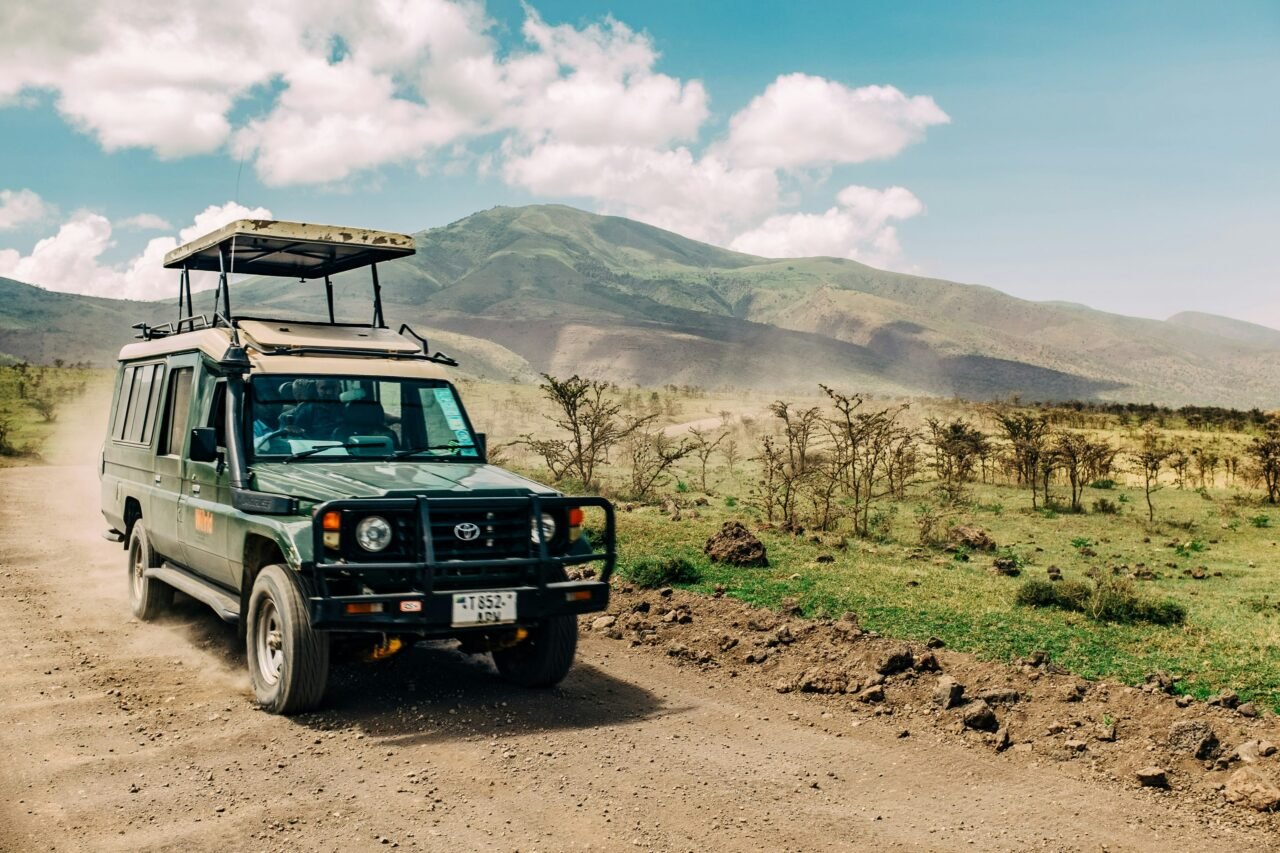
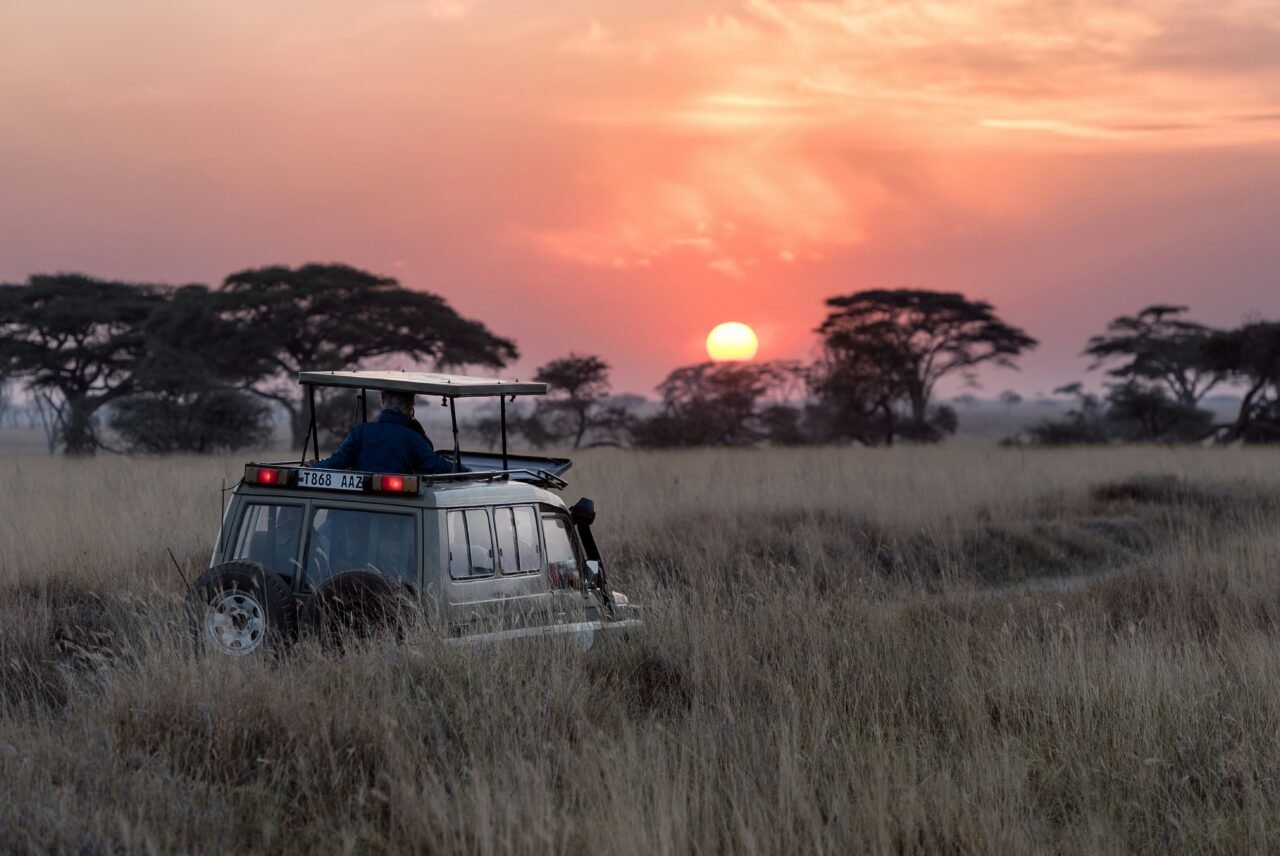
Understanding Tanzania’s Safari Seasons: A Deep Dive for 2026-2027
Tanzania, a crown jewel of African wildlife destinations, offers incredible safari experiences year-round. However, understanding the nuances of its climate and animal movements is key to pinpointing the absolute best month for your adventure. The country experiences distinct wet and dry seasons, each presenting unique advantages and disadvantages for game viewing and overall travel comfort. For travelers planning their trips in 2026 or 2027, a detailed look at these seasons will help align expectations with reality.
The primary factors influencing the “best” month are:
- Wildlife Visibility: How easily can you spot animals?
- Great Migration: When are the most dramatic events occurring?
- Weather Conditions: What are the chances of rain, heat, or pleasant temperatures?
- Crowd Levels: Are you looking for solitude or a more bustling atmosphere?
- Vegetation: How does plant life affect visibility?
- Photography Conditions: What are the light and environmental factors like?
Let’s break down Tanzania’s safari calendar month by month, with a focus on how these elements play out for planning in 2026 and 2027.
The Dry Seasons: Prime Time for Wildlife Encounters
Tanzania’s two dry seasons are generally considered the peak times for safaris due to their significant advantages in wildlife viewing.
The Long Dry Season: June to October
This is arguably the most popular and often cited “best” period for a Tanzanian safari. The landscape transforms, becoming drier and more open, which dramatically improves visibility of wildlife.
- Wildlife Visibility: Excellent. With less rainfall, vegetation thins out, making animals easier to spot against the landscape. Many animals congregate around permanent water sources, making them predictable targets for predators and photographers alike.
- Great Migration: This is the period when the Great Migration is often at its most spectacular, particularly the dramatic river crossings of the Mara River in the northern Serengeti. Herds of wildebeest and zebras make their perilous journey between July and October, offering a truly unforgettable spectacle.
- Weather: Generally pleasant and cool, especially in the mornings and evenings. Average daytime temperatures range from 20°C to 25°C (68°F to 77°F), with cooler nights. Rainfall is minimal, with sunny days being the norm.
- Crowd Levels: High, especially during July, August, and September. This is peak tourist season, meaning lodges and camps can be fully booked, and popular viewing spots might feel crowded. Booking well in advance for 2026 and 2027 is crucial.
- Photography: Ideal. Clear skies, good light, and visible wildlife make for fantastic photographic opportunities. The golden light of early mornings and late afternoons is perfect.
Specific Months within the Long Dry Season:
- June: The start of the dry season. The landscape is beginning to dry, and the migration is moving north. Weather is becoming more stable, with fewer clouds and less rain. It’s a good time to visit before the peak crowds arrive.
- July: The migration is typically in the northern Serengeti, heading towards the Mara River. River crossings can begin, though they are unpredictable. Weather is cool and dry. Demand starts to increase significantly.
- August: Peak season. The Mara River crossings are often at their most intense during this month. Wildlife viewing is superb across the Serengeti and other parks like the Ngorongoro Crater. Expect higher prices and full bookings.
- September: Still a prime month for the migration’s river crossings. The landscape is dry, and game viewing remains exceptional. Temperatures are pleasant, and while crowds are still present, they might start to slightly thin towards the end of the month.
- October: The migration begins to move south towards the Serengeti’s breeding grounds. While river crossings are less likely, general game viewing is still outstanding. The landscape is very dry, and the weather remains good, though it can start to warm up towards the end of the month as the short rains approach.
The Short Dry Season: January to February
This period offers another excellent window for safaris, often characterized by slightly fewer crowds than the peak months of the long dry season, but with its own unique advantages.
- Wildlife Visibility: Very good. While vegetation is greener than in the long dry season, it’s still manageable for spotting animals, especially around water sources.
- Great Migration: This is the calving season for wildebeest in the southern Serengeti. Witnessing thousands of newborns adds a special dimension to the safari experience. The herds are concentrated in the Ndutu area (which straddles Serengeti and the Ngorongoro Conservation Area).
- Weather: Generally warm and sunny with very little rain. Daytime temperatures can be higher, averaging 25°C to 30°C (77°F to 86°F), but the dry air makes it comfortable.
- Crowd Levels: Moderate. It’s less crowded than the July-September period, offering a more relaxed safari experience, though it’s still a popular time.
- Photography: Excellent, especially for capturing the drama of the calving season. The light is good, and the presence of young animals provides unique photographic opportunities.
Specific Months within the Short Dry Season:
- January: The herds are typically in the southern Serengeti and Ngorongoro Conservation Area for the calving season. Wildlife viewing is excellent in these areas. The weather is warm and dry.
- February: Continues the calving season. The plains are often dotted with newborns. This is also a prime month for birdwatching as migratory birds are present. Temperatures remain warm and pleasant.
The Green Seasons: Advantages for Specific Interests
While the dry seasons are popular for a reason, Tanzania’s green seasons (the long and short rains) offer distinct advantages, particularly for birdwatchers, photographers seeking lush landscapes, and budget-conscious travelers looking to avoid peak season prices.
The Long Rains: March to May
This period is characterized by significant rainfall, which can affect accessibility in some areas, but also brings a different kind of beauty and opportunity.
- Wildlife Visibility: Can be reduced due to thicker vegetation and scattered watering holes. However, animals are still present, and some areas, like the Ngorongoro Crater, remain excellent for game viewing year-round due to its unique ecosystem.
- Great Migration: The herds are typically moving north from the southern Serengeti, often in the central and western corridors. River crossings are rare during this period.
- Weather: Heavy rainfall, particularly in April and May. Days can be overcast, and roads might become muddy and challenging, potentially impacting travel times or requiring 4×4 vehicles. Temperatures are moderate.
- Crowd Levels: Low. This is the low season for tourism, meaning fewer people, more availability, and often lower prices for accommodation and tours. This can be a significant draw for travelers on a budget planning for 2026-2027.
- Photography: Offers opportunities for dramatic, moody shots with lush, green landscapes. The light can be softer.
- Birdwatching: Excellent. Migratory birds are present, and the lush environment supports abundant birdlife.
Specific Months within the Long Rains:
- March: The rains often begin, but they are usually not constant. The landscape starts to turn green. It’s a transitional month, still good for wildlife, especially in areas less affected by heavy rain.
- April: Typically the wettest month. Game viewing can be more challenging in some areas due to dense vegetation. However, the Serengeti plains are incredibly green and beautiful. This is a great month for budget travelers.
- May: The rains usually start to subside, though it can still be wet. The landscape remains lush. This month marks the end of the low season, and preparations for the dry season begin. Some lodges might close or offer reduced services.
The Short Rains: November to December
This is a transitional period, often characterized by short, localized downpours rather than prolonged, consistent rain.
- Wildlife Visibility: Good. The rains bring fresh grass, and animals begin to disperse from the permanent waterholes. The landscape becomes greener.
- Great Migration: The herds are usually moving south from the northern Serengeti towards the plains for the calving season.
- Weather: Intermittent showers, often in the afternoon. It’s generally warm and can be humid. The rains revive the landscape, making it visually appealing.
- Crowd Levels: Moderate. It’s shoulder season, offering a balance between decent weather, good wildlife viewing, and fewer crowds than the peak dry season.
- Photography: Good, with the fresh greenery providing a vibrant backdrop.
Specific Months within the Short Rains:
- November: The short rains typically begin. The landscape starts to green up. Wildlife viewing is generally good, and the migration is moving south.
- December: The rains can become more frequent, but often occur in short bursts. The migration is usually arriving in the southern Serengeti and Ngorongoro Conservation Area, setting the stage for the calving season. Temperatures are warm.
The Great Migration: Timing is Everything
For many, the primary reason to visit Tanzania is to witness the awe-inspiring Great Migration, a constant cycle of movement of over 1.5 million wildebeest, zebras, and gazelles across the Serengeti ecosystem. The “best month” for the migration is entirely dependent on which part of its journey you wish to see.
- Calving Season (January-February): Southern Serengeti/Ndutu Plains. Thousands of newborns are born, a spectacular display of nature’s cycle. Predators are abundant, drawn by the easy prey.
- River Crossings (July-September/October): Northern Serengeti (Mara River). This is the most dramatic and sought-after event. Witnessing wildebeest and zebras bravely cross the crocodile-infested Mara River is an iconic safari experience. This is peak season for viewing these crossings, so booking for 2026 or 2027 in these months requires significant advance planning.
- Grumeti River Crossings (May-July): Western Corridor/Grumeti River. Smaller, but still impressive, river crossings occur here as the migration moves north.
- General Herd Movement: The rest of the year sees the herds dispersed across the Serengeti, grazing and moving in response to rainfall and grass availability.
Beyond the Serengeti: Best Times for Other Tanzanian Parks
While the Serengeti often dominates safari discussions, Tanzania boasts other incredible destinations, and their “best” viewing times can vary.
Ngorongoro Crater
The Ngorongoro Crater is a UNESCO World Heritage Site and a caldera of a massive extinct volcano. Its unique ecosystem means wildlife is present year-round, with minimal migration in the traditional sense.
- Best Time: Year-round. The crater’s high altitude and permanent water sources ensure wildlife remains abundant.
- Dry Season (June-October): Excellent visibility, fewer crowds outside peak migration times, and pleasant temperatures.
- Wet Season (November-May): Lush green landscapes, fewer tourists, and potentially lower prices. The Ngorongoro Conservation Area (NCA) surrounding the crater also offers great viewing.
Tarangire National Park
Known for its large elephant herds and iconic baobab trees.
- Best Time: June to October (dry season). During this period, elephants and other wildlife concentrate around the Tarangire River, making them easy to spot. The landscape is drier, enhancing visibility.
- Green Season: Offers a different beauty with lush scenery and abundant birdlife.
Lake Manyara National Park
Famous for its tree-climbing lions and diverse birdlife.
- Best Time: June to October (dry season). The lake’s water levels are lower, concentrating animals near the remaining water sources. Birdwatching is also excellent during this time.
- Wet Season: Can be beautiful with vibrant greenery, but accessibility might be slightly affected by rain.
Ruaha National Park & Selous Game Reserve (Nyerere National Park)
Located in Southern Tanzania, these parks offer a wilder, less crowded safari experience.
- Best Time: June to October (dry season). This is when wildlife congregates around water sources, making game viewing highly rewarding. It’s also the best time for predator sightings.
- Green Season: Offers dramatic landscapes, abundant birdlife, and a sense of untouched wilderness, though access can be more challenging.
Considering Your Priorities for 2026-2027 Safaris
To determine the truly best month for *your* African safari, consider these personal priorities:
For Wildlife Enthusiasts: The Dry Season is King
If your absolute priority is seeing as many animals as possible, and seeing them easily, then the long dry season (June-October) is your window. The concentration of animals around waterholes and the thinner vegetation make spotting incredibly rewarding. January and February also offer excellent viewing, particularly for the calving season in the Serengeti.
For Great Migration Spectacle: Specific Months are Crucial
To witness the dramatic river crossings, aim for July, August, and September. For the unique experience of the calving season, plan for January and February. These are highly sought-after periods, so early booking for 2026-2027 is non-negotiable.
For Birdwatchers: The Green Season Shines
The wet seasons (November-May), particularly from November to March, are exceptional for birdwatching. Migratory birds arrive, and the lush environment supports a vast array of local species. February is often highlighted for its abundance of birdlife.
For Budget Travelers: The Low Season Offers Value
If you’re planning your 2026-2027 safari on a budget, consider the low season, primarily April and May. You’ll find lower prices for accommodation and potentially tours, fewer crowds, and still encounter incredible wildlife, albeit with the chance of rain and denser vegetation.
For Photographers: Balancing Light and Visibility
The dry season (June-October) offers classic safari photography with clear skies and visible wildlife. However, the green season (especially the shoulder months like November or March) can provide dramatic, lush backdrops and softer light. January and February are excellent for capturing the drama of the calving season.
For Avoiding Crowds: Shoulder Seasons are Ideal
If you prefer a more tranquil experience, consider the shoulder months: May, June, October, and November. You’ll often find a good balance of favorable weather, good wildlife viewing, and fewer tourists compared to the peak months of July, August, and September.
Planning Your 2026-2027 Safari: A Month-by-Month Breakdown
Let’s consolidate this information into a practical guide for planning your safari in the upcoming years.
January & February: Calving Season & Warm Sunshine
* Pros: Witness the Great Migration calving season in the southern Serengeti/Ndutu. Excellent predator activity. Warm, dry weather. Fewer crowds than peak season. Good for birdwatching.
* Cons: Can be warmer than other times of year. Vegetation is starting to grow.
* Best for: Families, photographers wanting calving action, those seeking a less crowded but still excellent wildlife experience.
March & April: The Green Season Begins
* Pros: Lush, green landscapes. Lower prices and fewer crowds. Good for birdwatching.
* Cons: It’s the start of the long rains, so expect some rainfall, potentially impacting road conditions and game viewing slightly.
* Best for: Budget travelers, photographers appreciating green landscapes, birdwatchers.
May: Transition to Dry Season
* Pros: End of the rainy season, landscape is still green but starting to dry. Fewer crowds. Good value.
* Cons: Can still experience some rain. Vegetation is denser than in peak dry season.
* Best for: Travelers seeking a balance of good conditions, fewer crowds, and value.
June: Start of the Dry Season & Migration North
* Pros: Excellent game viewing as vegetation thins. Pleasant, cool weather. Migration begins moving north. Crowds are starting to build but are not yet at their peak.
* Cons: Prices start to increase.
* Best for: Early planners, those wanting good game viewing before the biggest crowds.
July, August & September: Peak Dry Season & River Crossings
* Pros: Prime time for wildlife viewing. Excellent chances to witness the Great Migration river crossings (Mara River). Clear skies, cool and dry weather. The absolute best months for many.
* Cons: Peak tourist season, highest prices, significant crowds, and lodges book up very far in advance. Essential to book for 2026 or 2027 as early as possible.
* Best for: Those prioritizing the Great Migration spectacle and guaranteed game viewing, and who have planned well in advance.
October: End of Dry Season & Migration South
* Pros: Still excellent game viewing as the landscape is dry. Migration begins its journey south. Weather is generally good, though it can start to warm up.
* Cons: Crowds are still present. It’s a transitional month as the short rains approach.
* Best for: Travelers wanting good game viewing with slightly fewer crowds than the absolute peak.
November & December: Short Rains & Green Landscapes
* Pros: Beautiful green landscapes emerge after the first rains. Migration starts moving south. Moderate crowds and prices. Good for birdwatching.
* Cons: Short, localized rains can occur, though usually not disruptive.
* Best for: Travelers seeking a balance of good conditions, value, and a less crowded experience as the year closes.
Making Your Booking Decision for 2026-2027
When deciding on the best month for your African safari, consider the following practical steps:
Key Questions to Ask Yourself:
- What specific wildlife events do I want to see? (e.g., Great Migration river crossings, calving season, predator action)
- What is my tolerance for crowds?
- What is my budget? (Peak season is most expensive, low season is cheapest)
- What kind of weather do I prefer? (Cool and dry, warm and sunny, or lush green with potential for rain)
- What photographic opportunities am I looking for?
For example, if witnessing the Mara River crossings is your ultimate goal for a 2026 safari, then July to September are your non-negotiable months. If a budget-friendly trip with beautiful green scenery and good birding is more appealing, then April or May might be your ideal choice for a 2027 adventure.
Choosing a Safari Package with Top Guide Adventures
At Top Guide Adventures, we understand that the “best month” is subjective and depends entirely on your safari dreams. We specialize in crafting tailor-made Tanzanian adventures that align with your specific interests, budget, and desired timing. Whether you’re aiming for the dramatic river crossings in the Serengeti during August 2026, the serene beauty of the green season in Tarangire for a 2027 trip, or a year-round classic safari in the Ngorongoro Crater, our expert team can guide you.
Our Tanzania safaris, Serengeti and Ngorongoro tours, and tailor-made journeys across Northern and Southern Tanzania are designed to maximize your wildlife viewing opportunities while ensuring comfort and personalized attention. We can advise on the best parks and timing based on your chosen month, helping you navigate the complexities of the seasons.
For the most up-to-date information on availability for 2026-2027 and to discuss your ideal safari timing, please reach out to us. We are dedicated to providing personal attention, care, and dedicated support for every client.
Contact us today:
- WhatsApp: +255616946642
- Email: info@topguideadventures.com
- Backup Email: [Please provide backup email if available]
Let Top Guide Adventures help you plan the perfect African safari, no matter which month you choose to explore the wonders of Tanzania.
When to Book Your 2026-2027 Safari
Given the popularity of Tanzania, especially during the peak dry season, booking well in advance is highly recommended. For safaris planned during July, August, and September 2026, or during the peak Great Migration periods in 2027, we advise booking at least 9-12 months in advance. For travel during the shoulder or low seasons, a booking window of 4-6 months is generally sufficient, but early booking always secures better availability and potentially preferred lodge choices.
Don’t let the planning overwhelm you; let our expertise guide you to the best month and the most unforgettable safari experience.
Check Availability for What Is The Best Month For An African Safari? Your Guide 2026-2027
Ready to compare dates, prices, and the best option for your group? Send the package name and travel month so the team can reply with a clear quote, availability, and what is included.
Richest African Musician And The Luxury Safari Lifestyle 2026-2027
Discover the opulent world of Africa's wealthiest musicians and their unparalleled luxury safari experiences in Tanzania. Learn about the 2026-2027 trends in exclusive travel, focusing on...
View package detailsCaf Champions League Travel Packages & African Safari Extensions | Top Guide
Combine the excitement of the CAF Champions League 2027 with the adventure of a Tanzanian safari. Top Guide Adventures offers bespoke travel packages, blending world-class football with...
View package detailsRichest African Artist : Their Favorite Safari Adventures In Tanzania
In 2026, the allure of Tanzania's vast wilderness continues to draw global attention, including from some of Africa's wealthiest artists. While exact personal preferences remain private...
View package detailsRichest Rappers In The World And African Safari Destinations 2026-2027
Richest Rappers in the World 2026 and African Safari Destinations is explained with current 2026-2027 planning, price, itinerary and booking information.
View package detailsCaf Champions League Travel Packages And African Safari Tours 2026-2027
CAF Champions League 2027 Travel Packages and African Safari Tours is explained with current 2026-2027 planning, price, itinerary and booking information.
View package details
Which African Countries Combine Safari And Beach? 2026-2027
Which African countries combine safari and beach? is explained with current 2026-2027 planning, price, itinerary and booking information.
View package detailsUsajili Wa Simba / Dates: Football Tourism Tanzania & Safari Packages
Planning to experience 'Usajili wa Simba' in Tanzania during the 2026/2027 season? This guide covers the likely dates, what to expect, and how to combine this unique football event with...
View package detailsAfcon Tanzania Travel Guide, Safari Tours And Match Packages 2026-2027
AFCON 2027 Tanzania Travel Guide, Safari Tours and Match Packages is explained with current 2026-2027 planning, price, itinerary and booking information.
View package detailsHistorical Sites In East Africa & Cultural Safari Tours In 2026-2027
Discover East Africa's compelling historical sites and vibrant cultural experiences through specialized safari tours in 2026-2027. This guide covers key locations, tour types, and planning...
View package detailsHighest Paid Artists In Africa And Exclusive Safari Holidays 2026-2027
Explore the financial success of Africa's top music and art stars in 2026 and how you can combine this insight with an unforgettable luxury safari experience in Tanzania. Top Guide...
View package detailsDiscount Tanzania Treks And Affordable Safari Packages In 2026-2027
Discover how to plan discount Tanzania treks and affordable safari packages for your 2026-2027 adventure. This comprehensive guide covers budget-friendly options for iconic destinations...
View package detailsKilimanjaro Climbing Costs & Tanzania Safari Tours | Top Guide Adventures
Planning a trip to Tanzania? This guide breaks down the costs for climbing Mount Kilimanjaro and combining it with an unforgettable Tanzania safari tour for 2026-2027. Learn about pricing...
View package detailsNo related package matches those filters. Clear one or more filters to see the other topic-matched options.



