
Join a 3-day shared group safari to Serengeti and Ngorongoro from Moshi or Zanzibar, offering an economical yet comprehensive wildlife experience in Tanzania’s most renowned parks, ideal for solo travelers and small groups planning for 2026-2027. This itinerary typically covers game drives in both the vast plains of the Serengeti and the unique ecosystem of the Ngorongoro Crater, with accommodation and park fees usually included, providing excellent value and opportunities to see the Big Five.
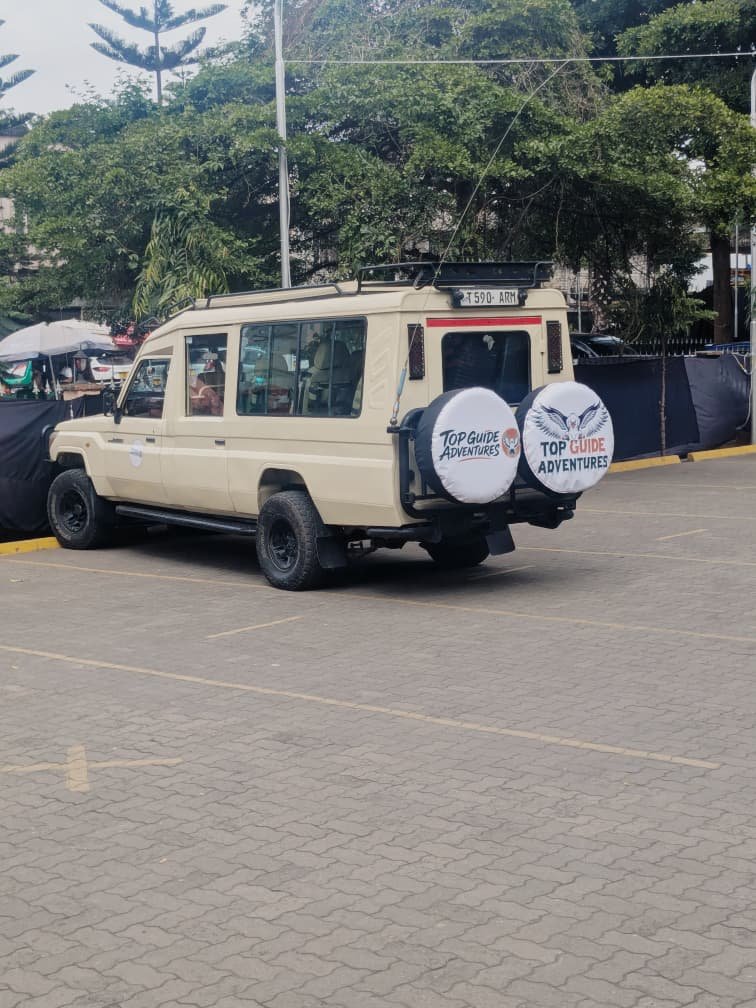
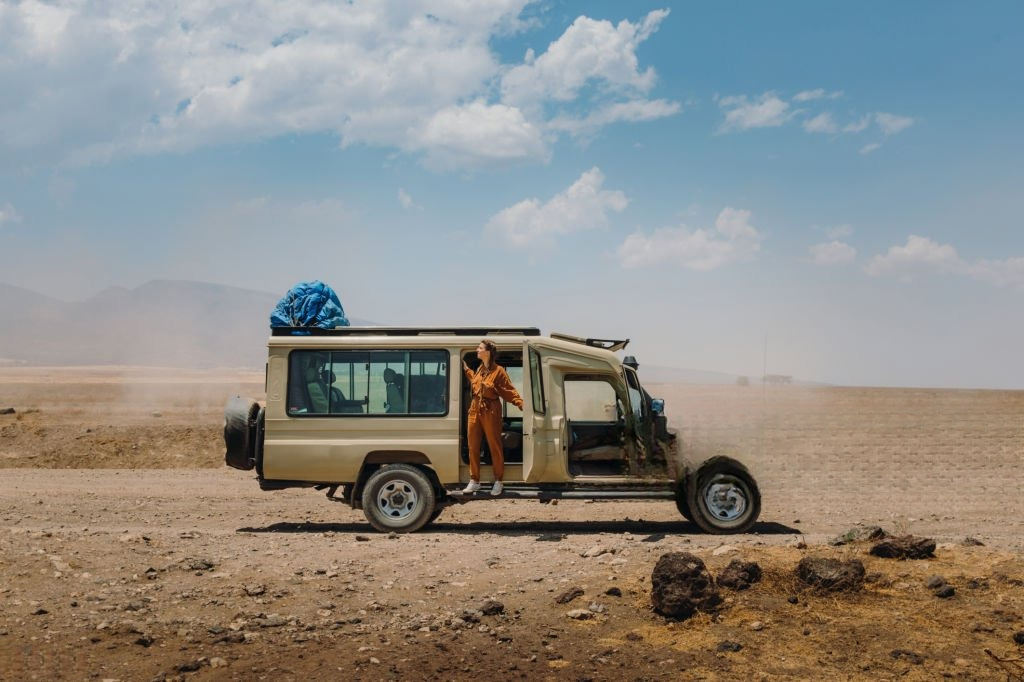
Your 3-Day Serengeti & Ngorongoro Shared Safari Adventure Awaits
Choosing a shared group safari for your 3-day adventure to the Serengeti and Ngorongoro Crater from Moshi or Zanzibar is a smart way to experience the pinnacle of Tanzania’s wildlife viewing without the higher cost of a private tour. These tours are meticulously designed to maximize your time in the bush, ensuring you witness the incredible biodiversity that makes these parks world-famous. Whether you’re starting your journey in the bustling town of Moshi, at the base of Mount Kilimanjaro, or on the tropical island paradise of Zanzibar, this 3-day expedition offers an accessible gateway to the wonders of East African wildlife. With departures scheduled throughout 2026 and 2027, it’s never been easier to plan your dream safari.
Why Opt for a Shared Group Safari?
The primary appeal of a shared group safari lies in its affordability. By distributing the costs of vehicle hire, guide services, and sometimes even accommodation among multiple travelers, the per-person price significantly drops. This makes the iconic Serengeti and the Ngorongoro Crater accessible to a wider range of budgets. Beyond the financial benefits, group safaris offer a unique social dynamic. You’ll share the adventure with like-minded individuals from around the globe, creating opportunities for new friendships and shared memories. The camaraderie that develops during these trips often enhances the overall experience.
Furthermore, these tours are expertly managed, meaning all the logistical complexities – park entries, accommodation bookings, and transportation – are handled for you. This allows you to relax and focus entirely on the impressive wildlife encounters. For travelers on a tight schedule or those seeking a concentrated wildlife experience, a 3-day itinerary is perfectly suited, offering a taste of the magic without requiring extensive time off.
Starting Points: Moshi vs. Zanzibar
Your safari can commence from two distinct, yet equally appealing, locations:
- Moshi: Situated in Northern Tanzania, Moshi is the gateway to Mount Kilimanjaro and a popular starting point for Northern Circuit safaris. If you’re already in the area or planning to climb Kilimanjaro, beginning your safari here offers a logical and convenient transition. Travel to the Serengeti and Ngorongoro from Moshi involves a drive, often with a stop at a local market or scenic viewpoint along the way.
- Zanzibar: For those arriving internationally via Zanzibar or looking to combine a beach holiday with a safari, this island offers a unique starting point. From Zanzibar, you will typically fly to an airstrip within or near the Serengeti National Park, significantly cutting down on travel time and maximizing your safari hours. This option is ideal for maximizing time on safari within a short 3-day window.
The choice between Moshi and Zanzibar often depends on your overall travel plans and preferences. Both offer a fantastic launchpad for your 3-day Serengeti and Ngorongoro adventure.
The Classic 3-Day Itinerary: Serengeti & Ngorongoro in Brief
While specific timings and routes can vary slightly between tour operators, a typical 3-day shared group safari from Moshi or Zanzibar follows a well-trodden path designed for maximum wildlife viewing efficiency.
Day 1: Journey to the Serengeti
- From Moshi: An early start is essential. You’ll drive towards the Serengeti, a journey that can take several hours, often including a stop at the Ngorongoro Conservation Area entrance and potentially a brief game drive en route as you descend into the crater or head towards the park’s central areas. Some itineraries might include a visit to Olduvai Gorge. You’ll arrive at your Serengeti accommodation in the late afternoon or evening.
- From Zanzibar: A morning flight from Zanzibar International Airport (ZNZ) to a Serengeti airstrip (e.g., Seronera, Grumeti, Kogatende) is the most common approach. Upon landing, you’ll be met by your guide and vehicle, and your first game drive begins immediately as you head towards your camp or lodge.
The evening will be spent settling into your accommodation, enjoying dinner, and listening to the sounds of the African bush.
Day 2: Full Day Serengeti Exploration
- The entire day is dedicated to exploring the vast plains of the Serengeti. Your experienced guide will lead you in search of its famous inhabitants: lions, leopards, cheetahs, elephants, giraffes, zebras, wildebeest, and countless other species. Depending on the time of year, you might witness parts of the Great Migration, a truly spectacular natural phenomenon.
- Game drives typically occur in the early morning and late afternoon, when animals are most active. Midday might involve a return to camp for lunch and a rest during the hottest part of the day, or continued exploration depending on wildlife sightings.
Day 3: Ngorongoro Crater Descent & Departure
- After an early morning game drive in the Serengeti, you’ll begin your journey towards the Ngorongoro Conservation Area. You’ll likely have a final game drive in the Serengeti as you exit the park.
- Upon reaching the Ngorongoro Conservation Area, you’ll descend into the Ngorongoro Crater, a UNESCO World Heritage Site renowned for its high concentration of wildlife, including the rare black rhino. A 4-5 hour game drive within the crater floor is usually scheduled.
- After your crater experience, you’ll ascend and begin your journey back to Moshi or to the nearest airstrip for your transfer to Zanzibar. This is a long travel day, so be prepared for a late arrival at your destination.
What to Expect in the Serengeti National Park
The Serengeti, meaning “endless plains” in the Maasai language, is Tanzania’s oldest and most famous national park. Its sheer size and diverse habitats – from vast grasslands to acacia woodlands and riverine forests – support an astonishing array of wildlife.
The Great Migration
Perhaps the most famous wildlife spectacle on Earth, the Great Migration involves over 1.5 million wildebeest, 200,000 zebras, and 400,000 gazelles and impalas moving in a constant search for fresh grazing land. While the exact timing and route can vary year to year, the migration is generally found:
- December – March: In the southern Serengeti, calving season.
- April – May: Moving northwards, often through the central and western corridors.
- June – October: In the western and northern Serengeti, with dramatic river crossings of the Grumeti and Mara rivers.
A 3-day safari might offer a glimpse of the migration depending on the season and your specific location within the vast park, but it’s not guaranteed within such a short timeframe. However, the Serengeti’s resident wildlife is spectacular year-round.
Resident Wildlife
Even outside the peak migration periods, the Serengeti boasts incredible resident wildlife populations. You have excellent chances of spotting:
- The Big Five: Lion, Leopard, Elephant, Buffalo, and Rhino (though rhinos are more commonly seen in Ngorongoro).
- Predators: Cheetahs, hyenas, wild dogs, jackals.
- Herbivores: Giraffes, zebras, wildebeest, gazelles, impalas, hippos, crocodiles.
- Birdlife: Over 500 species, including ostriches, secretary birds, eagles, and various waterfowl.
Serengeti Accommodation Options
For a 3-day shared safari, accommodation is typically mid-range tented camps or lodges that offer a comfortable base while maintaining an authentic safari feel. These often include:
- Tented Camps: Permanent or semi-permanent canvas tents equipped with beds, en-suite bathrooms (flush toilets and showers), and often a private veranda. These offer a closer connection to nature.
- Lodges: More permanent structures offering private rooms, often with amenities like swimming pools and restaurants.
The specific lodge or camp will depend on the tour operator and the route taken within the Serengeti, aiming for locations that offer good game viewing opportunities.
The Ngorongoro Crater: A Natural Amphitheater of Wildlife
The Ngorongoro Crater, a UNESCO World Heritage Site, is a collapsed volcano caldera forming a unique and highly productive ecosystem. Its steep walls trap wildlife within its approximately 260 square kilometer floor, creating one of the densest concentrations of wildlife in Africa.
Unique Ecosystem and Wildlife Density
The crater floor boasts a variety of habitats, including grasslands, swamps, forests, and a soda lake, supporting an incredible diversity of animals in a relatively small area. This makes it one of the best places in Tanzania to spot the Big Five in a single day, particularly the endangered black rhino, which thrives here.
What to Expect on the Crater Floor
- High Chances of Seeing the Big Five: While leopards and cheetahs can be elusive, lions, elephants, buffaloes, and rhinos are often seen in good numbers.
- Large Herds: Expect to see vast numbers of wildebeest, zebras, and gazelles grazing on the open plains.
- Birdlife: The soda lake attracts flamingos, while various other bird species inhabit the crater’s diverse environments.
- Limited Time: Due to regulations and the itinerary, your time on the crater floor is typically limited to 4-5 hours. This is sufficient for a comprehensive game drive but requires efficient use of time.
Conservation and Rules
The Ngorongoro Conservation Area is managed differently from national parks. It is a multiple land-use area where Maasai people coexist with wildlife. Visitors must adhere to strict rules, including staying within your safari vehicle on the crater floor (except at designated picnic sites) and respecting speed limits. This ensures the protection of the fragile ecosystem and its inhabitants.
Planning Your 3-Day Group Safari in 2026-2027
When planning your 3-day Serengeti and Ngorongoro group safari for 2026 or 2027, several factors come into play. Early booking is always recommended, especially for group departures, as availability can be limited.
Best Time to Travel
Tanzania offers incredible safari experiences year-round. However, the “best” time often depends on your priorities:
- Dry Season (June – October): Generally considered peak season. Pleasant temperatures, less rain, and concentrated wildlife around water sources. This is also a prime time for river crossings during the Great Migration. Expect higher prices and more crowds.
- Green Season (November – May): Characterized by shorter rains (November) and longer rains (March – May). Wildlife is dispersed but still abundant. This is the calving season in the Serengeti (Jan-Feb). Prices are lower, and there are fewer tourists. Birdwatching is exceptional during this period.
For a 3-day trip, the weather is usually manageable year-round, but the dry season offers the most predictable game viewing. However, the shoulder months (like November or early December 2026) can offer a good balance of weather, wildlife, and value.
What’s Typically Included
A standard 3-day shared group safari package usually includes:
- Accommodation: 2 nights in mid-range tented camps or lodges (full board: breakfast, lunch, dinner).
- Transportation: A 4×4 safari vehicle with a pop-up roof for game viewing.
- Guide Services: Professional, English-speaking safari guide.
- Park Fees: Entry fees for Serengeti National Park and Ngorongoro Conservation Area, and crater service fees.
- Game Drives: As per the itinerary.
- Water: Bottled drinking water during game drives.
- Transfers: Pick-up and drop-off in Moshi or airport transfers for Zanzibar flights.
What’s Typically Excluded
Be aware of common exclusions:
- International Flights: Flights to Kilimanjaro International Airport (JRO) or Zanzibar (ZNZ).
- Visa Fees: Tanzania visa costs.
- Travel Insurance: Highly recommended.
- Tips: For your guide and camp staff.
- Personal Expenses: Drinks (other than water), souvenirs, laundry.
- Optional Activities: Hot air balloon safaris (highly recommended in Serengeti if budget allows), cultural visits.
- Flights from Zanzibar: If starting from Zanzibar, the internal flight to the Serengeti and back is often an additional cost, though sometimes bundled.
Budgeting for Your 2026-2027 Safari
Shared group safaris offer excellent value. Prices can range from $600 to $1000+ per person for a 3-day/2-night itinerary, depending on the operator, accommodation standard, and whether the Zanzibar flight is included. These costs typically cover all the inclusions mentioned above.
Factors influencing price:
- Accommodation Level: Mid-range is standard for group tours, but budget or higher-end options might be available.
- Season: Peak season (dry months) is generally more expensive than the green season.
- Inclusions: Tours that include the flight from Zanzibar will be priced higher than those starting from Moshi.
- Group Size: While shared, the number of people per vehicle can sometimes affect the per-person rate.
It’s crucial to get a detailed quote from your chosen tour operator, specifying all inclusions and exclusions for your 2026 or 2027 travel dates.
Choosing the Right Tour Operator
Selecting a reputable tour operator is paramount for a successful and enjoyable safari. For a 3-day shared group safari, look for companies with:
- Positive Reviews: Check platforms like TripAdvisor, Google Reviews, and safari forums for feedback on group tours.
- Clear Itineraries: Ensure the itinerary is detailed and realistic for a 3-day trip.
- Experienced Guides: Knowledgeable and passionate guides make a huge difference.
- Well-Maintained Vehicles: Safety and comfort are key.
- Good Communication: Responsive customer service before, during, and after the trip.
- Commitment to Responsible Tourism: Look for operators who support local communities and conservation efforts.
Top Guide Adventures is a trusted local company known for its personalized service and expertise in organizing Tanzania safaris, including shared group departures. They offer comprehensive packages designed to provide an unforgettable experience within a short timeframe.
Packing Essentials for Your Short Safari
Given the short duration, packing smart is essential. Focus on lightweight, practical items:
- Clothing: Lightweight, neutral-colored clothing (khaki, beige, olive green). Avoid bright colors and dark blue/black (can attract tsetse flies). Include long-sleeved shirts and trousers for sun and insect protection. A fleece or warm jacket is essential for cool mornings and evenings, especially in the crater.
- Footwear: Comfortable walking shoes or hiking boots (broken in), plus sandals or flip-flops for camp.
- Sun Protection: High SPF sunscreen, wide-brimmed hat, sunglasses.
- Insect Repellent: With DEET.
- Camera & Accessories: Extra batteries, memory cards, zoom lens. Binoculars are highly recommended.
- Personal Items: Basic toiletries, personal medications, hand sanitizer, wet wipes.
- Documents: Passport, visa, flight details, insurance information, copies of important documents.
- Money: Some USD for tips and souvenirs (small denominations are useful).
Remember that most safari vehicles have limited space, so pack efficiently.
Frequently Asked Questions About 3-Day Group Safaris
Can I do a 3-day safari to both Serengeti and Ngorongoro?
Yes, it’s possible, but it will be fast-paced. This 3-day itinerary is designed to give you a taste of both iconic destinations, typically spending one full day in the Serengeti and a half-day in the Ngorongoro Crater. It requires early starts and late finishes.
Is a 3-day safari enough?
A 3-day safari is a good introduction to Tanzania’s wildlife and offers an incredible experience within a short timeframe. However, for a more in-depth exploration, especially to witness the Great Migration’s intricacies or explore different regions of the Serengeti, longer durations (5-7 days) are recommended.
What is the difference between a shared and private safari?
A shared safari means you’ll be in a vehicle with other travelers, splitting costs. A private safari offers a dedicated vehicle and guide exclusively for your group, providing more flexibility but at a higher cost.
What are the chances of seeing the Big Five on a 3-day safari?
The chances are good, especially in the Ngorongoro Crater, where spotting all five is quite common. In the Serengeti, it depends on luck and the specific areas visited, but lions, elephants, and buffaloes are frequently seen. Leopards and rhinos can be more elusive but are certainly possible.
What should I wear for a 3-day safari in 2026?
Pack light, neutral-colored clothing. Long sleeves and trousers are recommended for sun and insect protection. A warm layer is essential for cool mornings and evenings. Comfortable walking shoes are a must.
How much should I tip my guide?
Tipping is customary. A guideline is around $20-$30 per day per group for your guide, and perhaps $10-$15 per day for camp staff. It’s best to tip at the end of the safari, often in a sealed envelope.
Making the Most of Your Short Safari Experience
Even with just three days, you can maximize your experience through careful planning and a positive attitude:
- Be Prepared for Early Starts: Game drives are most productive in the early morning and late afternoon. Embrace the early wake-up calls!
- Listen to Your Guide: They are experts in animal behavior and tracking. Follow their advice on where to look and what to expect.
- Stay Hydrated and Protected: Drink plenty of water and use sunscreen and insect repellent diligently.
- Keep Your Camera Ready: Wildlife sightings can happen at any moment.
- Embrace the Group Dynamic: Share experiences and stories with your fellow travelers.
- Be Patient: Wildlife viewing requires patience. Not every moment will be a dramatic sighting, but the anticipation is part of the adventure.
Considering Optional Add-ons
If your budget allows, consider adding a hot air balloon safari over the Serengeti on Day 2. This provides a unique perspective of the plains and wildlife at sunrise and is an unforgettable experience. It usually adds several hundred dollars to the trip cost but is often considered worth it.
The Future of Group Safaris in Tanzania (2026-2027)
Tanzania’s commitment to conservation and sustainable tourism ensures that parks like the Serengeti and Ngorongoro will remain pristine destinations for years to come. For 2026 and 2027, expect continued efforts to manage visitor numbers, enhance infrastructure, and protect the incredible biodiversity.
Shared group safaris are becoming increasingly popular as travelers seek authentic, value-driven experiences. Tour operators are adapting by offering more diverse itineraries and focusing on smaller group sizes to maintain a high-quality experience. Booking in advance for 2026-2027 is advisable, especially for popular group departure dates, to secure your spot and potentially benefit from early-bird offers if available.
The ease of travel, particularly with flight options from Zanzibar, makes these short safaris more accessible than ever. Whether you are a solo traveler looking for companionship or a couple wanting to share an adventure affordably, the 3-day Serengeti and Ngorongoro group safari is an excellent choice.
Book Your 3-Day Serengeti & Ngorongoro Shared Safari
Ready to start an unforgettable wildlife adventure? Top Guide Adventures specializes in organizing smooth and exciting shared group safaris. Our 3-day Serengeti and Ngorongoro tours from Moshi or Zanzibar are crafted to provide maximum wildlife viewing within a short timeframe, all while offering great value. We are committed to providing personalized service and ensuring every aspect of your safari is handled with care.
Contact us today to inquire about upcoming group departures for 2026 and 2027, or to customize your safari experience:
- WhatsApp: +255616946642
- Email: info@topguideadventures.com
- Website: Top Guide Adventures Tanzania
Let us help you plan the perfect, budget-friendly safari to witness the wonders of the Serengeti and Ngorongoro Crater.
Check Availability for 3 Days Serengeti & Ngorongoro Group Safari From Moshi/Zanzibar 2026-2027
Ready to compare dates, prices, and the best option for your group? Send the package name and travel month so the team can reply with a clear quote, availability, and what is included.
Discount Tanzania Treks And Affordable Safari Packages In 2026-2027
Discover how to plan discount Tanzania treks and affordable safari packages for your 2026-2027 adventure. This comprehensive guide covers budget-friendly options for iconic destinations...
View package detailsFootball Players With Most Endorsements And Their African Holidays 2026-2027
Explore the connection between high-earning footballers, their lucrative endorsement deals, and their preferred holiday escapes in Africa. From the beaches of Zanzibar to the wilds of the...
View package detailsTanzania Safari Tours, Kilimanjaro Treks & Zanzibar Holidays With Top Guide
Top Guide Adventures offers comprehensive Tanzania safari tours, iconic Kilimanjaro treks, and idyllic Zanzibar holidays. Discover the best of East Africa with personalized itineraries...
View package detailsRichest African Artist : Their Favorite Safari Adventures In Tanzania
In 2026, the allure of Tanzania's vast wilderness continues to draw global attention, including from some of Africa's wealthiest artists. While exact personal preferences remain private...
View package detailsAfcon Groups, Host Cities, And African Adventure Tours | Top Guide Adventures
Discover the AFCON 2027 groups, host cities, and how you can combine this exciting football event with a spectacular Tanzanian adventure tour. Top Guide Adventures offers tailored safaris...
View package details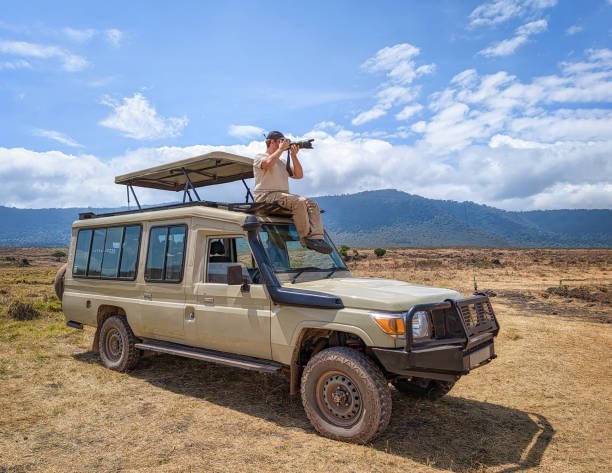
Uganda Gorilla And Zanzibar Holiday: Your Ultimate Adventure In 2026-2027
Experience the magic of Uganda's mountain gorillas and the exotic allure of Zanzibar's beaches in one incredible journey. This guide details how to plan your ultimate Uganda gorilla and...
View package details
Is Zanzibar Or Mauritius Better For A Beach Holiday? 2026-2027
Is Zanzibar or Mauritius better for a beach holiday? is explained with current 2026-2027 planning, price, itinerary and booking information.
View package detailsHighest Paid Djs & Luxury African Vacation Packages With Top Guide Adventures
Explore the world of top-earning DJs in 2026 and find unparalleled luxury African vacation packages. Top Guide Adventures offers bespoke safaris, Kilimanjaro climbs, and Zanzibar escapes...
View package detailsTop 10 Richest Artists In Africa And Their Favorite Safari Destinations
Explore the lavish lives of Africa's wealthiest musicians and artists in 2026, revealing their favorite luxury safari spots for relaxation and inspiration. From Tanzania's Serengeti to...
View package detailsRichest Politicians In Africa And Their Favorite Safari Destinations 2026-2027
Explore the opulent world of Africa's wealthiest politicians and their preferred safari destinations. From the Serengeti to the Okavango Delta, uncover the exclusive travel habits of...
View package detailsTop 20 Richest Musicians In Africa And Their Favorite Safari Destinations
Explore the opulent lifestyles of Africa's wealthiest musicians in 2026, revealing their preferred safari hotspots for adventure and relaxation. From Tanzania's Serengeti to Kenya's Maasai...
View package details
Kenya Luxury Safari And Beach Holidays 2026-2027
Kenya Luxury Safari and Beach Holidays is explained with current 2026-2027 planning, price, itinerary and booking information.
View package detailsNo related package matches those filters. Clear one or more filters to see the other topic-matched options.



