
Tanzania safari hidden costs encompass various elements beyond the advertised tour price, including park entrance fees (typically $50-$80 per person per day in popular parks like Serengeti and Ngorongoro), conservation fees, daily ranger fees, tips for guides and staff (budgeting $20-$40 per person per day is common), international and domestic flights, visa costs ($50-$100), travel insurance, vaccinations, and personal expenses like souvenirs and drinks. Understanding these components is crucial for accurate budgeting for your 2026-2027 safari.
Understanding the True Cost of a Tanzania Safari
A Tanzania safari is an unparalleled experience, promising encounters with iconic wildlife, vast landscapes, and vibrant cultures. However, many travelers are surprised by the additional expenses that can arise beyond the initial tour package quote. At Top Guide Adventures, we believe in transparency, ensuring you have a comprehensive understanding of all potential costs. This guide breaks down the often-unseen “hidden costs” of a Tanzania safari, covering everything from mandatory fees and essential gratuities to the often-significant expenses of flights and personal extras. By the end of this article, you’ll be well-equipped to budget accurately for your dream safari in 2026 or 2027, avoiding any unwelcome surprises.
Park Entrance Fees: The Foundation of Your Safari Budget
The most significant component of your safari’s “hidden costs” will undoubtedly be the park entrance fees. These fees are not typically included in basic safari package prices and are levied by the Tanzania National Parks Authority (TANAPA) and the Ngorongoro Conservation Area Authority (NCAA). They are essential for the conservation and maintenance of these incredible natural reserves.
Daily Park Fees Breakdown (Per Person)
These fees are charged on a per-person, per-day basis and can add up significantly, especially on longer safaris. It’s important to note that these rates are subject to change, and while we aim to provide the most current estimates for 2026-2027, it’s always best to confirm with your tour operator.
- Serengeti National Park: Approximately $60 – $70 USD per person, per 24-hour period. This fee grants access to one of the world’s most famous wildlife sanctuaries, renowned for the Great Migration.
- Ngorongoro Conservation Area (Crater Fees): These are distinct from general park fees. Expect to pay approximately $295 USD per vehicle for a 6-hour crater tour, plus a $60 – $70 USD per person, per day conservation fee for entering the NCAA. The per-vehicle fee is a substantial part of the Ngorongoro experience.
- Tarangire National Park: Around $50 – $60 USD per person, per day. Known for its large elephant herds and baobab trees.
- Lake Manyara National Park: Approximately $50 – $60 USD per person, per day. Famous for its tree-climbing lions and diverse birdlife.
- Arusha National Park: Around $30 USD per person, per day. Offers stunning views of Mount Meru and a chance to see colobus monkeys.
- Other Parks (e.g., Ruaha, Selous/Nyerere): Fees can range from $30 – $50 USD per person, per day, depending on the park’s status and management.
Important Note: These are base fees. If your safari involves camping within the park boundaries or specific activities, additional fees might apply. For instance, camping fees can range from $10-$50 USD per person per night, depending on the campsite type (public, special, or managed).
Conservation Fees vs. Park Fees
It’s helpful to distinguish between park entrance fees and conservation fees. In areas like the Ngorongoro Conservation Area, you pay both a daily conservation fee per person and a vehicle fee for accessing the crater. In national parks managed by TANAPA, the daily fee generally covers both aspects of conservation and entry.
How These Fees Affect Your Budget
Consider a standard 7-day Northern Circuit safari that includes Serengeti and Ngorongoro. If you spend 3 days in Serengeti and 2 days in Ngorongoro (including crater descent), you’re looking at approximately:
- Serengeti: 3 days * $70/day = $210 per person
- Ngorongoro Crater: $295/vehicle (shared by occupants) + 2 days * $70/day = ~$140 per person (assuming 2 people per vehicle for calculation) + vehicle fee. The vehicle fee significantly impacts the per-person cost.
This quickly adds up, and for a 10-day safari, these fees alone can easily be $500 – $800+ per person, depending on the itinerary and park choices.
Ranger Fees and Daily Activity Fees
In addition to park entrance fees, some areas or activities might require separate ranger fees. For example, guided walking safaris in certain buffer zones or specific park areas might necessitate hiring a ranger guide, whose fees are separate from your main safari guide.
- Walking Safaris: Typically require a park-authorized ranger guide. Fees can range from $20-$50 USD per person for a guided walk, often for a few hours.
- Night Game Drives: In some areas (like the Serengeti’s Soronera area, though often arranged by lodges), a night drive fee might be separate, potentially around $50-$100 USD per vehicle, plus park fees.
While not as substantial as daily park fees, these can add to the overall cost if your itinerary includes such specialized activities. Always clarify with your tour operator if these are included or an additional expense.
Tipping: A Cultural and Practical Necessity
Tipping is an integral part of the safari experience in Tanzania, acknowledging the hard work and dedication of your guides and support staff. While not always explicitly stated as a “hidden cost,” it’s a crucial budget item that many first-time safari-goers underestimate. Tour operators typically provide guidelines, but understanding the context helps.
Who to Tip and How Much
The primary recipients of tips are your safari guide(s) and any camp/lodge staff. For longer safaris with multiple vehicles or a dedicated cook for a camping safari, you’ll tip them separately.
- Safari Driver-Guide: This is your main point of contact, driver, wildlife expert, and problem-solver. A common guideline is $20 – $40 USD per day, per group. For a couple, this means $10-$20 each per day. For a group of four, it’s $5-$10 each per day. A 10-day safari could mean a tip of $200-$400 for your guide.
- Camp/Lodge Staff: For lodges and tented camps, tips are usually pooled and distributed among kitchen staff, housekeeping, and waitstaff. A general guideline is $10 – $20 USD per guest, per day. For a couple on a 10-day trip, this could be $100-$200 total for the staff pool.
- Camp Cook (for Camping Safaris): If you’re on a budget camping safari, the cook who prepares your meals is essential. Tip them separately, similar to the driver-guide, perhaps $15 – $30 USD per day, per group.
When and How to Tip
Tips are usually given in cash (USD is widely accepted and preferred) at the end of the safari, often on the last day. Some high-end lodges may have a central tipping box, but it’s generally best to tip individuals directly or through your main guide who can distribute it appropriately. Always ask your tour operator for their specific recommendations.
Budgeting for Tips
For a 10-day safari for two people, you could easily budget $500 – $1000 USD for tips. This might seem high, but it reflects the quality of service and the challenging conditions under which guides and staff operate. It’s a significant “hidden cost” that ensures you’re properly acknowledging the team that makes your safari memorable.
Flight Costs: International and Domestic Essentials
Flights are a major component of any international travel budget, and Tanzania is no exception. The costs can vary dramatically based on your departure location, time of booking, and class of travel.
International Flights to Tanzania
- Main Entry Points: Kilimanjaro International Airport (JRO) is the primary gateway for Northern Circuit safaris, while Julius Nyerere International Airport (DAR) in Dar es Salaam serves Southern Circuit safaris and Zanzibar.
- Cost Factors: Prices fluctuate based on airline, season (peak seasons like June-October and December-February are more expensive), how far in advance you book (aim for 6-12 months ahead for 2026-2027 travel), and your departure city.
- Estimated Costs: Expect international round-trip flights from North America or Europe to range anywhere from $800 to $2000+ USD per person in economy class. Business or first class can easily double or triple this amount.
Domestic Flights within Tanzania
While road transfers are common for safaris, especially on the Northern Circuit, domestic flights offer a time-saving alternative and are often necessary for accessing more remote locations or for Southern Circuit safaris.
- Scheduled Flights: Companies like Precision Air, Air Tanzania, and Coastal Aviation operate scheduled flights between major hubs (e.g., Arusha, Zanzibar, Dar es Salaam, Kilimanjaro).
- Charter Flights: For exclusive and time-efficient travel between lodges or to remote airstrips, charter flights are available. These are significantly more expensive but offer unparalleled flexibility.
- Airstrip Transfers: Many luxury camps and lodges are located near small airstrips. If your package doesn’t include a flight, you’ll need to budget for the flight cost to that airstrip, plus a transfer fee to the lodge.
- Cost Examples: A one-way domestic flight from Arusha to the Serengeti can cost between $250 – $450 USD per person. Flights to more remote parks like Ruaha or Selous might be in a similar range or higher.
Recommendation: If your itinerary involves multiple locations or limited time, discuss the possibility and cost-effectiveness of domestic flights with your tour operator. For many, a 7-10 day Northern Circuit safari can be done entirely by road, saving on these domestic flight costs.
Visa Requirements and Costs
Most nationalities require a visa to enter Tanzania. Obtaining this in advance can save time and hassle upon arrival.
- Tourist Visa Fees: The standard tourist visa fee for most nationalities is $50 – $100 USD, depending on your nationality and the type of visa (single-entry, multiple-entry). Check the official Tanzanian immigration website for the most accurate and up-to-date information for 2026-2027.
- Online Application: Tanzania has an online visa application portal, which is highly recommended for pre-approval. This helps streamline your entry process.
- Visa on Arrival: While possible for some nationalities, applying in advance is generally advised to avoid potential delays or complications at the airport.
- East African Tourist Visa: If you plan to visit Kenya and Uganda alongside Tanzania, you might consider the East African Tourist Visa, which covers all three countries and costs around $100 USD. However, ensure this is suitable for your specific itinerary and entry/exit points.
Budget Impact: Factor in $50 – $100 USD per person for your Tanzanian visa. This is a mandatory cost for most travelers.
Travel Insurance: A Non-Negotiable Expense
While not a “hidden” cost in the sense of being unexpected, travel insurance is often overlooked in initial budget planning but is absolutely essential for any safari trip.
- Coverage Needs: Ensure your policy covers medical emergencies (including evacuation), trip cancellation/interruption, lost luggage, and activities like game drives. Some policies may have specific exclusions for remote adventure travel, so read the fine print carefully.
- Cost Factors: Premiums depend on your age, the duration of your trip, the coverage level, and your home country.
- Estimated Costs: For a 10-14 day safari, expect to pay anywhere from $100 to $300+ USD per person for comprehensive travel insurance.
Why it’s Crucial: Medical evacuations from remote safari areas can cost tens of thousands of dollars. Travel insurance is your financial safety net against unforeseen events.
Vaccinations and Medications
Consult your doctor or a travel clinic well in advance of your trip (ideally 4-6 weeks before departure) regarding recommended vaccinations and malaria prevention for Tanzania.
- Yellow Fever: Vaccination is often required, especially if arriving from or transiting through a country with a risk of Yellow Fever. Carry your vaccination certificate.
- Malaria Prevention: Tanzania is a malaria-endemic country. Your doctor will likely prescribe antimalarial medication.
- Other Vaccinations: Hepatitis A, Typhoid, Tetanus, and potentially others may be recommended.
- Costs: Vaccination costs vary by country and healthcare provider. Antimalarial medication can cost anywhere from $50 to $200+ USD per person, depending on the prescription.
Health First: Prioritize your health. These are essential preventative costs for a safe and enjoyable safari.
Personal Expenses and Extras
Beyond the core costs, there are numerous personal expenses that contribute to the overall safari budget. These are highly variable based on individual spending habits.
- Souvenirs: Tanzania offers beautiful local crafts, artwork, and textiles. Budget accordingly if you plan to shop. Prices can range from a few dollars for small items to hundreds for larger pieces.
- Drinks and Snacks: While meals are typically included on safari, alcoholic beverages, specialty coffees, bottled water outside of what’s provided in the vehicle, and extra snacks are usually at your own expense. Lodges and camps often have higher prices for these items. A reasonable budget might be $10-$30 USD per person per day.
- Laundry Services: Many lodges offer laundry services, which can be convenient but add to the cost. Prices vary by item and lodge.
- Tips for Local Community Visits: If your itinerary includes visits to Maasai villages or other cultural interactions, small donations or purchases may be expected.
- Internet/Wi-Fi: While some lodges offer free Wi-Fi, others charge for access, or the connection might be slow and unreliable.
Track Your Spending: Keep a running tally of these smaller expenses, as they can accumulate surprisingly quickly over a multi-day safari.
Accommodation Style: A Major Cost Differentiator
The type of accommodation you choose significantly impacts the overall safari cost, often influencing what’s considered a “hidden” versus an “included” expense.
- Budget Camping: Basic tents, shared ablutions, and communal meals. This is the most economical option, often including park fees and meals, but with fewer amenities.
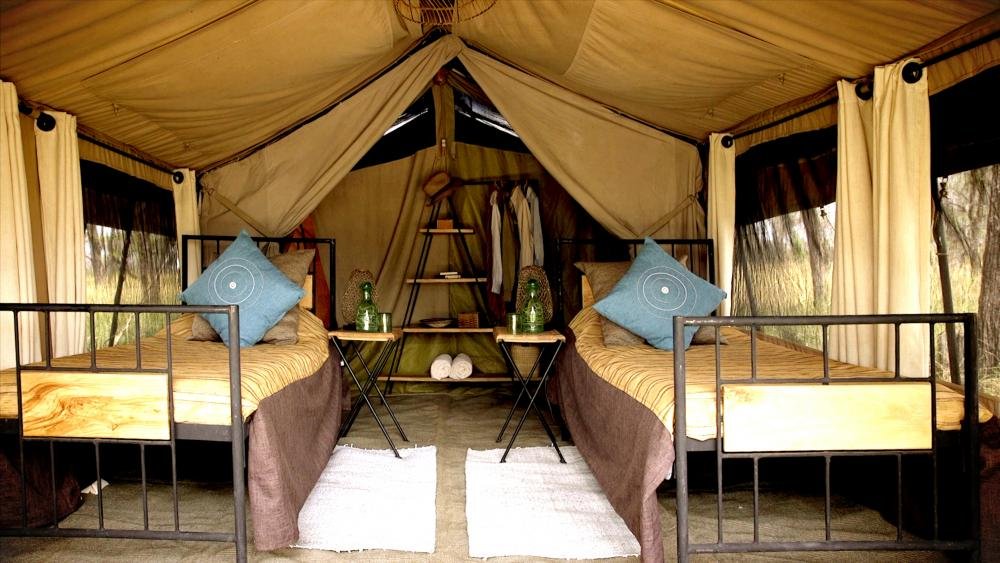
- Mid-Range Lodges/Tented Camps: Comfortable rooms or permanent tents with en-suite bathrooms, decent dining facilities, and often a swimming pool. This is a popular choice offering a balance of comfort and value.
- Luxury Lodges/Exclusive Tented Camps: High-end amenities, gourmet dining, private plunge pools, exceptional service, and often prime locations. These come with a premium price tag.
- Mobile Camping Safaris: These offer a more adventurous experience, often following the wildlife movements. They can range from basic to semi-luxury, with private camps set up just for your group.
Inclusions: Always verify what is included in your accommodation package. Most mid-range to luxury options include accommodation, all meals, and standard safari activities. Budget camping also typically includes these, but with significantly less comfort.
The Impact of Safari Duration and Itinerary Complexity
The longer your safari, the more park fees, accommodation nights, and daily expenses you will incur. Similarly, a complex itinerary involving multiple parks, long transfers, or remote locations will naturally increase the overall cost.
- Short Safaris (3-4 days): Focus on one or two parks (e.g., Tarangire & Ngorongoro). Lower overall cost but less time for wildlife viewing.
- Standard Safaris (5-8 days): Typically cover the Northern Circuit highlights (Tarangire, Lake Manyara, Ngorongoro, Serengeti). A good balance of experience and cost.
- Extended Safaris (9+ days): Allow for deeper exploration of the Serengeti, visits to less-crowded parks like Ruaha or Selous (Southern Circuit), or a combination of Northern and Southern circuits. These offer the most comprehensive experience but come with higher cumulative costs.
Cost Calculation: A 7-day Northern Circuit safari might cost between $2,500 – $6,000+ per person, depending on accommodation and inclusions. An 11-day safari covering more ground could easily be $4,000 – $9,000+ per person.
Seasonality: When You Travel Matters
Safari costs in Tanzania are heavily influenced by the time of year.
- Peak Season (June – October, December – February): This is the dry season, ideal for wildlife viewing as animals congregate around water sources. It’s also the most expensive time to travel due to high demand. Expect higher prices for flights, accommodation, and sometimes even tour packages. Book well in advance for 2026-2027.
- Shoulder Season (November, March – May): These months offer a good balance. The “green season” (November-May) can be beautiful with lush landscapes and fewer crowds, although May can be very wet. Prices are generally lower than peak season.
- Low Season (April – May): This is typically the wettest period, with heavy rains impacting road conditions and potentially wildlife viewing in some areas. It offers the lowest prices but might not be ideal for all travelers.
Strategic Planning: Traveling during shoulder seasons can help mitigate some of the “hidden” costs associated with peak demand, particularly for flights and accommodation availability.
Group Size and Private vs. Shared Safaris
Your choice between a private or shared safari significantly impacts the per-person cost.
- Shared/Group Safaris: These are the most budget-friendly options. You join a pre-arranged itinerary with other travelers. Costs are spread across the group. Look for departures on sites like Top Guide Adventures’ group departures.
- Private Safaris: You have a dedicated vehicle, guide, and itinerary tailored to your preferences. This offers maximum flexibility and comfort but is considerably more expensive. The cost per person decreases with more people in your private group (up to a vehicle’s limit, usually 6-7 passengers).
Cost Comparison: A shared safari might cost $200-$350 per person per day, while a private safari could range from $400-$800+ per person per day, depending on the group size and level of luxury.
Gear and Equipment: What to Pack (and What Not to Buy Unnecessarily)
While most essential safari gear can be packed from home, some travelers opt to purchase items upon arrival or rent specialized equipment, adding to the cost.
- Essential Clothing: Neutral-colored, breathable clothing (khaki, beige, green). Avoid bright colors and dark blue/black (can attract tsetse flies).
- Footwear: Comfortable walking shoes or hiking boots (if doing walking safaris), sandals.
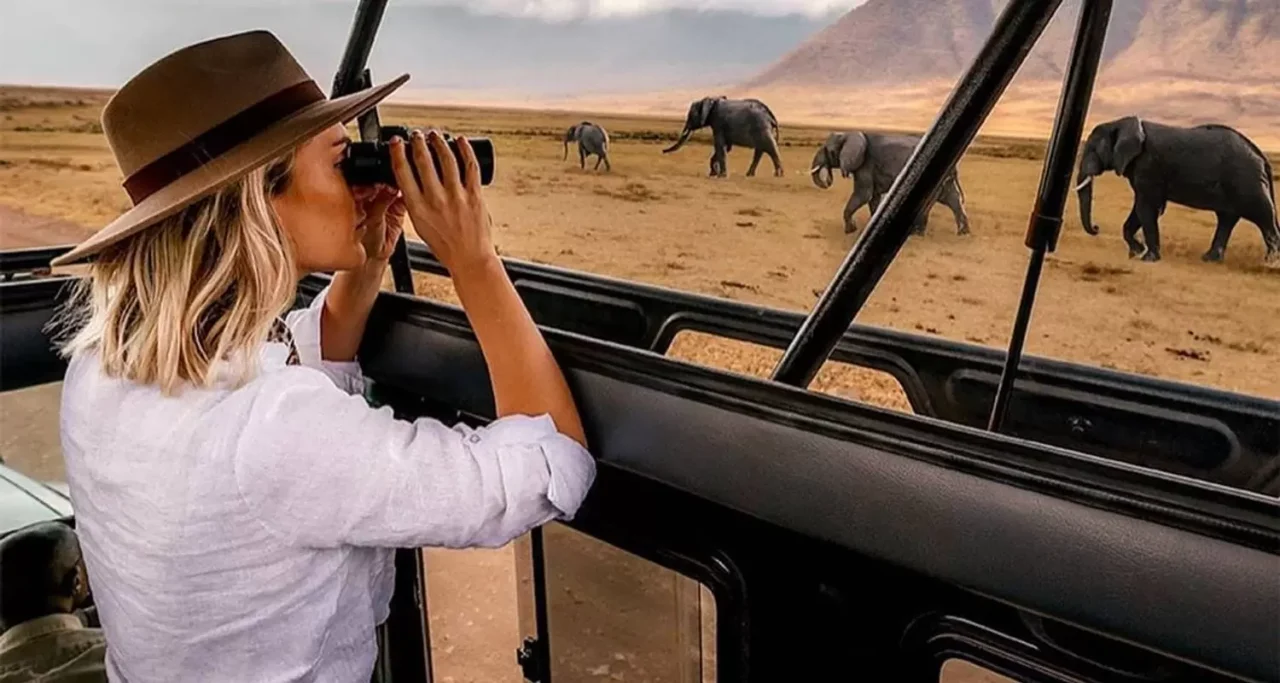
- Optics: Binoculars are a must! While tour operators might provide one pair per vehicle, having your own high-quality pair significantly enhances wildlife viewing. A good pair can cost $100-$500+ USD.
- Camera Gear: Long-range lenses are ideal for wildlife photography. Investing in good camera equipment can be substantial.
- Sun Protection: High SPF sunscreen, wide-brimmed hat, sunglasses.
- Insect Repellent: Essential for malaria prevention.
- First-Aid Kit: Personal medications and basic first-aid supplies.
Rental Options: Some high-end lodges might offer binoculars or even cameras for rent, but this is uncommon. Most travelers are expected to bring their own gear. Avoid buying bulky items like large backpacks or expensive specialized clothing in Tanzania unless absolutely necessary, as prices can be inflated.
Communication and Connectivity Costs
Staying connected while on safari can be challenging and potentially costly.
- Local SIM Cards: Purchasing a local SIM card (e.g., Vodacom, Tigo, Airtel) upon arrival at the airport or in major towns like Arusha can be cost-effective for calls and data. SIM cards are inexpensive (a few dollars), but you’ll need to purchase data bundles.
- Data Bundles: Prices vary, but expect to pay around $10-$30 USD for a decent data package that lasts for a week or two, depending on usage.
- Wi-Fi Costs: As mentioned, Wi-Fi at lodges can be free but slow, or paid. Rates can be around $5-$15 USD per day for access.
- International Roaming: This is almost always the most expensive option and should be avoided if possible. Check rates with your home provider, but expect them to be very high.
Stay Informed: Discuss connectivity options with your tour operator. They can advise on the best local SIM card providers or lodges with reliable Wi-Fi.
Contingency Fund: The Unforeseen
It’s always wise to have a contingency fund for unexpected expenses. This could include:
- Medical emergencies not fully covered by insurance.
- Lost or damaged items requiring replacement.
- Last-minute itinerary changes or additions.
- Unexpected fees or charges that may arise.
Recommendation: Set aside an additional 10-15% of your total estimated safari cost as a contingency fund. This provides peace of mind and ensures you can handle any unforeseen situations without stress.
Maximizing Value and Minimizing Hidden Costs
While understanding hidden costs is crucial, so is knowing how to get the best value for your money.
- Book in Advance: Especially for peak seasons in 2026-2027, booking flights and safari packages 6-12 months ahead can secure better prices and availability.
- Travel During Shoulder Seasons: As discussed, this can lead to significant savings on flights and accommodation.
- Choose Your Accommodation Wisely: Balance comfort with budget. Mid-range options often provide excellent value.
- Consider Group Safaris: If you’re open to traveling with others, shared tours are considerably more affordable.
- Work with a Reputable Tour Operator: Companies like Top Guide Adventures pride themselves on transparency. We clearly outline what is included and what is not, helping you budget accurately. We can also advise on cost-saving strategies. Contact us via Email info@topguideadventures.com or WhatsApp +255616946642.
- Be Clear About Inclusions: Always ask for a detailed itinerary that specifies what is covered (park fees, meals, activities, accommodation type, transfers).
- Pack Smart: Avoid unnecessary purchases by packing essentials from home.
A Realistic Budget Example (Northern Circuit, 7 Days, Mid-Range)
This is a hypothetical example for two people, illustrating the potential breakdown of costs for a mid-range 7-day Northern Circuit safari in 2026-2027.
Estimated Safari Costs (Per Person) for a 7-Day Northern Circuit Safari
| Category | Estimated Cost Range (USD) | Notes |
|---|---|---|
| Safari Package (Mid-Range Accommodation, All Meals, Private Vehicle/Guide) | $2,500 – $4,500 | Core tour cost, may or may not include park fees. |
| Park & Conservation Fees (Serengeti, Ngorongoro, Tarangire) | $400 – $600 | Based on approx. 6 days in parks, including Ngorongoro crater fee. |
| Tips (Guide & Lodge Staff) | $300 – $500 | Assuming $40-$70 per person per day for guide/staff. |
| International Flights (Round Trip) | $1,000 – $1,800 | Economy from Europe/North America, booked in advance. |
| Visa | $50 – $100 | Standard tourist visa. |
| Travel Insurance | $100 – $200 | Comprehensive policy for 7-10 days. |
| Vaccinations/Medications | $50 – $200 | Variable based on individual needs. |
| Personal Expenses (Souvenirs, Drinks, etc.) | $150 – $300 | Discretionary spending. |
| Contingency Fund (10%) | $450 – $800 | For unforeseen costs. |
| TOTAL ESTIMATED COST PER PERSON | $5,00,000 – $9,000 | This is a comprehensive estimate. |
Disclaimer: These figures are estimates for 2026-2027 and can vary significantly. Always request a personalized quote based on your specific itinerary, travel dates, and preferences.
Conclusion: Planning for a Transparent and Unforgettable Safari
A Tanzania safari is an investment in experiences that last a lifetime. By understanding and budgeting for the “hidden costs” – park fees, tips, flights, visas, and personal extras – you can plan a trip that is both financially sound and free from stressful surprises. At Top Guide Adventures, we are committed to providing clear, honest information to help you craft your perfect Tanzanian adventure. Whether you’re planning for 2026 or 2027, our team is ready to assist you in navigating these costs and ensuring your safari is everything you dreamed of.
Don’t let the details overwhelm you. Contact us today to discuss your dream safari. We can provide detailed quotes that break down every component, helping you budget with confidence. Reach out via WhatsApp +255616946642 or Email info@topguideadventures.com. Let’s plan your unforgettable Tanzanian journey!
Check Availability for Tanzania Safari Hidden Costs: Fees, Tips, Flights And Extras Guide
Ready to compare dates, prices, and the best option for your group? Send the package name and travel month so the team can reply with a clear quote, availability, and what is included.
Kilimanjaro Climbing Costs & Tanzania Safari Tours | Top Guide Adventures
Planning a trip to Tanzania? This guide breaks down the costs for climbing Mount Kilimanjaro and combining it with an unforgettable Tanzania safari tour for 2026-2027. Learn about pricing...
View package details
Tanzania Safari Prices And Park Fees: Your Ultimate Guide 2026-2027
Planning a Tanzania safari involves understanding various costs, primarily driven by park entrance fees and the overall safari package. This guide breaks down typical Tanzania safari prices...
View package detailsUsajili Wa Simba / Dates: Football Tourism Tanzania & Safari Packages
Planning to experience 'Usajili wa Simba' in Tanzania during the 2026/2027 season? This guide covers the likely dates, what to expect, and how to combine this unique football event with...
View package detailsAfcon Tanzania Travel Guide, Safari Tours And Match Packages 2026-2027
AFCON 2027 Tanzania Travel Guide, Safari Tours and Match Packages is explained with current 2026-2027 planning, price, itinerary and booking information.
View package detailsDiscount Tanzania Treks And Affordable Safari Packages In 2026-2027
Discover how to plan discount Tanzania treks and affordable safari packages for your 2026-2027 adventure. This comprehensive guide covers budget-friendly options for iconic destinations...
View package detailsRichest Man In Tanzania & Luxury Safari Experiences In 2026-2027
Explore the pinnacle of luxury safari experiences in Tanzania, from exclusive lodges to private game drives, and gain insight into the nation's wealthiest individuals. Top Guide Adventures...
View package detailsAfcon Tanzania Schedule And Safari Travel Packages By Top Guide Adventures
Discover the AFCON 2026 Tanzania schedule and explore tailored safari travel packages. Top Guide Adventures offers unique experiences combining football excitement with the wonders of...
View package detailsRichest African Artist : Their Favorite Safari Adventures In Tanzania
In 2026, the allure of Tanzania's vast wilderness continues to draw global attention, including from some of Africa's wealthiest artists. While exact personal preferences remain private...
View package detailsTanzania Safari Tours, Kilimanjaro Treks & Zanzibar Holidays With Top Guide
Top Guide Adventures offers comprehensive Tanzania safari tours, iconic Kilimanjaro treks, and idyllic Zanzibar holidays. Discover the best of East Africa with personalized itineraries...
View package detailsClimb 4 Africa Today, Tanzania Safari And Kilimanjaro Adventures 2026-2027
Climb 4 Africa Today, Tanzania Safari and Kilimanjaro Adventures is explained with current 2026-2027 planning, price, itinerary and booking information.
View package detailsHabari Za Azam Fc Leo Na Tanzania Safari Tours Kwa Mashabiki 2026-2027
Habari za Azam FC Leo na Tanzania Safari Tours kwa Mashabiki is explained with current 2026-2027 planning, price, itinerary and booking information.
View package detailsThe Richest Musician In Africa And Luxury Safari Adventures In Tanzania
Explore the allure of Tanzania's luxury safari experiences, drawing parallels with the opulent lifestyles and potential travel interests of Africa's wealthiest musicians. This guide details...
View package detailsNo related package matches those filters. Clear one or more filters to see the other topic-matched options.



