
The Serengeti National Park entrance fee for 2026-2027 is $70.80 per person per day for international visitors, plus a 1% conservation fee on your total safari package cost. For East African Community citizens, the fee is significantly lower, typically around 10,000 TZS. These fees are subject to change and are collected by TANAPA, the Tanzania National Parks Authority, and are crucial components of your safari budget.
Understanding Serengeti Entrance Fees: A Detailed Breakdown for 2026-2027
Planning a safari to the iconic Serengeti National Park is an exciting prospect, promising unparalleled wildlife viewing and impressive landscapes. As you map out your adventure for 2026 or 2027, understanding the associated costs, particularly the Serengeti entrance fee, is paramount. This fee is a critical part of your safari budget and directly contributes to the park’s conservation efforts. At Top Guide Adventures, we believe in transparent pricing and providing our clients with all the necessary information to plan their dream Tanzanian safari.
The Serengeti entrance fee, officially known as the Park Conservation Fee, is levied by the Tanzania National Parks Authority (TANAPA). It’s important to note that these fees are typically included in your overall safari package price when you book with a reputable tour operator like Top Guide Adventures. However, knowing the specifics allows for better financial planning and a clearer understanding of where your investment goes.
Current Serengeti Entrance Fee Structure for 2026-2027
For the upcoming seasons of 2026 and 2027, the standard entrance fee for Serengeti National Park is set at $70.80 per adult per 24-hour period. This fee applies to international tourists. For children aged between 5 and 15 years, the fee is reduced to $23.60 per child per 24-hour period. Children under 5 years old are generally granted free entry.
It’s crucial to remember that these fees are calculated on a 24-hour basis. This means if you enter the park at 10 AM on one day and exit at 10 AM the next, you will be charged for two full days. If you exit before the 24-hour mark, it still counts as one day’s fee. This is a standard practice across most Tanzanian national parks.
In addition to the daily entrance fee, there is also a 1% conservation fee. This fee is calculated on the total cost of your safari package, not just the park fees. For instance, if your safari package costs $5,000, the 1% conservation fee would be $50. This fee is vital for the long-term protection and management of the Serengeti ecosystem.
For residents of the East African Community (EAC), which includes Tanzania, Kenya, Uganda, Rwanda, Burundi, South Sudan, and the Democratic Republic of Congo, the entrance fees are substantially lower. Typically, this fee is around 10,000 Tanzanian Shillings (TZS) per person per day. Proof of residency or citizenship is required to avail this rate.
Key Takeaways on Serengeti Entrance Fees (2026-2027):
- International Adults: $70.80 per person per 24-hour period.
- International Children (5-15 years): $23.60 per child per 24-hour period.
- Children Under 5: Free entry.
- EAC Citizens/Residents: Approximately 10,000 TZS per person per day (subject to verification).
- Conservation Fee: 1% of the total safari package cost.
- Calculation: Fees are per 24-hour period, regardless of exit time within that period.
What Does the Serengeti Entrance Fee Cover?
The Serengeti entrance fee is not just a ticket to enter; it’s an investment in the preservation of one of the world’s most extraordinary natural wonders. The revenue generated from these fees is managed by TANAPA and is crucial for the park’s operations and conservation initiatives. Here’s a look at what your fee helps to support:
- Wildlife Conservation and Anti-Poaching Efforts: A significant portion of the fees funds ranger patrols, anti-poaching units, and the monitoring of wildlife populations. This is vital for protecting the Serengeti’s magnificent animals, including the big cats and the wildebeest during the Great Migration.
- Habitat Management and Restoration: Maintaining the vast Serengeti ecosystem requires ongoing efforts. This includes managing vegetation, controlling invasive species, and protecting natural water sources to ensure a healthy environment for the wildlife.
- Infrastructure Development and Maintenance: The fees contribute to the upkeep and improvement of park infrastructure. This includes maintaining the network of roads that allow safari vehicles to navigate the park, building and maintaining park gates, visitor centers, and ranger outposts.
- Research and Monitoring: TANAPA supports scientific research within the park, helping to understand wildlife behavior, population dynamics, and the impact of environmental changes. This data is essential for informed conservation strategies.
- Visitor Services: Funds are also allocated to improving visitor experiences, such as providing information at park gates, ensuring safety protocols are in place, and maintaining basic facilities for tourists.
By paying your Serengeti entrance fee, you are actively participating in the conservation of this UNESCO World Heritage Site, ensuring its future for generations to come. This makes your safari experience not only memorable but also meaningful.
How the Serengeti Entrance Fee Impacts Your Safari Budget
When budgeting for a safari in Tanzania, understanding the Serengeti entrance fee is essential. While tour operators like Top Guide Adventures typically include these park fees in their package quotes, knowing the individual cost helps in comparing offers and appreciating the value of your safari.
For a typical 5-day Serengeti safari, an international adult would incur 5 days x $70.80 = $354 in park entrance fees. Add to this the 1% conservation fee on the total package, and you can see how these costs accumulate. For a family with two adults and one child (under 15), the daily fee would be $70.80 + $70.80 + $23.60 = $165.20 per day.
Example Calculation for a 7-Day Serengeti Safari (2026-2027):
Let’s assume a safari package price of $4,500 per person, covering accommodation, meals, park fees, game drives, and transfers. For an international adult:
- Park Entrance Fees: 7 days x $70.80 = $495.60
- Conservation Fee: 1% of $4,500 = $45.00
- Total Direct Park-Related Costs (per person): $495.60 + $45.00 = $540.60
This $540.60 per person is a significant portion of the safari cost and is directly tied to experiencing the Serengeti. It’s important to ensure that your tour operator clearly states whether park fees are included in their quotes, especially when comparing prices for 2026 or 2027 travel.
At Top Guide Adventures, our safari packages are designed to be comprehensive. We aim to include all essential costs, such as park entrance fees, accommodation, meals, professional guide services, and internal transport, to provide you with a clear and predictable budget. When you inquire about a safari for 2026 or 2027, we will provide a detailed breakdown of what is included, including the Serengeti entrance fee.
Serengeti vs. Other Parks: Fee Comparisons
Tanzania boasts a wealth of national parks, each with its unique ecosystem and attractions. While the Serengeti is arguably the most famous, understanding its fee structure in comparison to other popular parks can be helpful for itinerary planning and budget management, especially when considering safaris for 2026 or 2027.
Serengeti National Park: As discussed, the standard fee is $70.80 per adult per day, plus the 1% conservation fee. This fee reflects the park’s immense size, ecological significance, and the extensive conservation efforts required.
Ngorongoro Conservation Area: While technically a conservation area rather than a national park, Ngorongoro has its own fee structure. Visitors pay a conservation fee of $50 per person per 24-hour period, plus a vehicle fee. There is also a separate crater service fee of $300 per vehicle for entering the crater floor. The unique management of Ngorongoro, which allows Maasai communities to live within its boundaries, influences its fee structure.
Tarangire National Park: Known for its large elephant herds and baobab trees, Tarangire has an entrance fee of $59 per person per 24-hour period. This is slightly lower than Serengeti’s fee.
Lake Manyara National Park: Famous for its tree-climbing lions and diverse birdlife, Lake Manyara charges $59 per person per 24-hour period.
Kilimanjaro National Park: For those undertaking a Kilimanjaro climb, park fees are substantial and calculated differently, often based on the route and duration of the climb. These are separate from general safari park entry fees.
Note on Fees for 2026-2027: It’s important to stay updated as TANAPA occasionally adjusts these fees. While significant hikes are not common year-on-year, small adjustments can occur. Top Guide Adventures monitors these changes closely to provide the most accurate pricing for your 2026 or 2027 safari plans.
The Serengeti’s higher fee compared to parks like Tarangire and Lake Manyara is often attributed to its status as a UNESCO World Heritage Site, its critical role in the Great Migration, and the vast operational costs associated with managing such a large and ecologically vital area.
Tips for Managing Serengeti Entrance Fees in Your Safari Budget
Effectively managing the Serengeti entrance fee is key to a well-budgeted safari. Here are some practical tips:
- Choose Your Safari Duration Wisely: Every day spent in the Serengeti incurs the $70.80 fee. While you’ll want ample time to explore, consider if a slightly shorter stay in the Serengeti, balanced with time in other parks, could be more budget-friendly. For example, a 7-day safari with 3 days in Serengeti and 2 days in Ngorongoro might be more cost-effective than 5 days solely in the Serengeti, depending on your interests.
- Opt for Group Safaris: Shared safaris, like those offered by Top Guide Adventures, divide the vehicle and guide costs among participants. While the park fees per person remain the same, the overall package price is lower, making the Serengeti more accessible. Check our group departure dates for 2026 and 2027.
- Travel in the Shoulder or Low Season: While park entrance fees remain constant, accommodation costs can be lower during the shoulder seasons (e.g., March-May, November) or low season. This can help reduce the overall safari package cost, indirectly making the Serengeti entrance fee a smaller proportion of your total spend.
- Understand Inclusions: Always confirm with your tour operator if park fees are included. If they are listed separately, factor them into your calculations. Top Guide Adventures prides itself on transparent quotes where park fees are typically bundled in.
- Factor in the 1% Conservation Fee: Remember this is calculated on your entire package. A higher-end lodge or more comprehensive service package will result in a higher conservation fee.
- Consider Combined Packages: Many popular itineraries combine the Serengeti with other parks like the Ngorongoro Crater, Tarangire, and Lake Manyara. This can offer a diverse experience and sometimes a more streamlined cost structure than booking parks individually.
By considering these factors, you can enjoy the wonders of the Serengeti without breaking the bank. Our team at Top Guide Adventures is adept at crafting itineraries that balance incredible experiences with sensible budgeting for your 2026-2027 safari.
Serengeti Park Gates and Entry Procedures
Entering the Serengeti involves passing through designated park gates. TANAPA officials manage these entry points, where fees are collected, and park rules are communicated. Understanding this process can make your arrival smoother.
- Main Gates: The most common entry points are the Naabi Hill Gate (connecting from the Ngorongoro Conservation Area) and the Fort Ikoma Gate (on the western side).
- Fee Collection: At the gate, your safari guide will present the necessary documentation. Payment for the entrance fees is usually handled by the tour operator as part of the package. For direct entries or specific arrangements, TANAPA primarily accepts card payments (Visa, MasterCard) or mobile money. Cash payments are rarely accepted.
- Park Rules Briefing: TANAPA rangers at the gates often provide a brief overview of park rules, such as speed limits, staying on designated tracks, not feeding animals, and respecting wildlife. Adhering to these rules is crucial for your safety and the park’s conservation.
- Park Entry Tickets: Upon payment, you will receive entry tickets or passes, which are typically valid for 24 hours. Your guide will keep these, and they may be checked at various points within the park or upon exiting.
- Timing: Gates usually open around 6:00 AM and close at 6:00 PM. It’s important to plan your entry and exit times accordingly to avoid issues.
When you book with Top Guide Adventures, your guide will manage all the entry procedures at the gates, ensuring a hassle-free start to your Serengeti exploration. We ensure our vehicles and guides are equipped to handle the logistics of park entry for your 2026 or 2027 adventure.
The 1% Conservation Fee: Deeper Understanding
The 1% conservation fee is a relatively recent addition to the fee structure and is a critical component of sustainable tourism in Tanzania. Unlike the daily entrance fee, this is calculated on the total cost of your safari package.
How it Works:
- Calculation Basis: It’s 1% of the price you pay to your tour operator for the entire safari package. This includes accommodation, transport, guide services, meals, and other activities included in your itinerary.
- Purpose: This fee is specifically earmarked for conservation initiatives across Tanzania’s protected areas, including the Serengeti. It provides a flexible funding stream that can be allocated to urgent conservation needs, research projects, and community engagement programs.
- Transparency: Reputable operators like Top Guide Adventures will clearly itemize this fee in your quote, often listed as ‘Conservation Fee’ or similar. It’s not a hidden cost but a recognized contribution to the ecosystem.
- Impact: This fee allows TANAPA to respond more effectively to conservation challenges, such as mitigating human-wildlife conflict, supporting anti-poaching efforts during critical periods, and funding conservation education.
For example, if your 10-day Tanzanian safari package costs $7,000 per person, the 1% conservation fee would amount to $70 per person. This is a small percentage of the total cost but generates significant funds for conservation when multiplied across thousands of tourists visiting Tanzania each year.
Serengeti Entrance Fees for Different Traveler Types
The fee structure is designed to accommodate different visitor categories, ensuring accessibility while prioritizing conservation funding.
- International Tourists: This is the primary group subject to the $70.80 daily fee. These fees are essential for funding the park’s operations and conservation.
- East African Community (EAC) Citizens/Residents: As mentioned, EAC citizens pay a significantly reduced rate (around 10,000 TZS). This encourages regional tourism and engagement with national parks. Proof of citizenship or residency is mandatory.
- Tanzanian Citizens: Tanzanian citizens also benefit from a highly subsidized rate, often similar to or even lower than the EAC rate, to promote domestic tourism.
- Tour Operators: While tour operators pay the standard fees for their clients, they often negotiate bulk rates or have established accounts with TANAPA. However, the per-person fee for the client remains the same. Top Guide Adventures handles all these arrangements seamlessly.
It is always advisable to clarify your residency status with your tour operator to ensure you are quoted the correct fees, especially if you hold a Tanzanian work permit or are an EAC resident. For international travelers planning for 2026 or 2027, the $70.80 rate is the benchmark.
Navigating Park Fees with Top Guide Adventures
At Top Guide Adventures, we strive to make your safari planning as straightforward as possible. We understand that navigating park fees can be confusing, so we’ve streamlined the process for our clients.
- Included in Packages: For the vast majority of our safari packages, the Serengeti entrance fees and the 1% conservation fee are fully included. This means the price you are quoted is the price you will pay, with minimal hidden extras related to park access.
- Detailed Itineraries: When you receive a quote from us for a 2026 or 2027 safari, it will include a detailed breakdown of the itinerary, often specifying the parks visited and confirming that park fees are covered.
- Expert Advice: Our safari consultants are experts in Tanzanian tourism. They can explain the fee structure, advise on the best parks to visit based on your budget and interests, and help you understand the value derived from these fees.
- Direct Relationships: We maintain strong relationships with TANAPA and other park authorities, ensuring we are always up-to-date with the latest fee structures and regulations.
- smooth Experience: Your role is to enjoy the incredible wildlife and landscapes. We handle all the logistics, including park entry payments and permits, allowing you to focus entirely on your safari adventure.
Whether you’re planning a short Northern Circuit safari or an extensive cross-country adventure for 2026 or 2027, Top Guide Adventures ensures clarity and transparency regarding all costs, including the Serengeti entrance fee.
Potential Changes to Serengeti Entrance Fees in 2026-2027
While the $70.80 fee has been stable for some time, TANAPA reserves the right to adjust park fees. It’s wise to be aware of this possibility when planning far in advance for 2026 or 2027.
- Annual Reviews: TANAPA typically reviews park fees annually, although significant changes are not always implemented every year.
- Factors Influencing Changes: Adjustments are often based on inflation, the need for increased conservation funding, and the overall economic climate.
- Communication: Major changes are usually announced well in advance. Reputable tour operators will update their pricing accordingly and inform clients promptly.
- Our Commitment: Top Guide Adventures is committed to providing the most current pricing. If there are any changes to the Serengeti entrance fee affecting bookings for 2026 or 2027, we will communicate these clearly and promptly.
For the most up-to-date information regarding fees for your specific travel dates in 2026 or 2027, we always recommend contacting us directly.
Beyond Entrance Fees: Other Safari Costs to Consider
While the Serengeti entrance fee is a significant component, it’s just one part of your overall safari budget. For a comprehensive plan for 2026 or 2027, consider these additional costs:
- Accommodation: Lodges range from budget-friendly tented camps to ultra-luxury lodges, significantly impacting your total cost.
- Transportation: Safari vehicle rental (4×4 Land Cruiser is standard), fuel, and driver/guide fees.
- Meals: Depending on your accommodation, meals may be included (full board) or extra.
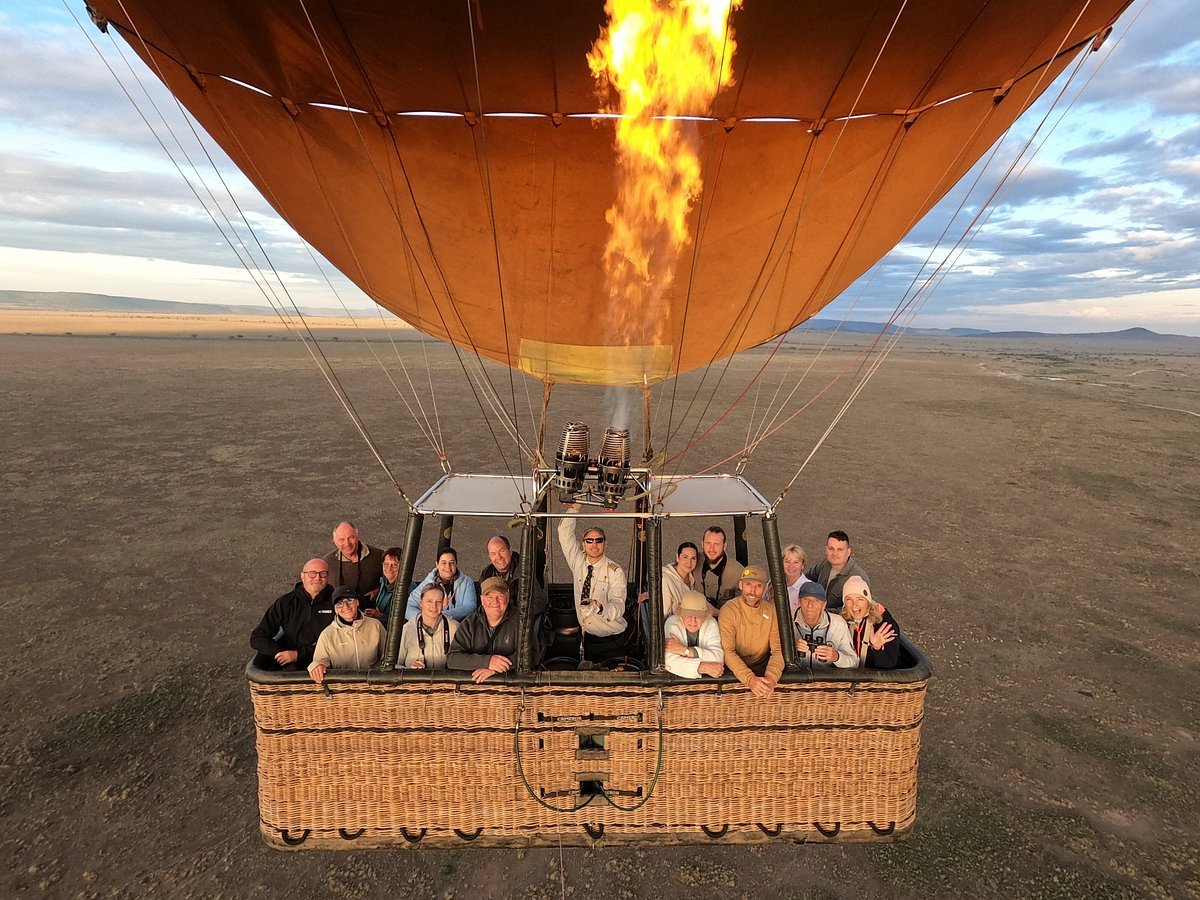
- Activities: Hot air balloon safaris, guided bush walks, cultural village visits, etc., incur additional charges. A Serengeti balloon safari, for instance, can cost around $500-$600 per person.
- Tips for Guides and Staff: While discretionary, tipping is customary and appreciated.
- International Flights: Flights to Kilimanjaro International Airport (JRO) or other entry points.
- Visas: Tanzania visa fees.
- Travel Insurance: Essential for any international travel.
- Vaccinations and Medications: Consult your doctor regarding necessary health precautions.
- Personal Expenses: Souvenirs, drinks, laundry, etc.
Top Guide Adventures offers various safari packages tailored to different budgets, from comfortable mid-range options to exclusive luxury experiences for 2026 and 2027. We help you understand all these cost factors to create a realistic budget.
Booking Your Serengeti Safari with Top Guide Adventures
Ready to experience the magic of the Serengeti in 2026 or 2027? Partnering with a trusted tour operator like Top Guide Adventures ensures a smooth, memorable, and well-managed safari experience. We handle all the complexities, including accurate budgeting for park fees.
To get a personalized quote that includes the Serengeti entrance fee and all other essential components for your 2026 or 2027 safari, please reach out to us:
- WhatsApp: +255616946642
- Email: info@topguideadventures.com
- Website: Visit topguideadventures.com for more information on our tours and services.
We are dedicated to providing exceptional service, expert guidance, and unforgettable adventures across Tanzania. Let us help you plan the safari of a lifetime, with clear and honest pricing that accounts for every detail, including the vital Serengeti entrance fee.
Frequently Asked Questions About Serengeti Entrance Fees
Here are some common questions regarding Serengeti park fees for 2026-2027:
Q1: Are Serengeti entrance fees included in my safari package?
A: Typically, yes. Reputable tour operators like Top Guide Adventures include Serengeti entrance fees in their package quotes to provide a clear and comprehensive price. Always confirm this with your chosen operator.
Q2: How long is the Serengeti entrance fee valid?
A: The fee is valid for a 24-hour period from the time of entry into the park. Exiting and re-entering within the same 24-hour period usually incurs a new day’s fee.
Q3: Can I pay the Serengeti entrance fee in cash?
A: TANAPA primarily accepts card payments (Visa, MasterCard) or mobile money at park gates. Carrying some cash in USD or TZS might be useful for smaller incidentals, but the main entrance fees should ideally be paid electronically or pre-arranged by your tour operator.
Q4: Does the Serengeti entrance fee cover the entire duration of my stay?
A: The fee is charged per 24-hour period. If your safari spans multiple days within the Serengeti, you will be charged for each 24-hour period or portion thereof.
Q5: What is the difference between the entrance fee and the conservation fee?
A: The entrance fee ($70.80 for international adults) is a daily charge for accessing the park. The 1% conservation fee is calculated on the total safari package cost and funds broader conservation initiatives.
Q6: Are there different fees for different zones within Serengeti?
A: The standard daily entrance fee applies to the entire park. However, specific activities or access to certain restricted areas might incur additional charges, though this is uncommon for standard game drives.
Q7: Will the Serengeti entrance fee change significantly for 2026-2027?
A: While TANAPA may make minor adjustments, significant changes are usually announced well in advance. We will keep our clients informed of any updates for 2026-2027 safaris.
Q8: How do Serengeti fees compare to other Tanzanian parks?
A: Serengeti fees ($70.80) are among the higher park fees in Tanzania, reflecting its status and conservation needs, compared to parks like Tarangire ($59) or Lake Manyara ($59). Ngorongoro has a different structure with a daily conservation fee and a vehicle crater fee.
Q9: Is there a discount for children?
A: Yes, international children aged 5-15 pay a reduced fee of $23.60 per day. Children under 5 are typically free.
Q10: How does the 1% conservation fee work?
A: It’s 1% of your total safari package price, contributing directly to conservation efforts managed by TANAPA. For example, on a $5,000 package, it’s $50.
Check Availability for How Much Is Serengeti Entrance Fee? Your Guide 2026-2027
Ready to compare dates, prices, and the best option for your group? Send the package name and travel month so the team can reply with a clear quote, availability, and what is included.



